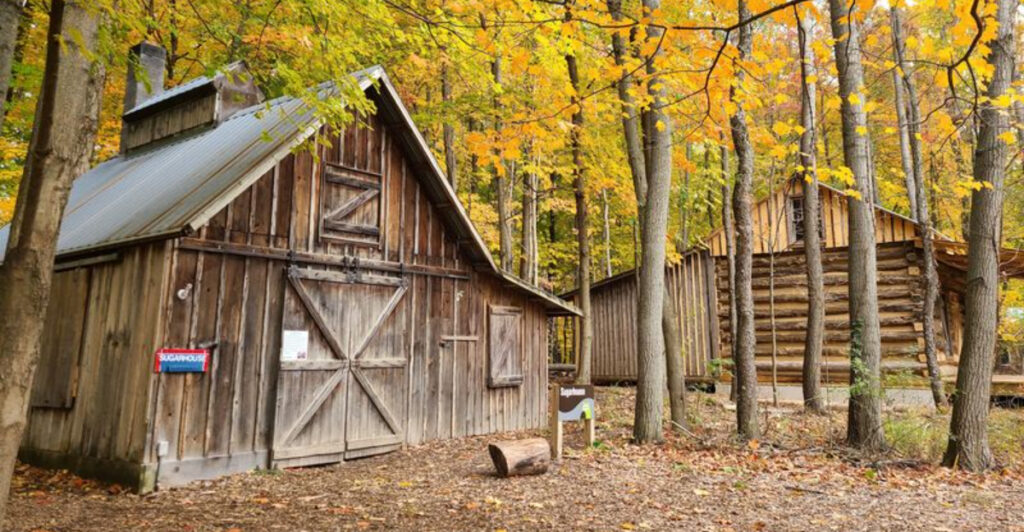
Nature feels even more memorable when wildlife, history, and quiet trails all meet in one place. Just a short drive from downtown Grand Rapids, Michigan, Blandford Nature Center gives families a chance to walk through the woods, see rescued animals, and explore historic structures that help tell part of the state’s story.
The experience goes beyond a simple trail stop, blending outdoor discovery with conservation, education, and a strong sense of place. Visitors might spot an owl, follow a forest path, and stand near buildings that have lasted for around 170 years, all in the same outing.
For anyone looking for a Grand Rapids-area escape with nature, learning, and local character, Blandford Nature Center deserves a closer look.
A Woodland Entrance That Changes the Pace
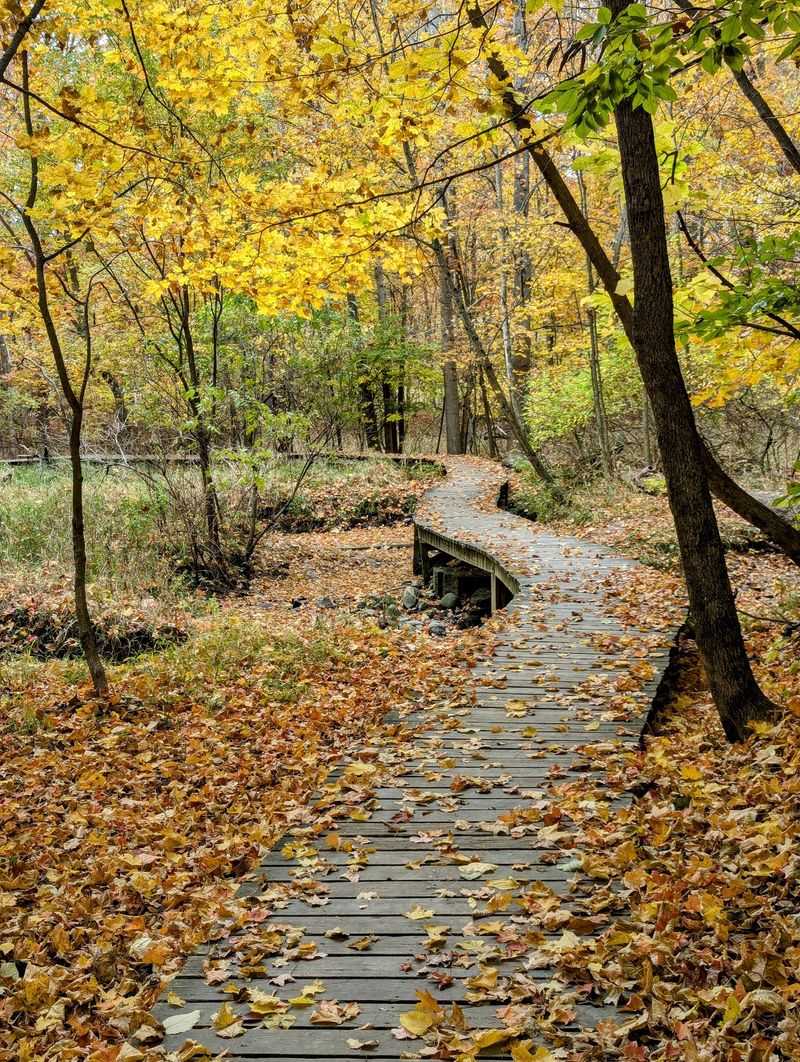
City streets fade fast here. One minute there is traffic and neighborhood noise, and the next there are trees, open sky, and trails that pull attention away from screens and schedules.
Blandford Nature Center sits close enough to Grand Rapids to feel easy, but the property quickly creates a different rhythm. The grounds stretch into woods, ponds, and walking paths, giving the place a broader, more natural look than many small city attractions.
That first shift matters because it sets up everything else, from animal viewing to historic buildings.
The layout also helps new visitors settle in without confusion. A main visitor area gives people a clear starting point, then the trails branch outward into spaces that feel quieter and more tucked away.
Some paths are easy for a relaxed walk, while others ask for sturdier shoes and a little more time.
Along the way, the preserve offers the sort of details that make a walk more interesting for kids and adults. Deer are sometimes spotted near the grounds, turtles may appear by water, and wooded sections create a layered view of trunks, leaves, and shifting light.
Even before reaching the rescue animal area or historic structures, there is already enough to keep eyes busy.
It also helps to know that this is not a free roaming play field where children run in every direction. Designated trails guide movement and protect the habitat, which is useful for preserving plants and reducing damage in sensitive areas.
Families who come ready for a walk, rather than a playground style outing, usually get more from the setting.
That opening impression is one of Blandford’s strongest moves. It trades rush for quiet, turns a short local drive into a reset, and frames the preserve as a place where nature gets treated with care.
Rescue Animals Give the Preserve Its Beating Heart

Few things grab attention faster than locking eyes with a rescued owl. At Blandford Nature Center, the animal area adds a strong sense of purpose because the wildlife here is not decoration.
These are rescued animals that cannot return to the wild and now serve as ambassadors for the species around them.
That changes the experience in a meaningful way. Instead of rushing past an exhibit, visitors are given a reason to slow down and think about injury, habitat loss, and how hard survival can be for wild creatures living near roads and growing neighborhoods.
A close look at a raptor, rabbit, or other resident animal often becomes the moment children remember most.
Owls are one of the center’s best known draws, and it is easy to see why. Their sharp features, steady stare, and quiet presence make them instantly compelling.
Other animals, including well known favorites such as bobcats or similar rescue residents when available for viewing, expand the lesson beyond one species and show how broad wildlife care can be.
There is also a practical side to this setup. Because animals need feeding, cleaning, and rest, viewing times may not always line up with the second a family arrives.
Planning around that reality helps avoid disappointment and also teaches an honest lesson: animal care comes before entertainment.
For parents, this section works best when treated as a conversation starter. Ask children why an animal might not be able to survive on its own, or why people should never feed or disturb wildlife on trails.
Those simple questions turn a short stop into something more useful.
Blandford stands out because rescue is not a side note here. The presence of these animals gives the preserve a mission people can actually see, one enclosure at a time.
Historic Buildings Add a Second Story to the Landscape
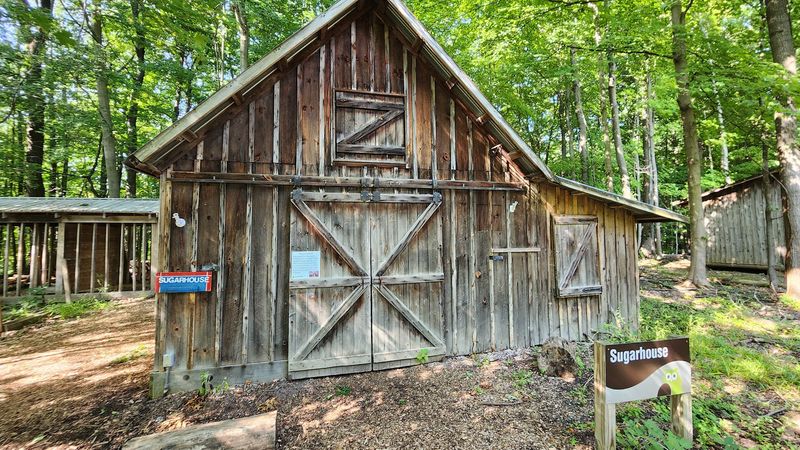
A walk in the woods is nice on its own, but old buildings give this preserve a whole extra layer. Blandford Nature Center is not only about trees and trails.
It also protects historic structures that connect the land to everyday life from long ago.
Some of the most interesting moments happen when a path opens up and a weathered building appears in the middle of all that green. A schoolhouse, rustic farm structures, and other preserved sites add shape and texture to the grounds.
They break up the scenery in a smart way, so the visit never turns into one long stretch of similar trail.
The title mention of 170-year-old buildings points to one of the center’s most unusual strengths. Plenty of nature preserves focus only on habitats.
Blandford combines habitat protection with restoration work, showing that local history can belong in the same conversation as wildlife care.
That pairing matters for younger visitors especially. A child can move from watching an owl to peeking at a historic building and start to understand that land has stories from both nature and people.
The preserve becomes a place to ask simple but useful questions: Who learned here, worked here, or traveled through this area before the city grew around it?
The buildings also make seasonal programs more vivid. Historic spaces are easier to imagine when they stand right in front of you instead of appearing only in a textbook or museum photo.
Wood siding, old shapes, and farmyard details help the past feel solid and local.
Visitors should allow enough time to notice these structures instead of treating them as background scenery. Read signs, pause for the setting, and look at how the buildings sit within the larger landscape.
At Blandford, restoration is not just about saving old walls. It is about keeping a physical link between Michigan’s natural world and the people who once depended on it daily.
Michigan History Gets Livelier at the Farm and Sugarbush
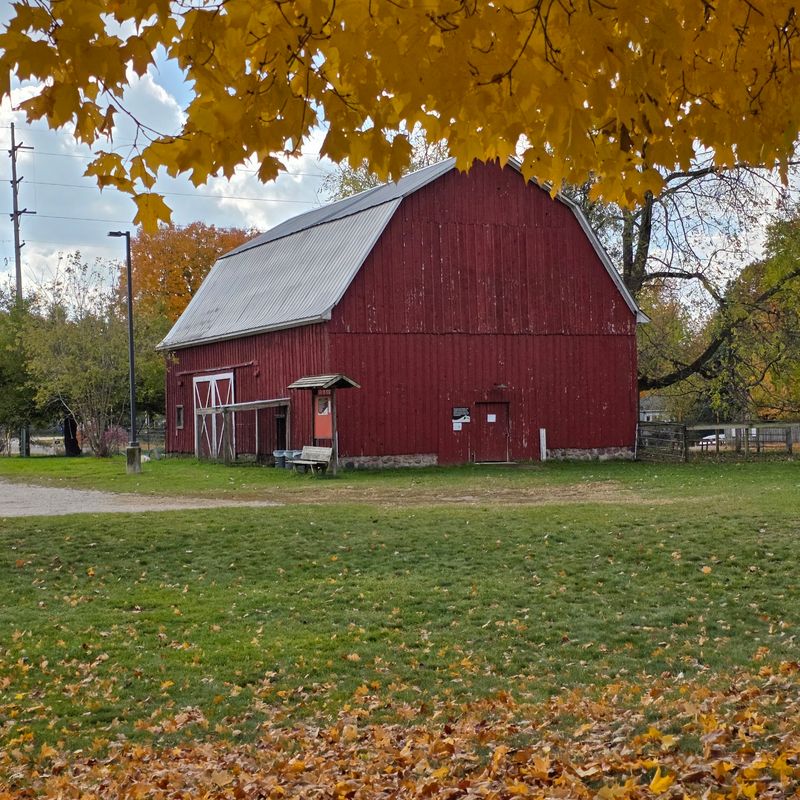
Cold weather and sticky syrup might sound like an odd travel highlight, yet it works beautifully here. Blandford Nature Center uses its farm and sugarbush areas to turn local history into an experience with smell, motion, and hands-on curiosity.
Maple syrup season is one of the clearest examples. Instead of reading a short label about how sap becomes syrup, visitors can connect the process to actual trees, historic techniques, and the working spaces built around that tradition.
The setting makes Michigan’s seasonal rhythms easier to understand, especially for kids who have only seen syrup arrive in a bottle.
The farm area adds even more texture to the visit. Historic buildings, blacksmithing demonstrations during special events, and open educational spaces create a stronger sense of how labor once shaped daily life.
Nothing about that lesson needs to feel dry or overly formal. Smoke, wood, tools, and old structures do plenty of the teaching on their own.
This part of Blandford succeeds because it grounds history in place. A preserved building matters more when it sits where people can walk around it, compare it with modern life, and connect it to the surrounding woods and fields.
The preserve becomes a living classroom rather than a row of facts pinned to a wall.
Families can get more out of this section by timing a visit around seasonal programming if possible. Maple events, heritage demonstrations, and educational activities often add movement and context that make the grounds even more engaging.
Even on a quieter day, the farm setting still gives the property a strong personality.
There is also a practical benefit for readers planning a trip. If younger children need variety, this section helps.
Trails alone can lose their sparkle for some kids after a while, but adding farm features and syrup history changes the pace. It keeps the outing from feeling one note and gives Michigan’s past a flavorful, smoky backdrop.
Trails, Deer, and Quiet Corners Beyond the Main Campus
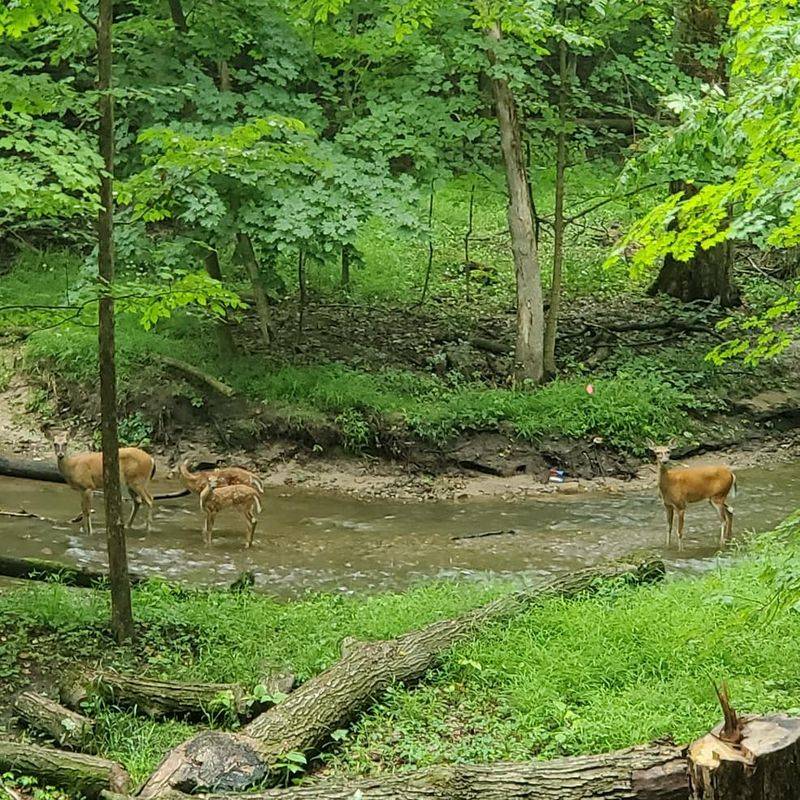
Not every standout feature at Blandford sits near an enclosure or historic doorway. Some of the best parts are farther out on the trails, where the preserve shifts from educational campus to a more spacious nature walk with room to look and listen.
The trail system is a major reason the center stays useful beyond a single visit. Woods, ponds, and changing terrain create enough variety that repeat walks can feel different across seasons.
Morning light, leaf color, patches of snow, or summer shade all rewrite the same route in small but noticeable ways.
Wildlife sightings add another layer of surprise. Deer appear often enough to be part of the preserve’s identity, but still feel exciting when one steps out near the trees.
Turtles, birds, and other smaller details reward patient walkers who keep voices low and eyes open.
There are a few practical limits worth respecting. Designated trails are there for a reason, and staying on them protects both habitat and visitors.
Reviews mention poison ivy in some areas, so sturdy shoes and a little attention to signage are smart choices, especially for families with active children.
Strollers and wheelchairs may work on some sections, but not every path is equally smooth. That means planning ahead helps.
If the goal is an easy family walk, start near the main campus and choose simpler routes first before heading deeper into the preserve.
One of the biggest strengths here is the quiet. Even though Blandford is near Grand Rapids, certain stretches can feel surprisingly removed from the city.
That calm is useful for solo walkers, couples, grandparents with children, or anyone trying to trade noise for birdsong and rustling leaves.
A good strategy is to give the trails real time instead of squeezing them in after everything else. Wear walking shoes, carry water, and leave space for wandering at an unhurried pace.
The preserve rewards people who pay attention to the edges of the path as much as the path itself.
Built for Curious Kids Without Losing Adult Appeal
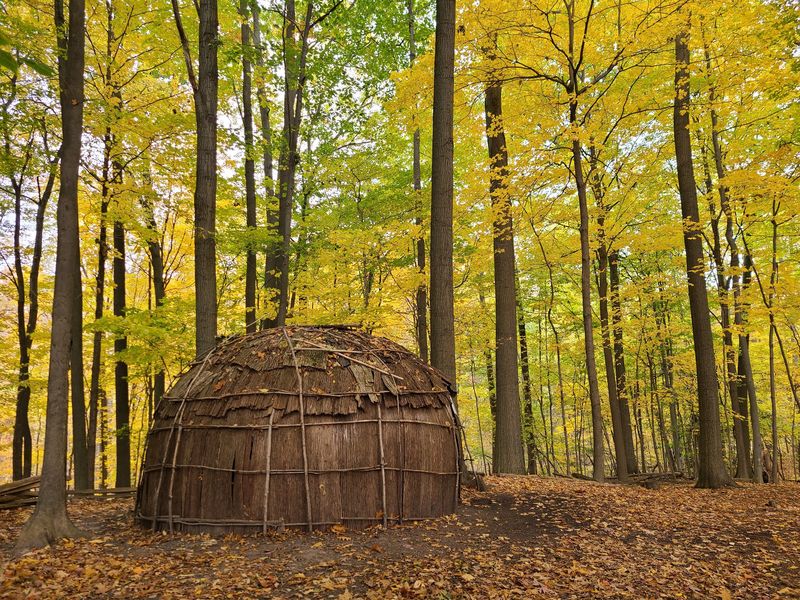
Some family attractions talk down to adults or move too fast for children. Blandford Nature Center finds a better middle ground.
It gives younger visitors enough to explore while still offering substance for parents, grandparents, teachers, and anyone who wants more than a quick photo stop.
The visitor center helps set that tone. Indoor exhibits, information areas, restrooms, and a clear welcome point make the property easier to navigate, especially with small children in tow.
There are also child friendly features that can give little ones a softer landing before heading out on longer trails.
Outside, the learning continues without turning stiff. Rescue animals create immediate curiosity, historic buildings open the door to local history, and the trails provide room for observation instead of overstimulation.
That combination works well for mixed age groups because everyone can latch onto a different part of the day.
School field trips make sense here for the same reason. Students can study tracks, wildlife, forests, seasonal change, and old farm life without hopping between several separate locations.
The lessons are gathered into one campus and surrounding preserve, which makes the material easier to connect.
Adults benefit from the pacing too. A grandparent can enjoy a calmer walk, a toddler can focus on animals or indoor nooks, and older kids can start asking sharper questions about ecosystems and conservation.
There is enough range to keep the visit from feeling narrow.
That said, it helps to arrive with the right expectations. This is not a loud amusement spot packed with nonstop interactive play.
Kids who enjoy running free in open playground style spaces may need guidance, while children who like animals, trails, and hands-on learning often settle in quickly.
For families trying to spend time together without everyone splitting off into separate interests, Blandford does something especially useful. It creates shared material to talk about afterward, from owls and deer to schoolhouses, maple syrup, and the difference between helping wildlife and simply watching it.
How to Plan a Better Day at Blandford
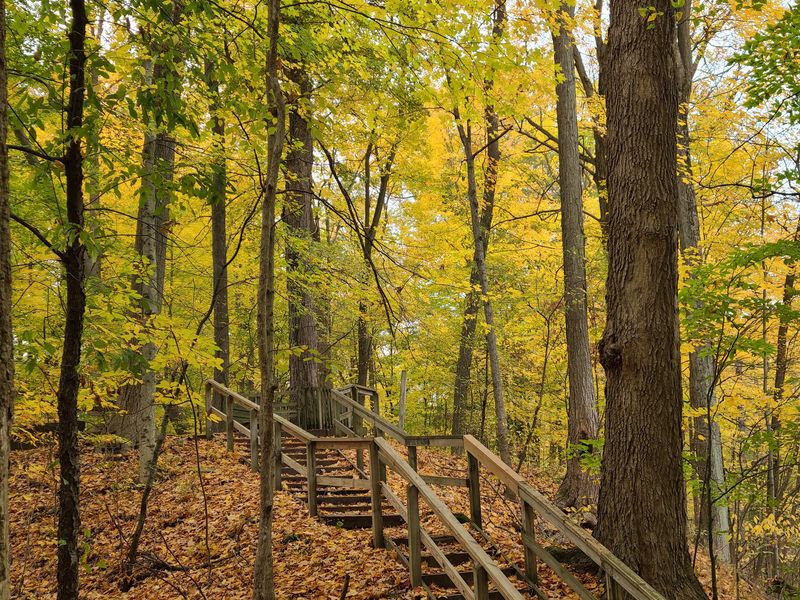
A smoother visit usually starts before anyone reaches the parking lot. Blandford Nature Center is easiest to enjoy when the day is planned around walking, wildlife timing, and the simple fact that this preserve covers more ground than it first appears to.
Start with footwear. Several reviews make it clear that the trails are a major draw, so comfortable walking shoes are a better choice than flimsy sandals.
Some routes are easy, but others are less stroller friendly, and weather can change the surface quickly in Michigan.
Water is another smart addition. There are indoor basics near the main campus, yet carrying your own bottle helps once the walk stretches longer than expected.
Families with toddlers should also think about stroller type if they plan to go beyond the areas closest to the visitor center.
Timing matters as well. The center operates during daytime hours on most weekdays and Saturdays, while Sundays are closed based on the listed schedule.
Arriving earlier in the day can mean a calmer trail experience, though special programs and animal viewing routines may affect what is open right away.
It also helps to set expectations with children before stepping onto the path. Staying on designated trails is part of how the preserve protects habitat and avoids trouble spots such as poison ivy.
A simple reminder turns a possible frustration into part of the adventure: the mission is to notice more, not to charge through everything.
Visitors coming mainly for rescue animals should allow backup time for trails or buildings in case animal areas are not immediately available. That way the outing still feels full rather than stalled.
Those interested in maple syrup, demonstrations, or educational events may get more value by checking the season and choosing a date built around those features.
Blandford rewards light preparation. A little planning gives the day better flow, helps families avoid common hiccups, and leaves more room to enjoy what the preserve actually does best: wildlife, woods, and history in one well organized setting.
Why Blandford Stands Out Near Grand Rapids
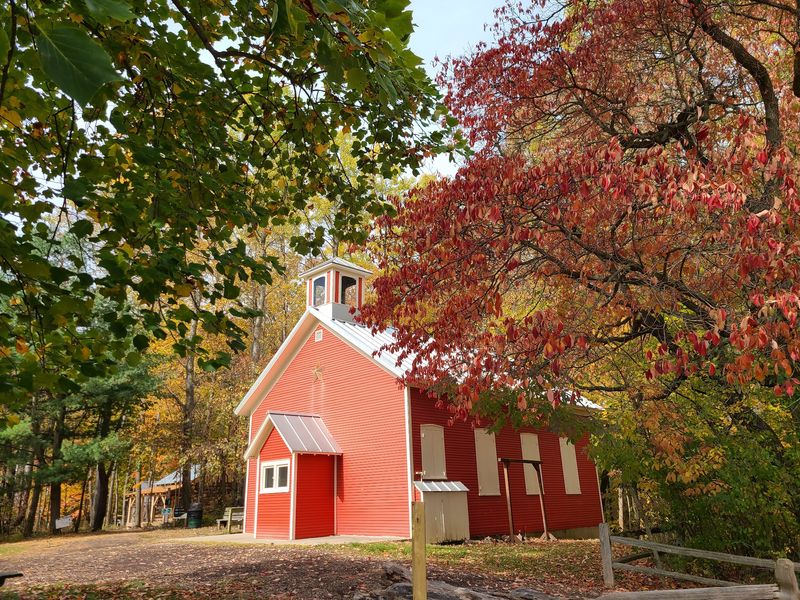
Plenty of places offer a nice walk. Plenty of other places display animals or preserve old buildings.
Blandford Nature Center stands out because it brings all three together in a way that is easy to reach from Grand Rapids and easy to understand once the day begins.
The preserve does not rely on one headline feature to carry the entire visit. Rescue wildlife gives it a moral center.
Trails provide breathing room and repeat value. Historic buildings and farm features add regional depth that many outdoor spaces simply do not have.
That mix makes the center useful for different moods and different groups. A family can treat it like an educational outing, a couple can turn it into a quiet walk, and local residents can come back in different seasons without repeating the exact same experience.
Even a short visit can include forest scenery, a close animal encounter, and a brush with Michigan history.
There is also a local advantage that should not be overlooked. Because Blandford sits so close to the city, it works well as a half day plan rather than a major road trip commitment.
That convenience broadens its audience. School groups, grandparents, solo walkers, and busy parents can all fit it into a normal week more easily than a distant state park excursion.
The center is not trying to be a theme park, and that is part of its identity. It asks for patience, attention, and a willingness to learn through walking, looking, and reading the landscape.
For the right visitor, that slower pace becomes the whole point.
The title of this article lands because it captures the unusual truth of the place. Blandford protects living creatures that need care and preserves old structures that need stewardship. Both efforts are forms of rescue, in different ways.
Near the edge of a busy Michigan city, that double mission gives the preserve uncommon weight. It is a nature center, a wildlife refuge, and a keeper of local history, all sharing the same patch of ground.