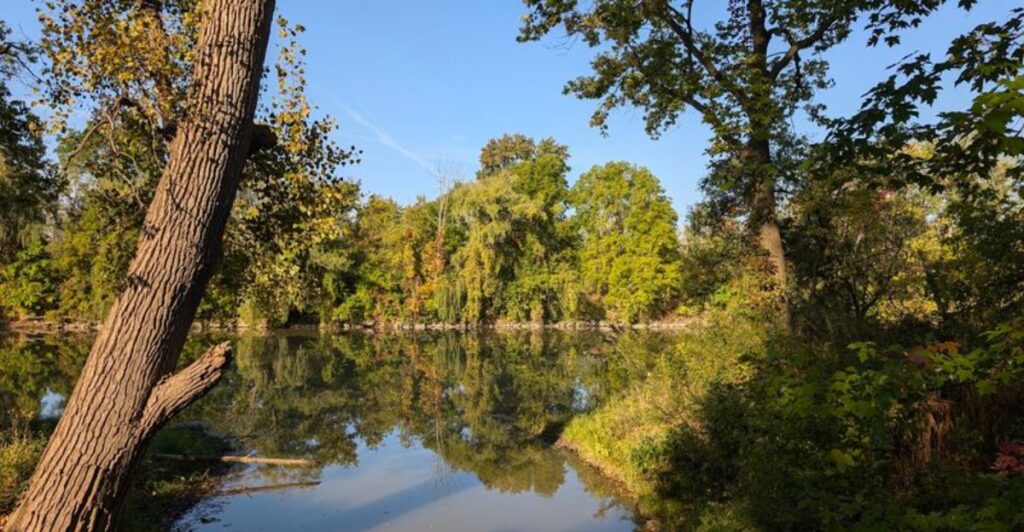
Most people visit a park to walk, picnic, or watch a game, but this September, Emerson Park in Midland will give visitors a reason to look up. From Friday, September 11 through Sunday, September 13, 2026, the Michigan Tree Climbing Competition brings professional arborists together for three days of judged climbing events, including aerial rescue, throw line, ascent climb, belayed speed climb, work climb, and the master climb.
The free public event also includes a supervised Kids’ Climb, an Arbor Fair, demonstrations, educational activities, conservation programs, exhibitors, and food trucks, turning a familiar green space into something much more active. It matters because the competition mixes outdoor beauty, athletic skill, safety, and tree care in a way most people rarely get to see up close.
For anyone looking for a Michigan event that feels unusual, hands-on, and surprisingly fun, this Midland gathering deserves a spot on the calendar.
A Riverside Park Turns Into a High-Up Arena
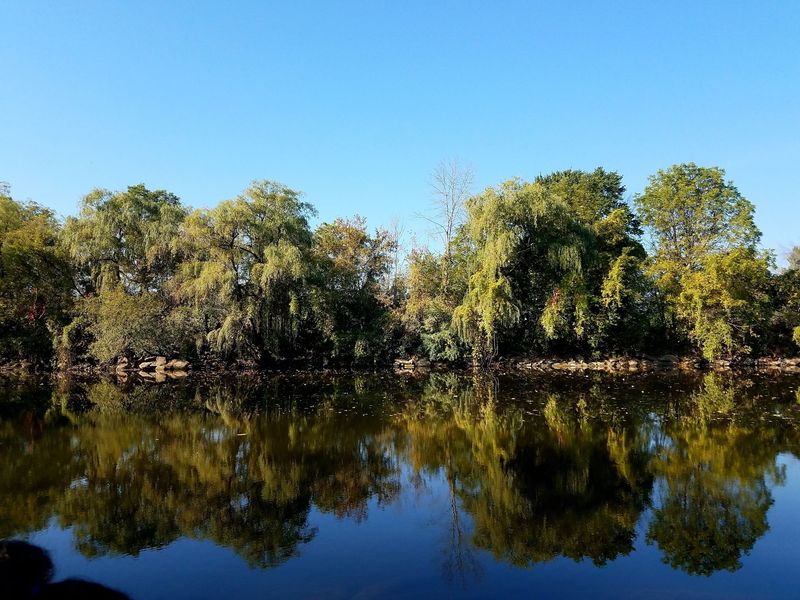
At first glance, Emerson Park looks like the kind of place built for easy afternoons. There are broad green spaces, mature trees, and room for families to spread out, but during the Michigan Tree Climbing Competition, that calm layout takes on a very different job.
Instead of serving only as shade, the trees become the center of the action. Ropes hang from high branches, climbing gear is checked carefully, and the park starts to function like an outdoor skills arena where every movement has a purpose.
That setting matters because tree climbing competitions need more than open land. They work best in parks with healthy tree canopy, room for judging stations, and enough space for spectators to watch without getting in the way of technical work.
Emerson Park makes sense for that kind of event. The grounds are already known for their roomy layout, shaded areas, river views, and easy paths, so a competition here can feel organized without losing the relaxed character of a public park.
There is also a visual contrast that makes the event especially memorable. On one side, the park carries its regular rhythm of playgrounds, pavilions, and open recreation areas, while overhead, trained climbers move with measured precision through branches that many visitors might normally barely notice.
Seeing that change happen can alter how a park is understood. A tree stops being background scenery and becomes a living structure that demands knowledge, balance, planning, and respect.
For anyone arriving without much knowledge about arborist competitions, that first impression does a lot of work. It instantly explains that this is not casual climbing for fun, but a professional event built around safety, control, and a close connection to the urban forest growing right inside Midland.
Not a Hobby Show – It Highlights Real Arborist Skill
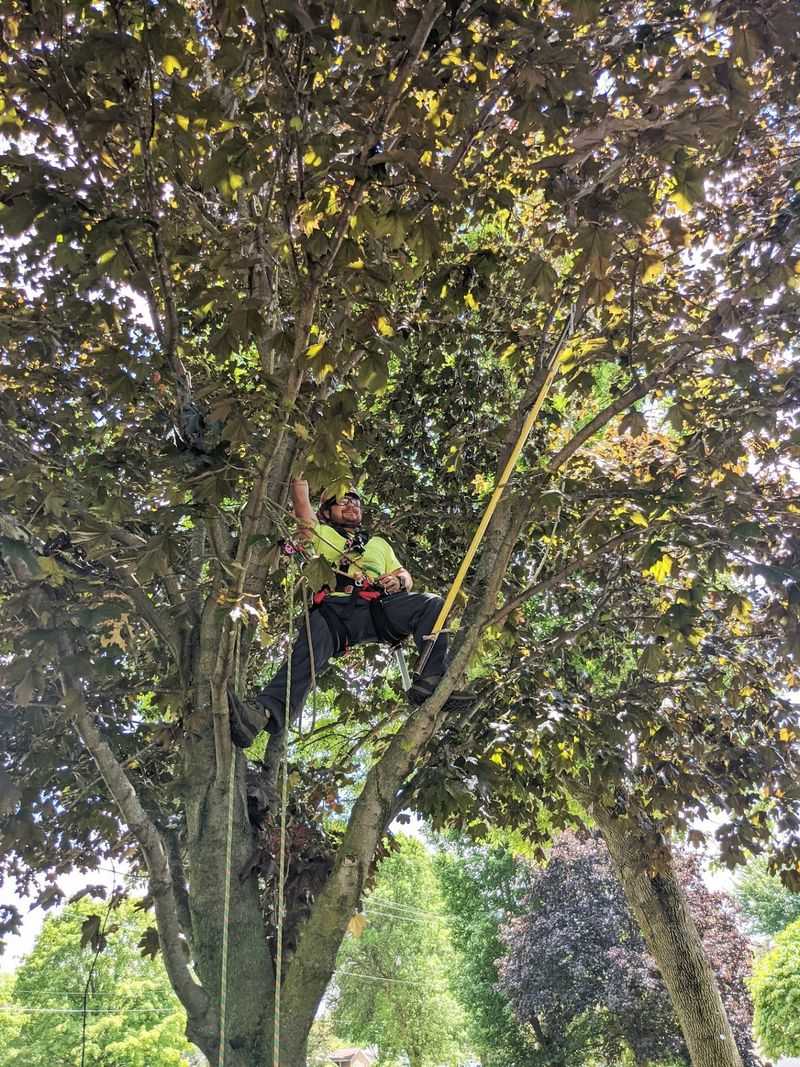
Plenty of sports test speed or strength, but this one adds judgment high above the ground. The Michigan Tree Climbing Competition is built around the real skills professional arborists use while working in and around trees, which gives the event a practical edge that sets it apart from ordinary outdoor festivals.
Competitors are not simply racing to the top. They are showing how well they can move through a tree, manage ropes, stay secure, make smart choices, and handle tasks that reflect the demands of professional tree care.
That difference is a big reason the event grabs attention. A person watching from below can quickly see that every clip, knot, and step matters, even if they do not know all the technical names for the gear being used.
There is also a quiet discipline to the whole thing. Climbers need focus, body control, and a sharp awareness of how a branch will support them, where a line should run, and how to move efficiently without wasting energy.
For young visitors, that can be one of the most useful surprises of the weekend. Tree work suddenly becomes visible as a skilled profession, not just a job people notice after a storm or when a crew shows up with trucks and saws.
The competition can also help adults understand why training matters so much in arboriculture. Working in trees requires planning, communication, inspection, and respect for risk, and those qualities are easy to spot when skilled climbers are being judged in public.
So while the event is exciting to watch, it also works like a live lesson. It shows that professional tree climbing is part athletics, part problem solving, and part environmental stewardship, all playing out in the branches of a park tree instead of behind closed doors.
Three Days Bring a Different Rhythm Than a One-Afternoon Event

A three-day competition changes the whole pace of a park gathering. Rather than rushing everything into a few crowded hours, the Michigan Tree Climbing Competition has room to build momentum, letting the event unfold in stages and giving spectators more than one way to experience it.
That longer format helps competitors too. Professional climbing events usually involve separate rounds, different challenges, and a final stretch that rewards consistency, not just one flashy moment.
For someone visiting Emerson Park, the weekend can feel different depending on when they arrive. An early period may center on setup, safety checks, and climbers getting locked into the flow of the event, while later portions often carry more tension as standings begin to matter.
This creates a stronger story than a short exhibition ever could. Day by day, a watcher can start recognizing techniques, noticing how competitors conserve movement, and seeing which climbers look smooth and confident from the ground.
That slower build is useful for first-time spectators. Tree climbing competitions involve specialized equipment and rules, and a three-day schedule gives people enough time to learn what they are seeing instead of walking away puzzled after ten minutes.
There is practical value in that for families as well. If the weather shifts, if children need breaks, or if someone wants to pair the event with a trail walk or picnic under the trees, a longer schedule allows more flexibility than a tightly packed single-day program.
Most of all, the three-day structure gives the competition a sense of presence in Midland. It is not just a quick stop on a calendar.
For a full stretch of time, Emerson Park becomes a meeting place for arborists, curious locals, and outdoor-minded visitors all looking upward for the next careful, controlled move.
Precision in the Branches Is the Real Main Event
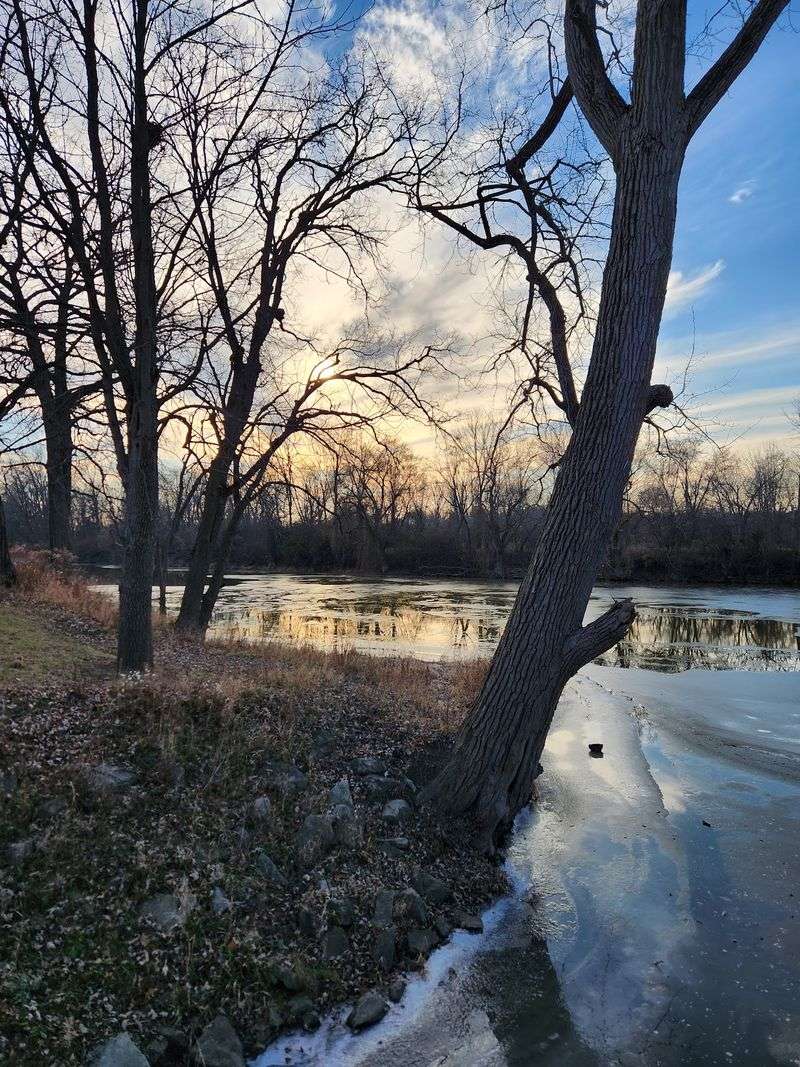
Fast movement catches the eye, but precision is the trait that really defines a professional tree climbing competition. At Emerson Park, the most impressive moments are likely the ones that look smooth and almost quiet, with a climber making a difficult maneuver appear calm, efficient, and under full control.
That smoothness is never accidental. In arborist competitions, success usually depends on a blend of safe rope handling, thoughtful positioning, balance, and the ability to move through a tree without wasting time or energy.
Watching from the ground, it can be tempting to focus only on height. The better lesson is in how the climber gets from one point to another, where they place their weight, how they manage slack, and how carefully they respond to the structure of the tree.
This is where the event becomes fascinating even for people who do not follow climbing sports. The challenge is not brute force.
It is strategy mixed with practiced movement, the kind of skill that turns a vertical space into a route full of decisions.
Judged tree climbing also highlights the value of control under pressure. A competitor may be working against the clock, yet rushing too much can create mistakes, while steady, efficient motion often tells a stronger story than raw speed alone.
For children and teens, that can be a powerful thing to see in person. The best performers are not showing off.
They are demonstrating how training, patience, and careful technique can carry a person much farther than wild energy ever could.
By the time a spectator has watched several climbs, the event starts to read differently. Branches become pathways, ropes become tools of precision, and the entire canopy turns into a test of planning where the smartest route upward is usually the one built on calm decisions.
Why Emerson Park, Michigan Works for Spectators Too
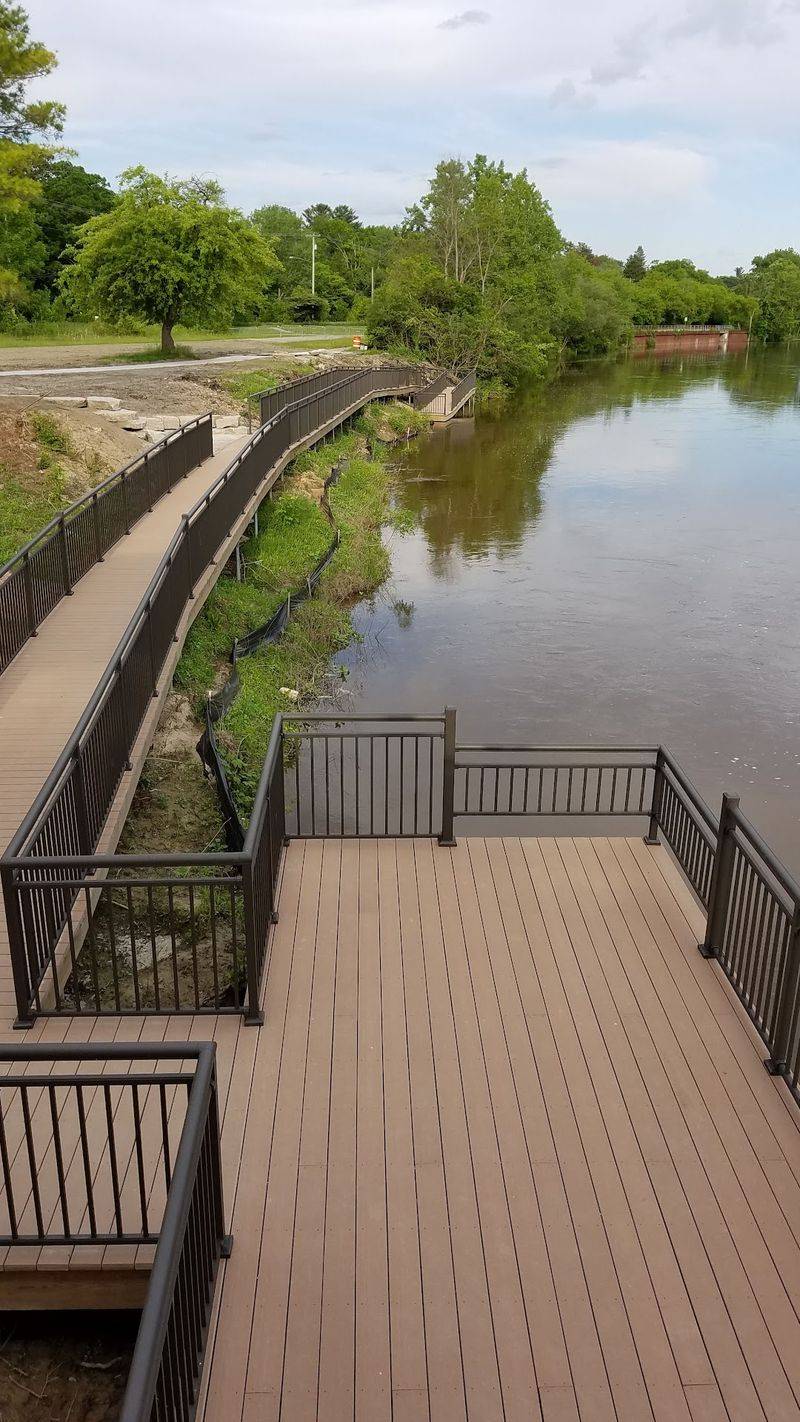
Some specialized competitions are hard for outsiders to enjoy, but this setting gives the Michigan Tree Climbing Competition a broader appeal. Emerson Park is already built to handle different kinds of park users, so spectators can watch a technical event without feeling trapped in a narrow, crowded venue.
That makes a real difference for families and casual visitors. Someone can spend time following the climbing action, then step away for a short walk, sit in the shade, or settle near a pavilion before returning for another round.
The park’s layout supports that loose, comfortable rhythm. Open grassy areas, established trees, nearby paths, and room to spread out can make a day at the event easier for people who are curious but do not plan to stand in one place for hours.
There is also a helpful visual clarity in a park like this. Because the competition happens in living trees rather than on a crowded stage, viewers can often understand the challenge just by looking up and tracing a climber’s movement through the canopy.
That simple act of watching upward gives the event a different mood from many public gatherings. Noise and activity may still be present, but the focus often narrows to one person, one rope system, and one careful route through the branches.
Emerson Park’s riverfront character adds to the experience without stealing attention. The surrounding scenery gives the day a grounded local setting, so the competition feels connected to Midland itself instead of floating as a generic sporting event that could happen anywhere.
For residents, that blend can be especially appealing. A familiar park keeps doing what parks do best, offering space, shade, and movement, while also revealing a highly skilled profession in plain sight.
The result is a public event that welcomes both serious followers and curious first-time watchers.
Timing the Visit Can Shape the Whole Experience
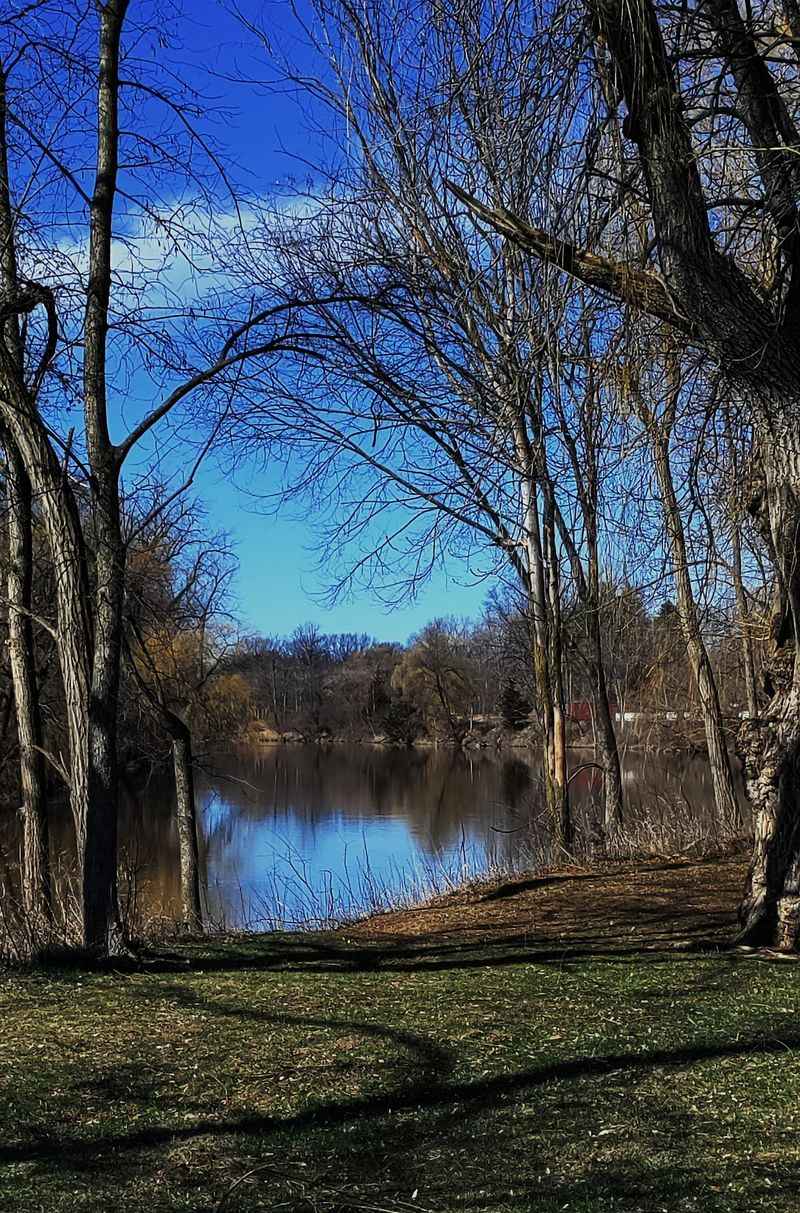
Showing up at the right time can make the competition much easier to enjoy. Since Emerson Park is a large public park with trails, pavilions, parking areas, and plenty of shade, planning the visit around energy level, weather, and attention span is often smarter than trying to treat it like a quick in-and-out stop.
Morning can be a strong choice for anyone who wants a calmer pace. Cooler air, softer light, and the sense of the day getting started can make it easier to watch competitors prepare and settle into the technical side of the event.
Later periods may bring more movement and more people, which can be exciting if the goal is to feel the event’s busiest stretch. That can be especially fun for visitors who already know they want to stay awhile and absorb the social side as well as the climbing.
Comfort matters here more than many first-time visitors expect. A tree climbing competition is about looking up, standing, shifting locations, and paying attention, so practical choices like good walking shoes, water, sun protection, and a flexible schedule can improve the day in a big way.
Families may also want to build in breaks. Emerson Park has the kind of general recreation setting that can support pauses between rounds, which is helpful if younger kids are interested in the action but not ready to focus on every stage of it.
One useful approach is to treat the event as part competition, part park day. Watch closely for a while, stroll a bit, grab a shady seat, then come back with fresh attention when another climber begins.
That rhythm fits the setting. Instead of forcing a rigid agenda, the park allows the weekend to unfold at a comfortable pace, which can make the Michigan Tree Climbing Competition more enjoyable for both dedicated arborist fans and completely new spectators.
Midland’s Tree Event Gives a Park a New Identity for the Weekend
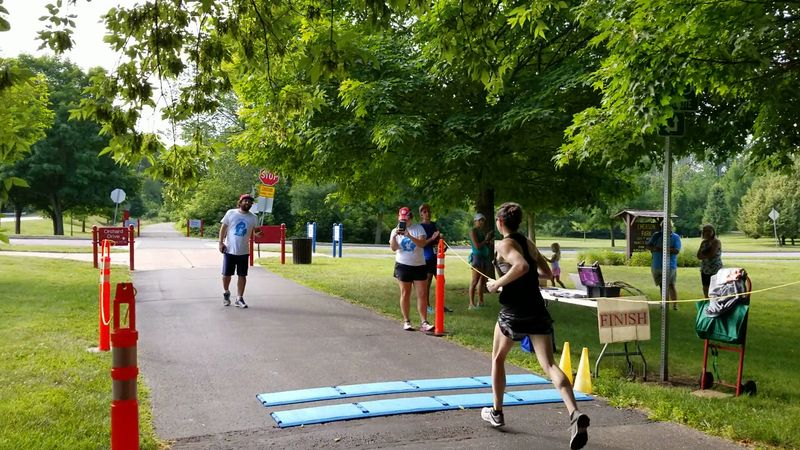
For one weekend, Emerson Park becomes more than a place for softball fields, picnics, or a walk near the river. The Michigan Tree Climbing Competition gives the park a temporary new identity, one centered on skill, stewardship, and a kind of outdoor excellence that many towns never get to see up close.
That shift is part of what makes the event stand out. It invites people to look at everyday urban trees not as scenery alone, but as living structures that need trained hands, informed care, and respect from the ground up.
There is a strong local angle in that idea. Midland already has a park setting where shade, open space, and riverfront scenery shape how people spend time outdoors, so a competition focused on climbing and tree care lands in a place where the tree canopy already matters.
The event also brings together two worlds that do not always meet in public. On one side, there is the professional arborist community with its technical language, safety systems, and career-specific skills.
On the other, there are ordinary park visitors who may arrive knowing very little, then leave with a sharper sense of what tree work actually involves.
That connection gives the competition lasting value beyond the excitement of the climbs themselves. A child might start asking how the ropes work.
An adult might notice the park’s mature trees more carefully on the next visit.
Even without making grand claims, the appeal is easy to understand. Few events combine recreation, education, and visual drama in such a natural way, and fewer still do it in a setting as accessible as a familiar city park.
By the end of the three days, the biggest surprise may be how logical it all seems. Emerson Park and a professional tree climbing competition fit together neatly, turning Midland’s leafy public space into one of the most unusual sporting stages in Michigan.
Share this story