Some museums ask you to keep your hands in your pockets. This one in Duluth hands you a lever, points you toward a button, and invites you to climb aboard.
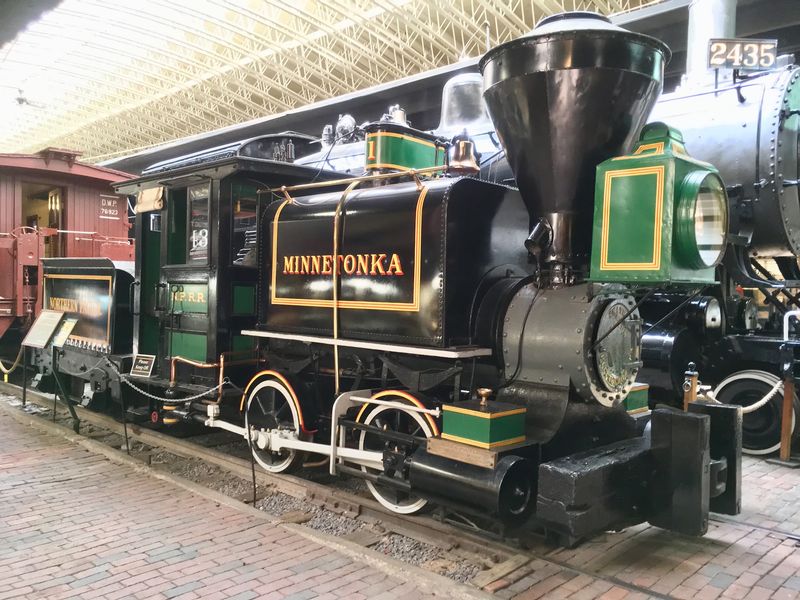
Kids get to explore real train cars from the inside, grandparents get a heavy dose of railroad nostalgia, and parents get a day that runs on its own steam. The collection stretches from very old engines to mid-century machines, with a massive rotary snowplow waiting near the end of the line.
There are model railroads, hands-on games, historic photographs, and even a scenic ride along the lake. Ahead, you will find what makes the place tick, which exhibits deserve your time, how much a ticket costs, and a parking tip that could save your afternoon.
All aboard for the details.
A Depot Full of Rolling History
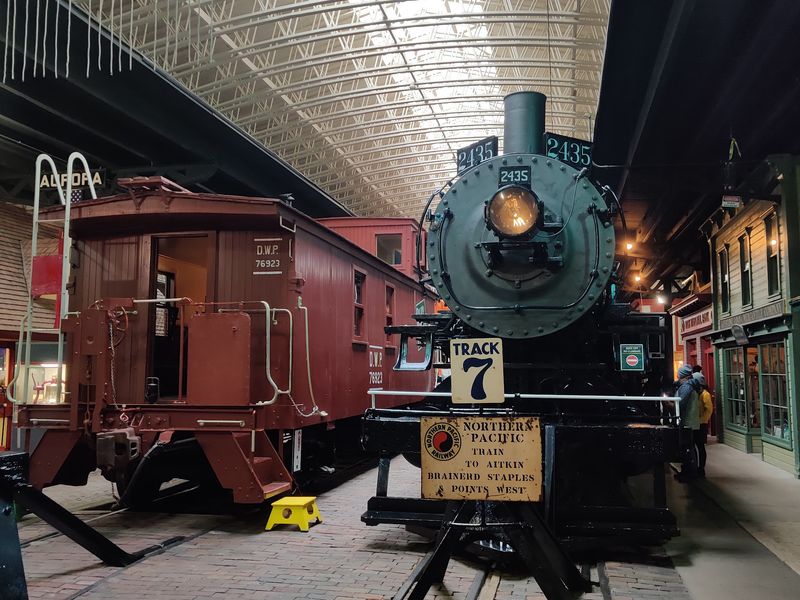
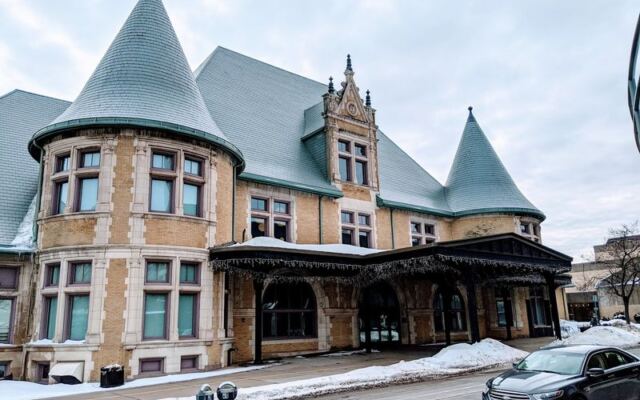
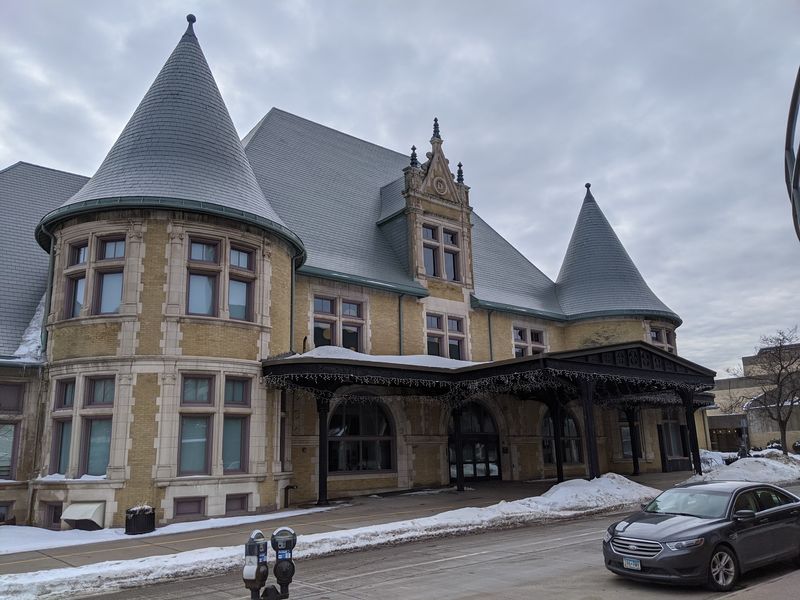
Downtown Duluth hides a surprising number of locomotives under one roof. The Lake Superior Railroad Museum sits at 506 W Michigan St, Duluth, MN 55802, in the state of Minnesota, United States.
The museum lives inside a former depot, which feels fitting for a place devoted to trains. Exhibits of historic railcars and railroad equipment fill the space, along with displays on regional history and train excursions that leave from the same building.
Getting your bearings is part of the fun. From the entrance, displays wait on the main level, and then stairs lead down to a second level and finally to the base floor where the main museum spreads out.
That layered layout means the big reveal comes at the bottom. Many first-timers do not realize how large the collection is until they reach the lowest floor and see rows of engines and cars stretching ahead.
The location is easy to find for anyone already exploring the city. It sits across the street from a well-known downtown hotel, which makes it a simple add-on to a Duluth weekend.
The museum carries a 4.7-star standing across more than 900 public opinions, a strong signal that the trip is worth the stop. The next stop on this tour is the part everyone talks about most.
Climb Aboard, Not Just Look
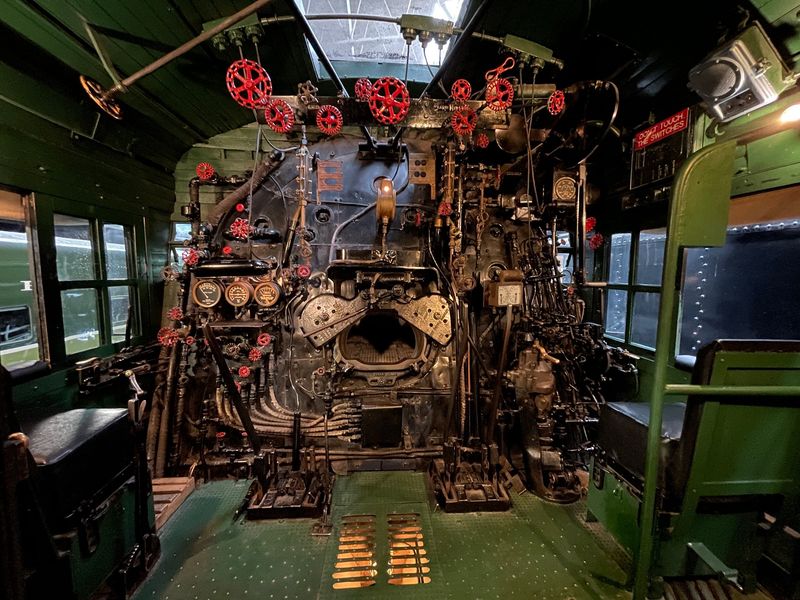
Velvet ropes are in short supply here. Over half of the trains on display can be entered, which is rare among railroad museums.
Families walk through passenger cars, peek into engine cabs, and explore the inner workings of machines that once crossed the region. Train cars are the single most mentioned topic among people who have visited, and it is easy to see why.
Going inside changes the experience. A locomotive seen from the floor looks impressive, but standing where a crew once worked turns history into something you can actually step through.
Plenty of adults who know very little about trains leave having learned a lot. Train fans who know every model number also find plenty to study.
A practical note helps with planning. Some spaces inside the older cars are narrow, so a few areas may be tight for larger guests or anyone with limited mobility.
Staff may ask that children stay close, which makes sense around valuable historic equipment. Keep the little ones nearby, and the climbing becomes the highlight of the day.
The Giant Rotary Snowplow
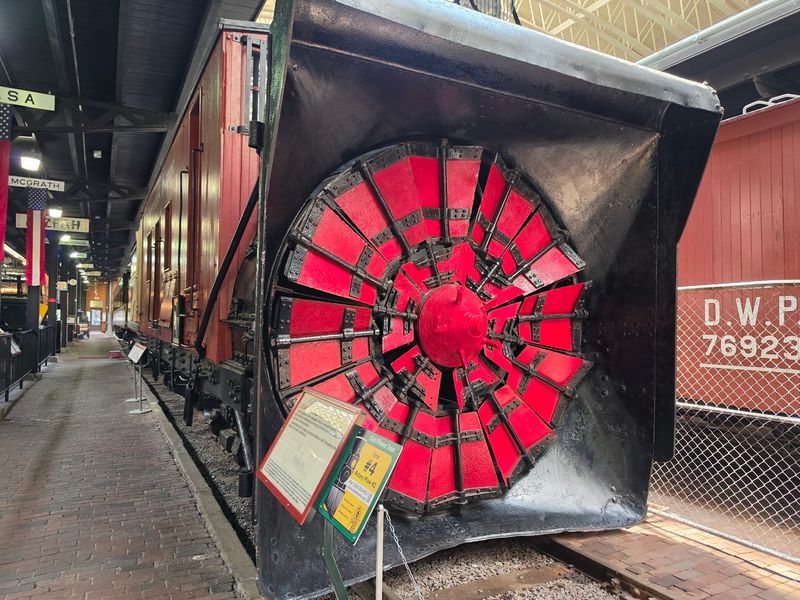
Minnesota winters needed a serious answer, and railroads built one. A massive steam rotary snowplow stands among the most memorable machines in the collection.
A rotary plow uses a huge spinning blade at the front to cut through deep snow and throw it off the tracks. In a snowy state, keeping trains moving through winter mattered a great deal.
Many people name the plow as their favorite piece. It is big, unusual, and nothing like a standard locomotive, which makes it a natural photo stop.
Nearby, a huge steam engine draws its own crowd. Learning about that single enormous locomotive becomes a highlight for many families.
Other heavy hitters fill the floor too. A giant slag transport car, a crane for lifting tipped carts, and a hand car show the working side of railroading beyond passenger travel.
For anyone keeping score, this section of the museum might be where you spend the most time. It is the kind of display that makes kids stop and ask how something that size ever moved, and that is a question worth chasing.
Buttons, Levers, and Moving Wheels
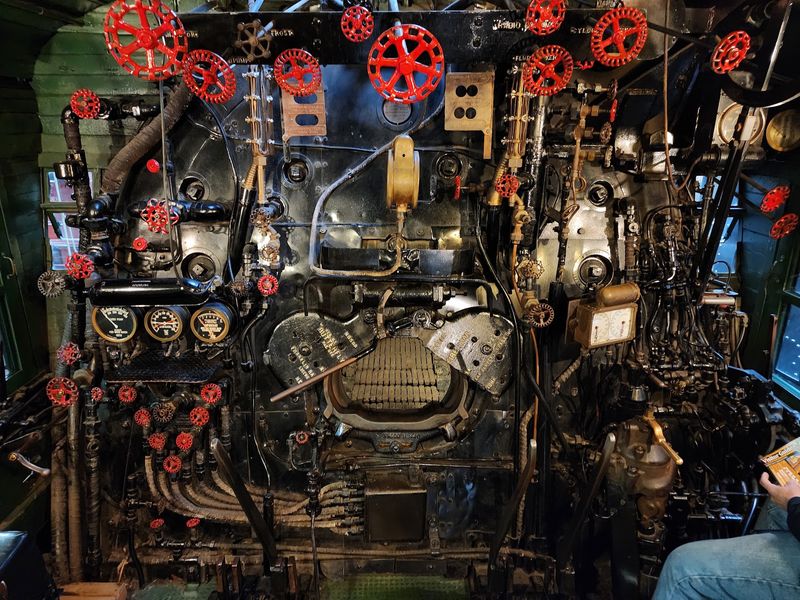
Here is the best advice in the building: if a sign says push this button, push it. Interactive exhibits are a big reason families stay longer than planned.
One engine can be seen operating in place, with wheels turning at the press of a control. Other displays let you sound horns and pull levers.
The hands-on approach suits busy kids who struggle with read-only museums. It also helps adults understand how the machines actually worked.
Short videos run alongside many exhibits. They add background without asking anyone to read long panels.
Signs offer plenty of detail for those who like to read everything. Others can simply wander and look, and both styles work well here.
The museum mixes toddler-friendly train sets with full-size locomotives. That range means a three-year-old and a grandparent can enjoy the same afternoon, each at their own pace.
Leave extra time for this part. Once children discover that the wheels respond to their touch, leaving becomes a tougher negotiation.
Postal Cars and Railway China
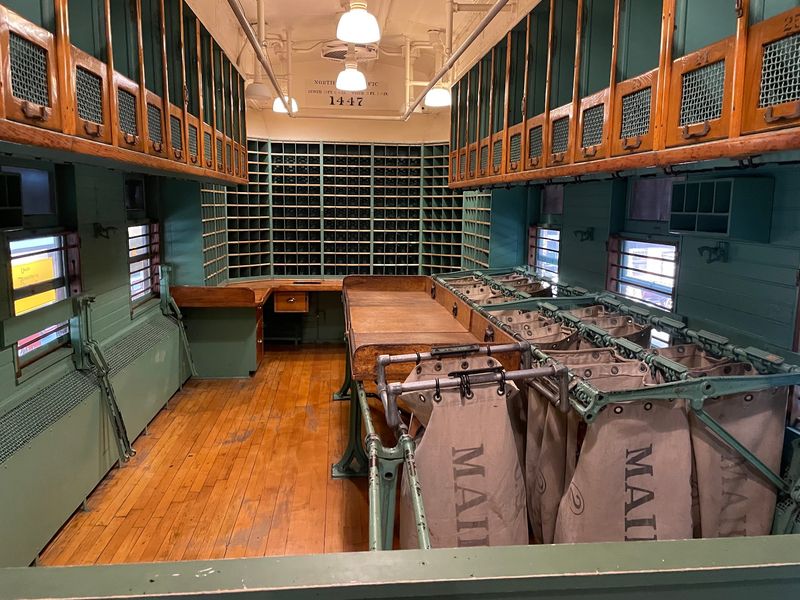
Not every treasure here weighs hundreds of tons. Some of the most interesting exhibits tell quieter stories about daily life on the rails.
The postal train surprises many people. Mail once traveled and was handled on board, and the car shows how that work fit inside a moving train.
Collectors of vintage objects will appreciate the dining car and the railway china collections. These pieces show how passenger service looked during the golden years of rail travel.
A lantern display adds another layer. Lanterns were key tools for railroad workers, and seeing many styles together shows how equipment changed over time.
Photography from the early 1900s fills in the human side. Pictures of crews, depots, and trains help connect the machines to the people who ran them.
For vintage lovers, this part of the museum rewards slow browsing. Details are everywhere, and just when it seems you have seen it all, another case or car appears around the corner.
Miniature Trains and the Hobo Sign Game
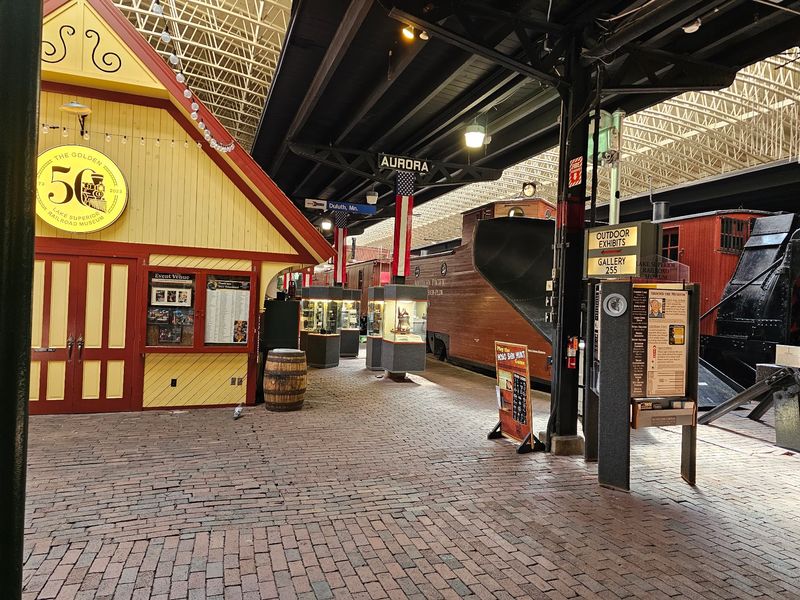
Small trains can steal big attention. A model railroad setup offers a miniature view of the rail world that fascinates children and hobbyists alike.
Miniatures sit alongside games and demonstrations throughout the museum. Each one is well made and educational without feeling like homework.
The hobo sign game deserves a special mention. Kids search for symbols around the museum, a smart way to keep active young explorers busy and curious.
Hobo signs were simple symbols travelers once used to share information. Turning them into a game gives kids a fun bit of history to take home.
Parents of restless kids will find this part a real help. A task to complete keeps young minds focused while adults linger at the exhibits.
Small children could easily spend a few hours exploring and playing. Many adults who came as kids return with their own families and find the magic still running on schedule.
An Outdoor Yard Full of Surprises
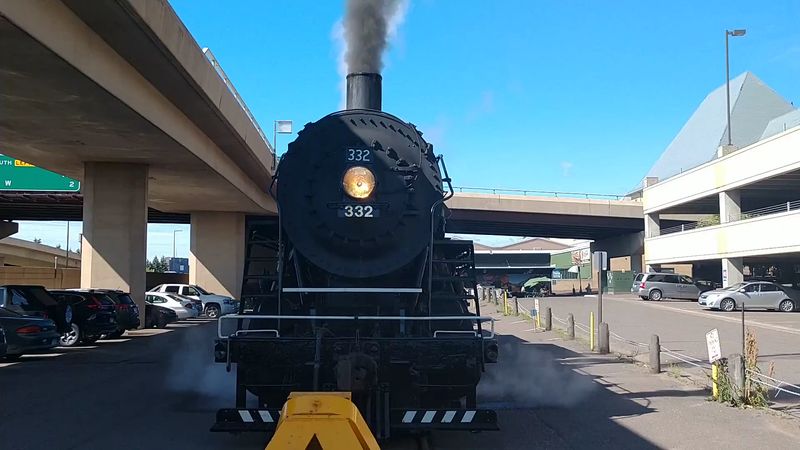
Just when the indoor tour seems finished, the story keeps going. Step outside and an entire yard holds even more trains.
The museum offers both indoor and outdoor displays. That split gives families a chance to stretch their legs between exhibits.
Picnic tables sit outside for a relaxed break. A small snack shop inside sells coffee and soft drinks, handy for a quick recharge.
Plan for a good chunk of time. Many groups spend about two hours and still do not see everything.
One group of friends with a love for engines spent around six hours studying the motors in detail. As the museum itself points out, each piece was once the top technology of its era, so there is plenty of tech talk for mechanically minded guests.
Some areas may be under construction at times, though the collection still offers plenty to explore. Pack patience, a light snack plan, and comfortable shoes for the yard.
More Galleries Under the Same Roof
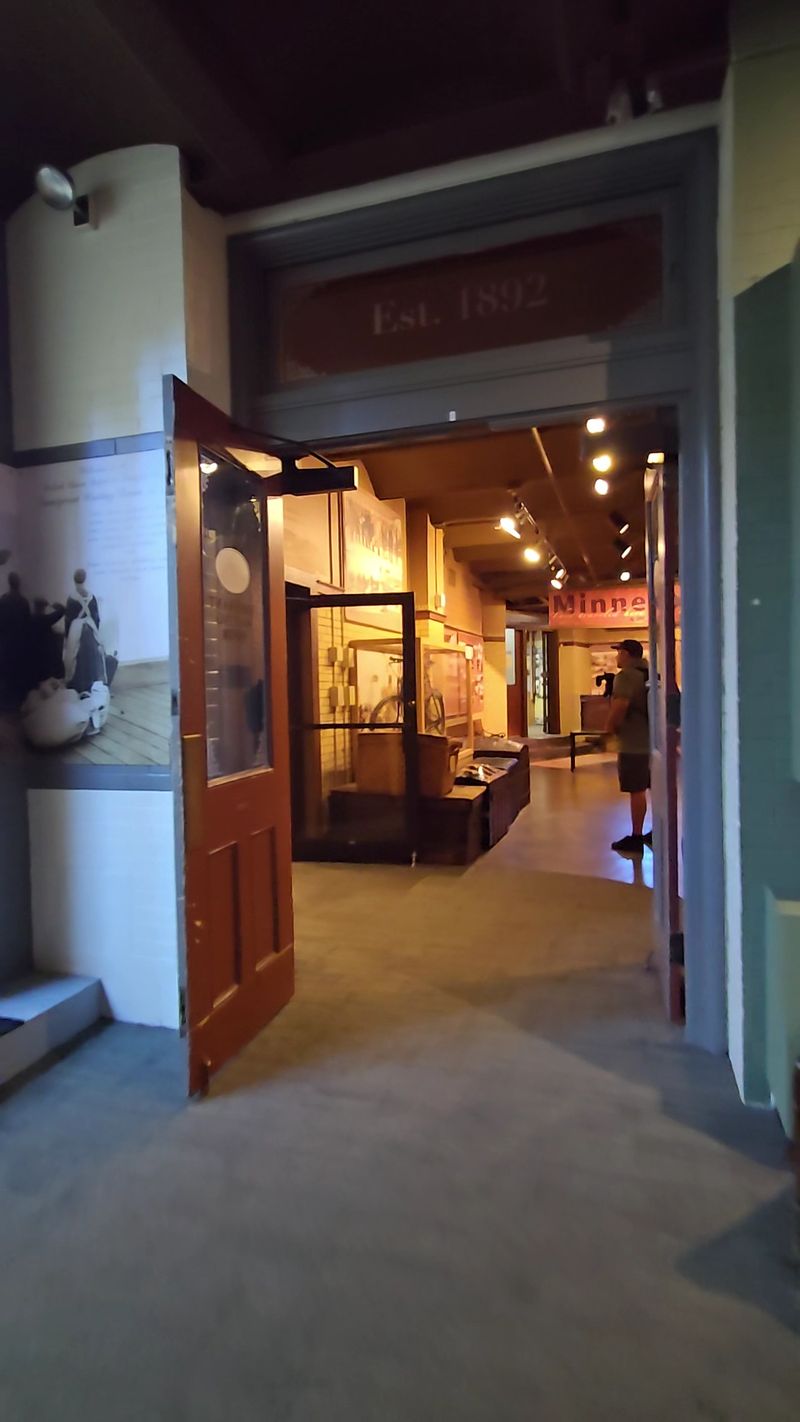
Trains may be the headliners, but the depot has a supporting cast. The building also holds other galleries worth exploring.
An immigrants section moves many people. It connects the region’s railroads to the families who arrived and built new lives in the area.
Regional history ties the whole visit together. Railroads shaped Duluth and the surrounding area, and the exhibits help explain how.
Railroad history comes up often among people who visit. The museum gives a detailed look at the railroads of this region, with plenty of informative facts.
These galleries offer a calmer pace after the excitement of climbing through cars. They are a good choice when younger kids need a quieter moment.
Families with history buffs should set aside extra time here. The trains explain how people traveled, while these rooms help explain why they came, and that pairing makes the visit feel complete.
Riding the Rails Along the Lake
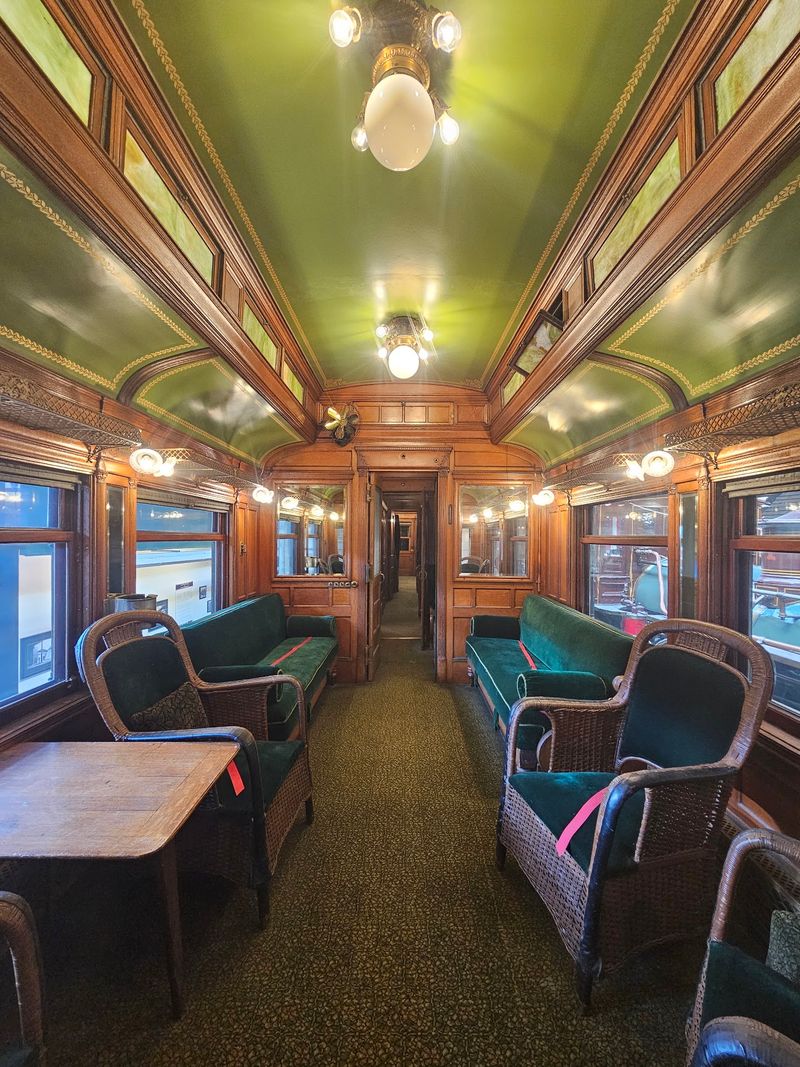
Looking at trains is great, but riding one is a whole new chapter. The museum offers excursions that run along Lake Superior’s North Shore.
Trips can include recorded or live narration, scenic overlooks, and the chance to walk through train cars of different ages. A pizza party train is a popular option for families.
The dome car is worth considering if the budget allows. First class options on the SkyView car include snacks and drink service.
Seating matters on the shorter scenic trip. Sit on the lake side for the best views along the route.
Set expectations sensibly. The train moves slowly, some stretches pass ordinary neighborhoods, and delays or mechanical cancellations can happen.
Fall trips can sell out early, so booking ahead is smart. Excursion holders also get museum tickets at half price, a nice bonus that turns one ticket into a full day.
Hours, Tickets, and a Parking Heads-Up
Good news for flexible planners: the museum keeps the same schedule every day. Doors open from 10 am to 5 pm, Monday through Sunday.
Adult admission runs about 14 dollars. Veterans can enter free, a welcome perk worth knowing before arrival.
Excursion prices vary by trip and seating class. Remember that train ticket holders receive half-price museum entry.
Lines to get in are usually short. Staff members are often friendly, and the person at the entrance can share plenty of knowledge about the museum.
Parking needs some thought. The lots and ramps around the depot are owned by the City of Duluth, and some have height limits and payment by QR code.
RVs and vehicles with trailers should head to the Duluth Entertainment Convention Center, which the city uses for oversized parking downtown. Check the website at lsrm.org before you go, and your trip should roll smoothly from the start.
A Station Stop Worth Making
Some day trips need a long checklist. This one mostly needs curiosity and a free afternoon.
The Lake Superior Railroad Museum offers a strong mix of history and play. Families can walk through historic cars, push buttons, study a giant snowplow, and browse vintage railway objects in one visit.
Train fans will be in their element. Casual guests often leave surprised at how much they enjoyed it.
Families with small children get hands-on fun. Vintage lovers get china, lanterns, and postal history, and engine enthusiasts get hours of mechanical detail.
Add a scenic ride for a fuller day, or keep it simple with the museum alone. Either way, the stress level stays low and the schedule stays easy.
Duluth has many reasons to visit, and this depot earns a place near the top. Come for the trains, stay for the stories, and leave already planning your return trip.
Share this story