Back in 1853, a judge and former U.S. Senator offered people free land. The catch? They had to build their homes with stone from his quarry. That deal shaped an entire village. By 1861, the town had basically reached the size it still is today. Limestone bluffs and a narrow creek ravine made sure it never sprawled.
I like how this tiny Illinois spot never bothered chasing the modern world. In 1973, the whole place landed on the National Register of Historic Places. Not one building. The entire village.
Narrow streets still wind past stone and brick homes from the 1800s. The Mississippi River rolls by just steps away. I can’t imagine a better place to slow down for an afternoon. Walking those narrow streets, I could see why this little village has held on to its old-fashioned charm for so long.
A Whole Village Got Listed as Historic, and It Shows
Most towns brag about one old building. The Village of Elsah, in Jersey County, Illinois, got its entire footprint added to the National Register of Historic Places in 1973.
That listing covered 48 buildings from the 19th century. Together, they form the Elsah Historic District, and nearly all of them still stand in their original spots.
The architecture reads like a style sampler from the 1800s. You’ll spot Greek Revival, Gothic Revival, Italianate, Mansard, Salt Box, and Gambrel designs on a single stroll.
No glass towers or strip malls interrupt the view. Instead, you get stone walls, brick fronts, and narrow streets that were never widened for modern traffic.
Nicknames like the village where time stood still get tossed around a lot. Here, the label actually fits, and it isn’t just marketing talk.
Keep one thing in mind as you wander. Most of these homes are private residences, so admire them from the sidewalk and respect the folks living inside.
Bring a good camera and comfortable shoes. The village is small, but you’ll probably stop every few steps to stare at another doorway or rooftop.
Blame the Bluffs for Keeping Things So Charming
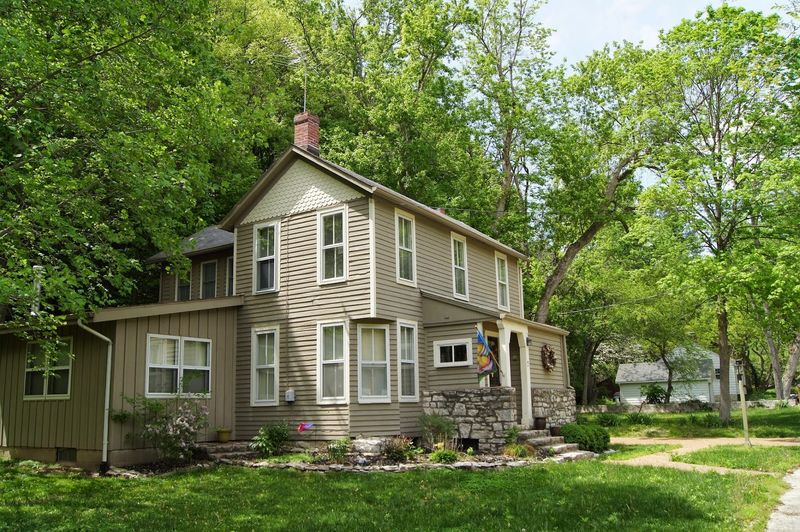
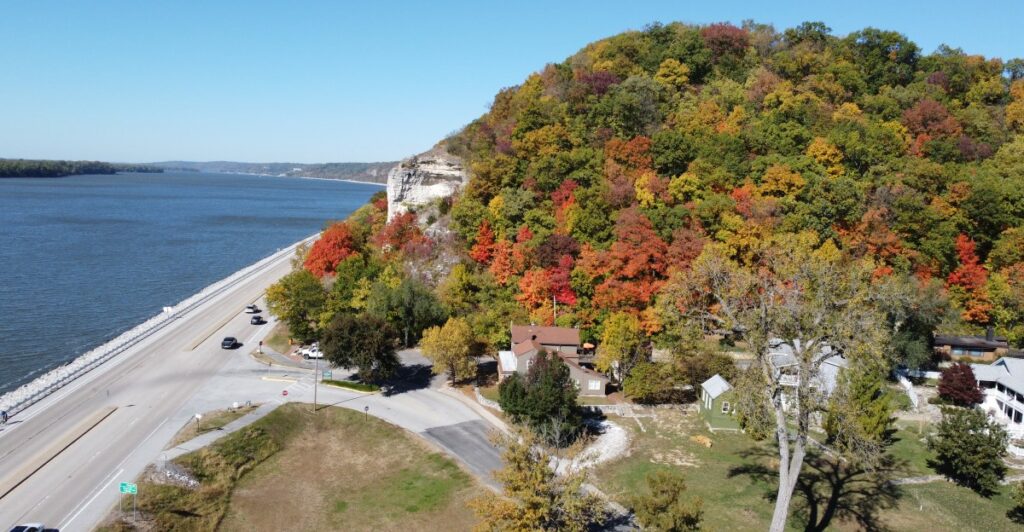
Geography did a lot of the preservation work here. Elsah sits in a narrow ravine carved by Elsah Creek, with tall limestone bluffs pressing in on both sides.
Add the Mississippi River at the front door, and there’s simply nowhere to expand. The town reached its current size by 1861 and has stayed that way ever since.
Economics played a part too. Elsah once thrived as a shipping point for crops from Jersey County farms, sending goods out by river.
Then the railroads arrived and changed everything. Shipping moved elsewhere, growth stalled, and the village stayed put instead of getting rebuilt.
Bad luck for business back then turned into great luck for us now. Fewer changes meant the old buildings simply kept standing.
The setting is a big part of the appeal. Those pale bluffs frame the village like a stage set, and the river adds a wide-open view just beyond.
Elsah sits about 35 miles north of St. Louis. That makes it an easy day trip, though the scenery might convince you to linger longer than planned.
Spend a Weekend Afternoon Inside the Village Museum
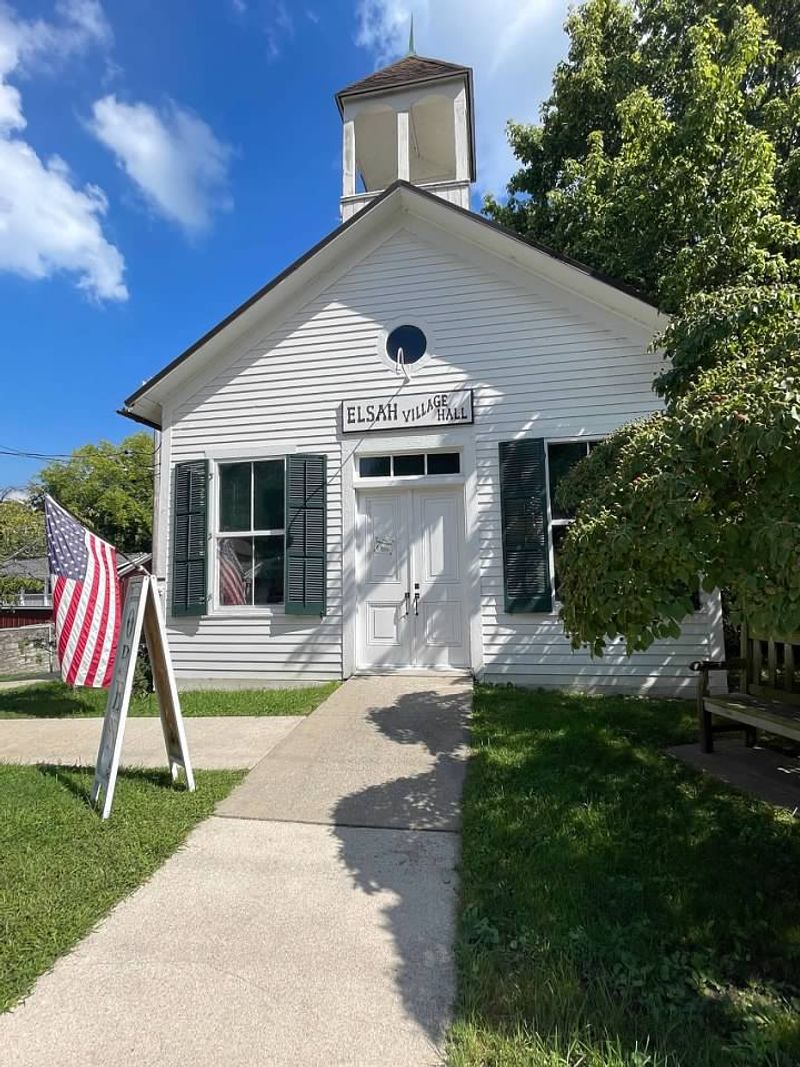
History buffs, here’s your headquarters. The Village of Elsah Museum lives inside the 1887 Village Hall, a building that also once served as a school.
Exhibits cover founder James Semple, who was an Illinois Supreme Court judge and a U.S. Senator. His free-land deal for homes built with quarry stone basically created the village.
You’ll also find displays on local architectural styles. They help you put names to all those rooflines and window shapes you spotted outside.
Early tools and everyday artifacts give a sense of daily life in the 1800s. Photographs from the 19th and early 20th centuries show how little some streets have changed.
Don’t skip the Elsah mural. Fun fact: the village name likely comes from Ailsa Craig, a small island off the coast of Scotland.
Timing matters for this stop. The museum opens April through October on Saturdays and Sundays from 1 to 4 PM, and visits are also possible by appointment.
Start your visit here if you can. Everything else in town makes more sense once you know the backstory.
Old Stone Ruins Make the Best Photo Backdrop in Town
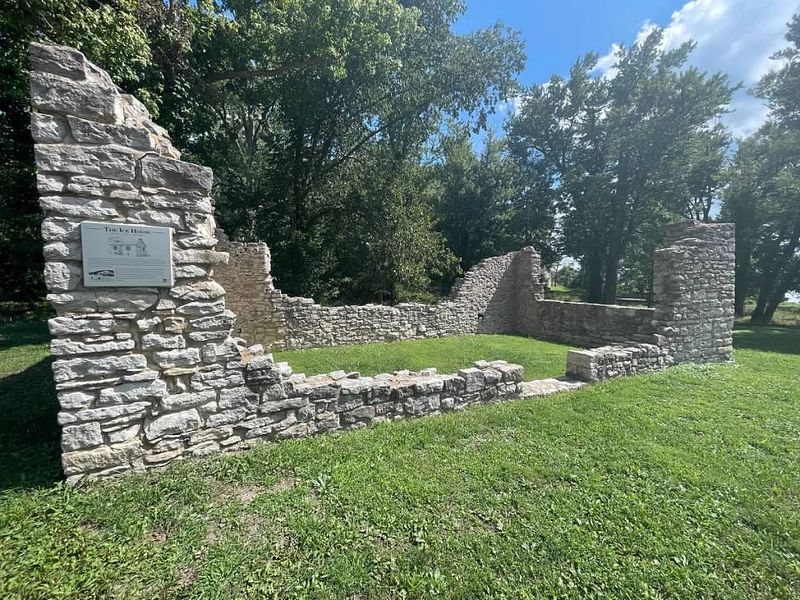
Crumbling walls rarely look this good. The historic ice house on Mill Street dates back to around 1865 and now stands as stabilized stone ruins.
It started out as a residence. Its lower levels happened to stay cool enough for storing ice, which was a big deal before refrigerators existed.
Curious what it looked like in its prime? The Village Museum displays a model of its possible original appearance, so you can compare the past and present.
Photographers love this spot, and it’s easy to see why. Rough stone, open frames, and green surroundings create a moody scene without any effort.
Stay on Mill Street for a few more landmarks. The Elsah Village Civic Center sits at 51 Mill Street, Elsah, IL 62028, built on stone foundations from 1857.
Today, the Civic Center acts as the community hub. It hosts village offices, meetings, workshops, lectures, art exhibits, and cultural programs.
A quick loop down Mill Street packs in a surprising amount of history. Plan for extra photo time, because these old stones are hard to rush past.
Look Up at the Buildings That Hosted Village Life
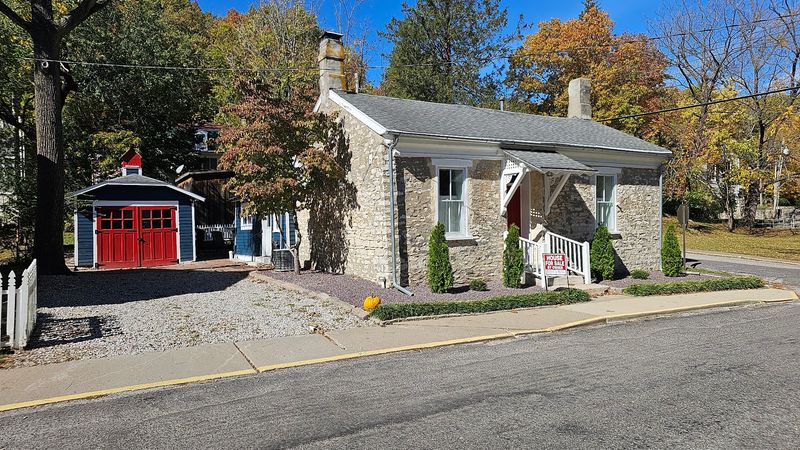
Before streaming and smartphones, people needed a place to gather. In Elsah, that place was Farley’s Music Hall, built in 1885.
The hall served as a hub for village activities and political gatherings. Picture town debates and community events, all happening under one roof in a village this tiny.
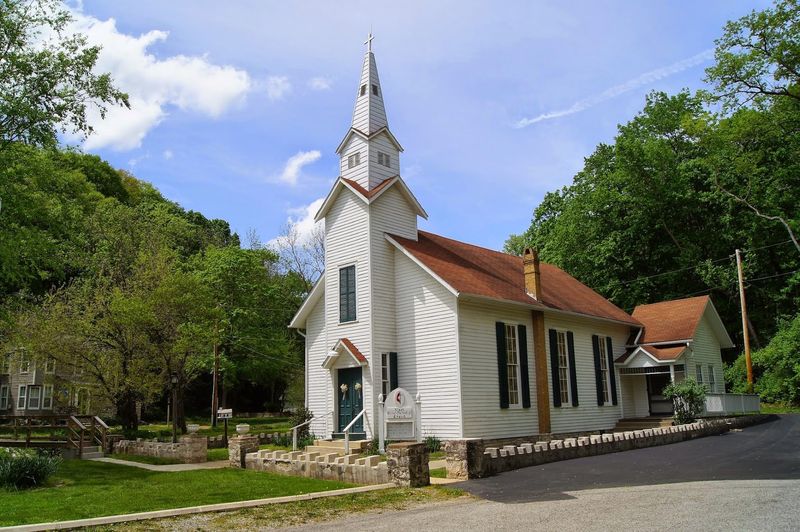
A few steps away, the Methodist Church has been part of the community since 1874. Its long presence adds another layer to the village story.
The Christian Science Reading Room is another neighborhood fixture. It works as a bookstore, library, and quiet study room all at once.
Together, these buildings show how people actually lived here. Homes are lovely, but shared spaces reveal what a community valued.
Walking past them feels a bit like flipping through a family album. Each building marks a different chapter in Elsah’s social life.
Take your time on this stretch. Notice the materials, the rooflines, and how each structure fits the small scale of the village around it.
River Trade Shaped Elsah’s Early Years
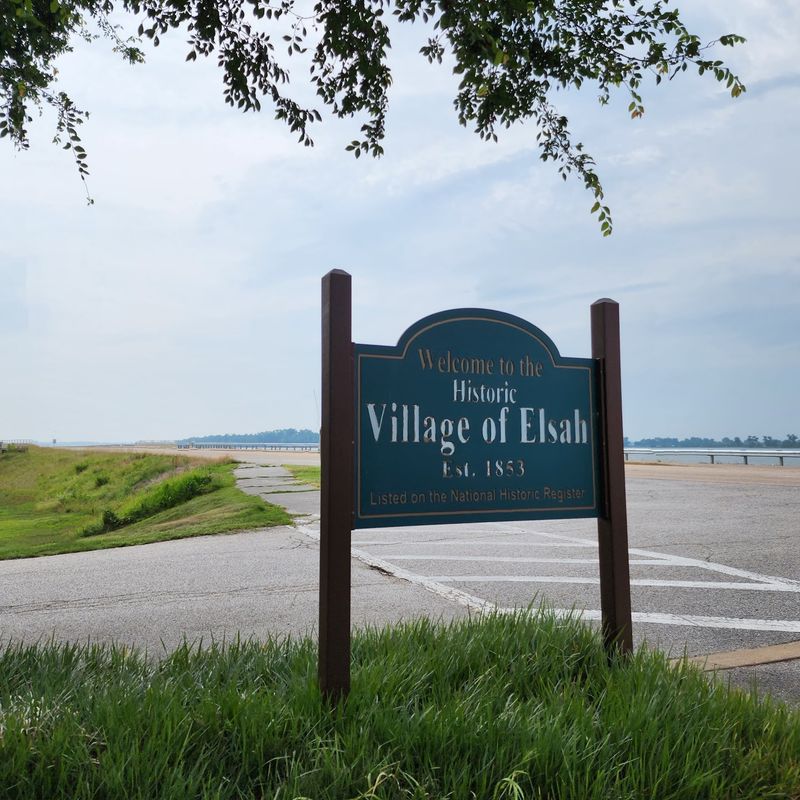
Long before cars rolled into Elsah, the Mississippi River helped shape everyday life. Founded in 1853, this small Illinois village grew around river trade, nearby farms, and the steady movement of goods along the water.
In those early years, the river was more than a pretty view. It connected local farmers and merchants to communities farther downstream, making it possible to move crops and supplies without relying on modern roads.
Imagine standing near the riverbank as boats passed, carrying goods and news from places beyond the limestone bluffs. The quiet streets you see today once belonged to a community with a busy connection to the wider world.
Elsah’s location also came with limits. Steep bluffs and a narrow creek valley left little room for expansion, helping preserve the village’s compact layout as transportation and commerce changed.
Before visiting, spend a few minutes reading about Elsah’s early history. Then take a slow walk through its streets and picture the village when river traffic was part of daily life.
Those old buildings become more interesting when you remember that this peaceful little town once depended on the mighty Mississippi for its livelihood.
Pedal the River Road and Keep Your Eyes Peeled for Eagles
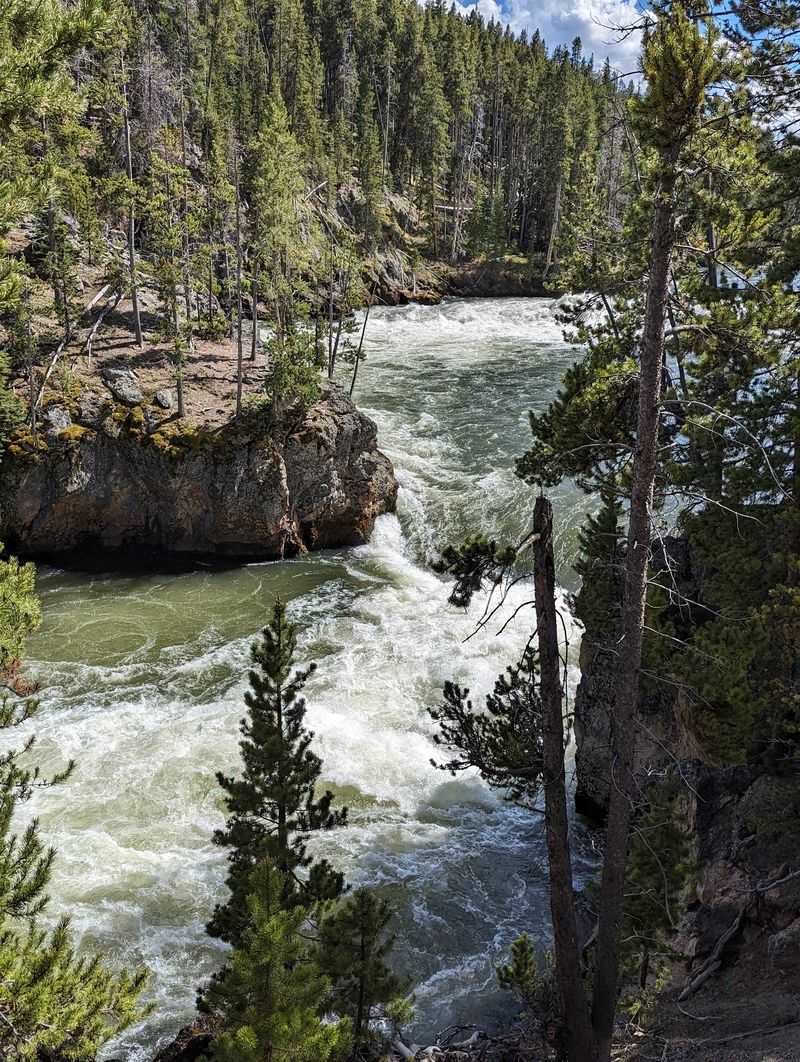
Two wheels might be the best way to arrive. Elsah sits along the Sam Vadalabene Bike Trail, a favorite route for cyclists exploring the Great River Road.
The trail runs with the Mississippi River on one side and dramatic bluffs on the other. It’s scenery that makes every pedal feel worth it.
Elsah works as a natural rest stop. Park your bike, stretch your legs, and wander the historic streets before rolling on.
Wildlife fans get a bonus here. The village is close to popular bald eagle watching spots along the river.
Winter is an especially good season for eagle watching in this area. Pack binoculars and dress warmly, since river breezes can feel particularly chilly.
Not a cyclist? The Great River Road makes a gorgeous drive too, with plenty of pull-offs for views.
Either way, you’ll see why this stretch of Illinois draws outdoor lovers. The river, bluffs, and sky put on quite a show.
A College Campus With Landmark Status Sits Next Door
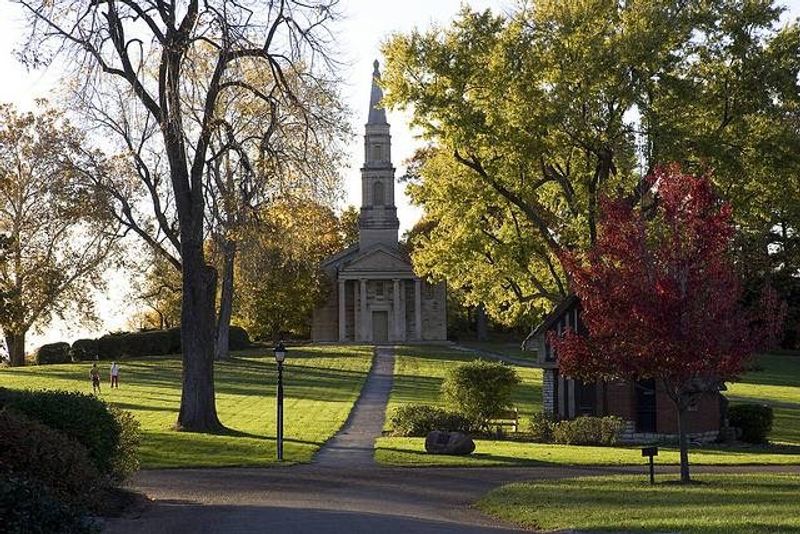
Architecture fans, get ready to geek out. Principia College, a private liberal arts college, has a campus recognized as a National Historic Landmark.
Famed architect Bernard Maybeck designed the original campus buildings, with construction beginning in 1931. The college moved to its Elsah campus in 1935.
Principia has historic ties to Christian Science. That connection pairs nicely with the reading room you’ll find in the village below.
Here’s the good news for visitors. Campus tours are available, so you can see Maybeck’s work up close rather than just hearing about it.
Arrange a tour ahead of time to keep things smooth. A campus visit adds a 20th-century chapter to your mostly 19th-century day.
The contrast is part of the fun. You go from tiny stone cottages to grand campus buildings without leaving the area.
It also shows Elsah’s reach beyond its small size. A village of about 519 residents shares its backyard with a landmark college.
Stay the Night, Meet Some Wildlife, and Mark Your December Calendar
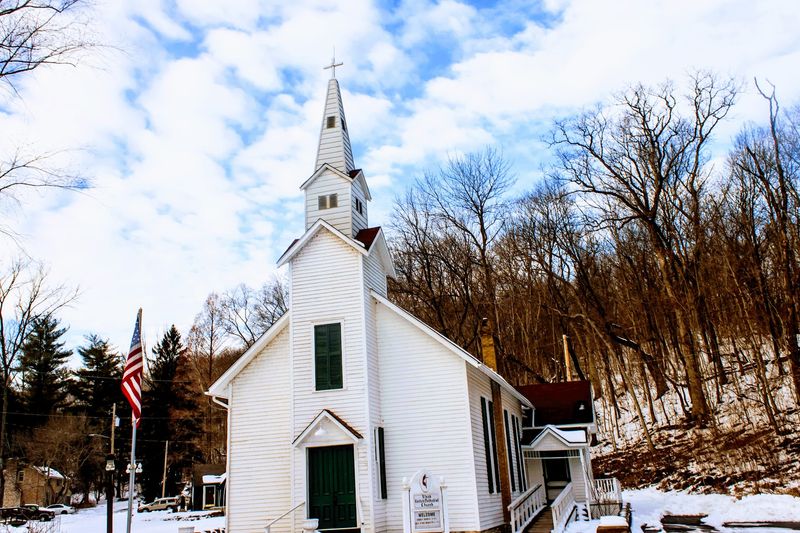
One afternoon rarely feels like enough. Elsah offers cozy bed and breakfasts and guest houses, so you can wake up surrounded by history.
Staying overnight gives you quieter streets in the morning. It also lets you explore at a slower pace without watching the clock.
Animal lovers should head just north of town. Treehouse Wildlife Center, founded in 1979, rehabilitates native wildlife and offers educational programs.
The center has outdoor enclosures for resident animals. It’s a great add-on for families or anyone curious about local critters.
Now, about those private homes you’ve been admiring. Most stay closed to the public, but an annual house tour happens each December.
That tour is your chance to peek behind the stone walls. Check dates early, since special events like this tend to be popular.
Elsah may be tiny, but it rewards repeat visits. Different seasons bring new reasons to return to this little Illinois river village.
Share this story