Missouri is filled with fascinating history, but few places make the past feel as vivid and unexpected as the Arabia Steamboat Museum in Kansas City. Hidden beneath the River Market district, this remarkable Missouri attraction allows visitors to step directly into a perfectly preserved shipment from 1856 that was swallowed by the Missouri River and buried underground for generations. Rather than simply displaying artifacts behind glass, the museum creates the feeling of walking through a frozen moment in frontier America just before the Civil War.
What was once cargo meant for general stores and settlers has become an astonishing snapshot of everyday life in the mid-1800s. Shelves of preserved tools, clothing, dishes, bottles, and personal items reveal details about daily living that history books rarely capture so clearly. The level of preservation feels almost unbelievable, making the experience both educational and strangely immersive at the same time.
Part of what makes the Arabia Steamboat Museum so memorable is the story behind the discovery itself. The steamboat sank in the Missouri River, only to end up buried beneath farmland after the river changed course over time. Decades later, excavators uncovered the lost cargo almost perfectly intact, transforming the find into one of the most unique museum collections in the country. If you love museums that make history feel immediate, surprising, and genuinely alive, this Missouri destination absolutely deserves your attention. The Arabia Steamboat Museum turns a forgotten river disaster into one of Kansas City’s most captivating experiences.
1. A shipwreck buried beneath a cornfield
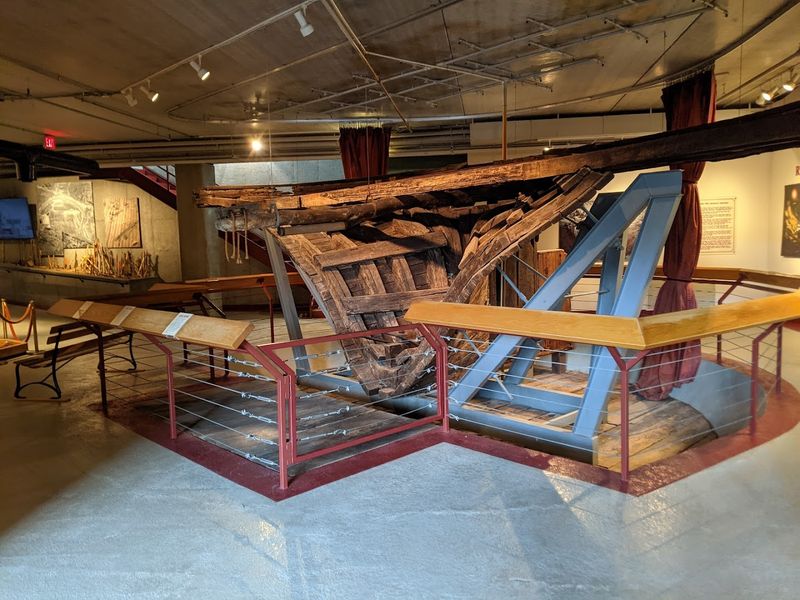
The first thing that grabbed me about the Arabia Steamboat Museum was the unbelievable premise: a steamboat sank in 1856, the river changed course, and the wreck ended up buried under a Kansas cornfield.
That alone sounds like folklore, but here you are standing in front of the evidence at 400 Grand Blvd in Kansas City’s River Market.
Instead of dusty legend, the museum delivers a clear, grounded story that makes the loss and rediscovery feel real.
As you move through the exhibits, you follow the Arabia from busy frontier commerce to sudden disaster on the Missouri River, where it struck a snag and sank quickly.
Everyone survived, but the cargo vanished into mud, darkness, and time, preserved for more than a century before being uncovered in the late 1980s.
I love how the museum explains this without turning it into fantasy, because the facts are already astonishing enough.
What makes the story even better is that the museum connects the wreck to ordinary life, not just adventure.
You are not only hearing about a boat, but about the goods people needed to build homes, run shops, cook meals, and settle towns.
That shift makes the place feel less like a treasure exhibit and more like a recovered world.
2. The discovery that changed Kansas City history
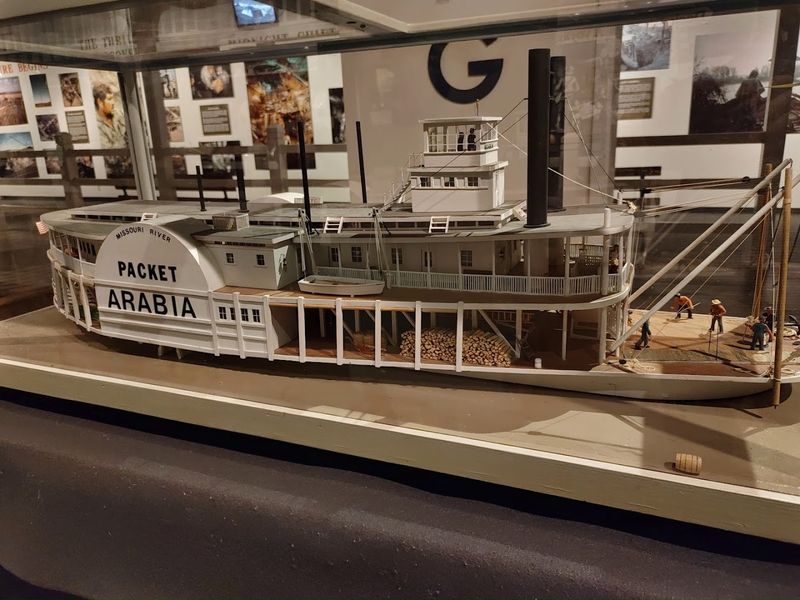
One of the most compelling parts of visiting the Arabia Steamboat Museum is learning how the wreck was actually found.
The recovery story has the energy of a treasure hunt, but the museum presents it with enough detail that you appreciate the persistence, research, and sheer nerve behind the excavation.
I found myself just as absorbed by the modern search as by the nineteenth-century disaster.
The men who tracked down the Arabia were not backed by some giant institution with endless resources and flashy technology.
They studied old river routes, listened to local clues, and trusted that the Missouri had buried a steamboat far from its original channel.
When they finally excavated it from farmland after 132 years underground, the result was not a handful of relics but a staggering cache of preserved cargo and ship remains.
The museum does a smart job of building suspense through videos and displays that let you follow each step of the process.
You see why the dig mattered, how difficult it was, and why the recovery became one of the most remarkable archaeological stories in the country.
By the end, you are not just impressed by what was found – you are impressed by the determination that made the finding possible at all.
3. A time capsule of everyday frontier life
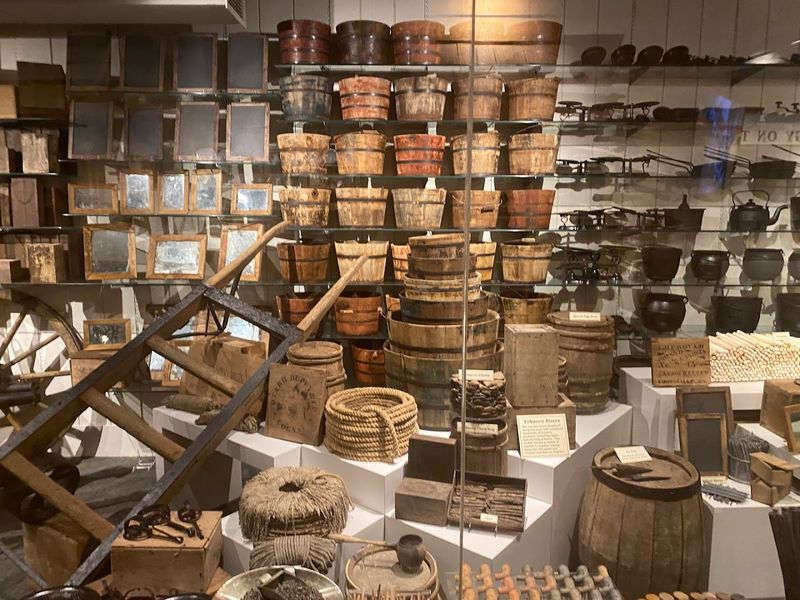
What makes this museum unforgettable is not just that the artifacts survived, but that so many of them are ordinary.
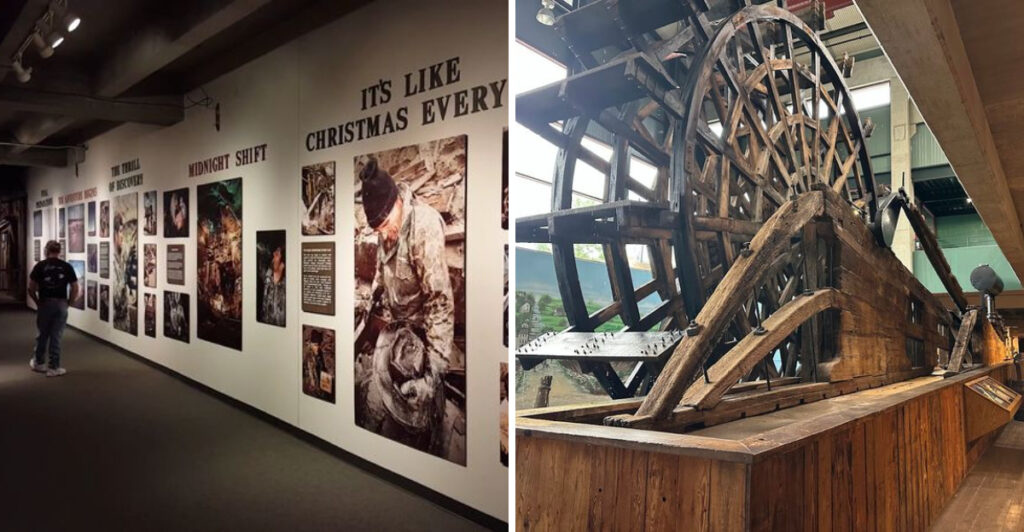
You see dishes, shoes, tools, clothing accessories, bottles, hardware, and household goods that were once headed to stores and homes along the frontier.
That everyday quality gives the museum its emotional punch, because the collection feels less like a set of rare relics and more like life paused in transit.
I kept thinking about the people who were waiting for these shipments without ever knowing where they disappeared.
Every crate and shelf suggests a customer, a shopkeeper, or a family trying to build a routine in a growing nation.
The museum turns that lost commercial cargo into a vivid portrait of pre-Civil War America, where expansion was measured in nails, dishes, fabric, and preserved food as much as in maps.
Because the objects are so recognizable in purpose, you do not need specialist knowledge to connect with them.
A jar, a button, a plate, or a tool immediately translates across time, even when its style feels distant.
That is the museum’s secret strength: it makes 1856 feel accessible by showing that daily needs have always shaped the world as much as grand events ever could.
4. Why the preserved food and fragile goods feel so surreal
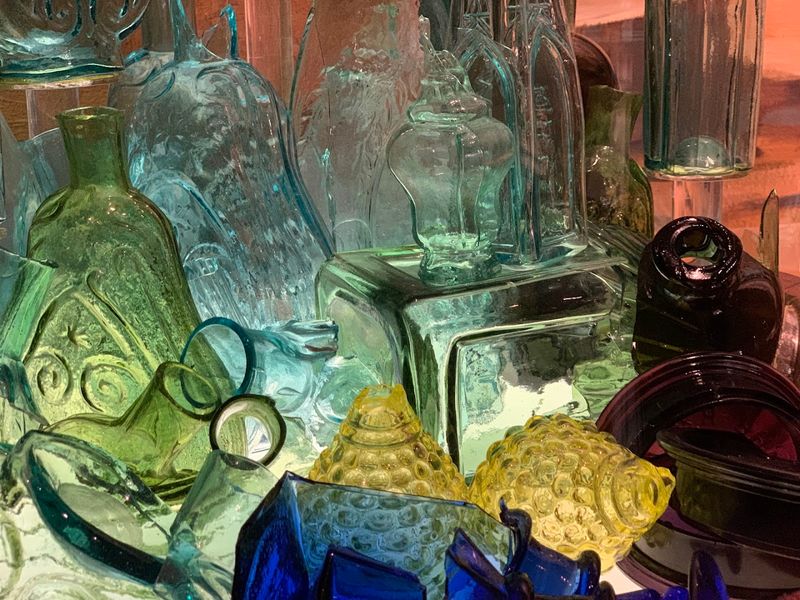
Some museum displays impress you intellectually, but the Arabia Steamboat Museum also has moments that feel almost eerie.
Seeing preserved food, delicate glassware, fine ceramics, and other fragile cargo recovered from mud after more than a century creates a kind of disbelief that is hard to shake.
You expect time to destroy things like this, yet here they are, stubbornly present and strangely intimate.
That sense of intimacy matters because these are not abstract examples of history but goods that were meant to be opened, sold, carried home, and used.
A preserved jar or a neatly made household object brings you close to the routines of people who lived before the Civil War in a way that documents alone rarely can.
I found those quieter artifacts just as memorable as the larger ship components because they collapse the distance between then and now.
The museum also benefits from letting these objects speak for themselves rather than overselling the spectacle.
Cases are packed with items in a way that suggests inventory, commerce, and abundance, which is exactly the point.
Instead of treating every piece like an isolated jewel, the museum shows how goods worked together as a system that supplied frontier communities with the practical things that made everyday life possible.
5. The ship itself still anchors the experience
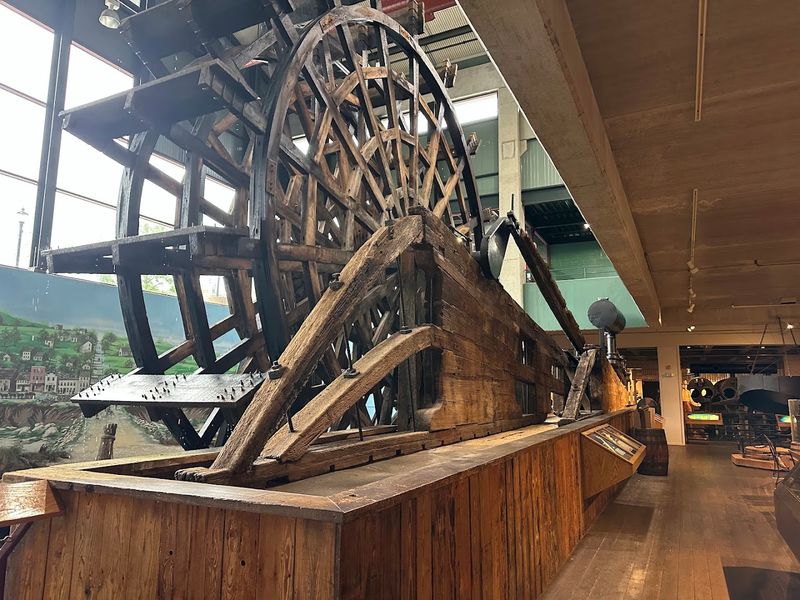
Even with thousands of fascinating artifacts on display, the museum never lets you forget there was an actual steamboat at the center of this story.
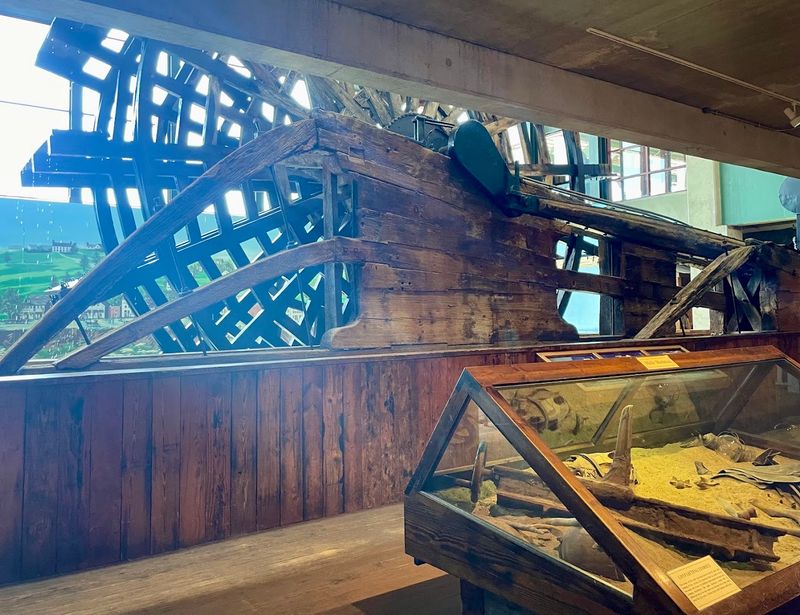
Walking alongside the large structural remains, seeing massive components, and taking in the scale of the vessel helps you understand how ambitious river commerce was in 1856.
The ship gives physical weight to everything else you see around it.
Visitors often mention the giant paddle wheel and the impressive mechanical elements, and I can understand why those features stick in people’s minds.
They break the experience open visually, especially after you have been looking closely at smaller domestic goods and tools.
Suddenly, the museum shifts from household history to transportation history, and you remember that all those crates and barrels depended on a powerful, complicated machine moving along a dangerous river.
The balance works beautifully because the museum is not only about cargo or only about engineering.
It is about the full ecosystem of the steamboat era: movement, risk, trade, labor, and settlement all at once.
By the time you stand near the recovered hull elements and major equipment, the Arabia stops being a name in a story and starts feeling like a working vessel that really carried a world on board.
6. Short films and storytelling make the visit flow
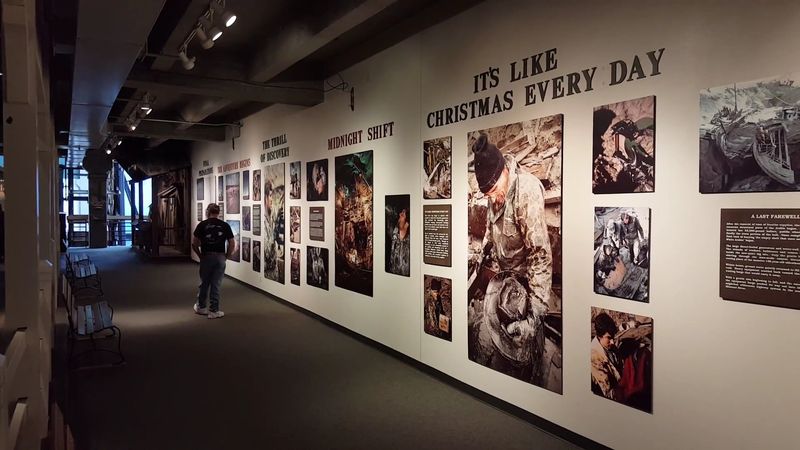
A big reason this museum works so well is that it knows how to pace information.
Rather than dropping you into a room full of objects with minimal context, it uses short films and well-placed interpretation to guide the story from sinking to recovery to preservation.
That structure helps the experience feel coherent, even if you arrive knowing almost nothing about the Arabia.
The videos appear to be a highlight for many visitors, and I understand why they leave such a strong impression.
They add momentum, emotion, and visual proof to the story without overwhelming the artifacts themselves.
By the time you enter the main exhibit areas, you are already invested in the fate of the ship, the cargo, and the people who later brought everything back into daylight.
I especially appreciate that the storytelling stays focused on the museum’s central strength: making material history understandable and compelling.
Instead of relying on gimmicks, it uses clear narration, excavation footage, and straightforward explanation to show why this collection matters.
The result is a visit that feels layered but approachable, whether you are a serious history lover, a family with kids, or someone who just wandered in looking for an hour of curiosity and left genuinely amazed.
7. What it feels like to visit in the River Market
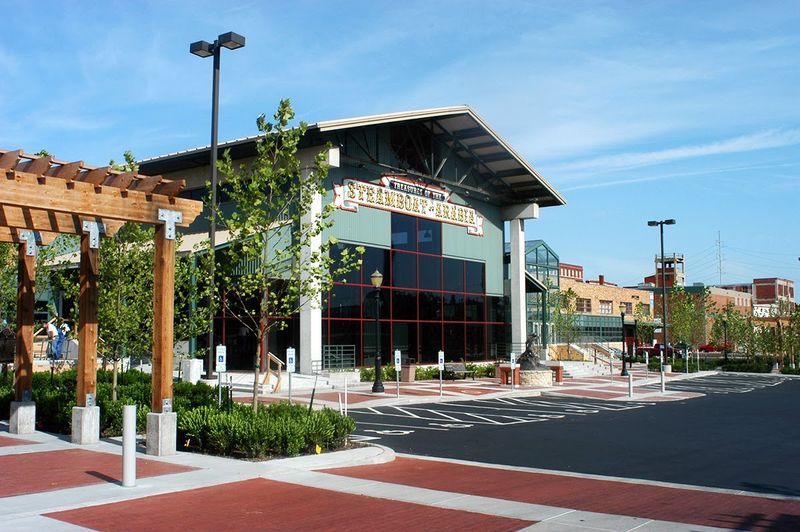
The Arabia Steamboat Museum benefits from being in Kansas City’s River Market, a neighborhood that already feels layered with movement, trade, and local character.
Arriving at 400 Grand Blvd puts you close to food, shops, and walkable streets, so the museum fits naturally into a broader day out.
If you like combining a focused attraction with time to explore a neighborhood, this location is especially appealing.
Several visitors point out that the Kansas City Streetcar makes the museum easy to reach, and that convenience adds to the experience.
Once inside, the setting below street level enhances the mood, making the exhibits feel almost hidden away from the modern city above.
There is something satisfying about descending into a place that tells a story literally rooted in mud, river change, and buried history.
The practical details are helpful too: the museum is generally open every day except on Sundays, with shorter hours, and reviews suggest planning ahead for parking since one side may be free while another can be paid.
It currently has a strong 4.7 star rating from thousands of reviewers, which feels deserved.
This is the kind of place I would happily recommend to first-time Kansas City visitors who want something memorable beyond the city’s better-known draws.
8. Why visitors call it one of Kansas City’s hidden gems
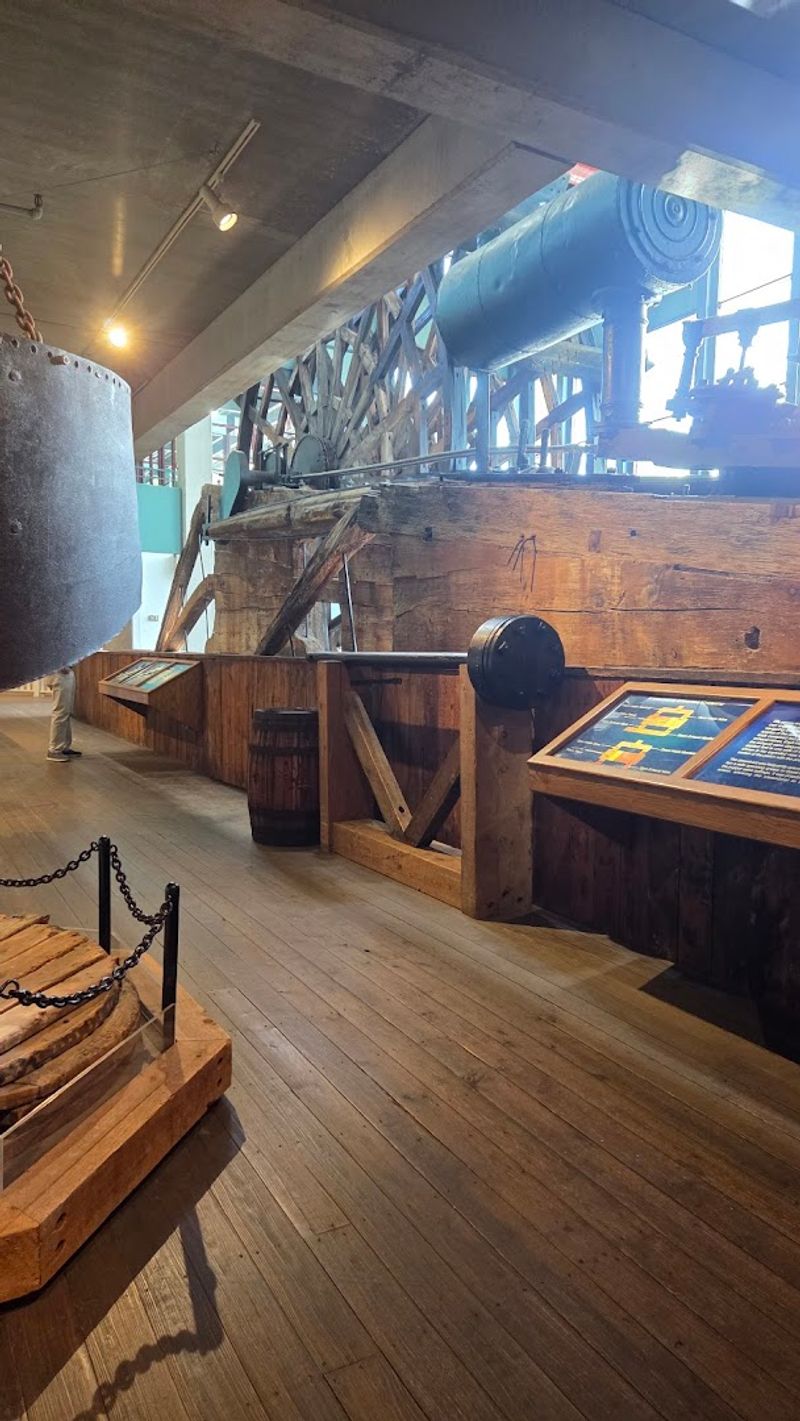
Reading through visitor reactions before or after a trip only confirms what the museum experience already suggests: people are genuinely surprised by how much this place delivers.
Again and again, reviewers describe it as a hidden gem, one of the best museums in Kansas City, or even one of their favorite history experiences anywhere.
That consistency says a lot for a museum built around such a specific subject.
I think the surprise comes from how many interests the Arabia Steamboat Museum manages to satisfy at once.
It appeals to history buffs, treasure hunt fans, engineering geeks, families with kids, and travelers who simply want a story they cannot find everywhere else.
Even if you think a cargo ship museum sounds niche on paper, the actual visit quickly expands into something broader and more human than the premise suggests.
There are a few reviews mentioning dim lighting or less-than-ideal staff interaction, so it is not useful to pretend every visit is perfect.
Still, the overwhelming tone is enthusiastic, with many people saying it was a highlight of their time in Kansas City.
When a museum can make visitors talk excitedly about boiler models, preserved pickles, donkey stickers, and frontier commerce in the same breath, it is clearly doing something special.
9. A museum worth seeing before its next chapter
There is also an added reason to prioritize a visit: multiple recent reviewers mention that the museum may be moving from its current home in the future.
That gives the experience a little extra urgency, because this is already a place built around rescue, relocation, and preservation.
Seeing it in its present River Market setting feels meaningful while this chapter of its story is still unfolding.
What stays with me most is how effectively the museum turns objects into witnesses.
Not the famous kind tied to presidents or battles, but the humble kind tied to store shelves, kitchens, workshops, and packed freight lists.
Those are the things that make the past feel lived in, and the Arabia Steamboat Museum presents them with a clarity that makes you understand just how much everyday material culture can reveal.
If you are deciding whether this museum is worth your time, the answer is easy: yes, especially if you enjoy places that make history concrete.
The Arabia is more than a shipwreck exhibit and more than a curiosity cabinet.
It is a powerful reminder that America’s past was built not only through dramatic events but through commerce, labor, domestic life, and the ordinary goods that somehow survived long enough to tell their story.
Share this story