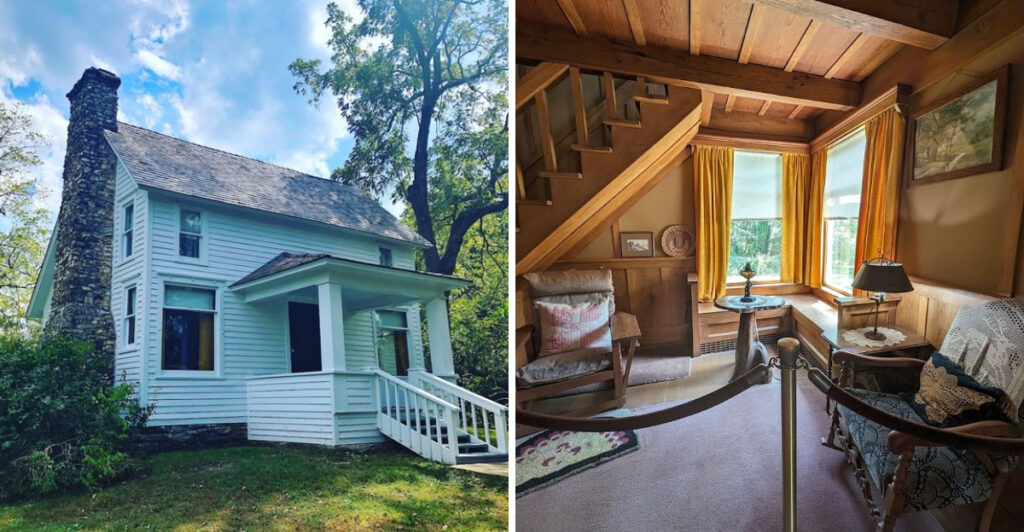
If Laura Ingalls Wilder’s books still feel vivid in your imagination, Mansfield, Missouri, delivers the kind of pilgrimage that feels deeply personal. Rocky Ridge Farm is not a themed re-creation, but the real place where Wilder lived, wrote, and preserved her story.
Walking these grounds brings the Little House legacy into focus in a way that pages alone never can. For readers, history lovers, and nostalgic travelers alike, this is the stop that turns admiration into connection.
1. Laura Ingalls Wilder Historic Home & Museum
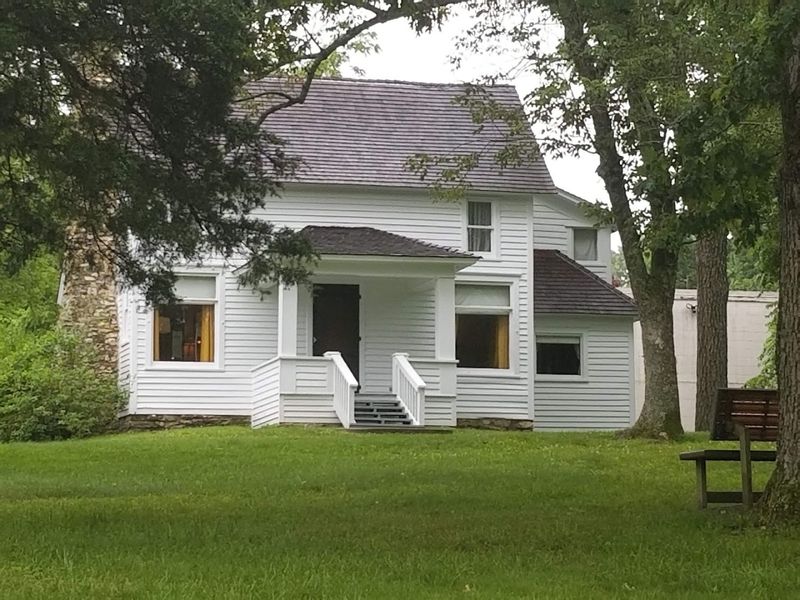
The best place to begin at Rocky Ridge Farm is the Laura Ingalls Wilder Historic Home & Museum, because it gives you the larger story before you step into the homes themselves.
I love that this stop immediately connects the books, the family, and the real Missouri landscape where Laura spent her later years.
It feels grounded, thoughtful, and full of the kind of details fans actually want.
Inside, you can explore exhibits tied to the Little House manuscripts, family photographs, household objects, and deeply personal belongings that make Laura more than a classroom name.
Visitors regularly mention how meaningful it is to see items connected to both the Ingalls and Wilder families.
Even if you arrive with only a general knowledge of the series, the museum gives you enough context to appreciate everything that follows.
The site also has a practical side that makes the visit smoother, with a gift shop, orientation materials, and helpful staff who clearly care about the place.
Reviews consistently praise the knowledgeable guides and friendly welcome, which says a lot when a destination receives so many repeat visitors.
That warmth matters because it keeps the experience from feeling stiff or overly curated.
With strong ratings, steady operating hours, and a reputation for preserving history well, this museum is more than an add-on.
It is the heart of the Rocky Ridge Farm experience and the reason so many literary travelers make the drive to Mansfield.
If you are choosing one place to understand Laura’s final chapter, this is it.
2. The Original Farmhouse Tour
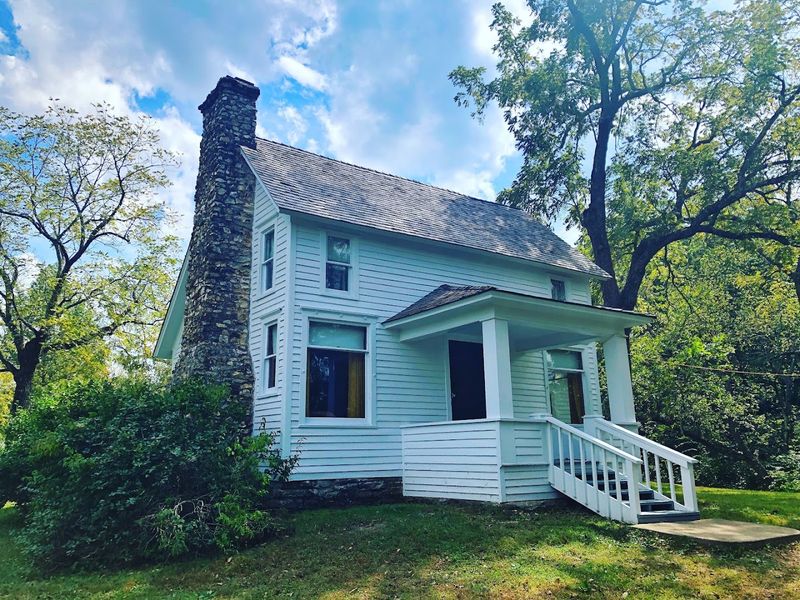
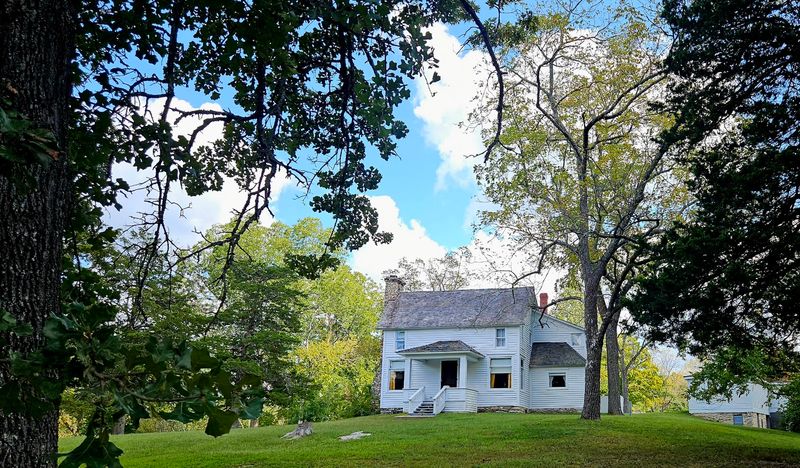
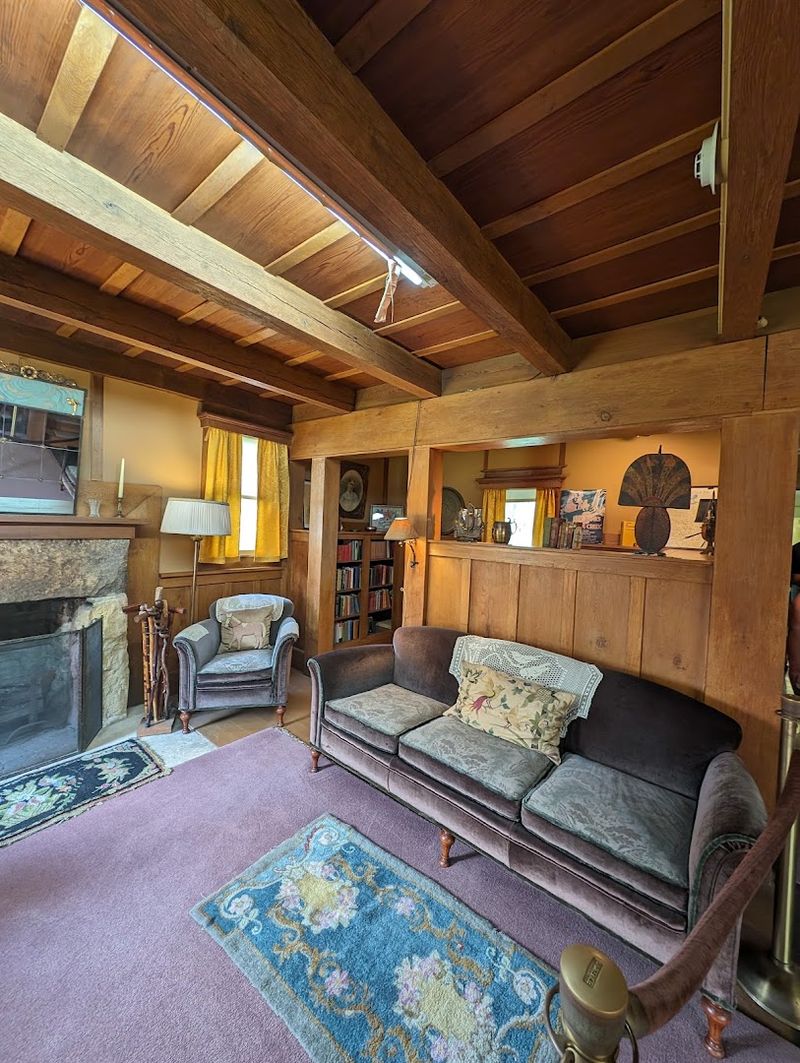
The original farmhouse at Rocky Ridge Farm is the place many visitors dream about most, and for good reason.
This is the home Almonzo Wilder built, the house where Laura lived for decades, and the setting where much of her later life unfolded.
Standing near it, you are not imagining a replica – you are looking at the real center of her Missouri story.
Guided tours help bring the house to life without overwhelming it, which is one of the experience’s biggest strengths.
Reviews often mention how knowledgeable the guides are, and that matters because the farmhouse works best when its quiet details are explained.
You are not just seeing rooms and furniture, but hearing how daily life, family routines, and literary work were woven together here.
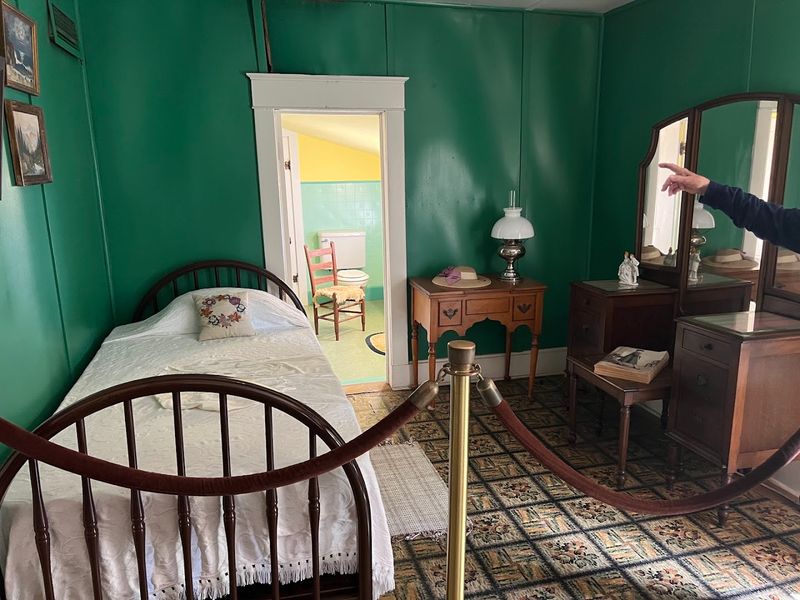
What makes the farmhouse especially moving is how preserved it feels.
Visitors often note that the house remains much as Laura left it, giving the tour an intimacy that many historic homes never achieve.
Instead of polished grandeur, you get a lived-in sense of effort, thrift, and personal history that fits Laura’s legacy perfectly.
If you grew up with the Little House books, this stop can feel strangely emotional.
You start noticing how her public image as a pioneer writer connects to a very real home in the Ozarks.
For me, that is the magic of Rocky Ridge Farm: the farmhouse turns literary admiration into something tangible, human, and unexpectedly immediate for modern travelers.
3. The Room Where the Little House Books Were Written
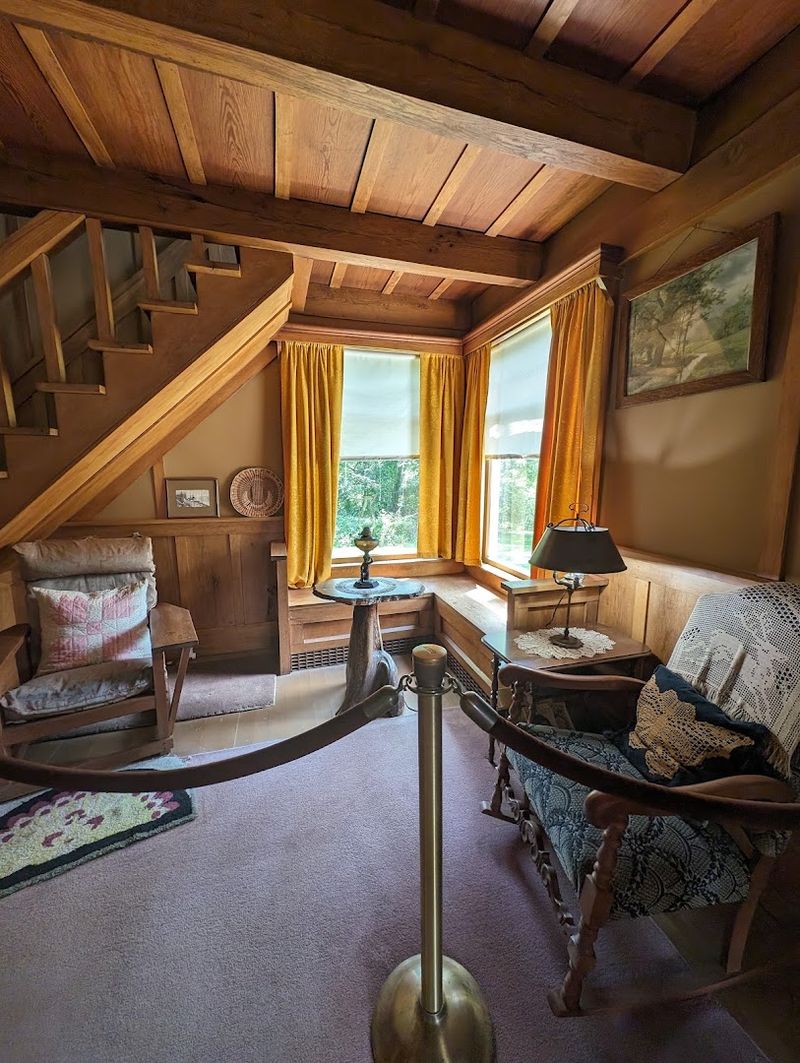
For many readers, the most powerful part of Rocky Ridge Farm is knowing this is where Laura Ingalls Wilder wrote the Little House books.
That fact alone changes the atmosphere of the visit.
You are no longer just remembering scenes from the prairie – you are standing where memory was shaped into literature that reached generations of readers.
The writing spaces and manuscript connections give the entire property an unusual energy.
Reviews frequently mention seeing original manuscripts and artifacts that tie the books directly to this farm.
That makes the experience richer than a standard house museum because the creative process is part of the story, not just an interesting footnote.
I think what surprises visitors most is how late this writing chapter came in Laura’s life.
The museum and home together reveal a woman whose experiences stretched from frontier hardship into modernity, which adds depth to every familiar title.
Instead of freezing Laura in childhood, Rocky Ridge Farm shows her as a writer, editor, homemaker, and observer of a changing America.
If you have ever loved the rhythm of her storytelling, this stop feels like getting closer to its source.
The surroundings are modest, but that modesty is exactly what makes the place so compelling.
Creativity here did not emerge from glamour or literary celebrity.
It came from experience, discipline, family memory, and a farm in Mansfield where one of America’s most beloved series finally found its written form.
4. The Rock House
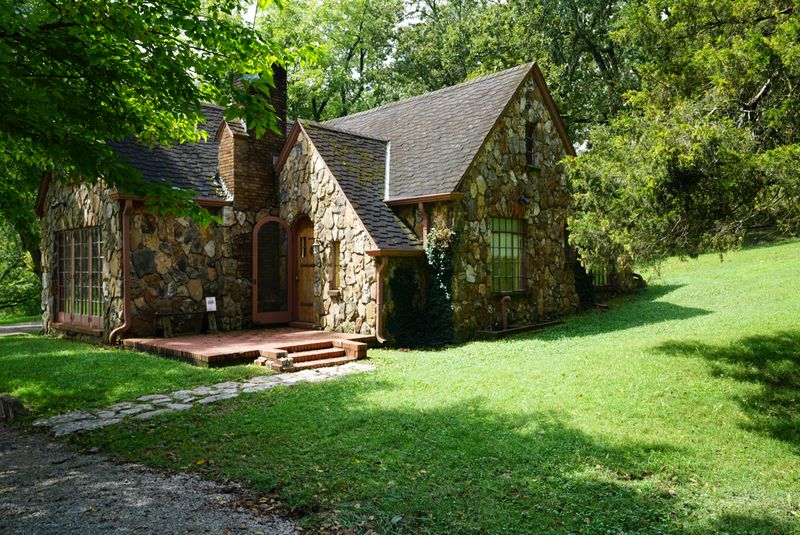
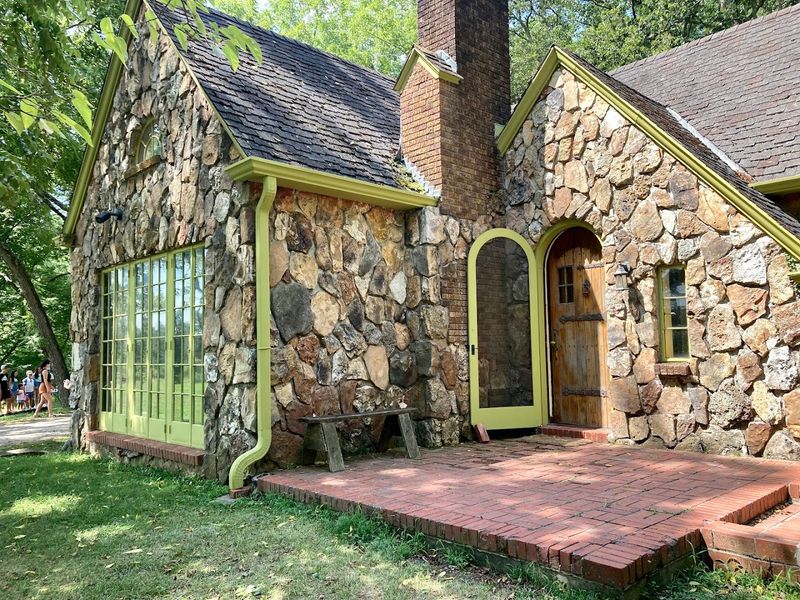
The Rock House adds another layer to Rocky Ridge Farm by showing what Laura’s later life looked like when comfort and modern convenience entered the picture.
Built by her daughter Rose, this stone home contrasts beautifully with the simpler farmhouse.
Visiting it helps you understand that Laura’s life was not locked in one era, even if readers often picture her only on the frontier.
Guests regularly say the Rock House is worth seeing, and I can understand why.
It expands the story beyond nostalgia and reveals a family negotiating change, ambition, and practicality in the Ozarks.
Instead of disrupting the Little House image, the house actually deepens it by showing how Laura’s life bridged horse-and-buggy memory and twentieth-century modernization.
The self-guided format also gives this stop a different rhythm from the main house tour.
You can move more slowly, take in the layout, and think about the relationship between Rose and her parents while exploring.
Reviews often describe it as a highlight, especially for visitors who want more than a quick literary photo opportunity.
What stays with you is the sense that Rocky Ridge Farm was never just one building or one chapter.
The Rock House proves that the site preserves evolution as much as memory.
For fans of Laura Ingalls Wilder, that matters, because it replaces a simplified legend with a fuller portrait of a woman who adapted, wrote, aged, and lived through remarkable cultural change right here in Mansfield.
5. The Walk Between the Homes
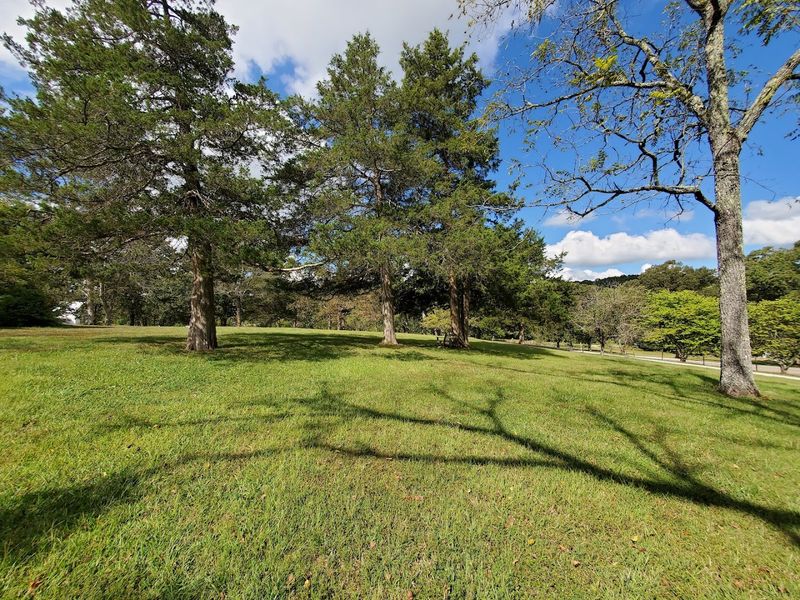
One of the most memorable parts of Rocky Ridge Farm is not a room or artifact, but the walk between the farmhouse and the Rock House.
Reviews describe this paved path as peaceful, scenic, and worth the effort on a nice day.
If you enjoy experiencing a place at its own pace, this stretch helps the visit feel immersive instead of rushed.
The trail is often described as about three-quarters of a mile, with some steep sections, so it helps to arrive prepared.
That little bit of exertion becomes part of the charm because the Ozark setting starts to register more fully with every step.
You notice the slopes, the trees, the quiet, and the sense that Laura’s Missouri years were shaped by a real and living landscape.
I like that visitors are not forced into one style of touring here.
If walking sounds lovely, the path offers an idyllic connection between key parts of the site.
If mobility, weather, or time makes that less appealing, you can drive instead and still enjoy the homes without missing the essential story.
That flexibility is one reason Rocky Ridge Farm feels welcoming to different kinds of travelers.
Families, older readers, literary pilgrims, and casual road trippers can each build the visit around their energy level.
The walk simply adds another dimension, turning the property into more than a museum stop.
It becomes a lived environment where the land itself quietly participates in Laura Ingalls Wilder’s story.
6. Artifacts That Bring the Books to Life
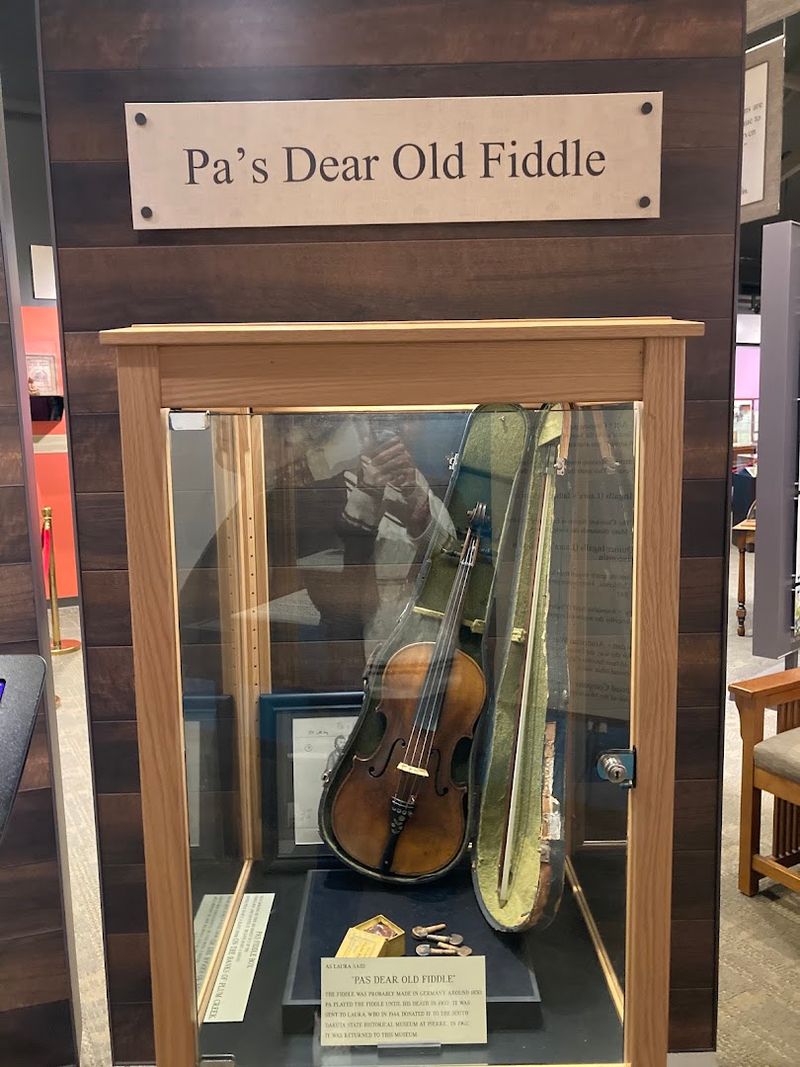
The artifacts at Rocky Ridge Farm are a huge part of why the visit resonates so strongly with readers.
It is one thing to remember the books fondly, but it is another to stand in front of objects tied to Laura’s life and family history.
That visual closeness makes the stories feel less mythical and much more personal.
Visitors frequently mention clothing, photographs, household items, manuscripts, and other memorabilia that connect directly to the Ingalls and Wilder families.
Seeing those pieces gathered in one place gives the museum an unusual emotional range.
Some displays spark nostalgia, some sharpen your historical understanding, and some simply make you pause because they feel startlingly intimate.
What I appreciate most is that the collection does not rely only on sentiment.
These objects also tell a broader American story about migration, domestic labor, memory, publishing, and the transition from frontier life into a more modern age.
Reviews often note that even non-fans find the exhibits fascinating, which says a lot about how effectively the collection is interpreted.
If you loved the books as a child, this part of the visit can feel like recognition.
You start connecting remembered scenes and family legends to material evidence right in front of you.
That is a rare museum experience.
At Rocky Ridge Farm, the artifacts do not just decorate Laura’s biography.
They anchor it, giving visitors a vivid sense that the beloved stories emerged from real hands, real rooms, and real lives.
7. A Place That Connects Childhood Nostalgia With Real History
Rocky Ridge Farm works so well because it satisfies nostalgia without getting trapped inside it.
Plenty of people arrive because they grew up reading the Little House books or watching adaptations, but the site gives them more than a memory lane detour.
It grounds those feelings in a real place where Laura built a life, wrote her books, and left behind a tangible legacy.
Review after review reflects that emotional mix.
Some visitors remember school field trips, some come with spouses or children, and others finally check off a longtime bucket-list stop.
What ties their experiences together is the sense that Mansfield offers something genuine, not performative, and that authenticity keeps the visit from feeling overly sentimental.
I think this matters especially for travelers who worry a literary site might feel too narrow or too fan-specific.
Rocky Ridge Farm repeatedly earns praise from people who say you do not even have to be a major fan to enjoy it.
The reason is simple: the history here touches family life, American culture, publishing, and the quiet persistence behind a famous body of work.
By the time you leave, nostalgia tends to deepen into respect.
Laura becomes more than a beloved author from childhood shelves.
She becomes a person situated in time, place, labor, and memory.
That transformation is what makes Rocky Ridge Farm so rewarding.
It does not just remind you of stories you loved.
It helps you understand why those stories have endured for so many generations.
8. The Ozark Setting of Rocky Ridge Farm
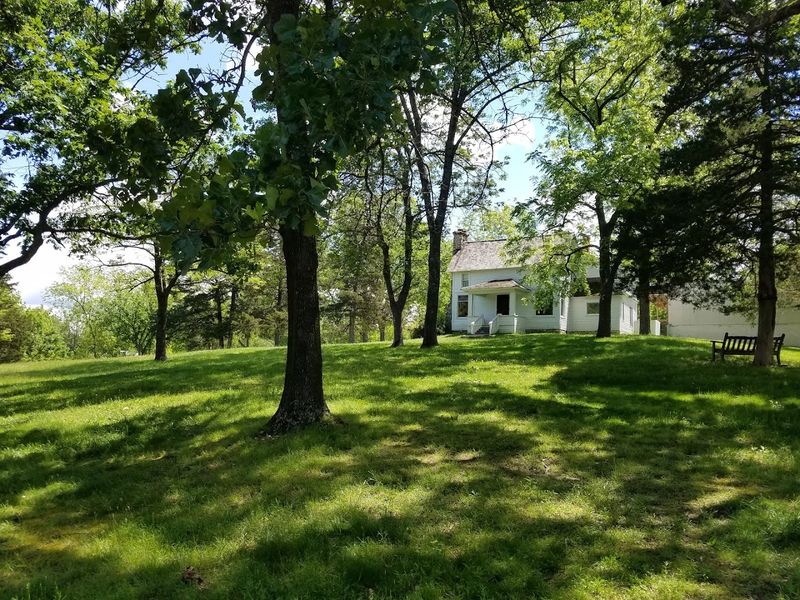
Part of Rocky Ridge Farm’s appeal is the way the Ozark landscape quietly frames every part of the visit.
The hills, trees, open spaces, and country roads around Mansfield create a backdrop that feels gentle rather than dramatic.
That matters because Laura’s later life was rooted in this setting, and the environment helps explain the tone of the place.
Unlike sites that feel cut off from their surroundings, this one remains deeply connected to its land.
Reviews often mention peaceful walks, wildflowers, and the simple pleasure of moving between buildings while taking in the scenery.
Those details may sound small, but they are exactly what give the property its reflective mood.
I find that the landscape also balances the busier emotional parts of the visit.
After seeing artifacts, hearing tours, and thinking about Laura’s long life, the quiet outdoors offers space to process everything.
You can imagine why Rocky Ridge Farm became a stable home after years of movement, and why memory might have come more clearly in a place like this.
For literary travelers, scenery is not just decoration.
It shapes how a writer lives, remembers, and works.
At Mansfield, the Ozarks become part of the interpretation, helping visitors understand Laura not only as a former prairie child but as a Missouri farm woman in later life.
That broader sense of place is one reason Rocky Ridge Farm feels so complete.
The story is in the manuscripts, but it is also in the hills.
9. Helpful Tours, Staff, and Visitor Experience
A historic site can have wonderful buildings and collections but still fall flat if the visitor experience feels confusing or impersonal.
Rocky Ridge Farm seems to avoid that problem remarkably well.
Again and again, reviews praise the staff for being warm, informed, and genuinely enthusiastic, which gives the entire destination a more welcoming personality.
That support shows up in practical ways.
Guests mention helpful guidance about tickets, timing house tours, deciding whether to walk or drive between buildings, and understanding what each part of the property includes.
For first-time visitors, especially those arriving with family or a road-trip schedule, that kind of clarity makes a big difference.
The guided farmhouse tour also appears to be one of the strongest parts of the experience.
People consistently describe the guides as knowledgeable and able to answer questions well, which is exactly what you want in a literary historic home.
Good interpretation helps the house feel alive without overwhelming it with rehearsed theatrics.
I also appreciate how the site seems accessible to different levels of interest.
Serious Laura devotees can savor every detail, while casual visitors can still follow the story and enjoy the setting.
That balance is hard to get right, but Rocky Ridge Farm seems to manage it through thoughtful organization and passionate staff.
In a place built around memory and preservation, human warmth matters.
It turns a visit from informative to memorable, and from memorable to something you recommend afterward.
10. Why Rocky Ridge Farm Belongs on a Literary Bucket List
Rocky Ridge Farm belongs on a literary bucket list because it offers something increasingly rare: a major author’s world that still feels intimate.
You are not navigating a detached monument to fame.
You are stepping into the home ground of a writer whose work emerged from memory, family stories, and a lifetime of lived experience.
The site rewards both devotion and curiosity.
If you know the Little House books well, the farmhouse, museum, manuscripts, and Rock House create a layered encounter with Laura’s life.
If your knowledge is limited, the property still works as a compelling portrait of American history, regional life, and the making of a cultural legacy.
What makes this destination special, in my view, is how complete the experience feels.
The tours, the preserved spaces, the artifacts, the path between buildings, and the Ozark setting all contribute to one coherent story.
Nothing feels random.
Every element strengthens your understanding of Laura as a person who bridged frontier memory and modern authorship.
That is why so many visitors describe the stop as absolutely worth the drive, the ticket, or the long-awaited detour.
Rocky Ridge Farm does not simply celebrate a famous name.
It invites you to spend time where Laura Ingalls Wilder lived, worked, aged, and wrote.
For readers who have carried her stories across years or decades, that opportunity is powerful.
Mansfield may be small, but for admirers of a legendary American writer, this farm feels wonderfully, unmistakably significant.
11. Planning Your Visit to Rocky Ridge Farm
Planning ahead makes a visit to Rocky Ridge Farm much easier, especially if you want to experience more than the museum alone.
The Laura Ingalls Wilder Historic Home & Museum in Mansfield generally operates from 9 AM to 5 PM most days, with Sunday opening later at 12:30 PM.
Since house tours and building access can shape your timing, it helps to check current details before you go.
Visitors often mention that there is more to see here than they expected.
Between the museum exhibits, the guided farmhouse tour, the Rock House, the gift shop, and the walkable grounds, this is not a five-minute stop.
If you can, give yourself enough time to move slowly so the visit feels reflective instead of rushed.
Practical reviews also offer useful tips.
The path between the farmhouse and Rock House can be steep; stroller access is limited in the original house, and some travelers prefer driving between locations.
Those small details can really improve the day, especially if you are visiting with children, older relatives, or anyone who prefers a gentler pace.
Most of all, come ready to engage with the place rather than simply check it off.
Rocky Ridge Farm rewards attention, curiosity, and a little extra time.
When you plan well, the visit becomes more than a stop in Mansfield.
It turns into a meaningful encounter with Laura Ingalls Wilder’s final home, creative life, and enduring connection to American readers.
Share this story