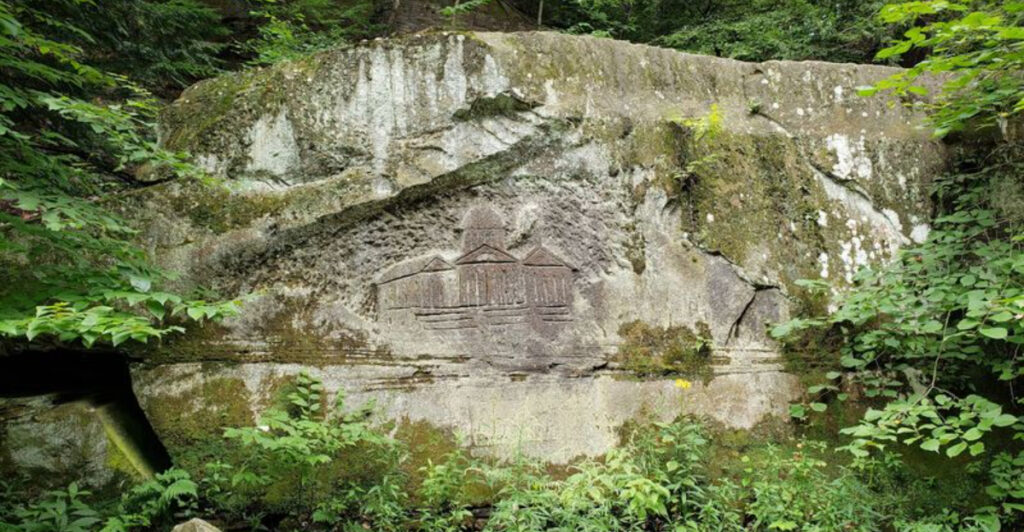
Henry Church Rock is one of the most unusual landmarks in northeast Ohio. Tucked near the river in the South Chagrin Reservation, it still shows a carving made by blacksmith Henry Church in 1885.
That old artwork gives visitors a real link to the past while also raising big questions about its message. If you enjoy history, nature, and places with a little mystery, this spot is easy to remember.
1. A Riverside Rock With a Story Cut Into Stone
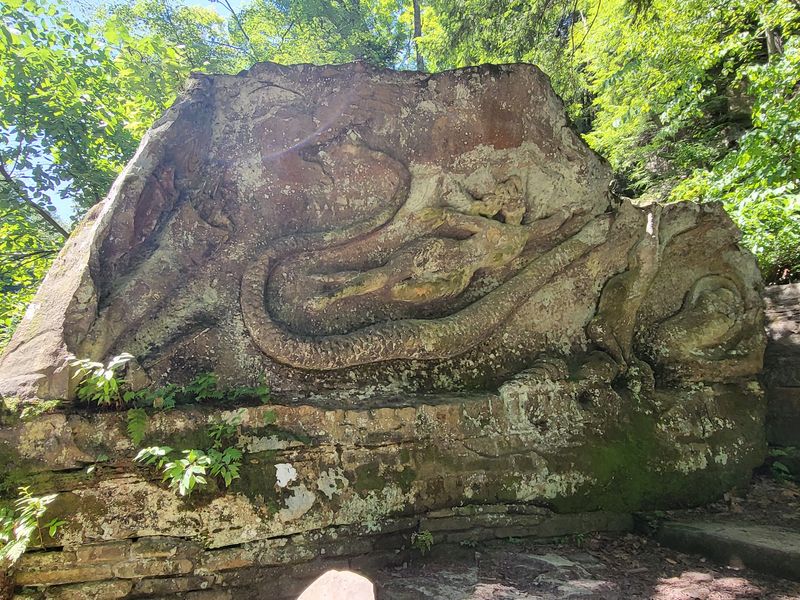
Hidden beside the Chagrin River, Henry Church Rock feels like a secret from another century. The stone is not huge like a mountain cliff, yet it grabs attention because a human story is carved right into it.
Visitors often stop talking for a moment when they first see the marks in the rock.
Set in the South Chagrin Reservation near Chagrin Falls, Ohio, this landmark mixes history with a short outdoor adventure. A carving made in 1885 still survives on the rock face, even after years of weather, water, and changing seasons.
That alone makes the site special for families, hikers, and local history fans.
If you visit, slow down and look closely. The mystery is part of the fun, since the rock shares clues instead of easy answers.
Every line and shape invites people to imagine the hands, feelings, and message behind the carving still resting by the river.
2. The Blacksmith Behind the Landmark
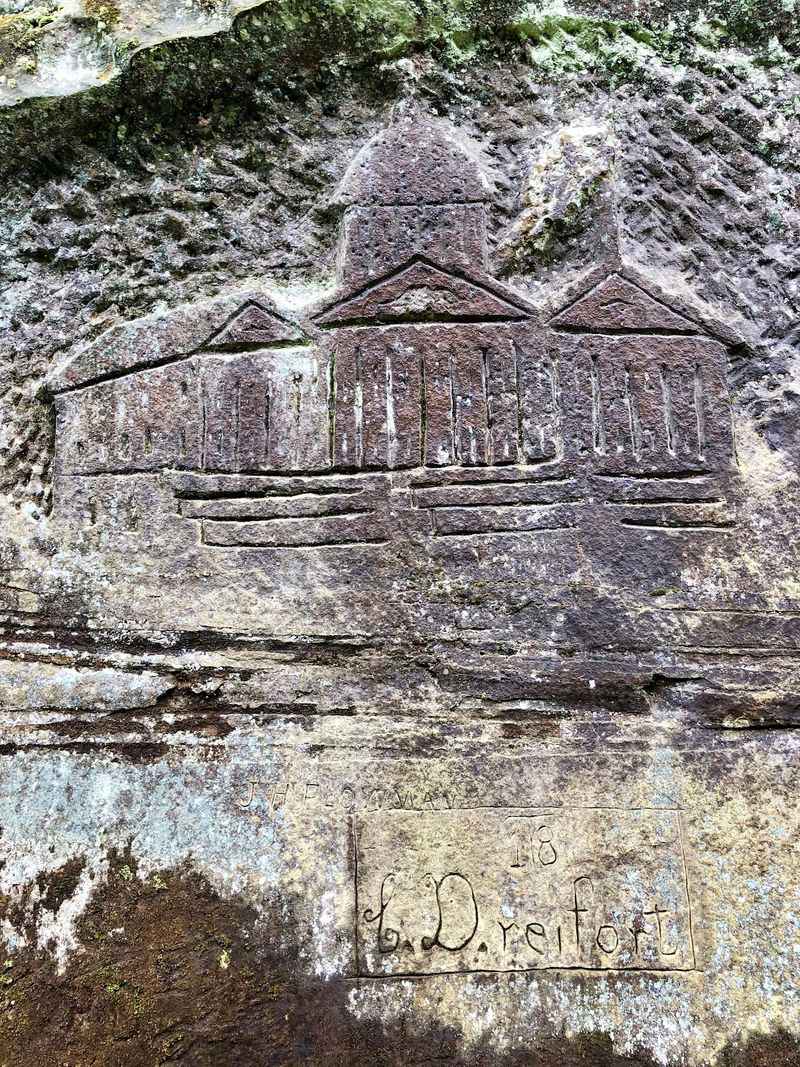
Long before cars filled nearby roads, Henry Church Jr. worked with fire, iron, and steady hands. He was a blacksmith, a trade that demanded patience, strength, and careful skill.
Knowing that background makes the carving even more interesting, because it connects hard physical work with a deeply personal piece of art.
Church lived from 1836 to 1908, and local accounts remember him as the man behind the famous rock carving. People often picture artists with brushes or chisels in studios, not smiths near anvils and sparks.
That surprise gives the site extra character and helps it stand out from ordinary park landmarks.
When you stand near the stone, try to picture a craftsman who chose rock instead of metal for one bold message. That small mental step brings the place to life.
History suddenly feels less like a school date and more like meeting a real person from long ago.
3. A Carving Meant to Say Something Big
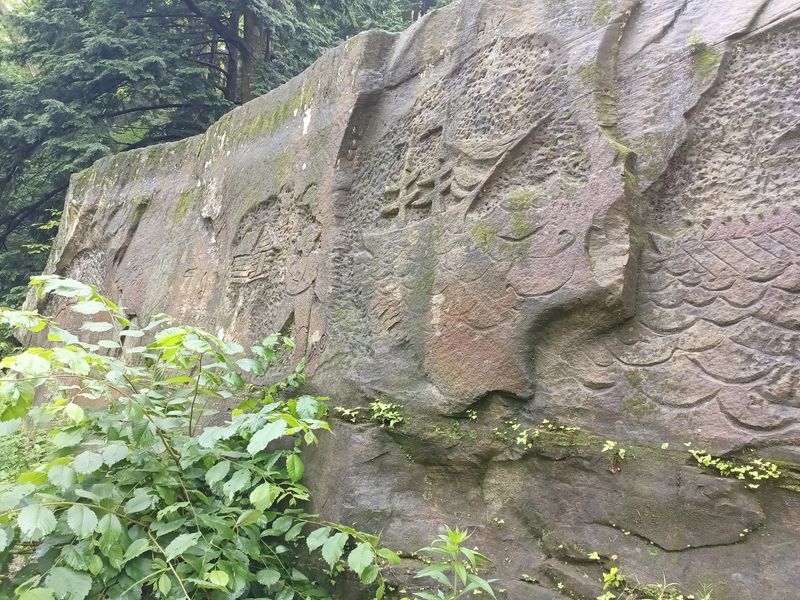
One of the strongest parts of Henry Church Rock is that the carving was meant to say something. According to local history, Henry Church created it as a protest connected to the suffering of Native Americans during westward settlement.
That gives the landmark emotional weight, not just visual interest.
Some visitors notice a woman and a snake in the design, and those shapes have been linked to a powerful symbolic message. Even if every carved line is not easy to read at first glance, the scene feels serious and thoughtful.
It reminds people that public art can carry anger, sorrow, and sympathy all at once.
For young visitors, the lesson is simple. Rocks can hold stories, and stories can hold strong feelings.
Looking carefully at old carvings helps us ask better questions about the past and about how people used art to speak when words felt too small for them.
4. The Hike Down Makes the Discovery Better
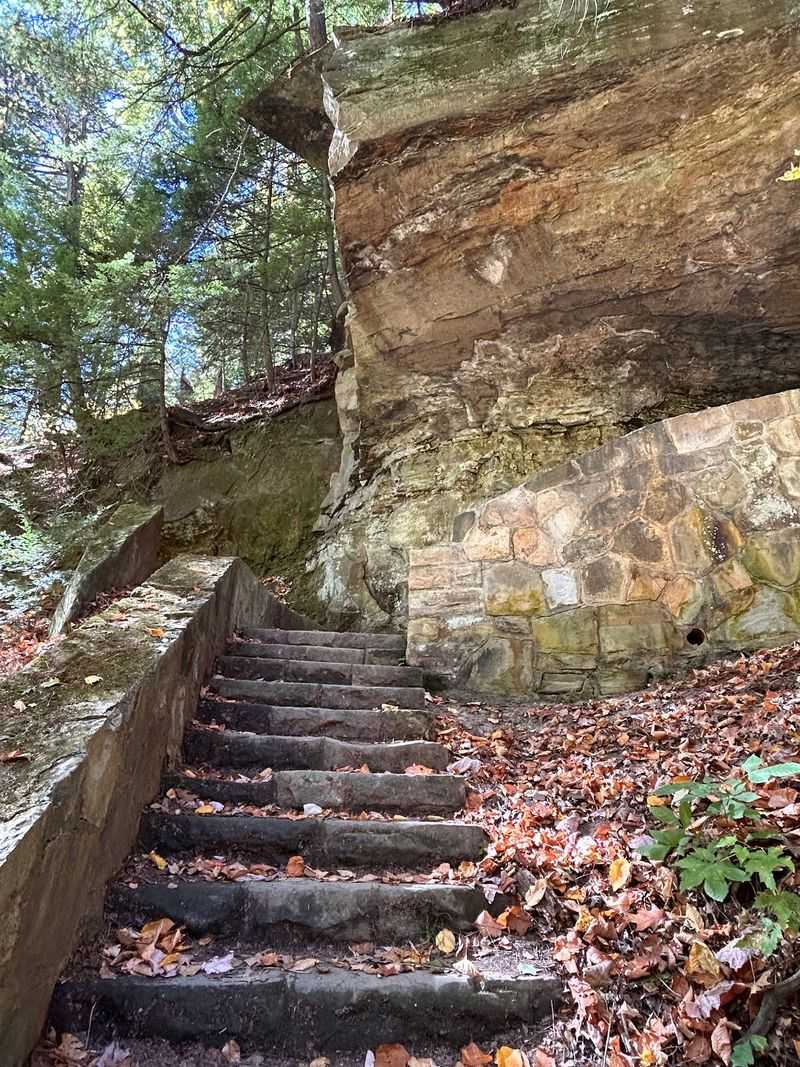
Getting to Henry Church Rock is part of the experience, and that is one reason people remember it so well. The walk includes wooded paths, stone steps, and a drop toward the river, so the outing feels more exciting than a simple sidewalk stroll.
Many reviewers say the hike is short but still full of little surprises.
Because the trail can be muddy or slippery after rain, sturdy shoes are a smart idea. Families with small children can enjoy the route, but adults should keep a close eye near steep areas and edges.
A stroller is usually not the best choice here, since parts of the path are uneven and include many steps.
Take your time on the way down and back up. Care lets you enjoy the forest, hear the water, and arrive safely.
By the time the rock appears, it feels earned, which makes the landmark more memorable.
5. Waterfalls and River Views Add to the Magic
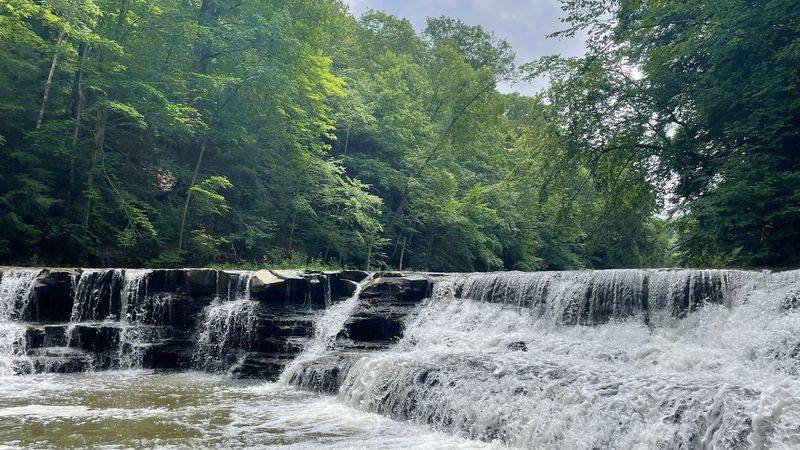
Around Henry Church Rock, nature does not act like a background. The river, falls, ledges, and shaded trees all work together to frame the carving in a dramatic way.
That setting helps explain why so many visitors talk about the area as much as the rock itself.
A small waterfall nearby adds sound and motion, turning the visit into more than a history stop. On warm days, families often linger by the water, while hikers pause for photos, quiet views, or a snack at the picnic area above.
In fall, leaves add bright color, and in summer, the shade makes the trail feel cooler and calmer.
Bring a little curiosity and a little patience. Spend time noticing the layers of limestone, the moving water, and the old carving together.
Seeing all three at once makes Henry Church Rock feel less like one object and more like a whole scene outdoors.
6. Safe Steps and Respectful Visiting Matter Here
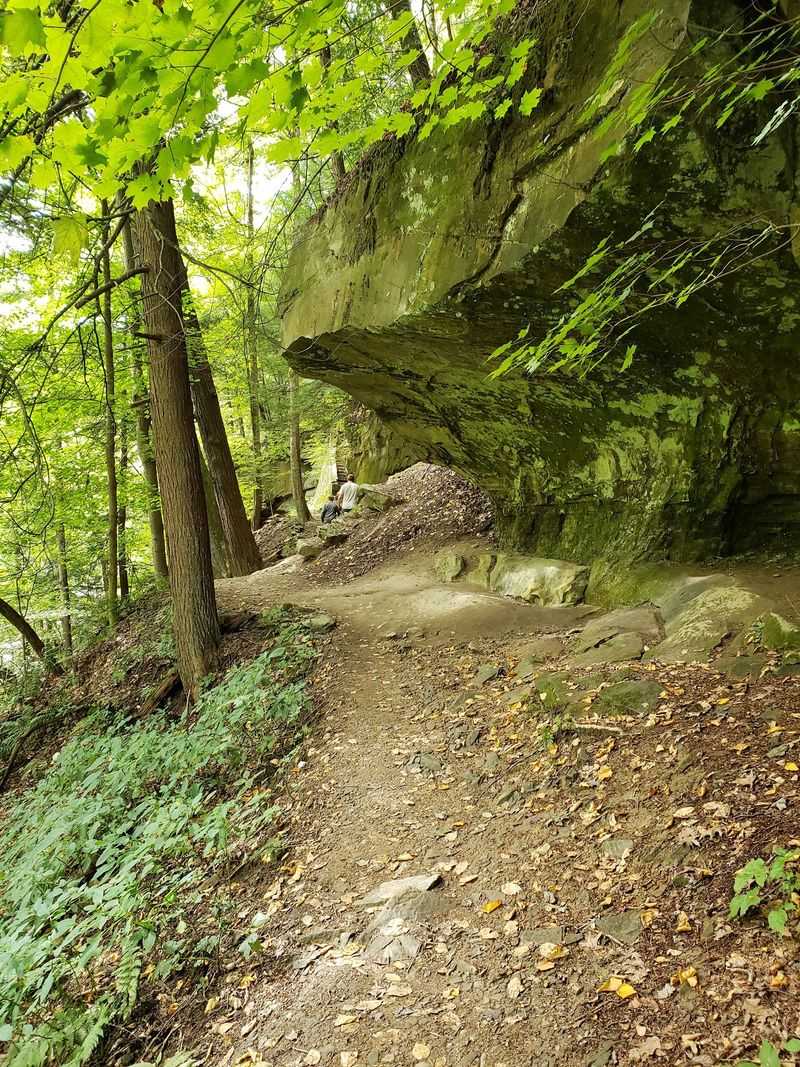
Smart visitors treat Henry Church Rock like both a trail stop and a historic site. That means watching your footing, staying aware near water, and giving the carving respectful space.
A little caution goes a long way here, especially after rain when dirt and stone can turn slick.
The area includes stairs, slopes, and spots close to drop offs, so it helps to move slowly instead of rushing for a photo. Good shoes with grip are better than smooth sandals, and children should stay close to adults.
If the trail looks muddy, shorter steps and free hands can make a big difference.
Respect matters too. Please avoid climbing on the carved face or scratching at the stone, because damage cannot be easily undone.
When everyone treats the place gently, future visitors get the same sense of wonder you felt on your first look beside the river and under the trees.
7. Mystery Is Still Part of the Appeal
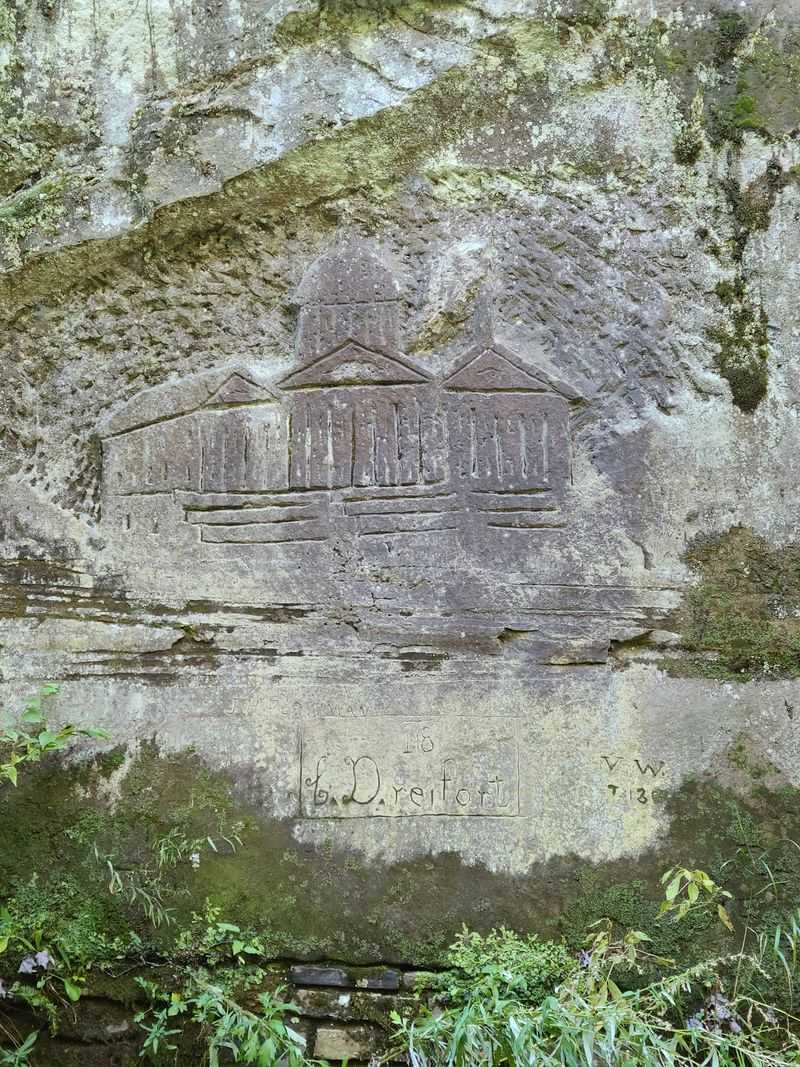
What keeps people talking about Henry Church Rock is not only its age, but also its unanswered questions. Weather has softened parts of the carving, and different visitors notice different shapes and meanings.
That mix of fact and uncertainty gives the landmark a puzzle-like quality that sticks in your mind.
Local stories explain who made the carving and why, yet standing in front of the stone still feels personal. You are left to study the lines, compare them, and decide what stands out most.
Some people focus on history first, while others remember the mood of the place, the river sounds, or the surprise of finding art outdoors.
That lasting mystery is a big reason to visit in person. Photos can show the outline, but they cannot fully capture the texture, scale, and atmosphere.
Seeing the carving beside flowing water makes the questions feel alive instead of finished to you.
8. Planning a Visit to Henry Church Rock Today
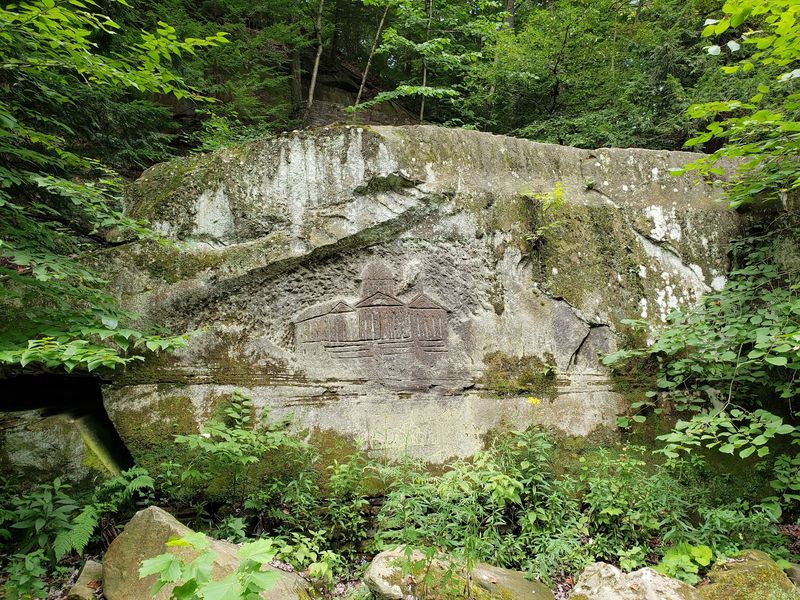
If you are thinking about visiting Henry Church Rock, a little planning makes the trip smoother. The landmark sits on Chagrin River Road in the South Chagrin Reservation, and the area is known for easy parking, picnic tables, and restrooms nearby.
Current park information lists daily hours from 6 AM to 11 PM, which gives visitors plenty of time to explore.
Many people turn the stop into a short loop hike, then add time for the waterfall and river views. Packing water, wearing shoes with tread, and bringing a snack can make the outing more comfortable.
Since the place is popular, quiet mornings or weekdays may feel more peaceful if you want to look closely at the carving.
Best of all, the visit offers more than one reward. You get a bit of exercise, a brush with local history, and a memorable view by the river.
Few landmarks manage to do all of that in one trip.
Share this story