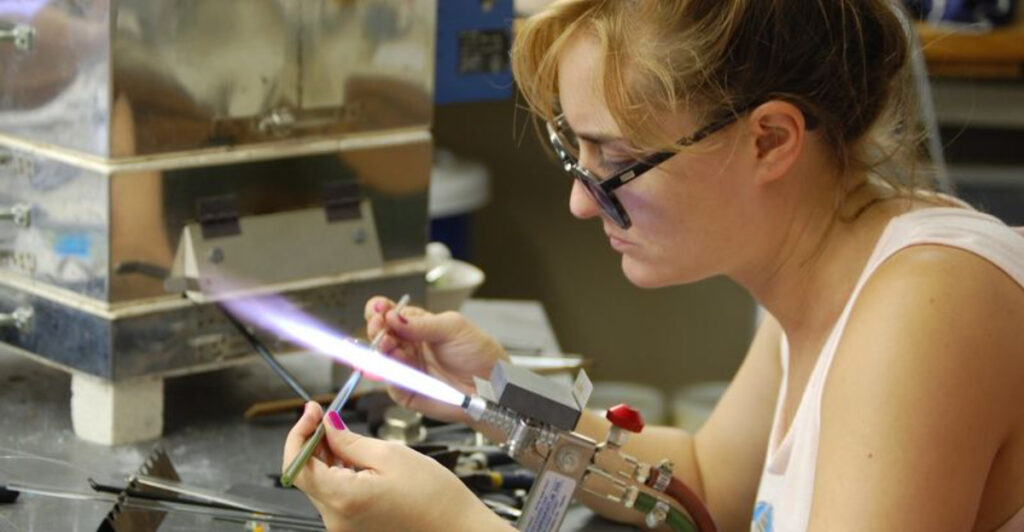
A blacksmith’s hammer rings out somewhere beyond the trees, and a few minutes later you might pass a ceramics studio where someone is coaxing a lopsided bowl into something that suddenly looks intentional.
That is the fun of Peters Valley School of Craft in Layton, New Jersey: it does not feel like a polished attraction built for quick photos.
It feels like you wandered into a working village where people are actually making things with fire, clay, thread, wood, metal, and a healthy tolerance for messy hands.
Set inside the Delaware Water Gap National Recreation Area, Peters Valley is part art school, part historic village, part gallery stop, and part “maybe I should finally take that class” moment.
The campus is tucked along Kuhn Road in Sussex County, where old buildings have been given second lives as studios, shops, classrooms, and gathering places. It is creative without being precious, peaceful without being sleepy, and just unusual enough to make a day trip feel like a small adventure.
The Historic Village in New Jersey Where Creativity Still Lives
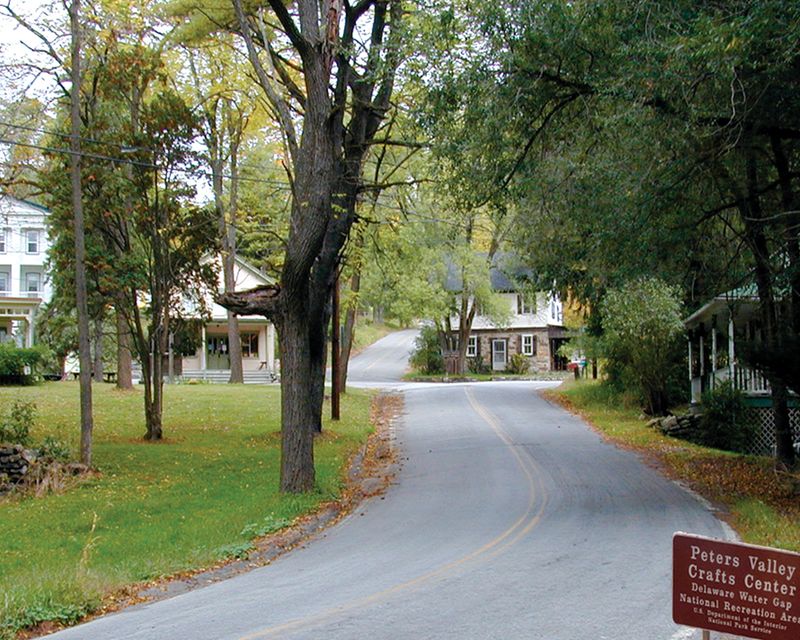
Before Peters Valley became a place for potters, jewelers, woodworkers, weavers, and blacksmiths, this pocket of Sussex County had another life entirely. The area was once known as Bevans, a small rural village that later became part of the Delaware Water Gap National Recreation Area.
Instead of flattening that history into a plaque and moving on, Peters Valley did something far more interesting: it moved craft into the old bones of the place.
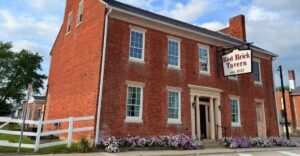
The school uses historic village buildings for studios, offices, gallery space, housing, and creative gathering spots, which is why the campus does not have the sterile feel of a modern arts complex.
It feels layered. You are not just walking from one classroom to another; you are moving through a village that has been repurposed without being scrubbed clean of its past.
Peters Valley officially began in 1970 and has spent more than 50 years building a community around fine craft, immersive learning, and working artists.
Today, it operates at 19 Kuhn Road in Layton, surrounded by fields, forests, streams, and the kind of quiet roads that make you check your phone twice to confirm you are still in New Jersey.
The magic is not that the buildings are old. New Jersey has plenty of old buildings.
The magic is that they are still useful. A historic village that could have become a forgotten footnote is now full of kilns, anvils, looms, sawdust, sketchbooks, and people learning how to make something with their own hands.
Why Peters Valley Feels More Like an Escape Than an Art School
Most art schools announce themselves with parking lots, glass doors, and bulletin boards. Peters Valley eases into view more quietly.
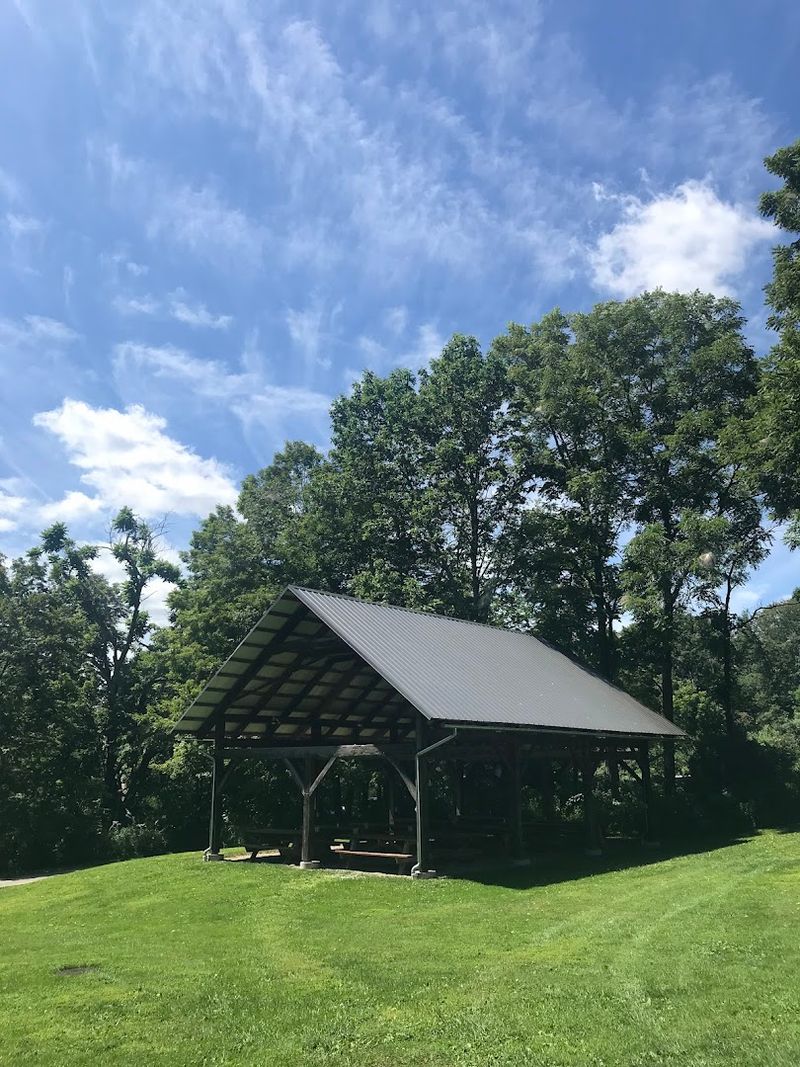
The campus sits inside the Delaware Water Gap National Recreation Area, so the trip there already does half the work. By the time you reach Layton, the pace has changed.
The road narrows, the trees get bossier, and suddenly your regular list of errands feels very far away. That setting is a big reason Peters Valley feels less like a school and more like a creative reset button.
Yes, there are classes, instructors, registration pages, and serious tools. But the experience is not boxed into fluorescent-lit rooms where everyone pretends to know what they are doing.
Students can commute for the day or stay in historic on-campus houses during workshop sessions, which gives the whole place a camp-for-grownups energy, minus the awkward trust falls.
Workshops run in everything from blacksmithing and ceramics to fibers, textiles, jewelry, fine metals, glass, printmaking, photography, and woodworking.
Some are short online sessions, while others are in-person intensives that last a weekend or several days.
Recent listings have included approachable options like ceramics classes, stool-building workshops, jewelry sessions, printmaking, basketry, and blacksmithing programs, with pricing that can range from low-cost online talks to multi-day workshops that cost several hundred dollars.
That mix matters. Peters Valley is not asking visitors to stand politely in front of finished art and whisper.
It is inviting them to try, mess up, laugh a little, and leave with a better appreciation for the people who make beautiful things look easy.
Hands-On Workshops That Turn Beginners Into Makers
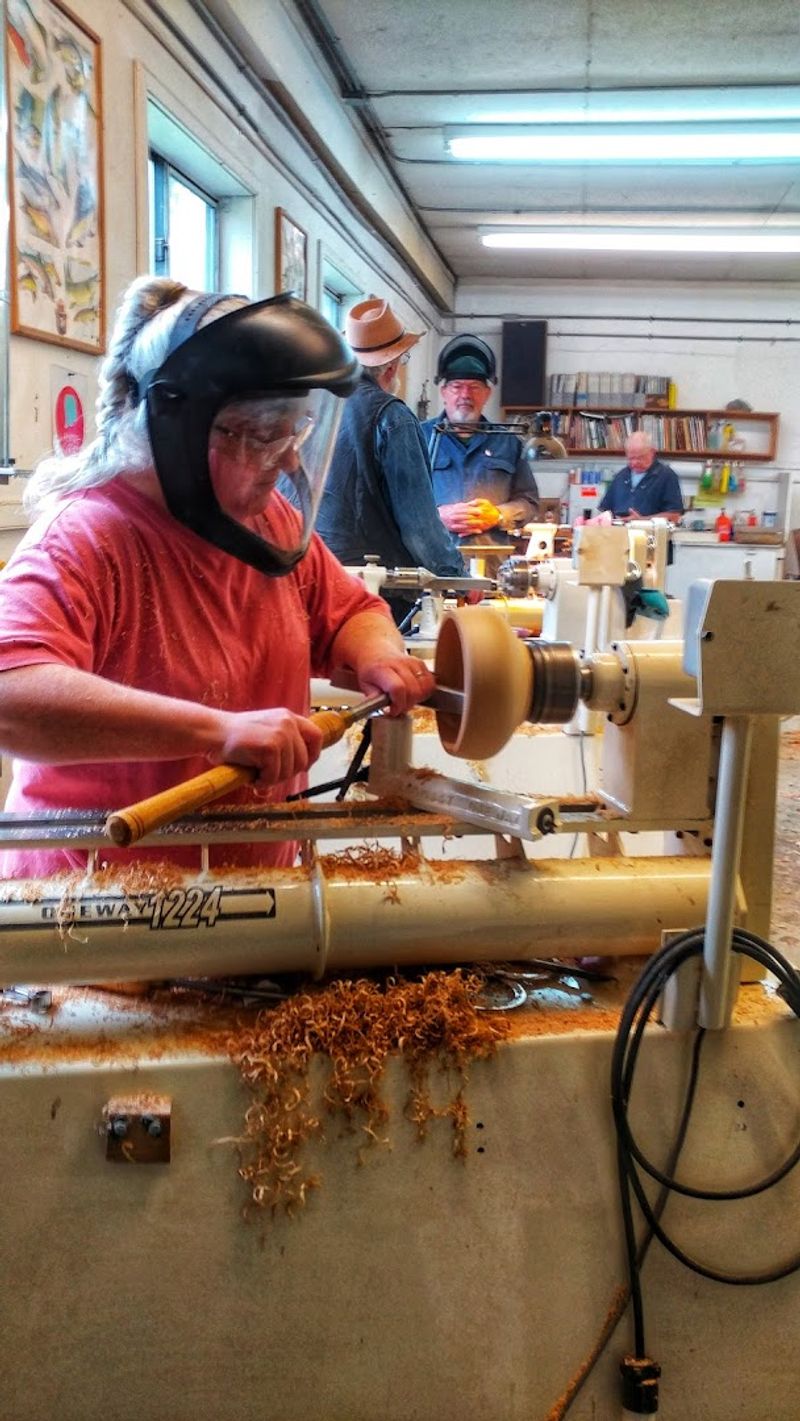
Here is the thing that makes Peters Valley especially welcoming: you do not need to arrive with a portfolio, a mysterious linen apron, or the ability to discuss glaze chemistry over coffee. Many workshops are built for beginners or mixed skill levels, which is a wonderfully generous setup.
It means you can be new without feeling like you accidentally walked into an advanced seminar where everyone else brought their own handmade tools.
The school’s workshop calendar is broad enough that one person can spend a weekend learning art quilting while another tries casting, water marbling, blacksmithing, linocut, macramé, or woodworking.
The class names alone often sound more fun than most weekend plans, with offerings that may cover belt buckles, bobbin lace, basketry, bladesmithing, ceramics, metalsmithing, and fiber arts.
Prices vary by length and materials, so there are different entry points depending on whether someone wants a low-commitment introduction or a full “I am disappearing into the woods to become a craft person” weekend.
That flexibility is part of the charm. You can dip in for a shorter program, build a whole trip around a longer intensive, or simply browse the gallery first and decide whether the creative bug has officially bitten.
The best part is that these classes are not designed around passive admiration. You are meant to touch the material, understand the tools, and feel the difference between an idea and an object.
Even if the finished product comes out a little wonky, it usually carries the best kind of proof: you made it.
Inside the Studios Where Clay, Metal, Wood, and Fiber Come Alive
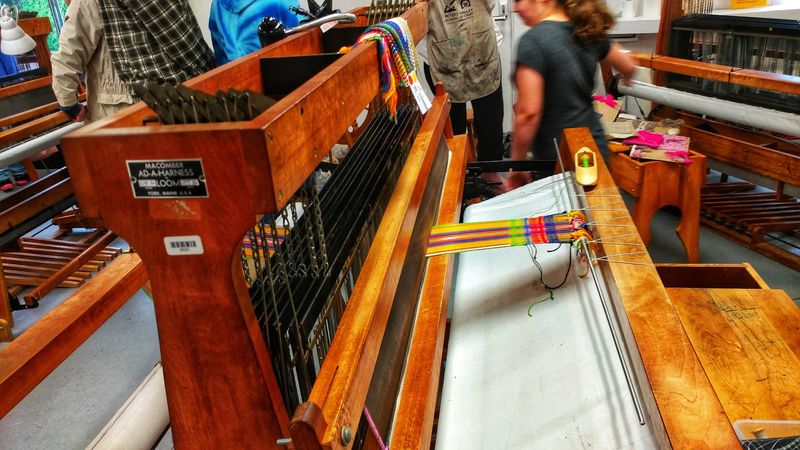
The campus is split in a way that makes Peters Valley feel like a tiny working ecosystem. In one area, visitors may find studios devoted to fibers, textiles, fine metals, glass, and woodworking.
In another, blacksmithing, ceramics, printmaking, and photography help anchor the creative activity. That layout gives each discipline its own little world, which is exactly how it should be.
Blacksmithing needs fire, force, and space. Ceramics needs wheels, kilns, shelves, and patience.
Fibers need surfaces, looms, dye-friendly setups, and room for color to make a dramatic entrance. Woodworking needs tools that make beginners stand a little straighter before turning them loose.
What keeps it from feeling intimidating is that Peters Valley is set up for learning, not showing off. The studios are serious spaces, but they are still surrounded by woods and old village buildings, so the whole scene stays grounded.
You might be learning a highly technical process, but you are doing it in a place where birds and bugs are part of the soundtrack.
That range is why the school attracts such a mix of people: serious artists sharpening their practice, hobbyists chasing a long-delayed curiosity, teenagers trying something new, and adults who simply want a weekend that does not involve staring at a screen.
It is hard to leave a campus like this without noticing everyday objects differently. A mug is no longer just a mug.
A chair is no longer just a chair. Somebody shaped that curve, solved that problem, and probably sanded it longer than anyone will ever know.
The Gallery Shop That Makes Every Visit Feel Like a Treasure Hunt
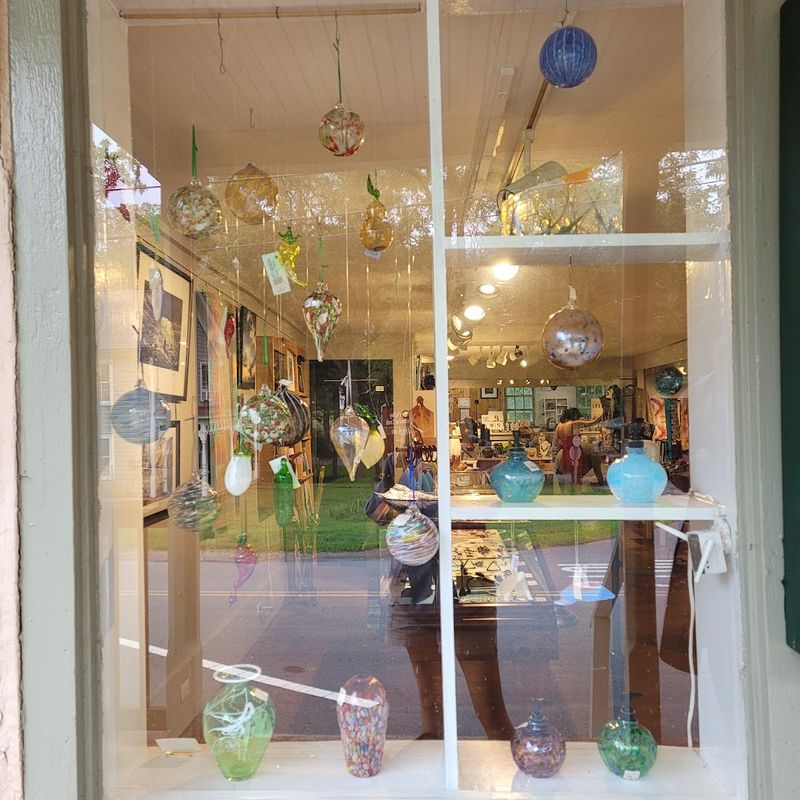
Not everyone wants to swing a hammer or sit at a wheel, and Peters Valley wisely does not make hands-on participation the only way in. The Gallery Shop is the easier gateway: walk through the door, look around, and let the handmade objects do the persuading.
The shop features contemporary American craft from regional and national artists, including decorative and functional pottery, jewelry, glass, wood, wearable fiber art, photography, toys, books, and other pieces that feel far more personal than the usual gift-shop suspects.
It is the kind of place where you might come in thinking you are “just browsing” and then spend 15 minutes deciding whether a mug has the right handle personality.
There are gallery and retail spaces on campus, and purchases help support the school’s educational programs as well as working artists. That gives the shopping a nice full-circle feeling: the same campus teaching people how to make things is also helping artists sell the things they have already mastered.
Hours can vary by season, so it is worth checking before making the drive, especially in winter or around holidays. The important thing to understand is that this is not a souvenir stop where the merchandise could belong to any town with a checkout counter.
The objects here connect directly to the larger Peters Valley experience. They show what craft looks like when skill, repetition, material knowledge, and imagination all meet in one finished piece.
Even if you leave without buying anything, you will probably leave with a new respect for bowls, bracelets, glass, fiber, and the patient people behind them.
How the Delaware Water Gap Setting Makes the Experience Even More Inspiring
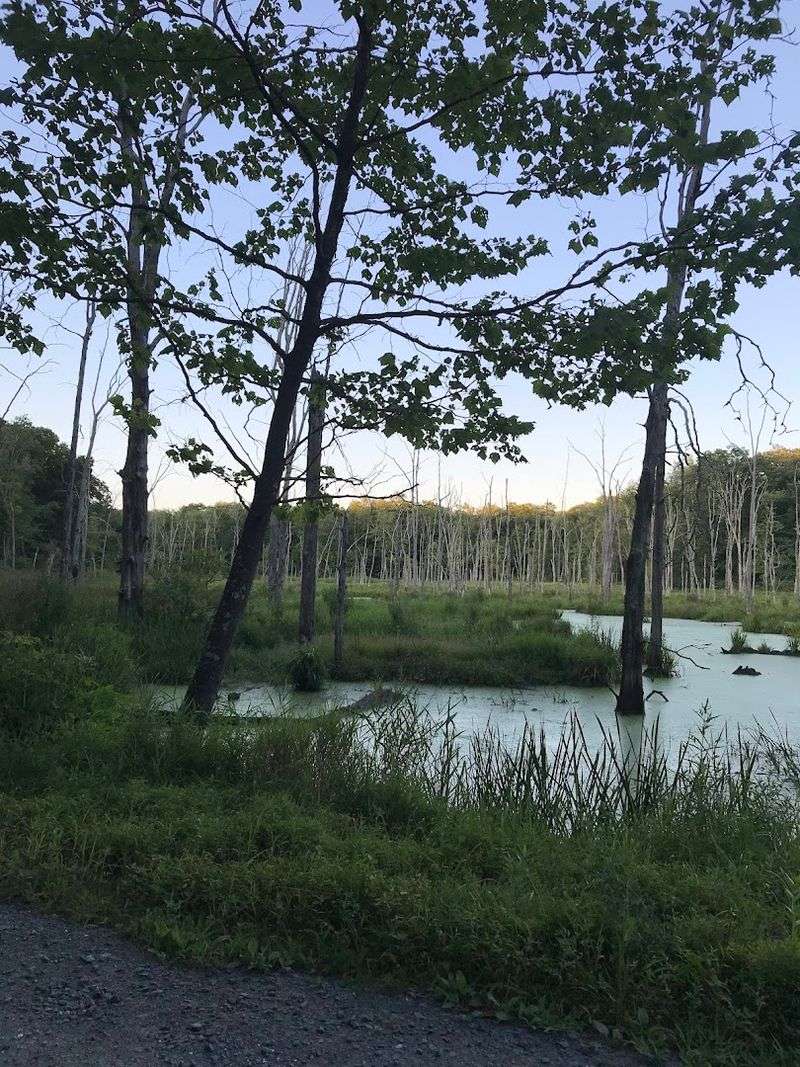
Peters Valley would be interesting in a strip mall, but it would not be Peters Valley. The Delaware Water Gap setting is not just scenery around the edges; it shapes the whole mood of the place.
The campus sits in the northern New Jersey side of the recreation area, surrounded by the kind of landscape that makes creative work feel less forced. Fields, forests, streams, old roads, and mountain-country quiet give visitors room to think without making a big performance out of it.
That matters, especially for people who spend most of their week moving between traffic, inboxes, and buildings that all seem to have the same gray carpet. Here, the distance is part of the appeal.
Peters Valley is in Layton, in Sandyston Township, a rural Sussex County area close to the Delaware River and the New Jersey-Pennsylvania border. It is not far from other Delaware Water Gap stops, which makes it easy to pair a gallery visit or short workshop with a scenic drive, a hike, or a slow afternoon in nearby river towns.
But the campus itself is enough if you are in the mood to stay put. Adult workshops, youth programs, exhibitions, demonstrations, artist opportunities, and outreach all happen inside the recreation area, which is a rare combination: public-land beauty with a working craft community built right into it.
That is why the experience feels different from simply visiting a gallery or taking a class somewhere else. You are not separated from the landscape while you create or browse.
You are inside it, moving between studios and trees, between history and fresh ideas, between quiet roads and the very satisfying sound of someone making something real.
Share this story