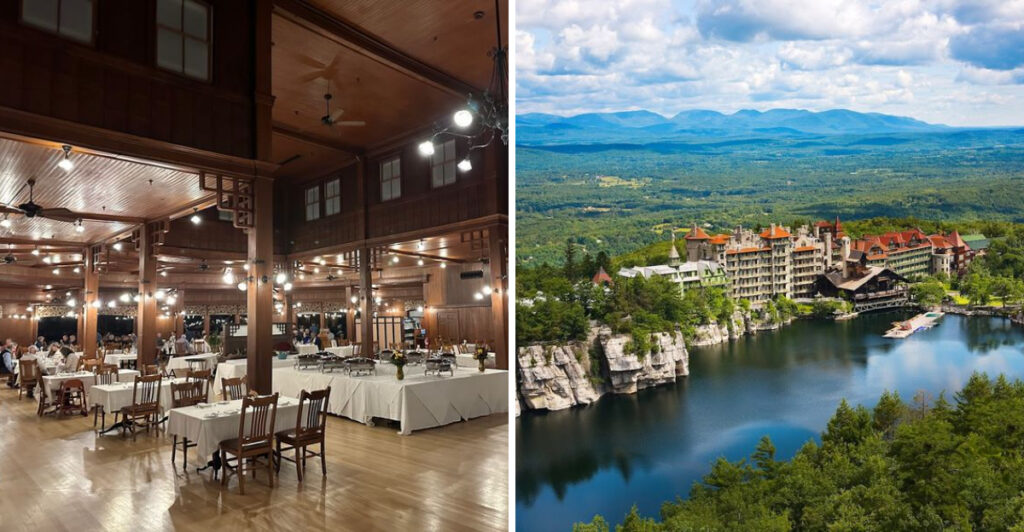
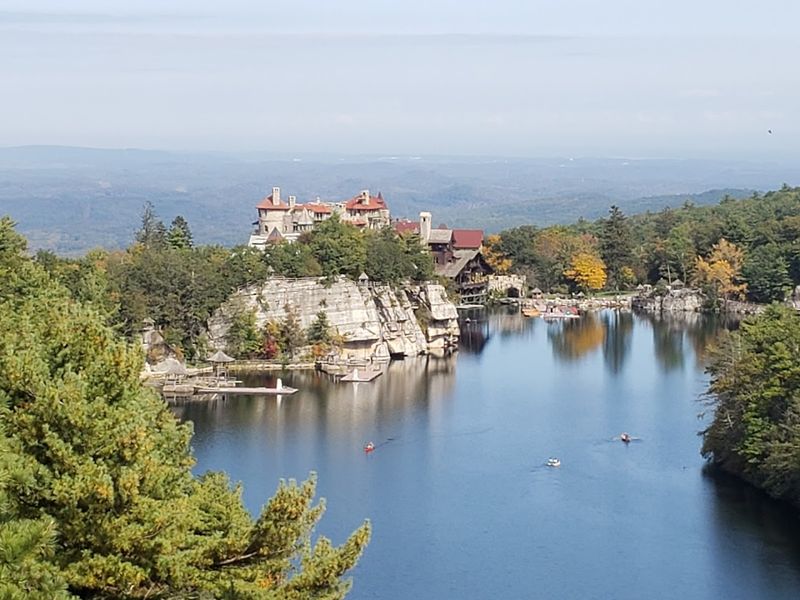
There are hotel dining rooms you visit because you are staying overnight, and then there are places like Mohonk Mountain House, where the meal itself feels like the main event. Perched above Lake Mohonk in a storybook Victorian castle, this historic resort has turned dining into part of the destination.
Between mountain views, fireside lounges, generous spreads, and special-occasion polish, it is easy to see why so many guests keep talking about the food long after checkout. If you are wondering how a resort restaurant earns that kind of devotion, this is where to start.
1. A dining room with true destination appeal
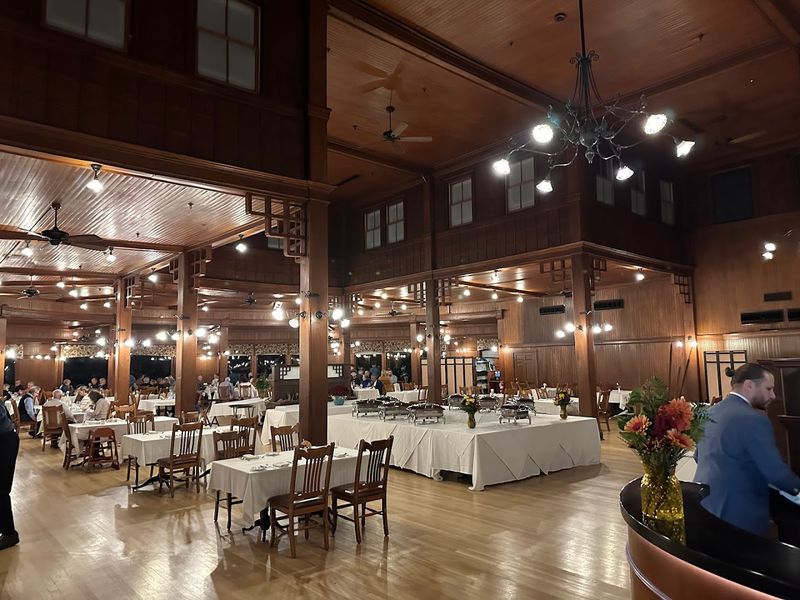
The first thing that struck me about dining at Mohonk Mountain House was how quickly the restaurant stops feeling like a hotel convenience and starts feeling like the reason you came.
The setting does a lot of the work, of course – carved wood, grand windows, and the quiet drama of a lakeside castle in the Hudson Valley.
But atmosphere alone does not create a true dining destination, and Mohonk clearly understands that.
What makes the experience memorable is the way the meal is woven into the larger rhythm of the property.
You spend the day hiking rocky trails, gliding across the lake, or settling into a porch chair, and then dinner arrives as a natural reward rather than an afterthought.
That transition gives the restaurant a kind of emotional power you can feel as soon as you sit down.
Guests repeatedly mention the food when they talk about Mohonk, which says a lot at a resort packed with activities, views, and history.
Even reviews that note occasional inconsistencies still describe the dining as plentiful, special, or central to the stay.
When a restaurant remains one of the most discussed parts of a place this scenic, you know it has carved out an identity of its own.
If you are choosing Mohonk for the full experience, the table is not separate from the destination – it is one of its main attractions.
2. The castle setting makes every meal feel elevated
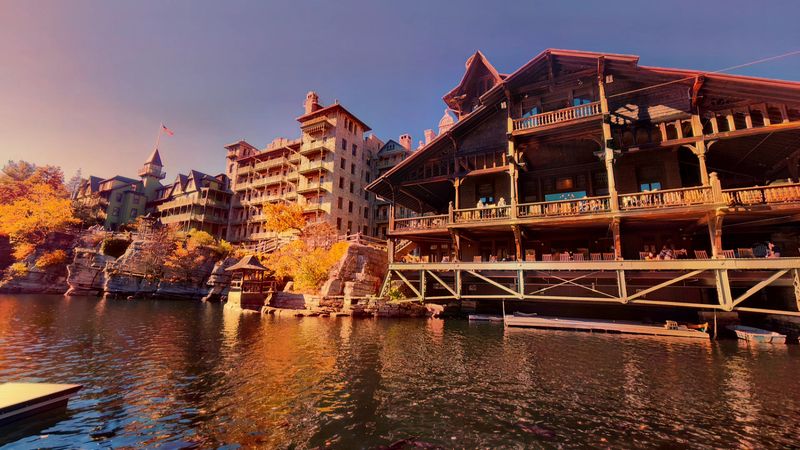
At many resorts, the restaurant may be attractive, but the surroundings stay in the background.
At Mohonk Mountain House, the setting becomes part of the meal in a way that feels impossible to separate.
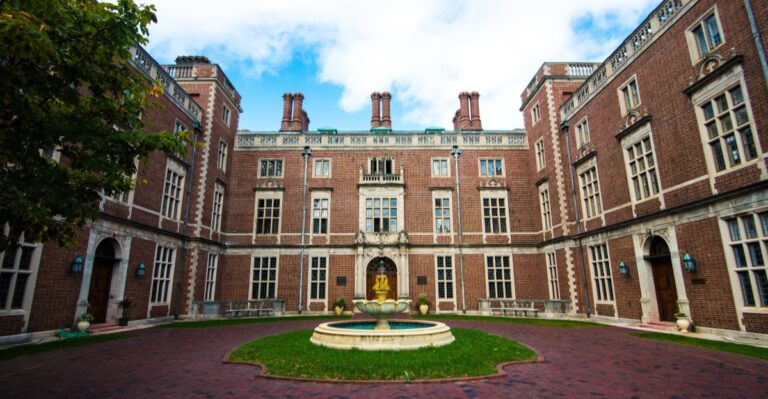
You are dining inside a Victorian castle perched above Lake Mohonk, with mountain air, stone arches, and old-world charm shaping the mood before the first plate arrives.
That matters because food is never experienced in a vacuum.
A breakfast buffet tastes more restorative after sunrise over the lake.
Afternoon tea feels more indulgent when you have just walked past balconies lined with rocking chairs and looked out over cliffs and forest.
Dinner carries extra occasion when the hotel itself seems built for ceremony, nostalgia, and slow appreciation.
Guests often describe the property in almost fairy-tale language, and I understand why.
The architecture adds a sense of occasion without making the experience stiff.
Instead, it creates the rare feeling that you can arrive in hiking shoes after a long trail walk and still feel perfectly placed for a beautiful meal.
That blend of grandeur and ease is a huge part of why the restaurant resonates.
Mohonk is not simply serving food in a scenic place – it is serving food inside a setting that makes people more attentive, more relaxed, and more ready to remember every bite.
3. All-inclusive dining keeps the focus on enjoyment
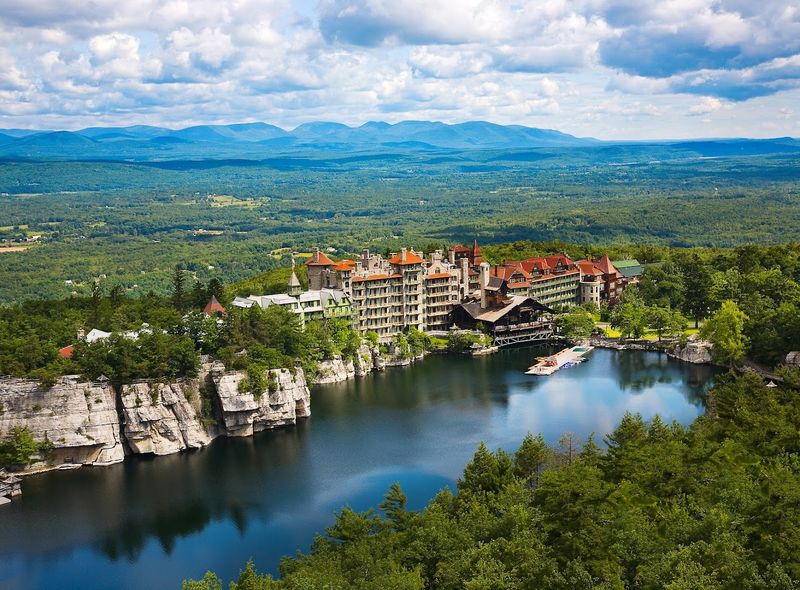
One reason Mohonk Mountain House has become such a talked-about dining destination is that the all-inclusive format changes how you experience every meal.
Instead of debating where to go, checking prices, or wondering whether dinner is worth the splurge, you can simply settle in and enjoy what is in front of you.
That freedom gives the restaurant a more relaxed, generous energy from the start.
Breakfast, lunch, and dinner are part of the stay, and guests mention the variety again and again.
Some reviews rave about top-notch meals across the board, while others note that certain dishes rise above the rest, but the common thread is abundance.
You are not just getting fed between activities – you are being invited to make dining one of the anchors of the trip.
I think that matters especially in a place like Mohonk, where the day can move from a mountain hike to billiards by the fire to skating in winter or boating in warmer months.
When meals are already built into that rhythm, they feel less transactional and more celebratory.
You can arrive hungry from the outdoors and fully give yourself over to the experience.
That all-inclusive approach does not replace quality, but it absolutely enhances pleasure.
At Mohonk, it helps turn the restaurant into a dependable centerpiece rather than a logistical stop between the real attractions.
4. Breakfast, lunch, and dinner each have their own personality
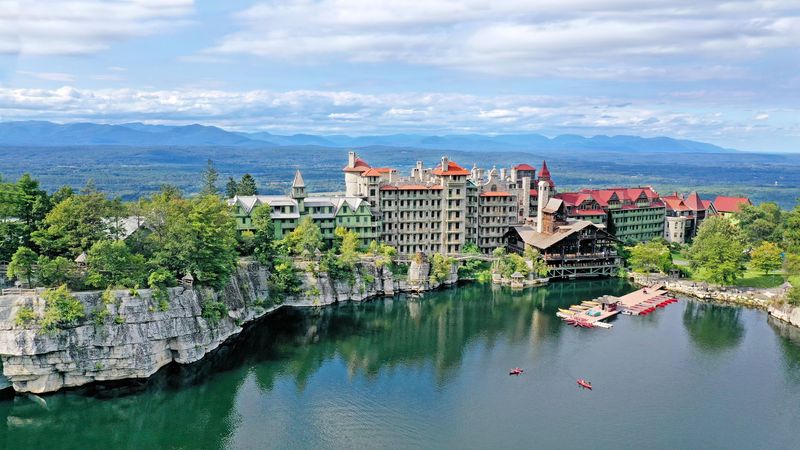
The best resort restaurants know how to avoid monotony, and Mohonk Mountain House succeeds by giving each meal its own mood.
Breakfast feels restorative and practical in the best sense, especially before a day of trails, lake views, or winter sports.
Lunch carries a more leisurely rhythm, letting you reset, compare notes on the morning, and decide whether the afternoon calls for the spa, the porch, or another adventure.
Dinner is where the experience seems to deepen.
Reviews describe it as special, memorable, and in some cases the highlight of the stay, especially when a standout server or a particularly well-prepared entrée enters the picture.
Even guests who prefer one dining venue or one meal over another still tend to frame dinner as an event rather than a requirement.
That progression matters because it makes the resort feel alive throughout the day.
You are not walking into the same room for the same generic spread and trying to manufacture excitement.
Instead, the culinary schedule supports the emotional flow of the trip, from energetic mornings to relaxed afternoons to evenings that invite a little more ceremony.
I love when a property understands this distinction.
Mohonk’s dining feels carefully paced, and that pacing is part of why the restaurant earns loyalty not just from overnight guests, but from people who come away talking about the meals as essential to the whole escape.
5. Afternoon tea and cookies add ritual to the experience
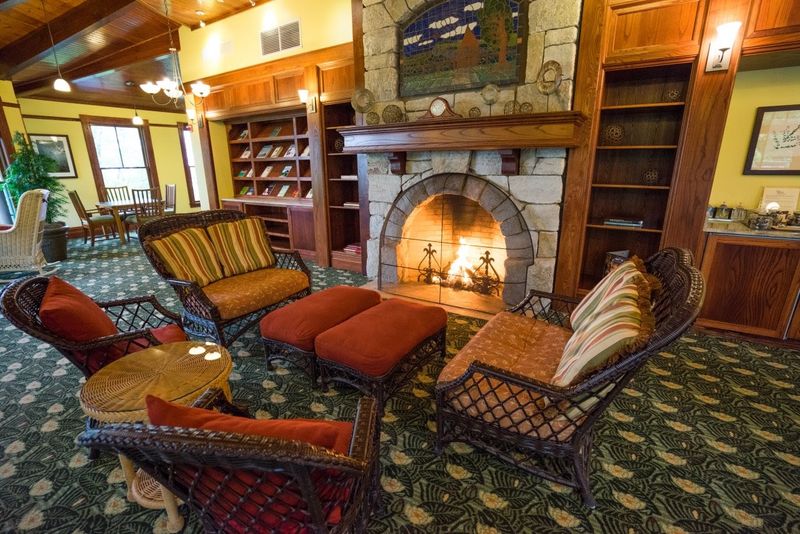
Not every memorable dining moment arrives at a formal table, and Mohonk Mountain House seems to understand that beautifully.
The resort’s afternoon tea and cookies, served in a fireside lounge, give the day a pause point that feels both old-fashioned and deeply comforting.
It is the kind of ritual that instantly slows you down and makes you appreciate where you are.
What I find especially smart is how this offering strengthens the identity of Mohonk as a culinary destination without trying to be flashy.
Tea is not presented as a gimmick or a quick snack grabbed on the run.
Instead, it becomes a signature interlude – something guests can look forward to after a walk, before dinner, or during a quiet winter afternoon while snow gathers outside.
That sense of ritual is powerful in hospitality.
People remember how a place made them feel, and there is something undeniably memorable about warming up in a grand lounge with tea, cookies, and mountain views nearby.
It makes the resort’s food culture feel more complete, extending beyond the main dining room into the emotional texture of the day.
When a hotel gets these in-between moments right, the restaurant’s reputation grows stronger too.
At Mohonk, afternoon tea helps explain why dining here does not just satisfy hunger – it shapes the mood, the memories, and the story guests tell after they return home.
6. The service often turns meals into lasting memories
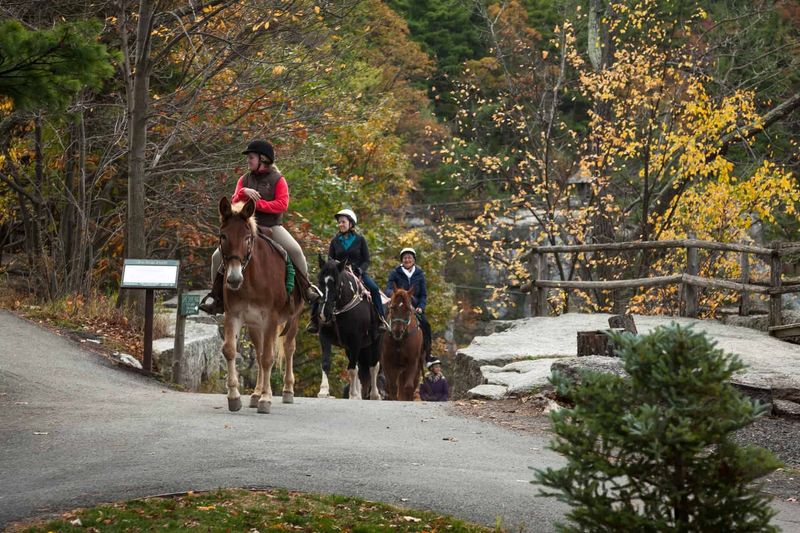
A restaurant becomes a destination not only because of what is on the plate, but because of how you are made to feel while eating it.
At Mohonk Mountain House, service comes up repeatedly in guest feedback, especially inside the dining spaces.
Servers are described as welcoming, accommodating, and in some cases memorable enough to be named in reviews, which always tells me the hospitality landed in a real way.
That personal touch matters more than ever in a resort environment.
When someone remembers your preferences, checks in with genuine warmth, or simply makes dinner feel smooth after a full day outdoors, the meal becomes part of the emotional highlight reel.
One guest wrote about a waiter who sought them out to make sure they were cared for each evening, and that kind of attentiveness is difficult to fake.
Even when broader service across a large property can feel mixed, the restaurant team often seems to anchor the experience with consistency and grace.
That gives the dining program an advantage because guests leave the table feeling looked after, not just served.
In a place built on comfort, scenery, and tradition, that distinction is crucial.
If you ask me, this is one of the clearest reasons Mohonk’s restaurant stands apart.
Good food draws you in, but thoughtful service is what turns a nice dinner into a story you keep retelling.
7. The kitchen has earned real curiosity and respect
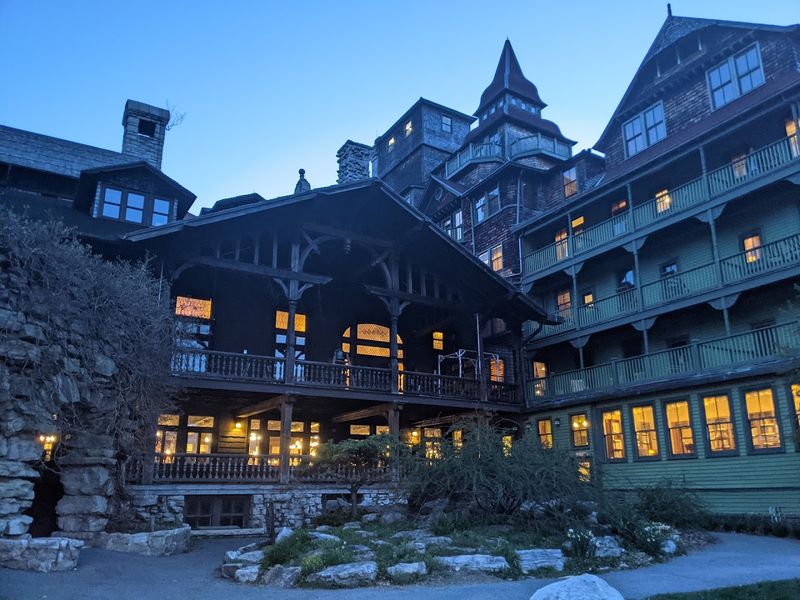
One of the strongest signs that Mohonk Mountain House has become more than a standard hotel restaurant is how interested guests are in the kitchen itself.
People do not usually rave about back-of-house operations unless the food experience has already sparked real curiosity.
At Mohonk, that curiosity is strong enough that kitchen tours and chef interactions become highlights of the stay.
A guest review describing a behind-the-scenes tour with Executive Chef Jim Palmeri stood out to me because it focused as much on the culture of the kitchen as the mechanics.
The impression was not merely that food was being produced efficiently, but that there was care, pride, and visible teamwork behind it.
That kind of trust travels straight to the table, even if you never see the kitchen for yourself.
When diners sense intention, they respond differently.
They pay more attention, talk more about what they ate, and become more forgiving of the occasional imperfect dish because the broader effort feels genuine.
Mohonk benefits from that dynamic, especially in a destination where guests have high expectations and plenty of other attractions competing for attention.
I think this is part of why the restaurant’s reputation has staying power.
People are not only consuming a meal – they are engaging with a culinary identity.
At a historic resort, that deeper connection makes the dining experience feel rooted, thoughtful, and worthy of the trip on its own.
8. Seasonal surroundings change the way the food feels
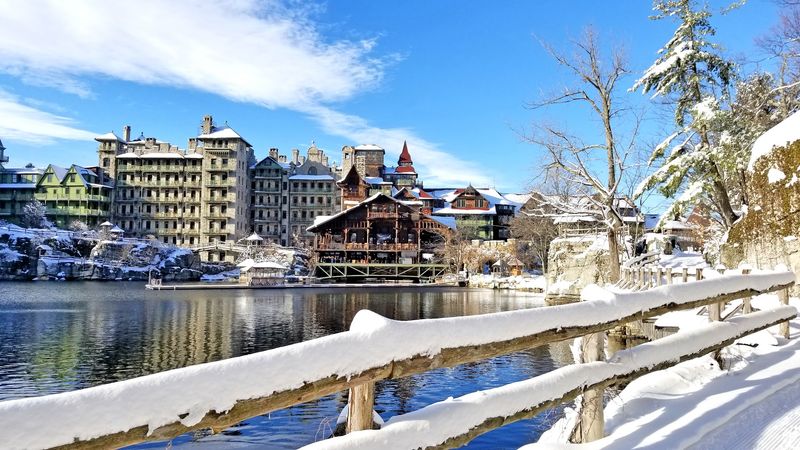
Mohonk Mountain House is one of those rare places where the season outside changes the emotional flavor of the meal inside.
In winter, after snowshoeing, cross-country skiing, or skating, a warm dining room feels almost theatrical in its comfort.
In summer, the same property shifts toward lake breezes, greenery, and long daylight, which makes meals feel more expansive and celebratory.
That seasonal flexibility gives the restaurant a powerful advantage.
Guests visit during Christmas, jazz weekends, snowy anniversaries, autumn hikes, and summer escapes, yet food remains central in every version of the story.
The menu details may evolve, but what stays constant is the sense that dining belongs to the landscape rather than existing separately from it.
I love places that understand how weather can deepen appetite and memory.
A butternut squash soup tastes better when you come in from the cold.
Brunch feels more luxurious when the grounds are glowing with holiday decorations or fall color.
Even tea in the lounge becomes a different experience depending on whether you are warming up from snow or resting after a sunny lakeside walk.
That is a big reason Mohonk’s restaurant lingers in people’s minds.
It is not static.
It responds to the mountain, the lake, the calendar, and the pace of the property, making every meal feel tied to a particular moment you cannot easily recreate elsewhere.
9. Even with mixed reviews, the food remains central
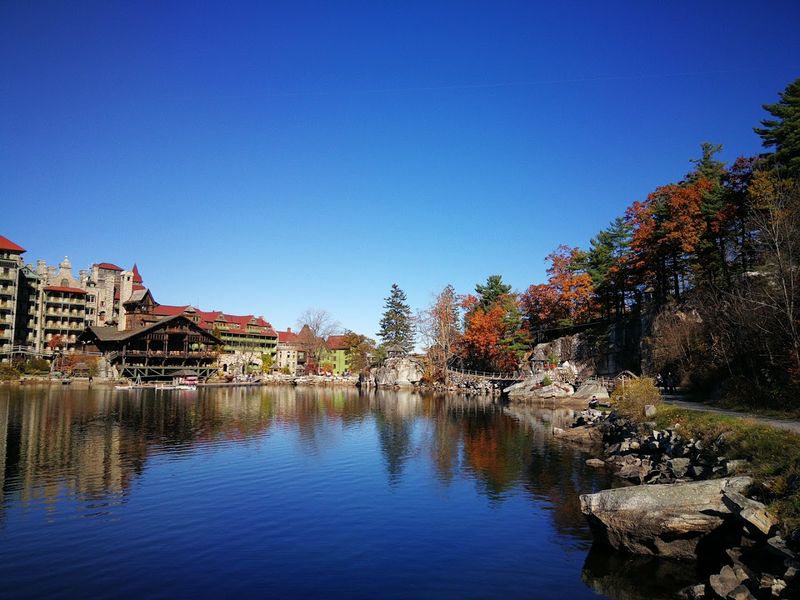
No restaurant earns serious attention without also inviting serious opinions, and Mohonk Mountain House is no exception.
Some guests call the food amazing, top-notch, or a highlight of their stay, while others find certain dishes average or inconsistent for the price level.
Oddly enough, that range of reactions reinforces the restaurant’s importance, because people are clearly arriving with high expectations and paying close attention.
What stands out is that even critical reviews still spend time talking about the dining.
They mention favorite soups, memorable chicken dishes, specific disappointments, buffet changes, vegan options, or the sheer variety available across meals.
In other words, the restaurant is not peripheral enough to ignore.
It remains a central part of how guests evaluate the entire Mohonk experience.
I think that level of scrutiny comes with the territory when you are dining at a celebrated historic resort.
The price, setting, and reputation naturally raise the bar.
But it is worth noting that the food continues to generate enthusiasm despite the occasional uneven meal, which suggests the restaurant has real strengths and a strong emotional place in the guest experience.
For me, that is the mark of a destination restaurant.
Not that every single dish is universally praised, but that the dining is important enough to shape memory, spark conversation, and keep people returning with the hope of reliving the best parts of the experience.
10. Why the restaurant stands on its own in New York
By the time you step back and look at everything together, it becomes clear why the restaurant at Mohonk Mountain House has earned a reputation beyond simple hotel dining.
The setting is extraordinary, the all-inclusive structure encourages you to lean into the experience, and the meals are stitched directly into the pace of a stay filled with trails, lake views, and fireside pauses.
Dining here is not a side note.
It is part of the identity of the place.
That identity feels especially distinctive in New York, where restaurant culture can so easily center cities, trends, and standalone dining rooms.
Mohonk offers something different – a restaurant shaped by landscape, history, and ritual.
You come for the mountain castle atmosphere, but the food keeps proving that this is not just a scenic backdrop for a captive audience.
Guests leave talking about brunch, dinner service, tea, kitchen tours, holiday meals, and the satisfying rhythm of breakfast through evening.
That breadth matters.
A true dining destination is not built on one photogenic room or one hyped dish.
It is built on a complete experience that people want to revisit and recommend.
If you ask me whether Mohonk Mountain House belongs on the map for dining as much as lodging, the answer is yes.
It delivers the kind of restaurant experience that becomes inseparable from the journey, which is exactly how a hotel restaurant becomes a destination in its own right.
Share this story