If you have ever wished the night would turn the lights back on for the stars, Observatory Park in Montville Township delivers that wish in full. Just 45 minutes east of Cleveland, this dark sky haven pairs giant telescopes with quiet meadows so you can actually feel the galaxy overhead.
Trails double as open air classrooms, and the park’s calendar fills with nights where Saturn’s rings and the Milky Way steal the show. Come ready to slow down, tune your eyes, and walk out with a memory that sticks long after your phone goes back in your pocket.
1. The Dark Sky Experience
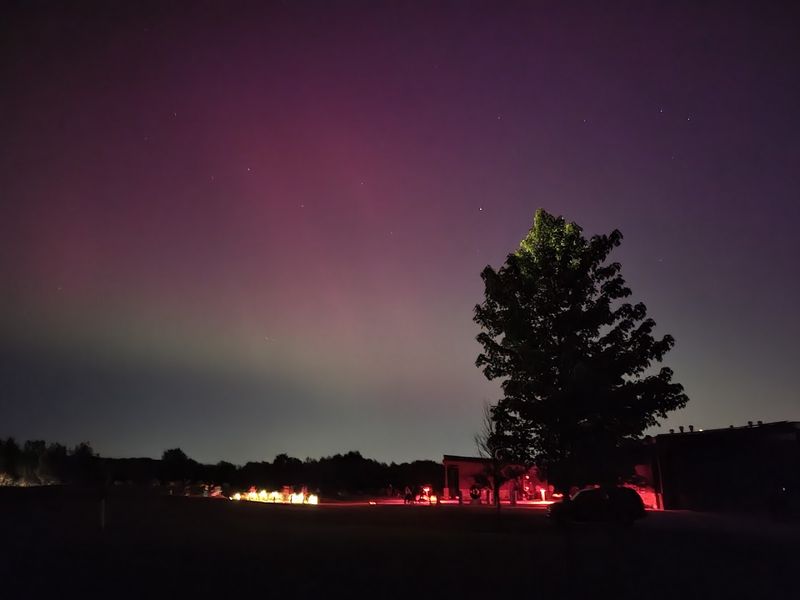
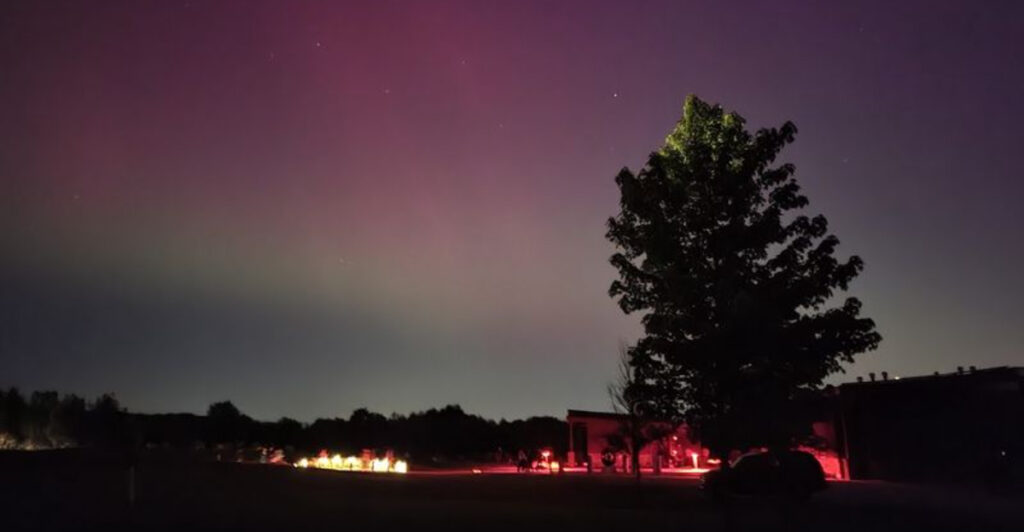
Step into Observatory Park after sunset and the sky feels almost prehistoric, wide and ink dark. Because Montville Township protects lighting, you can actually see the Milky Way stretching like a river overhead.
Your pupils open, shadows soften, and suddenly constellations pop where city glow would swallow them.
Bring a red flashlight, give your eyes 20 minutes, and the dome becomes textured with star clouds. On moonless nights, Orion, Cygnus, and the great arc of Cassiopeia look startlingly crisp, even to beginners.
I love watching people realize that faint smudge is Andromeda, a whole galaxy you can spot with nothing but curiosity. Out here, quiet fields swallow footsteps, coyotes yip far off, and the universe simply shows up.
That is the magic this dark sky treasure protects. You feel small in the best way, grounded beneath an ocean of light that was always there, finally visible.
Stay longer, see more.
2. Giant Telescopes and Public Stargazing
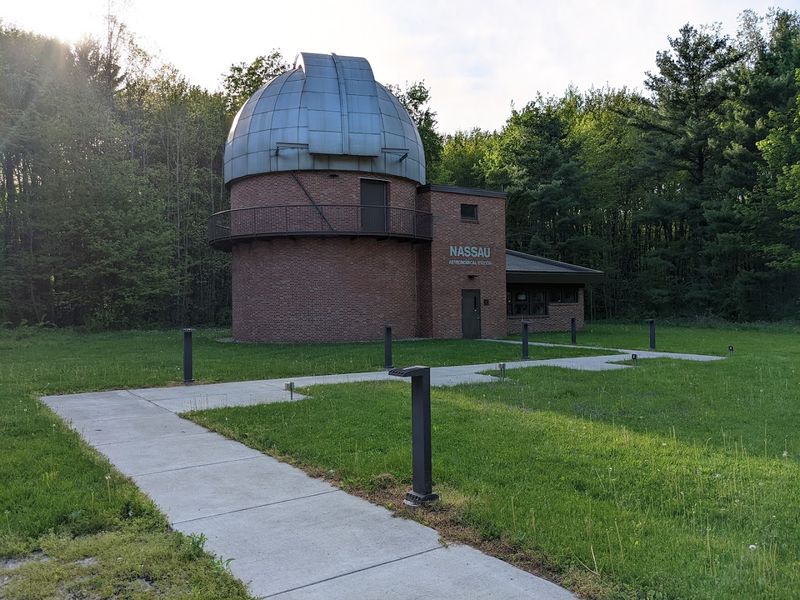
Then come the telescopes, the park’s crowd pleasing giants that turn whispers into wows. Staff and volunteers host public viewing nights, rolling out scopes aimed at planets, star clusters, and the Moon.
You line up, peek in, and Saturn’s rings snap into view like a tiny cosmic hula hoop.
On steady nights the Oberle Observatory’s telescope reveals lunar craters with razor edges and Jupiter’s stripes drifting by. Guides coach you to focus, breathe, and nudge the scope, so even kids feel like explorers.
I always suggest asking for double star targets or the Hercules Cluster, because splitting pinpoints or resolving glitter never gets old. If clouds slide in, stick around for laser pointer tours, stories about local astronomy history, and tips for backyard observing.
When the line thins, take a second look, because your eyes adapt and new details appear. You will remember that first ringed world forever.
Trust me.
3. Science Center and Planetarium
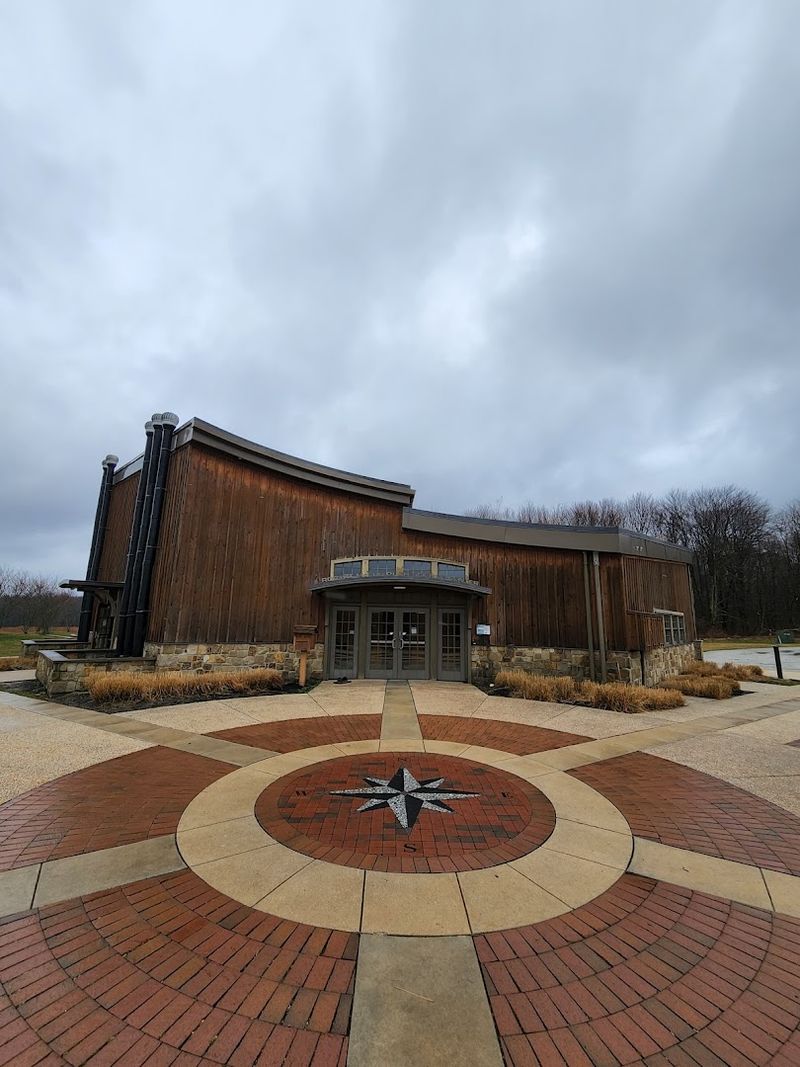
Daytime visits shine too at the Robert McCullough Science Center, the park’s educational hub. Exhibits unpack light pollution, weather, and our place in the solar system with kid friendly hands on displays.
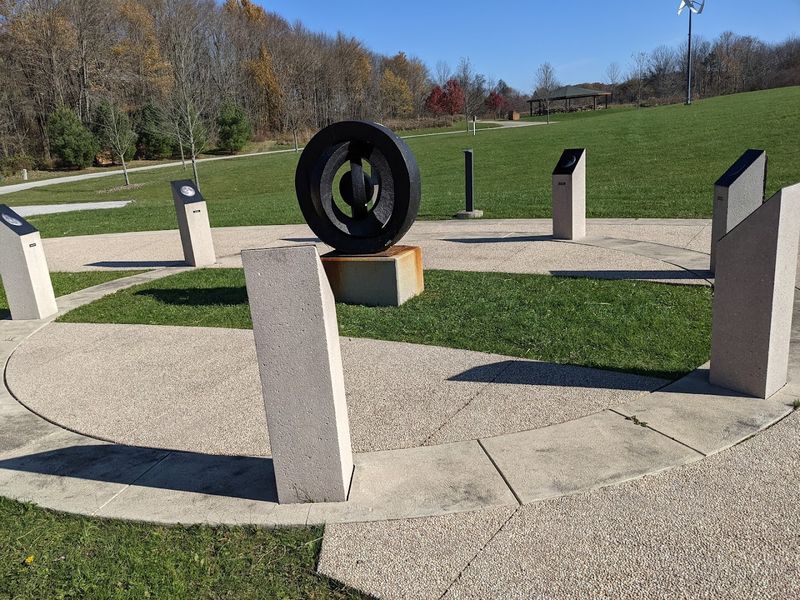
You can trace planetary orbits on outdoor plaques, try the human sundial, and compare meteorites to common rocks.
Check the calendar for planetarium shows, where a guide flys you through constellations and seasonal sky highlights. It’s relaxed, dark, and delightfully low tech in the best way, perfect before stepping out under real stars.
I also like the weather exhibits that explain how seeing and transparency affect your night, helpful for planning sessions. Bring questions, because staff are happy to demystify eyepieces, filters, and portable scope options you might try at home.
Even if clouds rule the sky, you will still leave inspired and ready to look up differently. It is a thoughtful primer for every curious skywatcher anywhere.
4. Trails With Astronomy Along The Way
The trails loop across meadows and woods, blending nature with clever astronomy stations along the way. Gravel paths are mostly flat and stroller friendly, with benches spaced just right for pausing to read.
You will pass scale models of planets, a moon phase display, and interpretive signs that spark questions.
I love the surprise pockets of shade after sunny stretches, and how the meadow opens huge views for sunset. Even on busy days, the layout spreads people out, so quiet moments appear between stations and birdsong.
Follow signs toward Clay Street to extend your walk to the Nassau site, or loop the pond and return. Bring water, sunscreen, and bug spray in summer, because the open fields are beautiful and very direct.
At night, those same paths feel thrillingly different, leading you by red light toward the big dark canvas. Listen for owls and let your pace slow.
Really slow.
5. Stone Alignments and Giza Cornerstones
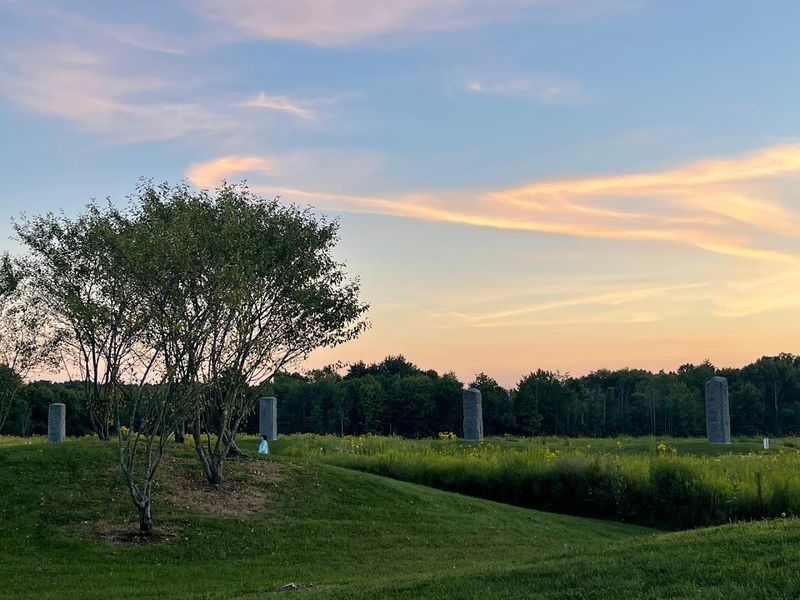
One of the park’s quirkiest delights is the Great Pyramid cornerstone layout across the meadow. Walk between massive stones at true scale and distances to feel how gigantic Giza’s footprint actually is.
It ties ancient engineering to skywatching traditions, connecting sun, stars, and human curiosity through time.
Nearby, a henge like circle and constellation markers add playful context, turning the lawn into a thinking playground. Kids sprint the distances, adults puzzle over alignments, and everyone ends up pointing at something with a grin.
Read the weathered signs for extra backstory, then look up to the same sky that guided ancient builders. It’s simple, tactile, and refreshingly low tech, a clever way to anchor big ideas under open air.
You will leave with a new sense of scale that makes the night feel even larger. It is an unforgettable stop as daylight fades toward stargazing.
Do not skip this spot ever.
6. Nassau Astronomical Station Spur
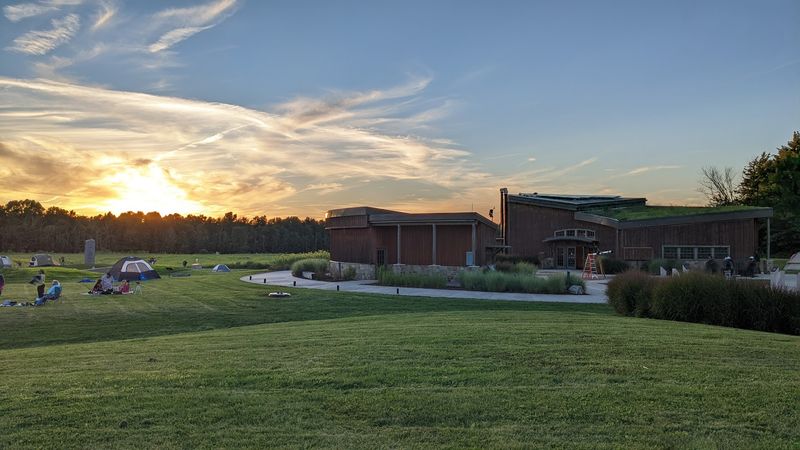
A short extension from the main loop leads toward the historic Nassau Astronomical Station on Clay Street. Even if buildings are closed, the walk frames big sky views and tells a local research story.
Signs describe the site’s role in planetary science and how community partnerships keep astronomy thriving here.
I enjoy this spur because it adds solitude, birdsong, and a sense of traveling between eras. Look back across the fields and the park’s design makes sudden sense, a campus for curiosity and sky.
Time your pass for golden hour, then stick around for the first bright stars to appear overhead. As always, carry a red light at night, respect closures, and tread softly on the trails.
You will feel linked to a longer tradition of Ohio skywatchers and researchers. That quiet lineage is part of what makes Observatory Park special.
It invites patient wonder. Stay a while longer, please.
7. Family Tips and Night Photography
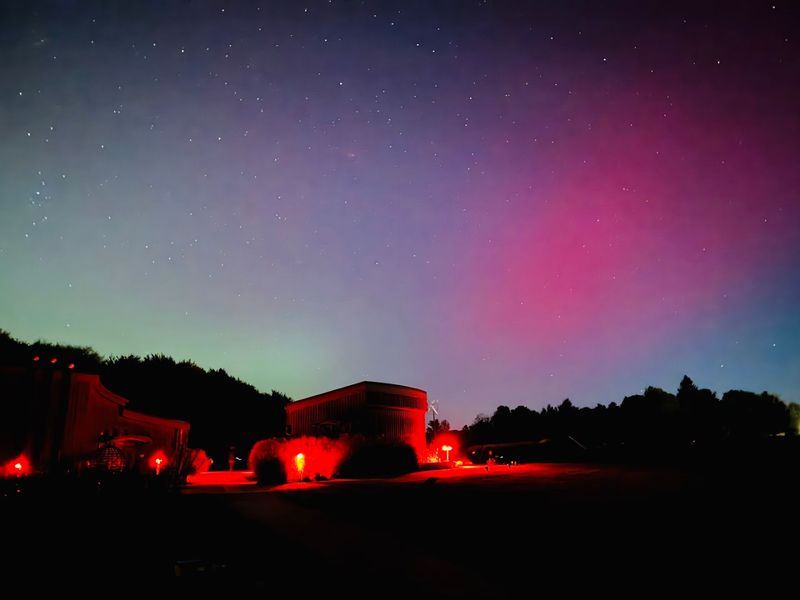
Families do well here because the pace is easy, bathrooms are dependable, and learning pops up everywhere. Bring layers for shifting temperatures, snacks, and a blanket so kids can lay back between telescope turns.
A small camp chair and red headlamp make night viewing comfortable without blinding neighbors.
If you love photos, arrive during civil twilight to scout compositions, then switch to high ISO once darkness lands. Use a sturdy tripod, shoot 10 to 20 second exposures at wide aperture, and focus manually on a bright star.
I recommend bringing dew wipes, spare batteries, and patience, because you will absolutely lose track of time. Keep noise low, point lights downward, and celebrate firsts when kids spot a planet all by themselves.
Those tiny victories become the stories they retell on the ride home, sticky with stars. You are building a tradition of wonder together.
It truly sticks. For years afterward.
8. Seasonal Events and Best Nights
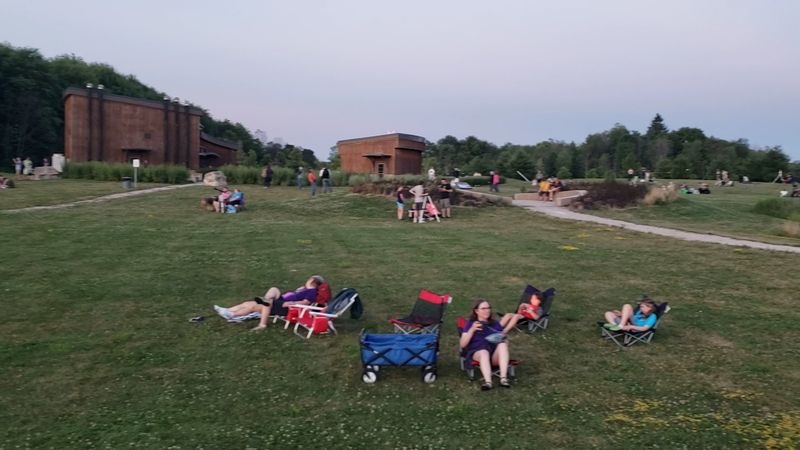
Check the website before you go, because Observatory Park’s calendar packs meteor shower watches and themed nights. New Moon weekends are prime for deep sky, while first quarter is perfect for crisp lunar terrain.
In summer, fireflies sparkle during Milky Way sessions, and in winter the air turns diamond clear.
Arrive early on popular nights, since parking fills and headlights can disrupt night vision near the plazas. If crowds gather, drift down a side trail for a darker view and rejoin when telescopes are ready.
I like planning around moonrise or moonset, which gifts you both lunar detail and deep sky in one visit. Weather shifts fast off Lake Erie, so check clouds twice and bring backup plans.
Either way, this park delivers memorable nights that feel both communal and quietly personal. Circle a date now, and let your calendar nudge you outside when the sky cooperates.
You will smile.
9. Practical Info: Hours, Access, Etiquette
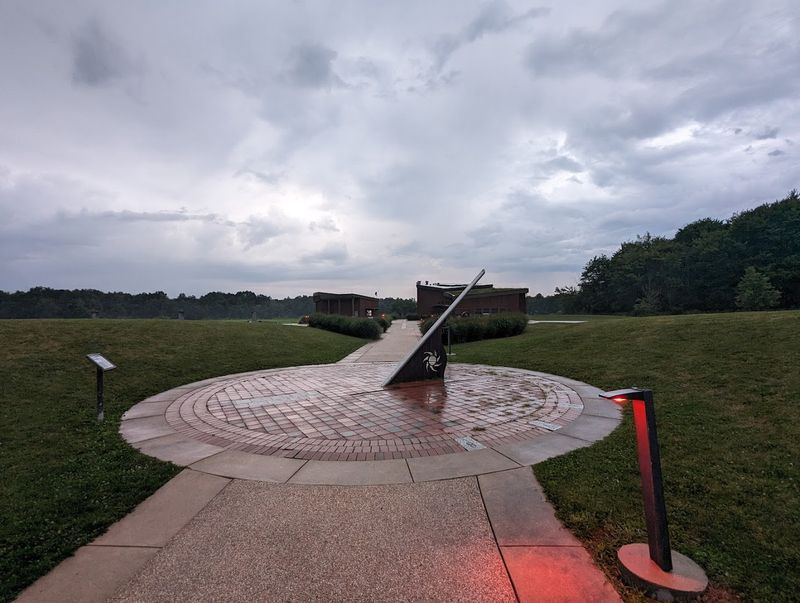
Observatory Park sits at 10610 Clay Street in Montville, Ohio, open daily from 6 AM to 11 PM. It holds a glowing 4.8 star rating for good reason, with clean restrooms, ample parking, and easy trails.
Call +1 440-286-9516 or check geaugaparkdistrict.org for event details, closures, and planetarium schedules.
Alcohol is not allowed, red lights are encouraged, and headlights should be dimmed or avoided near observing areas. Expect coyotes, horses, and friendly stargazers, so pack accordingly and give pets space.
ADA friendly paths and benches make this a fine choice for multi generational outings. Arrive with patience, curiosity, and layers, then leave with a camera roll full of stars and stories.
Restrooms are in the Science Center when open. Picnic tables and a pavilion make daytime hangs easy.
Sunset glows here, and the night that follows can change how you see home. Let the darkness welcome you.
Share this story