Downtown Oklahoma City has a room where people once lined up to deposit paychecks, and now they line up for scones.
The ceiling still climbs high above the floor, the restored details still turn heads, and the tellers have been swapped for teapots on three-tier stands.
Afternoon tea here comes with clotted cream, jam, tiny sweets, and a setting that makes an ordinary Saturday feel like a special occasion.
Families book it for birthdays, couples save it for anniversaries, and friends show up mostly to feel fancy for a couple of hours.
The experience has real strengths and a few quirks worth knowing before you reserve a table.
Keep reading for the address, the hours, what lands on the tiers, the dress code, the gratuity detail that surprises some groups, and how to make the most of a visit to one of the most striking rooms in the state.
1. A Bank Lobby Turned Teatime Address
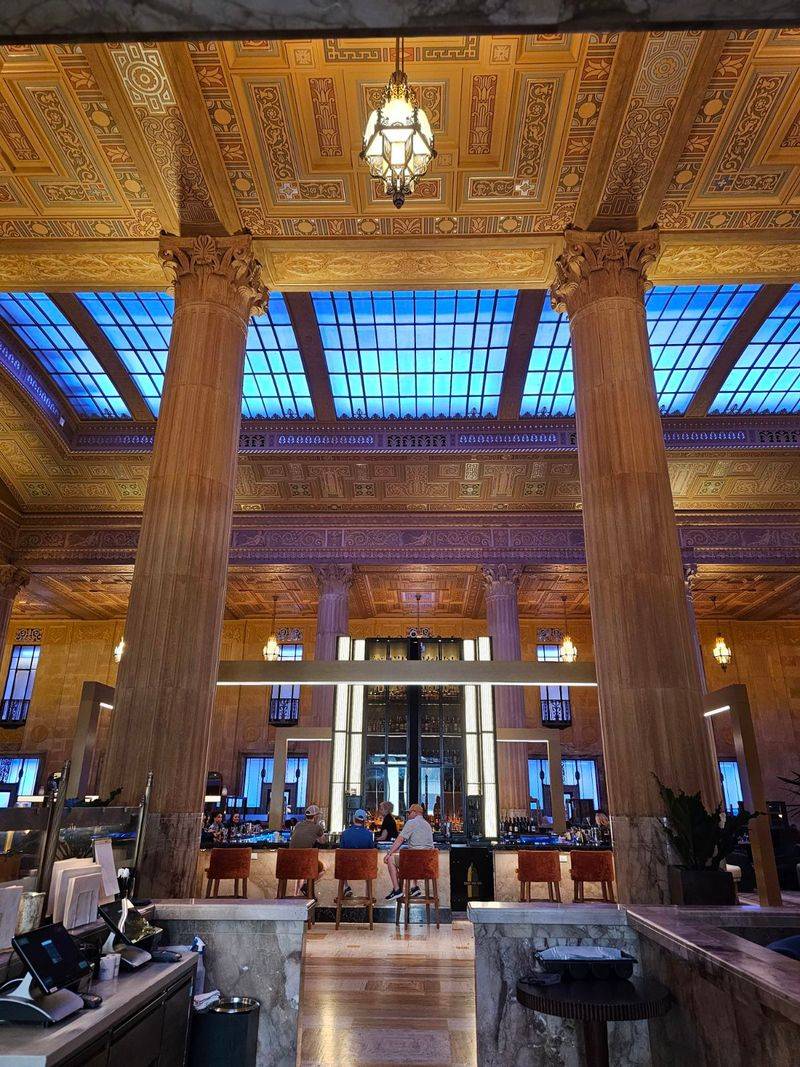
Oklahoma City kept one of its grandest downtown rooms, and it found a new job pouring tea.
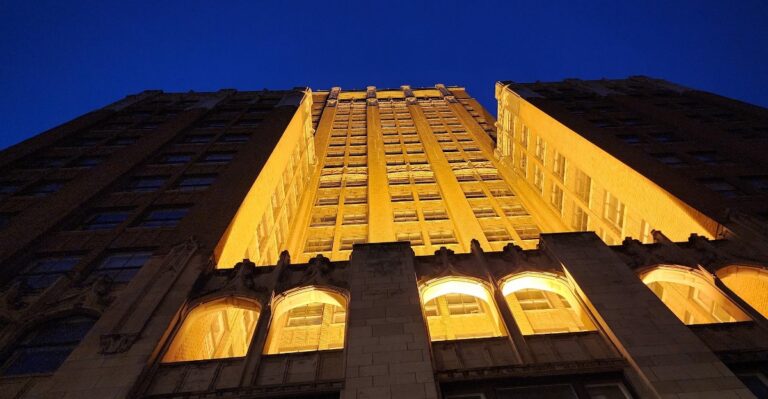
The Great Hall sits inside the First National Center at 120 N Robinson Ave, Oklahoma City, OK 73102.
The building is a downtown landmark, and the hall occupies the space that once served as a bustling banking floor.
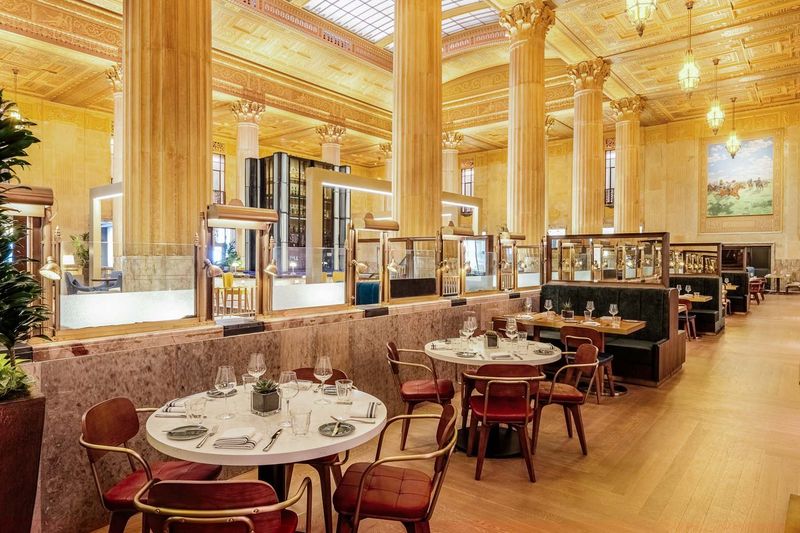
Today the room works as a food and drink spot with a bar program, dinner service, and a reserved afternoon tea area.
That mix means the same hall can host a quiet morning tea, a celebration lunch, and an evening crowd on the same day.
Most people come for one reason first.
They want to sit in a restored bank interior and work through a stand of scones, savories, and sweets without feeling rushed.
Finding it is simple for anyone who knows downtown.
Robinson Avenue runs through the heart of the central business district, so the hall is within easy reach of other city sights.
For Oklahoma families, it is a drivable outing from Tulsa, Norman, Edmond, Stillwater, and plenty of smaller towns.
A day trip can easily pair teatime with a walk around downtown.
Consider the address your ticket to a very different kind of withdrawal.
2. From Teller Windows to Teapots
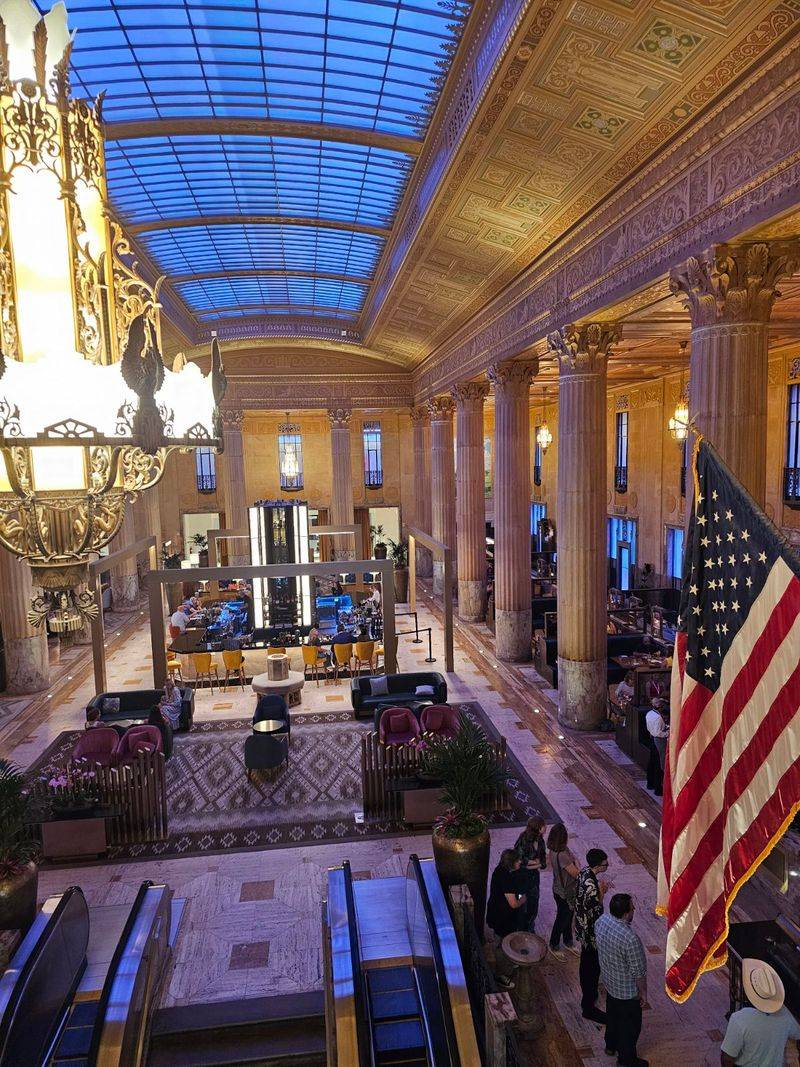
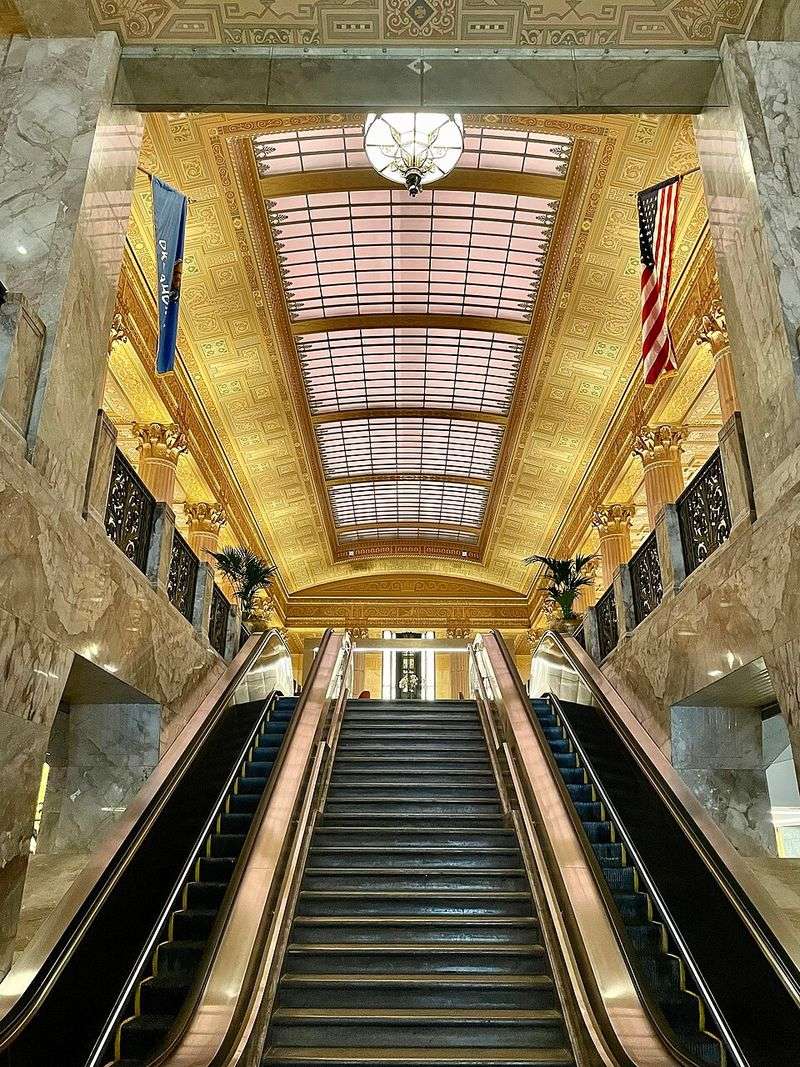
Banks used to be built to impress, and this one clearly took the assignment seriously.
The hall was designed for a time when a downtown bank lobby doubled as a statement of confidence.
High ceilings, formal lines, and a sense of scale told customers their money was in serious hands.
That ambition is exactly what makes the room work for tea.
Afternoon tea is a ritual built on a little ceremony, and few settings in Oklahoma supply ceremony as easily as a former banking floor.
The restoration gets plenty of credit from guests.
People often describe the building work as gorgeous and stunning, and many say the room itself is the main reason to come.
Even guests with mixed feelings about the food tend to agree on one point.
The hall itself is immensely impressive.
There is also a bit of local pride in the story.
Instead of letting a historic interior sit empty, the city now has a place where anyone with a reservation can enjoy it.
Not bad for a room that once dealt mostly in checking accounts.
3. That Soaring Ceiling Overhead
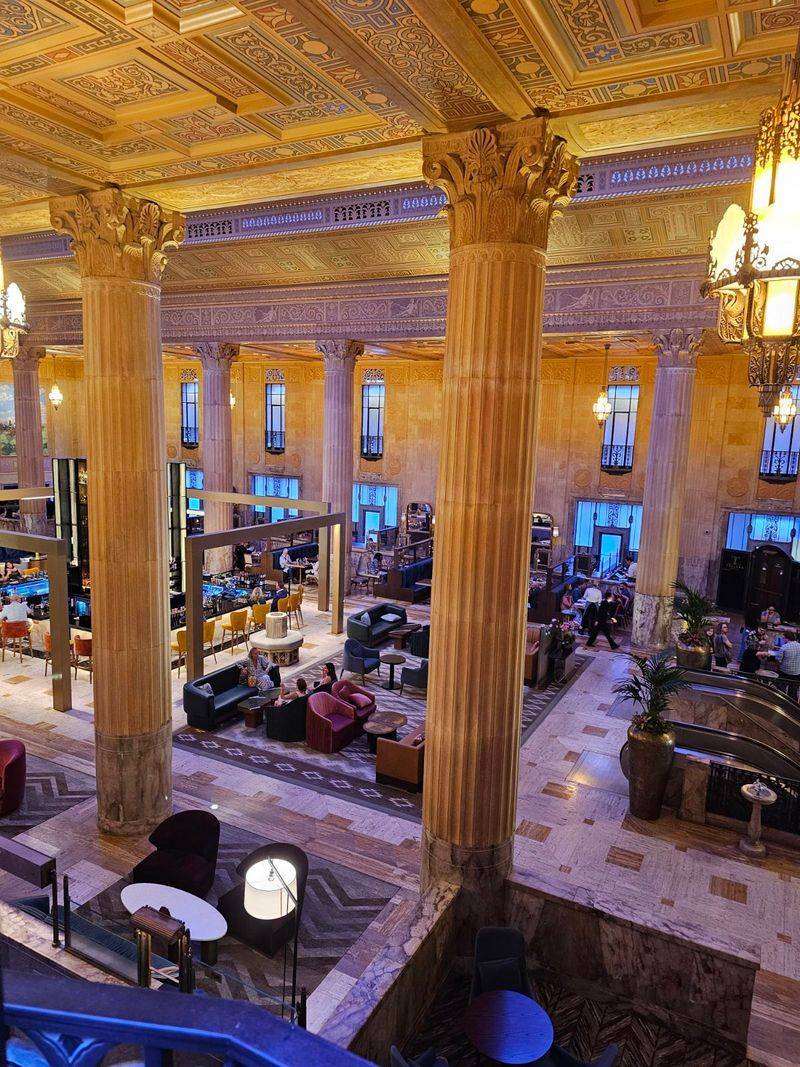
Plenty of guests spend the first five minutes looking up instead of at the menu.
The ceiling is the headline act.
It rises far above the tables and gives the room a scale that most restaurants simply cannot match.
That height changes how a meal feels.
A pot of tea and a plate of scones become part of something larger, which explains why so many people book this spot for milestones.
There is one tradeoff worth knowing.
A space this big can feel more grand than cozy, and some couples have noted that their seating, while comfortable, lacked intimacy.
One guest compared the arrangement to a business meeting, which is an honest warning for anyone planning a romantic tea for two.
Groups of friends and family celebrations tend to fit the scale more naturally.
Photographers will be busy.
The architecture gives every table a backdrop that looks good on a phone screen.
Just remember to lower your gaze eventually, because the scones will not eat themselves.
4. Three Tiers of Afternoon Tea
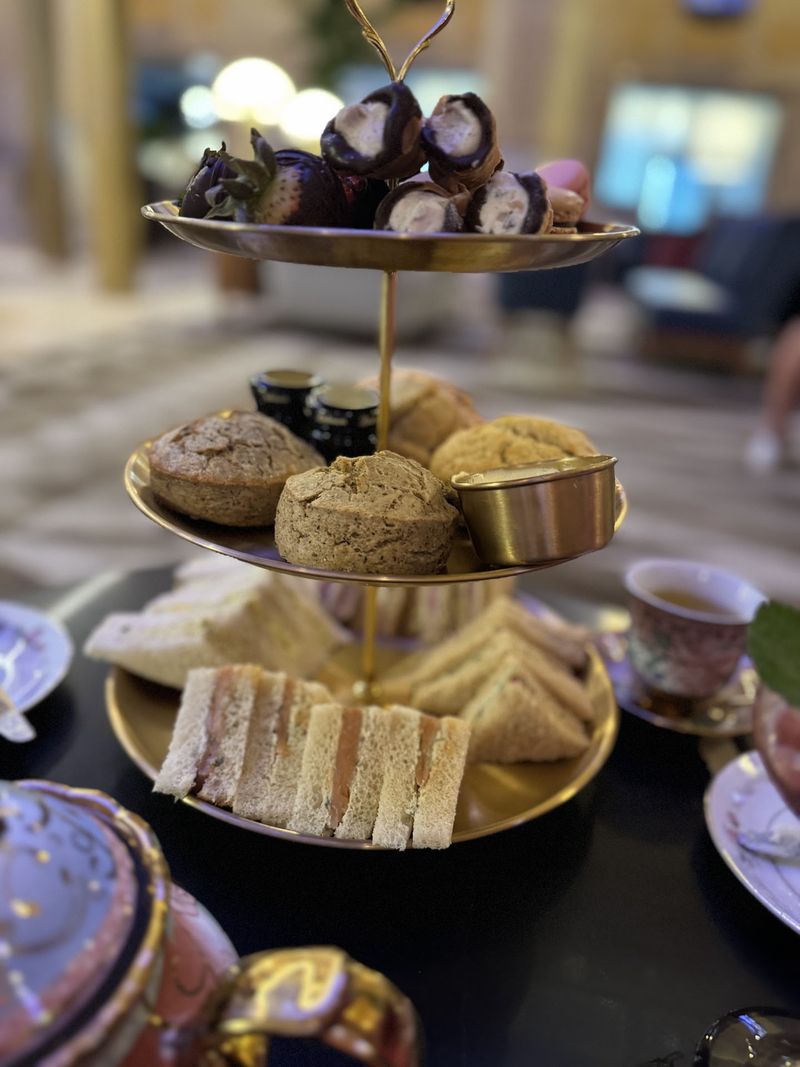
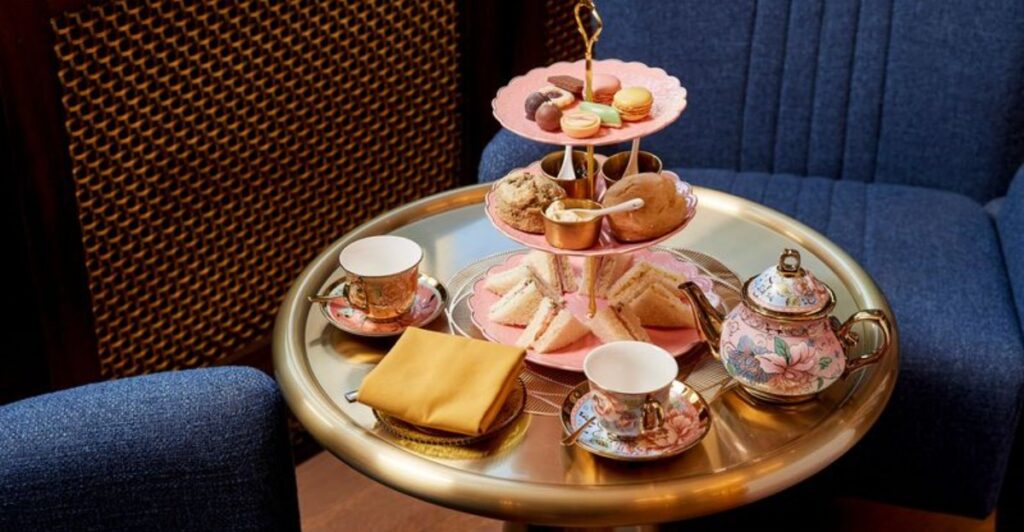
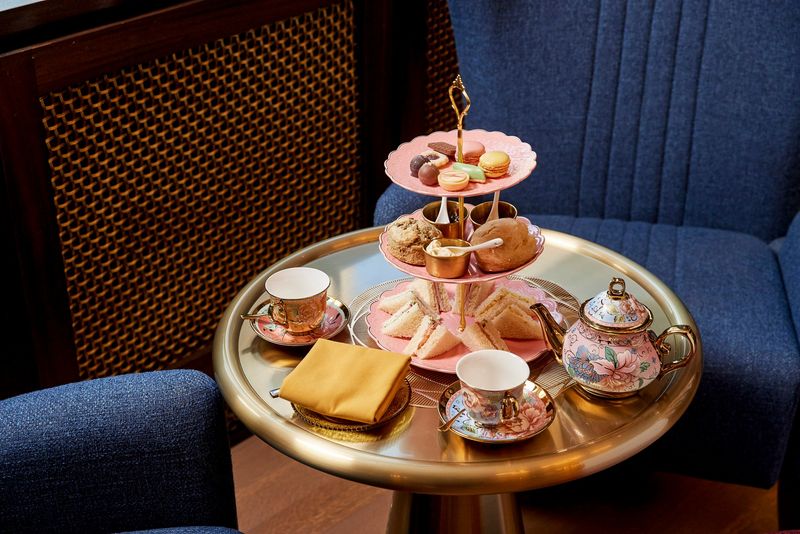
Afternoon tea is the star of the show here, and it arrives on a classic three-tier stand.
The format follows tradition.
Savories, scones, and sweets each get their own level, and the meal runs on a set menu rather than a build-your-own order.
Some guests are surprised at first to see only one of each variety on the stand.
The portions add up, though, and at least one pair reported feeling quite full after finishing just two tiers.
Pacing is part of the appeal.
Guests who booked a late morning slot have described spending around two hours at the table without feeling rushed by their server.
The savory tier has drawn mixed comments over time.
Some bites have landed better than others, and a pimento item earned praise even from a guest who was otherwise disappointed.
The experience seems to vary by day and staffing, so expectations matter.
People who come for the setting and the ritual tend to leave the happiest.
Think of it as a slow climb, one tier at a time.
5. Scones, Clotted Cream, and Jam
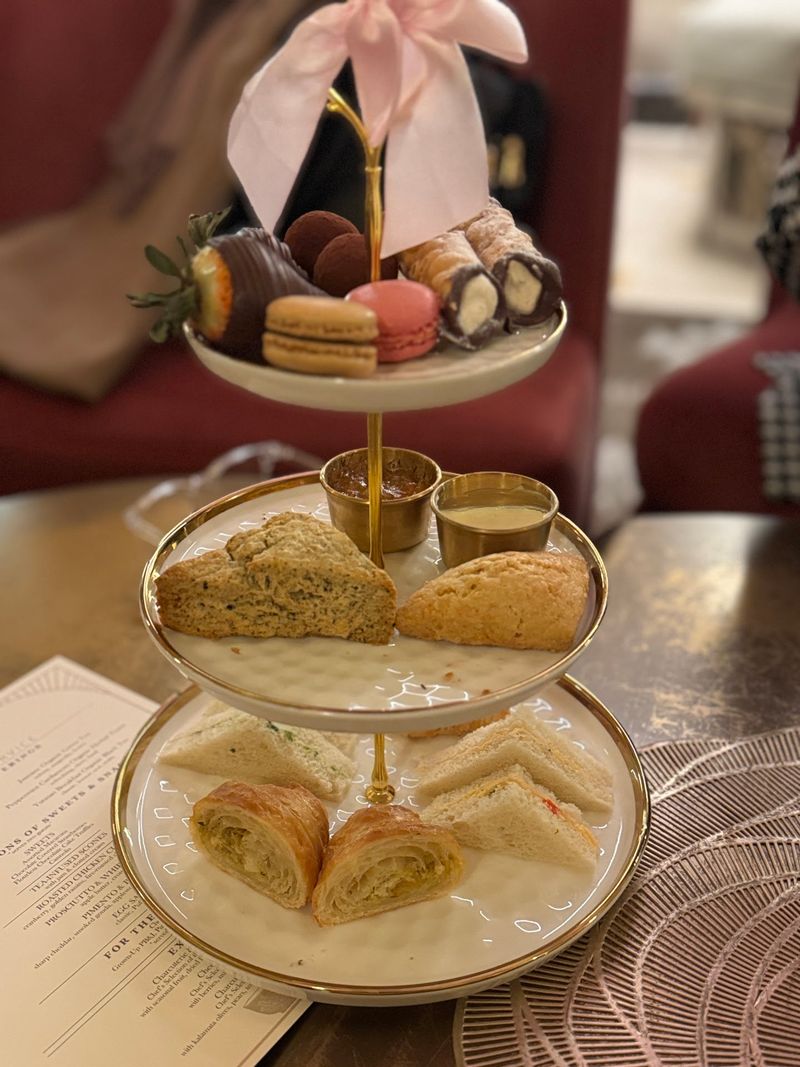
Scones are the reason many people book, and they often turn out to be the high point of the stand.
Recent guests have described the scones as the best bite of the whole tea.
They have come in two different flavors, which makes for a fun tasting moment at the table.
The clotted cream has been called traditional, and one guest called it a great surprise.
A mandarin jam has also appeared alongside, and it earned genuine praise.
Here is a practical tip.
Some pairs have received two scones in two separate flavors to share, along with a shared dish of cream and jam.
That means splitting is part of the deal for some tables.
Ask your server how the scone course is portioned so nobody at the table feels shortchanged.
An earlier guest noted being served only butter with plain scones, so the offering appears to have changed over time.
The newer setup with clotted cream lines up much more closely with classic tea service.
Cream first or jam first remains your call, and no one here is keeping score.
6. Pots of Tea Worth Lingering Over
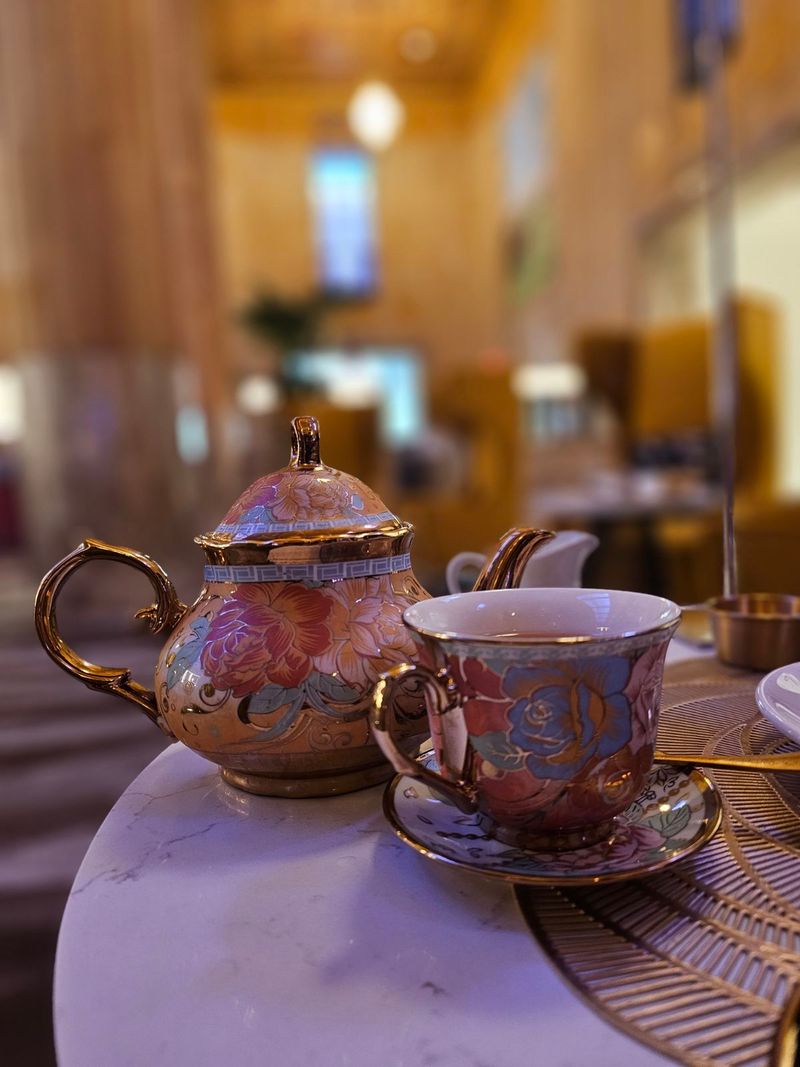
Ask a group what they liked most, and the tea itself comes up again and again.
Guests frequently describe the tea as good or delicious, even when other parts of the meal drew criticism.
Earl Grey and jasmine green tea have both earned compliments.
The service style encourages exploring.
One group ordered four pots and was allowed to try other flavors as they went.
That flexibility makes the tea course a nice way to discover new favorites.
Families with older kids can treat it like a tasting session.
Water is worth a quick question.
One group was offered only sparkling or still, and later learned plain water was available for free, so ask directly if that is what you want.
A teapot on the table also slows everyone down in the best way.
It gives conversation room to breathe between tiers.
Steep, sip, repeat, and let the afternoon stretch out.
7. Sweets on the Top Tier
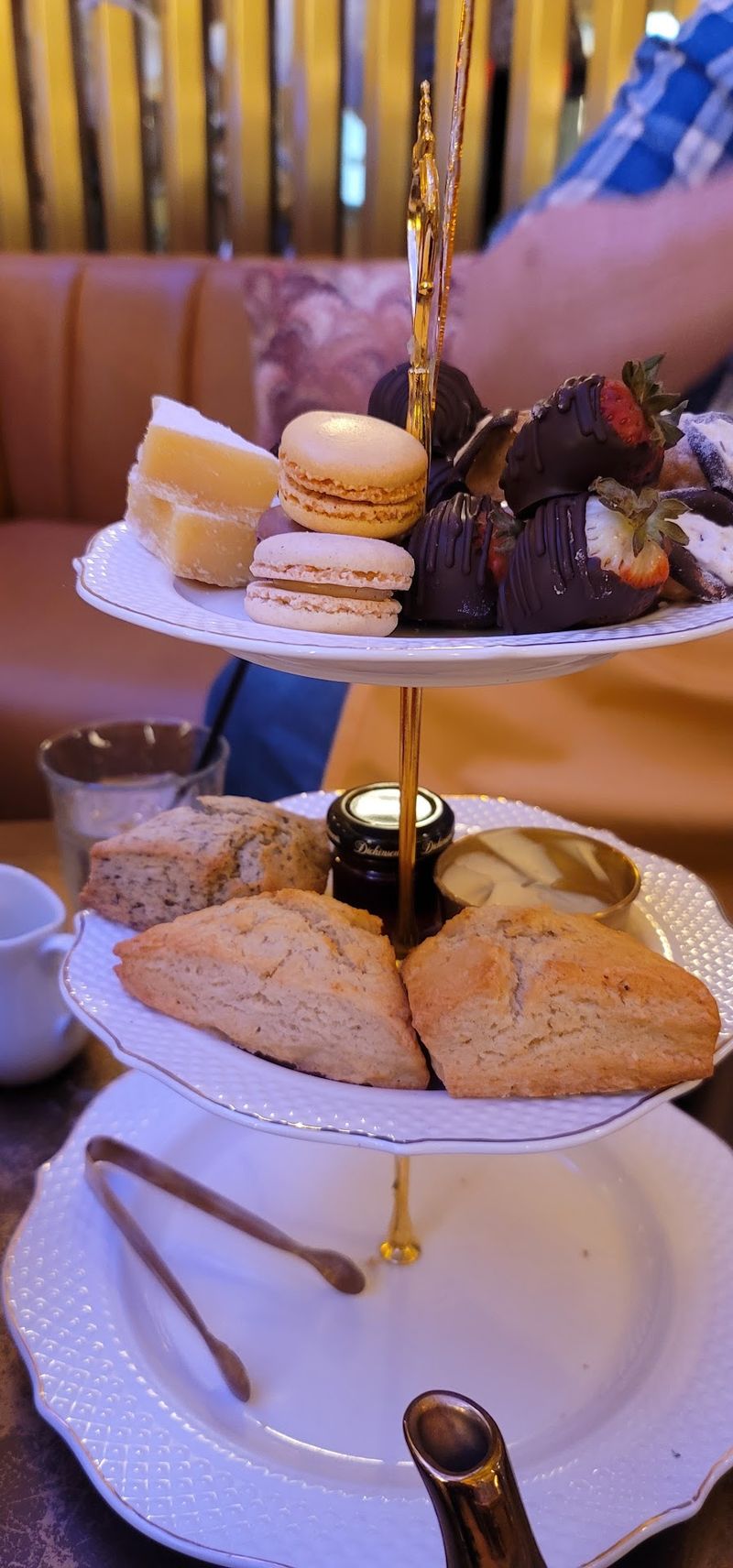
Dessert gets the penthouse level on the stand, which feels fitting in a building like this.
The sweets tier has included items such as mini macarons, chocolate-dipped strawberries, cannoli, and cocoa-dusted flourless chocolate truffles.
A raspberry macaron was singled out as quite good.
Like the scones, the sweets may come one of each flavor for a pair.
Splitting them down the middle has become a common move at shared tables.
Reactions to this tier have been mixed.
Some guests say everything was amazing, while others found certain items below the standard they expected.
A small practical note helps here.
One table was not given forks for the truffles, so asking for utensils early can save some cocoa-covered fingers.
The best approach is to treat the top tier as a sampler.
A little bit of everything keeps the finale playful rather than heavy.
Save room, or at least save a fork.
8. Gluten-Free and Allergy-Friendly Tables
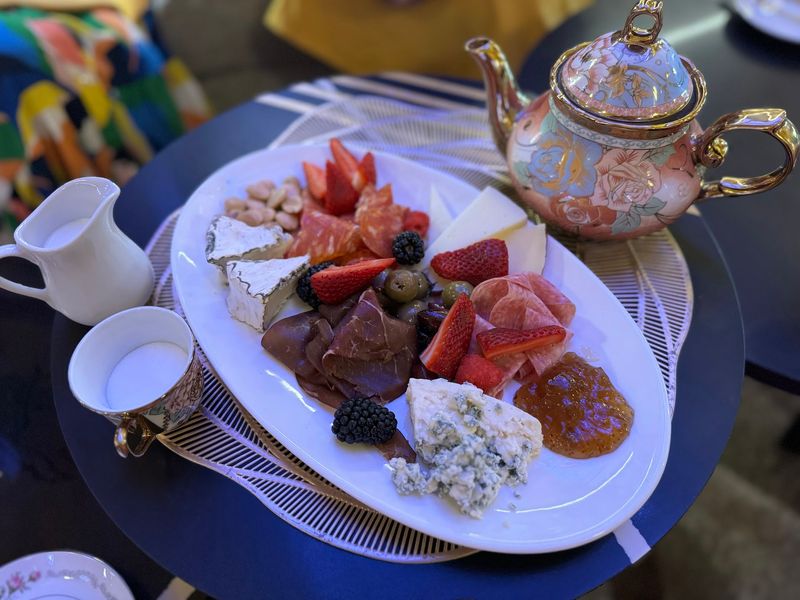
Dietary needs can turn tea into a stressful guessing game, but this kitchen has a reputation for stepping up.
Guests have called the team very accommodating for gluten-free and allergen-sensitive diners.
That is reassuring for a set menu, where substitutions can otherwise be tricky.
One guest specifically thanked a server, the chef, and the bartender for putting together a beautiful platter tailored to dietary needs.
The tea earned praise on that visit too.
The smart move is to mention restrictions when booking.
Repeating them when you sit down gives the kitchen a clear picture.
This makes the hall a solid choice for mixed groups.
A family with one gluten-free member does not have to skip the outing.
Small kindnesses like this are often what people remember long after the scones are gone.
Inclusive tea is good tea, and the staff here seems to know it.
9. Celebrations Under the Columns
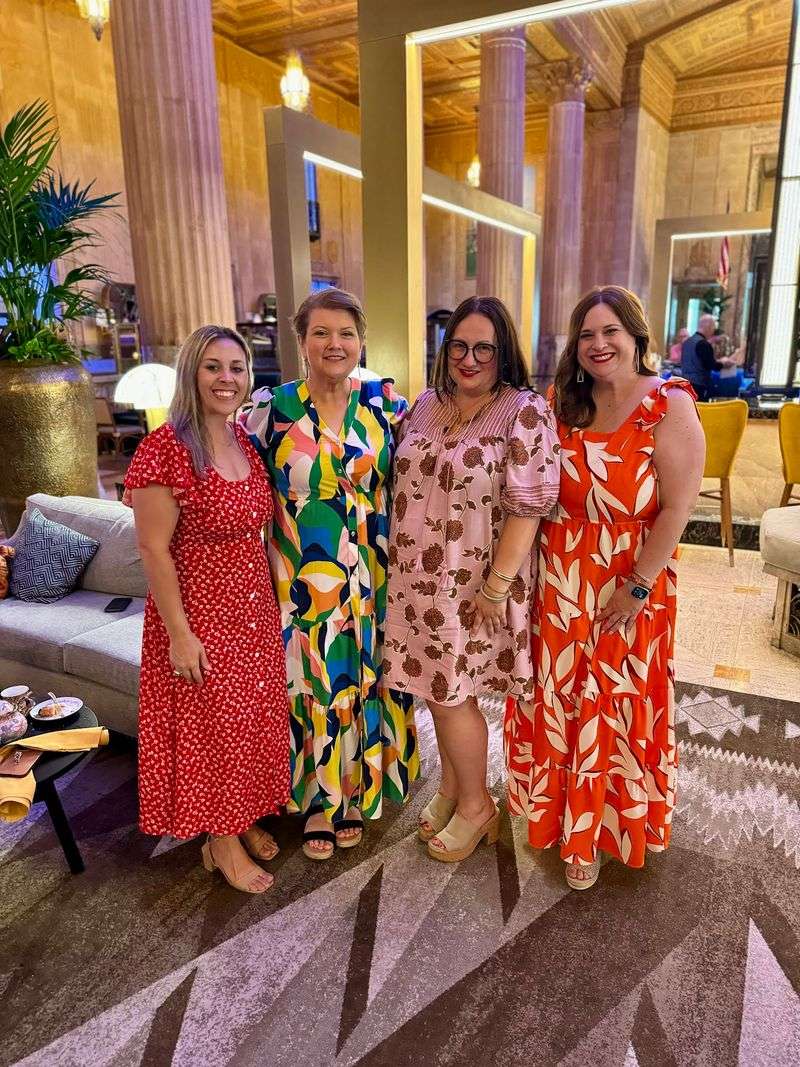
Anniversaries, birthdays, girls days, and mother-daughter outings fill the reservation book here.
The room practically begs for a reason to dress up.
Guests describe feeling fancy, and one called it the kind of place every group of friends should visit together.
A guest who brought her mom said the experience felt special from start to finish.
That sentiment captures why the hall works for milestones.
Weddings also happen in the space.
One group noticed a wedding taking place nearby during their tea, which shows how versatile the room is.
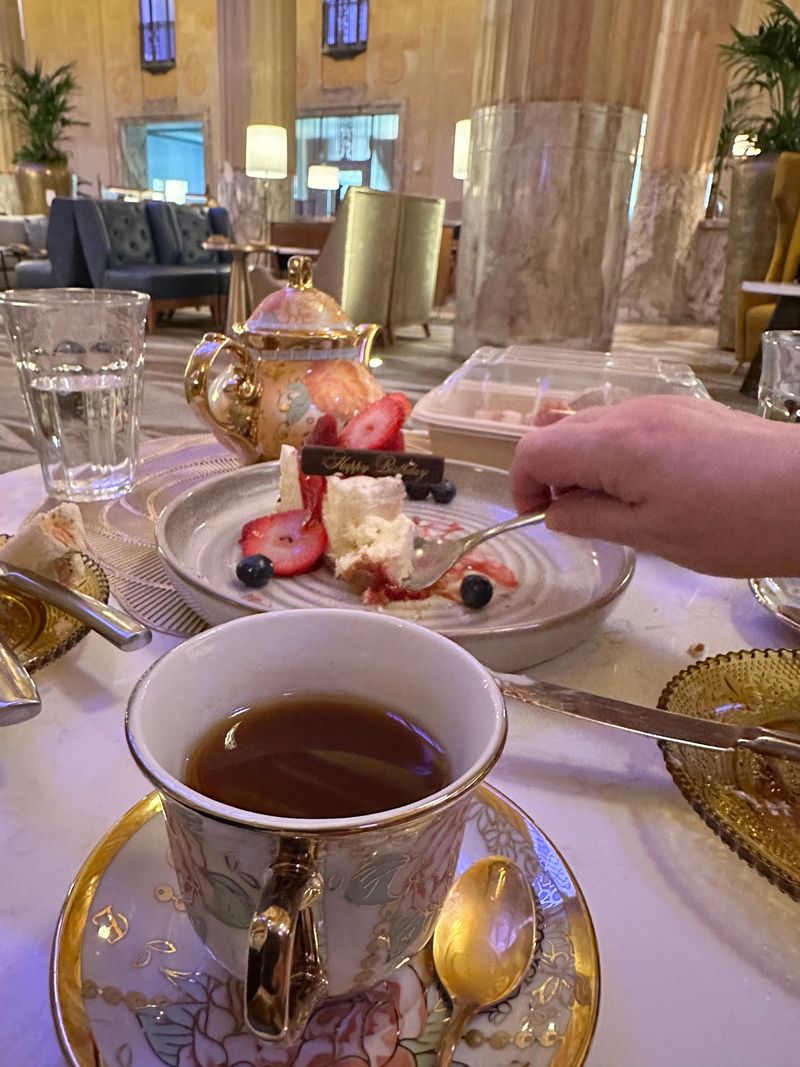
Birthday treats with a candle have been given to some tables.
The catch is that the celebration needs to be clearly noted in your reservation, and even then it is worth reminding your server.
Seasonal touches add extra charm.
Holiday decorations have been described as beautiful, which makes winter a lovely time to book.
Bring a reason to celebrate, or simply invent one.
10. The Famous Restroom Selfie
Not many tea rooms have a restroom that becomes a must-see stop.
Guests have specifically advised others not to skip the chance for a bathroom selfie.
Apparently the design carries the same flair as the main hall.
It is a fun little detail that tends to surprise first-timers.
A quick trip down the hall can turn into a mini photo shoot.
Groups of friends especially love this part.
It adds a lighthearted moment between the savories and the sweets.
The quirk also says something about the restoration.
Care clearly went into more than just the headline spaces.
Phones out, hair checked, and back to the scones.
Sometimes the best souvenir from a fancy afternoon is a slightly silly photo.
11. Charcuterie and the Bar Side of Things
Tea is not the only reason locals stop by, and the hall shifts gears as the day goes on.
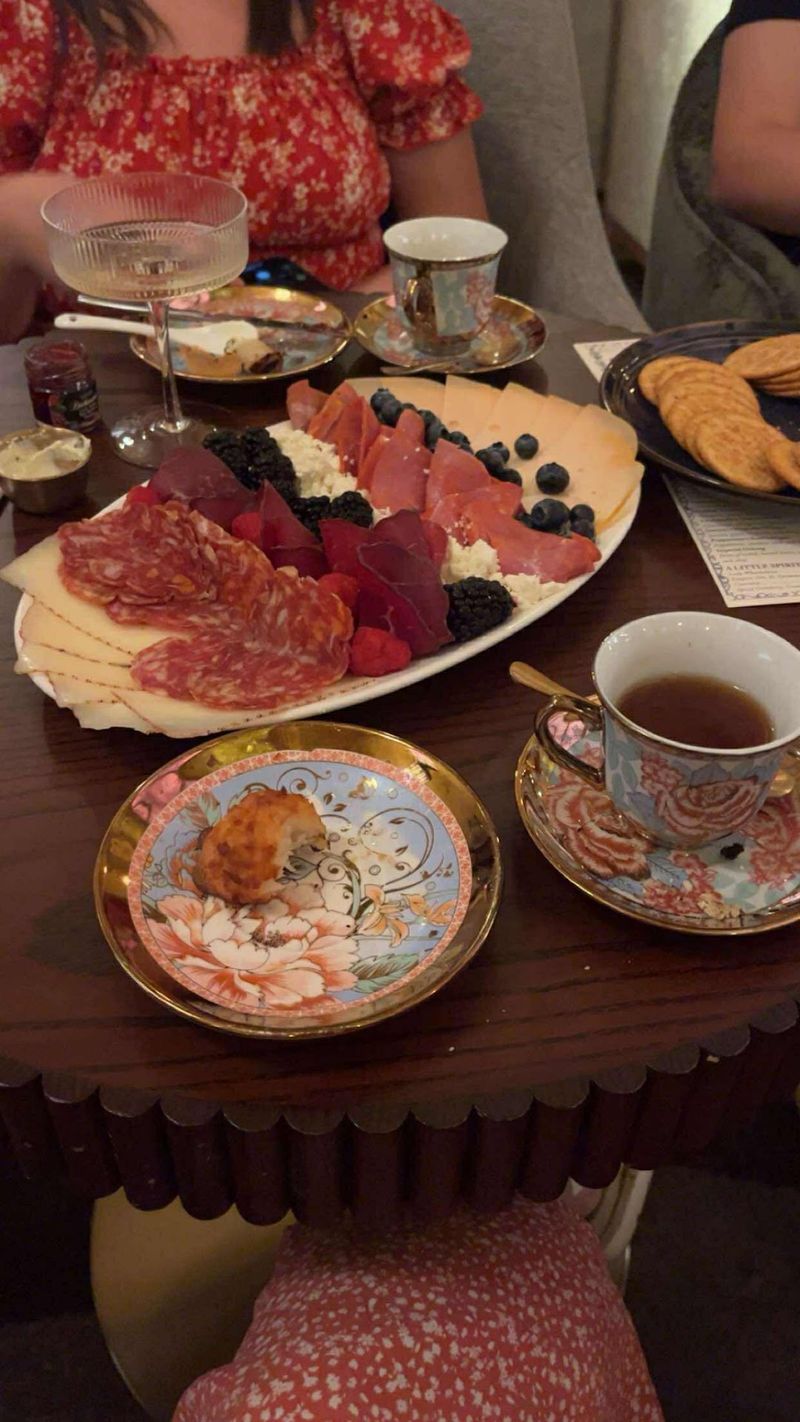
A charcuterie and cheese board is available, and it comes up often in conversation.
It can be served with crackers or toasted focaccia, so ask which option you want before ordering.
Some groups have found items missing or bread less fresh than hoped, so it is fair to check the board when it arrives.
Speaking up right away gives staff a chance to fix it.
The space also runs a full bar program with nonalcoholic options like espresso and still or sparkling water.
Evening guests often come for drinks and dinner rather than tea.
Regular diners mention enjoying dinner visits here over time.
That suggests the hall has a loyal local following beyond the tea crowd.
Late hours on weekends make it an easy downtown stop after a show or a game.
The hall clearly keeps busy long after the last scone leaves the stand.
12. Gratuity, Water, and Other Budget Notes
Money talk is less glamorous than clotted cream, but it can save a celebration from an awkward ending.
Afternoon tea here is a special-occasion price point.
One group of six expected to spend around $350 to $360 and ended up paying more after gratuity and bottled water were added.
The gratuity detail matters most.
Guests have reported being charged an automatic 20 percent, even when booking sites suggested a lower rate or a larger minimum party size.
Plan for that 20 percent from the start.
Asking about the policy when you arrive helps everyone stay on the same page.
Water can add to the bill too.
If plain tap water is what you want, ask for it by name.
Pricing and policies may change, so check the official website before booking.
A little homework keeps the focus on the tea instead of the total.
13. Hours, Reservations, and Dress Code
Good news for flexible schedules, since the doors open every day of the week.
Listed hours run 10 AM to 11 PM Sunday through Thursday.
Friday and Saturday stretch from 10 AM to midnight.
Afternoon tea is served in a reserved area, so booking ahead is the way to go.
A late morning slot, such as 11:30 AM, has given some guests a calm and unhurried experience.
A dress code applies for tea guests.
Plan an outfit a step above everyday wear, which honestly suits the room anyway.
Note any birthday, anniversary, or dietary needs on your reservation.
Mention them again when you check in.
Staffing can affect service speed on busy days.
Patience and a clear request usually go a long way.
Hours may change, so confirm details at greathallokc.com before making the drive downtown.
14. A Grand Room Worth the Reservation
So is the trip downtown worth it, scones and all?
For the setting alone, the answer leans strongly yes.
The restored hall is the kind of space that reminds Oklahomans their state has serious architectural history worth celebrating.
Guests generally rate the experience well, with an average around 4.2 stars.
The room, the tea, and the celebratory mood earn steady praise.
The food has drawn more mixed reactions.
Scones with clotted cream and jam tend to shine, while other bites vary from visit to visit.
Go in with the right plan.
Book ahead, budget for the 20 percent gratuity, ask about water, and flag any special occasion clearly.
Then settle in and enjoy something rare.
Few places in the state let you sip tea in a former bank lobby under a ceiling this tall.
Some investments pay off in memories rather than interest, and this one is easy to cash in.
Share this story