What once carried rumbling freight trains through Southern Illinois now offers a much quieter journey on two wheels or two feet. Beginning in Vienna, the Tunnel Hill State Trail follows a former railroad corridor through wooded hills, wetlands, farmland, and stretches of peaceful countryside.
Along the route, old trestles rise above the landscape and a historic tunnel sends riders briefly into cool darkness before returning them to the forest. Wildlife sightings can add another surprise to the trip, especially along quieter sections. With gentle grades and plenty of changing scenery, this converted Illinois railroad makes exploring the region feel like an adventure without requiring a difficult climb.
A Spooky, Chilly Tunnel Carved Into the Hills
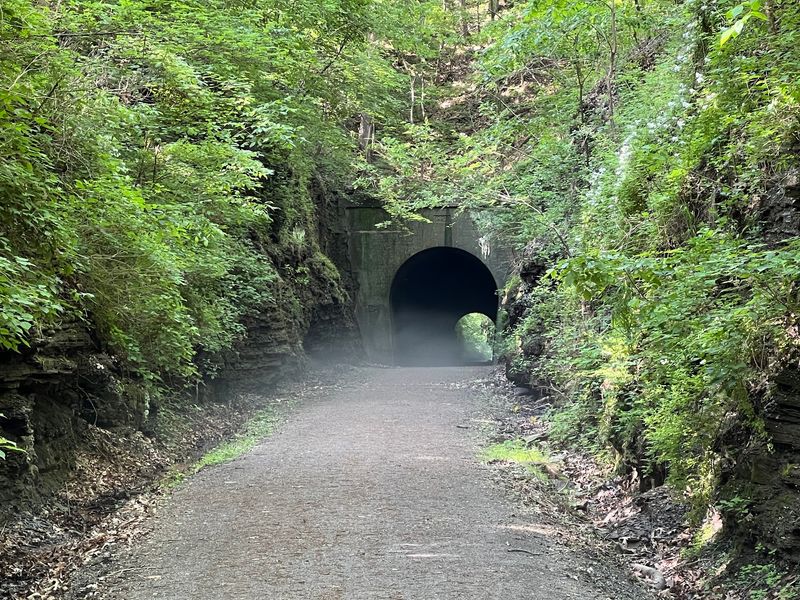
Picture riding along on a warm afternoon and then rolling straight into darkness. The air suddenly drops in temperature, a light fog may hang near the ground, and the sound of your tires echoes off old stone and earth. That is the tunnel that gives this whole trail its name.
The tunnel sits a little over nine miles north of the Vienna trailhead, so plan for it. It is the big payoff of the route, and it is easy to underestimate how far away it is if you only have an hour to spare. Travelers who stop in Vienna hoping for a quick look often learn this the hard way.
Inside, the temperature can feel around 20 degrees cooler than outside on a summer day. That makes it a favorite cool-down spot for riders who have been pedaling in the heat. The entrance itself is pretty, framed by trees and rock, with the dark opening giving it a slightly eerie look.
Bring a light. This is the single most practical piece of advice for the whole trip. From the outside, the tunnel looks short enough to manage without one, but the middle gets truly dark, and riders have bumped into the walls because they could not see where the path curved.
A bike headlight or a simple headlamp works well. Slow down once you enter, and let your eyes adjust for a few seconds. If other people are coming toward you, call out a friendly hello so everyone knows where everyone else is.
Kids usually love this part. It has the thrill of a haunted house without anything actually jumping out at you. Stop near the far end, look back at the bright circle of daylight, and you will see why so many people make the long ride just for this moment.
Rattling Over Creeks on Wooden Trestle Bridges
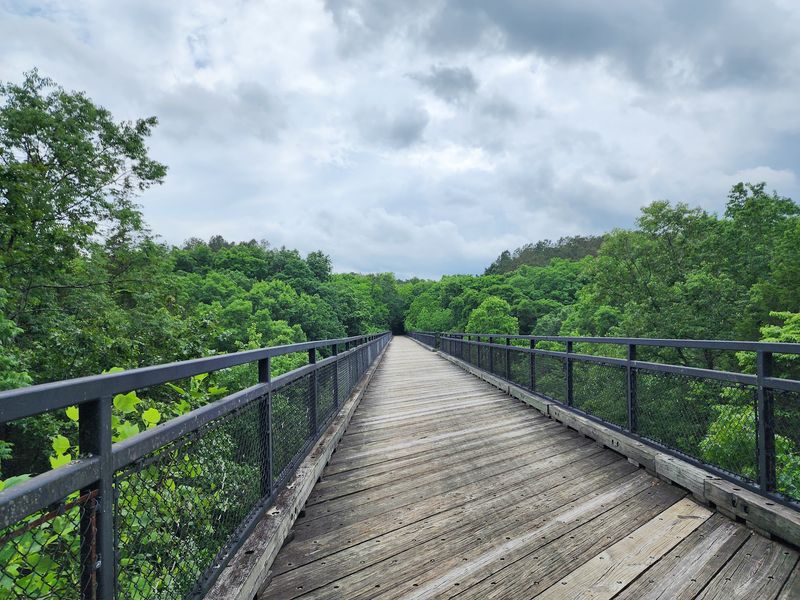
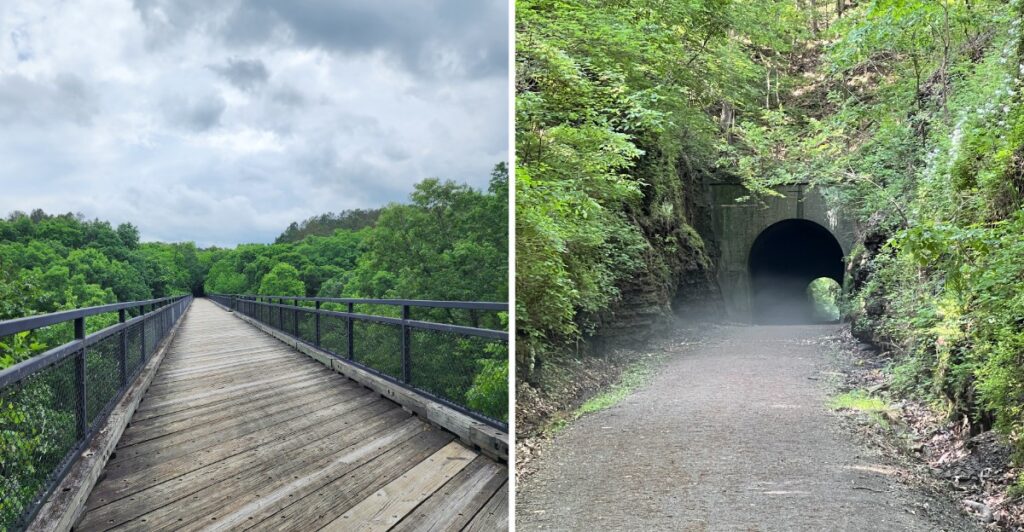
Long before anyone planned a bike path here, engineers had to figure out how to get heavy trains across deep creek valleys. Their answer was the trestle, a bridge built on a tall frame of supports. Several of those crossings now carry riders and hikers instead of boxcars.
The most famous is a big trestle between Vienna and the tunnel. From the deck, you look down into a leafy ravine where a creek winds below. It is one of the best photo stops on the trail, so expect people to pause there with phones out.
Smaller bridges show up all along the route too. Many of them cross slow brown creeks lined with sycamores and tangled roots. Peek over the railings and you might catch a turtle sunning on a log or a heron standing perfectly still in the shallows.
Bridges also make natural break points. If you are riding with younger kids or a friend who is new to biking, use each crossing as a mini goal. Saying, let us make it to the next bridge, is a lot more fun than counting miles.
A few small practical notes help here. The bridge decks can be smoother or bumpier than the gravel around them, so ease off your speed as you roll on. In wet weather, wooden surfaces may feel slick, especially in shaded spots where leaves pile up.
Railings make most crossings feel safe, but younger children should stay close to an adult. Dogs on leashes usually do fine, though some get curious about the gaps between boards.
Take a moment on the tallest trestle to look at the old supports beneath you. Those beams once held rumbling locomotives, and now they hold you and your water bottle above the treetops.
From Forested Hills to Cypress Wetlands Near Karnak
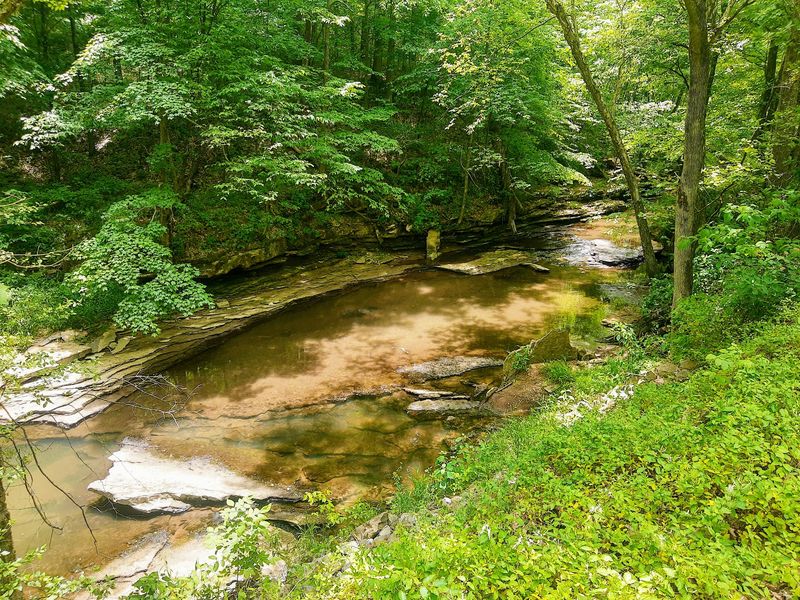
Head south from Vienna, and the scenery slowly changes personality. The rugged, rolling hills give way to flatter ground, and soon the trail is passing standing water, swampy woods, and thick green plants on both sides. This is the wetland side of the trail, and it looks nothing like the northern stretch.
The route between Vienna and Karnak is about 11 miles one way, making a round trip of roughly 22 miles. That distance is doable for most casual cyclists who take breaks. Walkers may prefer to explore just a few miles and turn back.
Near Karnak, the trail sits close to the Cache River area, a region known for its bald cypress swamps. These trees grow right out of the water, with knobby knees poking up around their trunks. Spotting them is a fun challenge for kids who have never seen a swamp before.
Wildlife likes this zone too. Birds call from the tree line, frogs plop into the water, and the occasional snake may cross the path. Give any snake plenty of space, and it will usually slide off quickly on its own.
Bug spray is a must here, especially in warm months. Mosquitoes love standing water just as much as the cypress trees do. Long sleeves can help in the early evening when insects are most active.
North of Vienna, the scenery shifts back toward hills, forests, farm fields, and open prairie stretches. Riders who complete the full route pass through all of these zones in a single trip. That variety is one of the clearest reasons this rail trail is so popular.
Pack binoculars if you have them. The wetlands reward slow travelers who stop, stay quiet, and watch the water for a few minutes.
How a Southern Illinois Railroad Became a Bike Path
Railroads shaped small towns across southern Illinois. Tracks brought goods in, carried crops and coal out, and gave little communities a link to bigger cities. When the trains stopped running on this line, the path they left behind did not go to waste.
The old rail bed was turned into a trail through a rails-to-trails conversion. Workers removed the tracks and ties, then covered the route with fine gravel. Today the Illinois Department of Natural Resources manages the trail and keeps it in good shape.
Because trains cannot climb steep hills, railroads were built with very gentle slopes. That old engineering is the reason the trail stays so easy today. The steepest grades are only around 2 percent, which is barely noticeable on a bike.
Vienna holds a lot of this history close to the trailhead. The town has a trail museum near the park, though its hours can be hard to predict, and a railroad museum as well. Even a quick walk around gives you a sense of how important the line once was.
Another layer of history runs through this region. Markers for the Trail of Tears appear in the area, recalling the forced removal of Cherokee people who crossed southern Illinois in the late 1830s. Stopping to read them adds meaning to a ride that might otherwise be just about scenery.
Old railroad towns also dot the route. Some are busy little stops with snacks and shade, while others are quieter, with weathered buildings that hint at busier days. Riders often describe a ghost-town feeling in a few spots.
Look for leftover clues as you go. Cuts through hillsides, raised embankments, and the long straight stretches all show where locomotives once ran.
Pick Your Pace: Biking, Walking, or Riding the Whole Thing
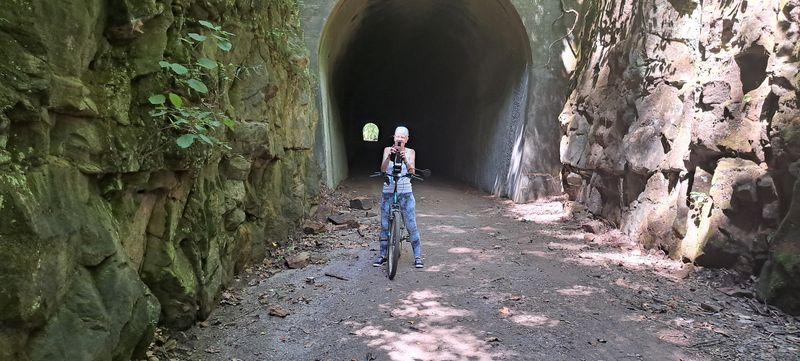
Gravel, shade, and almost no hills. That simple combination lets nearly anyone enjoy this trail, whether you are a beginner on a borrowed bike or a serious rider logging long miles.
The surface is crushed fine gravel. Hybrid and mountain bikes handle it easily, and some riders even use road bikes without trouble. A few rough patches exist where larger rock was used for repairs, so wider tires make those spots more comfortable.
For a classic day trip, ride from Vienna north to the tunnel and back. It is a little over 18 miles round trip. The route climbs a slight 2 percent grade heading north, which means the return ride toward Vienna feels like gentle coasting.
Prefer shorter outings? Walk a mile or two out from the Vienna trailhead and return. The tree canopy keeps much of the trail shaded, so even summer strolls stay fairly pleasant.
Ambitious riders can tackle the full length, running from Eldorado in the north down to Karnak in the south, around 55 miles. Many break it into two days. Camping options exist near Karnak, and the Vienna park allows trail users to stay overnight.
Etiquette is easy here. Cyclists should call out before passing walkers, and everyone should keep to the right. A friendly hello goes a long way, and the trail has a reputation for being a welcoming place.
Watch for fallen branches after storms. Trees occasionally come down across the path, and lifting a bike over a trunk is awkward if you are not expecting it. Slowing down in curves gives you time to spot obstacles early.
Wildlife sightings are common at slower speeds. Deer, rabbits, and wild turkeys often wander onto the gravel, especially in the quiet morning hours.
Water, Restrooms, Ice Cream, and Barbecue Along the Way
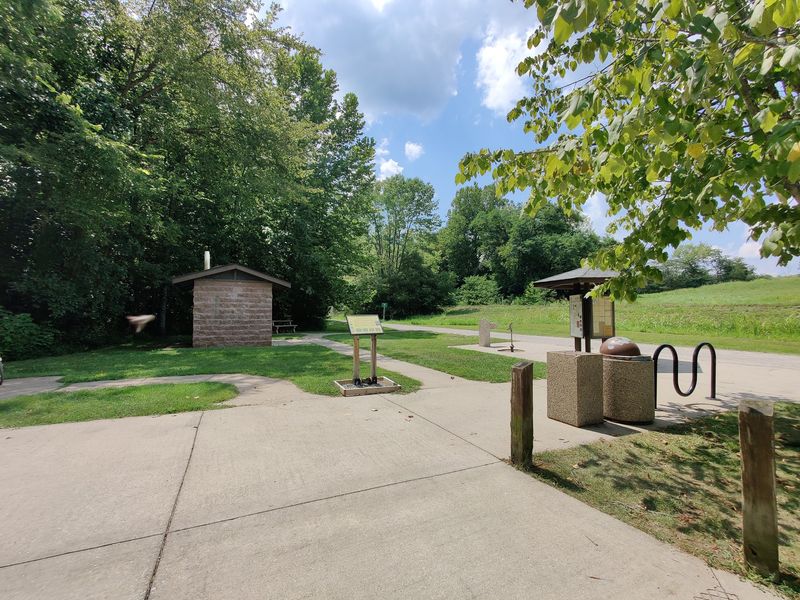
Hungry legs need fuel, and this trail makes refueling surprisingly easy. Small towns along the route offer water, restrooms, and a few tasty stops that riders talk about long after the ride.
The Vienna trailhead is a solid home base. Its park has shade, space for kids to play, picnic spots, and nearby stores where you can grab sandwiches or drinks. Parking here puts you right at the start of both the north and south routes.
Vault toilets and water sources appear at many points along the trail. Do not count on every stop being perfectly clean, since these are basic outdoor facilities. Packing your own hand sanitizer and tissues is a smart move.
Carry more water than you think you need. Summer humidity in southern Illinois can sneak up on you, even under heavy shade. Two full bottles per person is a good starting point for the ride to the tunnel and back.
Food in Vienna includes several casual options, and a newer bike path makes reaching them simple. Ned’s Shed downtown is a well-known local favorite for barbecue and burgers. It is a fun reward after a long day in the saddle.
Up north, Sanburn Junction is a popular stop for ice cream. Riders heading toward the tunnel often plan breaks around it. On a hot day, a cold cone at mile marker whatever-it-is feels like a trophy.
Bring a small repair kit too. Gravel can cause flat tires, and towns are spread far enough apart that walking a bike back would be a long chore. A spare tube, tire levers, and a mini pump weigh very little.
Check that your phone is charged before leaving. Signal can be spotty in wooded valleys.
Why Fall Is the Sweet Spot for This Trail
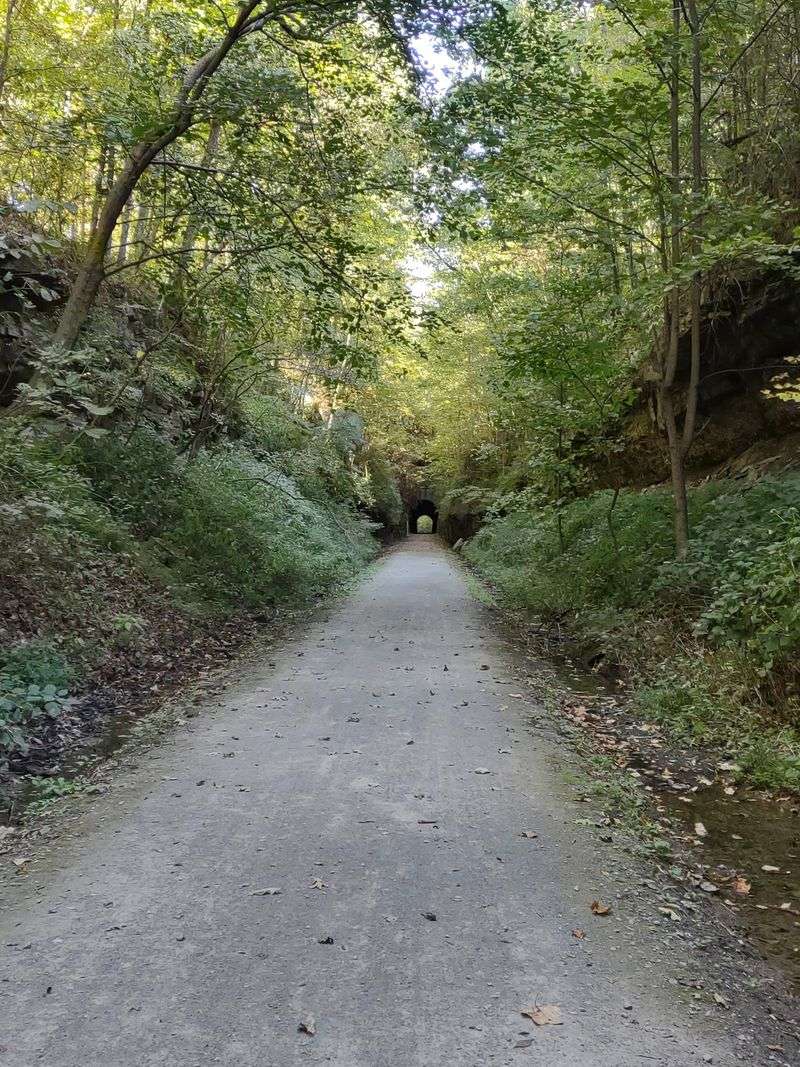
October in southern Illinois turns this trail into a long tunnel of color. Maples, oaks, and hickories glow orange and gold, leaves crunch under tires, and the cool air makes every mile feel easier.
Fall is widely considered the best season for the ride. Temperatures are milder, humidity drops, and mosquitoes fade away. The forested hills north of Vienna look especially dramatic, with color stacked on every ridge.
Summer still works well. The heavy canopy shades most of the route, and the tunnel offers a cool break. Just start early, before the afternoon heat builds, and bring extra water.
Spring brings wildflowers, rushing creeks, and lots of bird activity. It can also mean muddy patches and fallen limbs after storms, so expect a slower pace. Winter rides are quiet and open up views through bare trees, though shorter daylight hours limit distance.
Weekends are busiest, especially on the scenic stretch between Vienna and the tunnel. If you want a calmer trip, try a weekday morning. You will share the path mostly with deer and the occasional serious cyclist.
Time of day changes the experience too. Early mornings are best for wildlife, when turkeys and rabbits roam the gravel. Late afternoons bring warm golden light through the trees, ideal for photos on the trestles.
Plan your turnaround point before you leave. Remember the tunnel sits over nine miles from Vienna, so allow at least a few hours for the out-and-back ride with stops. Walkers may want a full day.
Whatever season you choose, the mix here is hard to match: a real railroad tunnel, towering trestles, rolling forest, and quiet wetlands, all on a gentle path in one corner of the state.
Share this story