
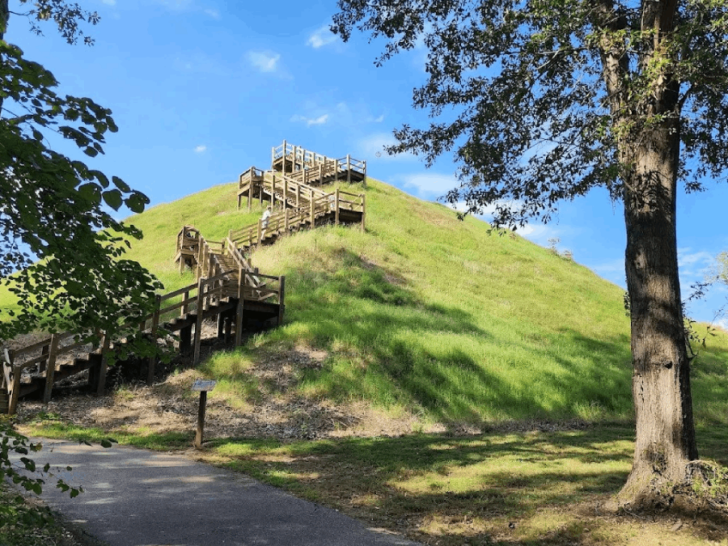
Hidden in the quiet countryside of western Tennessee lies a place where time seems to stand still.
Pinson Mounds State Archaeological Park preserves ancient earthworks built over 2,000 years ago by Native American communities. Walking through this peaceful park feels like stepping into a different world, where massive grass-covered mounds rise from the forest floor and whisper stories of ceremonies and gatherings long past.
A Hidden Piece of Ancient Tennessee
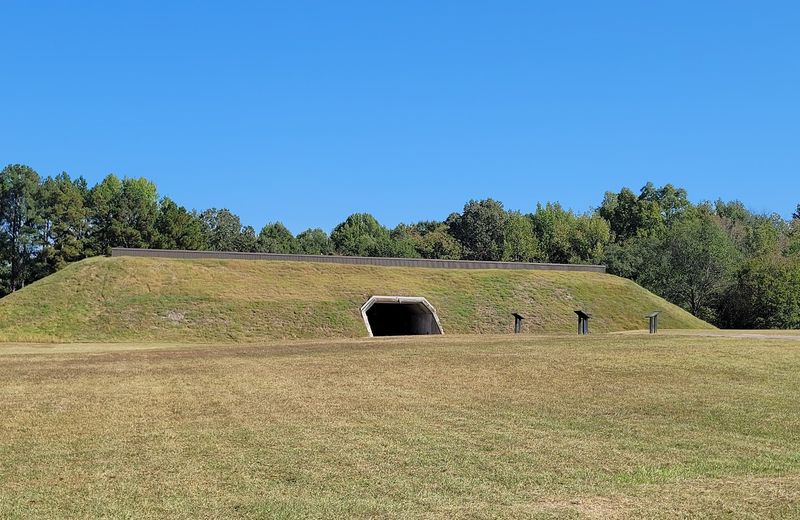
Most people zoom past Pinson on their way to bigger destinations, never knowing they’re missing one of Tennessee’s most remarkable treasures. Located on 1,200 acres near the small town of Pinson, this state park protects one of the largest Middle Woodland period ceremonial sites in the entire United States. Unlike typical state parks filled with campgrounds and playgrounds, Pinson Mounds feels more like an outdoor cathedral.
The moment you arrive, something feels different. There’s a quietness here that goes beyond the absence of crowds. The air itself seems heavier with history, as if the land remembers the thousands of people who once gathered for sacred ceremonies.
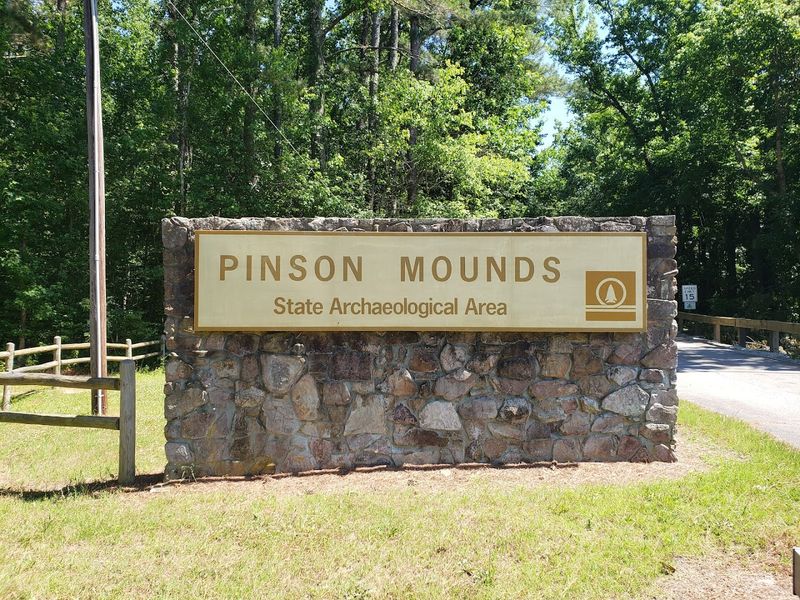
Rangers greet visitors with genuine warmth, eager to share stories about the ancient builders. The visitor center sits humbly at the entrance, offering free admission to everyone. This accessibility makes the park even more special—no one is turned away from experiencing this connection to America’s distant past.
What Are the Pinson Mounds?
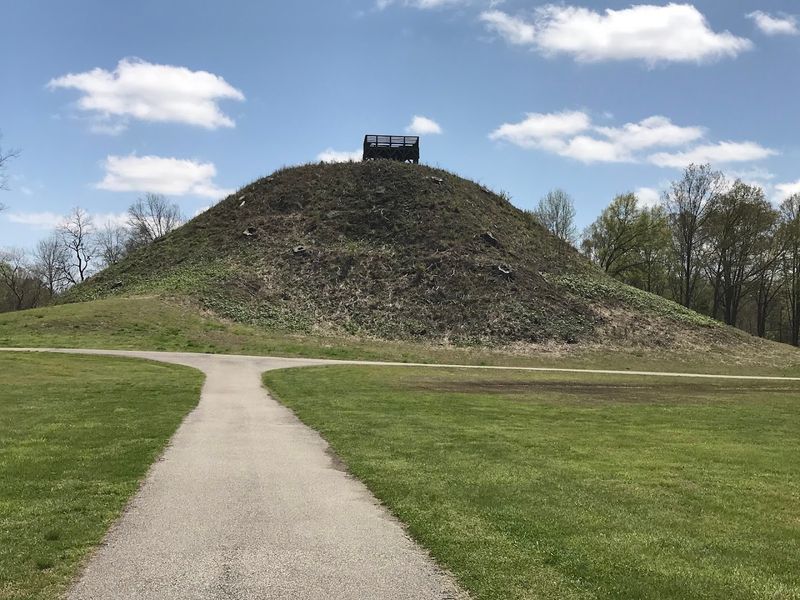
Scattered across the park stand at least 17 distinct earthen mounds, each one painstakingly constructed by hand between 1 BC and 400 AD. The people who built them belonged to the Middle Woodland culture, communities that flourished across the southeastern United States. Without modern tools or machinery, they moved millions of basketfuls of earth to create these monumental structures.
These weren’t random piles of dirt. Each mound served specific ceremonial purposes, carefully positioned in relation to astronomical events and natural features. Some were platforms for important rituals, while others marked boundaries of the sacred complex.
Archaeologists believe construction took generations to complete, with families returning year after year to add more earth. The largest mounds required coordinated efforts from hundreds of workers. Standing before them today, it’s humbling to imagine the dedication and spiritual conviction that drove such an enormous undertaking without modern equipment or even metal tools.
Sauls Mound: The Largest of Them All
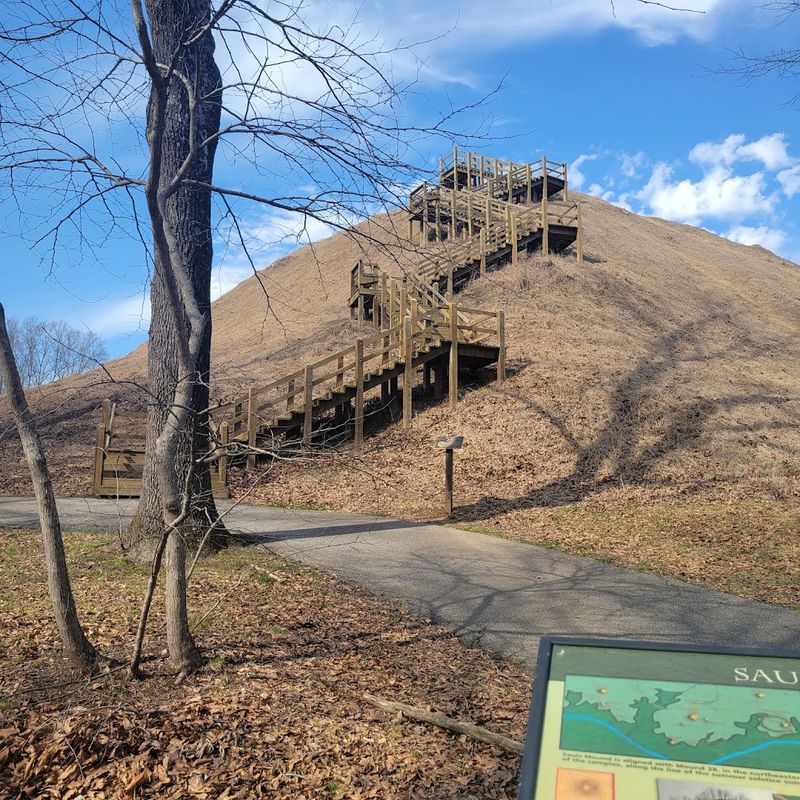
Rising 72 feet above the surrounding landscape, Sauls Mound dominates the park like a grassy pyramid. It’s the second-tallest surviving Native American mound in the United States, a fact that becomes staggering when you start climbing. A wooden staircase with about 117 steps zigzags up the steep slope, with a welcome bench halfway for catching your breath.
Standing at the summit, you’re experiencing the same elevated perspective that Woodland priests and leaders enjoyed during ceremonies. They would have looked out over gatherings of hundreds, perhaps thousands, of people below. The mound’s height wasn’t just impressive—it was a statement about reaching toward the heavens and connecting earthly ceremonies with spiritual realms above.
A Sacred Gathering Place Thousands of Years Ago
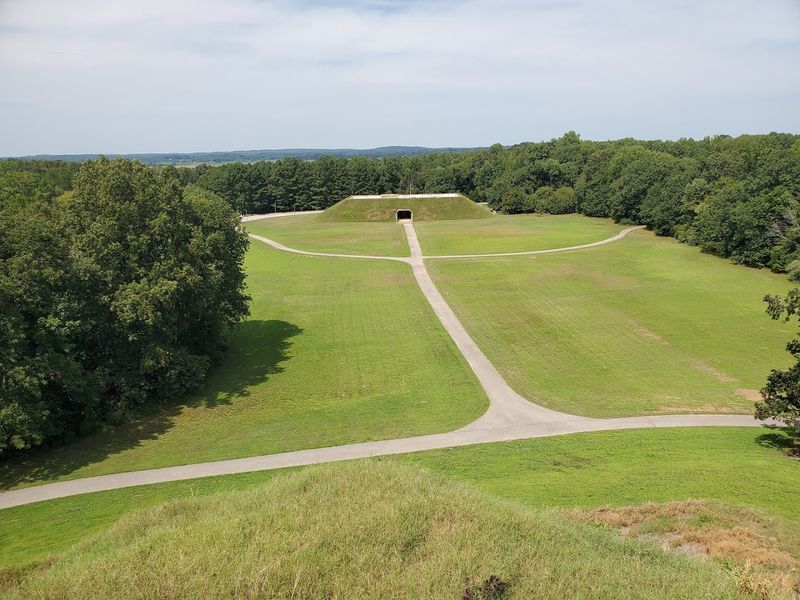
Here’s something fascinating: nobody actually lived at Pinson Mounds full-time. Archaeological evidence shows this was purely a ceremonial center where people traveled from surrounding regions for special occasions. Think of it as an ancient convention center dedicated to spiritual practices rather than everyday life.
During important times of the year—perhaps aligned with solstices or harvest seasons—communities would converge here for elaborate ceremonies. They traded goods, shared news, arranged marriages, and participated in rituals that reinforced their cultural identity and spiritual beliefs.
The site likely hosted feasts, dances, and religious observances that lasted days or even weeks. After these gatherings concluded, people would return to their scattered villages, leaving the mounds empty again until the next ceremonial season. This pattern continued for centuries, making Pinson Mounds a timeless meeting point that connected generations through shared traditions and sacred ground.
Walking Through History on the Park’s Trails
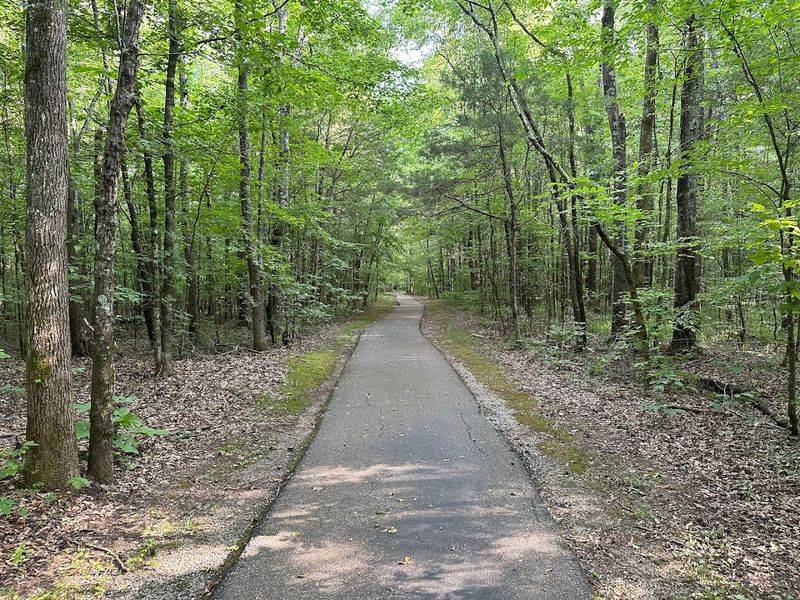
Over six miles of trails wind through Pinson Mounds, most of them paved and accessible to wheelchairs, strollers, and bicycles. The smooth pathways make exploring easy for visitors of all abilities, a thoughtful design choice that welcomes everyone to experience this ancient landscape.
Interpretive signs dot the routes, explaining what you’re seeing and why it matters. As you walk from mound to mound, the forest creates a natural buffer from the modern world. Bird songs replace traffic noise, and the only footsteps you hear are your own.
A boardwalk extends to an observation deck overlooking the Forked Deer River, where butterflies dance and the water flows as it has for millennia.
The Museum That Brings the Past to Life
Before exploring the mounds themselves, smart visitors stop at the museum to gain context for what they’re about to see. The small but excellent facility houses artifacts recovered from decades of archaeological research: pottery shards, stone tools, ceremonial objects, and skeletal remains that tell stories of individual lives lived centuries ago.
A 20-minute film provides essential background about the Middle Woodland people and their culture. The exhibits explain construction techniques, daily life, and the spiritual beliefs that motivated such monumental building projects. You’ll learn how archaeologists piece together ancient histories from fragmentary evidence.
Many visitors spend an hour or more here, finding the museum transforms their outdoor experience from simple sightseeing into genuine historical understanding.
Why Pinson Mounds Feels Like Stepping Into Another Era
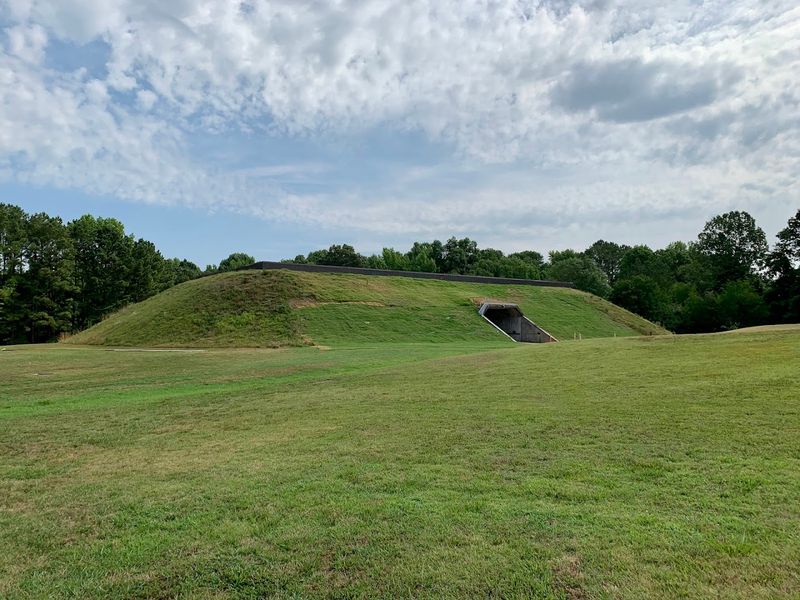
There’s something about Pinson Mounds that resists the 21st century. Maybe it’s the absence of commercial development—no gift shops hawking cheap souvenirs, no crowds jostling for selfies, no admission fees creating barriers. The park remains refreshingly uncommercial, focused entirely on preservation and education rather than profit.
Or perhaps the timeless feeling comes from the landscape itself. These mounds have witnessed over 2,000 years of history, standing silent as empires rose and fell, as European settlers arrived, as the modern world emerged around them. They endure, largely unchanged, anchoring this place to its ancient past.
You leave with a deeper appreciation for the indigenous peoples who shaped this land and a sense of humility about your own brief moment in the long arc of human history.