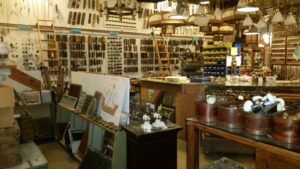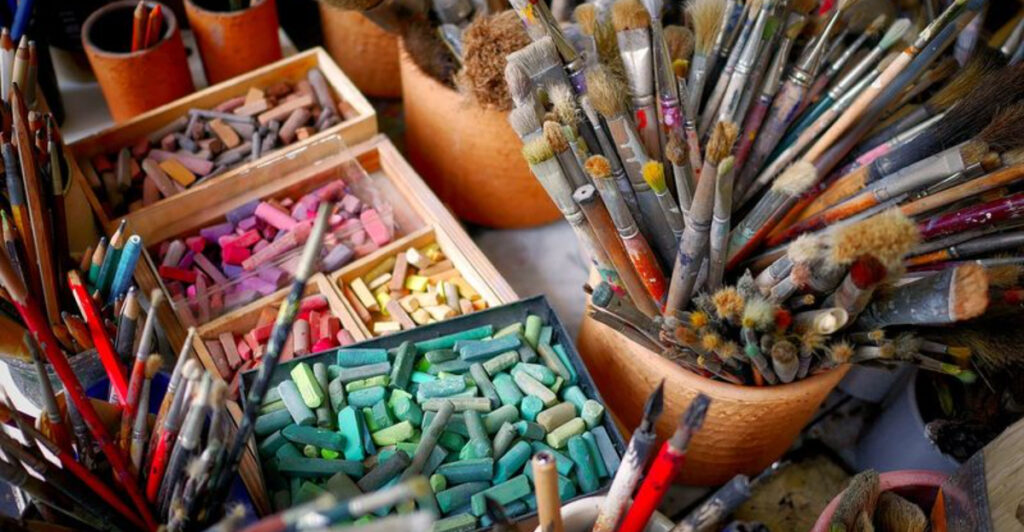
Inside a historic train station in South Dallas, Pegasus Creative Reuse is transforming the way artists and crafters find supplies. Instead of fixed prices, you fill a bag with art materials and pay whatever feels right to you. From paintbrushes and vintage fabrics to beads and sketchbooks, this community-driven store keeps tons of creative supplies out of landfills while making art accessible to everyone, no matter their budget.
1. Pay What You Want Makes Art Accessible
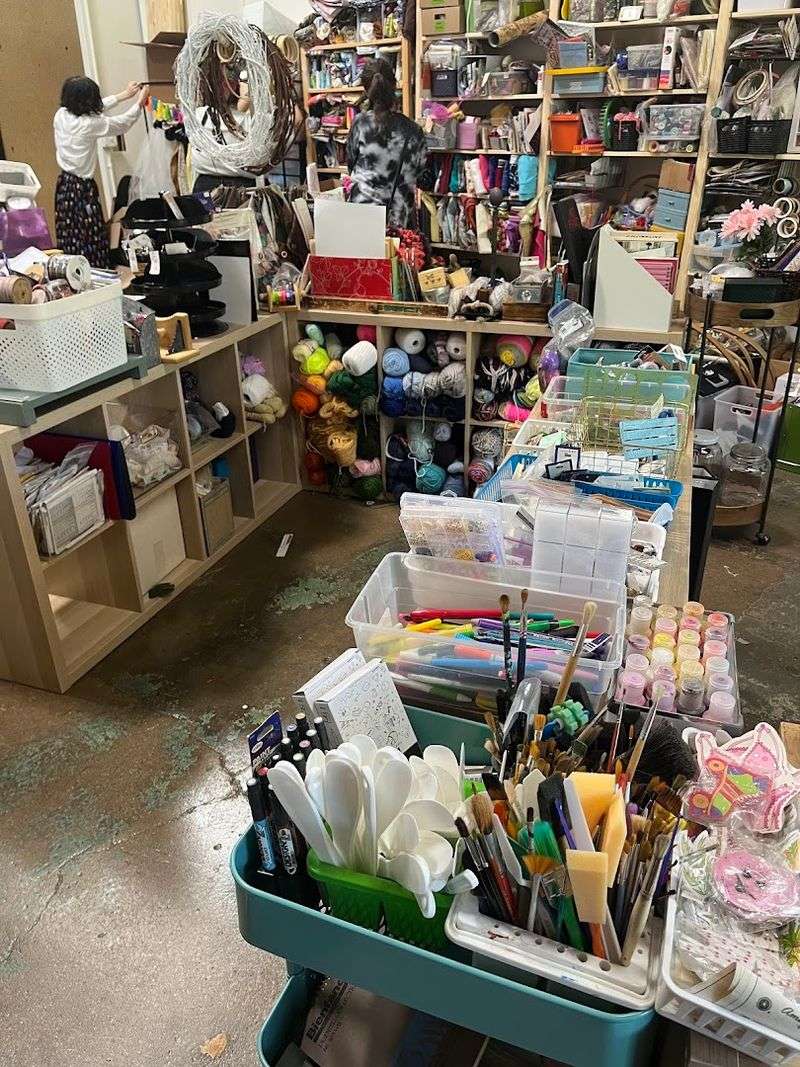
Walk into Pegasus and grab a brown paper bag from the front table. Fill it with whatever catches your eye, then decide what you can afford to pay. The suggested donation sits at twenty dollars per bag, but nobody’s checking receipts or judging your contribution.
This radical pricing model removes the biggest barrier keeping people from trying new creative projects. A teacher stocking her classroom, a kid exploring junk journaling, or a seasoned artist experimenting with a new medium all shop side by side. One visitor paid seven dollars for cardstock and Cricut vinyl that would’ve cost triple that elsewhere.
The honor system works because the community supports it. Regular customers often pay above the suggested amount when they can, knowing their extra dollars help keep the doors open. Someone mentioned wanting to pay one hundred dollars next visit because the store deserved it after finding forty-dollar sketchbooks in their haul.
You’re not just buying supplies here. You’re joining a movement that believes creativity shouldn’t come with a hefty price tag. Whether you drop in five dollars or fifty, you walk out with a bag full of possibilities and zero guilt about your budget.
2. Endless Variety Sparks Creative Inspiration
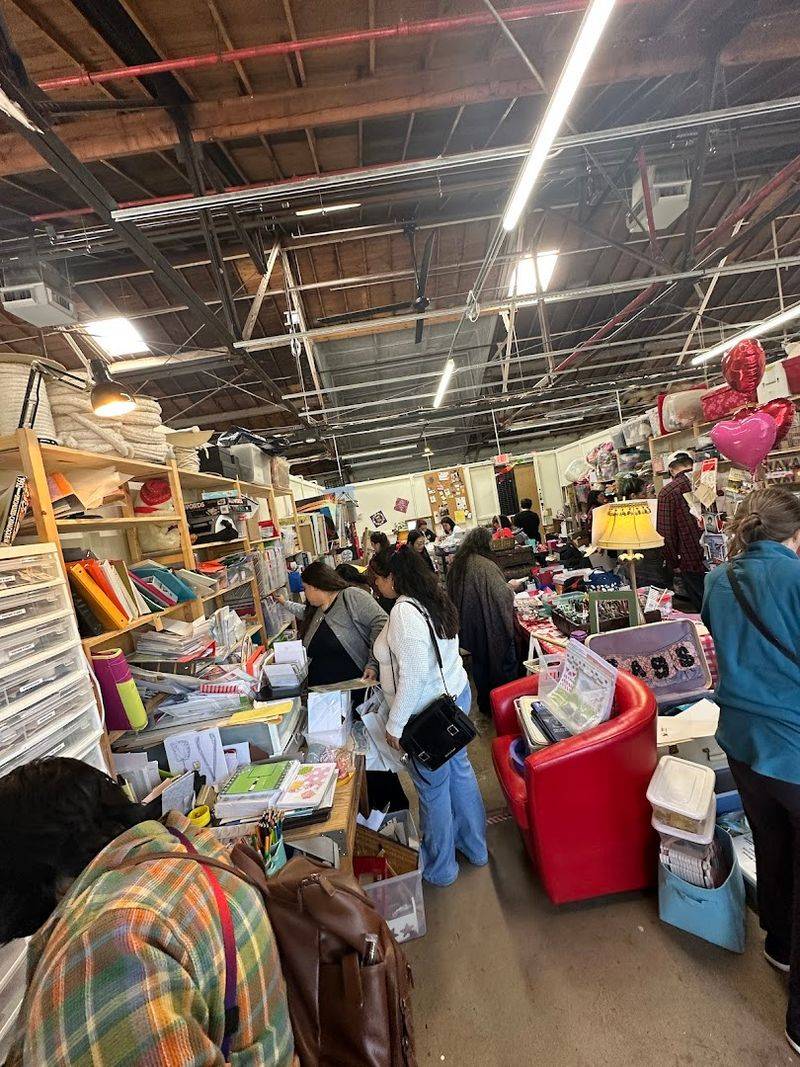
Calling this place overwhelming might be an understatement, but that’s part of the charm. Shelves overflow with paintbrushes, canvases, colored pencils, needlepoint supplies, vintage patterns, fabric bolts, thread cones, notebooks, stickers, beads, and even random Legos. One corner holds art storage solutions while another displays collage supplies and stencils.
The treasure hunt aspect keeps visitors coming back. You never know what donated items will appear between visits, making each trip feel like a fresh adventure. Someone hunting for sketching pencils discovered mostly sewing supplies during their weekend visit, while another crafter found wool yarn every single time they stopped by.
Time disappears when you’re digging through bins and browsing packed tables. Multiple reviewers mentioned losing track of hours while exploring the space. The randomness forces you outside your usual creative comfort zone—maybe you came for watercolors but left with embroidery floss and vintage New Yorker magazines.
This organized chaos breeds innovation. Seeing materials you wouldn’t normally consider can spark entirely new project ideas. One visitor specifically mentioned finding inspiration for future projects alongside supplies for current ones.
The sheer abundance of options means you’ll probably discover something unexpected that changes your artistic direction completely.
3. Donation System Keeps Supplies Circulating
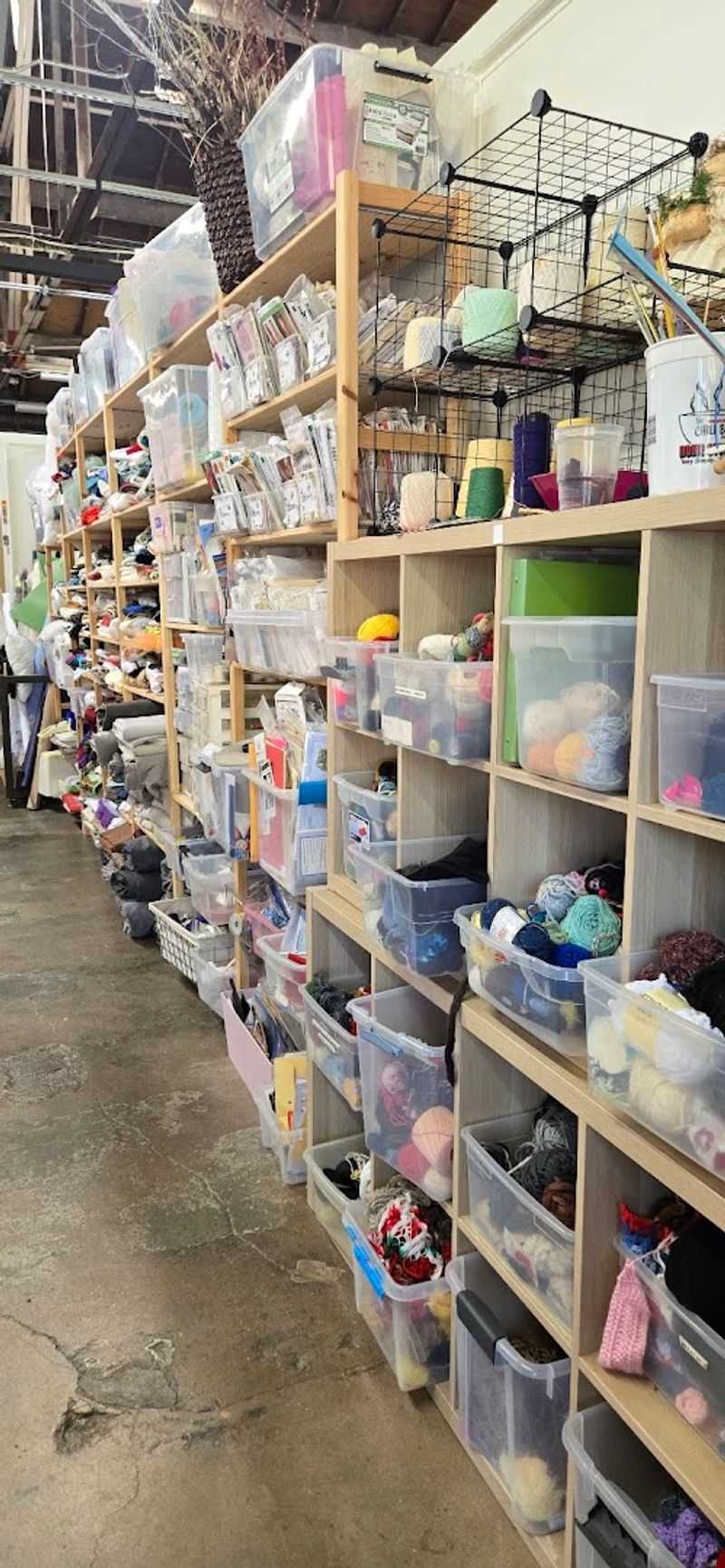
Got a closet full of art supplies collecting dust? Pegasus wants them. The store accepts donations of craft materials, keeping usable items out of landfills and giving them second lives with artists who’ll actually use them.
Dropping off your excess supplies feels way better than tossing them in the trash.
The donation process runs pretty straightforward. Staff weighs your contribution and credits your account based on weight. Don’t expect huge dollar amounts—one friend’s donation didn’t generate much credit—but if those supplies were just taking up space anyway, why not pass them along?
This circular system creates a self-sustaining creative ecosystem. Your abandoned scrapbooking phase becomes someone else’s new obsession. Those fabric scraps from a project three years ago might complete a quilter’s masterpiece.
Even partial paint sets and random beads find grateful new owners.
One reviewer specifically planned a return trip just to donate after seeing how the system worked. Teachers clearing out old classroom supplies, crafters downsizing their stashes, and families sorting through inherited sewing rooms all benefit from having a responsible donation destination. The community aspect shines through—everyone’s leftovers become everyone’s treasures, creating a constant flow of fresh materials without anyone hitting the landfill.
4. Located in a Historic Train Station
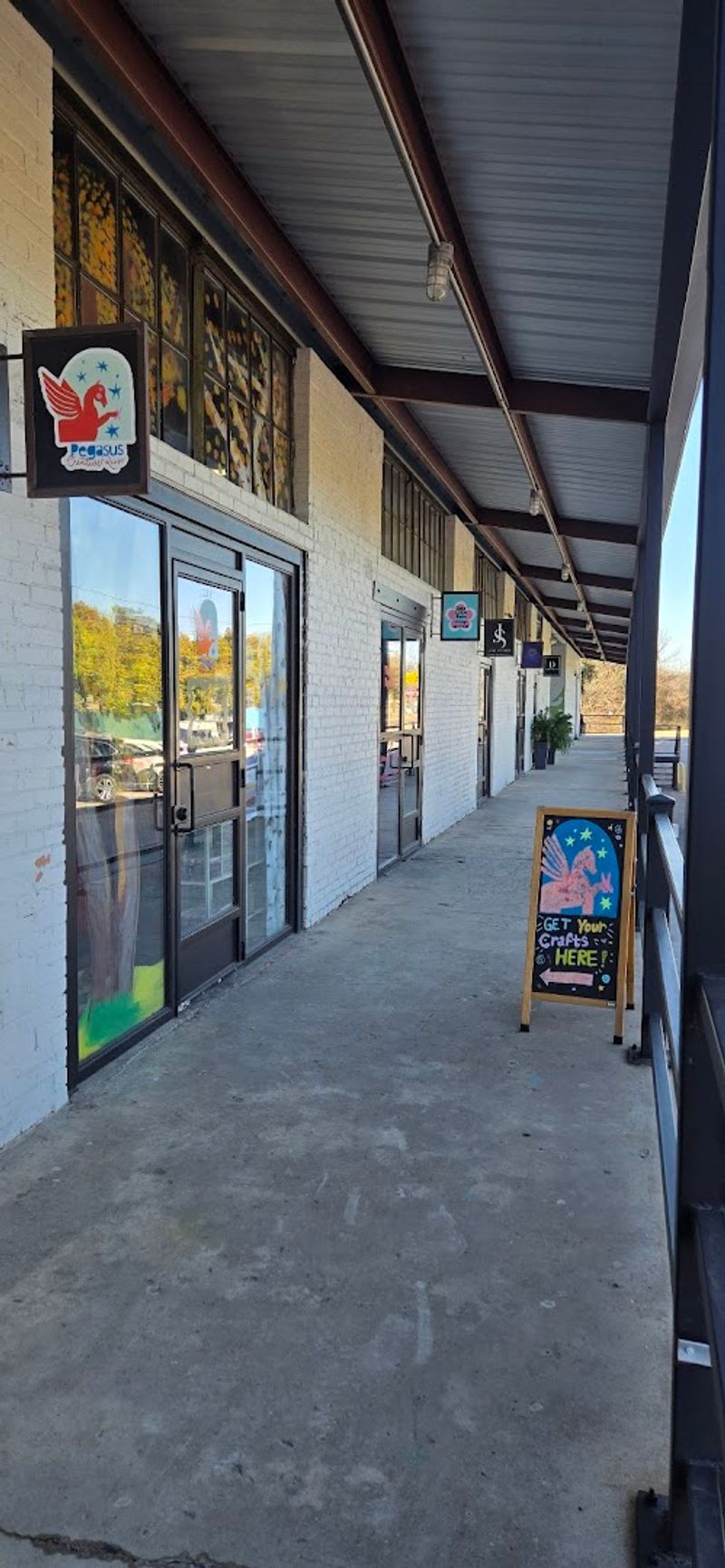
Pegasus calls a repurposed train station at 1300 South Polk Street home, sharing the historic space with a vintage shop, pottery studio, brewery, and other small businesses. The location itself adds character to your shopping experience, with old architectural details reminding you of the building’s past life serving rail passengers.
Visiting on a Sunday late morning means crowds both inside Pegasus and throughout the station complex. Weekends draw the biggest numbers, so expect tight quarters if you come during peak hours. Some neighboring businesses keep different schedules—several stay closed or open later in the day, so check ahead if you’re planning to explore beyond the art store.
The train station setting creates a mini destination rather than just a single shop. Grab supplies at Pegasus, then wander over to the brewery for a drink or browse vintage finds next door. Families mentioned making it part of a staycation itinerary, spending hours exploring all the station’s offerings.
This adaptive reuse project perfectly matches Pegasus’s mission of giving old things new purpose. Just like the store rescues art supplies from landfills, the train station itself got rescued from abandonment and transformed into a thriving community hub. The Oak Cliff neighborhood benefits from having this creative anchor drawing visitors and supporting local makers.
5. Owners Create Welcoming Community Atmosphere
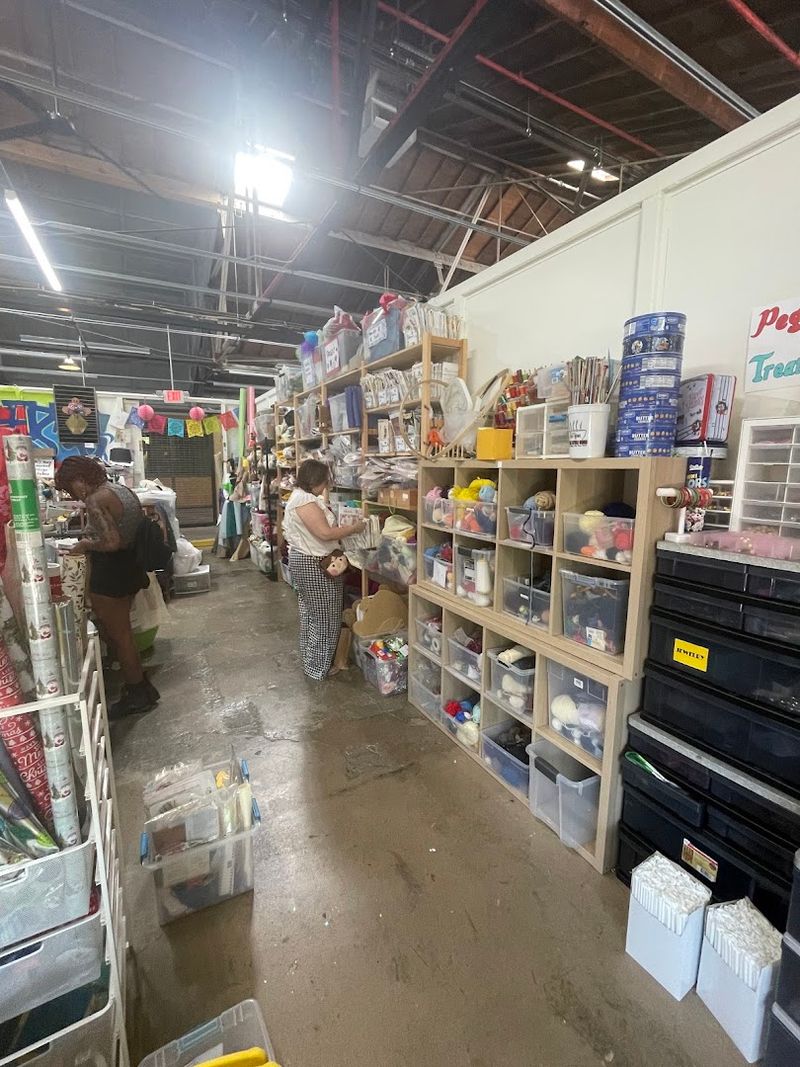
Ernie and Dorothy run Pegasus with genuine warmth that customers mention repeatedly in reviews. They greet newcomers with smiles and patient explanations of how the pay-what-you-want system works, never making anyone feel pressured or judged about their donation amount. First-timers appreciate getting walked through the concept before diving in.
The couple takes real interest in what you’re creating. They’ll help hunt down specific tools you need, offer suggestions based on your projects, and genuinely want to know what you’re working on. Regular visitors report being remembered between trips, creating that neighborhood shop feeling where you’re not just another transaction.
Their passion for accessibility shines through every interaction. One owner seemed genuinely happy accepting a twenty-five dollar payment from someone who wished they could pay more. They understand financial constraints and built their entire business model around removing barriers to creativity.
No gatekeeping, no snobbery—just enthusiastic support for whatever artistic journey you’re on.
Beyond running the store, they’re actively involved in Oak Cliff and broader Dallas community initiatives. They want to help, grow, and create positive change through making art supplies available to everyone. Multiple reviewers called them sweet, kind, welcoming, and knowledgeable.
That combination of expertise and approachability makes even nervous first-time visitors feel comfortable exploring and asking questions.
6. Classes Teach Skills at Every Level
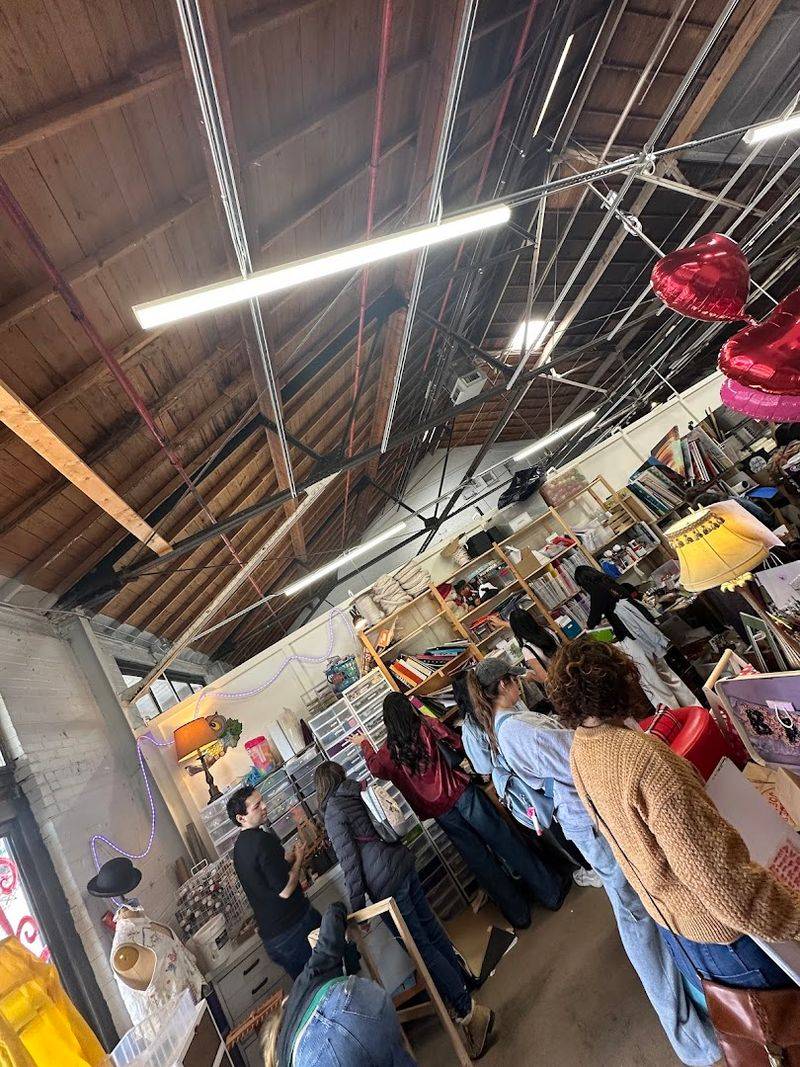
Pegasus doesn’t just sell supplies—they teach you how to use them. Classes run regularly, designed for artists at every skill level from complete beginners to experienced creators looking to try something new. The educational component reinforces their mission of making creativity accessible rather than intimidating.
Past students rave that these workshops shouldn’t be missed. The instructors bring the same encouraging, judgment-free energy that defines the store itself. Nobody’s checking your portfolio or asking about formal training.
Show up curious and willing to experiment, and you’ll fit right in.
Learning in this environment feels different than typical art classes. You’re surrounded by shelves of supplies you can actually afford to buy and take home, making the jump from classroom to independent practice much easier. Discovering a new medium during a workshop means you can immediately stock up on materials without breaking your budget.
The classes strengthen community connections too. You’ll meet other local artists, crafters, and makers who share your interests. Those relationships often extend beyond the workshop, creating informal networks of creative support.
Someone might know where to find specialty supplies, another person might collaborate on a project, and everyone swaps tips and techniques. The educational programming transforms Pegasus from a store into a genuine creative hub where learning and making happen together.
7. Perfect for Junk Journaling and Paper Crafts
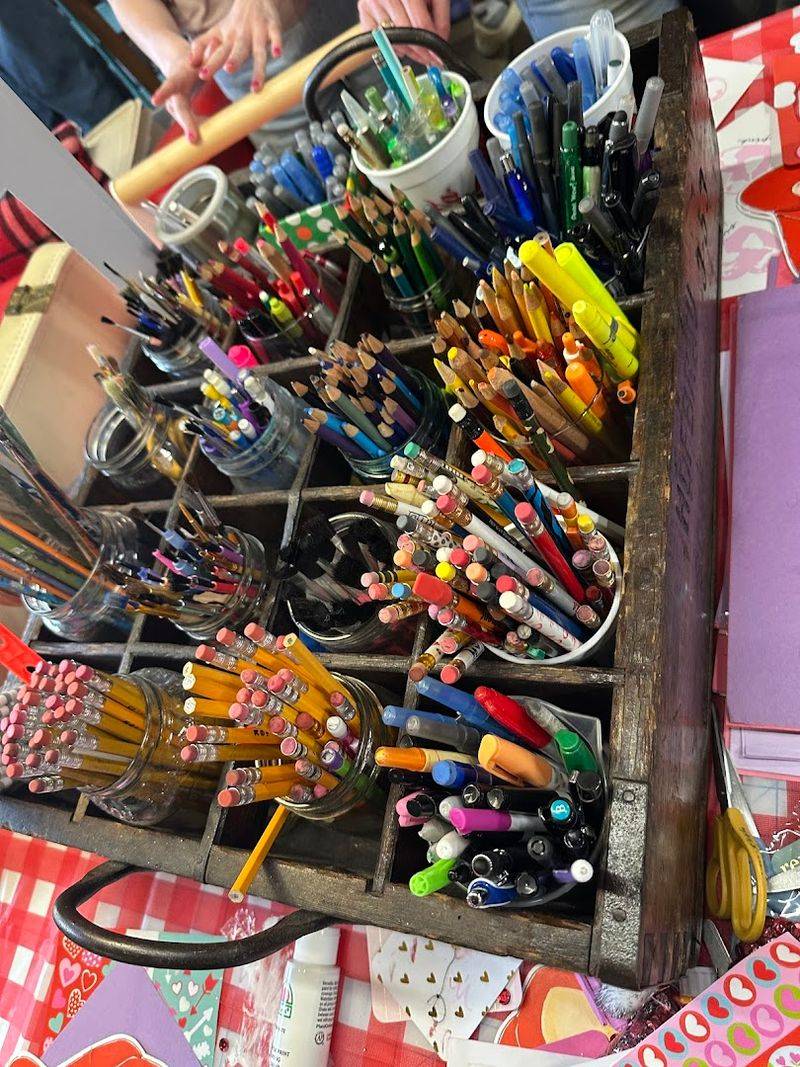
Junk journaling fans hit the jackpot here. The store maintains serious depth in paper products—vintage magazines, stickers, decorative paper, postage stamps, wood stamps, cardstock, and endless collage materials. One parent brought their daughter specifically to stock up for a junk journaling session with friends and found everything on their list.
The paper selection goes way beyond basic craft store offerings. You’ll discover vintage New Yorker magazines with gorgeous illustrations, old patterns with retro graphics, interesting envelopes, and ephemera that adds authentic character to journal pages. These aren’t mass-produced scrapbooking kits—they’re genuine vintage finds with real history.
Collage artists and mixed media creators also find their happy place among these paper treasures. The random assortment means you’re not working with the same materials as everyone else, giving your projects unique flair. Grab some fabric flowers, combine them with vintage sheet music and old postcards, and suddenly you’ve got components for something nobody else could replicate.
The pay-what-you-want model especially benefits paper crafters since these supplies typically add up fast at regular stores. Fill your bag with magazines, stickers, and paper goods that would normally cost forty or fifty dollars, then donate whatever fits your budget. Teachers mentioned stocking classroom supplies here, getting way more bang for their limited education dollars than shopping retail.
8. Fabric and Sewing Supplies Abound
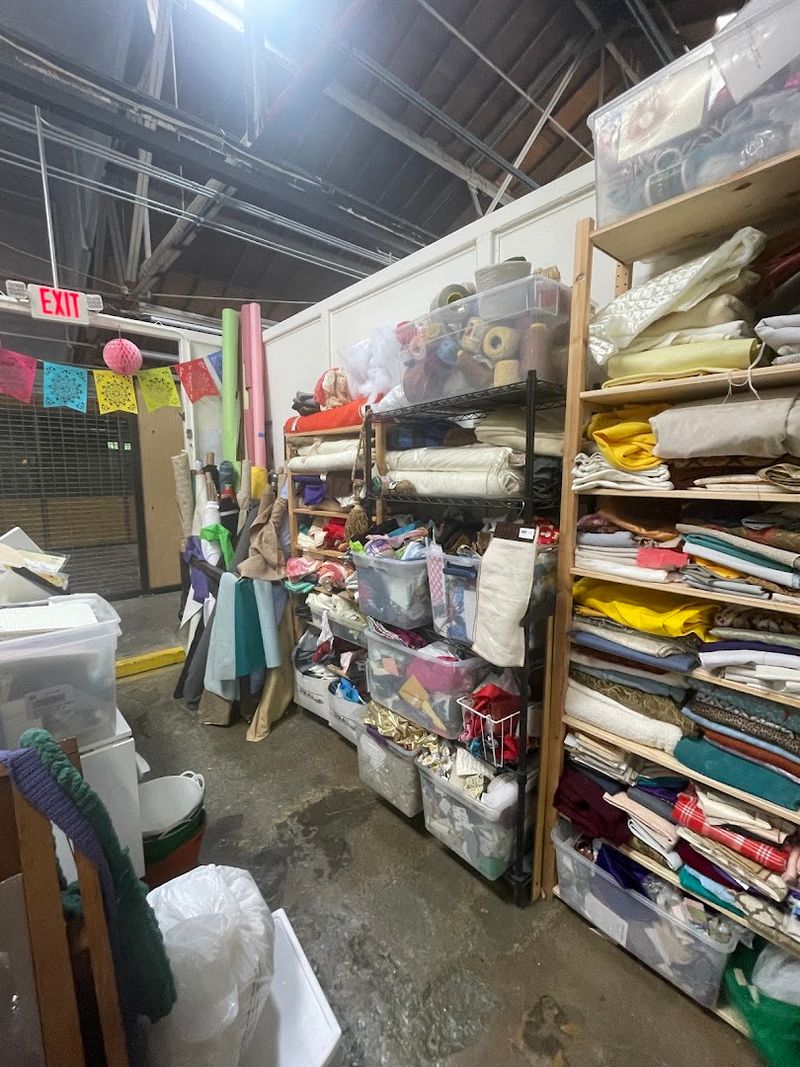
Sewers and fiber artists could spend entire afternoons just in the fabric section. Bolts of material in every color and pattern line the shelves alongside yarn, thread cones, needlepoint supplies, vintage patterns, and sewing notions. One crafter specifically returns periodically just to see what new fabrics and yarn have arrived since their last visit.
The vintage needlepoint patterns deserve special mention. These aren’t readily available at big box craft stores, and hunting them down online gets expensive. Finding them here feels like discovering grandma’s pattern stash, complete with that retro aesthetic modern designs can’t replicate.
Quilters appreciate the fabric variety too—scraps, full bolts, and everything between.
Yarn lovers report consistently finding quality wool yarn during their visits. The donation stream apparently includes serious fiber artists clearing out their stashes, meaning you’re not just getting acrylic basics. Someone else’s abandoned knitting phase becomes your next sweater project.
The selection rotates constantly based on what people donate, keeping things interesting for regular shoppers.
Costume designers, clothing refashioners, and textile artists all benefit from this abundance. Need specific colors for a quilt? Come dig through the bins.
Starting embroidery and need practice fabric? Grab some here without guilt about waste. The sheer volume means you can experiment freely, trying techniques and materials without the financial pressure of retail prices making every mistake costly.
9. Supporting Sustainability and Reducing Waste
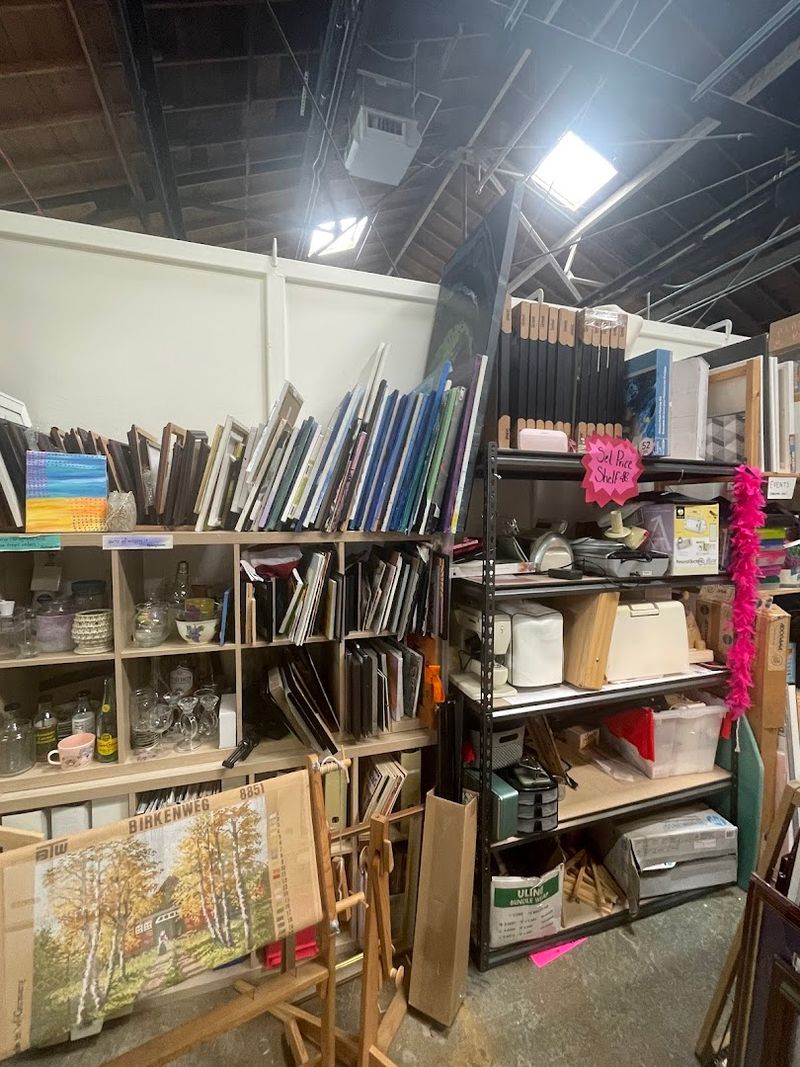
Every bag you fill at Pegasus represents materials saved from landfills. Art supplies often end up in trash when people move, downsize, or lose interest in hobbies. Paints dry out in garages, fabric yellows in attics, and perfectly usable brushes get tossed during spring cleaning.
This store intercepts that waste stream and redirects it to people who’ll actually use it.
The environmental impact extends beyond the physical materials. Manufacturing new art supplies requires energy, water, and raw materials. Mining pigments, processing wood for canvases, creating synthetic fibers—all of it carries environmental costs.
Choosing secondhand means those resources stay in the ground while existing supplies get maximized.
This reduce-reuse-recycle concept needs more real-world examples, and Pegasus delivers. One reviewer specifically praised needing more businesses built on this model. The store proves sustainability doesn’t require sacrifice or settling for inferior products.
You’re getting quality supplies that work perfectly fine, just without wasteful packaging and carbon-intensive shipping.
The community aspect amplifies the environmental benefit. When everyone participates—donating unused supplies and shopping secondhand first—the collective impact grows exponentially. You’re not just making a personal choice but joining a movement.
Teachers, parents, professional artists, and hobbyists all contribute to keeping materials circulating instead of accumulating in landfills. That shared commitment to sustainability creates ripple effects throughout the Dallas creative community.
Share this story