Hidden in the rolling hills of eastern Tennessee, Watts Bar Lake stretches across 39,000 acres like a liquid highway to tranquility. This massive reservoir created by the Tennessee Valley Authority has become one of the state’s best-kept secrets for anyone seeking to escape the noise and stress of everyday life.
Whether you’re gliding across glassy waters at dawn or watching the sun paint the sky orange behind the Cumberland Mountains, this place has a magical ability to slow down time and quiet your mind. Come along as we explore what makes Watts Bar Lake the perfect peaceful retreat.
Crystal Clear Waters That Stretch Forever
Standing on a dock where the water looks like polished glass stretching out until it meets the sky. Watts Bar Lake covers 39,000 acres of pure Tennessee beauty, making it one of the largest reservoirs in the entire state.
When you first see this enormous body of water, your breath catches because it truly seems endless.
The lake was formed in 1942 when the Tennessee Valley Authority built a dam along the Tennessee River. Engineers created something spectacular without even trying to make it beautiful.
The water depth varies dramatically, with some spots reaching down 70 feet while shallow coves barely touch your knees.
What really sets these waters apart is their remarkable clarity during most seasons. You can often see several feet down into the depths, watching fish dart between submerged trees and rocky formations.
This transparency comes from the lake’s unique position between mountain ranges that help filter runoff naturally.
Different sections of the lake offer completely different personalities. The upper sections near Kingston feature narrower channels that wind through forested hillsides like liquid trails.
Meanwhile, the lower portions open wide, creating massive expanses perfect for losing yourself in the horizon.
Morning brings a special kind of magic here. Before the world wakes up, mist rises from the surface like ghosts dancing across the water.
The silence during these early hours feels almost sacred, broken only by the occasional splash of a jumping fish or the cry of a distant loon.
Temperature-wise, the water stays comfortable for swimming from late May through September, typically ranging between 70 and 80 degrees. During winter months, the lake takes on a completely different character, with steely gray waters reflecting bare trees and cloudy skies.
Many locals actually prefer visiting during off-season when tourist traffic drops to almost nothing.
The shoreline measures over 700 miles when you count every inlet and cove. That means you could explore a different spot every single day for months without repeating yourself.
Hidden beaches, secret fishing holes, and quiet anchorages wait around practically every bend for those willing to venture beyond the main channels and discover their own private paradise.
World-Class Fishing Without The Crowds
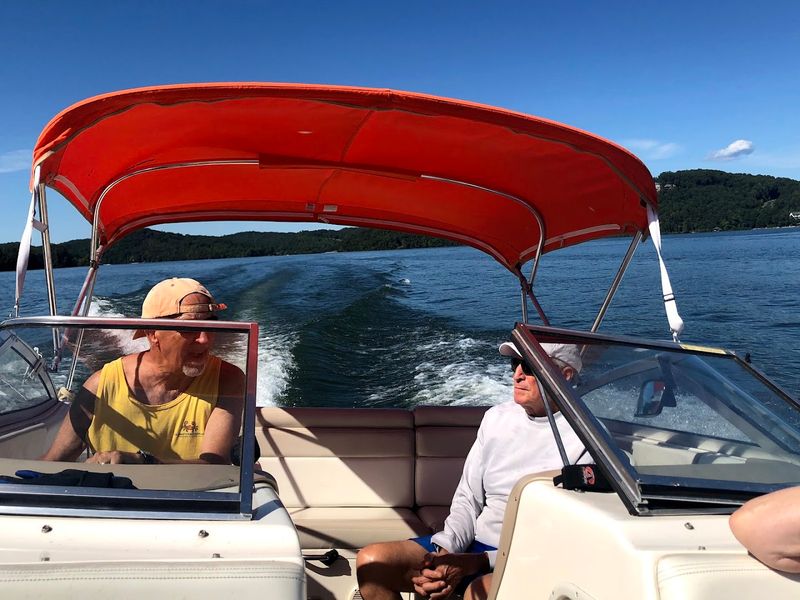
Anglers from across the country whisper about Watts Bar Lake like it’s some kind of secret fishing paradise. And honestly?
They’re not exaggerating one bit. This lake consistently produces trophy-sized catches that would make any fishing enthusiast’s heart race.
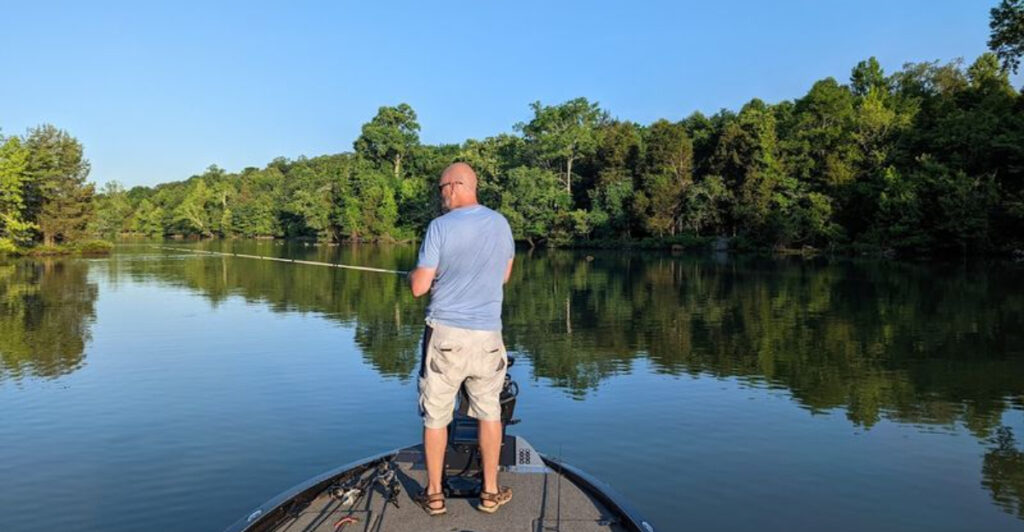
Largemouth bass rule these waters with an iron fin. Spring spawning season transforms shallow coves into bass nurseries where five-pounders lurk around every submerged log and rocky point.
Tournament fishermen have pulled out monsters exceeding eight pounds, though most folks are perfectly happy landing anything over three.
Smallmouth bass prefer the cooler, rockier sections near the dam and in deeper channels. These scrappy fighters put up incredible battles that’ll test your equipment and patience.
Unlike their largemouth cousins, smallmouths tend to school together, so finding one usually means you’ve found a whole family.
But bass barely scratch the surface of what swims here. Crappie fishing reaches legendary status during spring when these panfish gather in massive schools around submerged brush piles and bridge pilings.
Locals guard their favorite crappie spots like treasure maps, though friendly folks at the marina will usually point you in the right direction if you ask nicely.
Catfish grow absolutely enormous in Watts Bar’s depths. Blue cats over 50 pounds get caught regularly, especially by anglers who fish the deep channels at night using cut bait.
Channel cats provide easier targets for beginners, congregating near creek mouths and fallen trees where they wait to ambush smaller fish.
Striped bass and their hybrid cousins roam the open waters like wolf packs, chasing shad across the surface in explosive feeding frenzies. When you spot birds diving over boiling water, get your lure ready because the action is about to get wild.
These powerful fish can strip line off your reel faster than you’d believe possible.
The Tennessee Wildlife Resources Agency maintains the fishery carefully, stocking various species and enforcing sensible regulations. Fishing licenses are required and easily obtained online or from local sporting goods stores.
Most areas remain accessible year-round, though some boat ramps close during extreme low-water conditions in late summer and fall months when drought occasionally strikes the region.
Endless Coves For Private Exploration
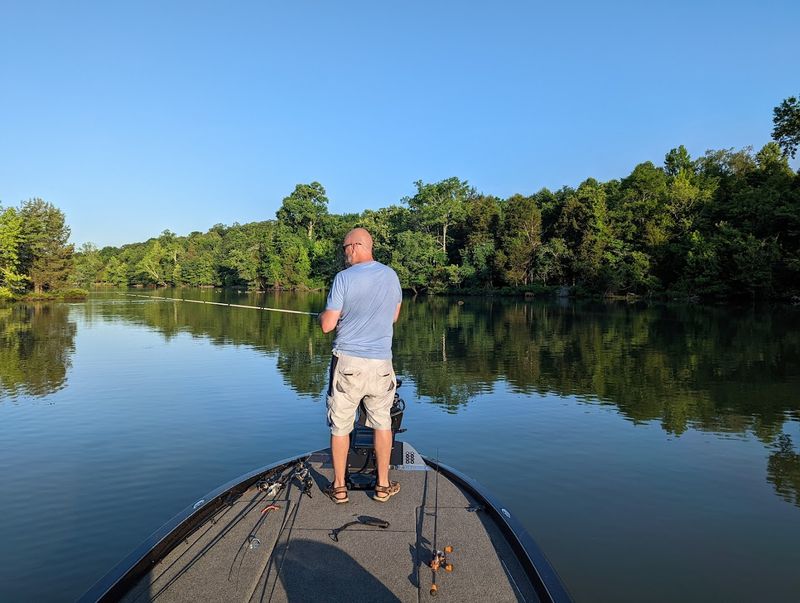
Every bend in Watts Bar Lake reveals another hidden cove waiting to become your personal sanctuary. With over 700 miles of shoreline twisting through the Tennessee countryside, you’ll never run out of secret spots to discover.
Some coves are so tucked away that you might not see another soul for hours.
These protected inlets offer something magical that the main lake channels simply can’t match. Water stays calmer here, sheltered from wind and boat traffic by surrounding hillsides.
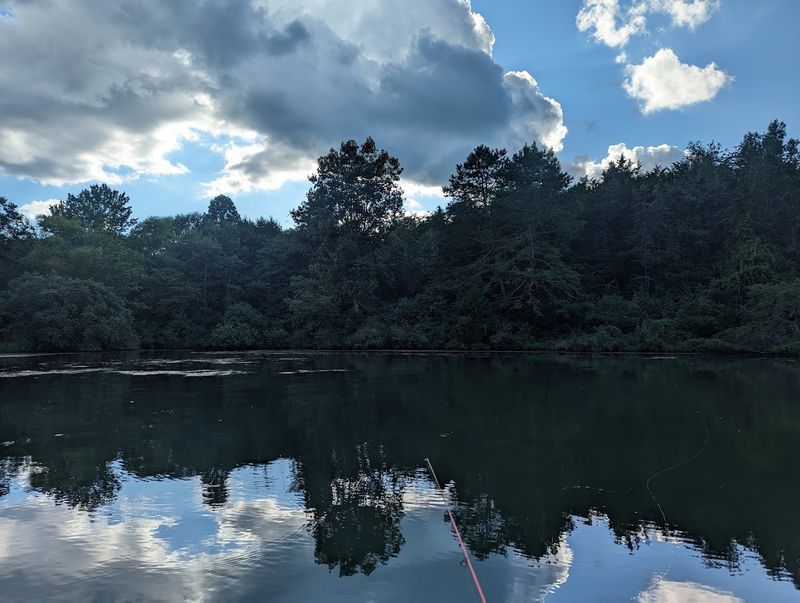
Trees lean over the edges like they’re trying to touch their reflections, creating natural canopies that provide shade during hot summer afternoons.
Many coves feature small sandy or pebbly beaches perfect for pulling up a kayak or small boat. Kids absolutely love these miniature beaches where they can wade safely in shallow water while parents relax on shore.
The gradual depth changes mean even nervous swimmers can enjoy the water without worry.
Wildlife treats these coves like private highways and feeding stations. Great blue herons stand statue-still in the shallows, waiting to spear unwary fish.
Turtles sun themselves on half-submerged logs, plopping into the water with comical splashes when boats approach too closely. During evening hours, deer often come down to drink at the water’s edge.
Underwater, these coves harbor completely different ecosystems than the open lake. Submerged vegetation grows thick in the sunlit shallows, providing nursery habitat for countless baby fish.
Crawfish scuttle across muddy bottoms while freshwater mussels filter nutrients from the water column. Snorkeling in these protected areas reveals a hidden world most visitors never see.
Temperature differences between coves and main channels can be surprisingly dramatic. Shallow coves heat up faster in spring, making them ideal for early-season swimming when the main lake still feels frigid.
Conversely, deeper coves with spring-fed streams stay refreshingly cool even during August heat waves.
Navigation requires attention since many coves aren’t marked on basic maps. Experienced boaters recommend using detailed lake charts or GPS apps specifically designed for Watts Bar.
Getting temporarily turned around is part of the adventure, though keeping track of major landmarks prevents genuine confusion. Cell service can be spotty in remote coves, so letting someone know your plans makes good sense before heading out to explore these watery wilderness areas.
Marinas That Feel Like Family
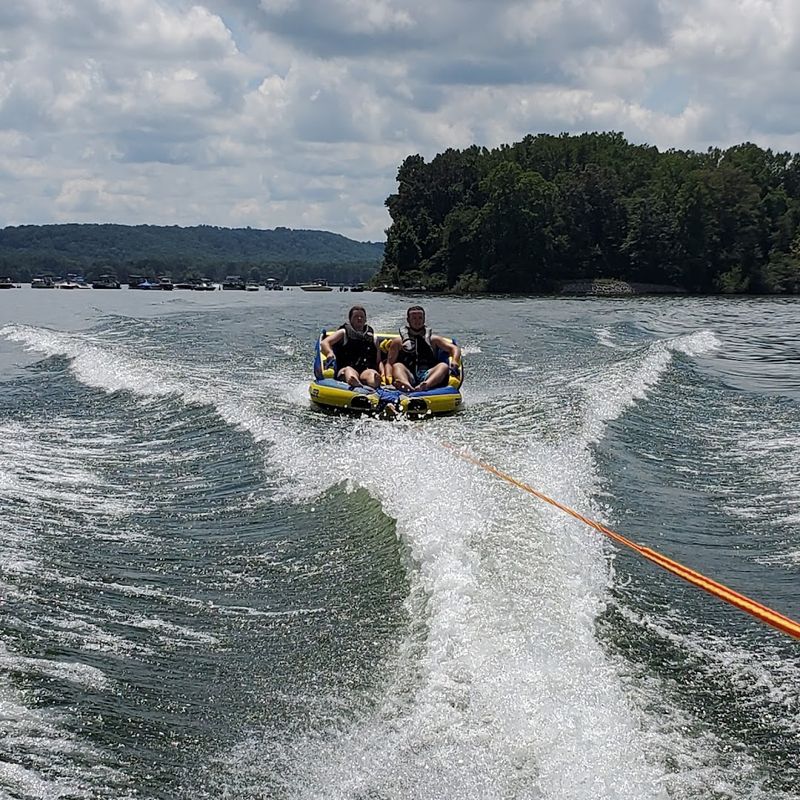
Walking into any of Watts Bar Lake’s marinas feels less like visiting a business and more like dropping by a neighbor’s house. These aren’t corporate operations with bored employees watching the clock.
Instead, you’ll find family-run establishments where the same faces have been greeting boaters for decades, remembering your name after just one visit.
Several full-service marinas dot the shoreline, each with its own personality and loyal following. Some specialize in houseboat rentals, offering floating vacation homes that let you anchor in different coves each night.
Others focus on fishing guide services, with weathered captains who know exactly where the big ones are biting on any given day.
Facilities range from basic to surprisingly luxurious. Most marinas provide clean restrooms, fuel docks, and boat launches at minimum.
Larger operations add restaurants, swimming pools, and small convenience stores stocked with everything from sunscreen to frozen bait. Prices generally run lower than what you’d pay at tourist-trap lakes in other states.
The marina restaurants deserve special mention because they serve some seriously good food. Fresh catfish sandwiches, hand-cut fries, and homemade coleslaw appear on menus alongside burgers and pizza.
Many feature outdoor seating right over the water where you can watch boats come and go while enjoying lunch. Live music on weekend evenings transforms these casual eateries into community gathering spots.
Boat rental options accommodate every skill level and budget. Pontoon boats work perfectly for families wanting to cruise slowly and swim from different spots throughout the day.
Ski boats attract thrill-seekers ready to try wakeboarding or tubing. Fishing boats come equipped with depth finders and trolling motors for serious anglers.
Kayaks and paddleboards offer the most budget-friendly way to get on the water.
Slip rentals provide seasonal or annual options for folks who want their boats ready to go at a moment’s notice. Covered slips protect vessels from weather and sun damage.
Many boaters practically live at their marina during summer, treating their slip like a second home where they can escape after work for evening cruises.
Winter months bring a different rhythm as marinas shift into maintenance mode. Staff members use quieter periods for dock repairs and equipment upgrades.
Some close partially while others stay open year-round for the hardy souls who fish through winter or simply enjoy the off-season peace and solitude.
Sunsets That Stop Time
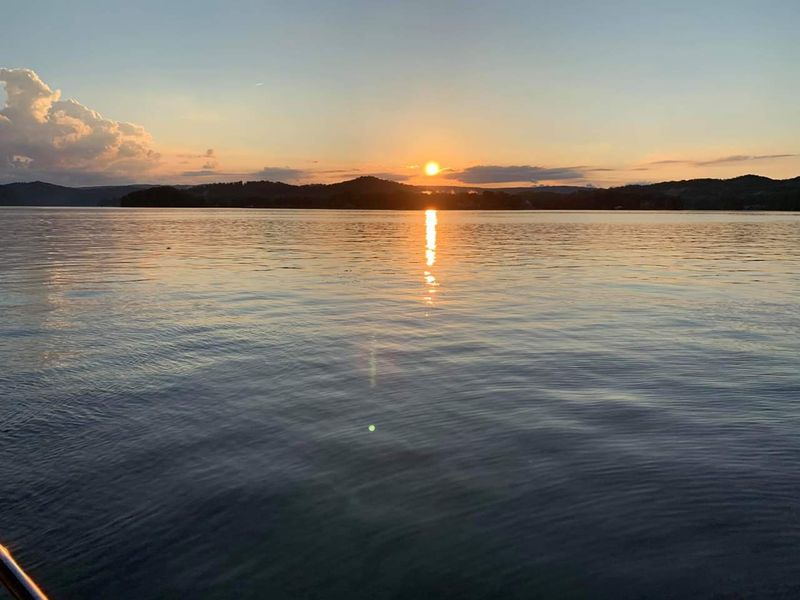
Something about geography and atmosphere combines to paint Watts Bar Lake’s evening sky in colors that seem almost unreal. Photographers travel hundreds of miles specifically to capture these displays, though no camera truly does them justice.
You simply have to see them with your own eyes to understand why locals plan their entire day around sunset viewing.
The show typically begins about thirty minutes before the sun actually touches the horizon. High clouds catch fire first, turning brilliant orange and pink while lower atmosphere stays relatively normal.
Then colors intensify and spread like watercolors bleeding across wet paper until the entire western sky becomes a canvas of impossible hues.
Mountains surrounding the lake create a natural amphitheater that enhances the spectacle. The sun doesn’t just sink into flat horizon but instead drops behind ridgelines, creating dramatic silhouettes against blazing backgrounds.
Gaps between peaks sometimes let sunbeams shoot through in those famous god rays that look photoshopped but are completely natural.
Water reflection doubles every sunset’s impact. The lake’s surface becomes a mirror copying the sky’s display, so you’re surrounded by color above and below.
Ripples from passing boats or evening breezes fracture reflections into millions of shimmering pieces that dance and shift constantly. Standing on a dock during peak sunset feels like floating inside a kaleidoscope.
Different seasons bring completely different sunset personalities. Summer sunsets tend toward warm oranges and reds as humidity and haze filter the light.
Fall brings the clearest skies and most vibrant purples and magentas. Winter sunsets happen earlier but often produce the most dramatic contrasts between cold blue shadows and warm golden light.
Spring weather varies wildly, creating unpredictable shows that can range from gentle pastels to angry storm colors.
Location matters tremendously for optimal viewing. Western-facing shorelines obviously offer the best direct views, but eastern shores provide interesting perspectives where you watch light change on opposite mountains.
Higher elevations at overlook parks give panoramic vistas, while water-level viewing from a boat or beach creates more intimate experiences.
The magic extends beyond the moment when sun disappears. Twilight afterward brings subtle color shifts and deepening shadows that many people miss because they leave too early.
Stars begin appearing one by one while the sky fades through deepening shades of blue. Night sounds replace day sounds as frogs start their chorus and whippoorwills call from darkening woods, completing the transition from day to peaceful evening.
Wildlife Encounters Around Every Corner
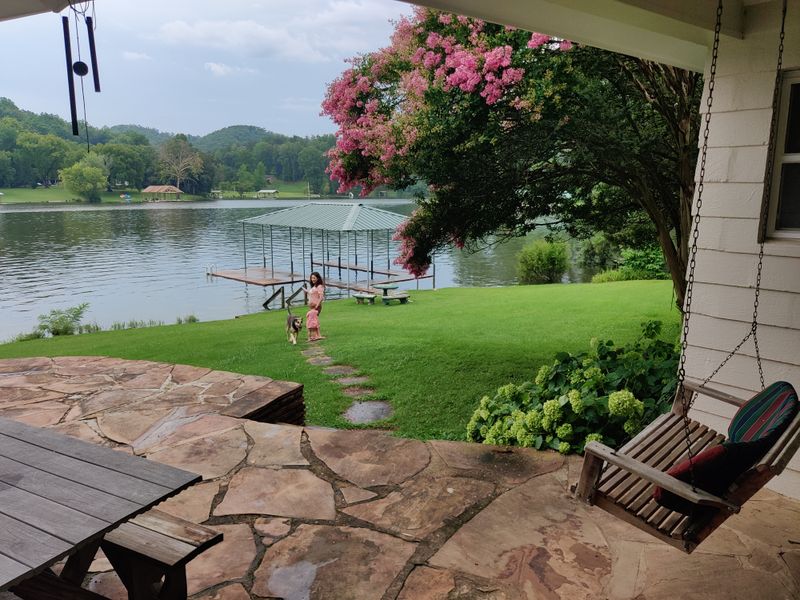
Nature thrives around Watts Bar Lake in ways that surprise first-time visitors. This isn’t some sterile reservoir where concrete banks keep nature at bay.
Instead, the lake functions as a massive wildlife highway and feeding station where creatures from tiny insects to massive birds go about their daily business mostly unbothered by human presence.
Birdwatchers consider Watts Bar Lake a premier destination with over 200 species documented throughout the year. Bald eagles nest in tall pines along remote shorelines, raising chicks that eventually soar over the water hunting for fish.
Great blue herons wade through shallows with prehistoric patience. Osprey dive-bomb the surface in spectacular fishing displays that leave observers breathless.
Waterfowl arrive in massive numbers during migration periods. Ducks and geese use the lake as a rest stop on their journeys north and south.
Some species stick around all winter, creating floating rafts of thousands of birds on open water sections. The cacophony of quacking, honking, and splashing can be heard from hundreds of yards away.
Mammals treat the shoreline like their personal buffet. White-tailed deer are so common that spotting them barely counts as noteworthy anymore.
They browse vegetation right down to the water’s edge, often wading into shallows during hot weather. Raccoons work the shores at night, flipping rocks and hunting for crawfish and mussels.
Otters provide the most entertaining wildlife encounters. These playful critters slide down muddy banks, wrestle with each other, and perform aquatic acrobatics that look like pure joy.
Watching a family of otters fish together demonstrates cooperation and communication that seems almost human. They’re most active during early morning and late evening hours when boat traffic is minimal.
Turtles of various species sun themselves on every available log and rock. Painted turtles show off their colorful shells while massive snapping turtles lurk in deeper areas.
Softshell turtles bury themselves in sandy bottoms with just their snorkel-like noses poking out. During nesting season, females crawl onto beaches to lay eggs in carefully dug holes.
Aquatic life extends beyond fish to include freshwater jellyfish that occasionally bloom in protected coves. These tiny, harmless creatures pulse through the water like miniature UFOs.
Crayfish build mud chimneys in shallow areas while various mussel species filter nutrients from the lake bottom. Even water snakes play important roles despite their scary reputation, controlling populations of smaller fish and amphibians throughout the ecosystem.
Peaceful Lakeside Communities
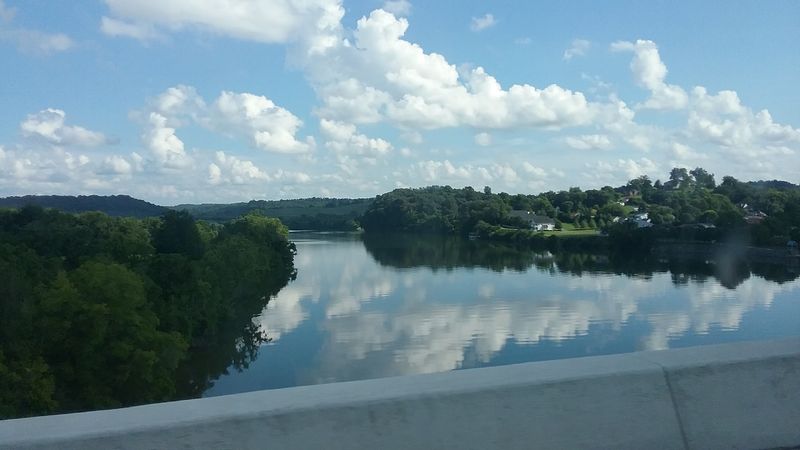
Small towns dotting Watts Bar Lake’s perimeter have mastered the art of slow living. Places like Spring City, Ten Mile, and Kingston move at speeds that make other rural communities seem frantic.
Stoplights are rare, rush hour doesn’t exist, and people still wave at strangers from their front porches like it’s 1950.
These communities grew up alongside the lake when the Tennessee Valley Authority completed the dam in the 1940s. Many residents can trace their families back generations, telling stories of what life was like before the valley flooded.
Old-timers remember farms and roads that now lie beneath 70 feet of water, creating a connection to history that newcomers find fascinating.
Downtown areas typically consist of one main street lined with essential businesses. Family-owned restaurants serve home cooking that tastes like grandma made it.
Hardware stores stock obscure parts and tools while owners dispense free advice on home repairs. Dollar stores, gas stations, and small groceries provide necessities without forcing residents to drive 30 miles to big-box retailers.
Lakefront homes range from modest mobile homes to impressive multi-story structures with private docks. Many properties have been in families for decades, passed down through generations who return each summer.
Rental cabins offer visitors a chance to experience lakeside living without permanent commitment. Prices remain surprisingly affordable compared to more famous lake destinations.
Community events bring everyone together throughout the year. Fourth of July fireworks displays happen from barges on the water, creating spectacular reflections.
Fishing tournaments fill marinas with competitors and spectators. Church fish fries and volunteer fire department barbecues serve as social gatherings where newcomers quickly become part of the fabric.
Schools in these towns are small enough that teachers know every student’s name and family situation. High school football games become whole-community events where grandparents, parents, and kids all cheer together.
Graduation ceremonies feel deeply personal when you’ve watched those kids grow up from kindergarten.
The pace here deliberately rejects modern rushing and stressing. People take time for conversations instead of checking phones constantly.
Neighbors help each other without expecting payment. Front porch sitting is considered a legitimate evening activity.
This isn’t backwardness or resistance to progress but rather a conscious choice to prioritize relationships and peace over constant busyness and material accumulation that never quite satisfies anyway.
Share this story