
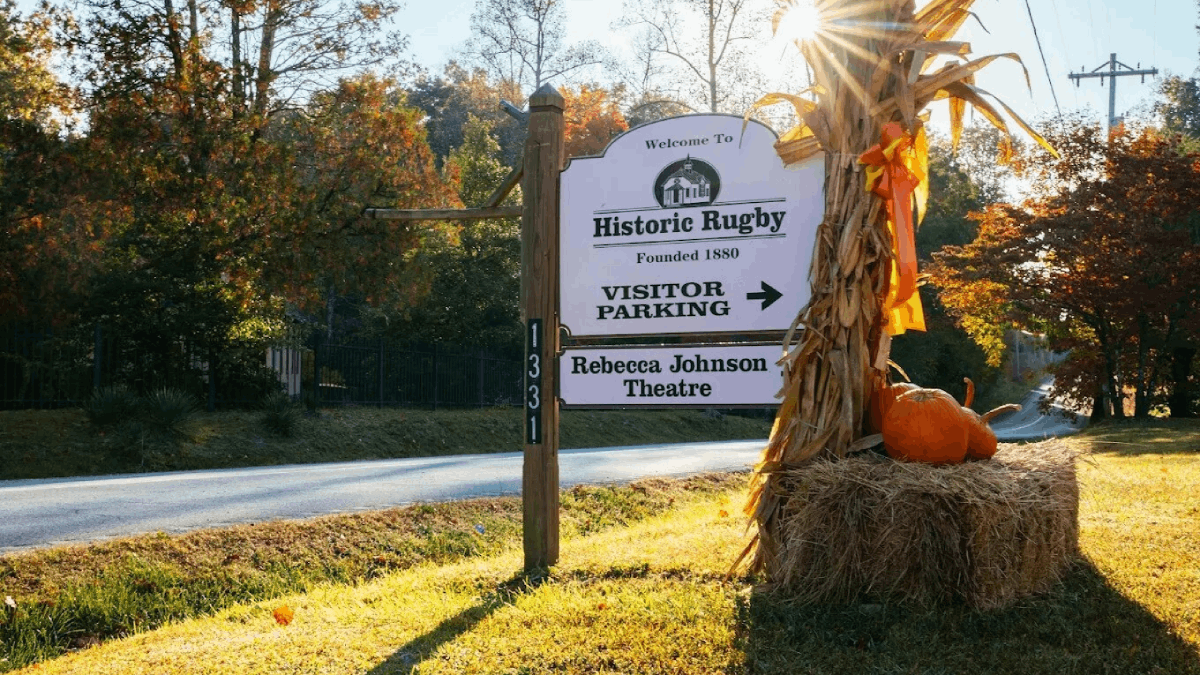
Tucked away in the Cumberland Plateau, Rugby, Tennessee is a place most people drive right past without ever knowing it’s there. This tiny village isn’t like the rest of Tennessee—it was founded by English settlers in 1880 as a utopian experiment, and much of it still looks exactly like it did back then.
With Victorian buildings, quiet trails, and a slower way of life, Rugby feels like stepping into a hidden chapter of history that somehow survived into the present day.
Why Rugby, Tennessee Feels Like a Secret
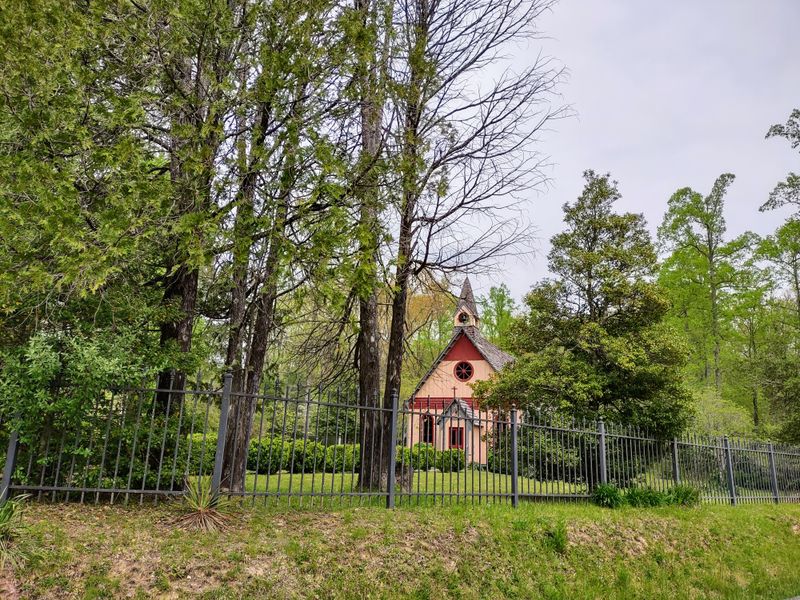
Most people have never heard of Rugby until they stumble across it by accident. It sits far from major highways, surrounded by thick forests and rolling hills that seem to swallow it whole. There’s no billboard advertising it, no big tourist push—just a peaceful village that exists quietly on its own terms.
When you arrive, the first thing you notice is the silence. No traffic noise, no crowds, just the sound of wind through the trees and maybe a bird calling somewhere in the distance. The Victorian buildings look almost out of place in rural Tennessee, like someone picked up a piece of England and dropped it in the Appalachian wilderness.
Rugby doesn’t try to be anything more than what it is. That’s exactly why it feels like such a well-kept secret—a place where time slowed down and never quite caught up again.
The Victorian Village With an Unusual Beginning
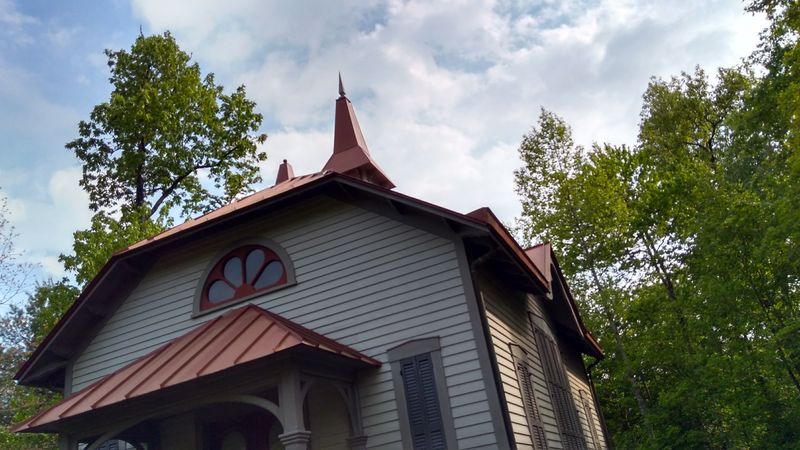
In 1880, British author Thomas Hughes arrived in Tennessee with a bold idea. He wanted to create a utopian colony where younger sons of English gentry—who couldn’t inherit land back home—could start fresh. He envisioned a classless society built on hard work, education, and cooperation, far from the rigid structure of Victorian England.
Hughes named the settlement Rugby and recruited hundreds of settlers. They built libraries, churches, schools, and homes in the English style, complete with imported books and fine architecture. For a while, it seemed like the experiment might actually work.
But reality set in quickly. The soil was poor, winters were harsh, and many settlers weren’t prepared for frontier life. By the early 1900s, most had left.
Yet the village never completely disappeared—it just became quieter, smaller, and more isolated, preserving its unusual history in the process.
Walking Through History: The Preserved Buildings
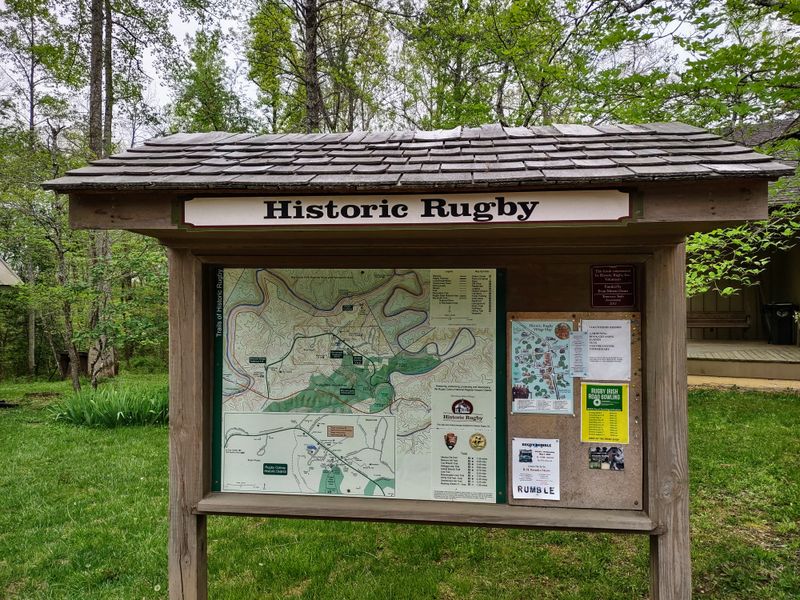
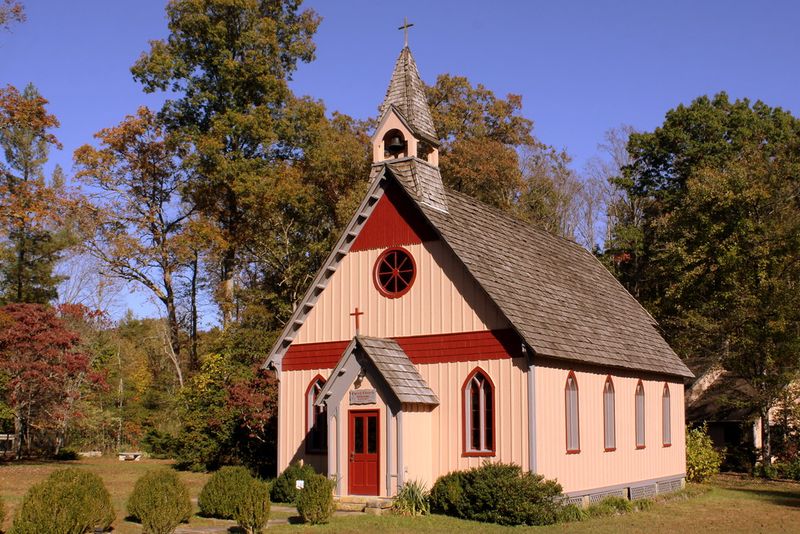
Rugby’s historic buildings aren’t replicas or reconstructions—they’re the real thing. Christ Church Episcopal, built in 1887, still holds services and looks almost exactly as it did over a century ago. The wooden pews, stained glass windows, and simple altar create a space that feels both sacred and timeless.
The Thomas Hughes Free Public Library is another treasure. It houses over 7,000 Victorian-era books, many original to the colony, and the shelves and reading rooms remain virtually unchanged. Walking inside feels like entering a private study from the 1880s, complete with the smell of old paper and leather bindings.
Several historic homes dot the village as well, including Kingstone Lisle and the Newbury House. Each one tells a story of the settlers who lived there—their hopes, struggles, and daily lives. Guided tours bring these stories to life, making history feel personal rather than distant.
What You’ll Experience When You Visit
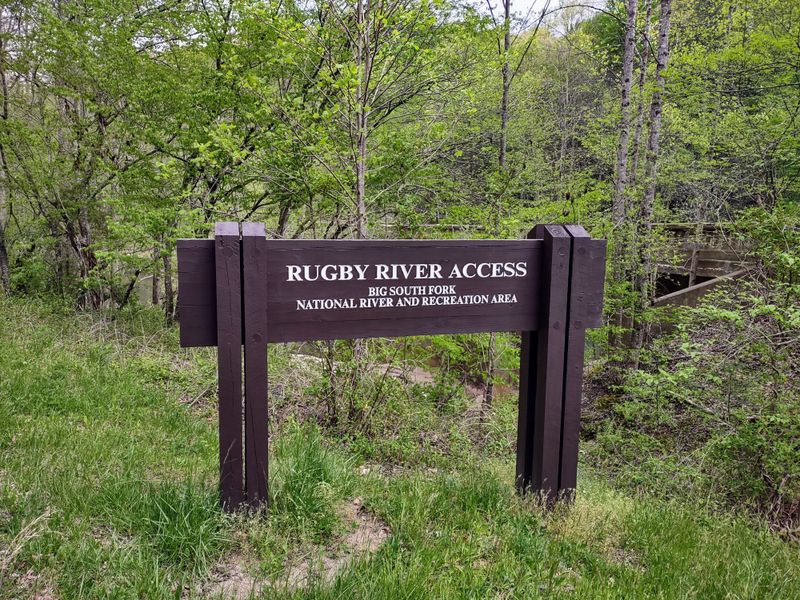
Visiting Rugby isn’t about rushing from one attraction to the next. It’s about slowing down and soaking in the atmosphere. Guided tours run regularly and take you through the historic buildings, sharing stories about the settlers and what life was like in the colony’s early days.
Between tours, you can wander the quiet streets and trails at your own pace. There’s no pressure, no crowds pushing you along—just you, the buildings, and the surrounding forest.
Rugby also hosts seasonal events like craft fairs, historical reenactments, and holiday celebrations that bring the village to life in different ways. But even on an ordinary weekday, there’s something special about simply being there. The slower pace invites you to breathe deeper, think more clearly, and appreciate the simple beauty of a place that refuses to rush.
The Natural Beauty Surrounding the Village
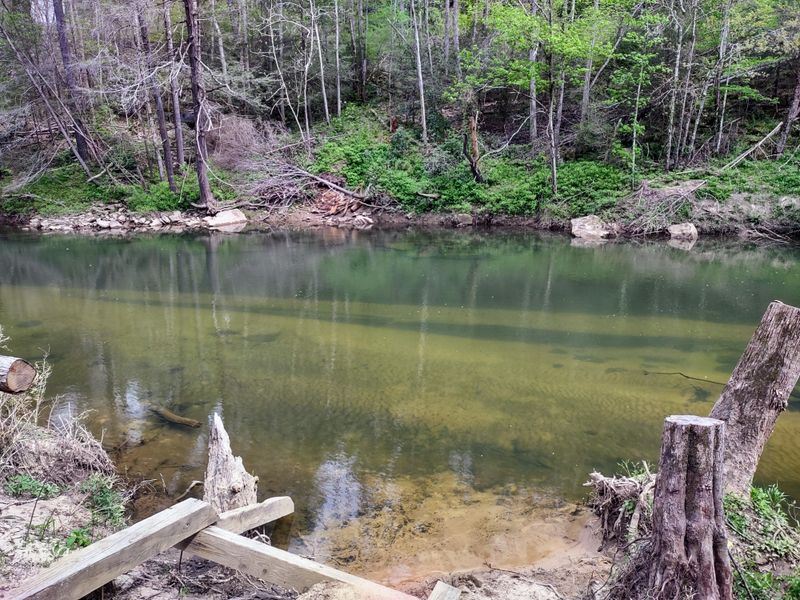
Rugby’s location in the Cumberland Plateau means it’s surrounded by some of Tennessee’s most beautiful natural areas. The Big South Fork National Recreation Area is just minutes away, offering miles of trails, river gorges, and stunning overlooks. Hikers of all skill levels can find something that suits them, from easy walks to challenging backcountry routes.
Nearby waterfalls like Gentleman’s Swimming Hole provide perfect spots for cooling off on warm days. The Clear Fork River runs through the area, offering opportunities for kayaking, fishing, or just sitting by the water and listening to it flow.
The forests around Rugby are thick and green, especially in spring and summer, and the fall foliage is absolutely breathtaking. Wildlife is abundant—deer, wild turkeys, and countless bird species make their home here. This natural setting adds another layer to Rugby’s peaceful atmosphere, making it feel even more removed from the modern world.
Why Rugby Feels Different From Anywhere Else in Tennessee
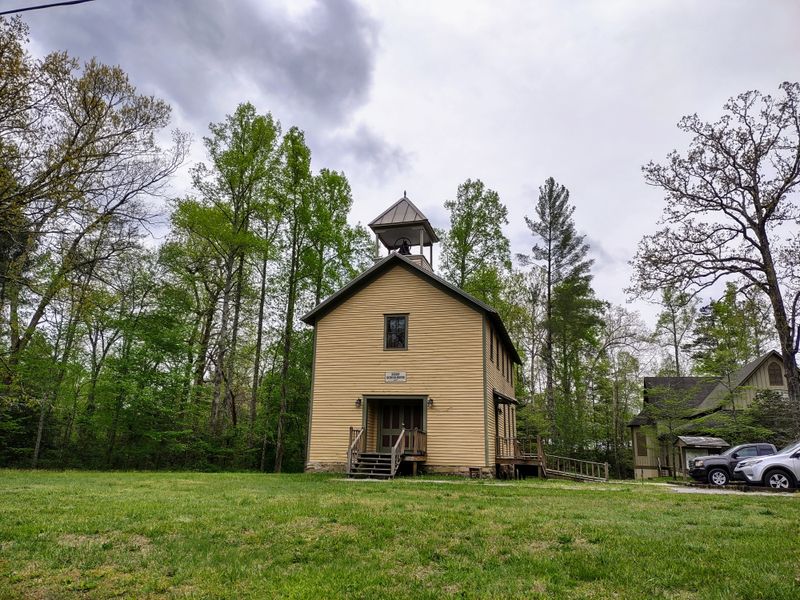
Tennessee is full of charming small towns, but Rugby stands apart. Its English heritage gives it an identity unlike any other place in the state. The architecture, the history, even the names on the buildings feel distinctly British, creating a cultural blend you won’t find anywhere else in Appalachia.
Most Tennessee towns grew organically over time, shaped by agriculture, industry, or geography. Rugby was intentionally designed as a social experiment, and that purposeful beginning left a mark. The layout, the choice of buildings, even the library’s collection—all reflect a specific vision of what a better society could look like.
The fact that Rugby survived at all makes it even more unusual. Most utopian colonies failed completely and disappeared. Rugby’s persistence, even in diminished form, gives it a haunting, almost melancholy beauty.
Is Rugby Worth the Trip?
If you’re looking for theme parks or shopping, Rugby probably isn’t for you. But if you love history, quiet beauty, or places that feel genuinely different, it’s absolutely worth the drive. History buffs will appreciate the authentic preservation and the fascinating story behind the colony’s founding and survival.
Photographers find endless inspiration here—the old buildings, the natural surroundings, and the way light filters through the trees create stunning compositions. Couples seeking a peaceful weekend getaway often find Rugby’s slow pace and romantic atmosphere exactly what they need to reconnect and unwind.
Anyone craving an escape from the noise and rush of modern life will feel instantly at home here. Rugby doesn’t demand anything from you except your presence and attention. It invites you to step back in time, breathe deeply, and remember what it feels like to truly slow down and just be somewhere beautiful and still.