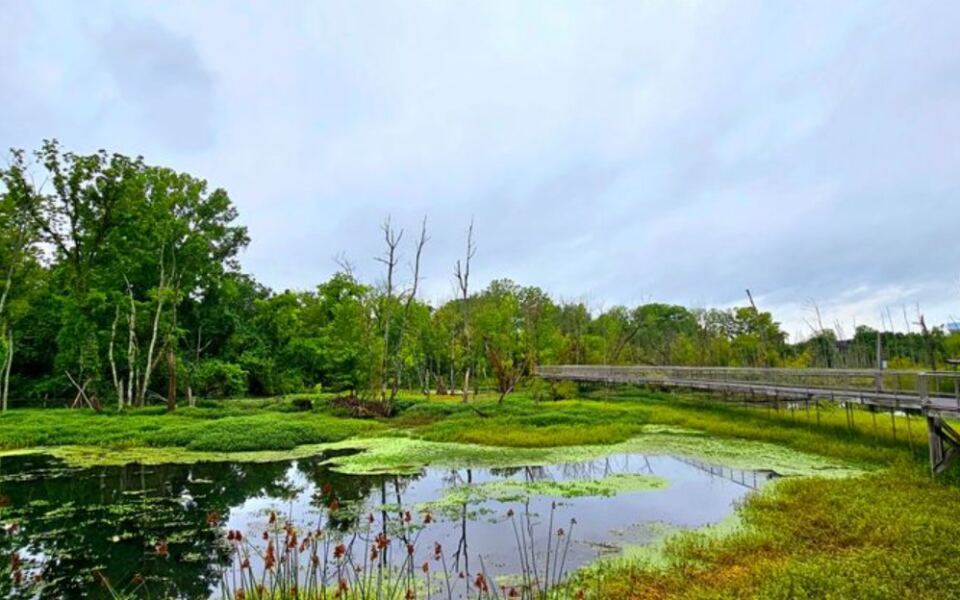
Otters and beavers live in a swamp just a short walk from a busy downtown. That alone made me stop and read twice. A real spring feeds this wetland, and a boardwalk lets you stroll right over the water.
I like how the wildlife list sounds made up at first. Herons, turtles, frogs, and waterfowl all share the same patch of marsh. Some of the turtles are surprisingly large, too.
Much of the route follows flat, paved paths and boardwalks, making it suitable for many visitors, though accessibility may vary by section.
This Tennessee spot also sits beside a hands-on science museum for kids. So one trip can mix fresh air with a little learning. I can’t imagine a cheaper way to give restless kids a win.
The best part? You never really leave the city.
A Real Spring Bubbles Up Right Behind The Traffic
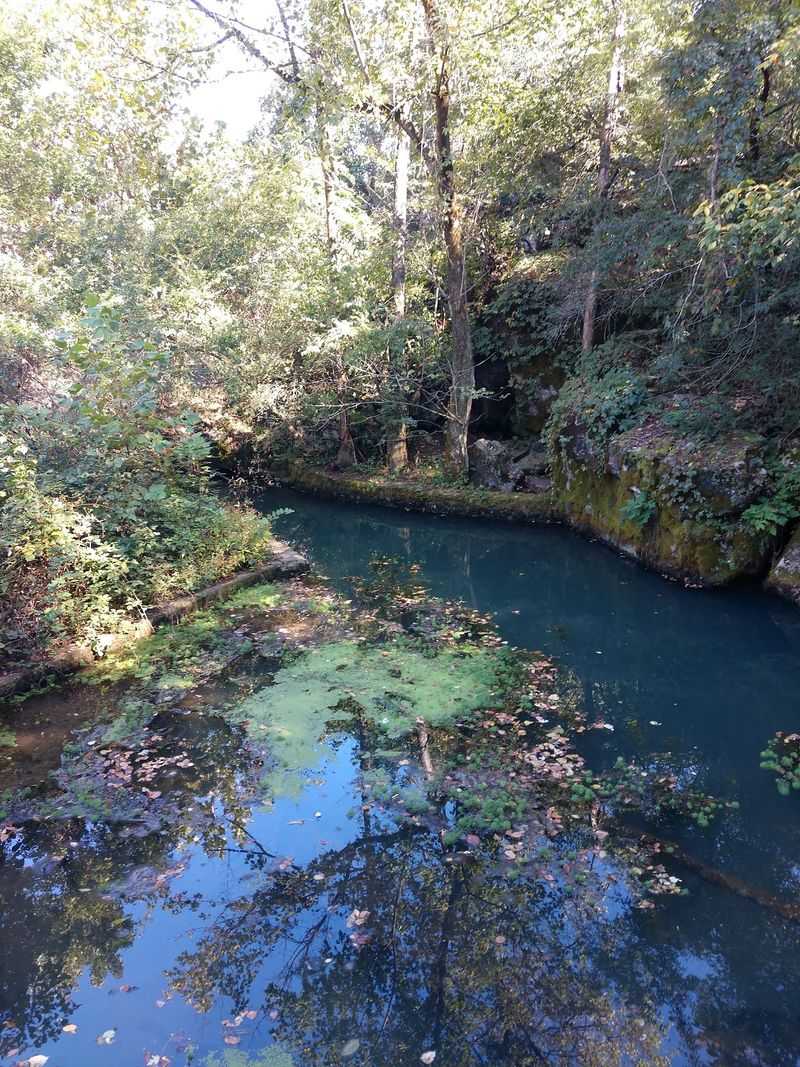
Murfree Spring Wetlands is the kind of place that makes you double-check your map. One minute you’re on a city street, and the next you’re looking at open marsh water. The whole thing sits right in Murfreesboro, Tennessee, not out in some far-off county.
The star of the show is the spring itself. It feeds the wetland and gives the park its name, which feels fitting for a town with Murfree in its history.
Spring-fed wetlands work like natural sponges. They hold water, slow it down, and give plants and animals a steady home. That quiet job matters a lot in a growing city.
What makes the setting fun is the contrast. You get cattails, open water, and birds on one side. Meanwhile, the everyday hum of town keeps going nearby.
That mix is exactly why the place feels so surprising. You don’t have to plan a long road trip to see a working wetland up close. You just need a free hour and some curiosity.
Plan your walk with the water in mind. Stop often and watch the surface instead of rushing the loop. Ripples, bubbles, and little wakes usually mean something is moving below.
Bring a small notebook if your kids like keeping score. They can jot down every critter or plant they notice along the way. It turns a simple stroll into a mini nature mission.
And honestly, that’s the magic here. Big nature energy, tiny commute.
Keep Your Eyes Peeled For Otters Showing Off
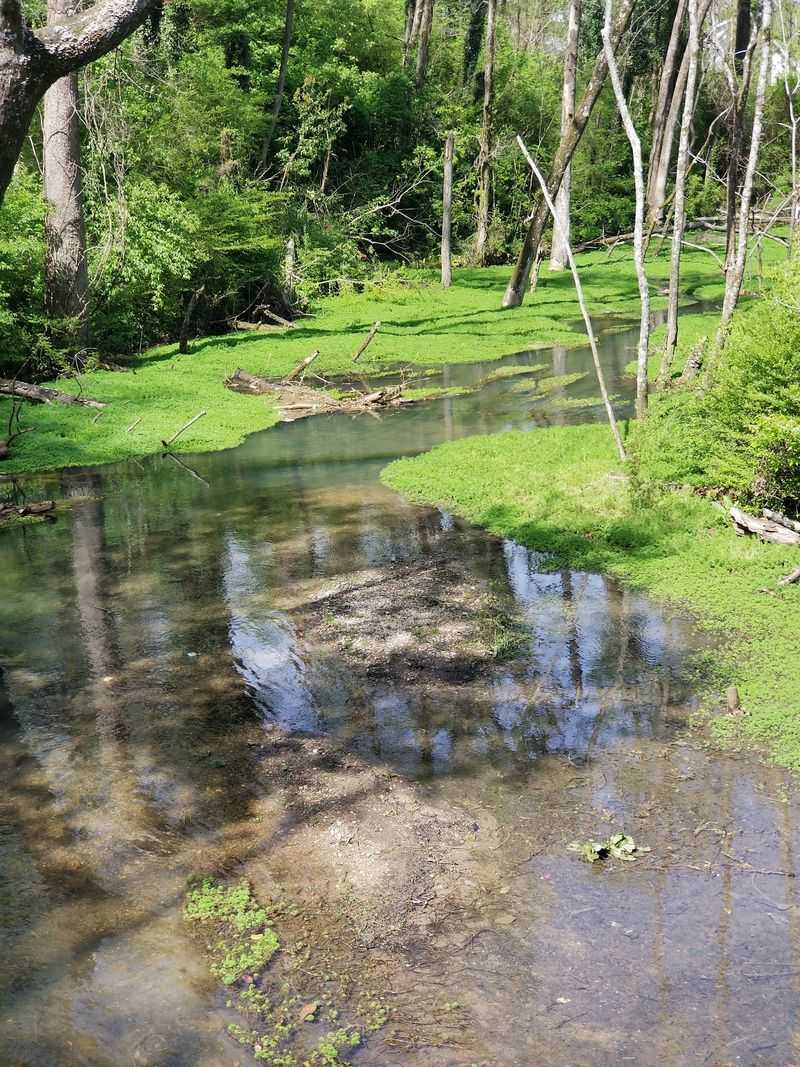
Otters in the middle of town sound like a rumor. Yet river otters are one of the most talked-about animals at this wetland. Spotting one can make the whole day.
These swimmers are fast, sleek, and a little silly. They tend to pop up, look around, and vanish again before you grab your phone.
Beavers share the same waters too. Unlike otters, they usually move slow and steady. If you see a branch gliding across the water by itself, look closer.
Patience is your best tool here. Pick a spot along the path and stay still for a few minutes. Wildlife often returns once things go quiet.
Timing helps as well. Early hours are a smart pick, since many animals are more active in cooler parts of the day. The wetland is generally accessible during daylight hours, making early visits a good option for wildlife watching.
Keep voices low, especially with kids along. A whisper game can help, where everyone tries to be the quietest explorer. It’s sneaky, but it works.
Never toss food into the water, even if an animal looks hungry. Human snacks aren’t good for wild bellies. Plus, wildlife that stays wild is way more fun to watch.
A pair of small binoculars makes a big difference. You’ll catch whiskers, paws, and tail slaps you’d miss otherwise. Those little details turn a quick glance into a real memory.
Spot an otter, and you’ll probably start planning a return visit.
Herons, Turtles, And Frogs All Want Your Attention
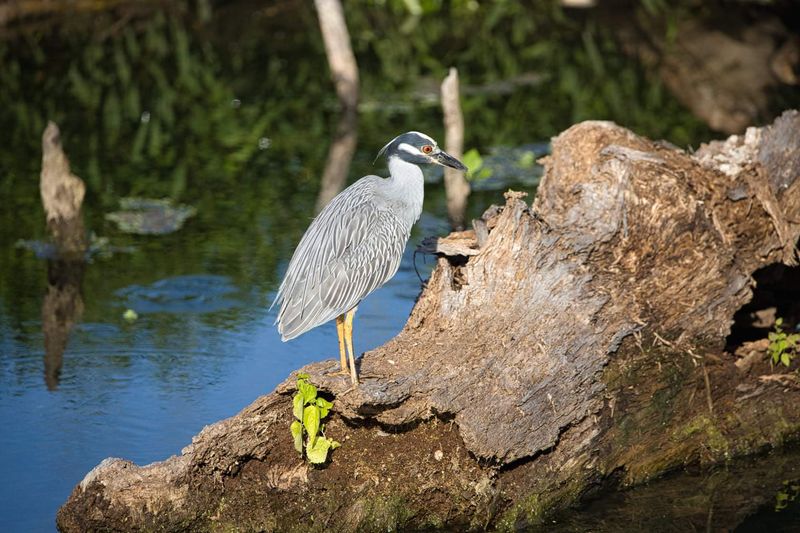
Stand still long enough, and the wetland starts introducing its cast. A heron might be fishing in the shallows. A row of turtles might be sunbathing on a log like tiny tourists.
Birds are a big draw at Murfree Spring Wetlands. Herons, ducks, geese, and other waterfowl show up, and the lineup can shift with the seasons.
That changing roster makes repeat trips worthwhile. Spring and fall can bring different birds than summer does. Each visit can feel a little new.
Turtles deserve special credit, too. Plenty of small ones bask in the sun. Larger snapping turtles also live in these waters, so keep a respectful distance.
Frogs are easier to hear than see. Listen near the edges, especially in warmer months. Their calls can sound like rubber bands, banjo plucks, or squeaky doors.
Raccoons and fish round out the crowd. You might catch a fish flicking near the surface. A raccoon might be busy along the banks.
A field guide app can help you name what you see. Snap a photo, then look it up later at home. Kids love proving they spotted something rare.
Try a simple challenge before you leave. See who can find one bird, one reptile, and one amphibian. It keeps everyone looking instead of wandering.
No two walks look exactly alike here. That’s part of the fun. The animals set the schedule, and you just get to watch the show.
The Boardwalk Puts You Right Over The Water
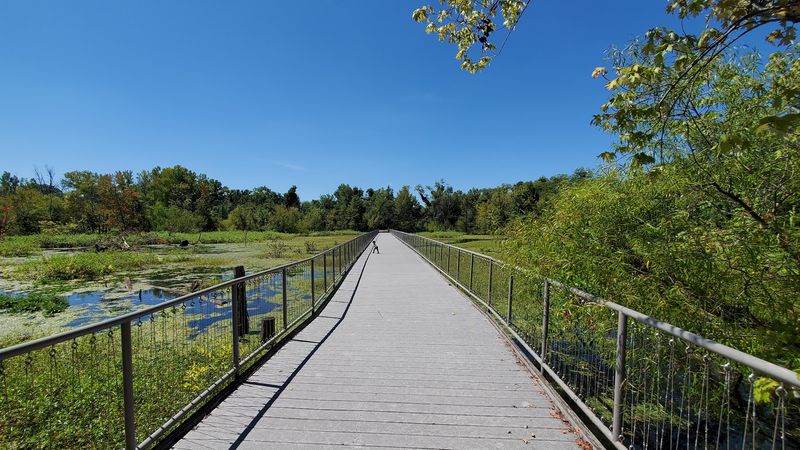
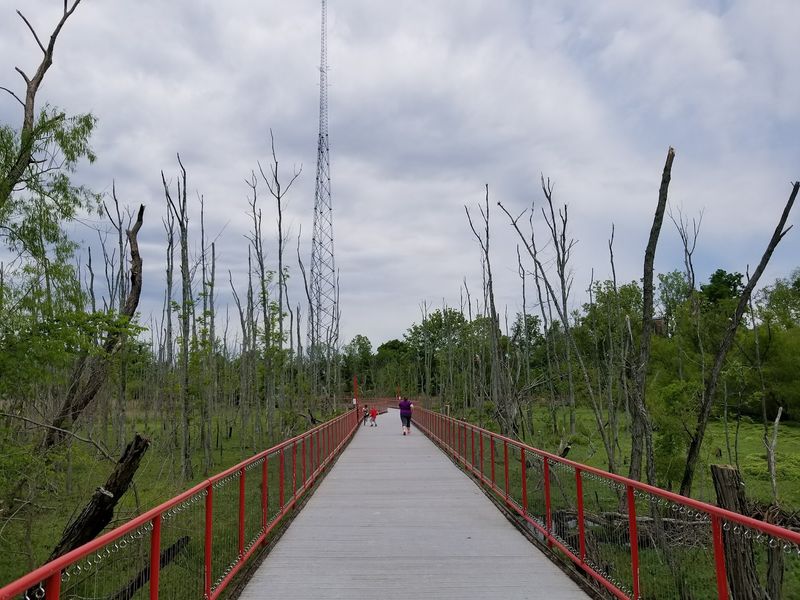
Walking above a swamp without soggy shoes? That’s the deal here. A boardwalk carries you out over the wetland so you can look down into the water.
It changes how you see everything. Instead of peeking from the edge, you’re right in the middle of the habitat.
The paths stay mostly flat and easy to follow. That makes the loop friendly for strollers, little legs, and anyone who wants a relaxed walk.
Paved paths and raised boardwalks make much of the wetland accessible, but visitors should check current conditions and any closures before arriving. The trail isn’t long, which is good news for short attention spans. You can finish a lap fairly quickly if you keep moving.
Slow down, though, and you’ll see far more.
Informative signs line the route. They explain the plants, animals, and how wetlands work. Reading a few aloud makes the walk feel like a mini field trip.
Sturdy shoes are still a smart choice. Some path surfaces can be uneven in spots. Watching your step keeps the outing fun.
Take breaks at the open viewpoints. These are great places to scan the water and wait for movement. A two-minute pause can turn up a turtle or a heron.
Science Fun Waits Right Next Door
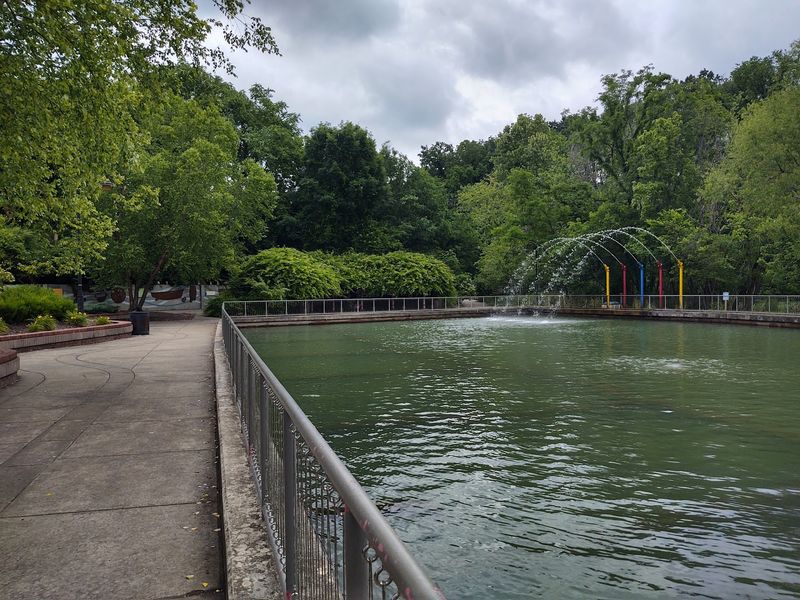
Kids who think nature walks are boring may change their tune fast. The wetland sits beside the Discovery Center at Murfree Spring, a hands-on museum built for curious young minds.
The center focuses on science, technology, engineering, art, and math. That means kids can touch, build, and explore instead of just looking at displays.
Pairing the two makes for an easy day plan. Spend time indoors learning how things work. Then head outside and see real wetland life in action.
The connection feels natural. Lessons about water, animals, and habitats suddenly have a living example right outside the door.
The museum has its own hours and admission, separate from the outdoor trail. Check its schedule before you go, since hours can differ by day. The wetland trail itself is free to walk.
Families with little ones should budget extra time. The indoor exhibits can be hard to leave. A heads-up about when it’s time to go can save a few tears.
This combo works well on hot or rainy days. If weather turns, you’ve got an indoor backup right there. That flexibility is a big plus with kids.
Staff at the front desk can help point you in the right direction. They’re a handy resource if you have questions about the grounds.
In a lot of towns, nature and museums live miles apart. Here in Tennessee, they practically share a porch.
Early Birds Get The Quietest Views
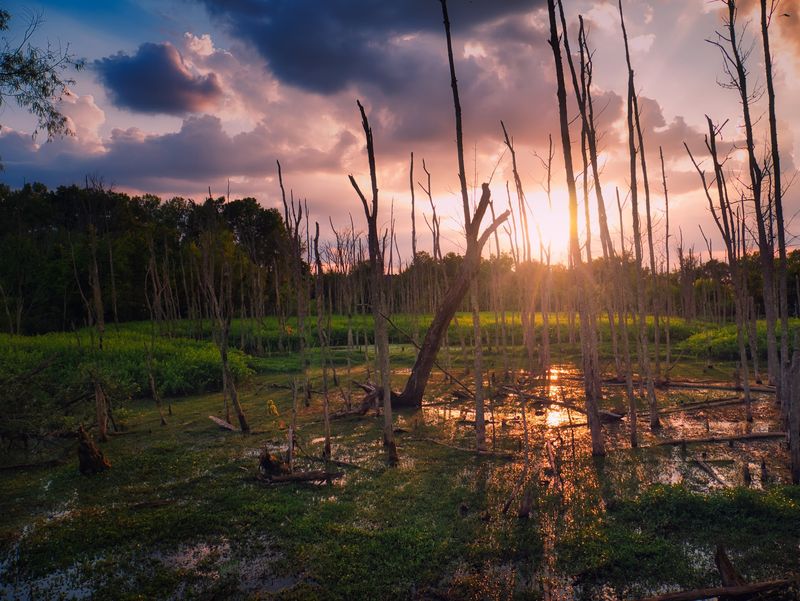
Six in the morning is a big ask for most people. At this wetland, though, it might be the best seat in the house.
Morning light makes the water glow. Mist can hang low over the marsh on cool days, giving the place a dreamy feel.
Animals are often busier in the early hours. Birds start feeding, and swimmers like beavers and otters may be on the move. Your odds of a good sighting tend to go up.
The air is cooler, too. That matters because much of the trail has little shade. On summer afternoons, the open sun can feel intense.
Check the current access hours before visiting, especially if you plan to arrive late in the day.
Pack water no matter when you go. A hat and sunscreen help on bright days. Bug spray is smart in warmer months near standing water.
Coffee in a travel mug isn’t a bad idea either. Sipping something warm while a heron hunts nearby feels pretty great.
Weekday mornings may offer extra calm. Fewer distractions mean more chances to hear frogs and birds. It’s a nice way to start a busy day.
Set the alarm once, and you might be hooked. Few places offer this much peace before most people finish breakfast.
Parking Is Easy And The Address Is Simple

Getting here is refreshingly painless. Murfree Spring Wetlands sits at 460 SE Broad St, Murfreesboro, TN 37130. That puts it close to the heart of town.
Plug the address into your map app, and you’re set. No winding mountain roads or gravel detours required.
Parking is available on site. If the main lot fills up, extra parking is nearby. Signs help guide you toward the overflow area.
Since the trail is short, the visit fits into almost any schedule. Stop by on a lunch break or before errands. Even a quick loop can reset your mood.
The location also makes it easy to combine with other plans. Downtown Murfreesboro is close, with shops and places to eat. You can turn a nature walk into a full outing.
Travelers passing through Tennessee should take note, too. It’s a nice leg-stretch stop that beats another gas station snack aisle.
Remember the hours before you head out. The grounds run from 6 a.m. to 5 p.m. daily. Arriving late in the afternoon means less time to wander.
Bring a reusable bag for any trash you carry in. Keeping the wetland clean helps the animals that live here. Picking up an extra piece of litter is a kind bonus.
Easy access is a big reason this spot feels so special. Wild scenery rarely comes with this little hassle.
Your Wallet Gets A Day Off Too
Free fun is getting harder to find. Thankfully, walking the trails at Murfree Spring Wetlands costs nothing. That makes it an easy yes for families, students, and anyone on a budget.
The city of Murfreesboro manages the space as a public park. It’s a smart example of a town saving room for nature as it grows.
Because there’s no ticket, you can visit as often as you like. Weekly walks become a fun way to track seasonal changes. You might notice new birds, blooming plants, or baby animals.
That repeat factor is great for kids. They start recognizing favorite spots and familiar critters. Some families even give nicknames to the regulars they spot.
Short visits work just fine, too. There’s no pressure to make the most of an expensive entry fee. Stay ten minutes or an hour.
Bring a snack for after the walk, but enjoy it away from the water. Wildlife should stick to its natural menu.
Gamers will find a bonus here, as well. Some folks use the loop for location-based phone games. You get steps, fresh air, and progress all at once.
Teachers and homeschool groups can use the trail as a living classroom. Signs along the route offer ready-made talking points about ecosystems.
Simple, free, and close by. Sometimes the best outings really are the ones that don’t ask much of you.
Come Back Often, Because The Marsh Never Repeats Itself
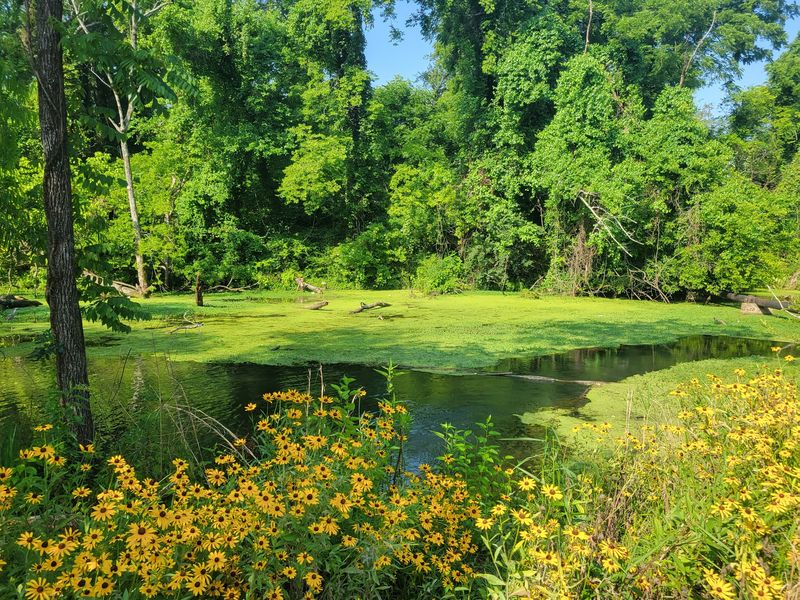
Seasons run this place like a stage manager. Spring brings fresh green growth and nesting birds. Fall swaps in warm colors and new feathered visitors.
That constant change keeps Murfree Spring Wetlands interesting long after your first trip. The same loop can feel completely different from month to month.
Spring is a great time for baby animal watching. Geese often nest around wetlands, so keep a respectful distance. Protective parents are not shy about their opinions.
Summer is lush and lively. Frogs get chatty, and plants fill in thick and tall. Just remember the sun, since shade is limited along much of the path.
Fall brings cooler air and a fresh mix of birds. It’s a lovely season for slow walks and photos. Colors reflect beautifully on the water.
Winter can surprise you too. With fewer leaves, it’s sometimes easier to spot animals along the banks. Bundle up and keep your eyes moving.
A simple photo journal makes return trips more fun. Snap the same view each season and compare them later. Kids love seeing the transformation.
Treat the place kindly so it stays healthy. Stick to the paths, leave plants alone, and pack out trash. Small habits help this Tennessee wetland thrive.
Plenty of places look the same every time you visit. This marsh keeps rewriting its own story. Honestly, it would be rude not to check the next chapter.
Share this story