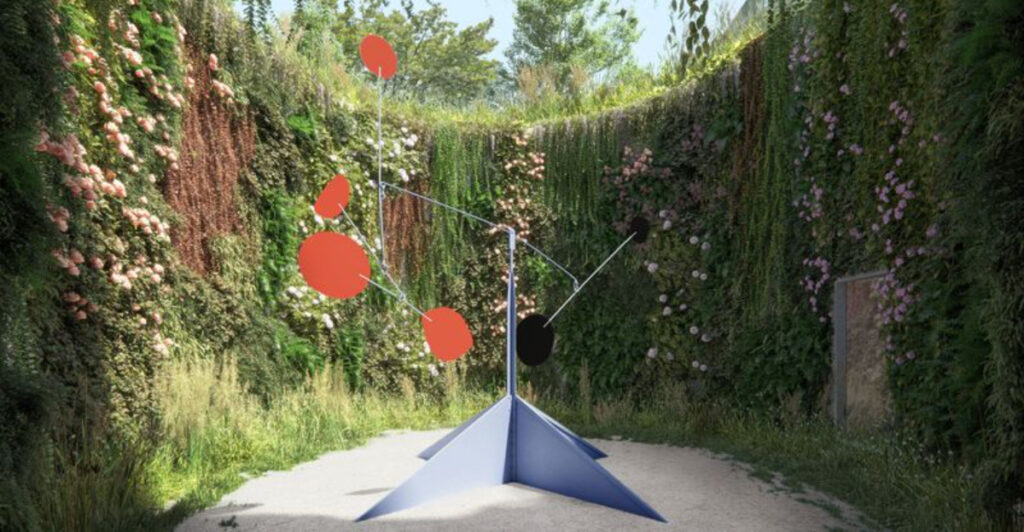
If you think you already know what a sculpture garden feels like, Calder Gardens in Philadelphia may surprise you. This space turns a visit into something slower, quieter, and more personal, where art, architecture, and landscape seem to breathe together. Tucked along Benjamin Franklin Parkway, it invites you to notice movement, light, shadow, and stillness in ways that feel unusually intimate.
Rather than rushing visitors from one piece to the next, the setting encourages reflection and a deeper appreciation of the relationship between the artwork and its surroundings. Every path, view, and open space feels intentionally designed to enhance the experience. Here is what makes Calder Gardens such a distinctive place to experience Alexander Calder’s work.
1. A Sculpture Garden That Feels Different From a Typical Museum
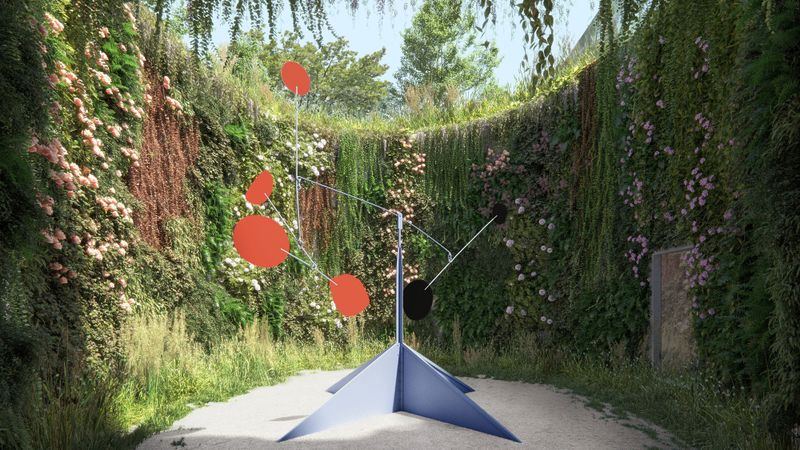
What struck me first about Calder Gardens is how firmly it resists feeling like a standard museum.
You are not pushed from label to label or rushed through a greatest hits experience.
Instead, the whole place seems built around slowing you down and letting each sculpture meet you on its own terms.
That approach will not work for everyone, and some visitors clearly want more text, more objects, or more conventional structure.
Still, if you arrive ready to observe rather than consume, the experience becomes much richer.
I found that the quieter rhythm actually sharpened my attention in a way many larger institutions do not.
Even the scale supports that mood.
Calder Gardens is not huge, but its compactness can feel intentional rather than limiting.
You leave with the sense that every corner, pause, and sightline was designed to make art and contemplation feel inseparable.
2. How the Architecture Frames Calder’s Work
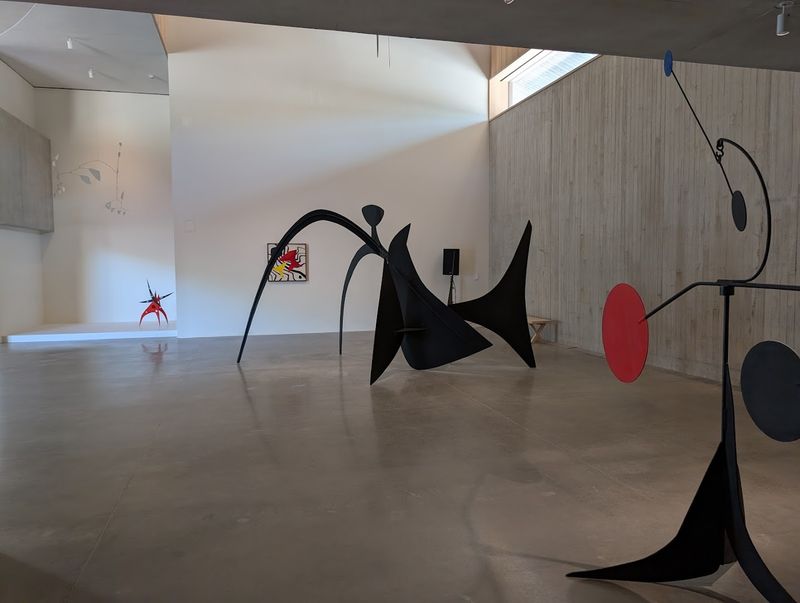
The architecture at Calder Gardens does much more than hold artwork.
It actively shapes how you encounter Calder’s mobiles, paintings, and sculptures, creating moments where the building seems to guide your eyes toward balance, tension, and motion.
Several visitors mention turning corners and finding rooms that reveal themselves like small treasures, and that feeling is real.
I like that the spaces do not overwhelm the art with spectacle, even though the building itself is striking.
Light filters in carefully, alcoves encourage intimacy, and open views let larger works breathe.
From some vantage points, you can study not only a sculpture but also the negative space around it, which feels deeply in tune with Calder’s visual language.
There are critiques too, especially about certain stair areas feeling dark or awkward.
Even so, the overall architectural concept is compelling.
It turns the act of moving through the building into part of the artistic experience itself.
3. The Quiet Power of Calder’s Mobiles
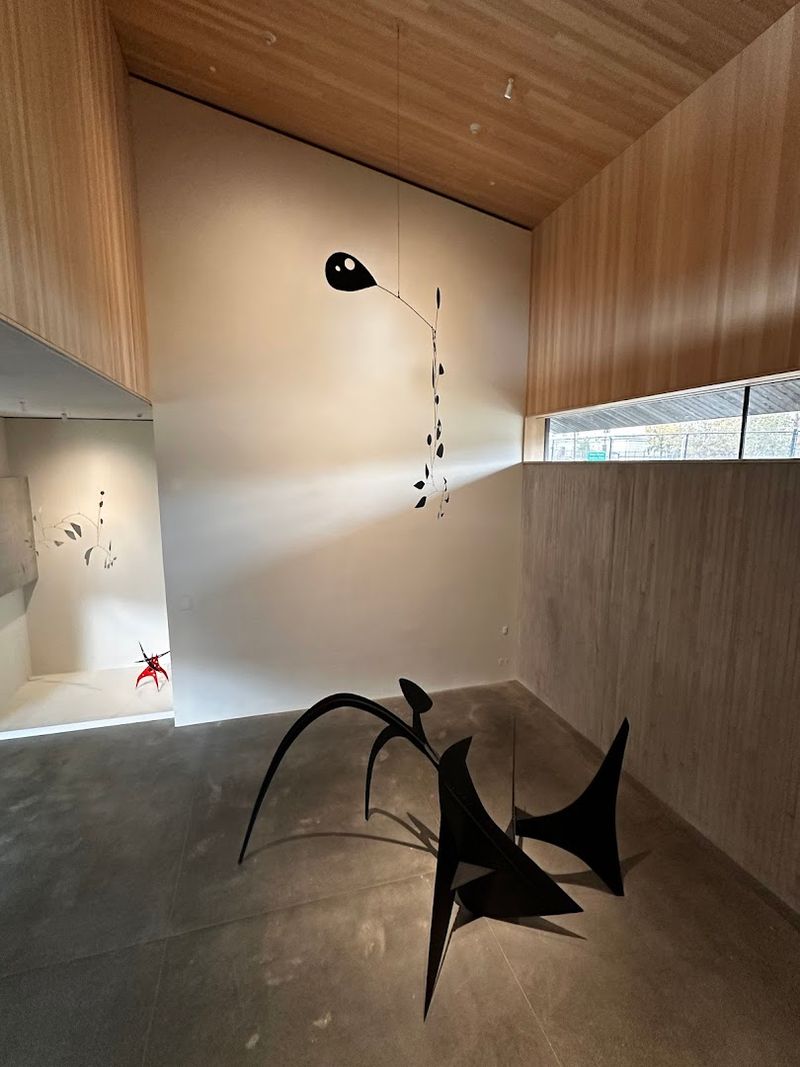
Few artists understood movement the way Alexander Calder did, and Calder Gardens gives you space to actually feel that.
Rather than glancing at a mobile and moving on, you are encouraged to sit with it long enough to notice tiny shifts in air, light, and balance.
That patience changes everything.
Some visitors have noted that the mobiles barely moved during their visit, which is fair.
But even that near stillness can become part of the experience, because you start noticing suspense instead of spectacle.
I found myself watching for the smallest tremor, and when it came, the whole piece suddenly felt alive.
That kind of engagement is rare in busier museums where crowds and noise compete for your attention.
Here, the mobiles have room to hold silence.
You do too, which may be the most valuable thing Calder Gardens offers anyone willing to linger a little longer.
4. Why the Outdoor Garden Matters
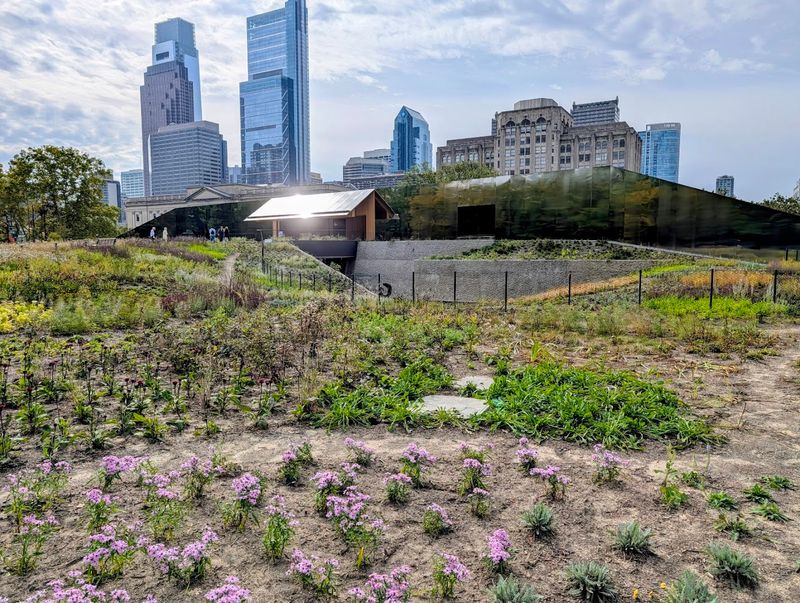
The outdoor portion of Calder Gardens is easy to underestimate, especially if you expect a sprawling sculpture park.
Reviews suggest the planting is still maturing, and some visitors arrived when dry conditions made the garden look less lush than hoped.
Even so, the landscape already hints at a thoughtful long-term vision.
Native plants, seating areas, and open breathing room make the exterior feel less like decoration and more like an extension of Calder’s sensitivity to shape and environment.
I appreciate that the garden does not try to compete with the art inside.
Instead, it offers a quieter transition between city energy and reflective looking.
In spring or after the landscape fills in further, I imagine this space becoming even more persuasive.
Right now, it still contributes meaningfully to the visit.
It reminds you that Calder’s work was never only about objects, but also about air, motion, and the spaces surrounding them.
5. A Small Space Best Experienced Slowly
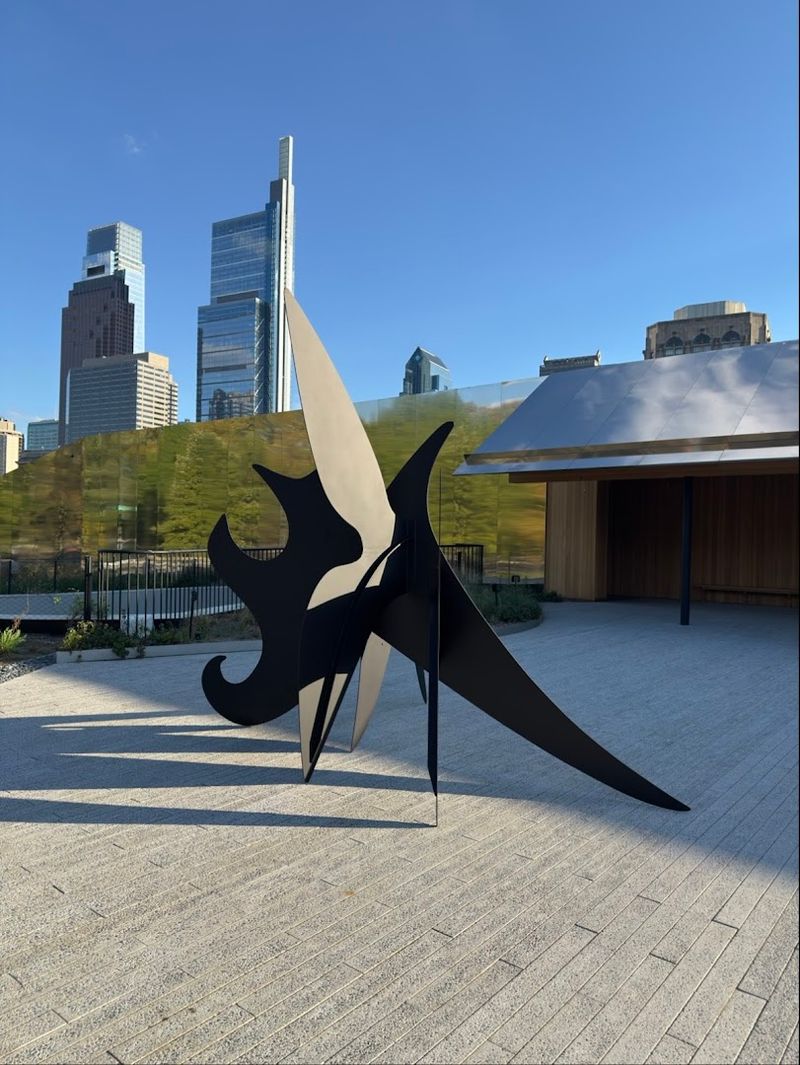
One of the most common comments about Calder Gardens is that it is small, and that is true.
If you rush through expecting a half-day museum marathon, you may be done in under an hour and feel underwhelmed.
The better strategy is to treat the place as an exercise in slow looking rather than volume.
I think that mindset shift is essential here.
Sit with one mobile for fifteen minutes, revisit a sculpture from another angle, or watch how light changes a room.
Suddenly the scale feels less like a limitation and more like an invitation to pay closer attention than you normally would.
That does not mean every visitor will find the price or scope satisfying, and some reviews push back on both points.
Still, the people who seem to love Calder Gardens most are the ones who surrender to its pace.
If you can do that, the visit becomes far more memorable than its size suggests.
6. What You Will Actually See Inside
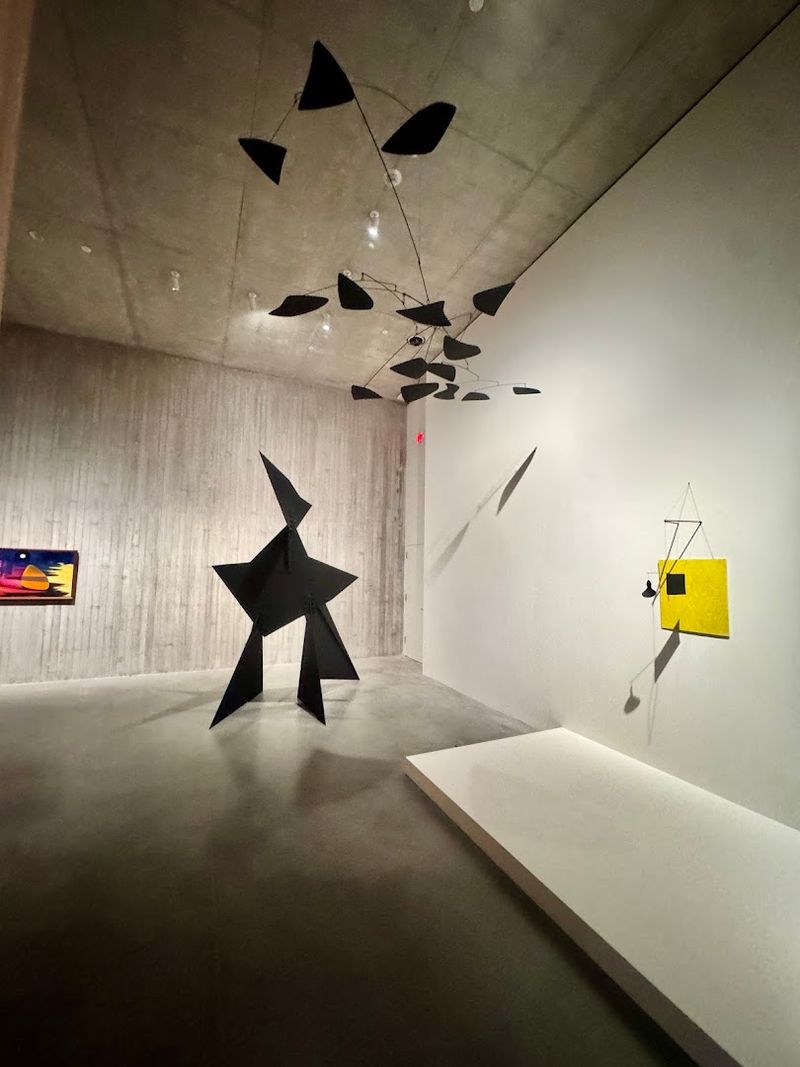
Calder Gardens focuses tightly on the work of Alexander Calder, so this is not a broad survey museum with endless variety.
Inside, you can expect a curated mix of sculptures, mobiles, and some paintings, all presented with strong attention to mood and spacing.
The collection is selective, which some visitors find elegant and others find too sparse.
I would go in expecting quality of presentation over quantity of objects.
The displays are designed to create relationships between artwork, architecture, and movement through space, not to overwhelm you with dozens of pieces.
That approach can be deeply rewarding if you are interested in how installation changes your response to familiar art.
It also helps to know that works may rotate over time, which gives the institution flexibility and makes repeat visits more appealing.
So while the footprint is modest, the experience is not necessarily static.
What you see here is carefully chosen rather than simply accumulated.
7. The Minimal Labels and Contemplative Approach
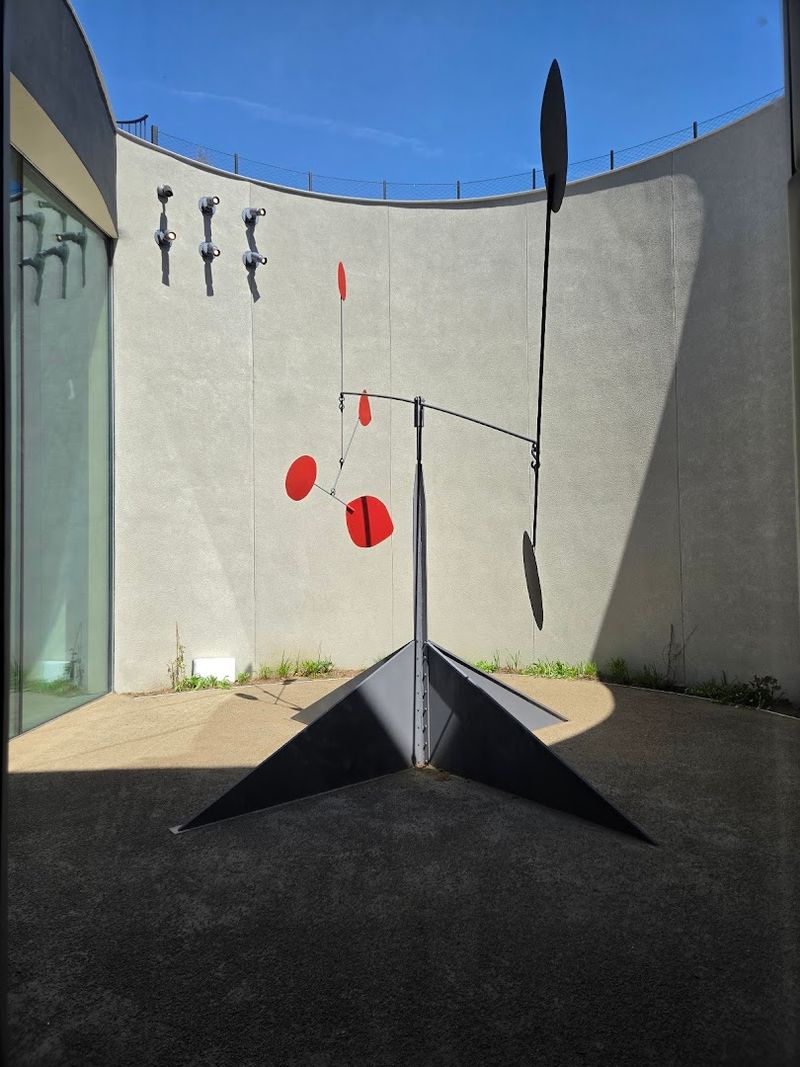
One of the most debated aspects of Calder Gardens is its limited interpretive text.
If you love reading wall labels, dates, commission histories, and curatorial context while you look, you may find the approach frustrating.
Several visitors clearly wanted more information to deepen their understanding after the immediate visual experience.
At the same time, the absence of constant explanation is central to the institution’s identity.
You are being asked to encounter Calder’s work more directly, without too much mediation or instruction telling you what to feel.
I can see why that feels liberating for some people and incomplete for others.
My advice is to accept the contemplative format while also taking advantage of any introductory talks or helpful staff guidance available.
That way, you can preserve the quiet atmosphere without leaving completely unmoored.
It is not a perfect solution, but it often balances reflection with enough context to stay grounded.
8. Best Time to Visit and Practical Details
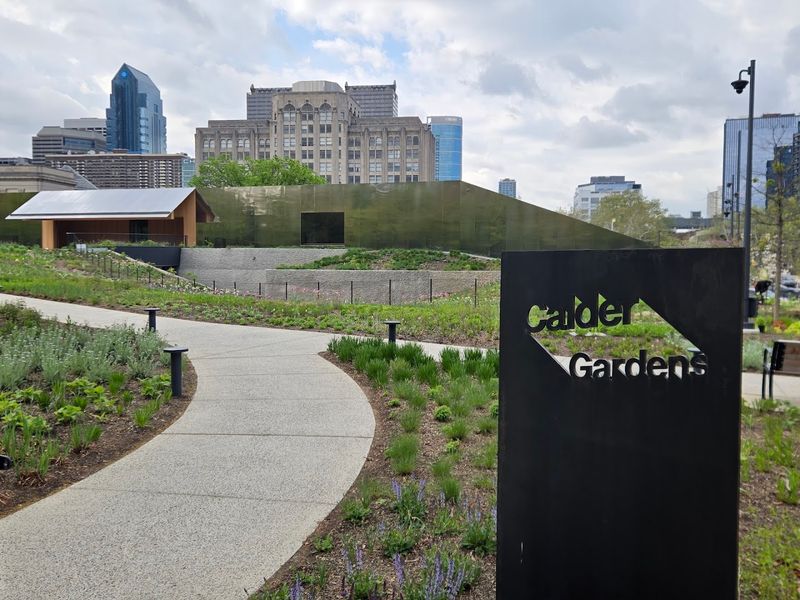
If you want the calmest possible experience, a quieter weekday visit seems ideal.
One reviewer loved a Friday morning when the space felt nearly empty, and that sounds like the best way to absorb the subtle movement and atmosphere.
Since Calder Gardens is generally open Thursday through Monday from 11 AM to 5 PM, planning ahead is smart.
The museum sits at 2100 Benjamin Franklin Parkway, which makes it easy to pair with other cultural stops in the area.
I would also check current tickets, tours, and any combination options on the official website before going.
Because the place is relatively compact, timing matters more than you might expect.
If crowds gather, the meditative quality can shift quickly, especially in smaller rooms.
Going early may help you claim a bench, settle in, and really look.
This is a place where your schedule can shape the mood of the entire visit.
9. The Emotional Atmosphere People Remember
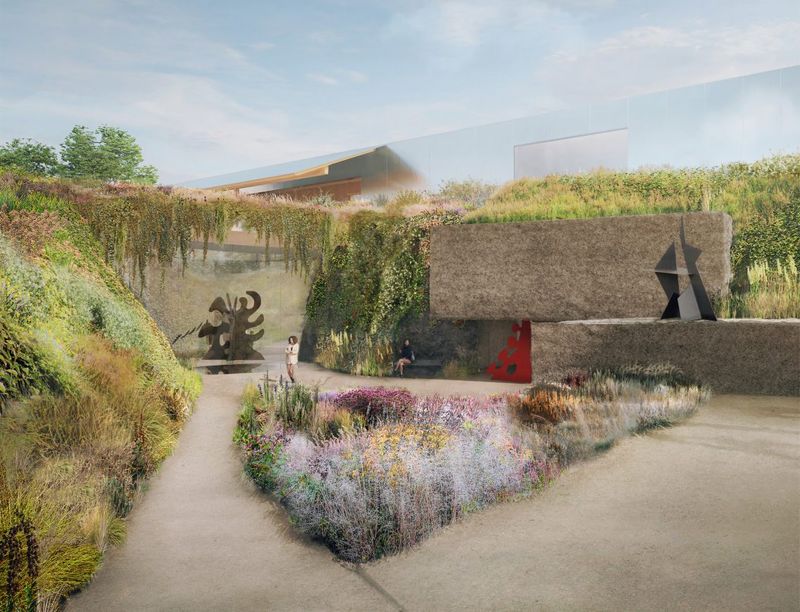
More than any single sculpture, what many people remember about Calder Gardens is the feeling it creates.
Words like reflective, calm, organic, and breathtaking appear again and again in visitor impressions.
That tells me the institution succeeds most when it operates as an atmosphere rather than a checklist of attractions.
I especially like the idea of treating it as a place to sit, think, or even watch how other people respond to the art.
One reviewer mentioned bringing a book, and that detail captures the mood beautifully.
This is not a high adrenaline cultural stop.
It is a place that asks for attention, stillness, and a little openness.
Of course, not everyone wants that from an art destination, and some leave wishing for more scale or explanation.
But if a museum can genuinely change your breathing pace and quiet your thoughts for a while, that feels significant.
Calder Gardens appears to offer exactly that kind of experience.
10. Why Calder Gardens Is Worth Seeing in Philadelphia
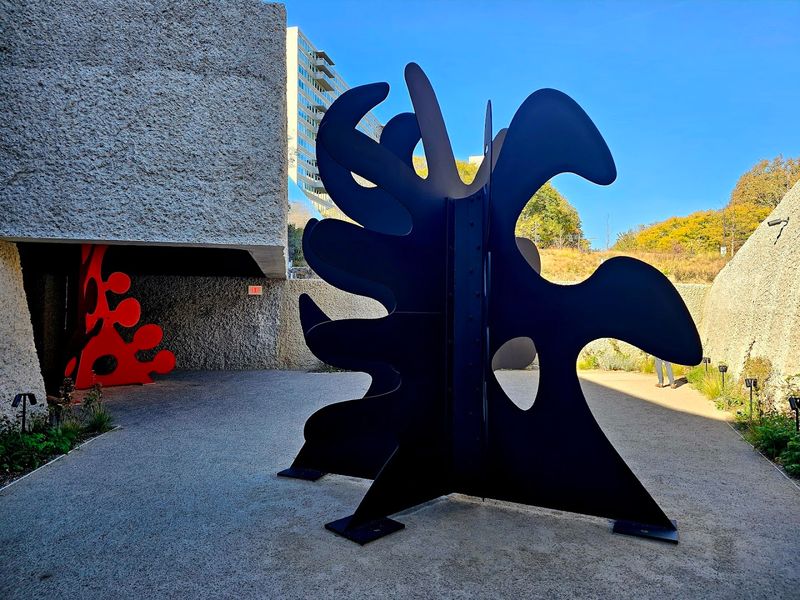
Calder Gardens is worth seeing because it offers something Philadelphia does not already have in quite this form.
It blends sculpture, architecture, landscape, and contemplation into a focused experience that feels personal rather than overwhelming.
Even when visitors disagree about pricing, scale, or interpretation, they still tend to acknowledge that the place itself is memorable.
I would recommend it most strongly to anyone who enjoys design, quiet art experiences, or Alexander Calder’s ability to make motion feel poetic.
It also works well if you are exploring the Parkway and want a cultural stop that contrasts with larger, denser institutions nearby.
You do not need an entire day.
You do need the willingness to slow down.
That may be the real secret of Calder Gardens.
It is not trying to impress you with excess.
It is trying to deepen the connection between looking, feeling, and being present, and in the right mood, that is a rare gift.
Share this story