The best small towns are the ones that make a quick stop turn into an unplanned afternoon. Along Interstate 94 in south-central Michigan, Marshall has that effect almost immediately, with historic homes, handsome architecture, walkable streets, and a sense of character that feels much bigger than its population of just under 7,000.
It is easy to drive past on the way to somewhere else, but visitors who slow down usually find more than they expected. A simple break can turn into a stroll, a meal, a few photos, and a mental note to come back with more time.
For anyone who loves Michigan towns with history, charm, and real staying power, Marshall quietly makes its case.
A Streetscape That Looks Frozen in the 1800s
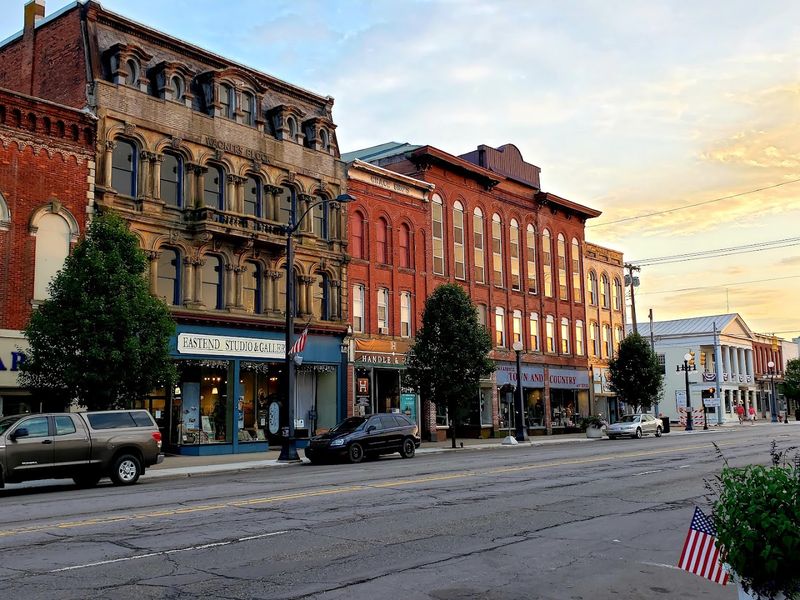
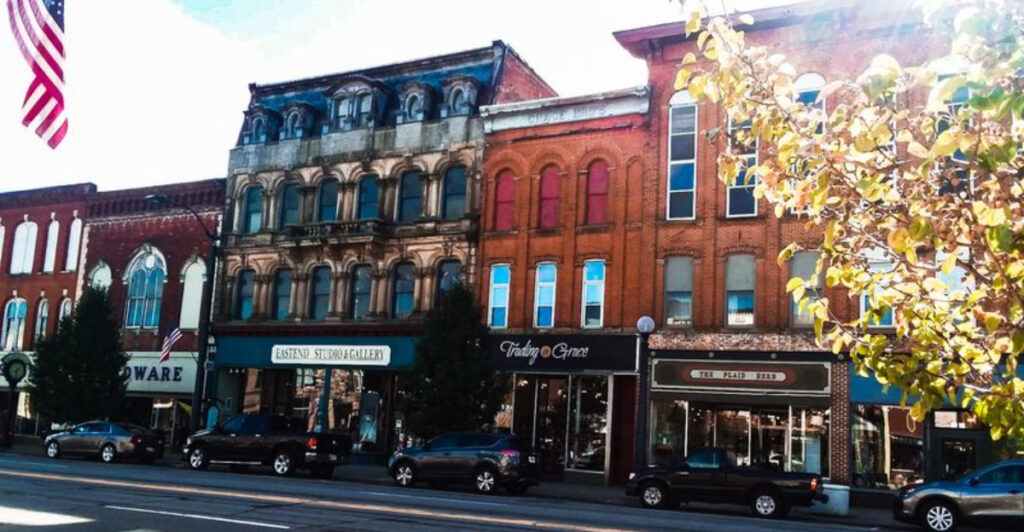
Walking down Michigan Avenue in Marshall feels like stepping into a living history textbook, except the coffee is hot and the storefronts are open. The city is home to one of the largest collections of 19th-century and early 20th-century architecture in the entire Midwest, and unlike many towns that let those buildings crumble or get replaced, Marshall took the opposite approach.
Preservation here is practically a civic religion.
The streetscape is remarkably intact. Italianate facades, Greek Revival details, and ornate cornices line block after block without interruption from modern glass towers or strip mall aesthetics.
The visual consistency is striking enough that the entire downtown has been recognized as a National Historic Landmark District, a designation that covers hundreds of individual structures.
What makes this more than a museum piece is that the buildings are actually in use. Local shops, restaurants, and businesses occupy the ground floors, so the architecture serves a living community rather than existing purely for tourism.
That combination of genuine use and careful upkeep creates a texture most historic towns struggle to maintain.
Stand at the corner of Michigan Avenue and Eagle Street and look in any direction. The scale is human-sized, the sidewalks are wide, and the details reward close attention.
Decorative brickwork, carved stone lintels, and original storefront windows give each building its own personality even while the overall block reads as a unified whole.
Photography enthusiasts tend to burn through memory cards here faster than expected. Morning light hits the east-facing facades with a warm golden tone that makes the brick glow.
Evening brings long shadows that accentuate every cornice and column. Either way, the streetscape delivers a visual payoff that feels genuinely earned rather than staged.
The Governor’s Mansion That Never Got Its Governor
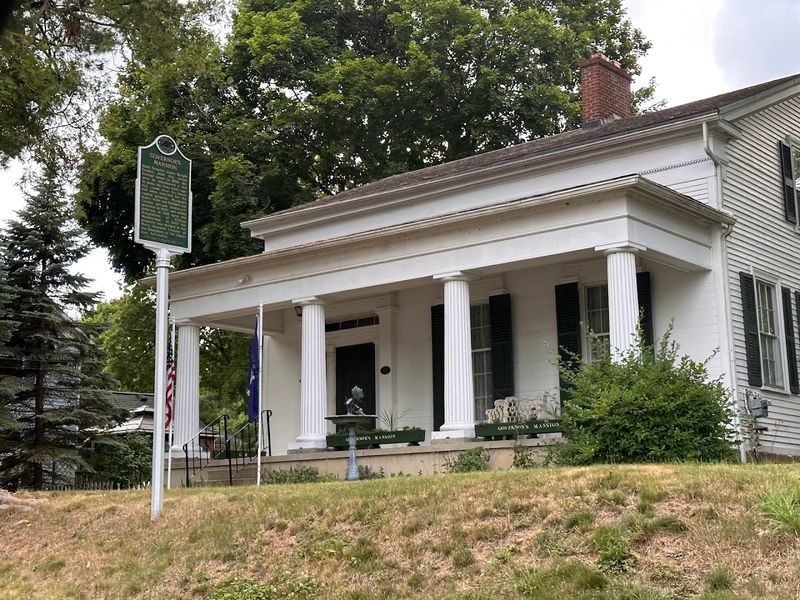
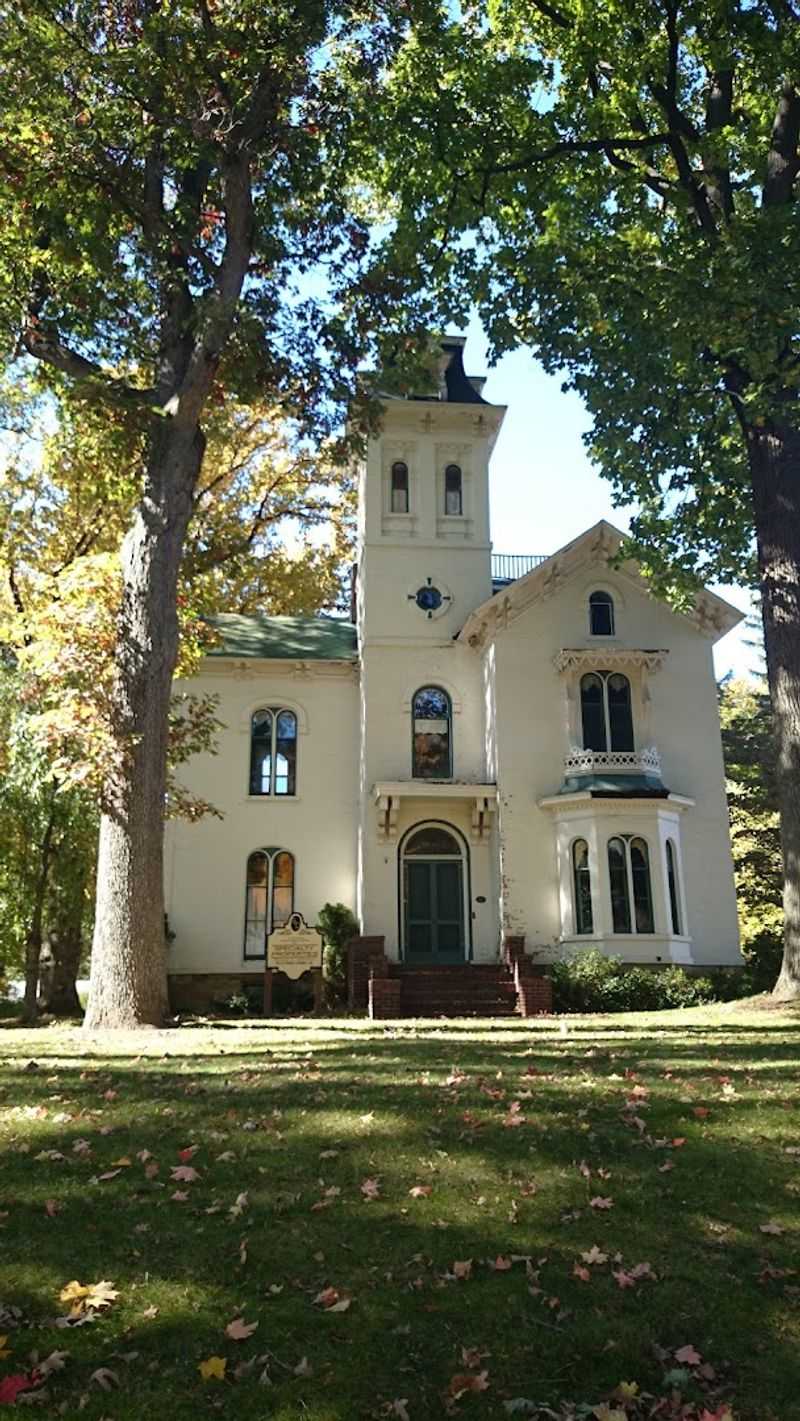
One of the most unusual buildings in all of Michigan sits quietly on Kalamazoo Avenue in Marshall, and most people driving past have no idea what they are looking at. Honolulu House was built in 1860 by Abner Pratt, a former U.S. consul to Hawaii who returned to Michigan completely enchanted by the tropical architecture he had seen in the islands.
He promptly built a replica of the Hawaiian consulate in his small Midwestern hometown.
The result is genuinely eccentric. Wide verandahs wrap around the exterior, painted a warm cream color that stands out immediately against the surrounding landscape.
Inside, tropical murals cover the walls, and the overall design feels more suited to a Pacific island than a Michigan winter. Pratt reportedly insisted on living as though he were still in Honolulu, which made him something of a local legend even during his lifetime.
The house was once slated to become the official governor’s residence for Michigan, which is how it picked up its secondary nickname. That plan never materialized, leaving the building in private hands until the Marshall Historical Society eventually took over its preservation.
Today it operates as a museum open during warmer months, allowing visitors to tour the interior and see the murals up close.
The architectural contrast alone is worth a visit. Standing on the verandah and looking out at a classic Midwestern neighborhood creates a pleasant cognitive dissonance that is hard to replicate anywhere else.
The house is not grand in the way that famous historic mansions often are, but its sheer specificity makes it fascinating.
Pratt built something deeply personal here, a physical expression of a place he loved transplanted into a place he was from. That collision of two very different worlds gives Honolulu House a character that no amount of careful restoration could manufacture.
Michigan’s Underground Railroad History Runs Deep Here
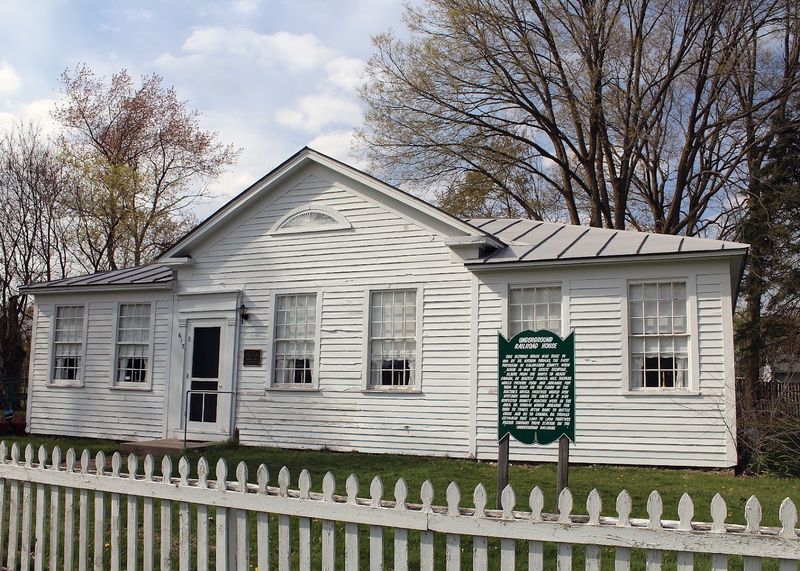
Marshall carries a chapter of American history that many visitors do not expect to find in a small Michigan city. During the decades leading up to the Civil War, Marshall was an active stop on the Underground Railroad, a network of safe houses and sympathetic residents who helped freedom seekers escape north toward Canada and liberty.
The town’s proximity to major travel routes and its community of committed abolitionists made it a meaningful node in that network.
The most dramatic local story involves Adam Crosswhite, a freedom seeker who had escaped from Kentucky and settled in Marshall with his family. In 1847, Kentucky slave hunters arrived in town to reclaim the Crosswhite family under existing law.
Marshall residents refused to cooperate, physically blocking the attempt and allowing the Crosswhites to escape to Canada. The confrontation became a nationally known incident that helped fuel debates leading toward the Compromise of 1850.
That moment of collective defiance says something specific about the community that existed here in the mid-19th century. These were not passive bystanders but active participants in one of the most significant moral struggles of their era.
The Crosswhite story is commemorated locally, and visitors can find markers and historical information that contextualize what happened on those streets.
The history adds a layer of meaning to the physical environment. Walking past preserved 1840s and 1850s buildings while knowing that the people inside those structures once made life-altering decisions about freedom and justice changes how the architecture reads.
The bricks are the same bricks.
For anyone interested in Civil War-era history or the broader story of American abolition, Marshall offers a ground-level perspective that is specific, documented, and genuinely moving. This is not a reconstructed experience.
The town itself is the artifact.
The Annual Home Tour That Draws Thousands to Calhoun County
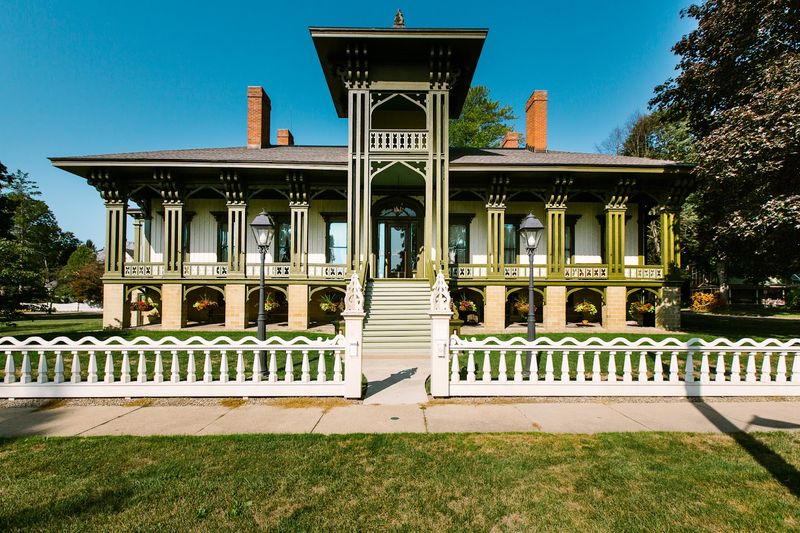
Every September, Marshall opens its doors in a way that most towns simply cannot match. The Marshall Historic Home Tour has been running for decades and draws visitors from across Michigan and neighboring states who come specifically to see the interiors of the city’s remarkable historic homes.
It is one of the longest-running events of its kind in the Midwest, and the consistency of the programming reflects how seriously the community takes its architectural heritage.
The homes featured each year rotate, so repeat visitors always have something new to explore. Properties range from grand Victorian mansions with original woodwork and period furnishings to more modest 19th-century worker cottages that tell a different but equally important story about how the town developed.
The variety keeps the tour from feeling like a parade of wealth and gives it genuine historical range.
What sets this event apart from similar tours in other cities is the level of access. Homeowners and historical society volunteers are present throughout, ready to share specific details about the buildings, their original owners, and the restoration work involved.
Conversations happen naturally, and the information shared tends to be specific and personal rather than scripted.
The timing in September is well chosen. Michigan foliage begins its color shift by mid-month, and the combination of turning leaves against brick facades and painted Victorian exteriors creates a visual environment that photographs exceptionally well.
The weather is typically cooperative, making extended walking between properties comfortable rather than taxing.
Tickets sell steadily in advance, and some years sell out entirely before the event weekend arrives. Planning ahead is simply practical advice.
The tour runs over a single weekend, which means the window is narrow, but the concentration of quality within those two days makes the trip worthwhile for architecture and history enthusiasts.
Where to Eat When the Architecture Has Worked Up Your Appetite
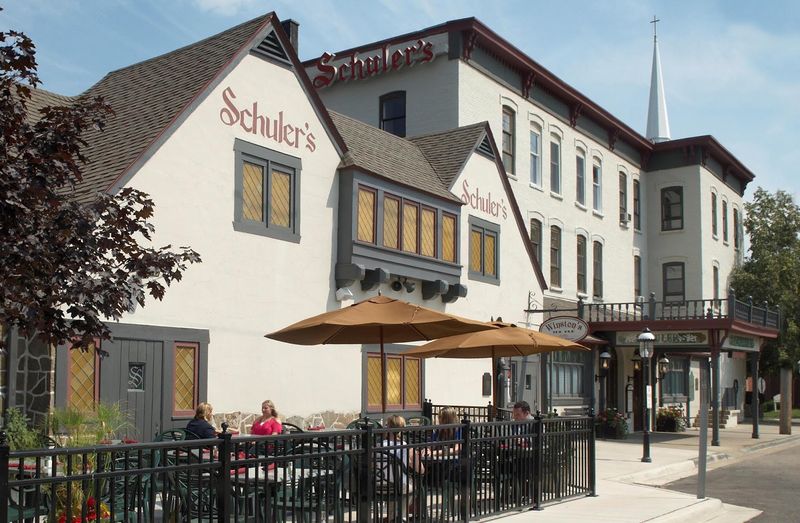
Spending a full day walking Marshall’s historic streets generates a real appetite, and the downtown dining scene handles that demand with more personality than a town this size might suggest. The restaurant options are concentrated within easy walking distance of the main historic district, which means there is no need to drive anywhere or navigate unfamiliar neighborhoods.
Everything is right there.
Schuler’s Restaurant holds a particular place in the local food landscape. Operating since 1909, it has built a reputation that extends well beyond Calhoun County.
The menu leans toward classic American fare executed with consistency, and the dining rooms carry their own sense of history. Dark wood, established decor, and a pace that encourages lingering rather than rushing through a meal define the experience.
Long-running restaurants like this one tend to develop a rhythm that newer places take years to achieve.
Beyond Schuler’s, the downtown block offers smaller cafes and casual spots that cater to the weekend visitor crowd without feeling tourist-trap generic. Local coffee shops occupy historic storefronts, and the visual continuity between the architecture outside and the interiors inside creates a coherent sense of place that chain restaurants simply cannot replicate.
Midday on a fall weekend, the sidewalk tables fill quickly. Locals mix with visitors in a way that feels natural rather than performative, partly because the town is small enough that everyone ends up in the same handful of places.
Overhearing conversations about local history or upcoming events is common and adds to the sense of being somewhere with actual community life happening.
Budget roughly two to three hours for lunch if the goal is to settle in rather than eat quickly. The food is good, but the real value is the unhurried pace that Marshall seems to encourage in everyone who stops long enough to notice it.
BlueOval Battery Park and the Town’s Next Big Chapter

Marshall is not only looking backward. The city is positioned at the center of one of the largest industrial investments in Michigan’s recent history, and the scale of what is coming will reshape the local economy in ways that are still unfolding.
Ford Motor Company selected the Marshall area as the site for BlueOval Battery Park Michigan, a massive electric vehicle battery manufacturing facility that represents a multi-billion-dollar commitment to the region.
The project, developed through Ford’s partnership with SK On, is designed to produce lithium iron phosphate batteries for next-generation Ford electric vehicles. When fully operational, the facility is expected to employ thousands of workers, making it one of the most significant job-creation projects in Calhoun County’s history.
For a city of under 7,000 people, the ripple effects of that employment base will be substantial.
The announcement drew national attention and positioned Marshall in conversations about the future of American manufacturing and the electric vehicle transition. Local officials, business owners, and residents have been navigating the balance between welcoming major economic growth and preserving the small-town character that makes Marshall worth visiting in the first place.
That tension is real and ongoing.
For visitors, the BlueOval project adds an interesting dimension to the Marshall story. The city is simultaneously a well-preserved artifact of 19th-century American town planning and a front-row seat to 21st-century industrial transformation.
Those two narratives coexist in the same zip code, which is not something most small towns can claim.
The contrast invites reflection on what makes a place resilient over time. Marshall has reinvented itself before, and the community’s track record of preservation alongside adaptation suggests it has the institutional muscle to absorb major change without losing its identity entirely.
How to Plan a Day Trip That Actually Does Marshall Justice
Marshall sits directly off Interstate 94 between Battle Creek and Jackson, which puts it within two hours of Detroit, Grand Rapids, and Lansing. The location makes it genuinely accessible for a day trip without requiring an overnight stay, though the town rewards a slower pace if the schedule allows.
Arriving by mid-morning gives enough time to cover the main historic district, visit Honolulu House, and still sit down for a proper lunch before heading home.
Parking is straightforward and free throughout the downtown area, which removes one of the common friction points of visiting small historic towns. The walkable core is compact enough that a comfortable pair of shoes and a couple of hours on foot covers the essential ground.
The Marshall Area Chamber of Commerce offers printed walking tour maps that identify the most architecturally significant buildings with brief historical notes, making self-guided exploration easy even without advance research.
Fall is the peak season for good reason. The combination of foliage color, cooler temperatures, and the home tour event in September creates a concentrated window of high-value visiting conditions.
Spring is quieter but equally pleasant, with flowering trees adding softness to the brick streetscape. Summer weekends bring more foot traffic and longer business hours across the downtown.
Honolulu House has seasonal operating hours, so checking availability before planning a visit around it specifically is worth doing. The building’s exterior is visible year-round, but interior tours only run during the open season.
The Marshall Historical Society manages the property and maintains information about current schedules.
The town is small enough that a single visit covers most of what it has to offer, but the depth of the history and the quality of the architecture make that single visit genuinely satisfying. Marshall rewards attention, and the more closely you look, the more it gives back.
Share this story