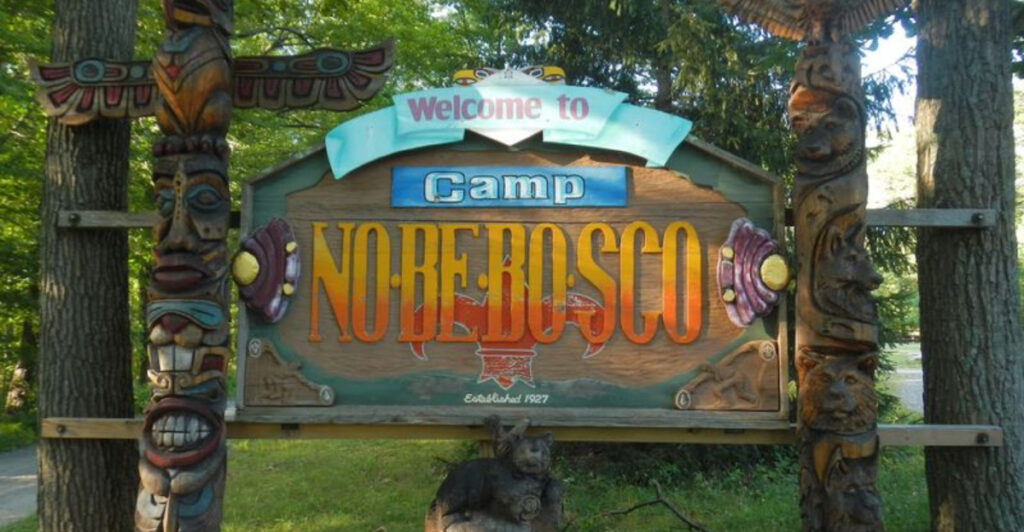
The wooden camp sign does not need fog machines, actors, or a fake thunderclap to do its job. Set back in the woods of Hardwick, Camp No-Be-Bo-Sco already has the one thing most horror attractions spend fortunes trying to fake: it is the real place.
This is the Scout camp that stood in for Camp Crystal Lake in the original 1980 “Friday the 13th,” and for most of the year, it is exactly what the signs say it is — private property, not a casual roadside stop. Then, on select official tour dates, the gates open and movie fans get to walk into one of New Jersey’s strangest pop-culture legends.
No maze. No cheap jump scare. Just cabins, trees, a lake, and the deliciously eerie feeling that your favorite slasher movie somehow never fully packed up and left Warren County.
The private Hardwick camp with a horror movie afterlife
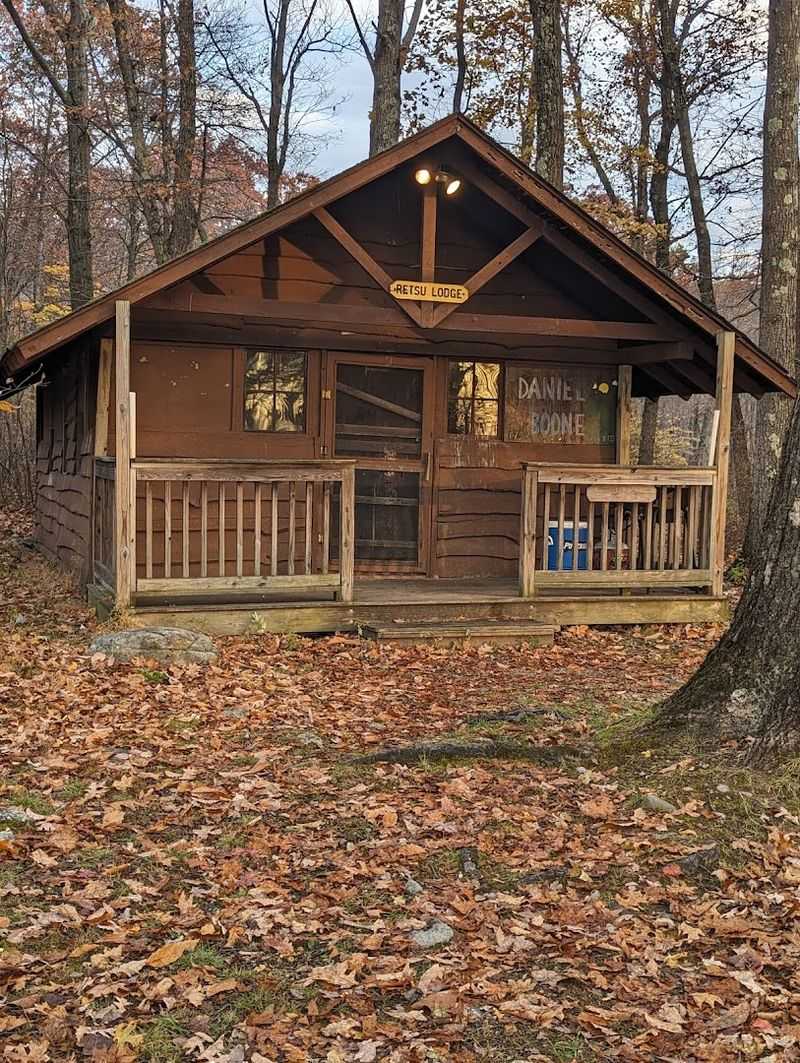
Camp No-Be-Bo-Sco is not an abandoned movie set waiting around for fans with cameras. It is a real, active youth camping facility owned by the Northern New Jersey Council, Scouting America, and its regular purpose has nothing to do with machetes, hockey masks, or screaming counselors.
That is part of what makes the place so oddly fascinating. Since 1927, the camp has served generations of Scouts, tucked into the Kittatinny Mountains on hundreds of acres of wooded New Jersey land.
The official camp history describes No-Be-Bo-Sco as a 380-acre Scout camp whose landscape still offers a traditional camping experience, which explains why the place looks so convincingly outdoorsy on film. It was never built to look rustic for a camera.
It simply was rustic. The “no trespassing” part is not a gimmick either.
Camp Crystal Lake Tours makes it clear that the property is not open to visitors outside official tour dates, largely because the camp remains a youth facility where safety and privacy matter. So the horror mythology has to share space with the everyday reality of summer programs, cabins, trails, and camp maintenance.
That tension gives the landmark its charge. Fans know they are not wandering through a theme park replica.
They are stepping into a place that was already alive before Hollywood arrived, then somehow became immortal after one low-budget horror movie turned its lake, lodges, and footpaths into slasher canon. The result is a very New Jersey kind of landmark: tucked away, stubbornly real, and far more famous than its quiet country road suggests.
How Camp No-Be-Bo-Sco became the real Camp Crystal Lake
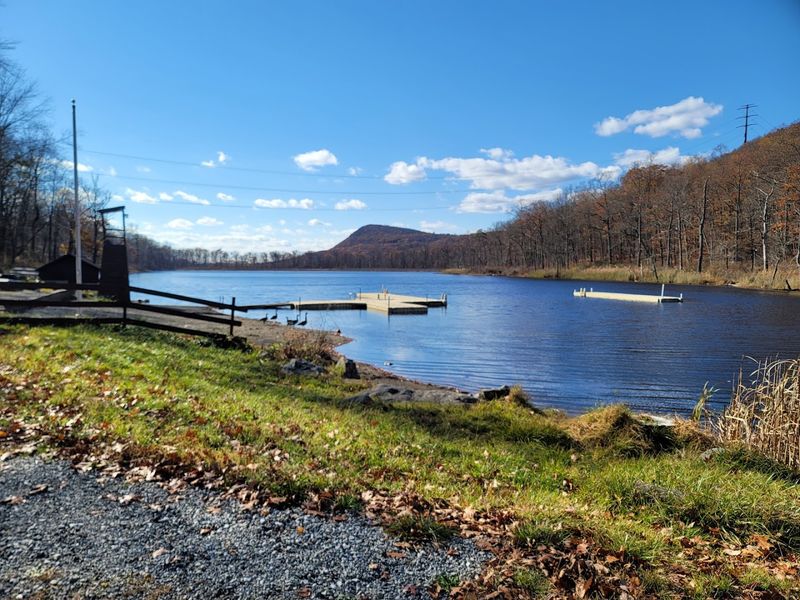
Here is the wild little movie-history fact that still surprises people: more than 80 percent of the original “Friday the 13th” was filmed at Camp No-Be-Bo-Sco in 1979. Not a California backlot pretending to be the Northeast.
Not a stitched-together collection of fake cabins. The heart of Camp Crystal Lake was a working Scout camp in Hardwick, with the surrounding Warren County towns helping fill out the world around it.
The choice worked because the setting had the exact texture the movie needed. The cabins were plain and practical.
The trees felt dense without looking theatrical. The lake had that quiet, glassy quality that can be peaceful at breakfast and deeply suspicious by sundown.
When Sean S. Cunningham’s film was released in 1980, it helped shape the modern summer-camp slasher, but its power came partly from how normal everything looked.
Camp Crystal Lake did not feel like a haunted castle. It looked like the kind of place where someone might actually unpack a duffel bag, sweep out a cabin, and complain about mosquitoes.
Today’s tours lean into that authenticity by taking fans through recognizable filming locations around the camp.
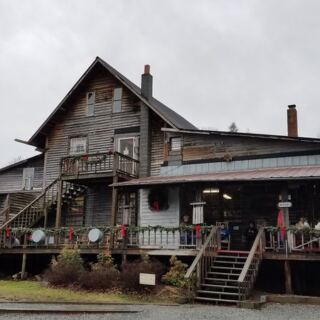
Depending on the event, visitors may see spots tied to the main cabin, known as Comanche Lodge; Brenda’s cabin, also known as Seneca Lodge; Alice’s cabin, known as Fox Lodge; the lake and beach; the canoe scene; the archery range; the generator shed; and other places that fans have paused, rewound, and analyzed for decades.
That is the magic trick. The camp did not become famous because it looked unreal. It became famous because it looked just real enough to ruin summer camp for everyone.
Why Friday the 13th is the day fans wait for all year
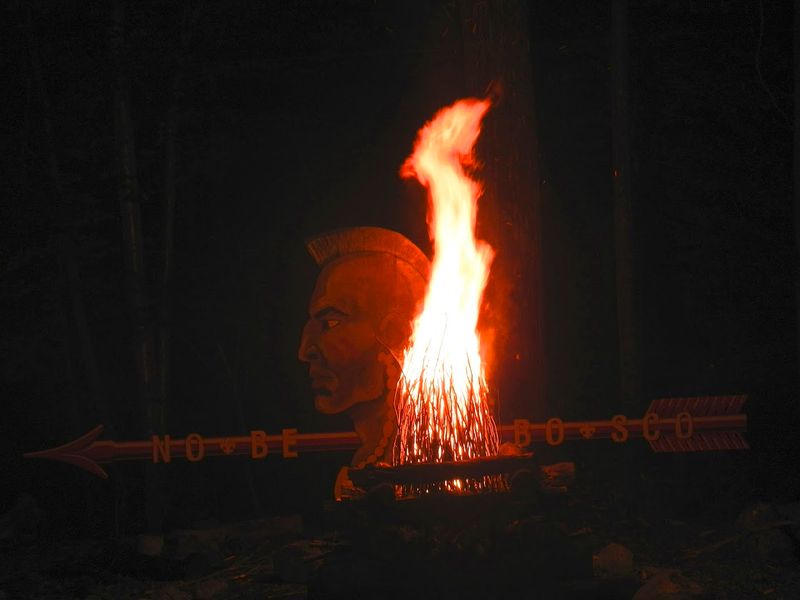
A Friday the 13th date hits differently when you are standing at the actual place that gave the movie its most famous address. Horror fans are good at anniversaries, but this one is extra tidy: the calendar does the marketing all by itself.
Every time Friday and the number 13 line up, Camp No-Be-Bo-Sco turns into the kind of bucket-list destination people plan around, not a random stop they squeeze between errands.
Crystal Lake Tours began public tours in 2011, yet the camp has only hosted tours on roughly 100 days since then, which is why tickets can move fast when new dates appear.
In 2025, the tour organizers said they welcomed fans from every U.S. state and at least 18 countries, which tells you plenty about the pull of this place. The experience is not billed as a haunted attraction, and honestly, that is better.
The official tours are nostalgic walking tours led by staff, often camp alumni, and the scare comes from recognition rather than someone jumping out from behind a tree. Fans get time to take photos, revisit scenes, and stand in the locations where the movie’s ordinary-camp setting turned ugly.
Some past and seasonal events have included flashlight tours, movie screenings, canoeing, archery, meals in the historic dining hall, souvenir gifts, special guests, and cast or crew reunion elements. On a regular day, “Friday the 13th” is something you stream from the couch.
At No-Be-Bo-Sco, it becomes weirdly physical. You are not just watching the woods. You are in them, and suddenly every snapping twig gets promoted to supporting actor.
The cabins lake and woods that still look straight out of the movie
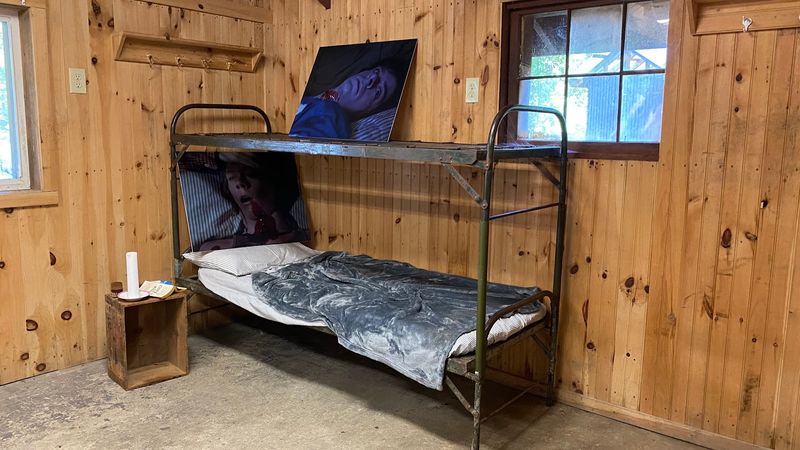
A lot of famous filming locations disappoint in person because time has sanded off the details. The storefront is now a chain pharmacy.
The house has been remodeled beyond recognition. The “small town” street is full of traffic cones and delivery trucks.
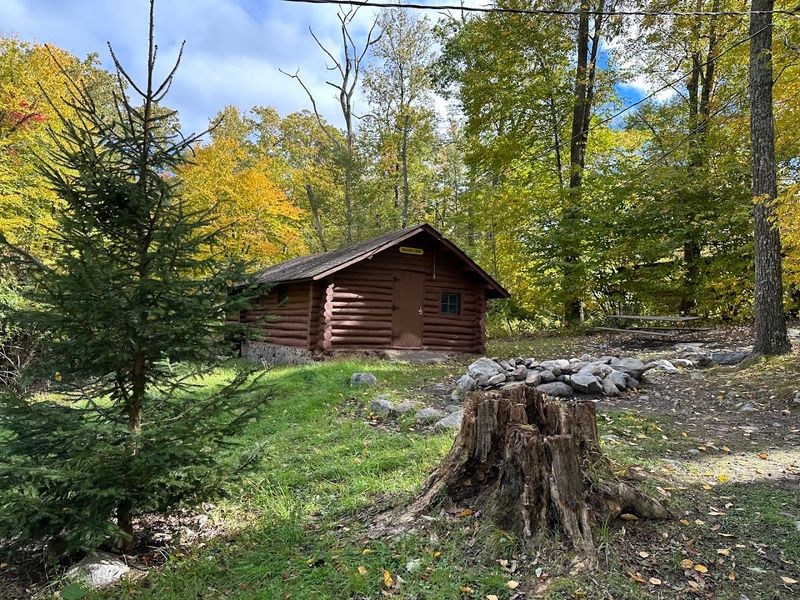
Camp No-Be-Bo-Sco has a serious advantage here: camp architecture is not exactly known for chasing trends. Wood cabins, screened windows, stone fireplaces, dirt paths, and lakefront clearings age in a way that can actually make them feel more cinematic, not less.
The tour organizers note that many of the camp’s famous filming locations have not changed much since 1979, which is a big reason fans react so strongly once they are finally inside the gates. The extended tour is the one that really feeds the completist brain.
It can include the main cabin, the lake, beach areas, the canoe scene area, the opening fireplace scene, storage building, generator shed, archery range, and photo areas with replica vehicles and props.
The walking tours can run up to about one mile, so this is less “snap one picture and leave” and more “follow the trail from memory to memory.” What makes the setting work is how normal it stays.
In daylight, Sand Pond and the camp buildings can look almost innocent, the way any old-school Jersey camp might. Then a guide points out where a scene happened, or the tree line starts to feel a little too quiet, and the whole mood tilts.
That is the sweet spot for a horror fan. Not fake terror. Recognition. The movie is suddenly mapped onto real ground under your shoes.
Blairstown and Hope add even more Friday the 13th history nearby
The camp is the prize, but the surrounding Warren County stops are what turn this from a single tour into a full little horror pilgrimage. Blairstown, just south of the camp area, supplied some of the film’s most recognizable small-town scenery, including the Main Street arches that fans still associate with Annie’s arrival.
Hope also played a role, with filming tied to the diner and general-store sequence and the Moravian Cemetery area, giving fans a few more real-world places to match against the movie in their heads.
Blairstown Diner is probably the easiest non-camp stop to fold into the day because it is public, recognizable, and still operating as an actual diner rather than a frozen exhibit.
Entertainment Weekly has noted that both the interior and exterior of the diner were used in the film’s nighttime diner scenes, and the location remains a short walk from other downtown visual touchpoints tied to the movie. That is the fun of doing this in New Jersey instead of on a studio lot.
The locations are mixed into regular life. People are eating breakfast, cars are moving through town, and someone who has never seen the movie might pass the same building without a second thought.
For fans, though, Blairstown and Hope add texture. They make Camp Crystal Lake feel less like one isolated horror landmark and more like a whole corner of northwest Jersey that accidentally helped create a genre landmark.
Grab a coffee, spot the arches, look around Main Street, and the opening stretch of the movie starts to feel much closer than it should.
What horror fans should know before trying to visit
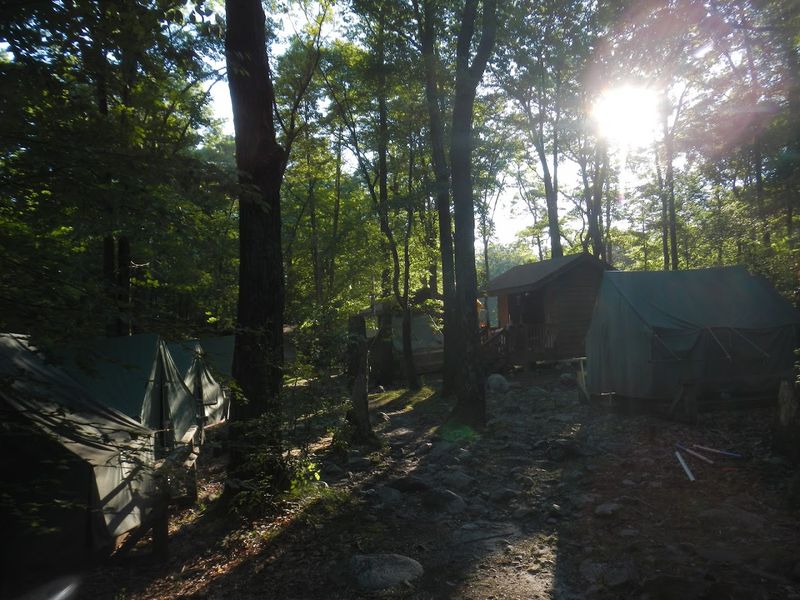
This is the part to take seriously, even if the whole premise is delightfully spooky: Camp No-Be-Bo-Sco is private property, and visitors are not allowed outside official tour dates.
The camp has a Blairstown mailing address, but the tour FAQ notes that the property is physically in Hardwick and Stillwater, not Blairstown, which is useful to know before anyone starts plugging vague horror-movie directions into a phone.
The same FAQ also says guests should not call the camp with tour questions because tour inquiries are handled separately through Crystal Lake Tours. The practical details matter.
Walking tours can be up to one mile, so comfortable shoes are not optional unless you enjoy regretting your footwear in the woods. Events are held rain or shine, which means Hardwick weather gets the final say on whether your day feels like a sunny nostalgia walk or a proper damp slasher-movie setup.
Age minimums vary by event: some 2026 tour options list minimum ages of 13, the shorter Sunday Lakefront Tour lists a minimum age of 8, and the VIP Overnight Experience lists a minimum age of 21. Transportation deserves a little planning, too.
The closest hotel listed by the tour FAQ is a Holiday Inn Express in Newton, about 13 miles from the camp, and the organizers warn that cell service can be challenging around the camp, making rideshare pickup unreliable unless arranged carefully in advance. That may sound like a lot of rules for a horror field trip, but they are exactly what keeps the place intact.
Camp Crystal Lake is famous because of a movie, but Camp No-Be-Bo-Sco survives because it is still a camp.
Share this story