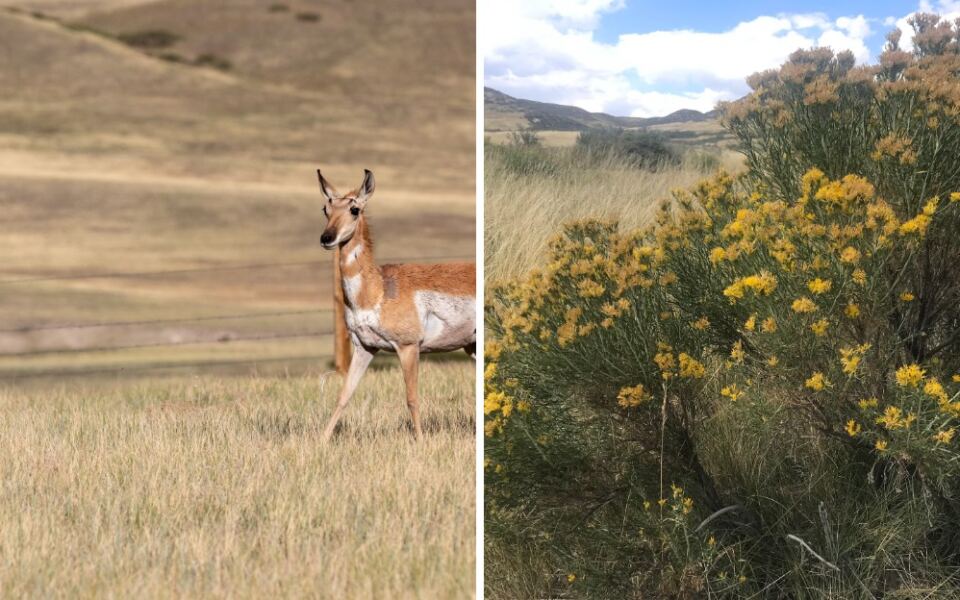
North of Fort Collins, past the last subdivisions and down miles of gravel, the land opens up and the modern world seems to slip away. Shortgrass prairie rolls toward the foothills, a protected bison herd roams its own pasture, and people have gathered on this ground for more than 12,000 years. It costs nothing to get in, and on a weekday morning you might have the whole place to yourself.
Here is what makes this quiet corner of Larimer County one of the most meaningful free outings on the Front Range, plus the practical tips that will make your trip go smoothly.
1. A Prairie Hiding at the End of the Gravel
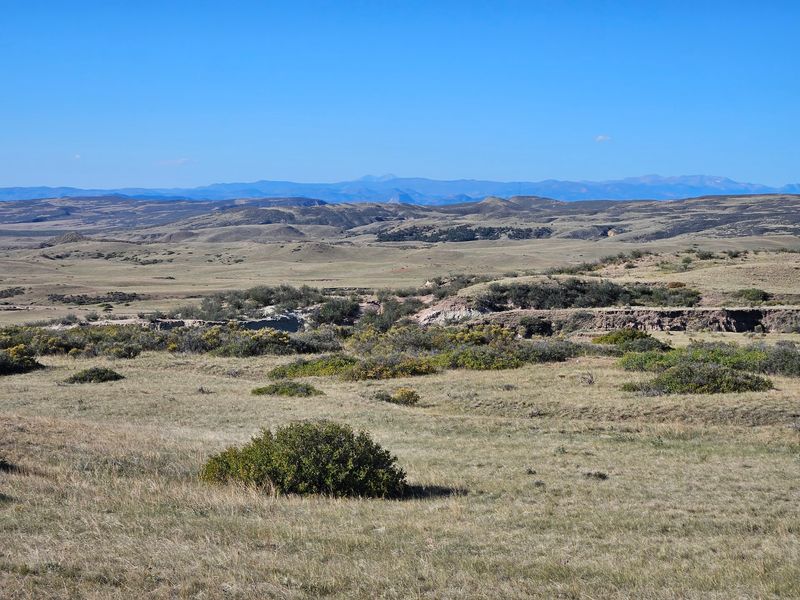
Some places announce themselves with billboards. Soapstone Prairie Natural Area prefers to make you wonder whether you took a wrong turn.
The official address is 22998 Rawhide Flats Road, Wellington, CO 80549, tucked into the far northern edge of Larimer County, Colorado. The preserve sits north of Fort Collins, in the open stretch of country that eventually leads toward Laramie.
It covers about 28 square miles of protected shortgrass prairie. That is a lot of room for a place many Front Range residents have never heard of.
The land is managed through the City of Fort Collins Natural Areas program, which explains the well-kept trails, tidy facilities and helpful signage. Nothing here is flashy, and that is exactly the point.
What you get instead is space. Grassland stretches in every direction, with the foothills of the Front Range rising to the west.
Plenty of people drive the long gravel approach expecting a quick look and end up staying for hours. The remoteness acts like a filter, keeping crowds low and the pace slow.
For anyone tired of fighting I-70 traffic for a little elbow room, the answer may be sitting north of town the whole time, waiting at the end of a dusty road.
2. Twelve Thousand Years of Company
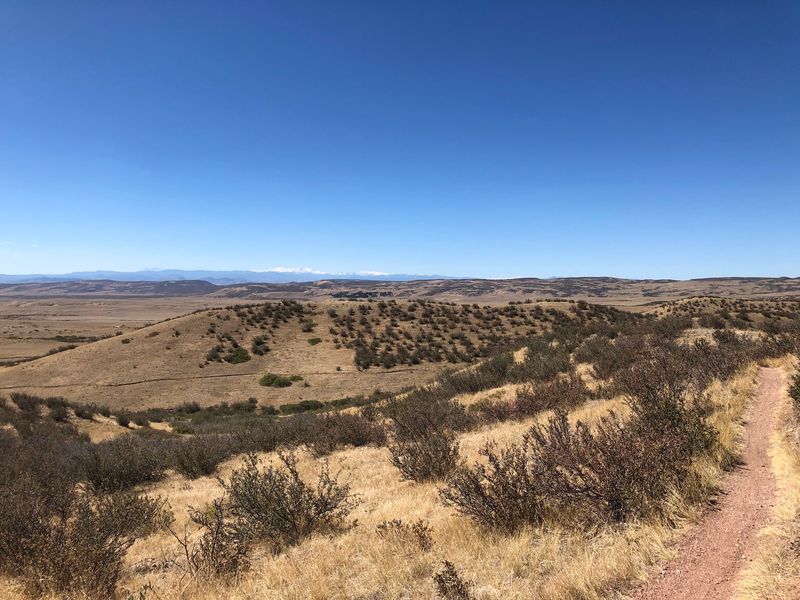
Long before anyone drew a county line, people were already showing up here. The land is best known for the Lindenmeier archaeological site, one of the most significant Folsom culture sites in North America.
Evidence of human occupation at Lindenmeier dates back more than 12,000 years. The site is remembered as a long-ago gathering place for Indigenous peoples, a spot where groups came together on this same stretch of grassland.
That history is what gives the prairie its strange feeling of time folding over on itself. The hills and draws look much the way they might have looked to those early residents.
Archaeology fans will appreciate that the story is not hidden away. The Lindenmeier Site interpretive information is well done and genuinely informative, giving context without turning the outing into a lecture.
Spend a few minutes with the signs before heading out on a trail. The landscape reads differently once you know how long people have valued it.
Colorado has plenty of history tied to mining camps and railroad towns. Very little of it reaches back this far, and even less of it can be visited for free on a weekday afternoon.
3. The Herd That Came Home
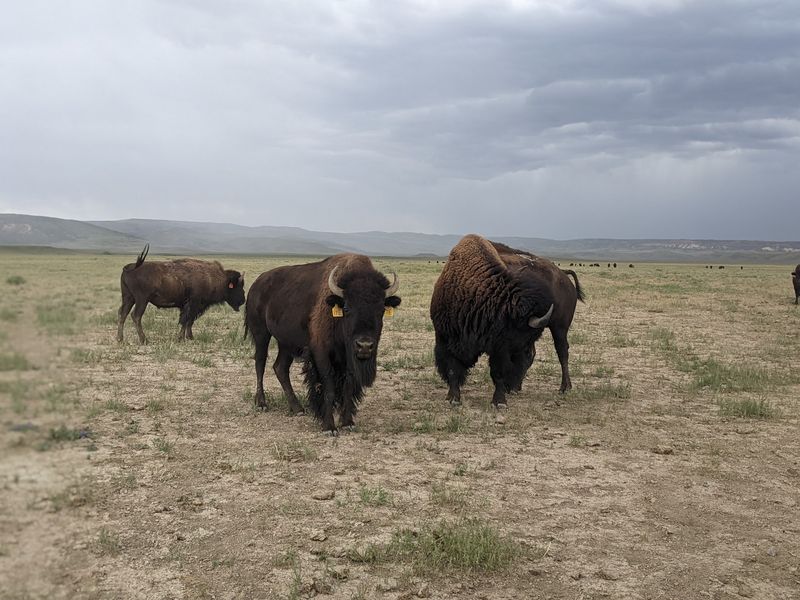
Bison once defined the Great Plains, then nearly disappeared from them. At Soapstone, a protected herd is back on the grass.
The preserve keeps a bison pasture where a purebred herd roams. Signage explains the conservation work done to protect the genetic purity of these animals, which adds real weight to a sighting.
Here is the honest part. The bison do not perform on schedule.
Some days the herd grazes close enough to watch clearly. Other days they show up as distant dark shapes near the base of the hills, and some people leave without spotting them at all.
A pair of binoculars changes everything. The herd is usually viewed at a distance, and phone cameras often struggle to capture more than a few specks.
Patience helps too. Scan the pasture slowly, give your eyes time, and check again on the way out.
When the full herd does come into view, it tends to stop conversations cold. These are big animals, and seeing them on open Colorado prairie feels like a small piece of the old plains has been handed back.
4. Pronghorn, Deer and Other Locals
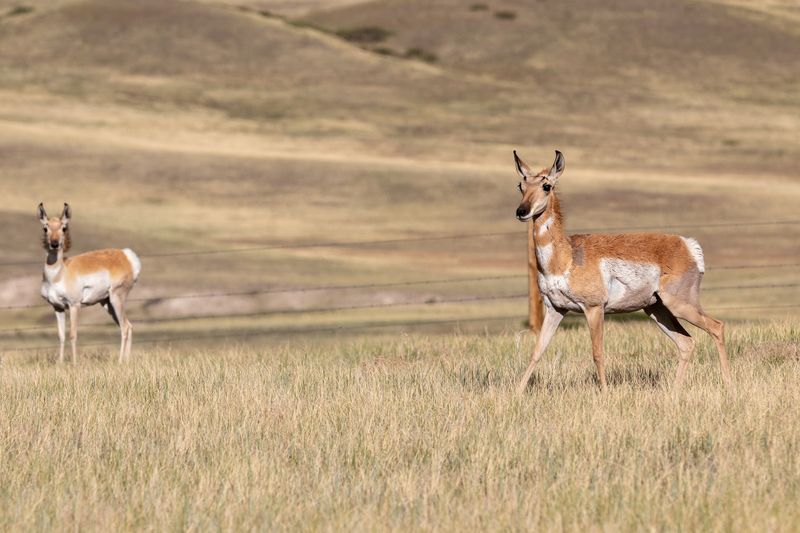
Bison get top billing, but they are hardly the only residents. The supporting cast is surprisingly busy.
Pronghorn antelope move across the grasslands, often keeping a careful distance. Deer and rabbits turn up along the drive in and near the trails.
Cattle herds also graze parts of the surrounding land, so do not be startled if the first large animals you see are cows. They are part of the working landscape around the preserve.
Wildlife watching here rewards a slower approach. With no trees to block the view, movement on a distant ridge can be spotted from far away if you pause long enough to look.
Early in the day tends to be a good window, when trails are quiet and the prairie has not yet filled with afternoon wind.
Bring the binoculars you packed for the bison and keep them handy the whole hike. On this kind of terrain, a casual scan of the horizon can turn up something worth stopping for.
5. Birds of the Open Grass
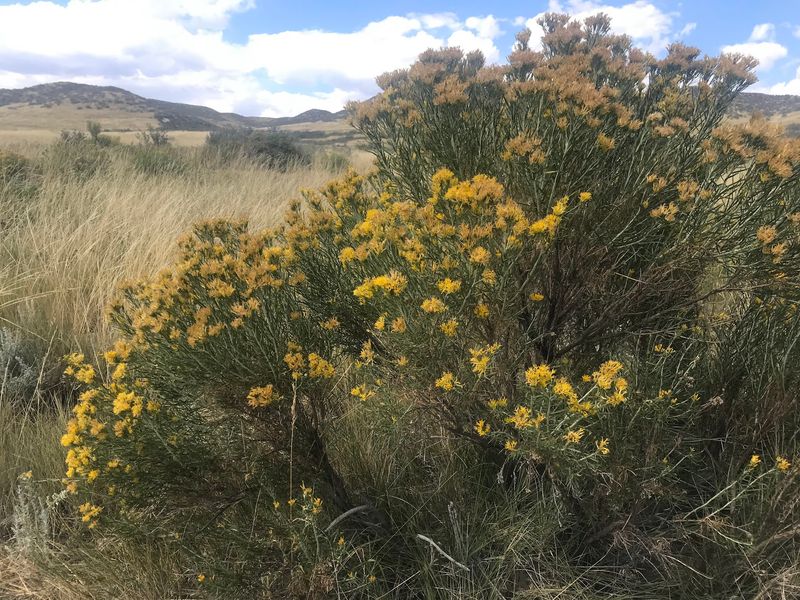
Bird lovers, pack your field guide. The grasslands here host species that thrive where trees are scarce.
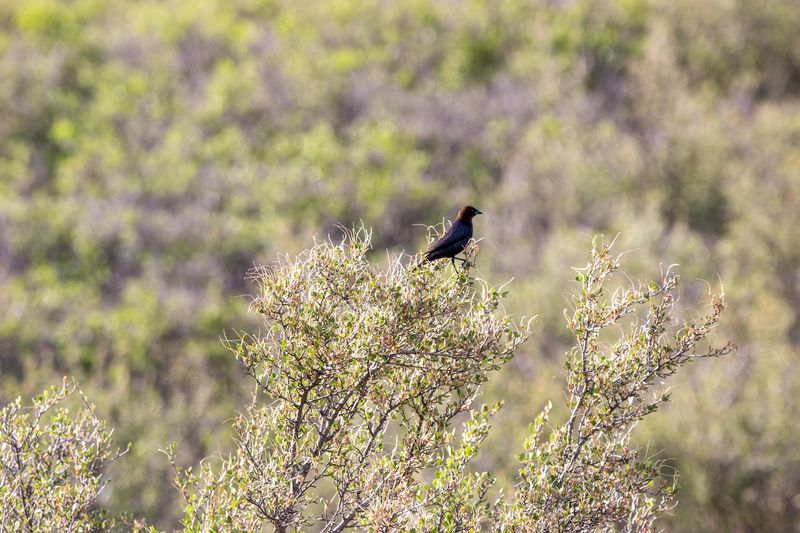
Lark buntings, the Colorado state bird, turn up on the prairie. Meadowlarks and towhees are also on the list, and one of the trails even carries the name Towhee Loop.
Grassland birding is a different game from forest birding. Instead of searching through branches, you watch fence posts, grass stems and the open sky.
Spring and early summer can be especially lively, when the hills turn green and wildflowers bloom across the slopes. That combination makes for a colorful outing even before a single bird shows up.
Narrow trails let you move quietly, which helps when you are trying not to flush everything in sight.
Plenty of Coloradans have never seen a lark bunting in its home habitat. A slow morning walk here offers a fair chance to fix that, no special gear required beyond a decent pair of binoculars.
6. Trails That Loop Around the Hills
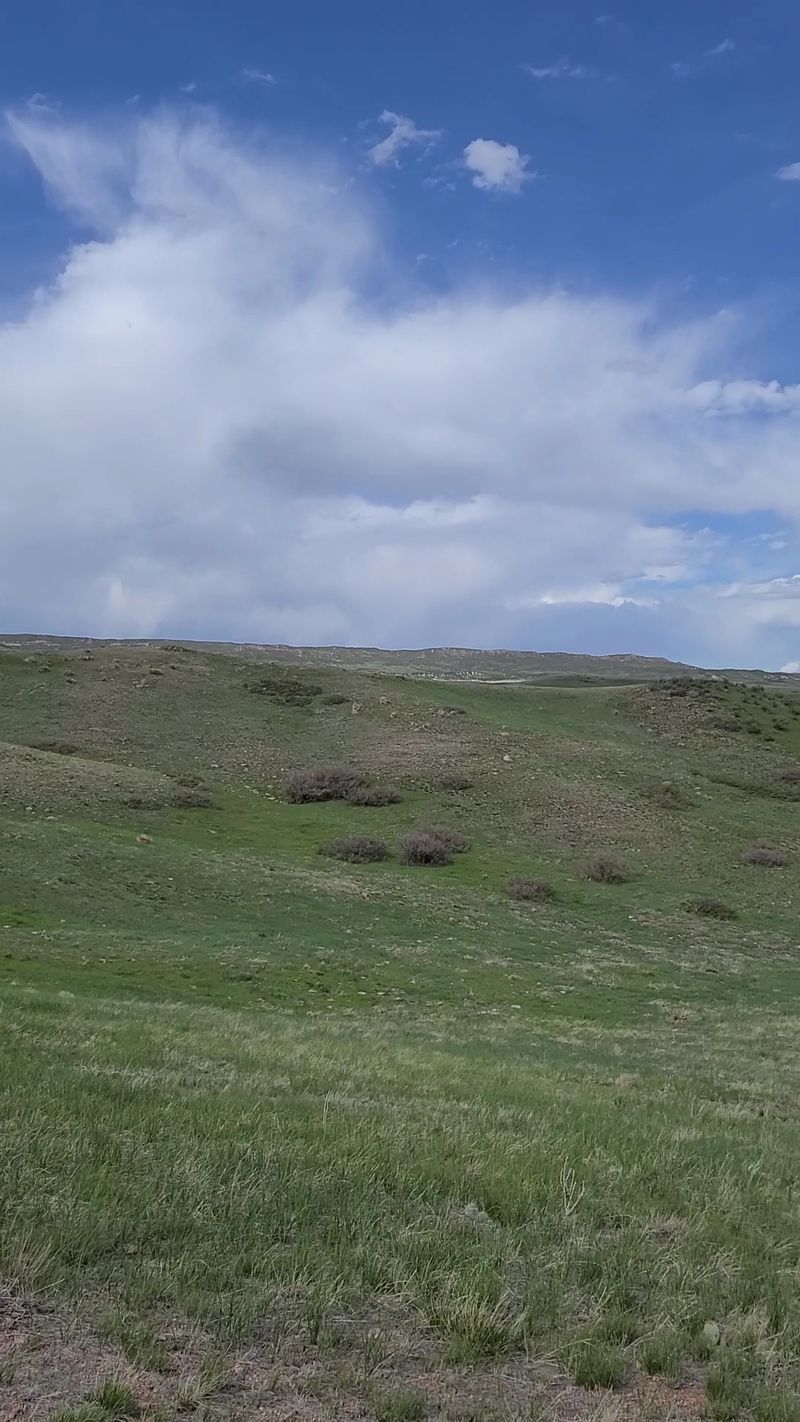
A prairie might sound flat and simple. The trail network suggests otherwise.
There are quite a few trails here, more than many expect from a grassland preserve. Most loop around hills, offering steady vantage points over rolling terrain and the distant mountains.
Free maps with mileage are available, which makes planning easy whether you want a short stroll or a longer day. Trails are well marked and well laid out.
Many of the routes are narrow singletrack. That keeps the experience intimate, though tall grasses can lean over the path in green seasons.
Hiking is by far the most popular activity, and the difficulty mostly stays friendly. Several trails are described as easy, making them a good fit for casual walkers and retirees who want distance without steep climbs.
Horseback riding is another way to cover ground, and the open terrain suits it well.
Pick a loop, grab a map, and let the hills set the rhythm. The prairie has a way of making three miles feel like a proper escape.
7. Singletrack for Easygoing Riders
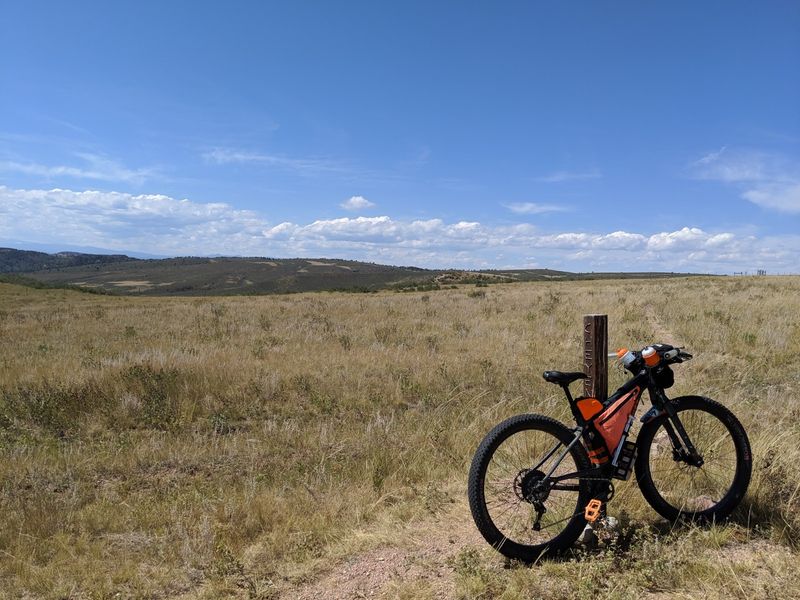
Mountain bikers searching for a mellow day without crowds have a solid option up north. Biking trails get plenty of attention here.
The singletrack is not very technical, which makes it approachable for newer riders or anyone wanting a relaxed spin. Still, it offers a bit of everything.
Expect flowy stretches mixed with small rock gardens. A few sections are pumpable and fun, giving more experienced riders something to play with.
The lack of shade makes even easy hikes feel long on hot days, and some hikers finish wishing they had brought a bike instead. Two wheels can cover the loops faster and bring more of the landscape into a single outing.
Views can be spectacular depending on the weather, with the Front Range lining the horizon.
Wind is the wildcard. A breezy day can turn a mellow cruise into a real workout, so check conditions before loading the rack.
For riders tired of busy trailheads near Fort Collins and Boulder, this may be a refreshingly quiet alternative.
8. An Overlook for Every Set of Wheels
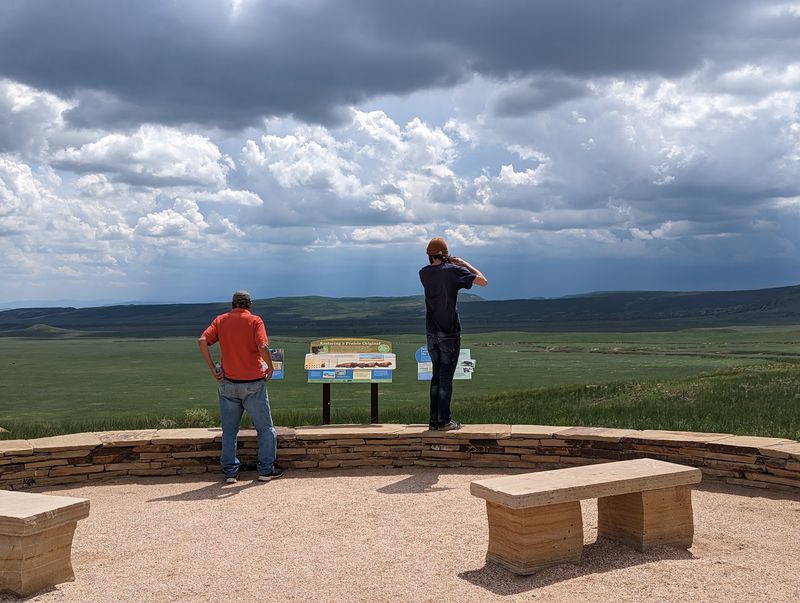
Not every great view requires a long hike. One of the nicest touches here is an accessible overlook.
A wheelchair and stroller friendly path leads to a pretty viewpoint. That opens the prairie to families with little ones and to folks who prefer smooth, easy ground.
Grandparents bringing grandkids will appreciate the option. So will anyone recovering from an injury who still wants a taste of the open country.
Picnic areas add another low-effort way to spend time. Pack a lunch, settle in, and take in the Front Range from a comfortable spot.
Restrooms and informational displays are close by, so short visits feel just as rewarding as long ones.
Accessibility often gets overlooked at remote nature areas. Here it feels like part of the plan, which says a lot about how carefully the preserve has been put together.
9. Room to Breathe, Few Faces
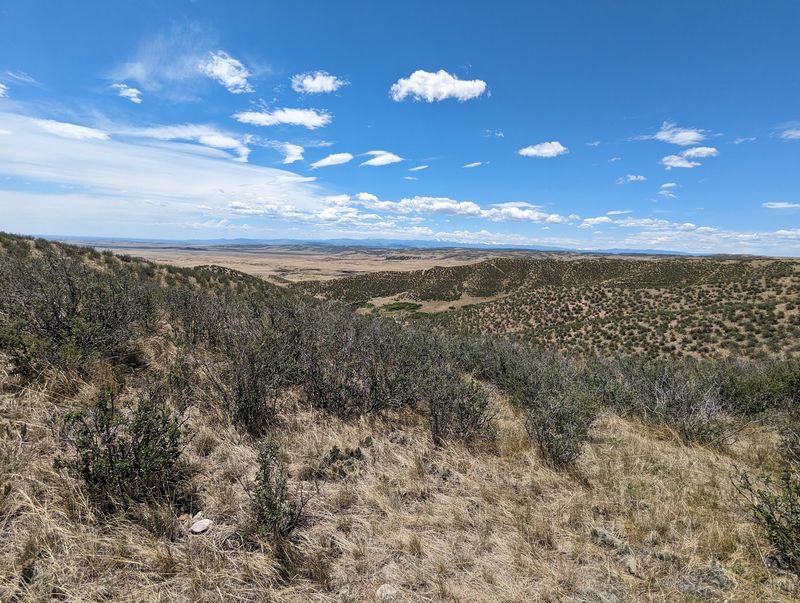
Solitude is getting rare along the Front Range. Out here, it still comes standard.
Weekday trips often mean empty trails. Many people report having the entire place to themselves, especially on weekday mornings.
Even weekends are generally not very crowded, thanks to the distance and the gravel approach. Parking is plentiful because it rarely fills up.
The quiet is a big part of the appeal. Trails wind across prairie that seems to run as far as you can see, with almost nothing man-made breaking the horizon.
That said, the experience is not for everyone. Fans of forests and shaded canyons may find the open grassland a bit plain.
For others, that simplicity is the whole reward. It is a place to slow down, think, and walk without dodging a parade of fellow hikers.
Parents craving a peaceful adult morning, retirees seeking easy miles and anyone burned out on crowded trailheads may all find what they are after.
10. Low Light and Wildflower Seasons
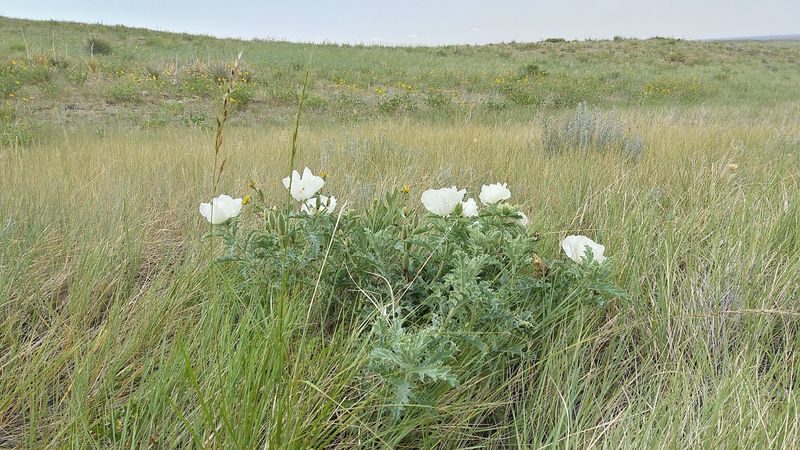
Timing can make or break a prairie outing. Each season brings its own version of the landscape.
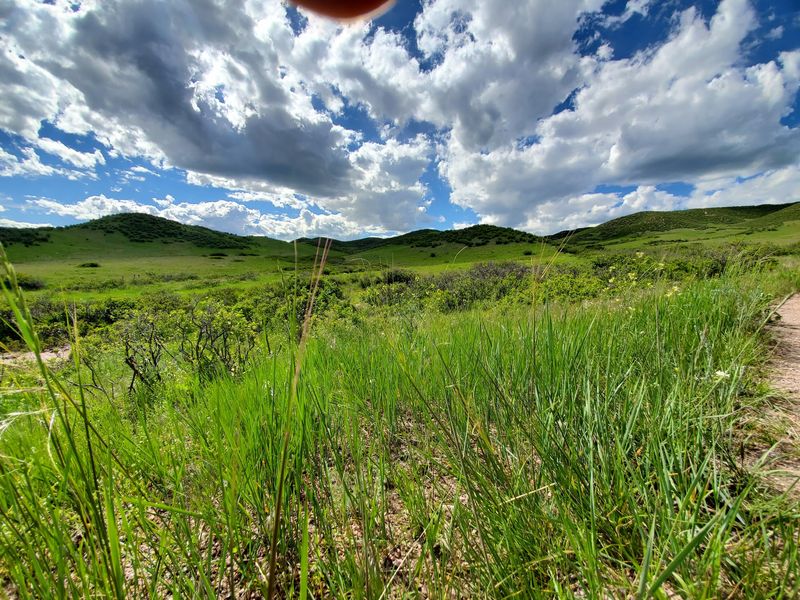
Spring and early summer turn the rolling hills green, with wildflowers blooming across the slopes. That is also prime time for grassland birds.
Fall and winter belong to the photographers. Visiting when the sun sits low can be spectacular, as the light moves across the tall grass.
Summer brings heat, and there is no tree cover anywhere. Hot afternoons can be draining, so early starts are wise.
Wind deserves a mention year round. Breezy days are common on this exposed high prairie, so a jacket and a secure hat make sense.
Green seasons come with a small catch. Grasses hanging over narrow trails make it easy for ticks to hitch a ride, so long pants and a quick check afterward are smart habits.
Choose your season, plan your hour, and the prairie will show you a very different face each time.
11. The Long, Bumpy Road North
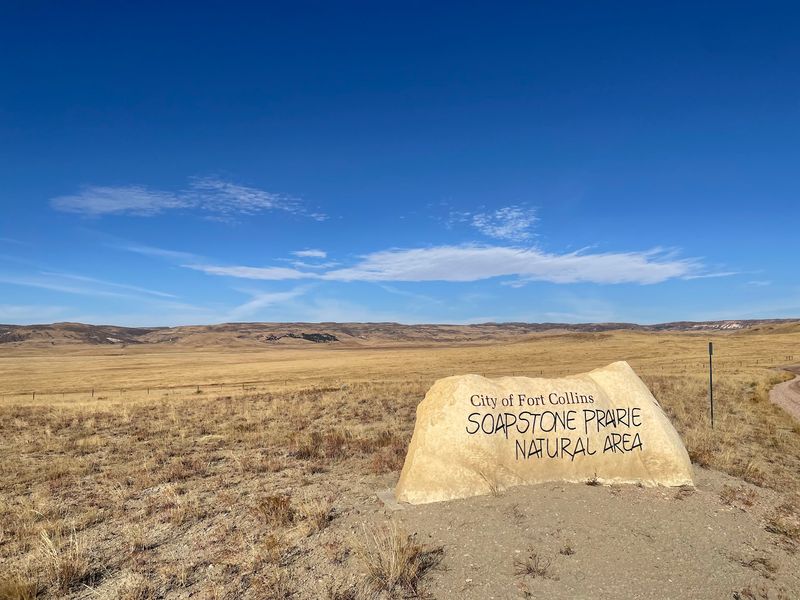
Getting there is half the adventure, and not always the comfortable half. The approach involves miles of gravel road.
Opinions on that road vary. Some find it fairly smooth, while others report heavy washboarding and lots of dust.
Small low-clearance cars can make it, but drivers may spend the trip wincing at every rattle. Larger vehicles and all-wheel-drive models tend to handle it with less stress.
The preserve is far from everything, so allow time. Fill the tank before leaving town and do not count on picking up supplies along the way.
Once inside, consider driving the extra three miles to the north parking lot. That stretch is often called well worth the effort.
The remote route is also why the crowds stay small. A few bumps seem like a fair trade for trails you might share with nobody but a meadowlark.
12. Free Entry and Practical Basics
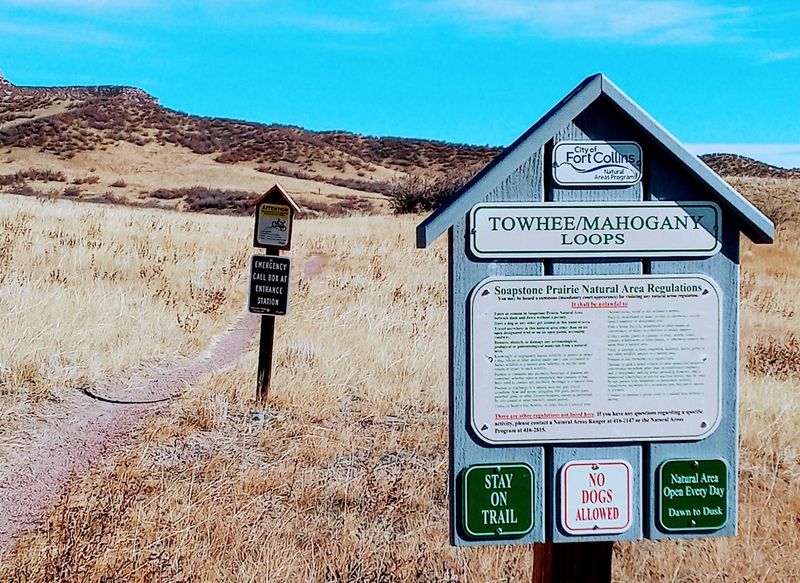
Good news for budget watchers: entry is free. No fee, no pass, no surprise charges at the gate.
That alone sets it apart from many outdoor spots. Some people note it was the first natural area they visited in the region without an entrance fee.
Facilities punch above their weight for such a remote site. Restrooms are clean and well stocked, though there is no place to wash hands, so pack sanitizer.
Information kiosks cover the area and its trails, and free maps include mileage.
For hours and current updates, check the City of Fort Collins Natural Areas website before heading out. Conditions and seasonal details can change.
A full day here may cost little more than gas and snacks. For families and fixed-income residents, that is a refreshing bargain.
13. Rules and a Smart Packing List
A little preparation goes a long way on open prairie. Start with the most common surprise: dogs are not allowed.
Leave the pup at home. The rule likely relates to the bison and wildlife that share the land.
Next comes water, and lots of it. With zero shade on most trails, dehydration can creep up quickly.
A sun hat and sunscreen belong in every bag. So do snacks, since the nearest store is a long drive away.
Binoculars rank near the top of the list for wildlife and bison viewing. Hand sanitizer covers the restroom gap.
Long pants help against ticks in the green months, and a windbreaker earns its place almost any time of year.
None of this is complicated. Pack smart, follow the posted rules, and the prairie takes care of the rest.
14. Why the Drive Pays Off
Few outings near Fort Collins offer this much for so little. The math here is simple: free entry, quiet trails and a landscape with deep roots.
History buffs get Lindenmeier and its 12,000-year story. Wildlife fans get bison, pronghorn and grassland birds.
Hikers and riders get well-marked loops, while families and retirees get easy paths and an accessible overlook.
Is it perfect? The road can rattle, the wind can howl, and the bison might stay far away.
Yet those small hurdles keep the place peaceful. That is a rare quality on the busy Front Range.
The scenery may not suit someone craving pine forests. For anyone curious about the plains as they once were, though, it is hard to beat.
Fill the water bottles, grab the binoculars, and head north on a weekday morning. A world that almost vanished is still out there, waiting quietly in the grass.
Share this story