There are few sounds in Colorado quite like an elk bugle breaking through the stillness of an autumn morning. On Cub Lake Trail near Estes Park, hikers can wander through meadows and wooded stretches while listening for that unmistakable call echoing across the landscape during the fall rut.
The route offers plenty of scenery without requiring an extreme mountain climb, making the outing approachable for a wider range of hikers. Wildlife is never guaranteed, of course, but anticipation is part of the adventure. When the trail goes quiet and a distant bugle suddenly carries through the Rockies, every step feels worth it.
Colorado Morning Light Across Moraine Flats
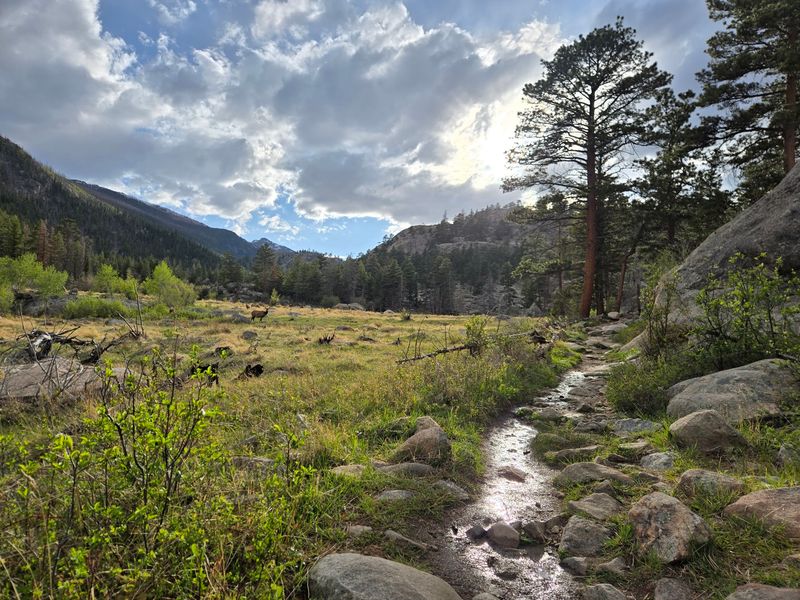
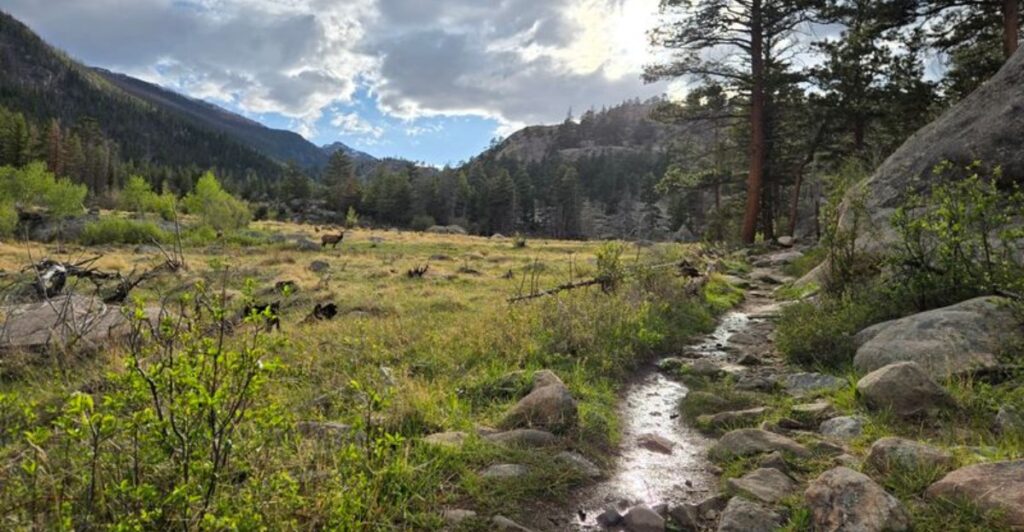
Sunrise changes the whole mood out here. The first stretch near Moraine Flats opens into broad meadow country, and that wide space gives sound room to travel, which matters when elk are active in fall.
A bugle can roll over the grass, bounce off nearby trees, and reach hikers long before the animals come into view.
That open setting is one reason Cub Lake Trail gets so interesting in September and early October. Instead of hiking through thick forest the entire time, walkers get a mix of meadow and woodland, so there are places to scan for movement while still enjoying shade and shelter on other parts of the route.
The contrast keeps the trail visually busy without making it hard to follow. Morning is the strongest bet for a quieter, more focused experience. Air tends to be cooler, trails are calmer, and wildlife often moves before the middle of the day warms up.
Even if no elk step into the open, the meadows still give the hike an immediate payoff with mountain light, pale grasses, and the chance to spot deer or birds near the edges. Good planning helps here. Start early, walk steadily, and pause often rather than rushing for distance.
Soft voices matter because the main reward is not only seeing animals but hearing them. Footsteps on dirt, a breeze in the grass, and then a sudden bugle from somewhere beyond the willows can turn a simple walk into the kind of fall memory Colorado does especially well.
The Sound That Pulls You Forward
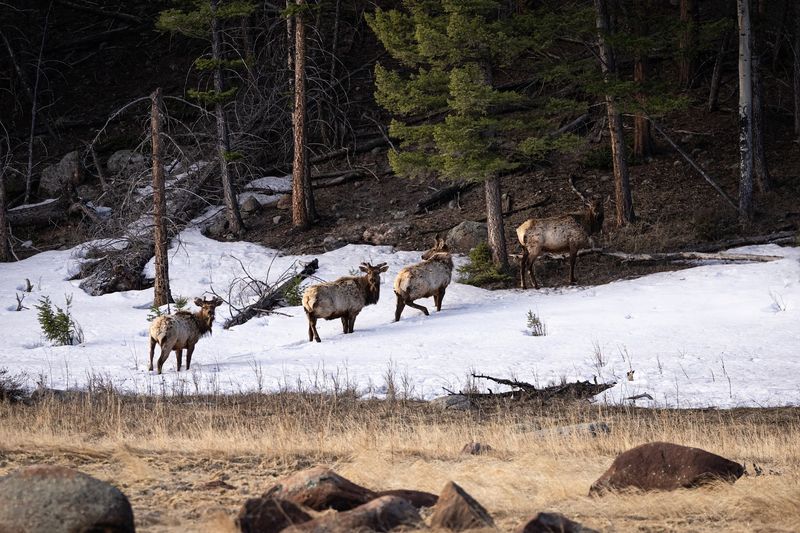
Few trail sounds grab attention faster than an elk bugle. It starts sharp, rises into a strange high note, and then fades in a way that can sound both far away and very close at the same time.
On Cub Lake Trail, that call is the main reason fall hikers slow down, listen hard, and stop checking how many miles are left.
Elk bugling is tied to the rut, the yearly breeding season that peaks in fall. Bulls use those loud calls to challenge rivals and gather cows, so hearing one usually means real wildlife action is happening nearby, even if trees or brush block the view.
That gives the trail a special kind of suspense. Every bend can feel like it leads toward the source of the noise. Still, the best approach is patient, not pushy. Moving too fast or trying to get close can ruin the moment for both animals and hikers.
A safer, smarter plan is to stop in open spots, listen for direction, and use binoculars to scan meadow edges and brushy areas from a distance. Elk can be large, fast, and unpredictable in autumn, especially bulls.
Cub Lake Trail works well for this kind of listening because it is known for wildlife and does not demand extreme effort to reach rewarding terrain. That means more energy can go into paying attention.
Instead of grinding up a steep climb, hikers can notice fresh tracks, shifting shadows, and calls floating through the cool air. For anyone hoping to hear the wild soundtrack of Colorado fall, that is a strong reason to choose this trail.
Lake Views, Willows, and Surprise Wildlife
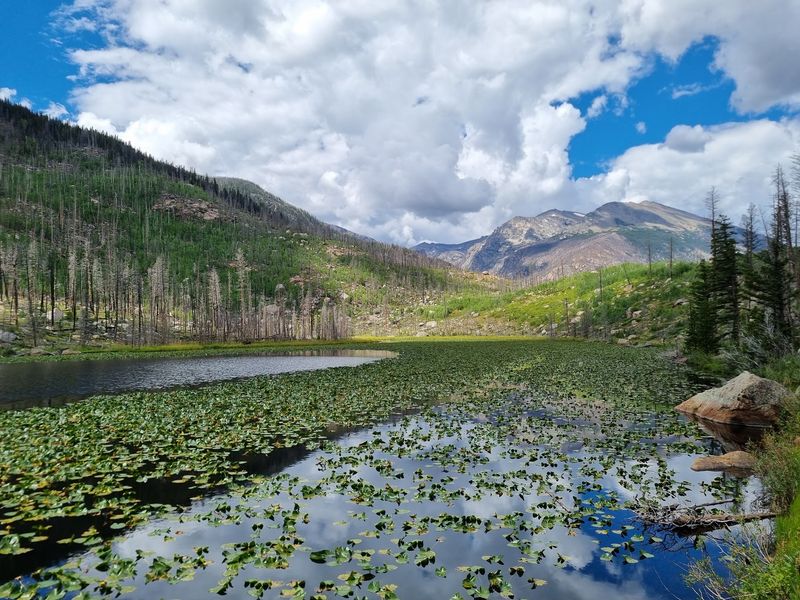
The trail is not only about one dramatic sound. As the route continues toward Cub Lake, the scenery shifts in ways that keep the walk fresh.
Meadow sections give way to wetter ground, willow-lined areas, and the lake itself, where still water and mountain slopes add a different kind of reward after the open flats.
That mix of habitats helps explain why wildlife watching here can stay interesting from start to finish. Elk and mule deer are a well-known draw, but moose have also been spotted in the broader area, especially near wetter vegetation.
Nothing is guaranteed in the outdoors, yet the variety of terrain gives hikers more than one place to keep their eyes working.
Cub Lake brings a pause point that feels earned without requiring a punishing climb. The water reflects weather and light in changing ways, and nearby marshy growth gives birds and other animals room to hide.
A calm stop here can be just as satisfying as the more dramatic wildlife moments because it slows the pace and makes the whole route feel fuller, not rushed.
Practical habits matter around these lake and willow sections. Stay on the trail, avoid stepping into muddy edges, and never crowd an animal for a photo.
Longer lenses and binoculars do a better job than getting too close, and they also help protect the habitat people came to enjoy. Cub Lake Trail stands out because it offers more than a single destination.
It is a layered route where sound, water, animal movement, and changing plant life all share the stage in one manageable hike.
Smart Loop Plan
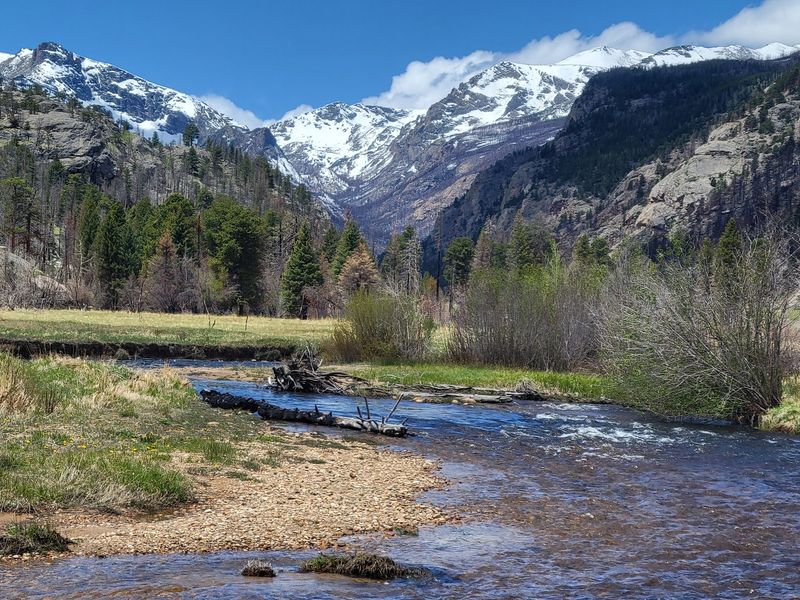
A good trail gets even better when the route is easy to understand. Cub Lake Trail is often praised as a rewarding hike that does not feel overwhelming, and the loop option gives walkers a nice sense of movement instead of repeating the same view for every mile.
For many people, that makes the day feel smoother and more interesting. Shorter days can catch people off guard, especially once temperatures drop in the morning and shadows stretch early in the afternoon. Starting with extra time takes pressure off the whole outing.
The reported hiking time of roughly 3 to 4 hours for the loop is helpful, but it should be treated as a flexible guide, not a race target. Wildlife stops, photo breaks, and quiet listening periods can easily extend a trip.
That is a good thing here. Cub Lake Trail works best when there is room to pause instead of pushing forward with tunnel vision.
Packing for comfort is pretty simple. Wear layers, carry water, and bring traction only if early snow or icy patches are possible.
Fall can flip from sunny to chilly quickly in the high country, and a small change in weather can reshape the feel of the trail. Families, casual hikers, and first-time wildlife watchers often do well here because the route offers a lot without demanding expert skills.
That balance of ease, scenery, and real animal habitat is a big reason Cub Lake keeps showing up in conversations about strong shoulder-season hikes in northern Colorado.
Why Quiet Trails Help More Than Crowded Ones
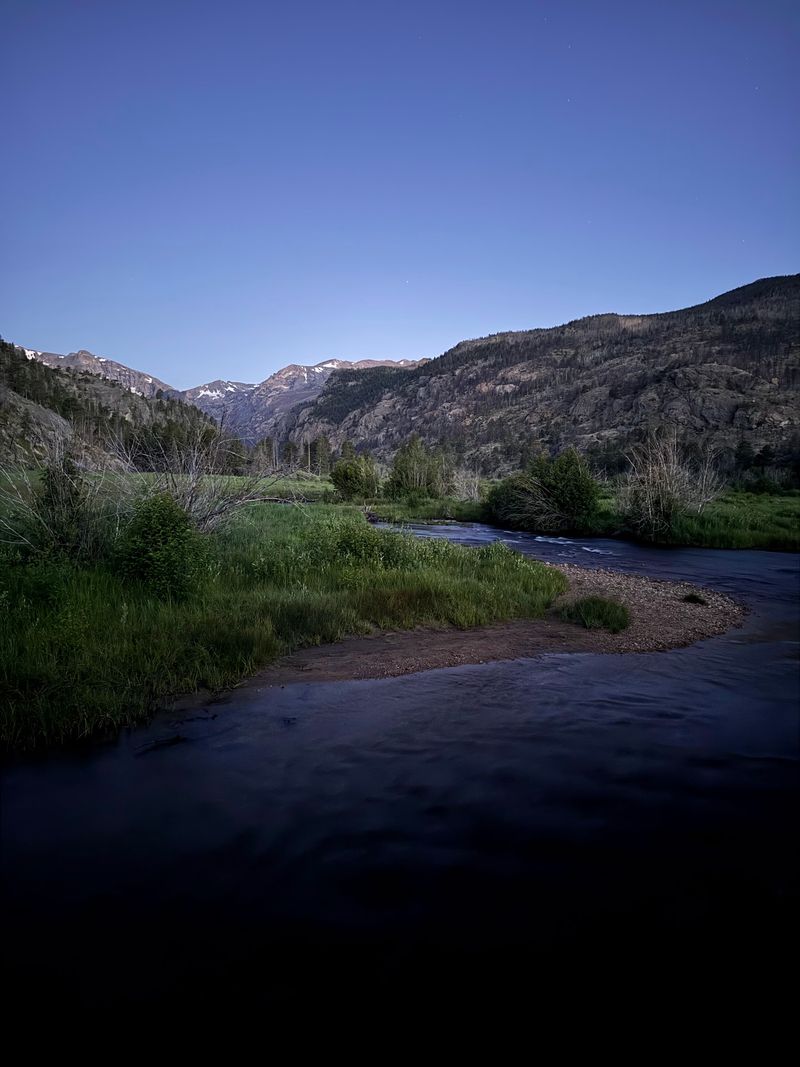
Noise changes wildlife viewing more than many hikers realize. On a quieter trail, small sounds become useful clues: a branch snapping in the timber, birds lifting from the grass, hooves moving through brush, or a bugle carrying across open land.
Cub Lake Trail has a strong edge in fall because its appeal is not built around loud gathering spots or constant foot traffic near a single overlook.
That lower-key feel helps in two ways. First, it gives hikers a better chance to hear elk before they see them. Second, it creates a calmer pace that fits the season. Elk bugling is not a quick, check-the-box event.
It rewards waiting, listening, and noticing changes in the landscape. A busy setting can break that spell fast. Quiet also improves safety. When people are not packed shoulder to shoulder, there is more room to stop, step aside, and keep proper distance from animals.
That matters most during the rut, when bulls can be aggressive and should never be approached. A peaceful trail is not an excuse to get closer. It is a chance to watch better from farther away.
There is another bonus many hikers miss at first. Less noise makes the whole route richer, even during moments without wildlife.
Wind in the pines, water near marshy ground, and bootsteps on packed dirt fill the space between sightings. The hike becomes more than a search for one animal.
It turns into an active listening experience, which is rare on crowded outings. For anyone choosing between a flashy destination and a trail that lets nature do the talking, Cub Lake makes a convincing case with every quiet mile.
Best Fall Timing for Hearing Elk
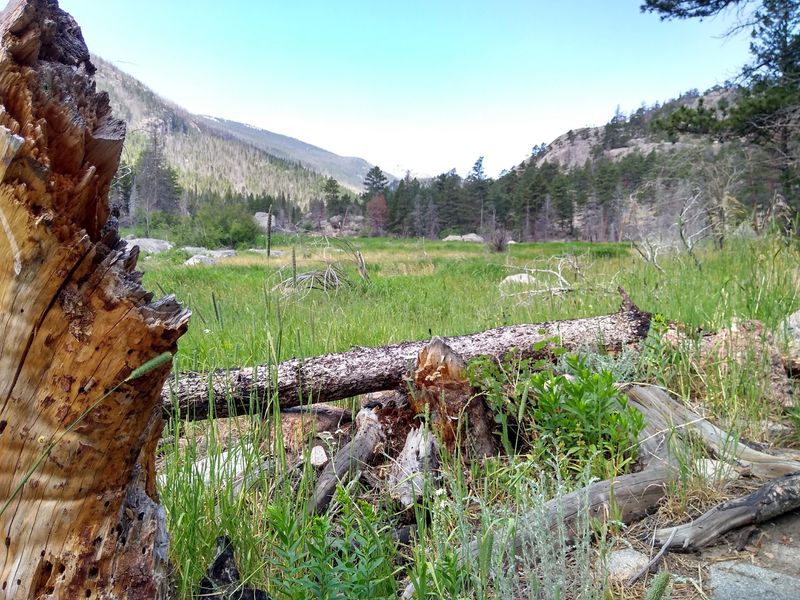
Timing can make the difference between a nice hike and a truly memorable one. For elk bugling, fall is the headline season, with the strongest chances usually landing from September into early October.
That is when bulls are most active, mornings are cooler, and the trail can offer the mix of sound and scenery that many wildlife watchers hope for.
Early starts are usually the smartest move. Before the day gets busy, temperatures tend to be lower, winds can be lighter, and animal activity often feels more concentrated.
Reaching open areas in the morning gives hikers time to listen without rushing. Even ten quiet minutes in the right spot can reveal more than an hour of fast walking later in the day.
Weather adds another layer. A crisp morning after a cold night can sharpen the whole experience, and light snowfall may make the route especially pretty while also changing the sound of footsteps and distant calls.
Conditions can shift fast in the Rockies, though, so warm layers, good shoes, and a flexible mindset matter just as much as a camera.
Weekday visits may offer a calmer atmosphere than busier weekend periods, especially during peak leaf season nearby. If hearing elk is the main goal, plan the outing around sound rather than sunlight alone.
Gray skies can still deliver great wildlife moments, and overcast conditions sometimes make meadows feel even quieter. The best strategy is simple: go in the fall window, start early, move steadily, stop often, and let the trail reveal its own schedule.
Cub Lake does not need perfect conditions to shine, but good timing can bring its wildest season into clear focus.
A Modest Trail With a Big Autumn Payoff
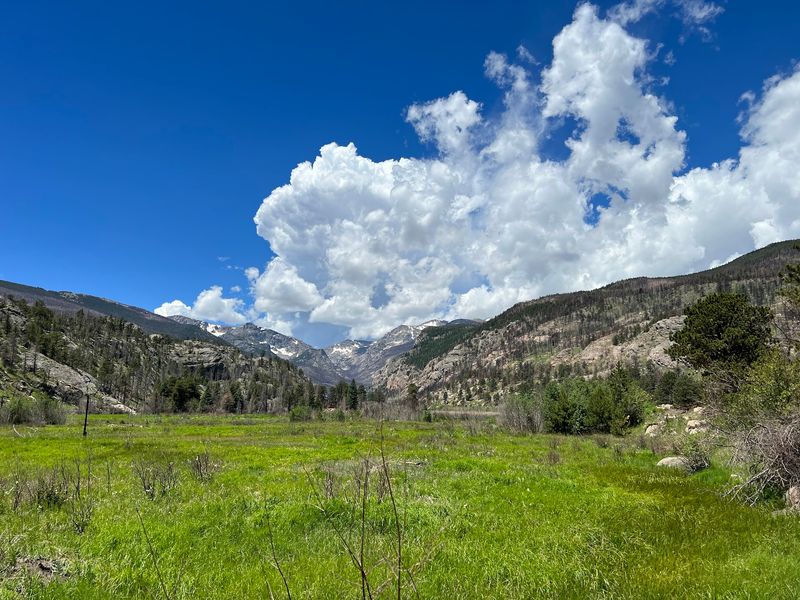
Some trails earn attention with huge climbs or famous summit photos. Cub Lake Trail takes a different route. Its strength is balance. The hike offers wildlife habitat, changing scenery, and a realistic chance to hear elk bugling, all on a route that feels reachable for a wide range of hikers.
That combination is harder to find than it sounds. There is also a nice sense of progression. Open meadow country sets the stage, wooded sections tighten the focus, and the lake adds a final scenic reward that keeps the outing from being only about one moment of wildlife luck.
Even when elk stay hidden, the trail still gives back through landscape variety and a steady feeling of discovery. That matters in a place where expectations can run too high. Some famous fall wildlife spots get so crowded that the noise competes with the nature people came for.
Cub Lake Trail offers a more measured experience. It asks hikers to pay attention instead of chase spectacle, and in return it can deliver a stronger connection to the season itself.
For first-timers, the trail is a smart introduction to autumn wildlife watching in Colorado. For regular hikers, it remains appealing because the changing light, weather, and animal activity can make each visit play out a little differently.
The route does not rely on hype. It works because the setting supports the experience in practical ways: broad meadows for sound, habitat diversity for sightings, and manageable mileage for a relaxed pace.
If the goal is to hear the wild side of fall rather than just photograph it, Cub Lake Trail makes a very persuasive final case.
Share this story