Some places ask for a quick stop, but Zoar Village makes you want to slow your pace and stay awhile. In this remarkably preserved Ohio town, flower-lined paths, sturdy brick buildings, and layered stories reveal a community shaped by faith, labor, and shared purpose.
If you love small towns with real depth, Zoar offers the rare pleasure of feeling both peaceful and historically alive. Here are the corners of the village that make its past feel wonderfully close.
1. Start at the Zoar Store and Visitor Center
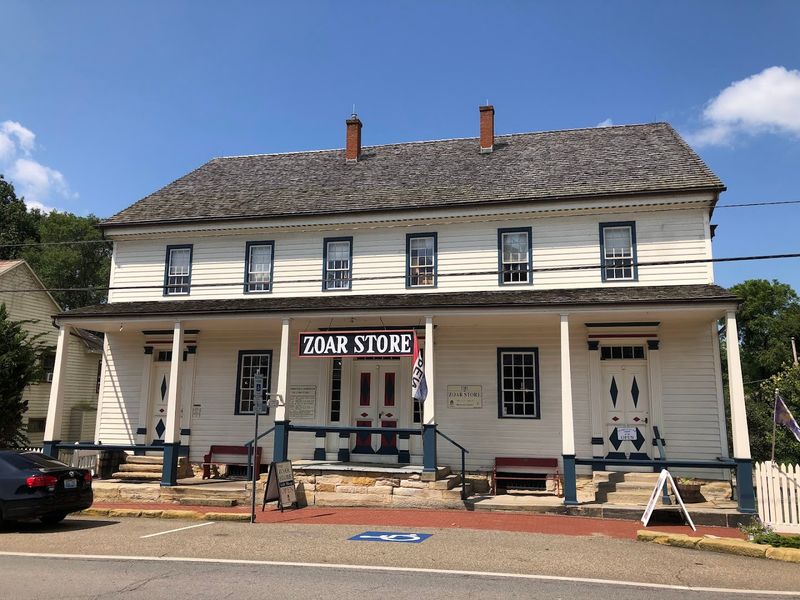
I would begin any visit to Historic Zoar Village at the Zoar Store, because it sets the tone for everything that follows. This is where you can get tickets, orient yourself, ask questions, and hear the first threads of the village story.
Reviews often praise the friendly staff and knowledgeable volunteers, which feels fitting in a place where hospitality and memory still matter.
Standing here, you are not just entering a museum site, you are stepping into a town that still feels lived in and personal. Maps and guidance help you notice details you might otherwise miss, from the layout of the streets to the significance of nearby buildings.
If you like knowing the why behind what you see, this is your best first stop.
It also helps you plan around current hours, open buildings, and walking routes, making the experience smoother and far more rewarding.
2. Walk the streets where a communal village once thrived
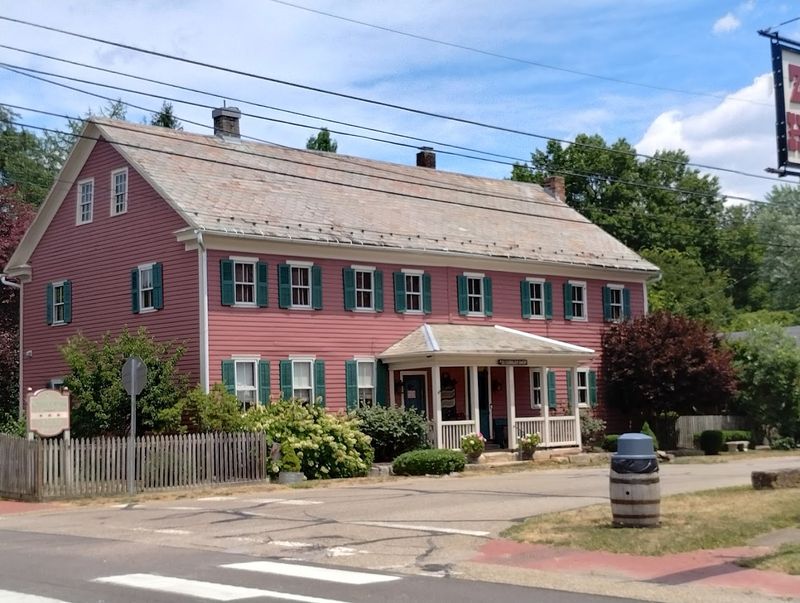
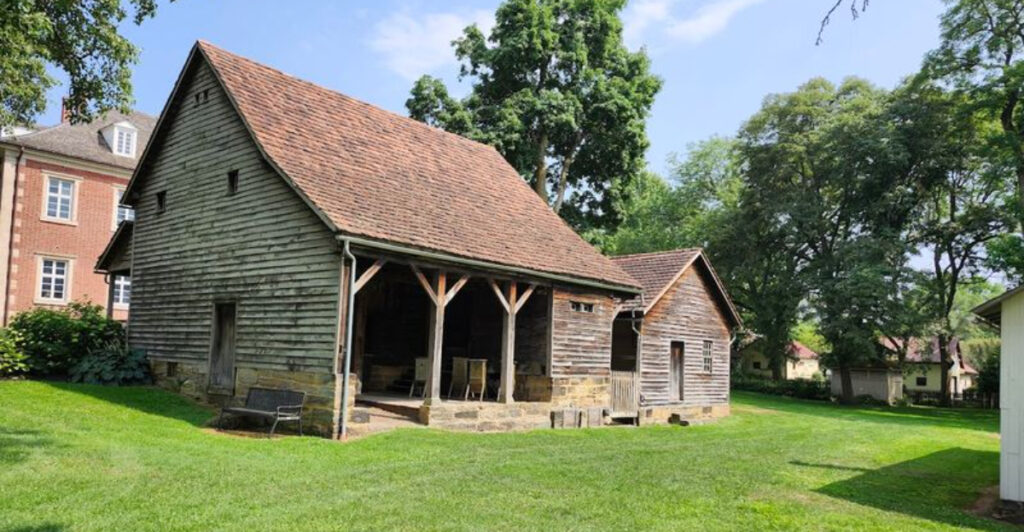
One of the best things about Zoar Village is that simply walking its streets feels meaningful. The town was founded in 1817 by German Separatists seeking religious freedom, and the physical layout still hints at the discipline and shared purpose that shaped daily life.
Even before you enter a building, the village gives you a sense of order, intention, and unusual calm.
I think you feel that most in the spaces between attractions, where restored homes, mature trees, and wide views create a gentle rhythm. Some buildings are part of the historic site, while others remain private residences, which adds to the feeling that Zoar is more than a staged backdrop.
It is a preserved place with real continuity.
If you slow down and wander instead of rushing, the village reveals itself in layers. That quiet, lived-in authenticity is what makes Zoar memorable long after you leave.
3. See the garden at the heart of the village
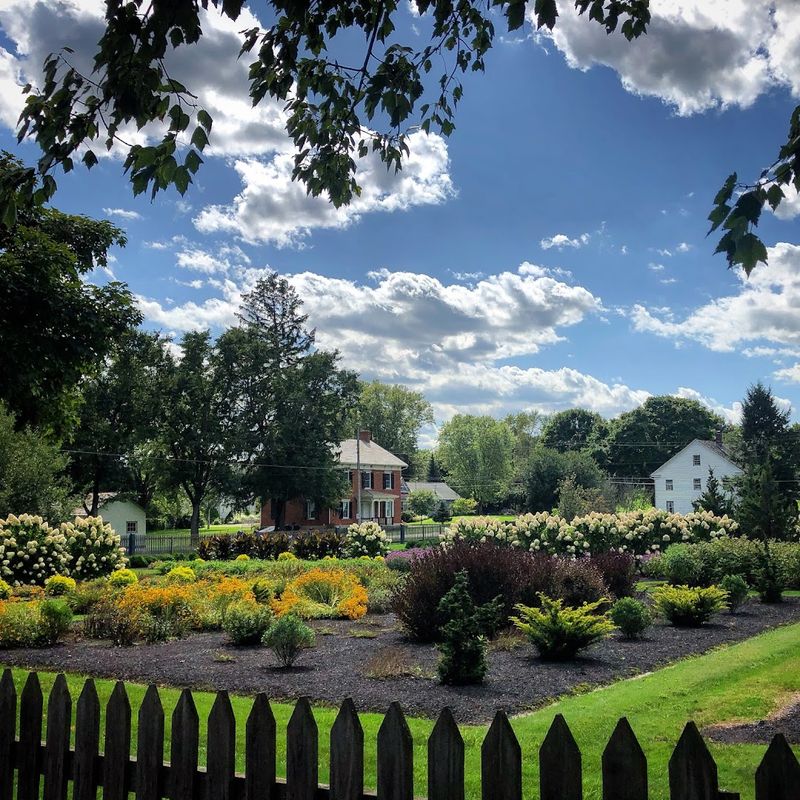
The central garden is one of the most striking places in Zoar Village, and it gives the town an immediate sense of beauty and purpose. Its layout reflects the original village plan, and visitors often mention how carefully maintained and peaceful it feels.
In bloom, it becomes more than a pretty stop, because it expresses the community ideals that once shaped Zoar life.
As you walk the paths, you can imagine how order, faith, and labor were woven together here. Reviews describe butterflies, manicured flower beds, and an atmosphere that invites quiet reflection, which matches the mood this space still carries.
It is eye catching, but it also feels symbolic.
I love places where landscape tells part of the story, and this garden does exactly that. If you want a softer, more contemplative way to connect with Zoar’s past, spend unhurried time here and let the setting speak.
4. Tour Number One House for a closer look at daily life
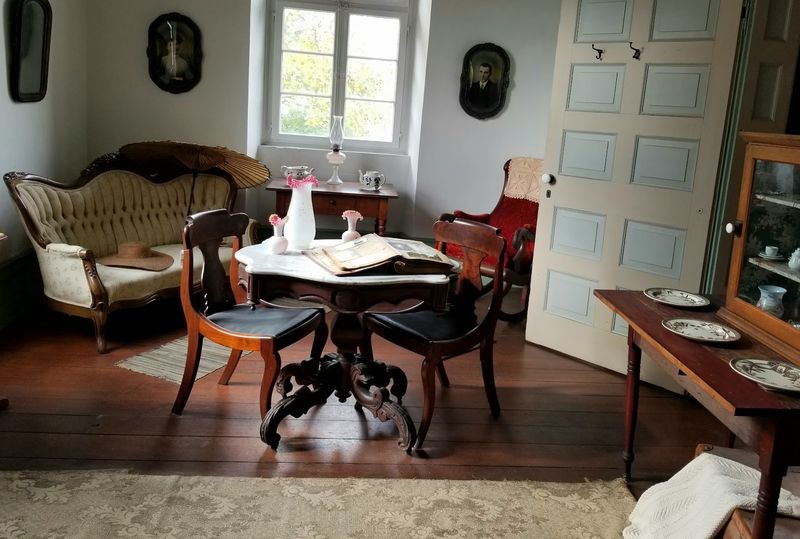
Number One House is one of the places that helps Zoar’s history feel human instead of abstract. Rather than telling you only about leaders or dates, it opens a window into the routines, values, and practical arrangements that supported communal life.
You start to understand how an idealistic settlement actually functioned day by day.
Visitors often say the guided interpretation adds enormous value, and this building is a great example of why. Inside, details of domestic space, furnishings, and shared expectations reveal a disciplined world built around cooperation and religious conviction.
The experience feels grounded, not theatrical, which makes it easier to imagine real people living here.
I think this stop matters because it narrows the distance between present and past. If you want more than a surface glance at Zoar Village, Number One House helps turn broad history into something tangible, intimate, and surprisingly relatable.
5. Visit the bakery for one of Zoar’s liveliest traditions
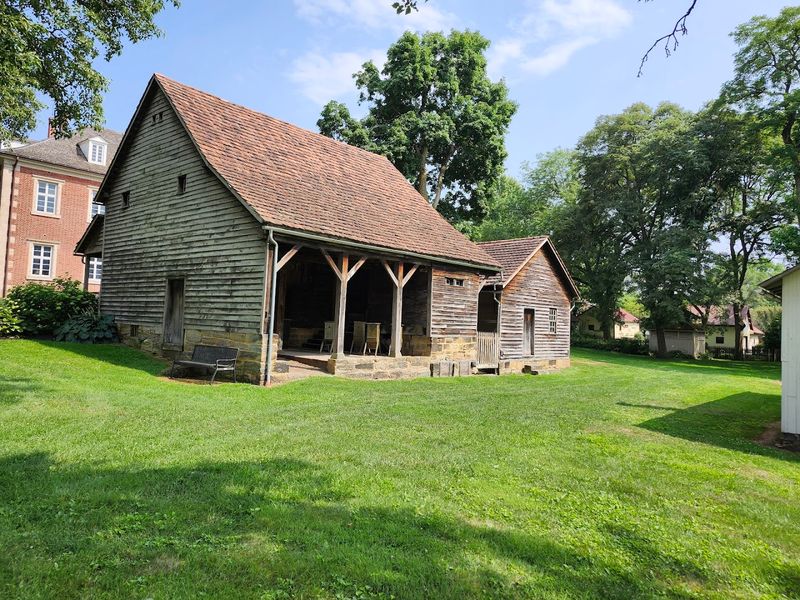
The bakery is one of those stops that instantly makes Zoar Village feel warm and alive. History here is not limited to signs and displays, because the bakery connects you to everyday nourishment, work, and craft in a direct, sensory way.
Visitors regularly mention it as a favorite, especially when baked items are available for purchase.
I think that matters because food has a way of collapsing time. In a town built on communal effort, the bakery represents more than a charming old building, it reflects the rhythms of labor and the practical systems that kept the village running.
Even if you arrive mainly for architecture or religion, this stop adds texture to the experience.
There is also something wonderfully grounding about stepping from broad historical themes into a space tied to flour, heat, timing, and skill. If you want Zoar to feel personal, the bakery is an easy place to start.
6. Watch traditional craft in the village workshops
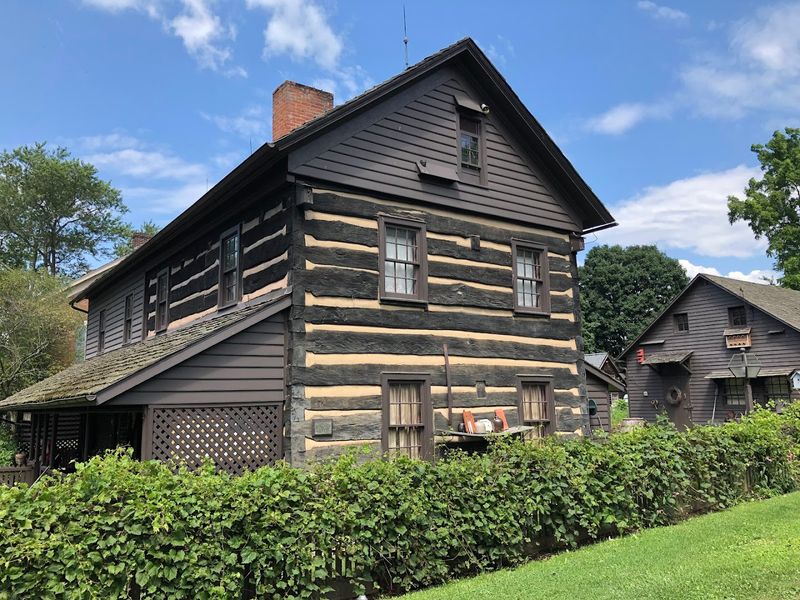
Zoar Village becomes even more engaging when you step into its working shops and imagine the skills that sustained the community. Demonstrations in places like the blacksmith shop or tin shop give motion and sound to a town that might otherwise seem still.
Instead of seeing history as decoration, you begin to understand it as labor.
That shift is important, because Zoar was built by people who depended on discipline, cooperation, and practical ability. Craft spaces show how tools, hands, and repetition shaped daily survival as much as faith did.
Reviews often highlight these demonstrations as memorable, and it is easy to see why once sparks fly or metalwork begins.
I like that these workshops reveal the village as a functioning system, not just a collection of preserved buildings. If you want to grasp how communal ideals translated into everyday action, the craft areas offer some of the clearest and most vivid evidence.
7. Take a guided tour to understand the Separatist story
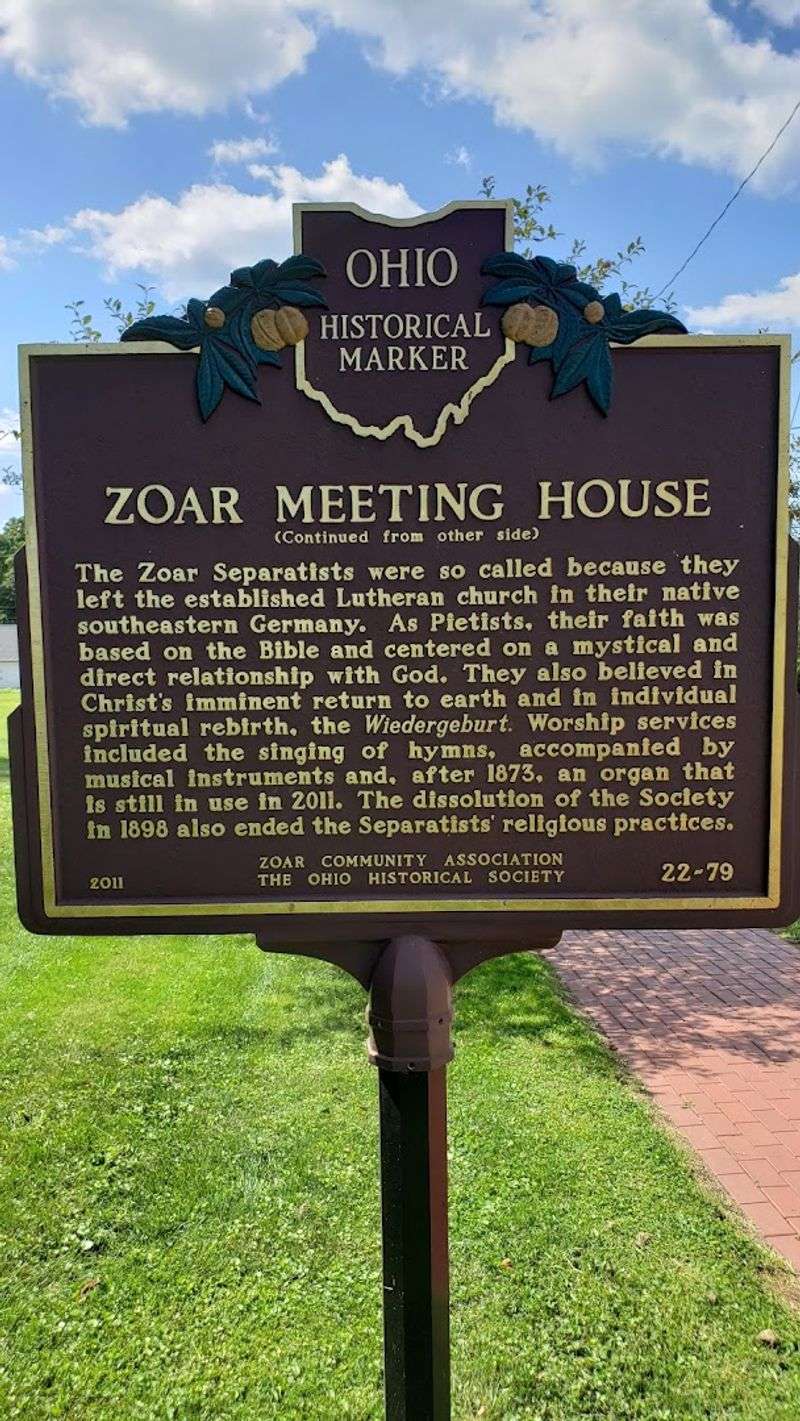
If you only do one thing in Zoar Village, make it a guided tour. Again and again, visitors praise the guides for turning the village from a pleasant historic setting into a deeply understandable story about the Zoar Separatists, their beliefs, and their communal experiment.
The added context makes nearly every building more interesting.
Without interpretation, you might admire the architecture and gardens but miss the tension, sacrifice, and ambition behind them. Guides explain why this German religious community came to Ohio, how they organized work and property, and why the commune eventually dissolved after decades of success.
That narrative gives the village emotional shape.
I appreciate that the tours seem patient, informed, and welcoming to questions, which helps the history feel accessible rather than distant. For a modest ticket price, you gain the kind of detail that stays with you long after the walk ends and the photographs are put away.
8. Notice how authentic artifacts deepen the experience
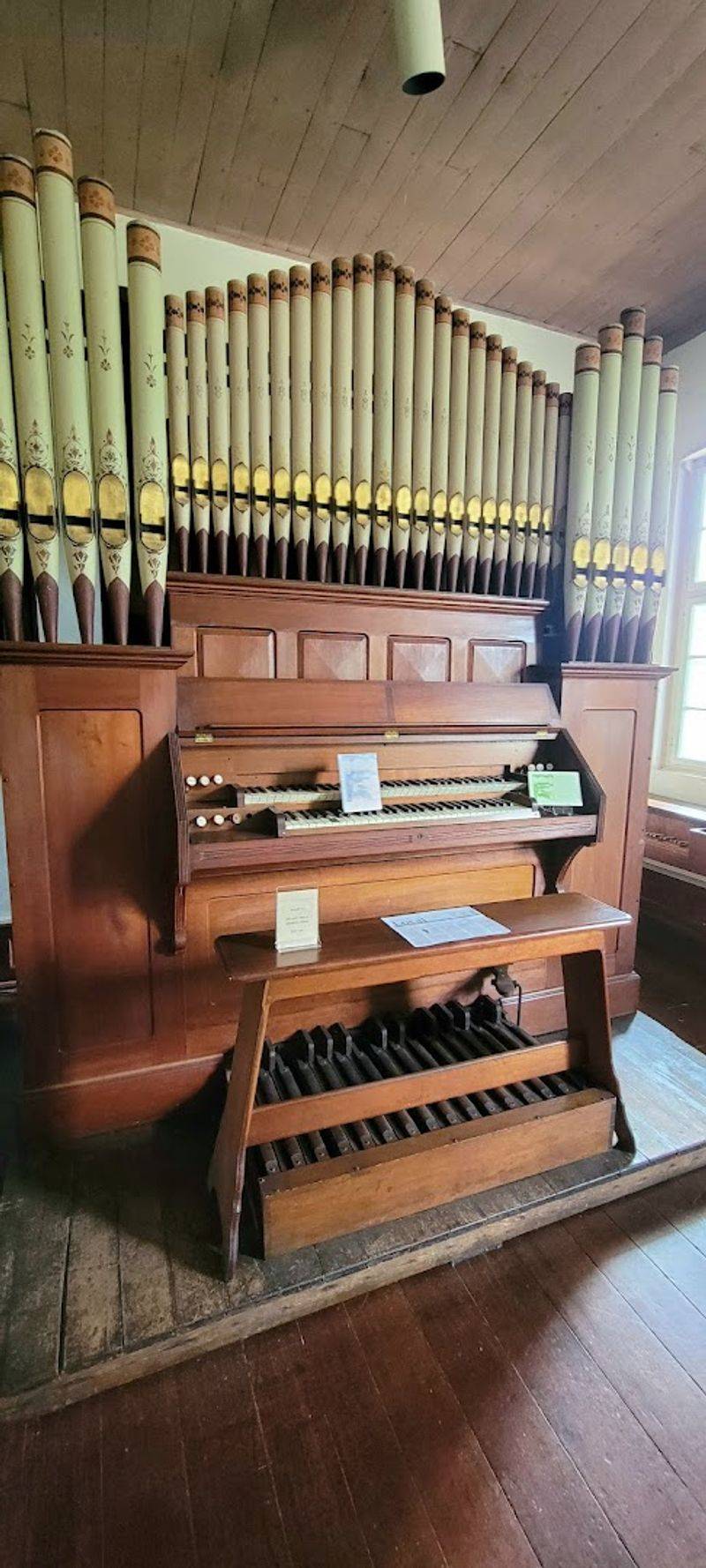
One reason Zoar Village stands out is that so many of its furnishings and artifacts are tied directly to the place itself. Visitors often note that the collections do not feel generic or borrowed just to fill rooms.
That authenticity changes the mood, because you are not looking at an imitation of village life, but at material traces of the community that actually lived here.
Furniture, tools, household objects, and decorative pieces all carry a quiet authority when they belong to the story being told. They help the interiors feel inhabited, and they remind you that communal history was expressed through ordinary things as much as major events.
The result feels intimate instead of overly polished.
I find that authenticity especially moving in a small town like Zoar, where the scale remains personal. If you are someone who studies details, the objects here reward close attention and make the past feel startlingly near.
9. Experience the village during special events and reenactments
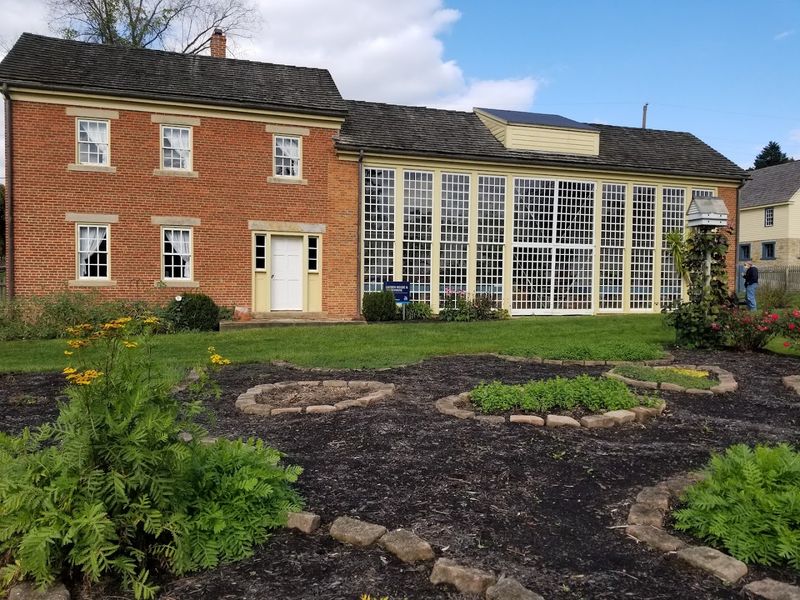
Zoar Village has a naturally quiet atmosphere, but special events reveal another side of its character. Reenactments, seasonal programs, and themed tours bring extra energy to the streets while still fitting the village’s reflective mood.
Visitors mention events like ghost tours and holiday gatherings as memorable ways to experience the town after regular daytime wandering.
What I like about events here is that they do not erase the village’s sense of gentleness. Instead, they add voices, costumes, stories, and light touches of drama that help you imagine Zoar in motion.
A place rooted in communal tradition seems especially well suited to gatherings that invite people to return and participate.
If your schedule allows, it is worth checking the official calendar before you visit. Seeing Zoar during a program can add texture and atmosphere, while still letting the village’s deeper history remain the main attraction rather than a backdrop.
10. Plan a slow visit and let Zoar reveal itself
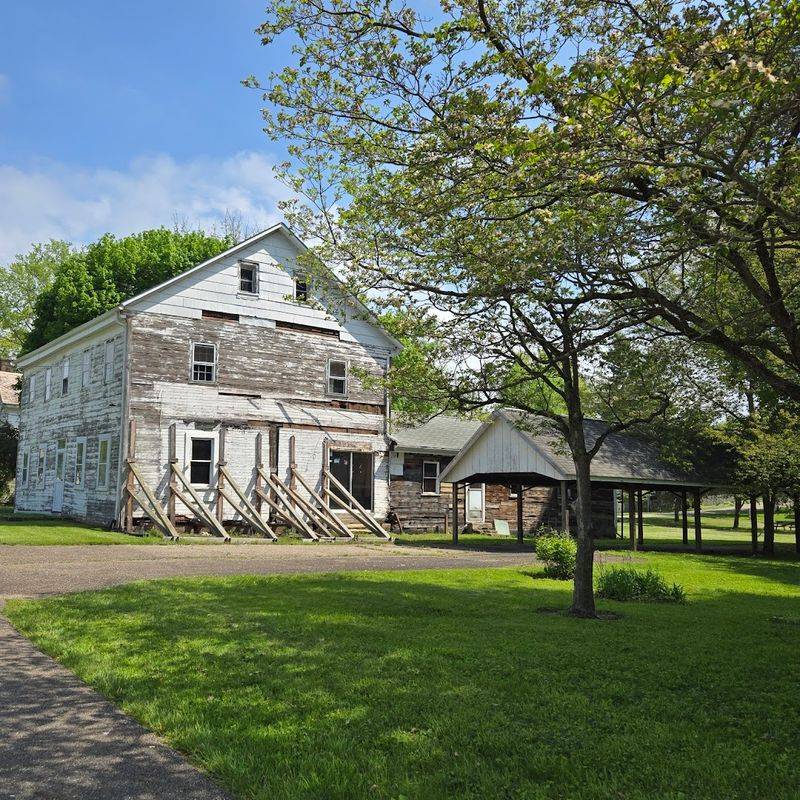
Zoar Village rewards a slower style of travel, and that may be its greatest charm. With hours that generally run Wednesday through Saturday from 10 AM to 5 PM and Sunday from noon to 5 PM, it helps to plan ahead and give yourself enough time to walk, tour, and pause.
This is not a place to race through in twenty minutes.
I would come ready for a mix of structured history and gentle wandering. Some visitors note that not every building is always open, but even then the streets, garden, and preserved atmosphere make the trip worthwhile.
The setting invites observation, patience, and curiosity rather than a checklist mentality.
If you have been craving a destination that feels quiet, thoughtful, and deeply rooted in Ohio history, Zoar delivers. Let yourself move slowly here, and you will likely leave feeling as if the village shared more with you than you expected.
Share this story