
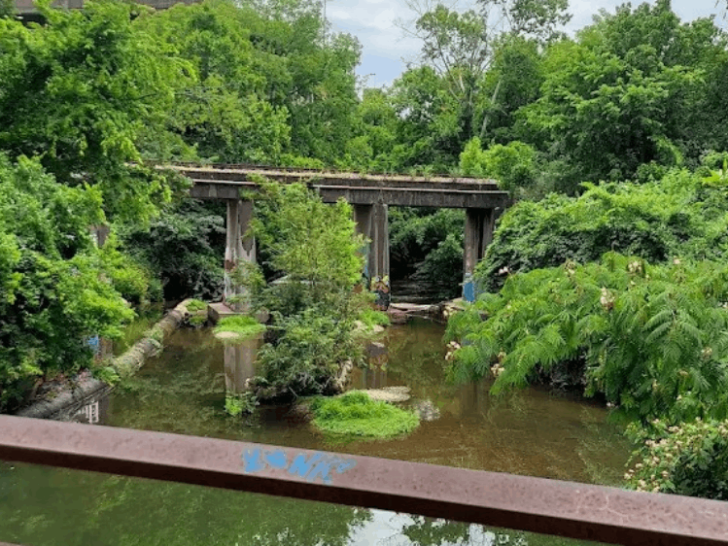
Just west of downtown Nashville lies a peaceful curve along a walking trail where most visitors pause to admire old bridges and enjoy the shade. Few realize they’re standing at the site of one of America’s deadliest railroad disasters.
On July 9, 1918, two passenger trains collided head-on at this exact spot, killing at least 101 people and injuring 171 others in what became known as the Great Train Wreck of 1918. Today, a modest monument marks this tragic piece of history that forever changed railroad safety across the nation.
The Tragic Tennessee Site Most People Drive Past Without Knowing
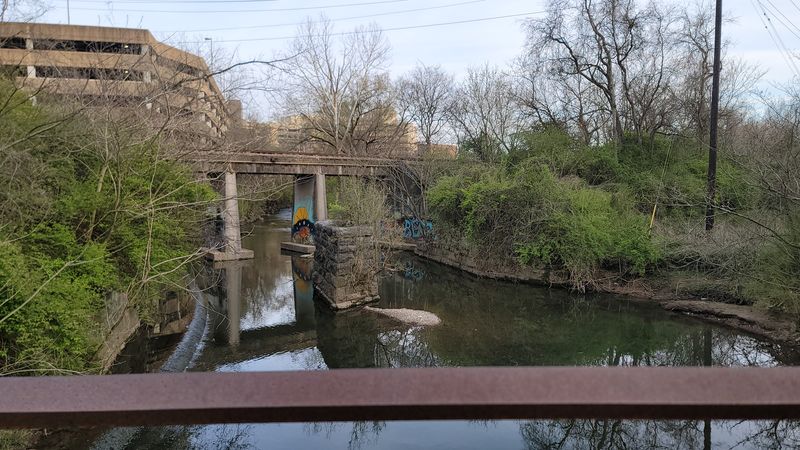
Thousands of Nashville residents jog, bike, and stroll past this location every week without a second thought. The curve sits along a popular greenway trail near a golf course, looking like any other scenic spot in Music City. Old steel bridges arch overhead while graffiti artists have left their colorful marks on the concrete supports below.
But beneath the tranquil surface lies a story of unimaginable tragedy. This innocent-looking bend in the tracks earned the name Dutchman’s Curve, though the origin of that nickname remains unclear. What is certain is that this spot witnessed one of the worst transportation disasters in American history.
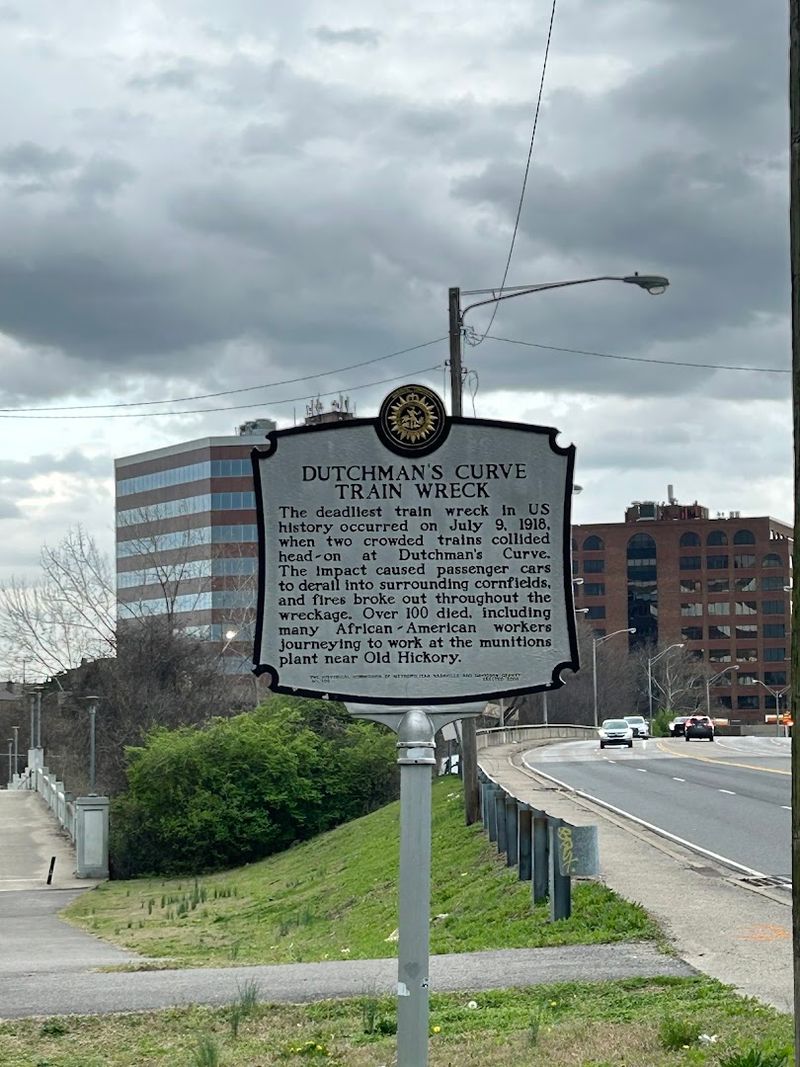
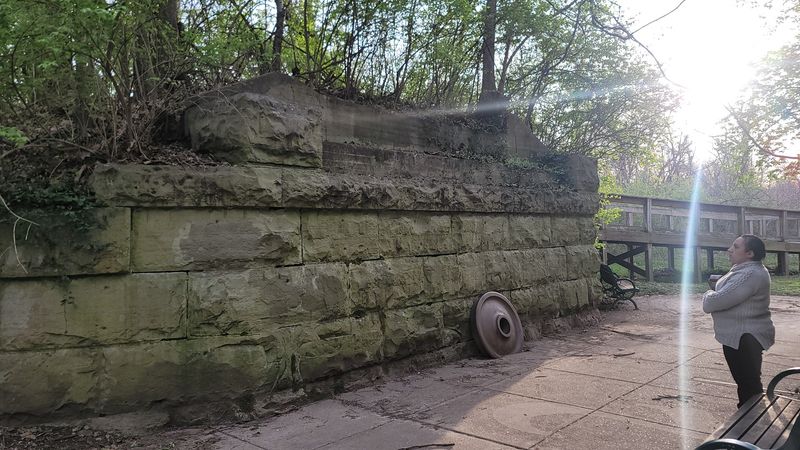
A small historical marker now stands near the trail, often overlooked by passersby focused on their fitness routines or enjoying the shade. The monument serves as a quiet reminder that this peaceful place was once a scene of chaos, fire, and devastating loss that shook the entire nation.
What Happened at Dutchman’s Curve in Nashville
Early morning on July 9, 1918, two passenger trains operated by the Nashville, Chattanooga and St. Louis Railway were headed toward disaster. Train No. 4, a local passenger service, was traveling outbound from Nashville’s Union Station. Meanwhile, Train No. 1, an express service from Memphis, was approaching the city on the same single track.
At approximately 7:20 a.m., the two locomotives met in a catastrophic head-on collision right at Dutchman’s Curve. The impact was so violent that both engines telescoped into each other, and wooden passenger cars behind them splintered like matchsticks. The crash created an enormous fireball as coal from the locomotives ignited the wreckage.
At least 101 people lost their lives that morning, with another 171 suffering serious injuries. Many victims were African American workers heading to their jobs, traveling in segregated cars positioned directly behind the engines, where the impact was most severe. The death toll made this the deadliest train accident in U.S. history at that time.
The Night of the Disaster: How It Unfolded
The tragedy began not with the crash itself, but with a series of human errors in the hours before. Train No. 4 should have waited on a siding to allow the express Train No. 1 to pass. However, a tower operator in Nashville gave Train No. 4 permission to proceed, either forgetting about the approaching express or making a fatal miscalculation about timing.
As both trains rounded the curve from opposite directions, their engineers suddenly spotted each other. Both men desperately threw their locomotives into reverse and applied emergency brakes, but physics worked against them. The trains were too close and traveling too fast to stop in time.
Rescue workers rushed to the scene to find a horrific tangle of twisted steel, shattered wood, and injured passengers.
Why Dutchman’s Curve Became So Dangerous
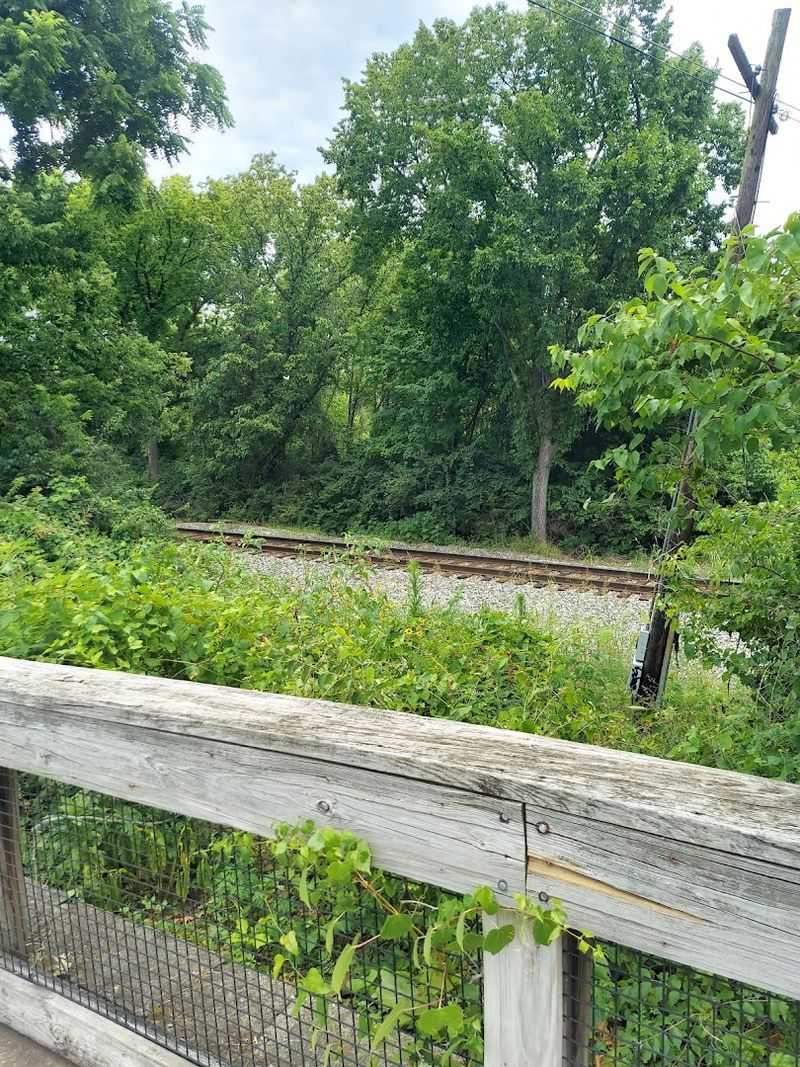
Railroad curves naturally present challenges for train operations, but Dutchman’s Curve had several factors that made it particularly treacherous. The sharp bend limited visibility for engineers approaching from either direction, meaning they couldn’t see oncoming traffic until it was dangerously close. Trees and terrain further blocked sightlines along this section of track.
The single-track design created another major risk. Unlike modern double-track systems where trains travel in opposite directions on separate rails, this route required careful coordination and timing.
Communication technology in 1918 was primitive by today’s standards. Dispatchers relied on telegraph systems and written orders to coordinate train movements. One miscommunication, one forgotten message, or one moment of confusion could spell disaster.
On that July morning, the system failed with catastrophic results. The curve didn’t cause the accident, but it ensured that when human error occurred, there was no time to correct the mistake.
The Aftermath and Lasting Impact on Rail Safety
The Great Train Wreck of 1918 sent shockwaves through the railroad industry and prompted immediate calls for reform. Investigators determined that human error and inadequate safety systems were primarily to blame.
In the years following the disaster, railroads across the country began implementing automatic block signal systems. These systems divided tracks into sections with signals that automatically prevented two trains from entering the same block simultaneously. The technology made human error far less likely to result in head-on collisions.
Train crews also received better training on safety protocols and communication procedures. The Interstate Commerce Commission, which regulated railroads at the time, strengthened its oversight and inspection requirements. While these improvements came too late for the victims at Dutchman’s Curve, they undoubtedly saved countless lives in the decades that followed.
Visiting the Site Today: What Remains of Dutchman’s Curve
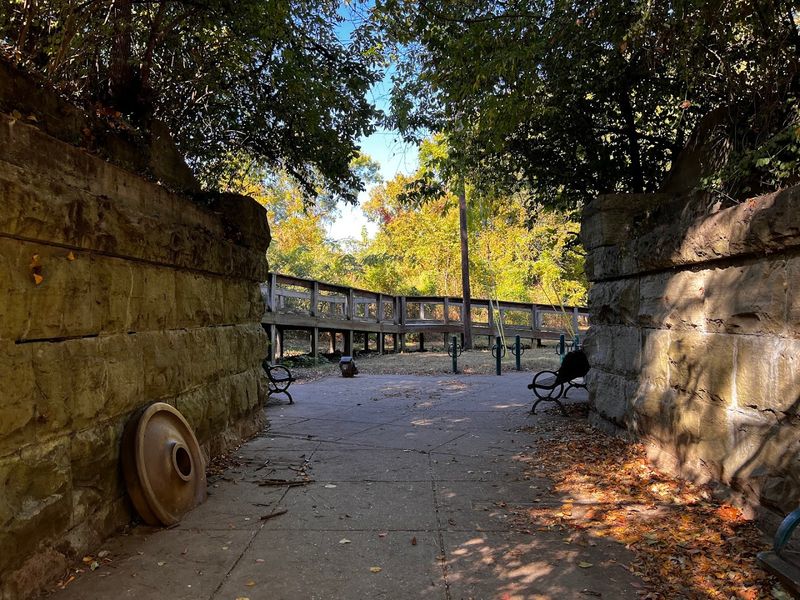
Today, Dutchman’s Curve is part of Nashville’s Richland Creek Greenway, a popular trail system that attracts walkers, runners, and cyclists year-round. The site sits near Richland Park Golf Course, making it easy to access for anyone wanting to pay their respects.
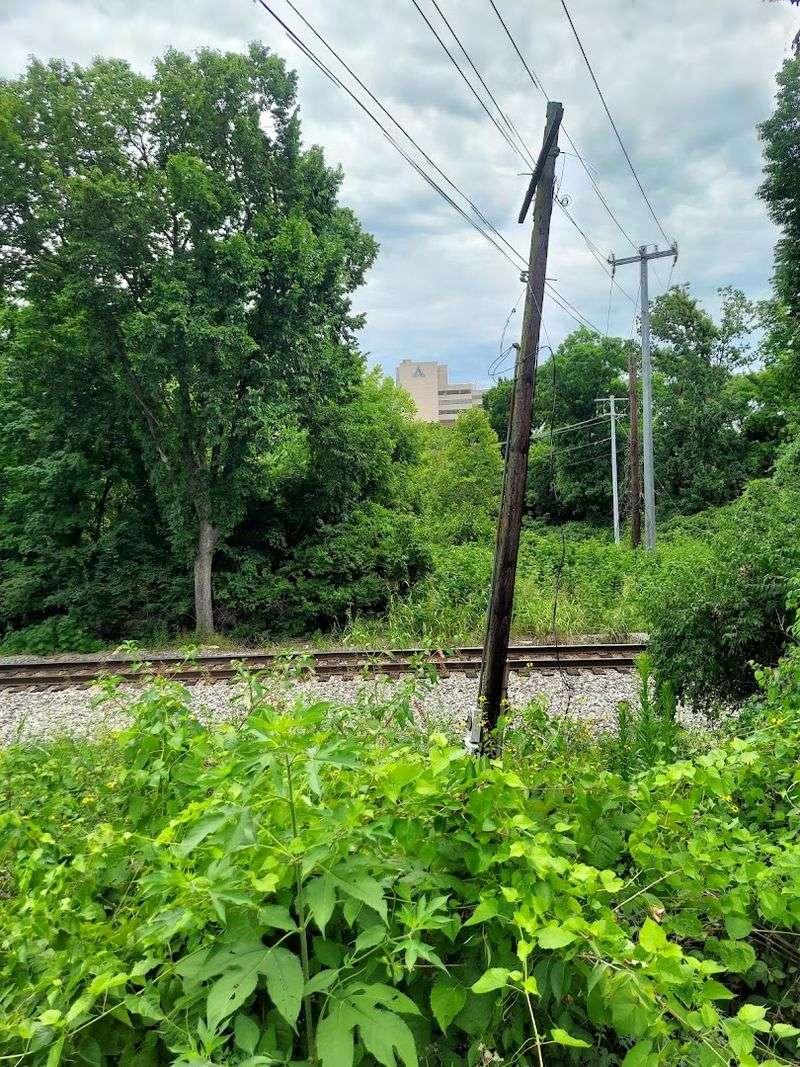
A modest monument commemorates the tragedy, though many trail users pass by without stopping to read its inscription. The railroad tracks still run through the curve, with trains occasionally rumbling past as a reminder that this remains an active rail line.
The site offers a quiet place to remember those who lost their lives and contemplate how far railroad safety has come since that terrible morning in 1918.