
Tucked away in Oak Ridge, Tennessee, sits a museum that preserves one of America’s best-kept wartime secrets. During World War II, thousands of workers flooded into this small Tennessee town to build something so classified that most of them had no idea what they were creating.
The K-25 History Center now opens the doors to that hidden chapter, offering visitors a chance to explore the massive uranium enrichment operation that helped end the war. Walking through its exhibits feels like stepping back into a time when secrecy, science, and sacrifice came together to change history forever.
A Quiet Museum With a Story That Was Once Top Secret
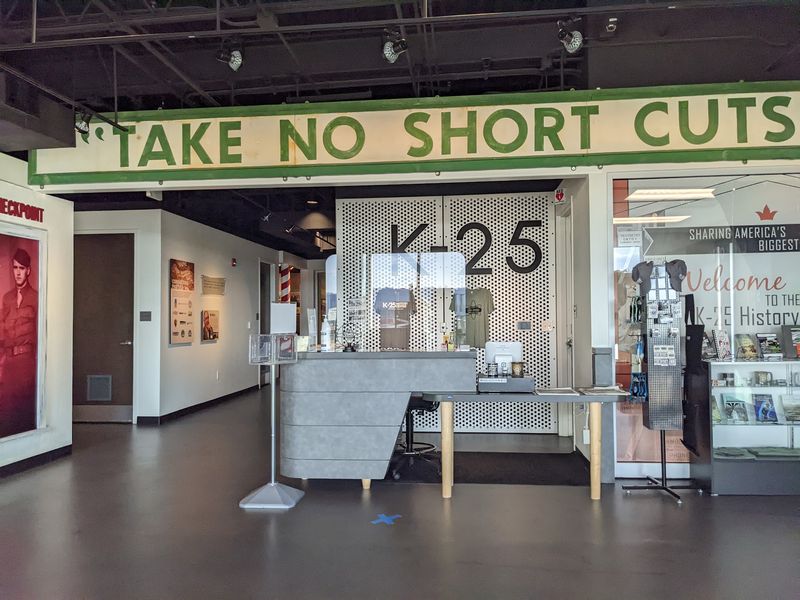
Most museums shout their presence from street corners with bold architecture and towering signs. This one sits quietly off Enrichment Drive, looking more like an office building than a keeper of atomic secrets.
But step inside and you’ll discover a place packed with stories that were once classified at the highest levels of government.
The K-25 History Center preserves the legacy of a uranium enrichment plant that operated right here in Oak Ridge. During World War II, over 25,000 workers helped construct what became the largest building in the world at that time.
Yet hardly anyone outside the project knew it existed.
Visitors receive a plastic security clearance card when they enter, setting the tone for an experience that mirrors the secrecy workers faced decades ago. The friendly staff, including knowledgeable volunteers like Wanda, make the history accessible and personal.
Many of these volunteers have direct connections to the site, adding authentic perspectives you won’t find in textbooks.
The center earned its 4.8-star rating by creating exhibits that balance serious historical content with engaging presentation. Interactive displays keep younger visitors interested while adults appreciate the depth of information available.
Admission runs around ten dollars for adults, with discounts for students, seniors, and military members.
Free parking makes access easy, though GPS might make the location seem confusing at first. The building lacks prominent exterior signage, which some visitors find ironic given its important story. Once you find it, though, plan to spend at least an hour exploring, maybe two if you really want to absorb everything.
The museum operates Tuesday through Saturday from 9 AM to 5 PM, with Sunday hours from 1 to 5 PM. Wheelchair accessibility ensures everyone can experience this remarkable piece of Tennessee history.
How Oak Ridge Became Part of the Manhattan Project
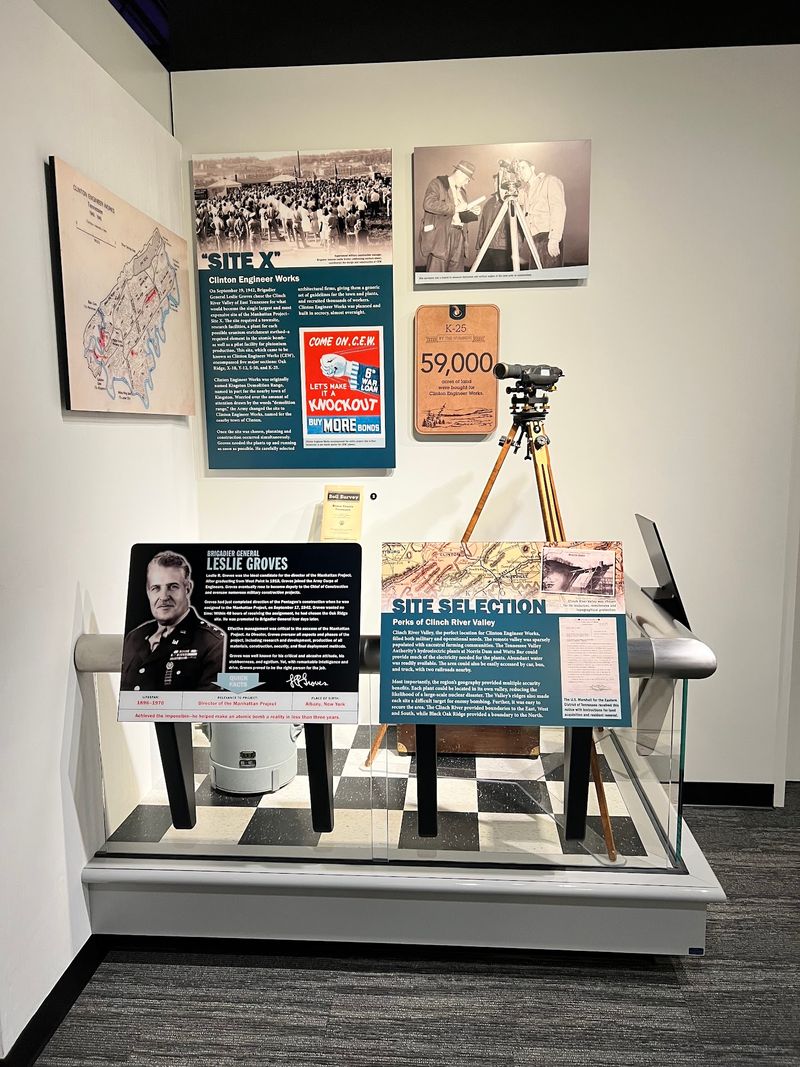
Before 1942, the land where Oak Ridge now stands was just quiet Tennessee farmland dotted with small communities. Then the federal government arrived with a secret mission that would transform everything overnight.
Families received buyout notices, entire towns disappeared from maps, and suddenly one of the most important scientific operations in American history took root.
The Manhattan Project needed three things: space, power, and secrecy. East Tennessee offered all three in abundance.
The nearby TVA dams could supply massive amounts of electricity required for uranium enrichment. The rolling hills provided natural barriers that helped hide construction from prying eyes.
At the museum, exhibits walk you through how government officials selected this location and convinced local residents to leave their homes for the war effort. Many families had lived on that land for generations, farming the same soil their grandparents worked.
The displays honor their sacrifice while explaining the urgency driving these decisions.
You’ll see original propaganda posters that reminded workers to keep quiet about their jobs. “What you see here, what you do here, what you hear here, let it stay here” became the unofficial motto. Workers couldn’t tell their own families what they were building, creating a strange atmosphere of productive mystery.
The museum does an excellent job explaining the gaseous diffusion process without getting too technical. Videos break down complex science into understandable concepts, showing how uranium-235 was separated from uranium-238 through thousands of repetitive steps.
Interactive elements let visitors grasp the massive scale of the operation.
Oak Ridge went from farmland to one of the largest cities in Tennessee within months, all while remaining officially unnamed on maps. That transformation represents one of the most dramatic community changes in American history.
Inside the Massive K-25 Gaseous Diffusion Plant
Picture a building shaped like a U that stretched half a mile on each side. That was K-25, the gaseous diffusion plant that once stood on this site. When completed in 1944, it claimed the title of world’s largest building, a record it held until the Pentagon surpassed it.
The museum brings this vanished giant back to life through photographs, architectural models, and firsthand accounts from people who worked inside. Walking through the exhibits, you start to grasp the mind-boggling scale of the operation.
Thousands of stages of diffusion equipment filled the building, each one slightly concentrating uranium-235.
Workers describe the plant as a maze of pipes, pumps, and machinery that seemed to go on forever. The noise was constant and overwhelming.
Summer heat made conditions nearly unbearable since air conditioning couldn’t cool such an enormous space adequately.
What makes the museum’s presentation special is how it explains the science without losing the human story. You’ll understand that uranium hexafluoride gas passed through barriers thousands of times, each pass making tiny improvements in concentration.
The process was slow, tedious, and absolutely critical to the war effort.
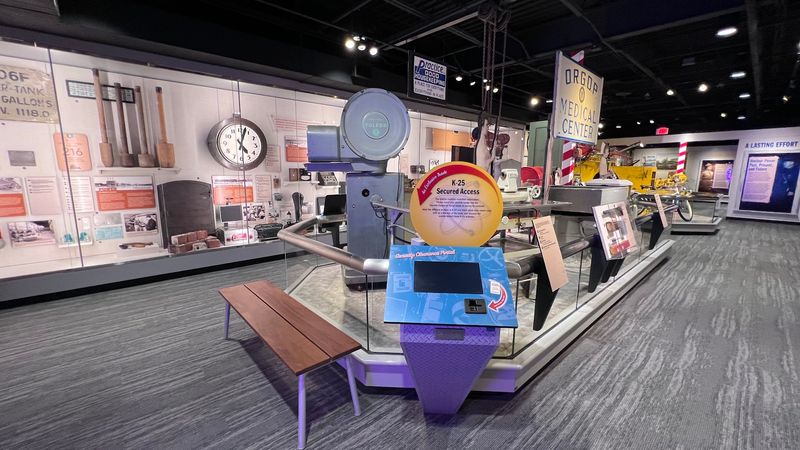
Artifacts on display include actual equipment salvaged before the building’s demolition. Touching these pieces of history creates a tangible connection to the past.
Videos show the demolition process itself, a bittersweet moment as the massive structure came down after decades of service.
The plant didn’t just disappear after World War II ended. It continued operating through the Cold War, adapting to new missions and technologies. Museum exhibits trace this evolution, showing how K-25 remained relevant for decades beyond its original purpose.
Though the physical building is gone, the museum ensures its story survives for future generations to appreciate and learn from.
The Workers Who Helped Build the Atomic Age
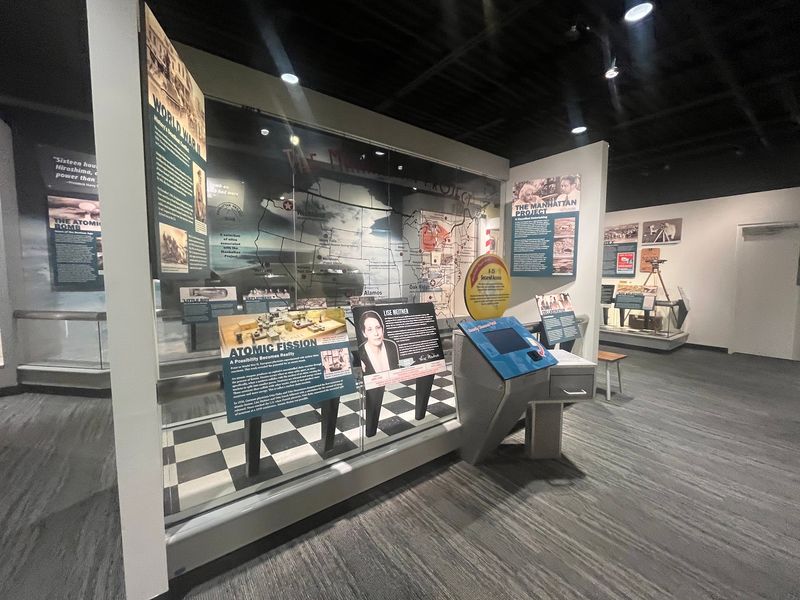
Behind every scientific breakthrough stand the people who made it happen. K-25’s story belongs as much to the tens of thousands of workers as it does to the scientists and engineers.
The museum dedicates significant space to honoring these everyday heroes who helped end World War II.
Women played crucial roles throughout the operation, taking on jobs traditionally reserved for men. They operated complex machinery, monitored gauges, and kept the enrichment process running around the clock.
The museum features personal stories that make history feel immediate and real. One display shares letters workers sent home, carefully worded to avoid revealing classified information. Another showcases lunch pails, work badges, and uniforms that connect visitors to daily life inside the secret city.
Many workers lived in hastily constructed housing that formed instant neighborhoods. Despite cramped conditions and long hours, a strong sense of community developed.
People formed friendships, fell in love, started families, and built lives around their mysterious mission.
What’s particularly moving is how few workers understood what they were building. They showed up, did their jobs excellently, and trusted that their work mattered.
Only after the bombs dropped on Japan did most realize they’d been part of the Manhattan Project.
The museum brings in volunteers who actually worked at various Oak Ridge facilities. Talking with Jerry, a former chemist, or other veterans of the site adds depth no exhibit alone can provide.
Their memories and insights make abstract history personal.
Recognition came late for many K-25 workers, but the museum ensures their contributions aren’t forgotten. Visitor reviews consistently mention how touching it is to see ordinary people honored for extraordinary service under extraordinary circumstances.
Artifacts and Exhibits Bring the Secret City to Life
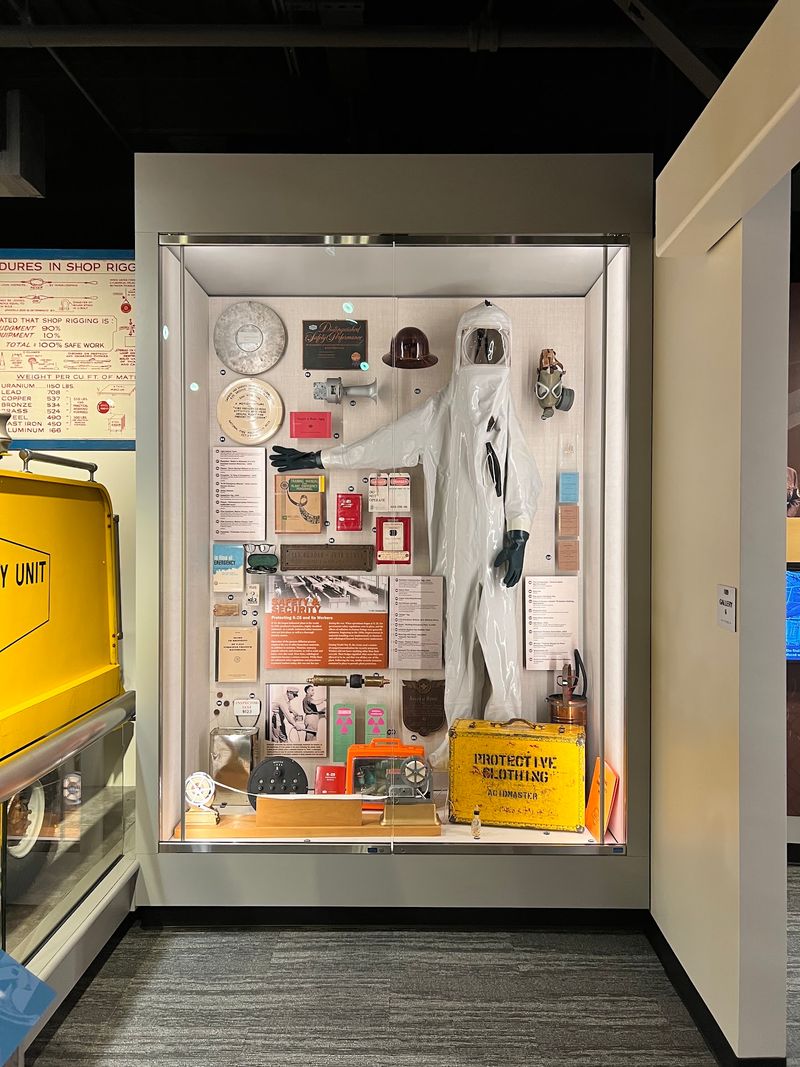
Walking into the K-25 History Center feels like opening a time capsule from America’s most secretive era. The exhibits don’t just tell you about history – they show you through carefully preserved objects that once belonged to the people who lived it.
Original security badges, some still bearing the photographs of long-ago workers, line display cases. These small pieces of laminated paper once granted access to one of the most restricted sites in America.
Each badge represents a person who kept the secret, did the work, and changed the world.
The museum invested heavily in creating engaging, interactive experiences. Touch screens throughout the facility respond to your security clearance card, unlocking information as you progress through the exhibits.
This clever design choice makes visitors feel like they’re gaining clearance to classified material.
Videos play throughout the space, breaking up text-heavy displays with visual storytelling. The introductory security briefing film sets the perfect tone, giving visitors more information than actual K-25 workers ever received.
Actual machinery and equipment salvaged from the plant occupies prominent positions. Standing next to these massive pieces of industrial hardware helps visitors grasp the scale of the operation.
These aren’t replicas or models – they’re the real tools that processed uranium during wartime.
The museum also preserves artifacts from daily life in Oak Ridge. Ration books, newspaper clippings, and household items show what existence was like in a city that officially didn’t exist.
Propaganda posters emphasizing secrecy appear throughout, their bold graphics and stern messages still striking today.
Some exhibits weren’t working during certain visits, according to reviews, but staff remains responsive to feedback. The scavenger hunt activity encourages thorough exploration while keeping younger visitors engaged.
Overall, the collection successfully balances technical information with human interest stories.
Why the K-25 Site Mattered Far Beyond Tennessee
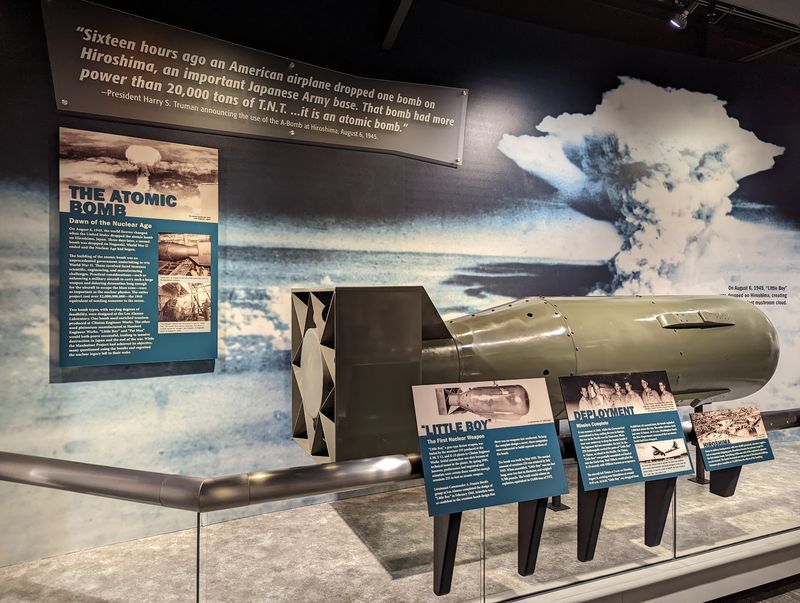
What happened in Oak Ridge didn’t stay in Oak Ridge. The uranium enriched at K-25 traveled to Los Alamos, New Mexico, where it became part of Little Boy, the atomic bomb dropped on Hiroshima.
That single weapon, powered partly by Tennessee-processed uranium, brought World War II to an abrupt end.
The museum doesn’t shy away from the complex moral questions surrounding atomic weapons. Exhibits acknowledge both the lives saved by avoiding a land invasion of Japan and the devastating impact on Japanese civilians.
This balanced approach lets visitors form their own conclusions about this pivotal moment.
Beyond ending the war, K-25 launched the atomic age. The enrichment techniques pioneered here influenced nuclear power development worldwide.
Peaceful applications of nuclear technology, from medical treatments to electricity generation, trace their lineage back to wartime innovations at facilities like K-25.
The site’s importance extended through the Cold War as well. Oak Ridge facilities continued producing enriched uranium for America’s nuclear arsenal and research programs.
The expertise concentrated in this small Tennessee city became a strategic national asset for decades.
Economically, the Manhattan Project transformed East Tennessee. Oak Ridge evolved from secret city to legitimate municipality, becoming a center for scientific research and advanced manufacturing.
The ripple effects touched surrounding communities, creating jobs and infrastructure that persist today.
The museum helps visitors understand how a single facility in rural Tennessee connected to global events that reshaped human history. From the physics labs of Los Alamos to the skies over Japan to the ongoing debates about nuclear policy, K-25’s influence spread far beyond its massive footprint.
Learning this history provides context for current discussions about nuclear weapons, energy policy, and scientific ethics. The questions K-25 raised remain relevant, making this museum more than a historical curiosity.
It’s a window into issues we’re still wrestling with generations later.
What to Know Before Visiting the K-25 History Center
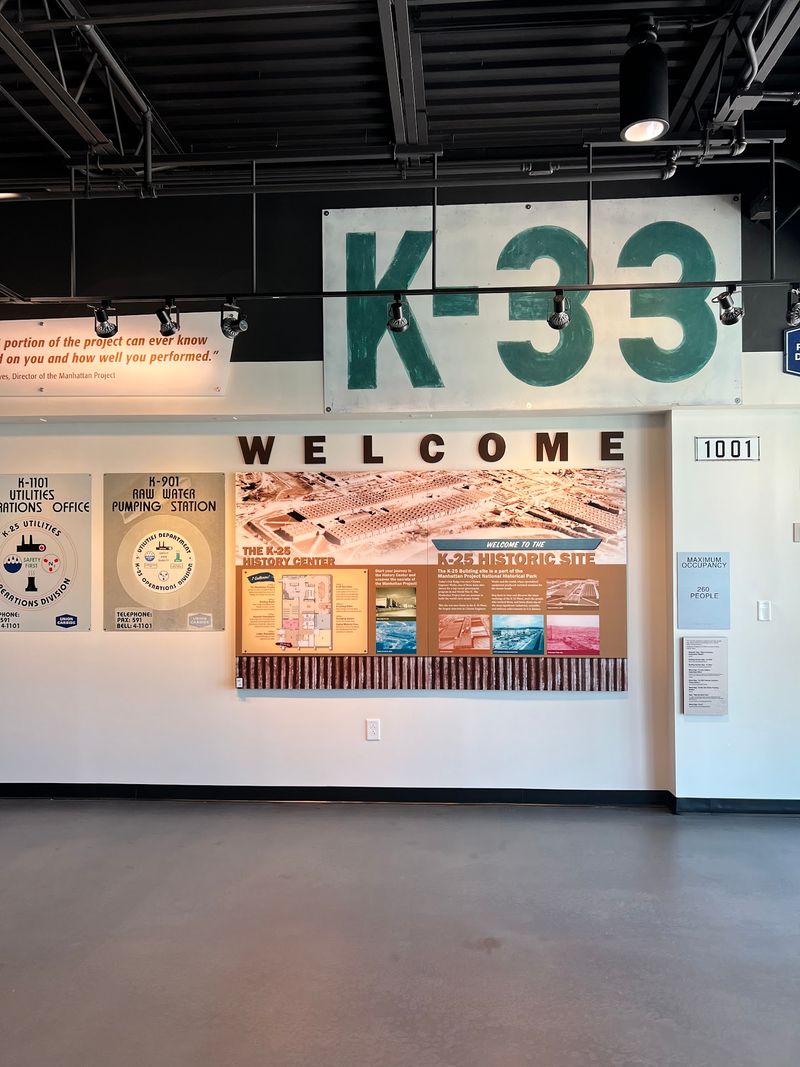
Planning your visit takes just a little preparation to ensure the best experience. The museum sits on Enrichment Street west of Oak Ridge proper, and first-time visitors sometimes struggle with directions.
Your GPS will get you close, but watch for the parking lot past what looks like a fire station.
Hours run Tuesday through Saturday from 9 AM to 5 PM, with shorter Sunday hours from 1 to 5 PM. Mondays the center is closed, so plan accordingly.
Arriving early gives you time to explore thoroughly without feeling rushed.
Admission costs around ten dollars for adults, with reduced rates for children, students, seniors, and military members. Some visitors report confusion about whether national park passes apply, so call ahead at 865-685-8050 if you have questions.
The museum maintains a website at k25historycenter.org with current information.
Budget at least an hour for your visit, though history enthusiasts often spend two to three hours absorbing everything. The self-paced format lets you linger over exhibits that interest you most. Starting with the introductory video provides helpful context for the rest of the experience.
The facility is fully wheelchair accessible, making it welcoming for visitors with mobility challenges. Families appreciate the scavenger hunt activity that keeps children engaged while adults read detailed displays.
The interactive elements work well for different age groups and learning styles.
Two gift shops offer books, t-shirts, and souvenirs, though some items lack price tags according to reviews. The staff generally helps with questions, though experiences vary.
Knowledgeable volunteers roam the exhibits, so don’t hesitate to ask them anything about the site’s history.
Consider combining your visit with a trip to the American Museum of Science and Energy. For fifteen dollars, you can purchase a combined ticket that includes transportation to Oak Ridge National Laboratory, providing broader context for the region’s scientific legacy.