Richard Moya Park sits along Burleson Road in Southeast Austin, a sprawling 105-acre retreat that most locals drive right past without a second glance. Tucked beneath a canopy of mature pecan trees and bordered by the gentle flow of Onion Creek, this Travis County gem offers miles of trails, playgrounds, picnic spots, and even a piece of Austin history. Whether you’re looking for a quiet morning walk, a family cookout, or a peaceful escape from the city buzz, this park delivers without the crowds you’d find at Zilker or Barton Springs.
1. A Historic Pecan Grove That Predates the Park
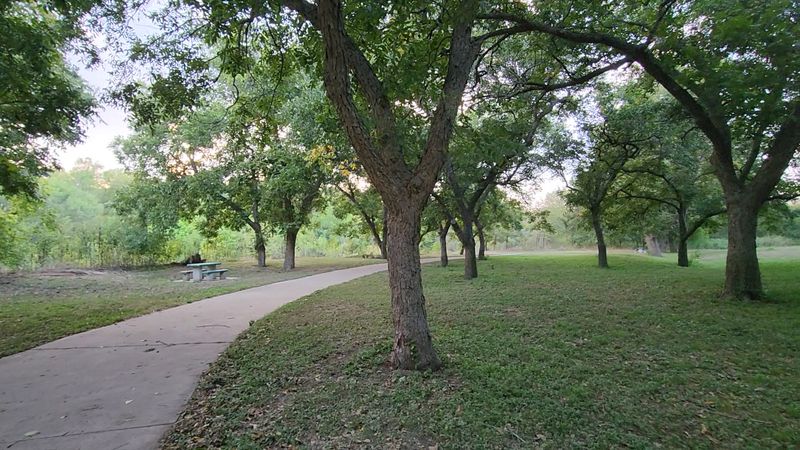
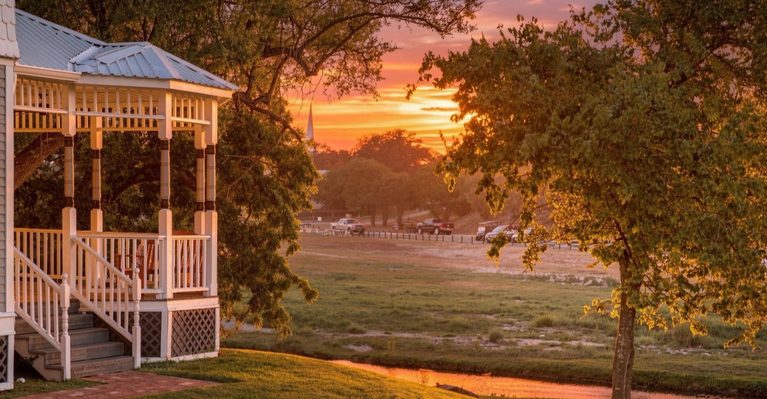
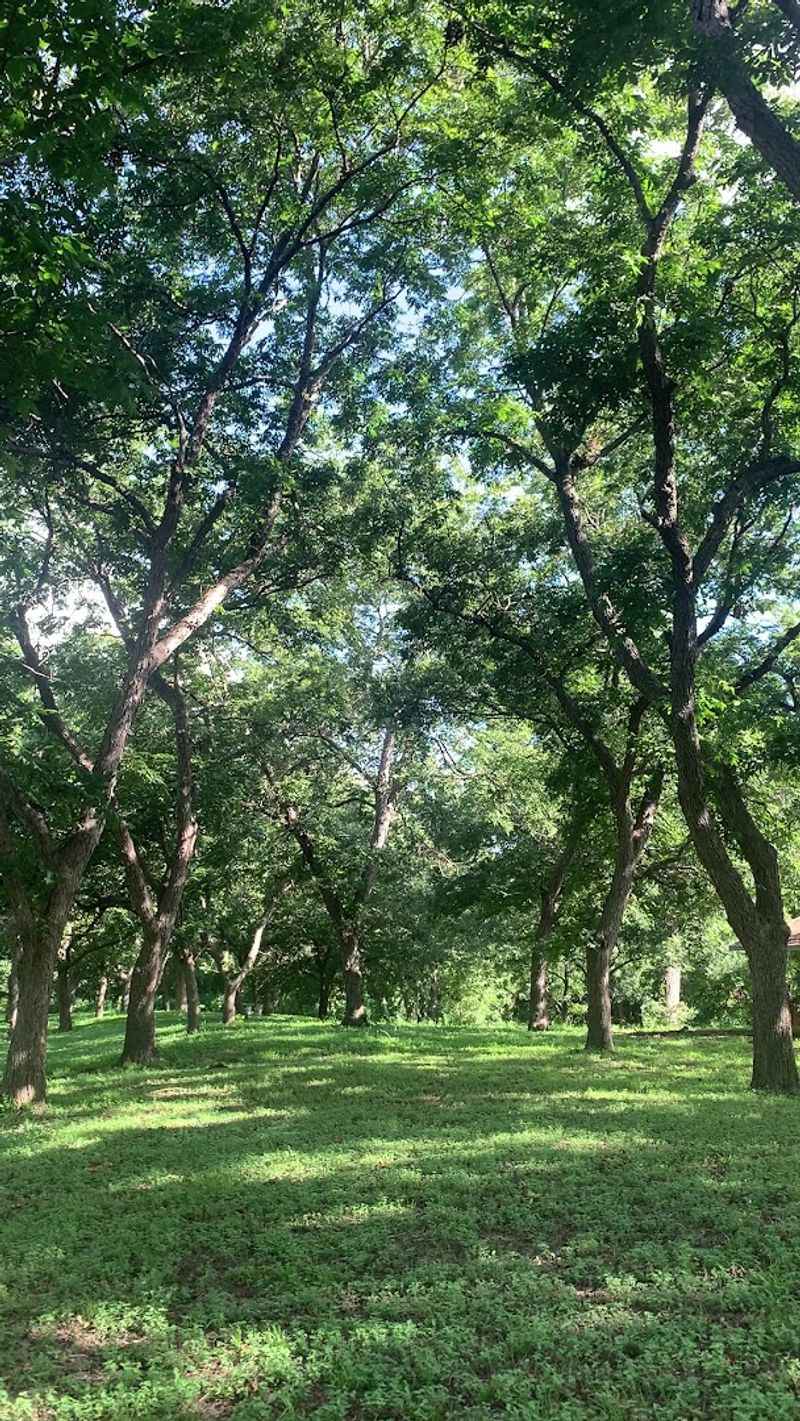
Walking into Richard Moya Park feels like stepping back in time. The towering pecan trees that shade nearly every corner of the property aren’t just decorative—they’re remnants of an old commercial pecan orchard that once thrived on this land. Some of these trees have been standing for decades, their gnarled branches spreading wide to create natural umbrellas over picnic tables and walking paths.
Locals love visiting in the fall when pecans start dropping by the bucketful. You’ll often spot families wandering the grounds with bags in hand, collecting nuts straight from the source. It’s a simple pleasure that connects visitors to the land’s agricultural roots.
The shade provided by these mature trees makes a huge difference during Texas summers. Even when temperatures climb into the triple digits, the park stays surprisingly comfortable. You can jog, bike, or push a stroller along the paved loop without feeling like you’re melting into the asphalt.
Park rangers work hard to maintain the health of these historic trees. They’re not just part of the scenery—they’re living monuments to the area’s past. Next time you visit, take a moment to appreciate the quiet strength of these pecan giants that have witnessed generations of change.
2. Moore’s Crossing Bridge Brings Austin History to Life
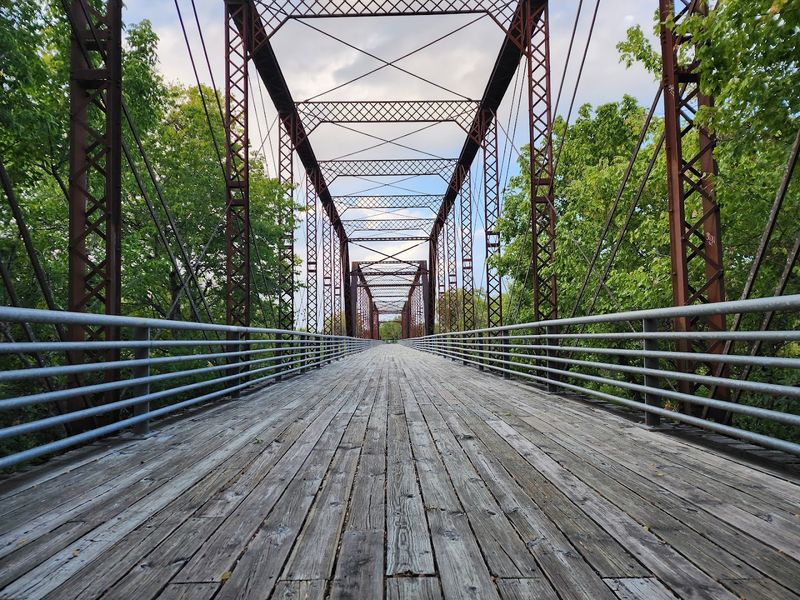
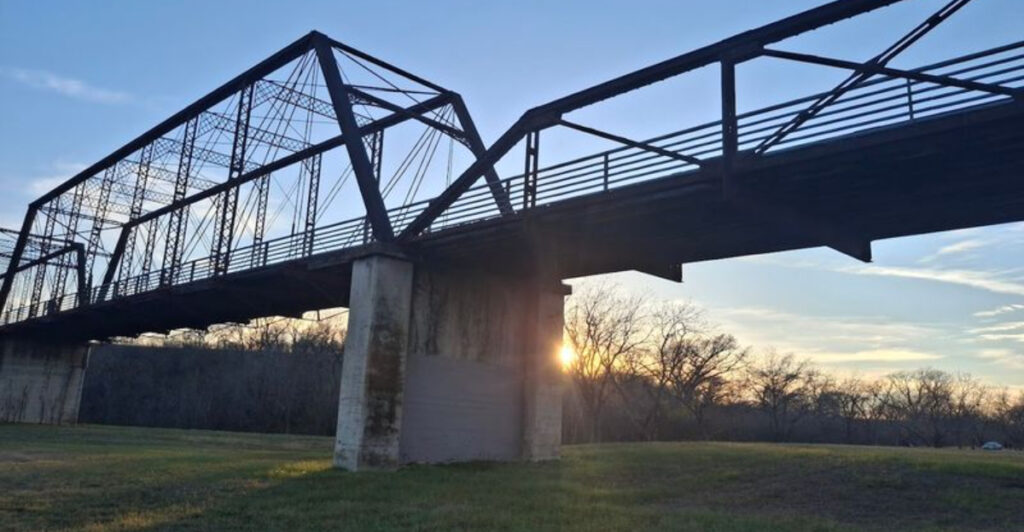
Most people don’t realize they’re walking across a piece of downtown Austin history when they stroll over Moore’s Crossing Bridge. This iron truss structure originally served as the Congress Avenue Bridge before being relocated to Richard Moya Park. It’s the same bridge that once connected the heart of the city, carrying horses, wagons, and early automobiles over the Colorado River.
Today, the bridge spans Onion Creek and serves as one of the park’s most photographed features. The weathered metal framework and wooden planks give it an authentic vintage charm that modern replicas just can’t match. It’s also become a popular filming location—HBO’s “The Leftovers” shot several scenes here.
Standing on the bridge offers great views of the creek below, especially after rainfall when the water flows with more energy. You might spot turtles sunbathing on rocks or herons wading in the shallows. The surrounding trees frame the scene perfectly, making it feel like a hidden corner of the Hill Country rather than a park just minutes from the airport.
Bring your camera or phone because the lighting here changes beautifully throughout the day. Early morning fog creates an almost mystical atmosphere, while golden hour bathes the entire structure in warm light that makes every photo look professional.
3. Over Two Miles of Paved Trails Perfect for Everyone
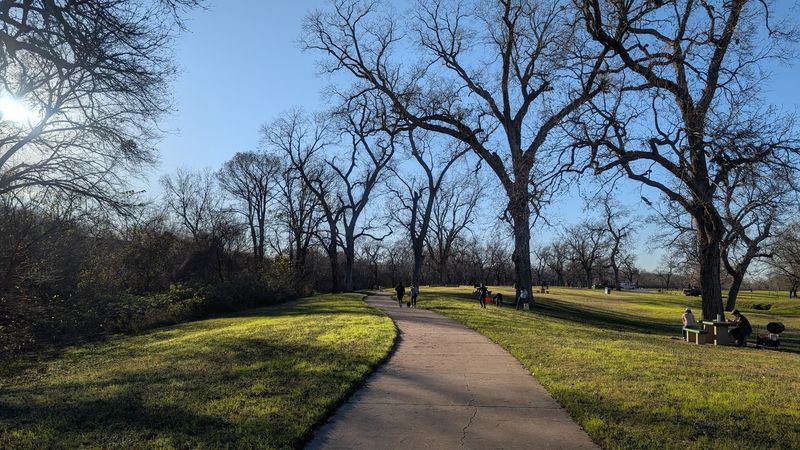
Richard Moya Park features a smooth, well-maintained paved loop that stretches just over two miles around the property. The path winds through the pecan grove, past playgrounds and picnic areas, and down toward the creek, offering constantly changing scenery. The gentle slopes make it accessible for strollers, wheelchairs, and beginning cyclists without being boring for more experienced trail users.
Dog walkers absolutely love this loop. You’ll see plenty of pups on leashes enjoying the smells and shade, especially in the cooler morning hours. The park rules require leashes, but there’s enough space for dogs to explore comfortably without feeling cramped.
Runners appreciate the soft surface and consistent distance for tracking workouts. Unlike some urban trails that require constant navigation around pedestrians or road crossings, this loop lets you settle into a rhythm. The shade coverage means you can train even during summer afternoons when other outdoor spaces become unbearable.
Cyclists use the trail for easy spins or warm-ups before heading to more challenging routes. The width accommodates passing safely, and the park’s low traffic volume means you rarely encounter bottlenecks. Several reviewers mentioned bringing road bikes here specifically because the smooth pavement and gentle grades make for relaxing rides that don’t require mountain bike suspension or gravel tires.
4. Onion Creek Access for Water-Loving Adventurers
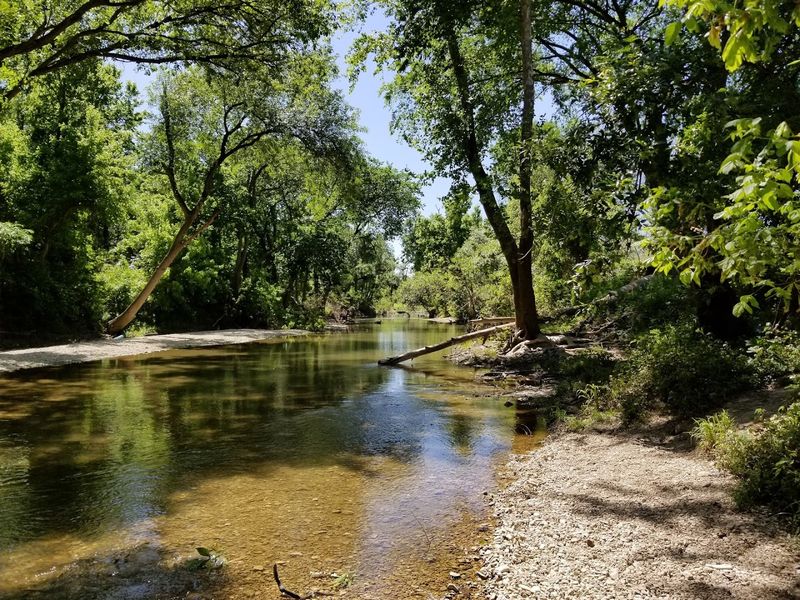
Onion Creek forms the eastern boundary of Richard Moya Park, and several spots along the trail system provide access to the water’s edge. During spring and after good rains, the creek flows with surprising energy, creating a peaceful soundtrack of rushing water that you can hear throughout the park. In drier months, the flow slows to a gentle trickle, but pools remain where turtles congregate and small fish dart between rocks.
Dog owners frequently lead their pups down to the creek for cooling breaks during walks. The shallow access points make it safe for most dogs to wade in and splash around. Just watch out for poison ivy along some of the creek banks—it grows enthusiastically in this riparian environment.
Kids enjoy exploring the creek’s edges, though parents should supervise closely since water levels can change quickly after storms. The creek isn’t suitable for swimming, but it’s perfect for observing nature up close. You might spot herons, egrets, or other water birds hunting for breakfast in the shallows.
The creek’s presence also attracts wildlife throughout the park. Deer visit to drink, raccoons leave tracks in the mud, and countless bird species use the corridor as a flyway. Bringing binoculars adds an extra dimension to your visit, especially during spring and fall migration seasons when unusual species pass through.
5. Multiple Playgrounds Built for Different Age Groups
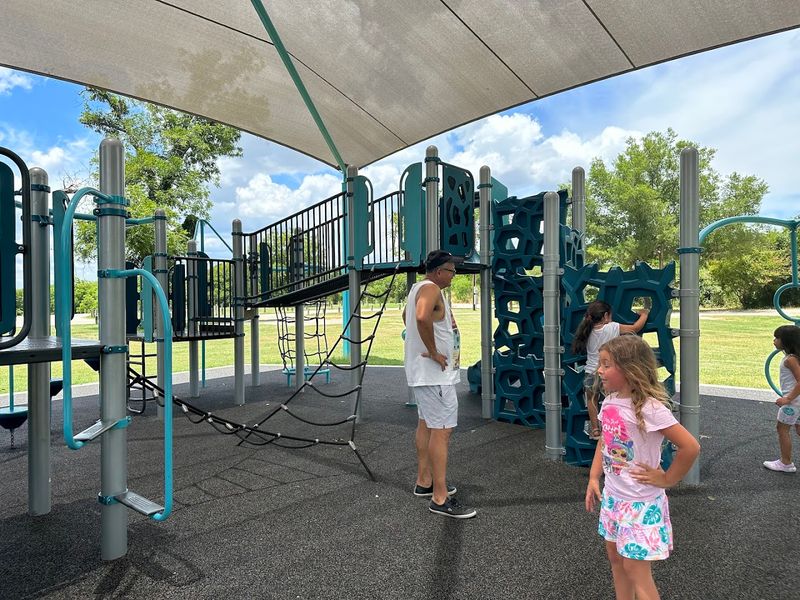
Richard Moya Park doesn’t settle for one generic playground—it features multiple play structures strategically placed throughout the property to serve different age groups and spread out crowds. The main playground near the central parking area includes a massive structure with slides, climbing walls, and interactive elements that keep elementary-aged kids entertained for hours. A large overhead tent provides shade, and the cushioned foam flooring underneath protects knees and elbows during inevitable tumbles.
Parents love the thoughtful design that places benches on all four sides of the playground. No matter where your kid wanders on the equipment, you’ve got a comfortable spot to supervise. Trash containers and nearby restrooms make extended playground sessions much easier to manage.
A second playground caters to younger children with lower platforms, gentler slides, and age-appropriate climbing challenges. This separation keeps toddlers from getting overwhelmed by older kids racing around, and it gives parents of multiple children options for everyone to play at their own level.
The playgrounds rarely feel crowded, even on weekends. Unlike popular city parks where you might wait in line for swings or worry about your child getting trampled, Richard Moya offers space for kids to roam freely. Several reviewers specifically mentioned how their children’s independence flourished here because the safe, well-maintained environment let them explore without constant hovering.
6. Abundant Grilling Stations for Epic Cookouts
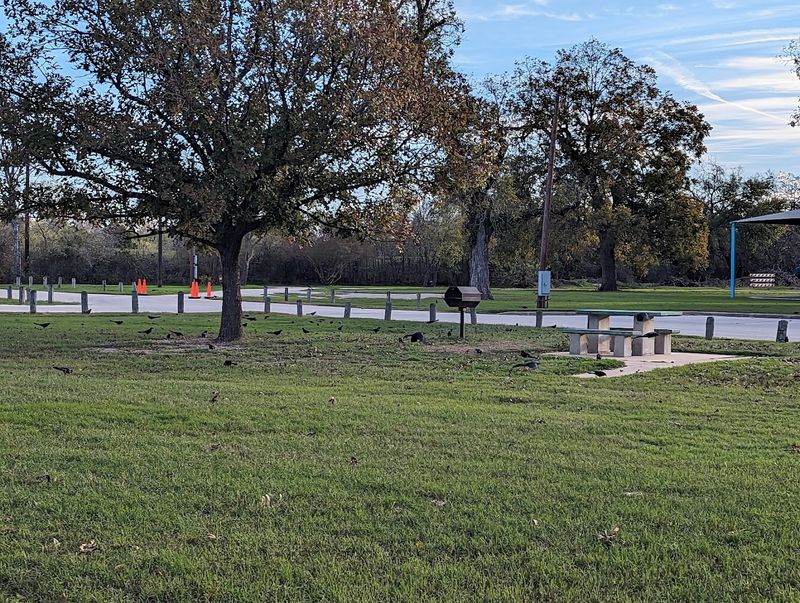
If you’re planning a family reunion, birthday party, or just a weekend cookout, Richard Moya Park delivers with at least twenty grilling stations scattered across the property. Most feature covered pavilions that protect you from both blazing sun and unexpected rain showers. The mature pecan trees add extra shade, creating comfortable outdoor dining rooms where you can spend entire afternoons without overheating.
Fair warning—some reviewers noted that the grills themselves aren’t always pristine. Bring a wire brush and cleaning supplies if you’re particular about grill hygiene. A little prep work transforms these stations into perfectly functional cooking spaces.
Once you’ve scrubbed the grates, you’ve got everything you need for serious barbecue.
The park’s layout gives each grilling area a sense of privacy despite the abundance of stations. You’re not elbow-to-elbow with strangers, and the spacing allows groups to celebrate without disturbing each other. Large gazebo areas near some grill clusters provide additional gathering space for setting up buffet tables or storing coolers.
Standard Travis County park rules apply: no alcohol allowed, and you’re expected to clean up after yourself. The park stays remarkably clean considering how heavily it’s used, which speaks to both good maintenance and respectful visitors. Help keep it that way by bagging your trash and leaving your spot better than you found it.
7. Surprising Airplane Views from ABIA’s Flight Path
Here’s something you won’t find at most parks: a front-row seat to commercial aviation. Richard Moya Park sits directly under the final approach path for Austin-Bergstrom International Airport, which means airliners pass overhead every few minutes during busy travel periods. Instead of being annoying, many visitors find the plane-watching surprisingly entertaining.
Aviation enthusiasts bring cameras with telephoto lenses to photograph everything from Southwest 737s to international wide-bodies making their descent. The altitude is low enough that you can identify airline liveries and aircraft types with the naked eye. Kids especially love watching the giant machines glide silently overhead before hearing the delayed roar of engines catching up.
The airport proximity also makes Richard Moya Park incredibly convenient if you’re killing time before a flight or just landed and want to stretch your legs. Several reviewers mentioned stopping here for an hour or two to decompress in nature before heading to the terminal. It beats sitting in airport traffic or paying for parking while you wait.
If constant airplane noise bothers you, this might not be your ideal peaceful retreat. But if you can embrace the ambient soundtrack of jet engines as part of the park’s unique character, it adds an unexpectedly modern element to the historic pecan grove setting. It’s a reminder that you’re still connected to the city even while surrounded by trees.
8. Well-Maintained Facilities and Active Ranger Presence
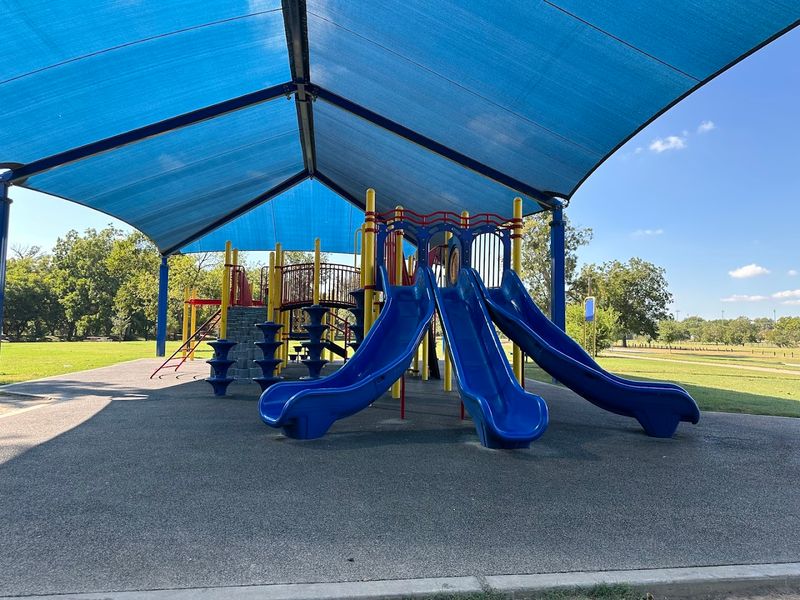
One of Richard Moya Park’s standout features isn’t flashy, but it matters tremendously: the facilities actually work and stay reasonably clean. Multiple reviewers specifically praised the condition of restrooms, which isn’t something you often hear about public parks. While experiences vary depending on timing and recent maintenance, the overall trend points toward better upkeep than many urban green spaces.
Travis County park rangers patrol regularly, maintaining order and ensuring rules get followed. Their visible presence helps the park feel safe and welcoming for solo visitors, families with young children, and anyone who appreciates knowing someone’s looking after the property. Rangers also handle maintenance issues quickly, fixing broken equipment and addressing problems before they escalate.
The basketball court and softball field receive regular attention, keeping playing surfaces in good condition. Trash gets collected frequently enough that you’re not wading through litter, and damaged playground equipment gets repaired or replaced rather than left to deteriorate. These might seem like basic expectations, but plenty of parks fail to meet them consistently.
Staff members reportedly bring warmth and friendliness to their interactions with visitors. One reviewer specifically mentioned a kind, welcoming employee who made sure everything stayed in great shape. That personal touch transforms a park visit from merely adequate to genuinely pleasant, creating the kind of positive experience that keeps people coming back and treating the space with respect.
9. Room to Spread Out and Social Distance Comfortably
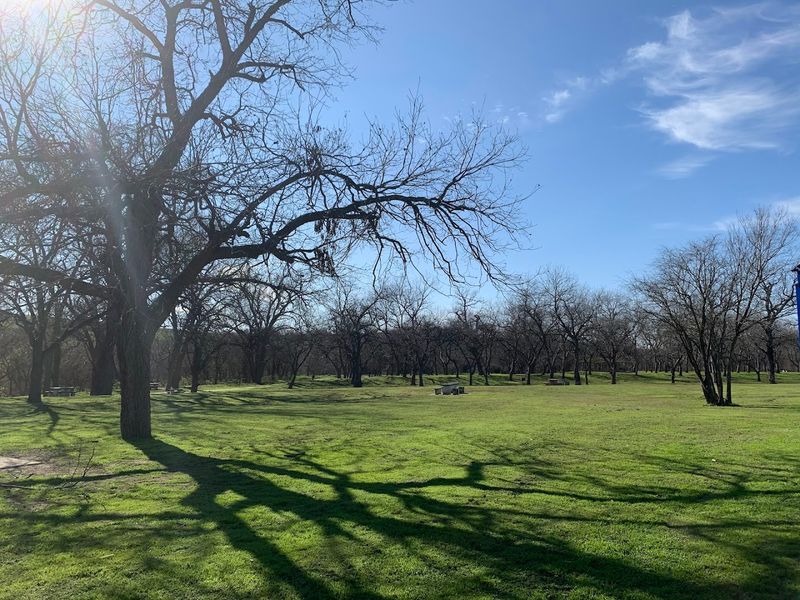
At 105 acres, Richard Moya Park offers something increasingly rare in urban areas: actual space. You’re not fighting for a sliver of grass or waiting for a picnic table to open up. The park’s generous footprint means groups can spread out comfortably, maintaining privacy even when multiple families visit simultaneously.
During the pandemic, this spaciousness became especially valuable. Reviewers mentioned using the park specifically because it allowed comfortable social distancing during walks and outdoor gatherings. That advantage hasn’t disappeared—it remains a peaceful alternative to Austin’s more crowded recreational areas where you’re constantly navigating around other people.
The open areas between tree groves provide perfect spots for throwing footballs, flying kites, or letting kids run wild without worrying they’ll crash into strangers. Unlike compact neighborhood parks where you’re always aware of boundaries, Richard Moya gives you room to breathe and move freely. Several visitors commented on how few people they encountered during weekday visits, making it feel almost like a private escape.
Weekend traffic increases but rarely reaches uncomfortable levels. The park’s location off the typical tourist path and its distance from central Austin neighborhoods mean it stays under the radar. That’s exactly what makes it special—you get big-park amenities without big-park crowds, creating an experience that feels both accessible and exclusive at the same time.
Share this story