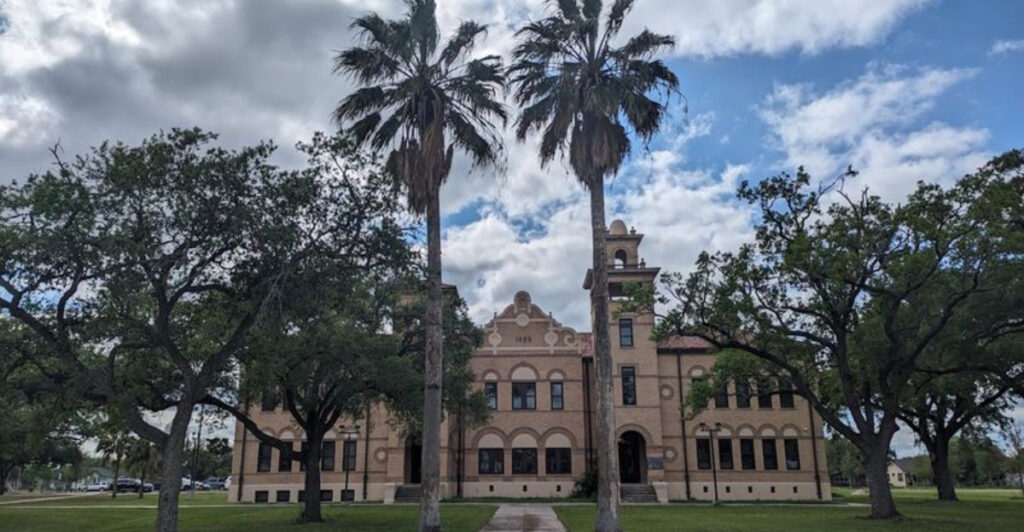
Often overlooked by travelers heading to the coast, Kingsville is a South Texas gem worth slowing down for. With a population hovering around 25,000, this quiet town offers something increasingly rare: authentic Texas charm without the tourist chaos that swallows up bigger destinations. If you’re tired of battling crowds at every turn and craving a travel experience that feels genuine and unhurried, Kingsville might just be your new favorite escape.
1. King Ranch: The Legendary Working Cattle Empire
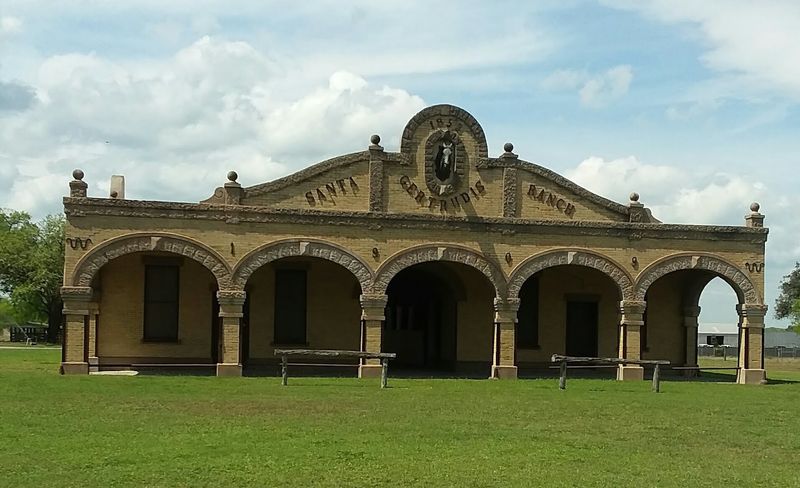
Bigger than Rhode Island and still operating as a working ranch, King Ranch isn’t just a tourist attraction—it’s a living piece of Texas history that continues to shape the cattle industry today. Founded in 1853 by Captain Richard King, this 825,000-acre empire pioneered ranching techniques that changed how beef reaches American tables. You can tour sections of the property and see genuine cowboys doing their daily work, not performing for cameras.
The ranch developed the Santa Gertrudis breed, the first beef cattle breed created in America, combining Brahman heat tolerance with Shorthorn beef quality. Walking through the historic headquarters feels like stepping into a time capsule where leather saddles still get daily use and horses outnumber cars. The visitor center displays artifacts, photographs, and stories that bring the Old West to vivid life without the Hollywood gloss.
Tours run regularly and give you access to areas most Texans never see, including pastures where quarter horses train and cattle operations that supply beef nationwide. The guides share stories passed down through generations of ranch hands, making history feel immediate and real. Unlike crowded theme parks pretending to be the Wild West, this is the actual thing—dirt, dust, and all.
Plan to spend at least half a day here because rushing through defeats the purpose. The vastness alone puts modern life in perspective, reminding you that Texas still has wide-open spaces where silence isn’t unusual. Bring water, wear boots if you have them, and prepare to understand why Texans take ranching so seriously.
2. Downtown Historic District: Architecture That Tells Stories
Walking through downtown Kingsville feels like flipping through a family photo album where every building has a story your grandparents might have lived. The historic district showcases early 20th-century architecture that survived because nobody bothered tearing it down for parking lots, unlike what happened in bigger cities. These aren’t reconstructed facades—they’re original structures where generations of families ran businesses, raised kids, and built a community from scratch.
The Ragland Mansion stands out as a stunning example of Spanish Colonial Revival architecture, built in 1909 by a prominent ranching family. Its red tile roof and white stucco walls look straight out of a California mission, which was exactly the fashionable style when oil and cattle money started flowing. Several buildings date back to Kingsville’s founding in 1904, when the railroad arrived and transformed empty rangeland into a town literally overnight.
You won’t find chain stores dominating every corner here. Instead, local shops occupy storefronts that have served the community for decades, selling everything from Western wear to handmade gifts. The pace is slower, giving you time to actually look up and notice architectural details like decorative cornices and original transom windows that would cost a fortune to recreate today.
Stop by the Kleberg County Historical Museum housed in a former ice plant to understand how this town evolved from railroad stop to college town. The exhibits include everything from ranching equipment to photographs documenting daily life across different eras. It’s free, it’s quiet, and it offers context that makes your walk through downtown infinitely more interesting than just snapping photos of old buildings.
3. Texas A&M University-Kingsville: Campus Charm and Javelina Pride
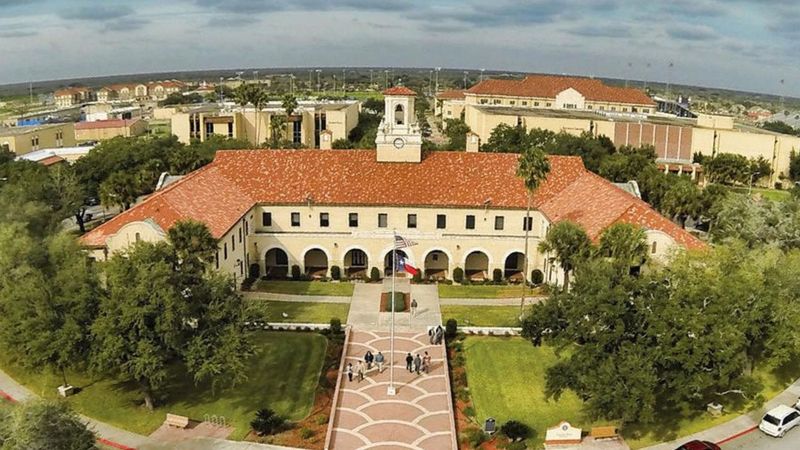
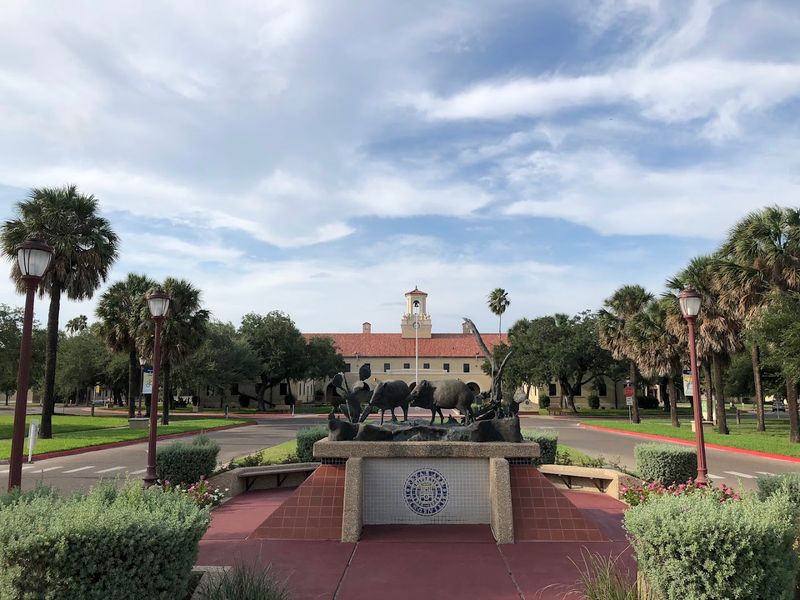
Founded in 1925 as South Texas State Teachers College, Texas A&M University-Kingsville brings unexpected energy to this quiet town without overwhelming its small-town character. The campus spreads across 246 acres filled with a mix of historic and modern buildings, creating a pleasant environment for an afternoon stroll even if you’re not a student. The university’s Javelina mascot—a tough, tenacious wild pig native to South Texas—perfectly captures the scrappy spirit of both the school and the region.
The John E. Conner Museum on campus houses an impressive collection focusing on South Texas natural history, ranching heritage, and regional culture. Admission is free, and the exhibits include everything from fossils to folk art, giving you a comprehensive understanding of what makes this corner of Texas unique.
The museum’s natural history hall features mounted specimens of local wildlife you might spot if you’re paying attention while driving through the area.
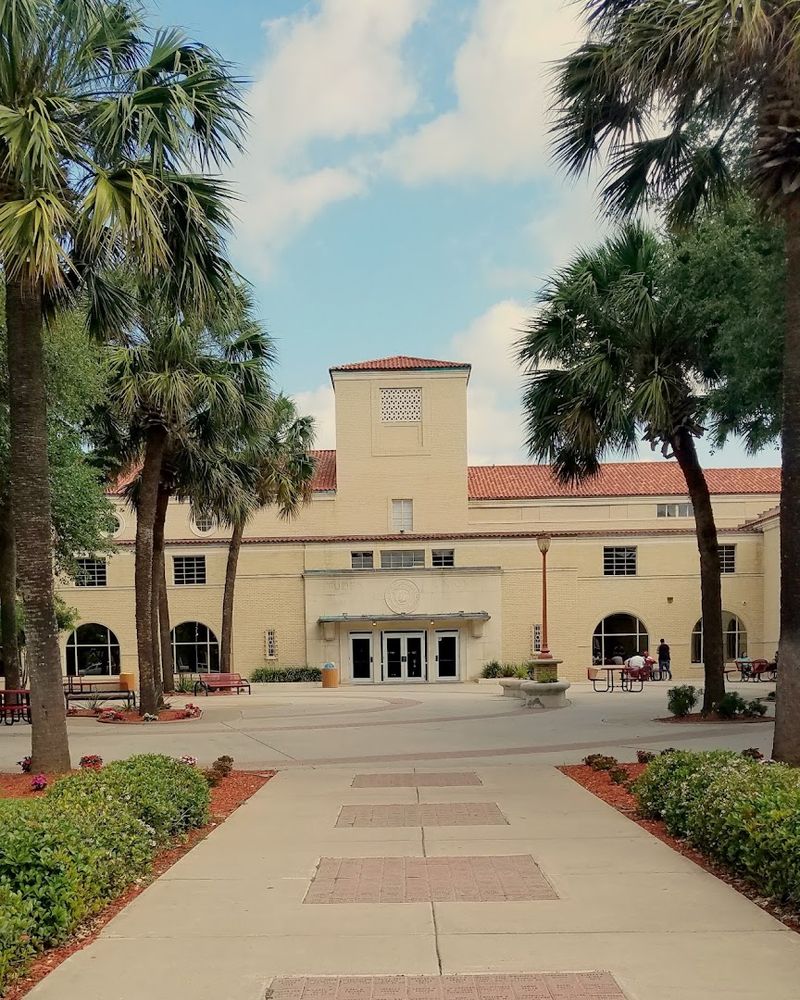
Campus architecture reflects different eras of growth, from original Spanish Colonial Revival buildings to modern research facilities supporting programs in engineering and agriculture. The university specializes in areas directly relevant to South Texas life—wildlife management, petroleum engineering, and bilingual education—making it deeply connected to the community rather than existing as an isolated academic bubble.
During the academic year, you’ll see students from across Texas and beyond, adding diversity and youthfulness to Kingsville’s demographic mix. The university hosts cultural events, lectures, and performances open to the public, offering entertainment options you wouldn’t expect in a town this size. Check their events calendar before visiting because you might catch a theater production, art exhibition, or guest speaker that enhances your trip beyond typical tourist activities.
4. Dick Kleberg Park: Natural Escape for Bird Watchers
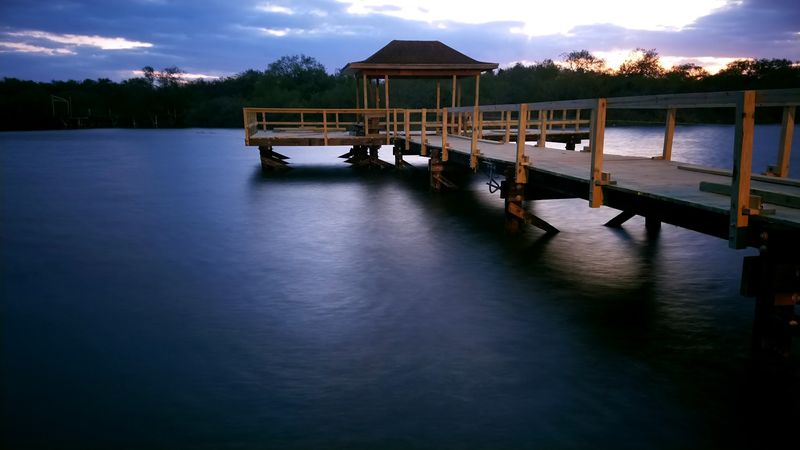
Named after a King Ranch heir who valued conservation, Dick Kleberg Park offers 50 acres of relatively undeveloped space where nature does its thing without much human interference. The park sits along Escondido Creek, creating a riparian habitat that attracts birds you won’t see in manicured city parks. Bring binoculars because South Texas sits on major migratory routes, meaning the bird life changes dramatically depending on when you visit.
The park maintains simple walking trails through native brush where you might spot green jays, great kiskadees, and if you’re lucky, groove-billed anis—species that barely cross into the United States from Mexico. Serious birders travel from across the country specifically to see South Texas specialties, but casual visitors can enjoy the park’s quiet atmosphere without identifying every feathered creature. The lack of crowds means you actually hear birdsong instead of car alarms and conversation.
Facilities include picnic areas, playgrounds for kids, and fishing spots along the creek where locals cast lines hoping for catfish or bass. Nothing fancy, just functional spaces that serve the community without trying to be an Instagram backdrop. The park hosts occasional events like outdoor movie nights and community gatherings, giving you a chance to experience Kingsville life beyond tourist attractions.
Visit early morning for the best wildlife viewing when animals are most active and temperatures haven’t climbed yet. The park doesn’t charge admission, doesn’t require reservations, and doesn’t have gift shops pushing souvenirs—it simply exists as a place where people and nature coexist peacefully. Pack water, wear sunscreen, and embrace the fact that not every destination needs to entertain you every second to be worthwhile.
5. Local Dining: Authentic Tex-Mex and Small-Town Favorites
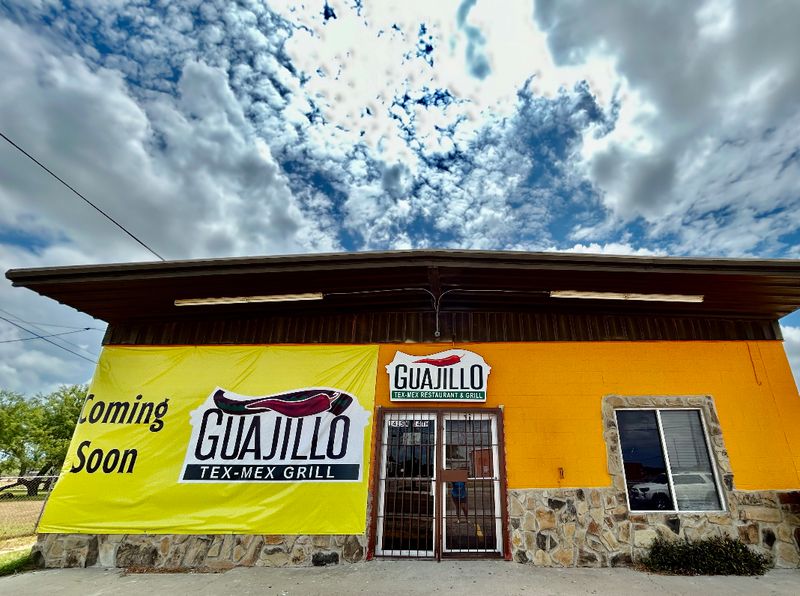
Forget celebrity chefs and trendy fusion concepts—Kingsville restaurants serve food that actual South Texans eat daily, prepared by families who’ve perfected their recipes over decades. The Tex-Mex here isn’t adapted for tourists nervous about spice; it’s the real deal passed down through generations who never questioned whether flour tortillas belong on the same plate as refried beans. You’ll find breakfast tacos that cost less than fancy coffee elsewhere, filled with combinations like barbacoa and egg that fuel ranch hands through long workdays.
Several family-owned Mexican restaurants have operated for 30-plus years, earning loyalty through consistency rather than marketing gimmicks. The menus feature standards like enchiladas, fajitas, and carne guisada, but the execution separates mediocre from memorable. Homemade tortillas, carefully seasoned meats, and salsas with actual depth of flavor make simple dishes shine.
Don’t skip the breakfast options because South Texas does morning food exceptionally well, with migas and chorizo plates that could convert anyone into an early riser.
Beyond Mexican food, you’ll discover small diners serving chicken-fried steak, burgers, and other American comfort foods prepared without pretension. These places have regulars who occupy the same booth every Tuesday, where waitresses know orders before anyone speaks. The atmosphere is casual, the portions are generous, and nobody rushes you out the door to flip tables for the next seating.
Ask locals for recommendations because the best spots often lack obvious signage or online presence. College students, ranchers, and long-time residents all have strong opinions about where to eat, and their suggestions will steer you toward authentic experiences instead of tourist traps. Come hungry, come curious, and be prepared to adjust your spice tolerance upward.
6. Naval Air Station Kingsville: Military Heritage and Flight Training
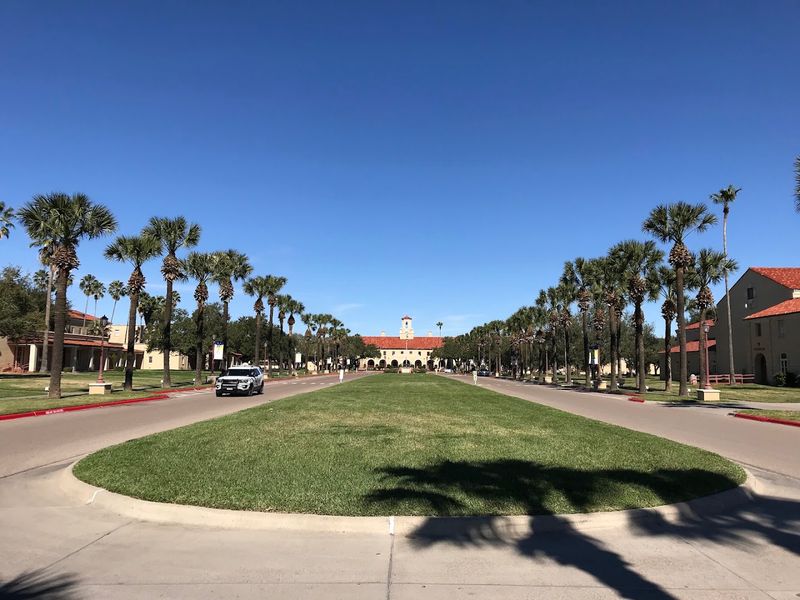
Since 1942, Naval Air Station Kingsville has trained Navy and Marine Corps pilots in the demanding art of flying high-performance jets. The roar of T-45 Goshawk training aircraft overhead is part of daily life here, a reminder that this quiet town plays a serious role in national defense. While the base itself isn’t open for casual tours, its presence shapes Kingsville’s character and economy in ways visitors notice if they pay attention.
The clear South Texas skies and relatively uncongested airspace make this location ideal for flight training, allowing student pilots to practice maneuvers without worrying about commercial air traffic. On any given day, you might see jets performing touch-and-go landings or formation flights, offering free airshow entertainment for anyone looking up. The sight and sound of military aviation adds an unexpected dimension to your visit, connecting this small town to larger national purposes.
Military personnel and their families add diversity to Kingsville’s population, bringing people from across the country who might never have visited South Texas otherwise. This creates a more cosmopolitan atmosphere than you’d expect in a town this size, with restaurants and services catering to varied backgrounds. The economic impact is significant, supporting local businesses and jobs while keeping the town stable even when other rural areas struggle.
The base occasionally hosts public events like air shows and open houses, though schedules vary and security requirements have tightened over the years. Check ahead if you’re specifically interested in military aviation because opportunities to visit depend on current policies. Even without base access, the aviation presence makes Kingsville feel connected to something larger than ranching and university life, adding layers to a town that might initially seem simple.
7. Kaufer-Hubert Memorial Library: Architectural Gem and Community Hub
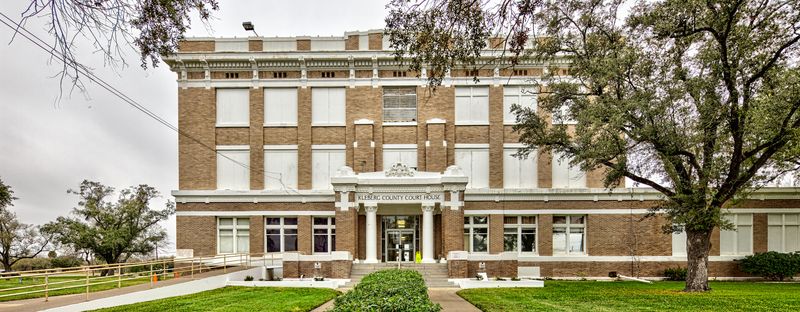
Built in 1955 with funding from a local philanthropist’s bequest, the Kaufer-Hubert Memorial Library serves as both functional public library and architectural landmark worth seeing for its mid-century design. The building features distinctive brickwork and large windows that flood reading areas with natural light, creating an inviting space that encourages lingering. Unlike sterile modern libraries that feel like Apple stores, this one maintains warmth and character that reflects its era and community purpose.
The library collection focuses on regional history, ranching heritage, and South Texas culture alongside standard fiction and reference materials. Special collections include archives related to King Ranch, local families, and the development of Kleberg County—resources that serious researchers travel to consult. Even casual visitors can browse historical photographs and documents that bring the area’s past into focus, adding context to what you see driving around town.
Beyond books, the library hosts community programs ranging from children’s story time to adult education classes, functioning as a gathering place that connects residents across age and background. The staff knows the collection intimately and can guide you toward materials matching your interests, whether you’re researching family history or just curious about local wildlife. This personal service feels increasingly rare in an age of automated systems and self-checkout.
The library’s grounds include peaceful outdoor spaces with benches and native landscaping, offering a quiet spot to read or simply escape midday heat. Free Wi-Fi, comfortable seating, and air conditioning make it a practical stop during your visit, especially during summer when temperatures climb. It’s the kind of place that reminds you libraries are about more than books—they’re about creating spaces where communities can gather, learn, and connect without spending money or facing commercial pressure.
8. Seasonal Events: Small-Town Celebrations Done Right
Throughout the year, Kingsville hosts events that bring the community together without trying to attract massive tourist crowds or corporate sponsors. The Ranch Hand Festival celebrates local heritage each November with activities reflecting actual ranch life—not sanitized versions created for outsiders. You’ll find demonstrations of roping, working dog trials, and cowboy poetry that connects directly to the region’s ranching roots rather than performing a Western stereotype.
The university’s homecoming festivities add energy each fall when alumni return and the town rallies around Javelina football. Even if you don’t care about college sports, the atmosphere offers insight into how important the university is to Kingsville’s identity. Parades, tailgating, and community pride on full display create a welcoming environment where visitors feel included rather than like outsiders crashing a private party.
Cinco de Mayo and Diez y Seis de Septiembre celebrations reflect the area’s strong Mexican-American culture with food, music, and traditions that aren’t performed for tourists but genuinely celebrated by the community. These events offer authentic experiences of South Texas culture if you approach them with respect and genuine interest. The food alone justifies attending—homemade tamales, barbacoa, and pan dulce prepared by families using recipes perfected over generations.
Christmas season brings luminarias lining downtown streets and community gatherings that feel genuinely festive rather than commercially driven. The smaller scale means you can actually participate instead of just observing from behind crowd barriers. Check the city’s event calendar before visiting because timing your trip around one of these celebrations adds dimension to your experience, connecting you to community life in ways standard tourist activities never achieve.
The events aren’t polished or professionally produced, but that’s precisely what makes them special in an era of manufactured experiences.
Share this story