Out in West Texas, Big Spring State Park delivers a true mountain-style hike without the long, exhausting trek most people expect. The three-mile loop wraps around a 200-foot bluff that rewards hikers with panoramic views stretching so far you’ll swear you can see tomorrow. Whether you’re a seasoned trail runner or just looking for a peaceful afternoon escape, this 382-acre park delivers big on scenery while keeping things refreshingly manageable.
1. The Scenic Loop Road That Does All The Heavy Lifting
Most Texas hikes make you earn every inch of elevation, but Big Spring State Park takes a different approach. The main loop is actually a paved road that winds gently around the mountain, which means you can drive, walk, bike, or run it depending on your mood. Locals love this setup because it makes the stunning views accessible to everyone, from families with strollers to fitness enthusiasts clocking their morning miles.
The road climbs gradually rather than punishing you with steep inclines. You’ll gain elevation without really noticing until you glance back and realize how high you’ve climbed. That 200-foot bluff might not sound like much on paper, but when you’re standing at the top looking out over the endless West Texas landscape, the height feels surprisingly impressive.
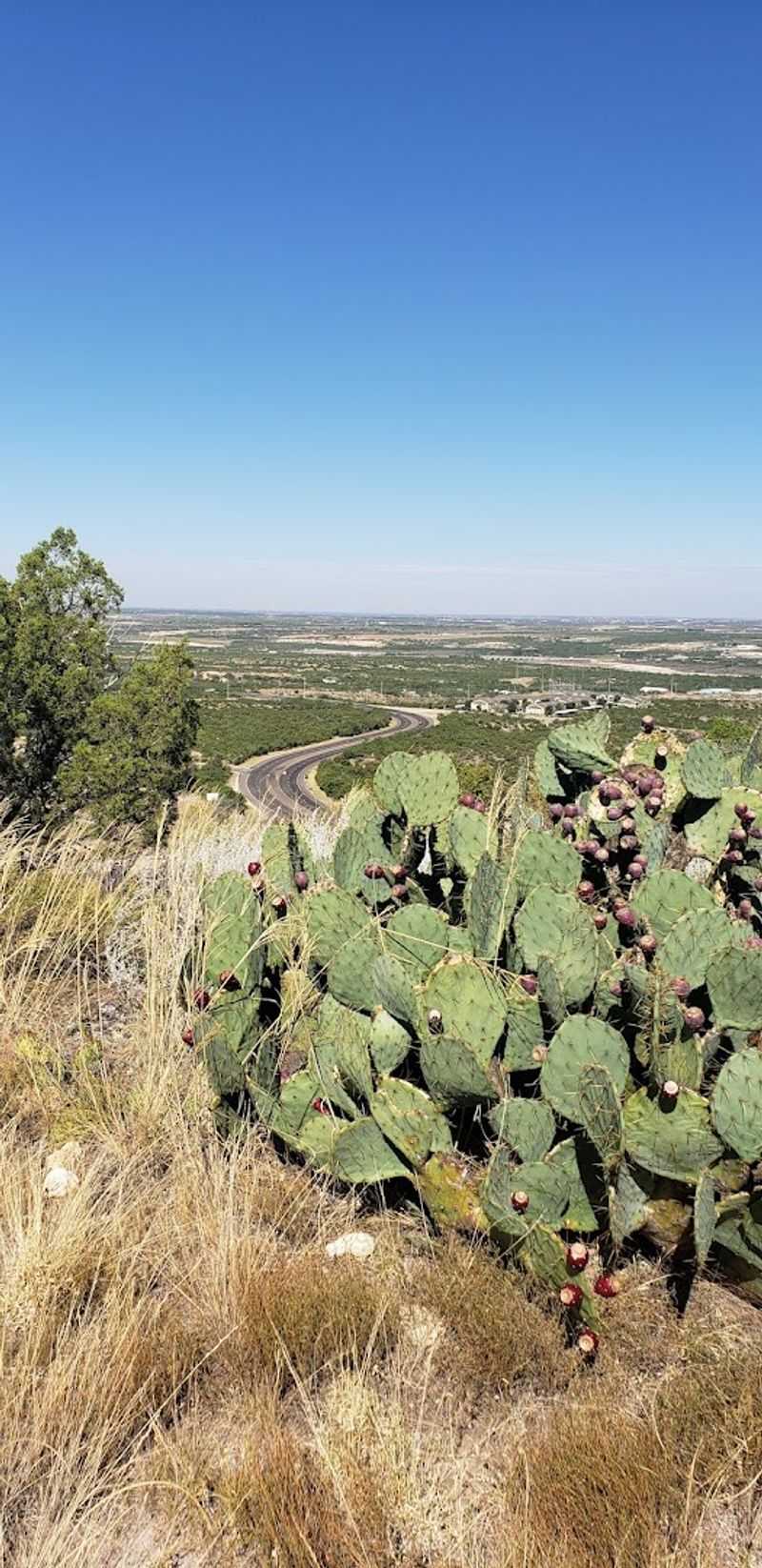
What makes this loop special is how it combines convenience with genuine natural beauty. You’re not sacrificing the outdoor experience just because the path is paved. The road hugs the mountainside closely enough that you’ll still feel connected to the terrain, with rocky outcrops and desert plants right beside you.
Hikers and drivers share the space peacefully here, though you’ll want to stay alert since locals use this loop constantly for exercise. Even in triple-digit heat, you’ll spot dedicated walkers making their rounds. The park stays open from 8 AM to 8 PM daily, giving you plenty of window to catch either the soft morning light or the golden hour glow that makes West Texas famous.
2. Views That Stretch Beyond What Your Eyes Can Process
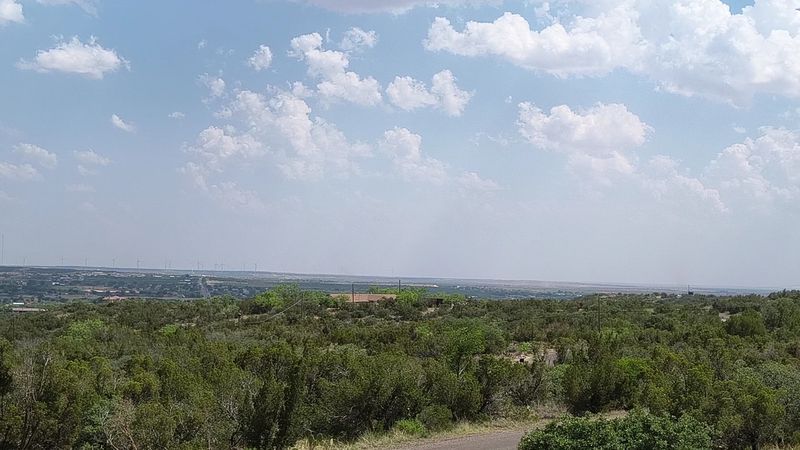
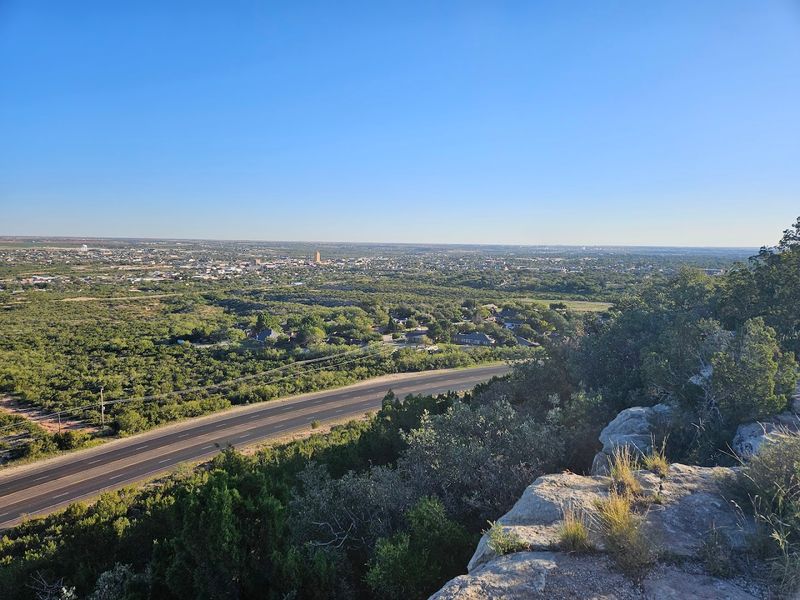
Standing at the overlook points scattered along the trail, you’ll understand why visitors keep using words like “endless” and “forever” in their reviews. The landscape spreads out in every direction with almost no visual barriers, letting your gaze travel for miles across the high desert plains. On clear days, the visibility seems limitless, with the curve of the earth becoming the only thing that stops your view.
The city of Big Spring sits below like a detailed model, small enough to take in completely yet close enough to pick out individual buildings and streets. It’s a unique perspective that blends urban and natural elements in a way you don’t often see in Texas parks. Some visitors find this mix distracting, but most appreciate how it grounds the experience in a specific place rather than feeling like generic wilderness.
Weather adds drama to an already impressive scene. Dust devils spin across the distant flats with surprising frequency, creating natural spectacles that kids especially love watching. Storm systems become visible from miles away, rolling across the plains like slow-motion waves.
The wind up here can be fierce, carrying the scent of sage and dust while reminding you that West Texas doesn’t do anything halfway.
Multiple overlook areas mean you’re never fighting for space or waiting for someone to finish their photos. Each viewpoint offers slightly different angles and compositions, so walking the full loop gives you constantly changing perspectives rather than one repetitive scene.
3. Trail Options That Let You Choose Your Own Adventure
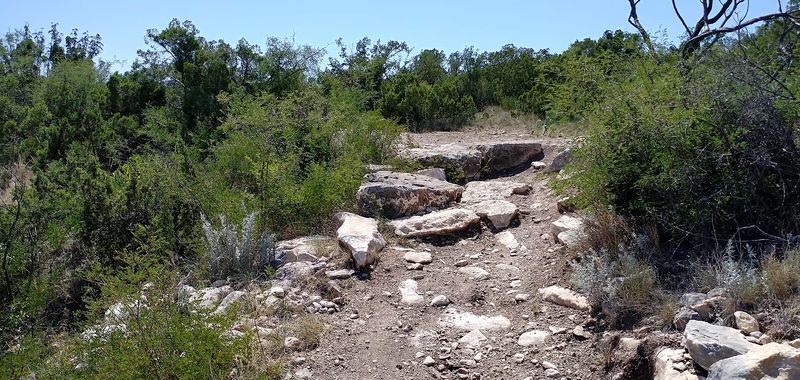
Beyond the paved loop, Big Spring State Park surprises visitors with a network of more primitive trails that total around seven to eight miles when combined. The outer loop trail runs lower on the mountain, bringing you closer to the natural landscape and away from the road traffic. This unpaved option appeals to hikers who want a more traditional trail experience with dirt under their boots and a bit more challenge underfoot.
The terrain on these primitive paths includes loose rock and elevation changes that require attention. You’re not scrambling over boulders or navigating anything technical, but the uneven ground keeps things interesting and gives your ankles a proper workout. Several reviews mention watching your step, especially where rocks have scattered across the trail or where the path narrows near drop-offs.
Trail runners particularly love the variety here because you can customize your route based on time and energy levels. Want a quick two-mile jog? Stick to half the paved loop.
Feeling ambitious? Combine the paved and primitive trails for a longer adventure that tests different muscle groups. The relatively compact park size means you can explore thoroughly without committing to an all-day expedition.
Mountain bikers have also discovered these trails, though the technical sections remain limited. The mix of surfaces and elevations provides just enough variety to stay engaging without becoming frustrating. Cell reception stays strong throughout the park, which gives solo adventurers extra peace of mind while exploring the less-traveled paths.
4. Picnic Spots That Come With Million-Dollar Views
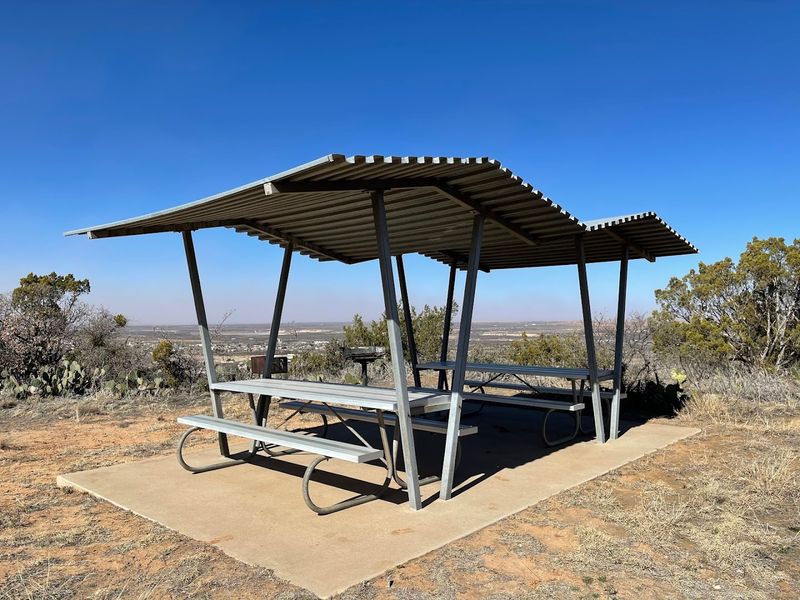
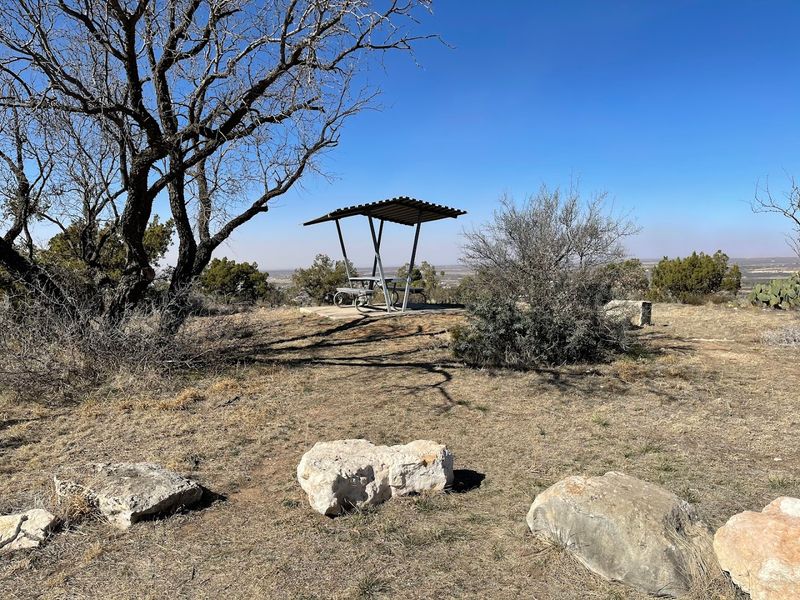
Big Spring State Park takes its picnic game seriously, scattering covered pavilions and tables throughout the property in spots that maximize the visual payoff. These aren’t afterthought facilities tucked in random corners—they’re deliberately positioned so you can enjoy your lunch while soaking in those famous panoramic views. The combination of shade, seating, and scenery makes this one of the best casual dining rooms in West Texas.
The covered areas matter more than you might think in this climate. West Texas sun doesn’t mess around, and having reliable shade transforms a potentially uncomfortable stop into a genuinely pleasant break. Families especially appreciate this setup because kids can play nearby while adults relax without everyone melting into puddles.
The playground sits conveniently close to several picnic areas, creating a natural hub for groups with children.
Multiple seating zones spread across the park mean you’re rarely competing for space, even on busier weekends. Some tables perch right at the edge of viewpoints, offering front-row seats to that endless landscape. Others nestle in slightly more sheltered spots where you can focus on conversation without the wind trying to join in.
One practical note: the park doesn’t have vending machines or a store, so pack everything you need. This includes plenty of water, since the combination of sun, elevation, and dry air will dehydrate you faster than expected. The lack of commercial amenities keeps the park feeling more natural and less developed, which most visitors consider a fair trade.
5. Metal Sculptures That Tell West Texas Stories
Art and history intersect beautifully at Big Spring State Park through a collection of metal sculptures that catch many first-time visitors by surprise. These aren’t abstract modern pieces that leave you scratching your head—they depict specific scenes and figures from the area’s past, grounding the park experience in local heritage. The sculptures stand near a limestone amphitheater, creating a cultural corner within this primarily nature-focused space.
Each sculpture comes with informational plaques that expand on the stories being told. You’ll learn about the people who shaped this region, from indigenous inhabitants to settlers to the industries that built modern Big Spring. The plaques strike a good balance between providing enough detail to be meaningful without overwhelming you with text when you’re really just trying to enjoy a nice walk.
The limestone amphitheater itself deserves attention as an architectural feature that blends naturally with the surrounding rock formations. Visitors often express wishes that they lived closer so they could attend the events held in this unique venue. The natural acoustics and dramatic setting create an outdoor performance space that feels both intimate and grand.
These cultural elements add unexpected depth to what could have been just another scenic overlook park. They give you reasons to slow down and engage with the place beyond snapping photos and moving on. Kids find the sculptures particularly engaging since they provide concrete focal points rather than abstract concepts about history and nature.
6. A Playground That Proves Simple Still Works
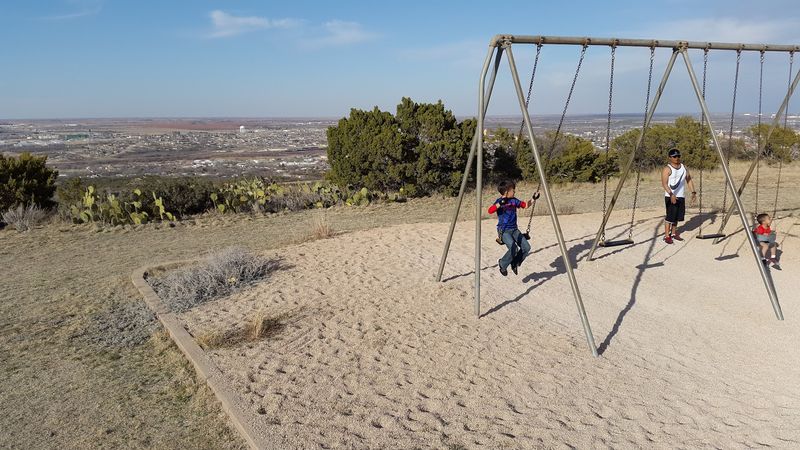
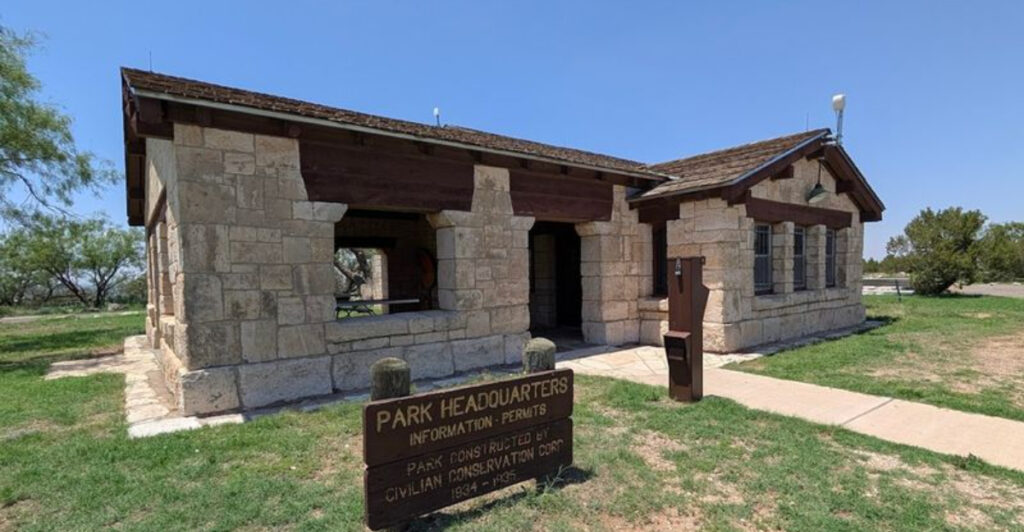
The playground near the ranger headquarters won’t win awards for elaborate equipment or cutting-edge design, but it absolutely nails what matters most: kids have a blast there. Parents consistently report that their children, whether four or eleven years old, find plenty to enjoy despite the straightforward setup. Sometimes the best play spaces are the ones that get out of the way and let imagination do the heavy lifting.
Location gives this playground an advantage over fancier alternatives. It sits in a spot where parents can relax on nearby benches while keeping easy eyes on their kids, all with those signature park views as a backdrop. The proximity to picnic areas and restrooms makes practical sense too, turning this corner of the park into a natural gathering spot for families.
Out-of-state visitors have specifically mentioned making this playground a must-stop on their Big Spring visits. One Michigan family reports coming here every single time they’re in town for work, which speaks volumes about how well this simple setup meets real family needs. When kids ask to return to a place repeatedly, you know it’s doing something right beyond just checking boxes.
The playground’s simplicity also means it requires less maintenance and withstands the harsh West Texas elements better than complex structures might. There’s something refreshing about a place that doesn’t try to compete with theme parks or indoor entertainment centers. It just offers solid equipment, good sightlines, and plenty of space for kids to burn energy while parents catch their breath.
7. Free Admission That Makes Spontaneous Visits Easy
Here’s something that catches visitors off guard in the best possible way: Big Spring State Park doesn’t charge an entrance fee. You can pull in, explore the entire property, use all the facilities, and leave without ever reaching for your wallet. In an era when everything seems to cost money, this free access makes the park remarkably approachable for locals and travelers alike.
The no-fee policy removes barriers that might otherwise keep families away. Parents can bring kids here on a whim without calculating whether the cost justifies a short visit. Fitness enthusiasts can make this their daily workout spot without subscription fees.
Road trippers can stop spontaneously when they spot the park from I-20 without worrying about admission eating into their travel budget.
Some reviews mention seeing few visitors paying at an unstaffed station, which raises questions about voluntary contributions versus mandatory fees. The headquarters building isn’t always open, and ranger presence can be hit-or-miss depending on timing. This casual approach to park management gives the place a laid-back feel, though it also means you shouldn’t count on staff being available for questions or emergencies.
The free admission combined with easy highway access makes Big Spring State Park an ideal quick stop for travelers crossing West Texas. You can stretch your legs, grab some spectacular photos, maybe eat a packed lunch at a scenic table, and get back on the road without the commitment that paid attractions demand. This accessibility is exactly what state parks should offer.
8. Desert Conditions That Demand Respect And Preparation
Every single review mentioning practical advice circles back to one crucial point: bring water, and then bring more water than you think you need. The combination of West Texas heat, low humidity, and exposed terrain creates conditions that dehydrate you shockingly fast. Even the relatively short three-mile loop can become uncomfortable or dangerous if you underestimate how much fluid your body needs out here.
Summer temperatures regularly hit triple digits, yet dedicated locals still walk the loop daily in this heat. That tells you something about both the appeal of this place and the toughness of West Texas residents. If you’re visiting from somewhere with higher humidity or more moderate temperatures, don’t try matching the locals stride for stride on your first visit.
The dry heat feels different and affects your body in ways that might surprise you.
The loose rock and uneven terrain mentioned throughout reviews becomes more challenging when you’re overheated or dehydrated. Your balance suffers, your decision-making gets fuzzy, and suddenly that technical section seems a lot more technical. Smart hikers plan their visits for early morning or late afternoon when temperatures drop and the light gets prettier anyway.
Wind adds another variable to consider. West Texas is famous for its relentless breezes, which can be refreshing or exhausting depending on direction and intensity. The exposed ridgeline catches wind directly, so secure any hats, papers, or lightweight items before they become airborne.
That same wind does help with cooling, making summer visits more bearable than you’d expect from the temperature alone.
Share this story