Tucked away in the mountains near LaFollette, Tennessee, sits a viewing tower that offers something most people never expect to see in the Volunteer State: wild elk roaming freely across mountain fields. Hatfield Knob Viewing Tower gives visitors a front-row seat to watch these majestic animals in their natural habitat, all from a peaceful spot that feels worlds away from everyday life.
Whether you’re a wildlife enthusiast or just looking for a unique outdoor adventure, this hidden gem delivers an experience that’s hard to find anywhere else in Tennessee.
A Hidden Mountain Overlook Where Wild Elk Steal The Show
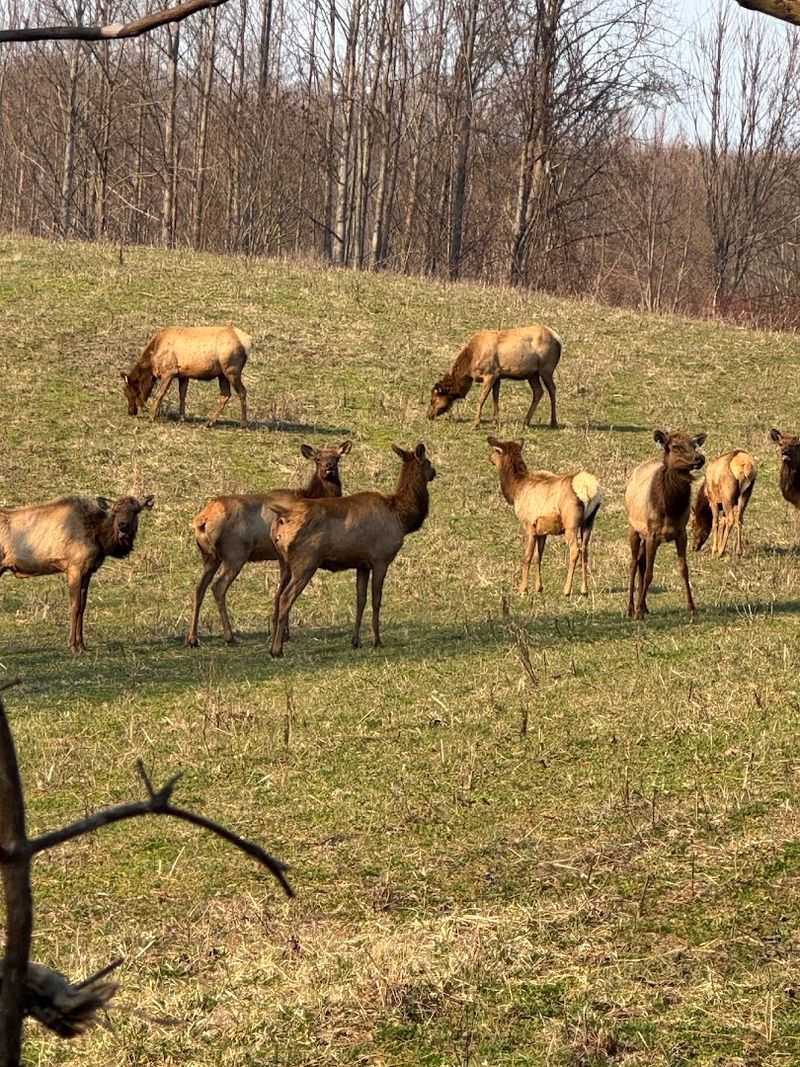
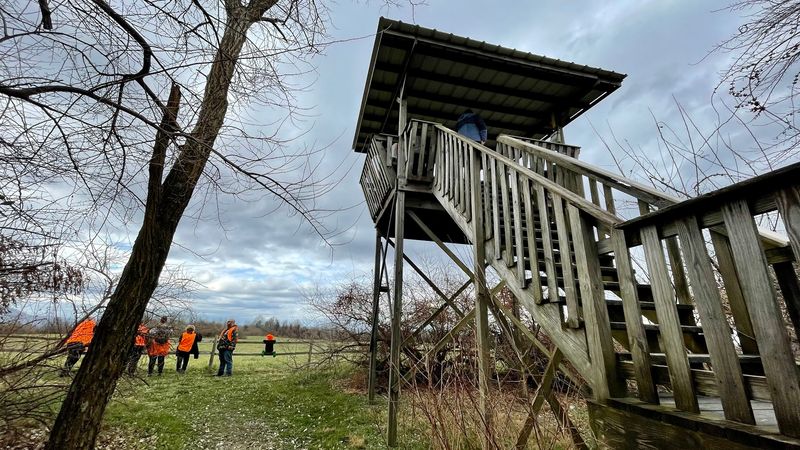
Standing at the top of Hatfield Knob Viewing Tower feels like stepping into a nature documentary. From this elevated perch, you can scan the surrounding fields and forests where herds of elk gather to graze, socialize, and go about their daily routines. Some visitors report seeing just a handful of animals, while others have counted 30 or more elk in a single visit, sometimes accompanied by white-tailed deer and wild turkeys.
The elk weren’t always here. Tennessee’s wild elk population was reintroduced through a restoration project, and Hatfield Knob has become one of the best places to observe them without disturbing their natural behavior. The tower itself provides 360-degree views of the surrounding mountains, making it perfect for scanning multiple fields at once.
Bring binoculars because the elk often hang out at distances that make them look like brown dots without magnification.
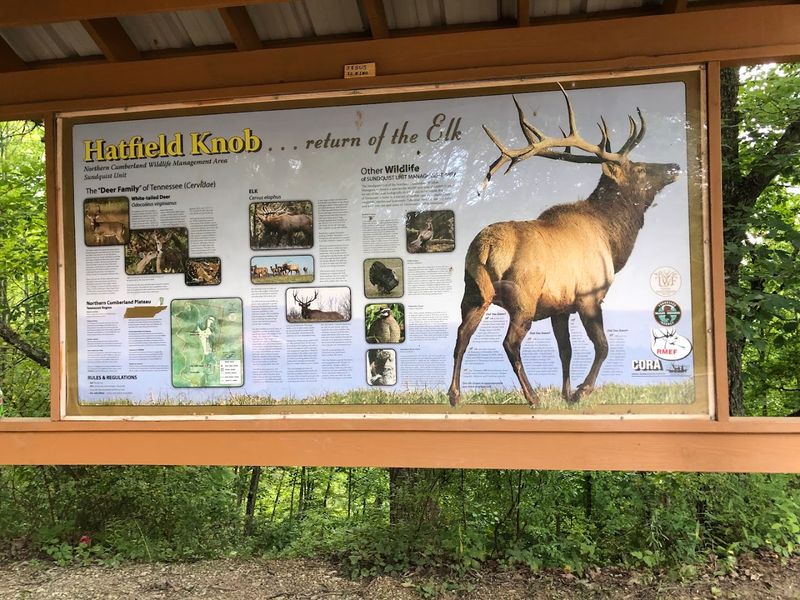
What makes this spot special isn’t just the elk sightings. It’s the combination of wildlife, mountain scenery, and the genuine sense of discovery that comes from finding a place so few people know about. The viewing area includes informational boards that explain elk behavior and the restoration efforts, adding an educational element to your visit.
Visitors often spot elk near the tower itself, but just as many report seeing larger herds along the access road on the way in or out. Keep your eyes peeled through the trees as you drive, especially during early morning or late afternoon hours. The elk don’t follow a schedule, but patience usually pays off with at least a few sightings during your visit.
What Makes Hatfield Knob Viewing Tower Worth The Trip
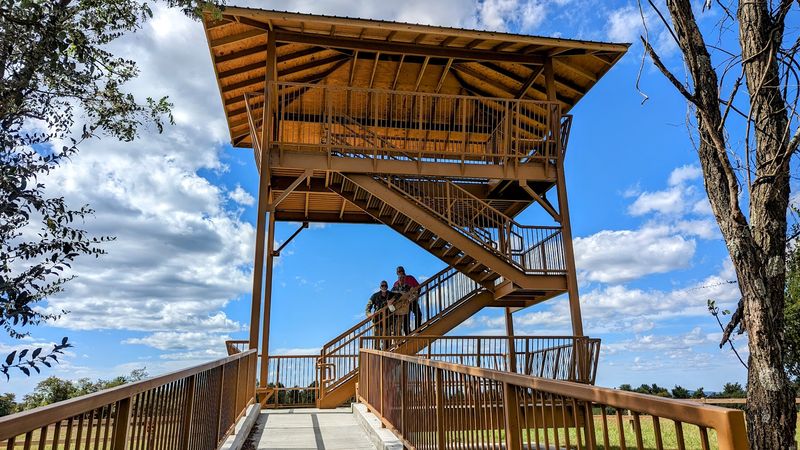
Getting to Hatfield Knob requires commitment. You’ll drive nearly eight miles on a gravel road, then hike about three-quarters of a mile uphill to reach the tower. So why do people keep coming back?
Because the payoff is genuinely spectacular, and the journey itself becomes part of the adventure rather than just an obstacle.
The tower stands tall enough to offer unobstructed views across multiple valleys and ridgelines. On clear days, you can see for miles in every direction, watching weather patterns move across distant peaks and spotting wildlife in fields that would be invisible from ground level. The structure is sturdy and well-maintained, with platforms that accommodate multiple visitors without feeling crowded.
Beyond the elk, the location attracts serious birders and wildlife photographers who appreciate the variety of species that call this area home. Black bears occasionally make appearances, though they’re more shy than the elk. The remoteness of the site means you often have the entire tower to yourself, creating an intimate wildlife-watching experience that’s increasingly rare in popular outdoor destinations.
The surrounding habitat is managed specifically to support elk populations, which means the fields stay open and the sightlines remain clear. This isn’t accidental wilderness; it’s carefully maintained to create ideal conditions for both the animals and the people who come to observe them. Information boards explain the ecology and management practices, giving context to what you’re seeing.
The Best Time To Visit For A Chance To See Elk
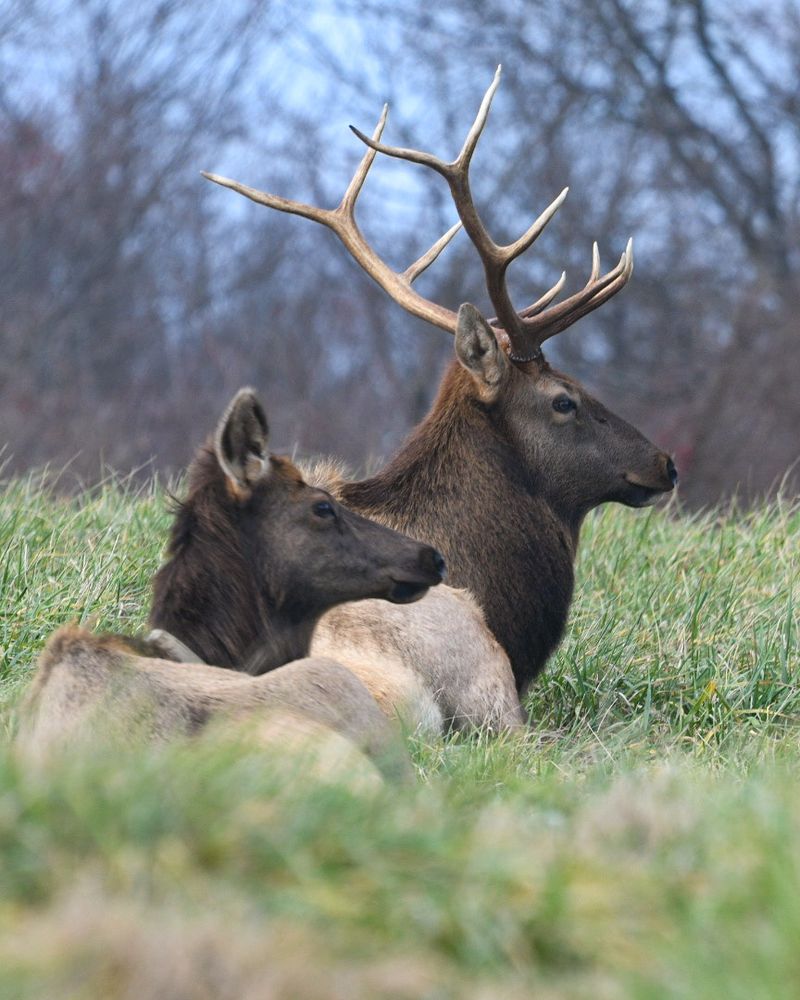
Timing can make the difference between seeing two distant elk and watching a whole herd up close. Local visitors and reviewers consistently recommend late afternoon and early evening as the prime viewing windows. As the sun starts dropping toward the horizon, elk become more active and tend to move into the open fields where they’re easier to spot from the tower.
Early morning also produces good sightings, though you’ll need to factor in the drive time on the gravel road and the hike to the tower. Dawn visits reward early risers with cooler temperatures and often calmer conditions, plus you might catch elk that haven’t yet retreated to shadier spots. The trade-off is that mornings can be quieter overall, with fewer animals visible compared to the bustling activity of evening hours.
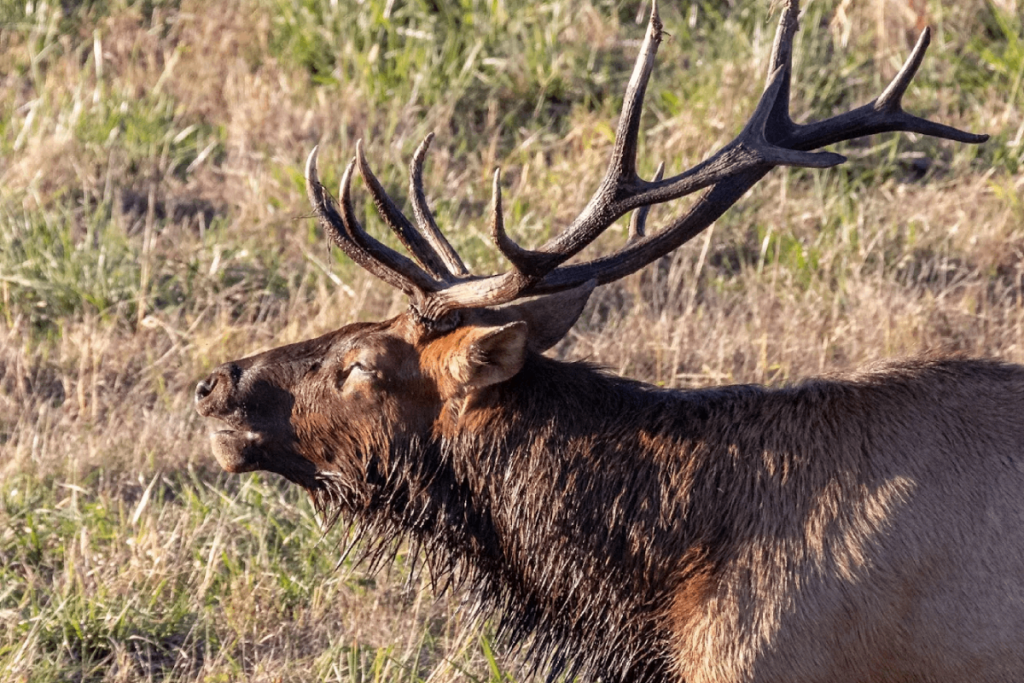
Seasonally, fall brings the elk rut, when bulls become more vocal and active as they compete for mates. This is peak drama in the elk world, and while Hatfield Knob isn’t primarily known as a rutting ground, the increased activity means better odds of memorable sightings. Winter offers excellent visibility since vegetation dies back, though the gravel road conditions can become trickier after heavy rain or snow.
Summer visits are perfectly fine, but expect warmer temperatures during the hike and potentially fewer elk visible during midday heat. They tend to seek shade and become less active when temperatures climb. Spring brings new calves, which is adorable but also means cows are more protective, so maintaining safe distances becomes even more important.
Weather matters too. Overcast days might feel less photogenic, but elk don’t mind clouds and sometimes stay active longer without harsh sun driving them to cover.
What You’ll Experience On The Way To The Tower
The journey to Hatfield Knob starts on US Route 25W, where you’ll turn onto a clearly marked gravel road that winds through the mountains for about 7.9 miles. This isn’t your typical paved scenic drive. The road is maintained but dusty, with enough bumps and rocks to make you glad you didn’t bring your pristine sedan.
A vehicle with decent ground clearance makes the trip more comfortable, though careful drivers in regular cars have managed it when conditions are dry.
Along this access road, wildlife sightings happen regularly. Deer bound across the path, turkeys strut through clearings, and lucky visitors occasionally spot bears moving through the forest. Keep your speed reasonable, both for safety and because you never know what might appear around the next curve.
ATVs and other recreational vehicles also use this road, so stay alert and keep headlights on even in full daylight for visibility.
The drive itself offers multiple pull-off areas where you can stop to take in views or scan fields for elk. Some visitors report seeing their largest herds not at the tower itself but along these roadside viewing spots. It’s worth making a few stops on your way in and definitely on your way out, when the changing light might bring different animals into view.
Once you reach the parking area, you’ll find a trailhead that leads to the tower. This three-quarter-mile walk follows a gravel path that climbs steadily but never becomes too steep. There’s a covered bench roughly halfway up where you can catch your breath and enjoy partial views.
The path is wide enough for easy walking, though it’s definitely uphill enough that you’ll feel it in your legs.
Why This LaFollette Spot Feels So Peaceful And Remote
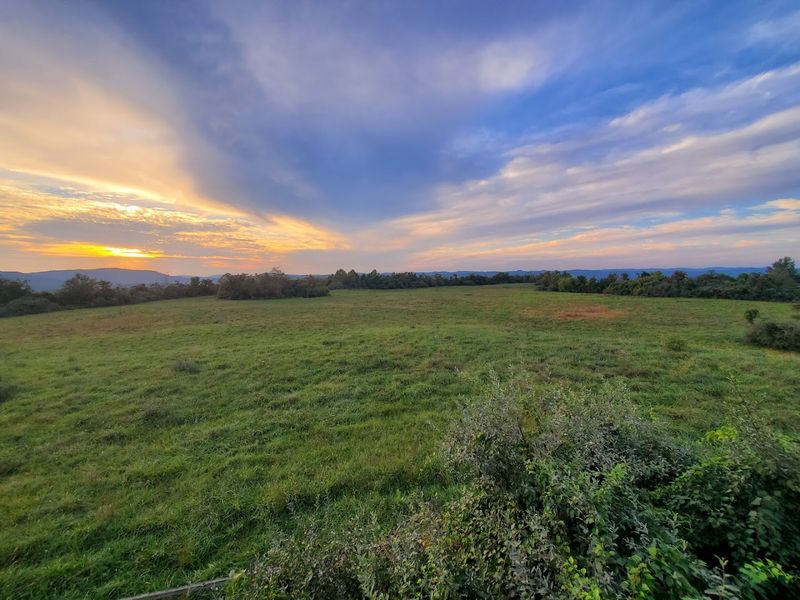
Hatfield Knob delivers something increasingly precious: genuine solitude in nature. Multiple visitors mention arriving to find absolutely no one else there, creating a sense of discovery that’s hard to replicate at more publicized destinations. The combination of gravel-road access and uphill hike naturally filters out casual visitors, leaving the experience to people who actually want to be there.
The remoteness isn’t just about lack of crowds. Cell service is spotty to nonexistent, which forces you to disconnect from digital distractions and focus on the landscape and wildlife in front of you. There are no facilities, no gift shops, no paved walkways with interpretive signs every fifty feet.
What you get instead is raw mountain environment managed just enough to support elk populations while maintaining its wild character.
Sound carries differently in these mountains. Standing at the tower, you might hear nothing but wind through the trees and the occasional call of a bird or the bugle of an elk. That absence of mechanical noise creates a meditative quality that visitors consistently mention in their reviews.
It’s the kind of quiet that makes you realize how rarely you experience true silence in daily life.
The landscape itself promotes peacefulness. Rolling mountains stretch in every direction, covered in forests that change color with the seasons. The fields where elk graze are open but not manicured, maintaining a natural appearance that feels authentic rather than manufactured for tourism.
Visiting Hatfield Knob becomes a form of meditation for many people, offering mental space that’s just as valuable as the elk sightings themselves.
Tips For Making The Most Of Your Elk-Watching Visit
Binoculars transform the Hatfield Knob experience from good to unforgettable. Elk often position themselves at distances where they’re visible but not detailed without magnification. Quality binoculars let you observe their behavior, distinguish between cows and bulls, and spot calves that might be hidden in tall grass.
Even budget optics make a significant difference compared to naked-eye viewing.
Timing your visit for late afternoon gives you the best combination of active elk and good lighting. Plan to arrive with at least two hours before sunset, which gives you time to hike up, settle in at the tower, and wait for animals to emerge. Patience is crucial because elk don’t operate on human schedules.
Some days they appear immediately; other times you’ll wait thirty minutes or more before seeing movement.
Dress in layers regardless of the season. The hike up generates heat, but once you’re stationary at the tower, mountain breezes can get chilly even in summer. Comfortable walking shoes with decent tread help on the gravel path, though you don’t need serious hiking boots for this relatively easy trail.
Bring water and snacks since there are no facilities anywhere near Hatfield Knob. The covered bench halfway up the trail makes a pleasant spot for a quick picnic either before or after your tower visit. Some visitors pack more substantial meals and make an afternoon of it, especially when elk are actively visible in nearby fields.
Photography enthusiasts should bring telephoto lenses, as even 200-300mm focal lengths can feel short when elk are at typical viewing distances. A tripod or monopod helps with stability during long observation sessions. Remember to stay quiet and move slowly to avoid spooking wildlife.
Before You Go: What To Know About Visiting Hatfield Knob
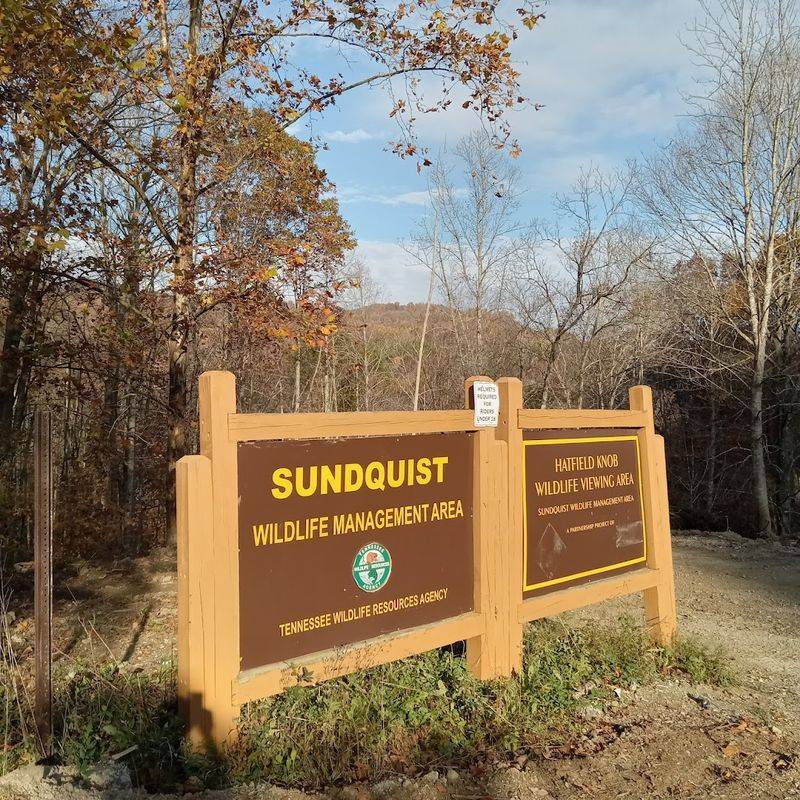
Hatfield Knob is managed by the Tennessee Wildlife Resources Agency, which means specific rules apply to protect both visitors and wildlife. The most important rule is to stay out of the fields where elk graze. These animals might look calm, but bulls can weigh 700 pounds and become aggressive, especially during rutting season.
Think of them as small cars with antlers, and maintain respectful distances at all times.
There are no restrooms anywhere on site, so plan accordingly before starting your journey. The nearest facilities are back in LaFollette, which is a significant drive once you factor in the gravel road. This is genuinely remote territory, so come prepared with everything you might need for several hours away from civilization.
Navigation requires attention because GPS sometimes suggests rough alternative routes that aren’t suitable for most vehicles. The recommended approach is heading north on I-75 Alt from LaFollette for about 6.8 miles, then turning onto the marked gravel road. Ignore any GPS suggestions that route you through extremely rough terrain unless you’re driving a serious off-road vehicle.
The gravel road conditions vary with weather and maintenance schedules. Recent reviews suggest it’s generally in good shape, but heavy rain can create washouts and muddy sections. High-clearance vehicles handle it more confidently, though determined drivers in regular cars succeed when conditions are dry.
Dust can be significant, especially when other vehicles pass, so keep windows up if you’re sensitive to it.
Contact the Tennessee Wildlife Resources Agency if you have specific questions about current conditions or elk activity. Their website provides additional information about the elk restoration program and viewing opportunities throughout the region. Plan for the entire visit to take three to four hours minimum, including drive time and hiking.
Share this story