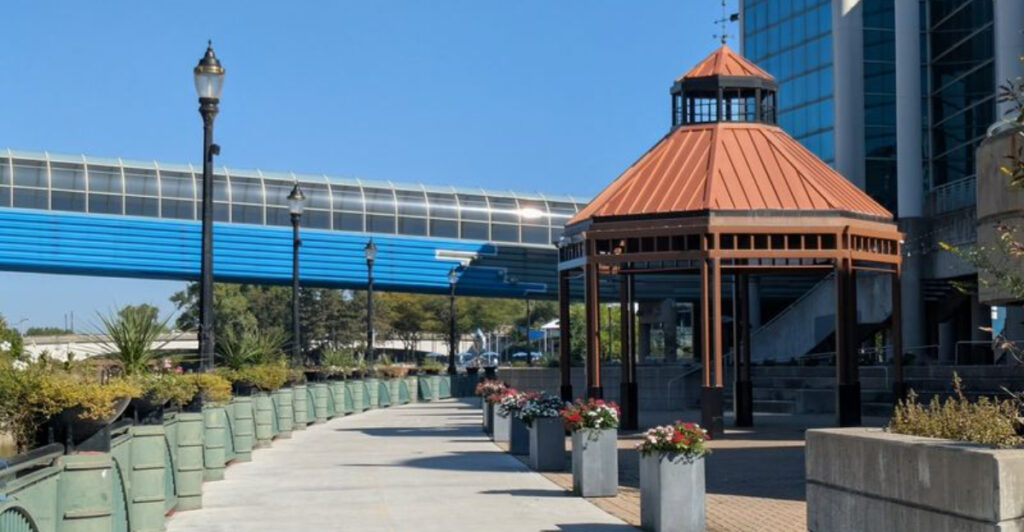
City exploring feels easier when one trail can connect the pieces without the stress of traffic. In Greater Lansing, Michigan, the Lansing River Trail links parks, river views, neighborhoods, bridges, and major local stops into a long, accessible route that keeps the area moving.
It works just as well for a quick walk as it does for a bike ride to class, a casual weekend outing, or a longer day spent following the river through different parts of the city. The trail’s real strength is how it makes Lansing feel more open, connected, and enjoyable at ground level.
For anyone wanting to see how one path can change the rhythm of a whole area, this river trail is a great place to start.
A Green Route That Rewrites the City Map
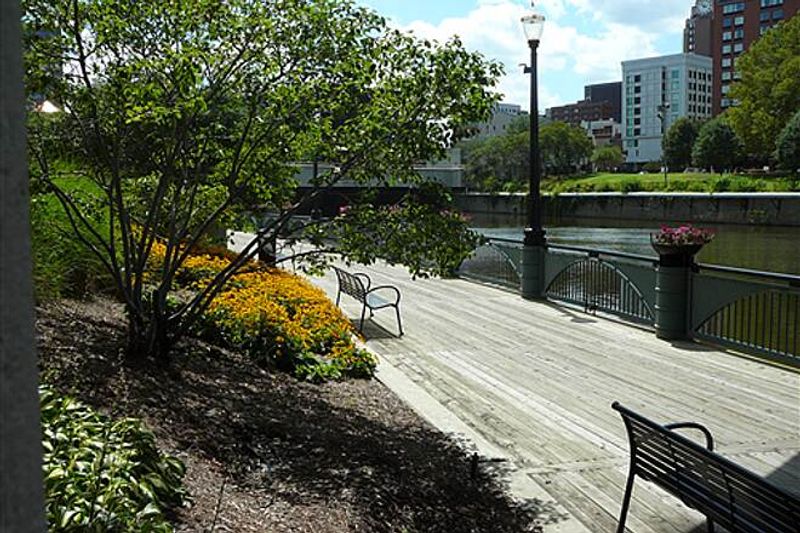
Most city routes are built around stoplights, parking lots, and busy corners. Lansing River Trail offers a very different way to move through Greater Lansing, trading engine noise for tree cover, river edges, and long stretches of pavement that invite walking, biking, and rolling at a calmer speed.
The trail matters because it does more than decorate the city. It connects places people already use, including downtown areas, parkland, and routes that help riders and walkers travel farther without feeling boxed in by traffic on every block.
That practical side changes the experience fast. A person can head out for exercise, use the path for a quiet commute, or turn an ordinary afternoon into a mini tour through several parts of the region without getting back in the car every few minutes.
Scenery helps, of course. Trees, open sky, and water views break up the urban setting, so the city feels less hard-edged and more breathable, especially in sections where the path runs close to the river or slips past greener, softer spaces.
Another strong point is variety. Some stretches feel relaxed and roomy, while others bring nearby landmarks into view, which keeps the route from becoming one long, same-looking ribbon of pavement.
That mix explains why the trail stands out in everyday life. It is not only a place for workout miles.
It is also a working corridor, a scenic shortcut, and a reminder that Greater Lansing can be explored in a slower, more enjoyable way that still gets people where they need to go.
Where Bikes, Walks, and Evening Miles All Click
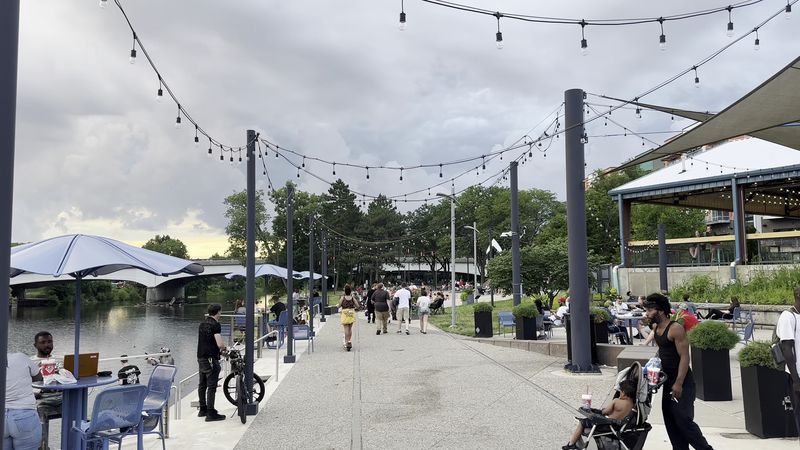
Some trails shine at one thing and only one thing. Lansing River Trail works because it handles several kinds of outings well, from a morning walk to a bike ride across town to a quiet evening loop when the light softens and the path settles down.
That flexibility shows up in how people use it. Walkers can take shorter sections without much planning, while cyclists can cover longer distances and move between neighborhoods more quickly than they could on streets packed with signals and turning cars.
Evening is one of the most appealing times to be here. As the sun drops lower, the trees cast longer shadows, the paved path cools off, and the route takes on a calmer rhythm that suits both casual walkers and riders heading out for extra miles.
The trail also has a useful social rule built into its design and culture. Shared paths work best when everyone stays alert and keeps right, especially with bikes and faster scooters passing through, so a smooth trip depends on basic courtesy as much as pavement.
For families or slower walkers, that means choosing a comfortable pace and listening for movement behind them. For riders, it means controlling speed near busier spots and treating the trail like a shared public space instead of a race lane.
Used that way, the route becomes one of the easiest outdoor options in the area. It welcomes solo exercise, dog walks, relaxed conversation, and longer rides with equal ease, which is a big reason the trail turns ordinary local travel into something much more enjoyable.
Potter Park, Old Town, and Other Stops That Break Up the Miles
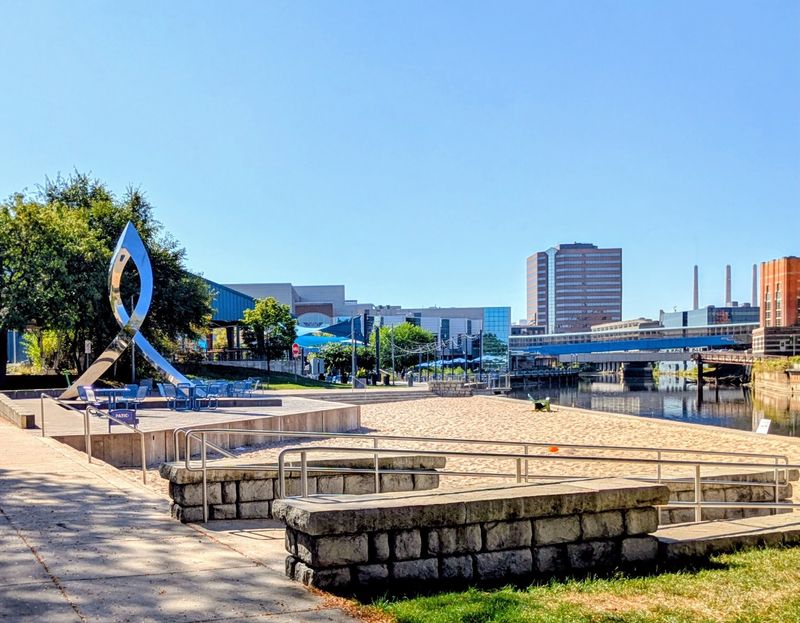
A long trail becomes more exciting when the miles lead somewhere interesting. Lansing River Trail benefits from that exact advantage, since it links sections of Greater Lansing that give walkers and cyclists natural reasons to keep going instead of turning around after a short stretch.
One of the best known nearby draws is Potter Park Zoo, which sits right along the trail and adds a fun, family-friendly stop to the route. That kind of landmark changes the path from simple exercise space into part of a full day out.
Old Town adds a different flavor. Reaching it by trail can feel like arriving through a back door that shows off the city in a more relaxed, less rushed way than driving straight to a parking spot and stepping onto the sidewalk.
Connections to other corridors also matter. Nearby links can open the door to longer rides toward other communities or extra green spaces, which gives regular users new options when they want more distance without repeating the same short section again and again.
Because the route ties together parks, urban pockets, and local attractions, planning is simple. Start with a goal instead of a mileage number: coffee, a zoo visit, a riverside walk, a class commute, or an all-day bike ride with a few scenic pauses built in.
That is where the trail becomes more than a path on a map. It acts like a string running through Greater Lansing, pulling separate places into one connected experience, where each segment offers a slightly different mood and a fresh reason to stay out longer.
Michigan Sections That Change With the Season
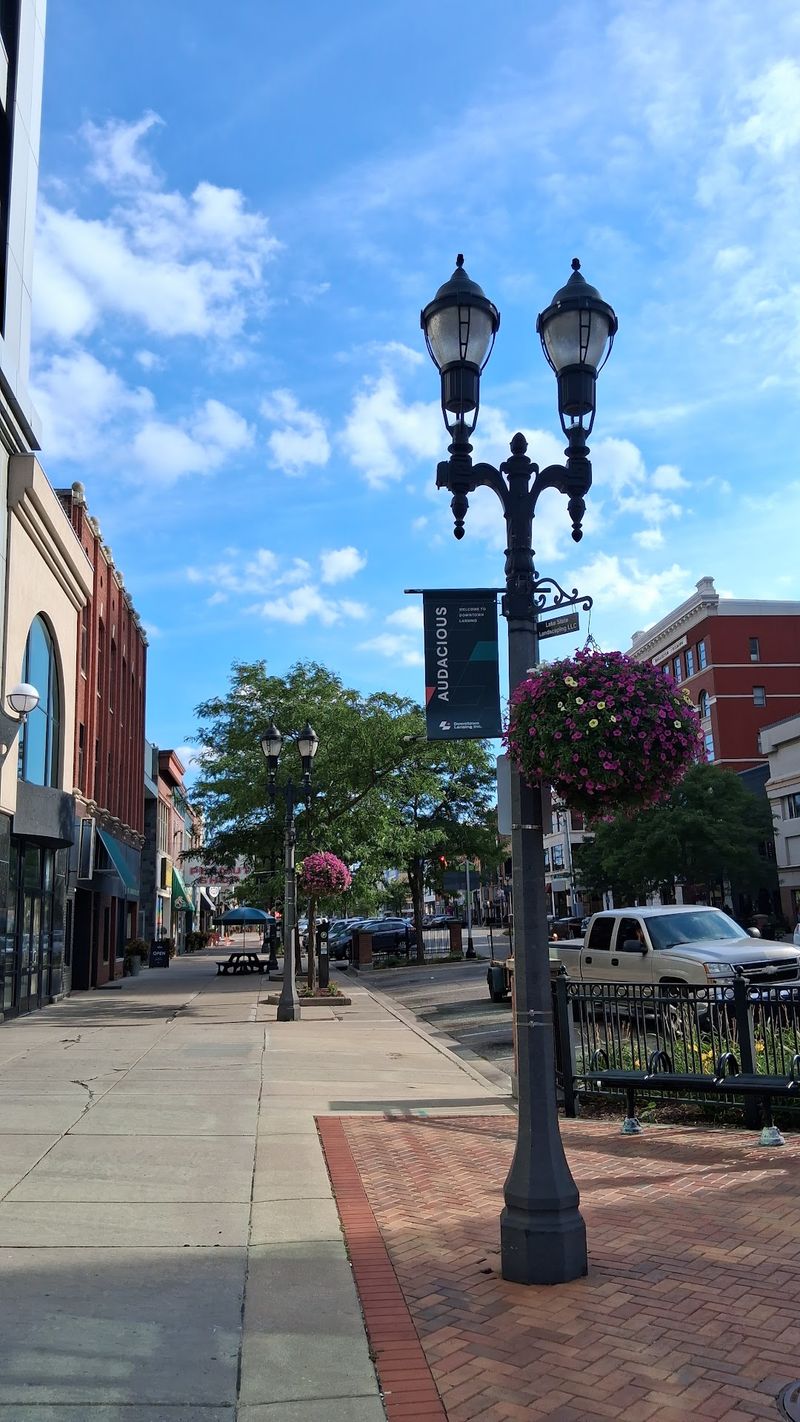
No two visits to Lansing River Trail are exactly alike, and the weather has a lot to do with that. In Michigan, a route like this shifts with the seasons, which means the same stretch can feel bright and breezy in summer, muddy in spring, and sharply crisp later in the year.
That seasonal change is not just about appearance. It affects how the trail functions.
Some lower sections can stay wet after storms or during early spring thaw, so planning a trip means thinking beyond distance and checking recent conditions with a little common sense.
Bridges in flood-prone areas help keep the route usable, and maintained sections show clear care. Downed branches and litter do not define the experience when cleanup is handled well, and that basic upkeep makes a real difference on a long trail people rely on regularly.
Summer brings its own trade-offs. Trees and green growth can make the route look fuller and more inviting, but warmer evenings may also bring bugs, especially near wetter areas.
Packing water, using repellent, and wearing light layers can make a relaxed outing much easier.
Those practical details do not take away from the trail. They simply show that this is an outdoor space shaped by river conditions, tree cover, and changing weather rather than a perfectly controlled park loop with the same surface and feel every day.
For many trail users, that is part of the charm. The path is maintained enough to stay useful, yet natural enough to remind people they are moving through a living landscape, one where rainfall, shade, and river levels still have a visible say in the day.
A Local Lifeline for Class, Coffee, and Cross-Town Freedom
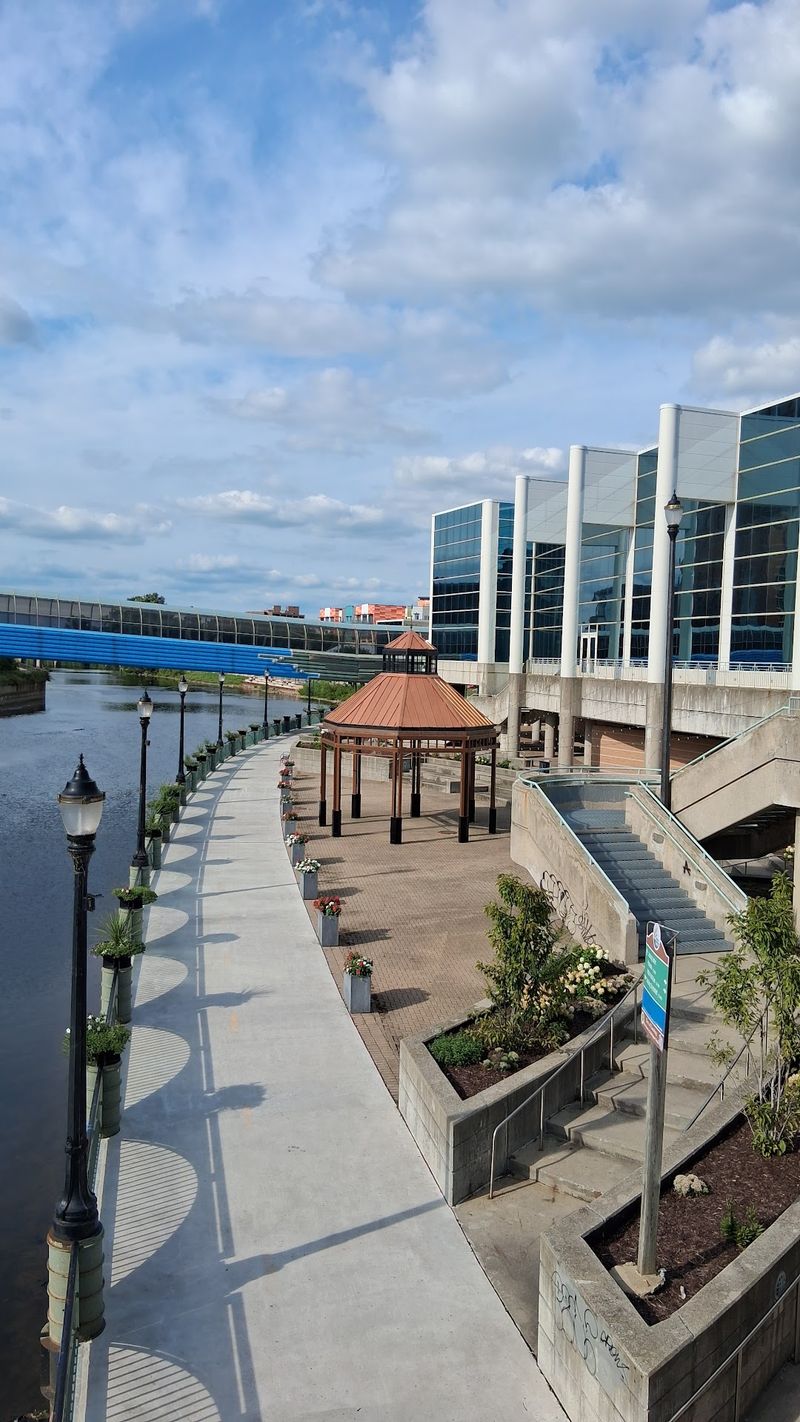
Here is the quiet trick that makes Lansing River Trail more than a pretty path: it can actually help people get around. In a region where daily movement often depends on roads and traffic lights, the trail opens a calmer line between routines, errands, and social stops.
That can mean biking to class, pedaling downtown to meet friends, or using the route to cross parts of town with fewer interruptions. The experience is different from driving because the trail cuts down on stop-and-go stress and replaces it with a steadier, more direct rhythm.
For students and regular riders, that matters a lot. A path that supports real transportation becomes part of daily life, not just a weekend destination.
It can save time, reduce hassle, and make the city feel more connected on a human scale.
The trail also helps stitch together small pleasures along the way. A ride can include a coffee stop, a market visit, or a break in a park without turning into a giant outing that needs careful scheduling and a hunt for parking at every step.
That everyday usefulness gives the route a stronger identity. It serves commuters, exercise-minded riders, dog walkers, and people who simply want an easier way to move through Lansing while still seeing trees, water, and changing neighborhoods.
Not every city has a corridor that can handle both practical travel and leisure so smoothly. Lansing River Trail comes close, and that is a big part of its appeal.
It offers freedom in a very plain, very valuable form: fewer barriers between one part of the day and the next.
How to Plan a Better Day on the Trail
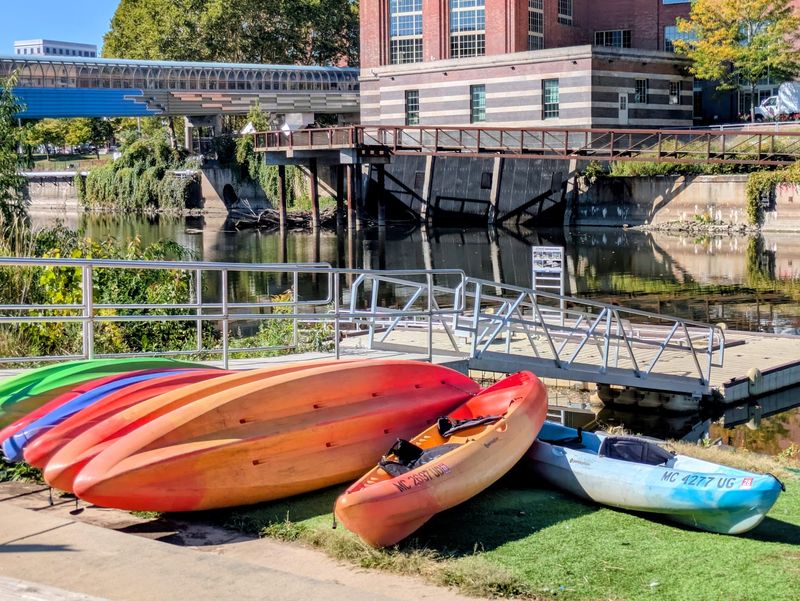
The best outing on Lansing River Trail usually starts with one smart choice: decide what kind of day you want before stepping onto the path. A short scenic walk, a long bike ride, a dog outing, or a park-to-park adventure all call for slightly different timing and gear.
For walkers, comfort matters more than speed. Good shoes, water, and awareness of faster users go a long way.
Staying to the right helps bikes and scooters pass safely, and that small habit can make a busy section much more relaxed for everyone.
Cyclists should think ahead about distance, trail connections, and pace. This is a route with plenty to look at, so it works best when riders leave room for slow sections, stops, and shared-use courtesy rather than treating every mile like a sprint.
Timing can shape the whole visit. Early parts of the day often bring cooler air and an easier start, while evening can look especially beautiful along the trail.
Summer twilight is appealing, but bug protection may be worth bringing in warmer months.
Weather deserves a quick check too. After heavy rain or during spring thaw, some stretches may be damp or muddy, which means an ambitious route can turn messy fast if shoes, tires, or expectations are not matched to conditions.
A well-planned visit does not need to be complicated. Pick a section, choose a nearby stop, carry the basics, and leave a little extra time. That simple approach lets the trail do what it does best, turning Greater Lansing into an easy chain of motion, scenery, and useful connections.
Share this story