At Kittatinny Valley State Park, the strangest sound is not birdsong or leaves crunching under your shoes. It is the sudden buzz of a small plane lifting off from Aeroflex-Andover Airport, rising over a glacial lake so clear and quiet it feels like it belongs much farther north than Sussex County.
One minute you are walking beneath maples, passing limestone outcroppings and old rail beds. The next, you are watching a plane skim into the sky while kayaks drift across Lake Aeroflex, New Jersey’s deepest natural lake.
That mix is exactly what makes this park so memorable. It has water, trails, wildlife, history, and a little bit of local weirdness, but none of the shoulder-to-shoulder energy you find at the state’s bigger-name outdoor escapes.
Tucked in Andover Township, Kittatinny Valley feels like the kind of place people discover by accident, then quietly keep to themselves.
Why Kittatinny Valley State Park Still Feels Like a Local Secret
Kittatinny Valley State Park sits in that part of New Jersey where the state seems to exhale. The roads get quieter, the hills soften, and suddenly you are not thinking about traffic on Route 80 or the Parkway.
You are in Sussex County, in Andover Township, surrounded by more than 5,600 acres of lakes, fields, woods, wetlands, former railroad lines, and limestone ledges. For a park with that much going on, it keeps a surprisingly low profile.
Part of that is geography. Kittatinny Valley is not tucked beside a boardwalk, a famous waterfall, or a postcard village with boutiques and brunch lines.
It is in the Skylands region, a little removed from the usual New Jersey weekend loop, which is exactly why it still feels special. People who know it tend to use it casually.
They come for a walk after work, a morning bike ride, a fishing spot, or a quiet hour with the dog. It does not announce itself as an “it” destination, and that is a big part of its charm.
The park also spreads its attractions out. There is no single dramatic entrance where everyone gathers for the same photo.
Instead, you find different pockets: Lake Aeroflex, Twin Lakes, Gardner’s Pond, White’s Pond, the Sussex Branch Trail, the Paulinskill Valley Trail, and smaller wooded paths that link the whole place together. That gives the park a choose-your-own-adventure feeling.
Even when cars are in the lot, people disappear quickly into the landscape. You may pass a cyclist, a birder, or someone carrying a fishing rod, but the park rarely feels crowded in the way New Jersey parks can feel crowded.
Kittatinny Valley is not empty. It is better than that. It feels used, loved, and somehow still under the radar.
Lake Aeroflex Makes the Whole Park Feel Cinematic
The first good look at Lake Aeroflex can stop you mid-sentence. It is not flashy in a “look at me” way.
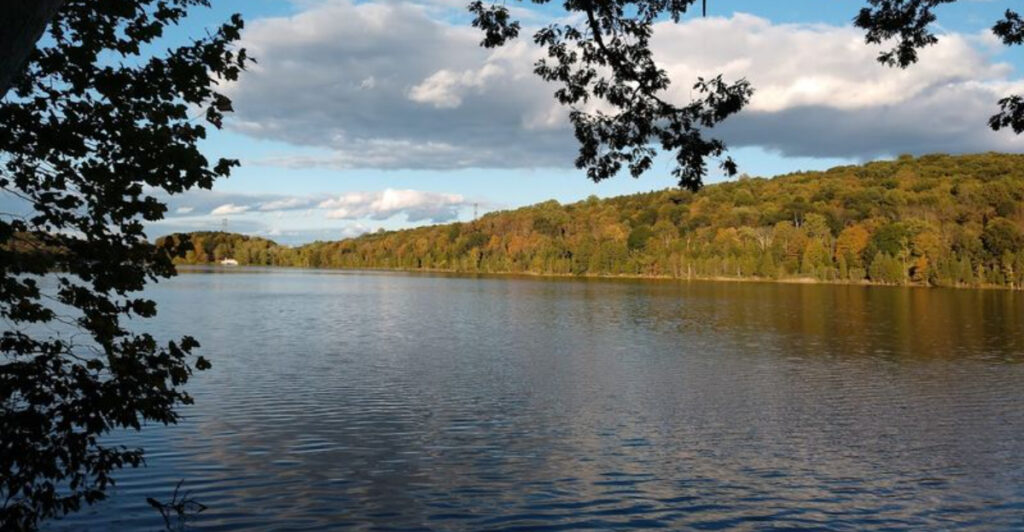
It is wide, calm, and glassy, with wooded edges that make the water feel tucked away even though the park is easy to reach. Also known as New Wawayanda Lake, Aeroflex is considered the deepest natural lake in New Jersey, reaching about 110 feet, and that fact alone gives it a little extra mystery.
You do not have to be a geology person to feel that this place was shaped by something older and colder than a weekend recreation plan. The lake is one of the park’s main fishing and boating spots, and it has the kind of quiet movement that makes you slow down without being told to.
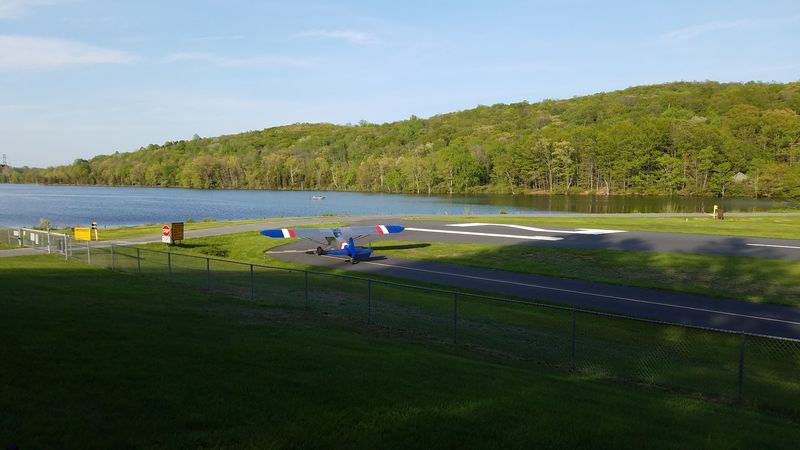
Kayaks slide across the surface. Anglers work the shoreline. On still days, the sky reflects so clearly that the lake seems to double the size of the park. Then comes the twist: Aeroflex-Andover Airport sits right nearby.
Every so often, a small plane rolls down the runway and lifts above the trees, turning the whole scene into something unexpectedly cinematic. It is part wilderness, part old-school airfield, and very New Jersey in the best possible way.
The contrast should be odd, but it works. The airport is managed by the New Jersey Forest Fire Service and also serves as an airbase for wildfire suppression, which adds another layer of local purpose to the landscape.
Bring a camera, but do not rush around looking for the perfect angle. The lake is best enjoyed slowly, especially from the trails that skirt its edges.
Early morning gives you mist and quiet water. Late afternoon brings softer light through the trees. Either way, Lake Aeroflex is the feature that makes Kittatinny Valley feel bigger, moodier, and more memorable than people expect.
The Trails Are Easy to Love and Hard to Forget
Here is the thing about the trails at Kittatinny Valley: they do not punish you for wanting a nice day outside. This is not one of those places where every good view requires a steep climb, a heroic water bottle, and a suspicious amount of “almost there.”
The park has more than 15 miles of official trails, plus connections to larger regional trail systems, so you can keep things simple or turn your visit into a longer ramble.
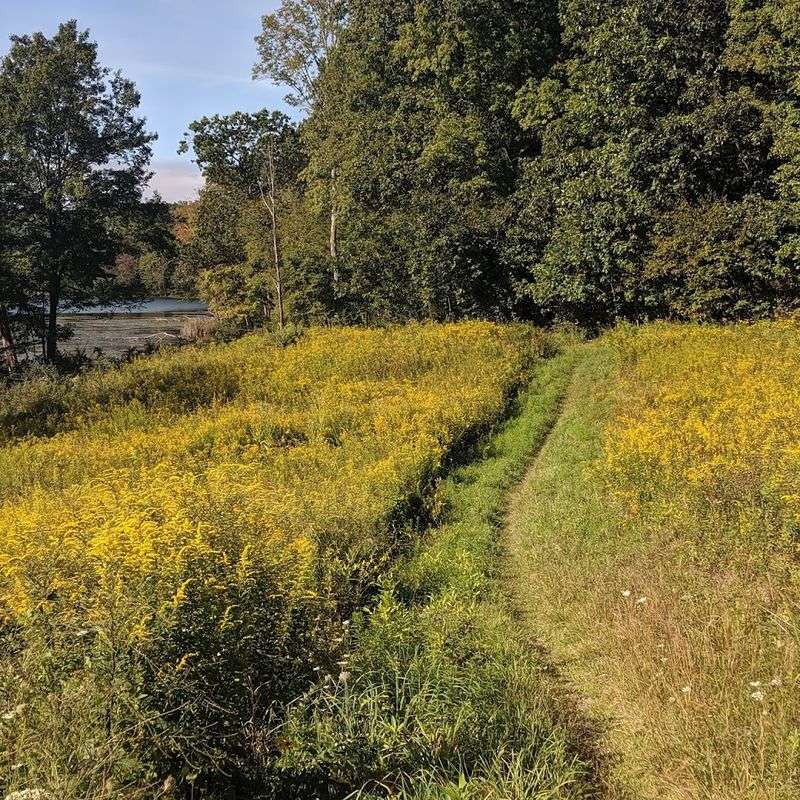
The terrain changes just enough to stay interesting. One stretch may feel like a gentle woodland path, another like an old rail corridor, and another like a meadow walk where the sky suddenly opens up.
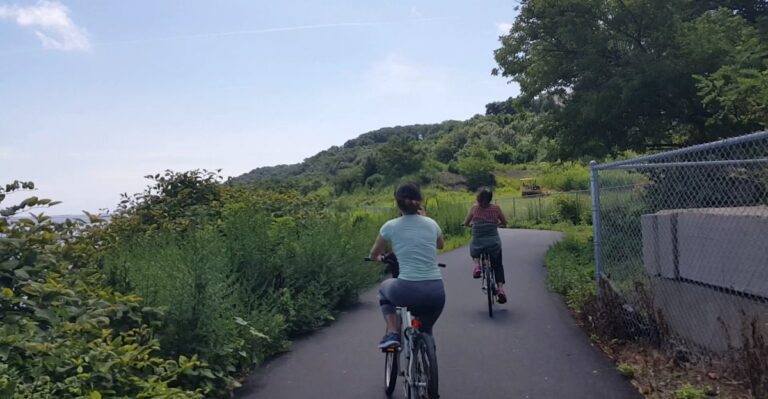
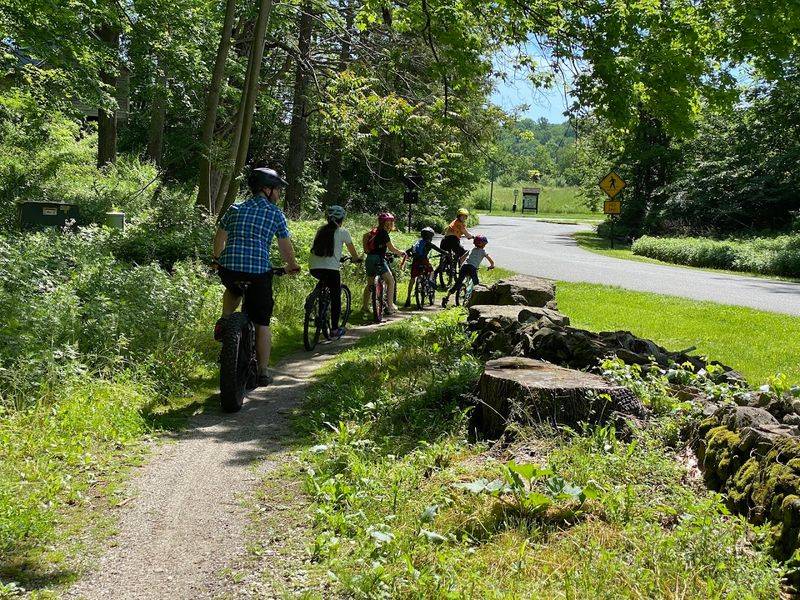
The Sussex Branch Trail is one of the big names here, running along a former railroad route and offering that easy, flat rhythm walkers and cyclists love. Rail trails have a way of making distance feel manageable.
You are not constantly watching your footing or negotiating roots. You settle in, look around, and let the landscape do the talking.
Mountain bikers get their share of fun, too, especially on the park’s more rugged single-track sections. The Bulldog Mountain Bike Team has long been associated with trail work in the area, and you can tell this is a park where cyclists are part of the regular rhythm, not an afterthought.
For a first visit, the paths near Lake Aeroflex are a smart bet because they give you water views without requiring a complicated route. White-marked sections around the lake are often praised by local hikers for scenery, while the broader park trail network can lead you toward Twin Lakes, White’s Pond, fields, forest edges, and old railroad remnants.
What makes these trails stick with you is not one dramatic overlook. It is the variety. You leave feeling like you saw several different parks stitched into one.
Old Ruins Add a Surprising Layer of History
Not every state park needs a dramatic ruin to be interesting, but Kittatinny Valley gets a lot of personality from the traces people left behind. This landscape was not always a quiet recreation area.
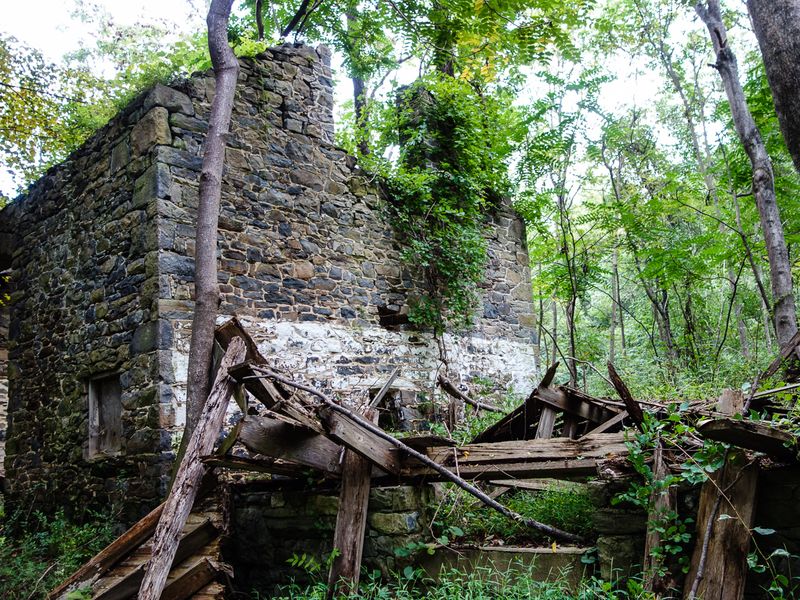
Before it became protected parkland, it was shaped by farms, railroads, stone houses, and the practical daily life of rural Sussex County. You can still feel that history in the old rail beds, the stonework, and the buildings that give the park a more lived-in texture than a simple woods-and-lake destination.
The Hill-Hussey Stone House is one of the park’s best-known historic features. Built in the 19th century with native limestone, it later became connected to the Hussey family and now serves as a visitor center.
That is a very New Jersey kind of preservation story: a sturdy old building, local stone, a layered past, and a second life inside a state park. The Slater House, another historic structure on the property, adds to the sense that this was once a working landscape before hikers and kayakers came along.
Then there are the railroad stories. In the 1800s and early 1900s, rail lines helped move people, goods, farm products, and industry through this part of the state.
Today, those former routes have become recreational trails, including the Sussex Branch Trail, the Paulinskill Valley Trail, the Great Valley Rail Trail, and the Lehigh & Hudson River Rail Trail. That transformation is one of the quiet pleasures of Kittatinny Valley.
You are not just walking through pretty scenery. You are following paths that once had a completely different purpose.
The park does not hit you over the head with history signs at every turn. Instead, it lets the old details appear naturally: a stone wall here, a rail grade there, a building that looks like it has seen a few versions of New Jersey come and go.
Wildlife Turns a Quiet Walk Into a Real Adventure
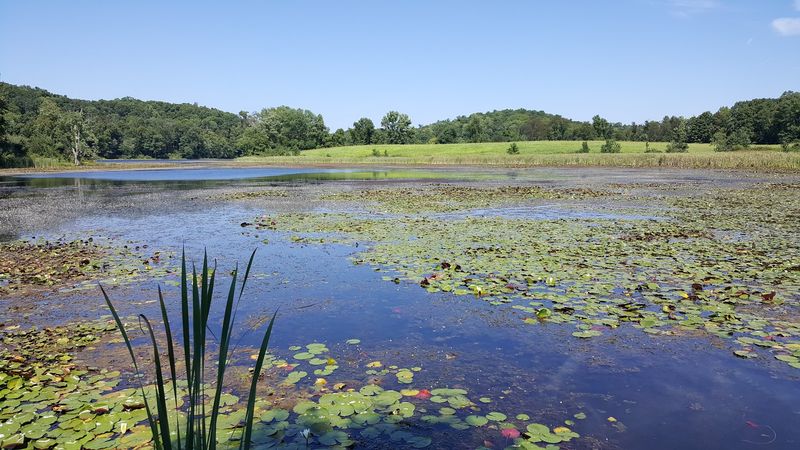
The wildlife at Kittatinny Valley has excellent timing. Just when you start thinking the park is all lake views and easy trails, something moves in the brush.
A deer steps out near the edge of a field. A turkey hustles across the path with the offended confidence only turkeys have. A red-winged blackbird flashes color over the wetlands. Suddenly, your casual walk has a plot.
Because the park includes lakes, ponds, fields, forests, wetlands, and the headwaters of the Pequest River, it supports a broad mix of animals. White-tailed deer are common, and wild turkeys are very much part of the local cast.
Around the water, you may spot signs of beavers or muskrats, especially if you are patient and not clomping along like you are late for a train. Birders have plenty to enjoy, too.
Songbirds, waterfowl, raptors, and wetland species all move through the area, depending on the season. Lake Aeroflex and Gardner’s Pond are especially good places to slow down and scan the edges.
This is not the sort of park where wildlife feels staged or guaranteed. It feels better than that.
It feels like you are visiting a busy neighborhood where the residents are mostly ignoring you. The best way to see more is to move quietly and resist the urge to treat every trail like a fitness test.
Morning is ideal, especially in spring and fall, when the park feels awake before the rest of the day catches up. Even winter has its moments, with bare branches making it easier to spot birds and animal movement.
Kittatinny Valley rewards attention. The more slowly you go, the more the place seems to reveal: ripples near a bank, tracks in soft mud, a hawk overhead, a sudden rustle that turns out to be something worth stopping for.
The Peaceful Atmosphere Is the Park’s Best Feature
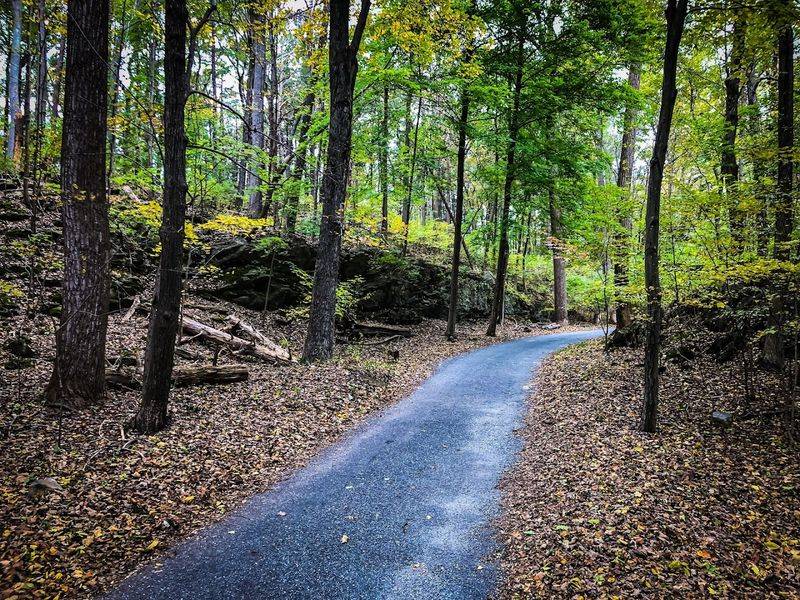
Some parks impress you by being dramatic. Kittatinny Valley wins you over by being easy to be in.
That may sound simple, but in New Jersey, where a “peaceful getaway” can still involve circling for parking and hearing someone’s Bluetooth speaker from three picnic tables away, ease is no small thing. This park gives you room.
Room to walk without a plan. Room to sit near the water and do absolutely nothing productive. Room to bring a sandwich, linger by a pond, and decide at the last minute whether you feel like another mile. The practical details help.
There are multiple access points, several trail choices, and enough different landscapes that visitors naturally spread out. Picnic tables and grills are available in limited areas, including near the Limecrest Road parking area, but the park never feels like it is built around one central picnic crush.
Dogs are allowed on leash, which makes it a reliable choice for locals who want a low-key outing with a four-legged hiking buddy. Fishing, kayaking, biking, horseback riding, cross-country skiing, and birding all happen here, yet the park’s personality stays quiet.
Nothing feels overproduced. Even the most unusual feature, the small airport, somehow adds to the charm instead of breaking it.
A plane rises, the sound fades, and the lake goes back to looking like it has been keeping secrets for centuries. Kittatinny Valley State Park is not trying to be New Jersey’s biggest outdoor headline.
That is exactly why it works. It has the glacial lake, the wooded trails, the old rail history, the wildlife, and the space to enjoy all of it without feeling rushed along.
It is scenic without being showy, interesting without being crowded, and peaceful in a way that feels increasingly rare.
Share this story