
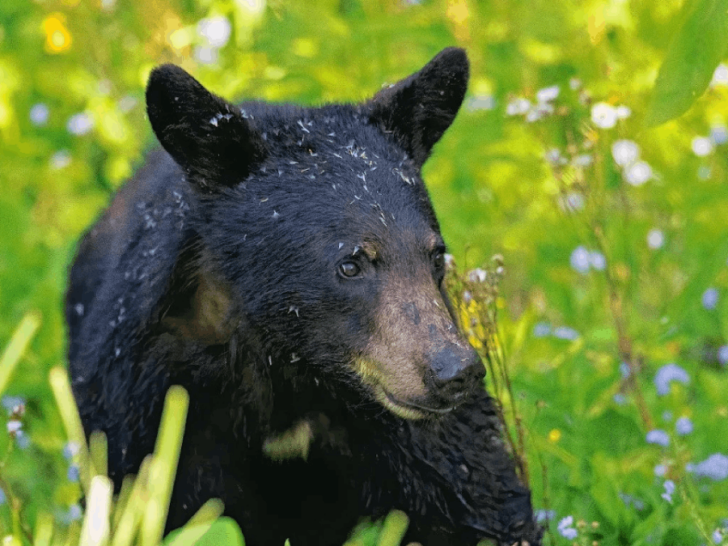
Nestled in the heart of Great Smoky Mountains National Park, Cades Cove Scenic Loop offers one of the most remarkable wildlife viewing experiences in the entire Southeast. This 11-mile one-way road winds through a stunning valley where black bears roam freely, deer graze in open meadows, and wild turkeys strut along the forest edges.
With its combination of breathtaking mountain views, preserved pioneer history, and incredible animal sightings, this loop has become a bucket-list destination for nature lovers from around the world.
Discover Cades Cove Scenic Loop in Townsend, Tennessee
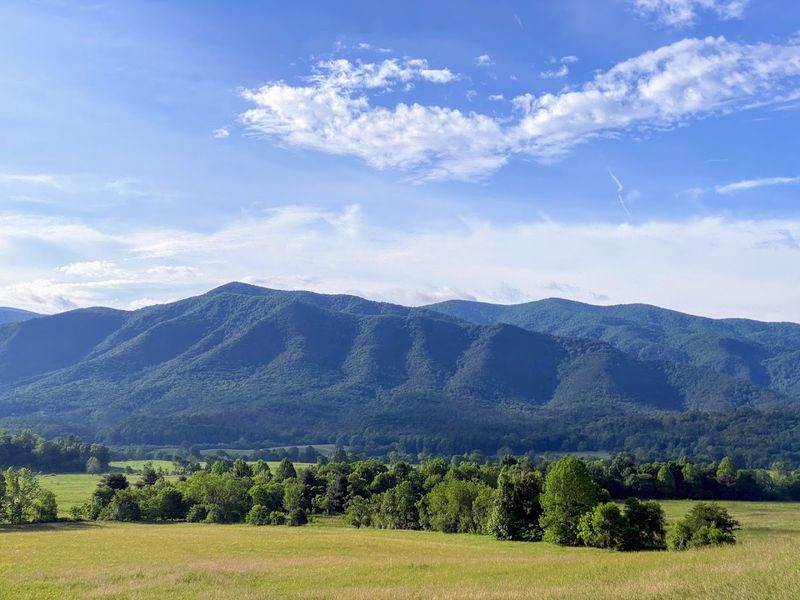
Located near Townsend, Tennessee, Cades Cove Scenic Loop sits within Great Smoky Mountains National Park and attracts over two million visitors annually. The 11-mile one-way road circles through a broad, verdant valley completely surrounded by mountains, creating a natural amphitheater that’s simply stunning.
You can experience genuine wildlife encounters without hiking miles into the backcountry. The loop opens at 6:30 AM most mornings, and getting there early dramatically improves your experience.
Parking fills quickly, especially during peak seasons, so arriving before 8 AM is smart. On Wednesdays during warmer months, the road closes to motor vehicles until 10 AM, allowing cyclists and pedestrians to enjoy the valley in peaceful silence.
This beloved Tennessee treasure offers something truly unique: a front-row seat to Appalachian wilderness accessible to everyone, regardless of hiking ability or fitness level.
Why Cades Cove Is One of the Best Places to See Black Bears
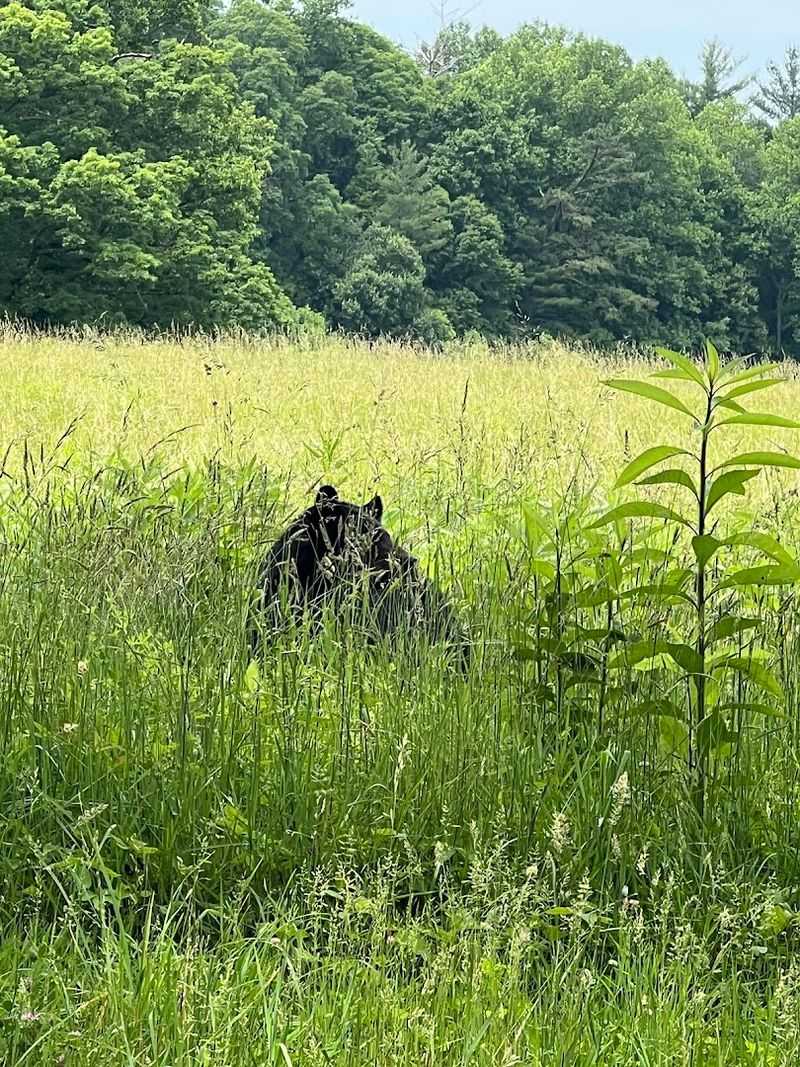
Between 1,500 and 1,900 black bears call Great Smoky Mountains National Park home, and Cades Cove provides some of the best viewing opportunities anywhere in Tennessee. The wide-open meadows make spotting these magnificent creatures much easier than in dense forest areas where visibility is limited.
Bears frequent the cove because it offers exactly what they need: abundant food sources, from berries and nuts to insects and vegetation. You’ll often see them foraging along tree lines, climbing cherry trees for fruit, or ambling across the open fields.
The combination of open terrain, a healthy bear population, and accessible viewing from your vehicle makes Cades Cove exceptional for bear watching while maintaining safe distances that protect both visitors and wildlife.
What to Expect on the 11-Mile Scenic Loop
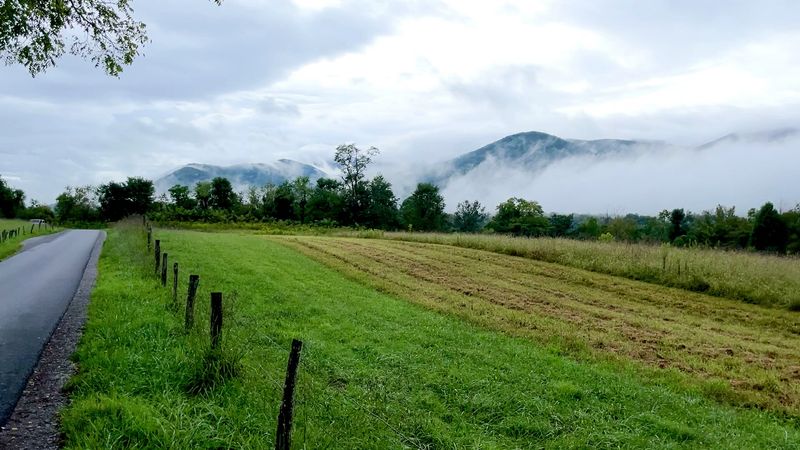
The journey around Cades Cove typically takes two to four hours, depending on how often you stop and how heavy the traffic is. This one-way road maintains a leisurely pace, with a 20 mph speed limit that encourages taking your time and soaking in the scenery.
Expect breathtaking panoramic views at every turn. Mountains rise dramatically around the valley, creating that signature “smoky” haze that gives the park its name. Open meadows dotted with historic structures alternate with wooded sections where wildlife often appears. Multiple pull-offs let you stop safely for photos without blocking traffic.
Bring snacks, a full tank of gas, and binoculars or a spotting scope since wildlife often grazes far out in the fields. The visitor center offers restrooms and a break point, making this the only facility along the entire route.
Wildlife You Might Spot Along the Way
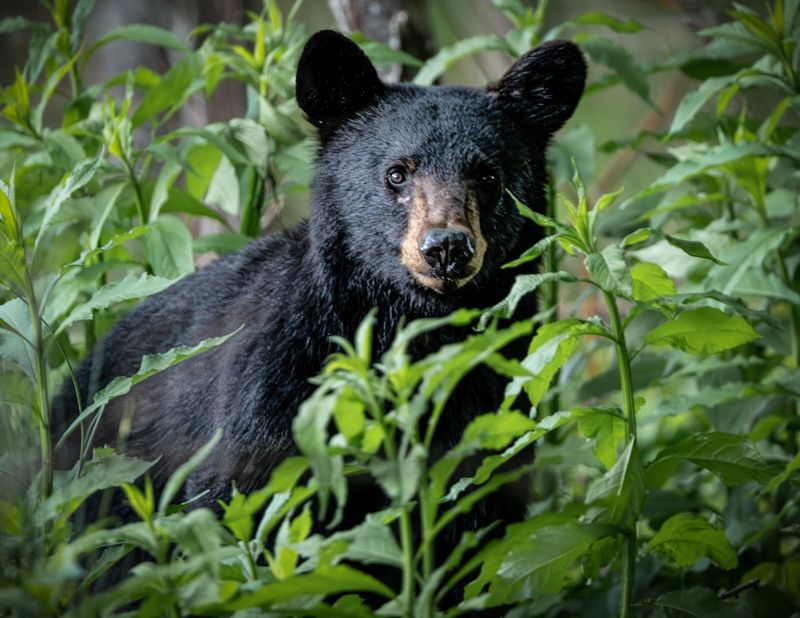
While black bears steal the spotlight, Cades Cove hosts an impressive variety of wildlife that makes every visit unique. White-tailed deer are practically guaranteed sightings, often grazing in large groups across the open meadows. During fall, you might spot impressive bucks with full antler racks.
Wild turkeys strut along the roadside and through fields in substantial flocks. Coyotes have become increasingly common, sometimes approaching vehicles. Patient observers might catch glimpses of bobcats, though they’re far more elusive than other species.
Bird watchers enjoy spotting hawks soaring overhead and various songbirds in the trees.The key to successful wildlife viewing is driving slowly, scanning the tree lines and distant fields, and visiting during early morning or late afternoon hours when animals are most active and visible throughout this remarkable valley ecosystem.
Historic Sites and Cabins Inside Cades Cove
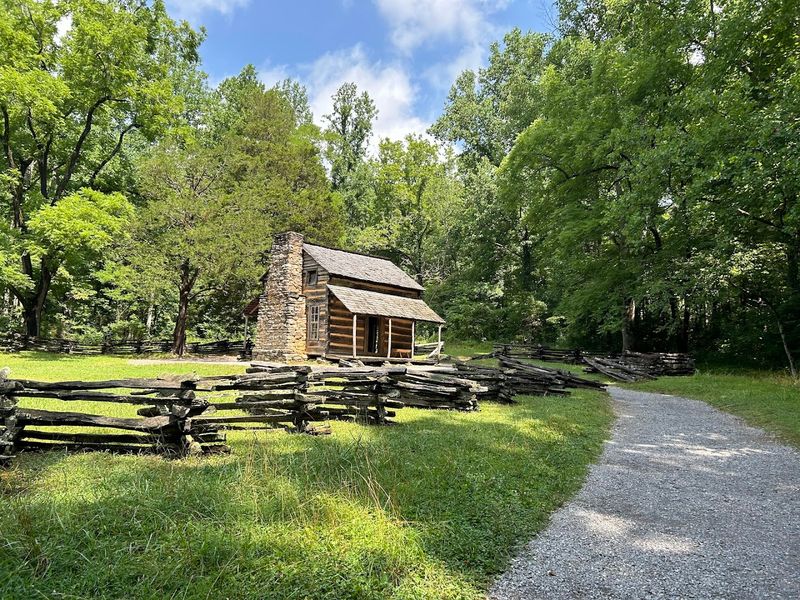
Before becoming parkland, Cades Cove thrived as a pioneer settlement established in the early 1820s. At its peak, nearly 700 people farmed this fertile valley, and today their legacy remains beautifully preserved through numerous historic structures scattered along the loop.
The John Oliver Cabin holds the distinction of being the oldest structure in the park, offering a glimpse into early frontier life. Cable Mill remains a highlight, featuring a working water-powered grist mill where demonstrations show how settlers ground corn into meal.
Numerous barns, cantilever barns unique to this region, and additional homesteads dot the landscape. Walking through these sites feels like stepping back in time to 19th-century Appalachia.
Best Times of Year to Visit Cades Cove
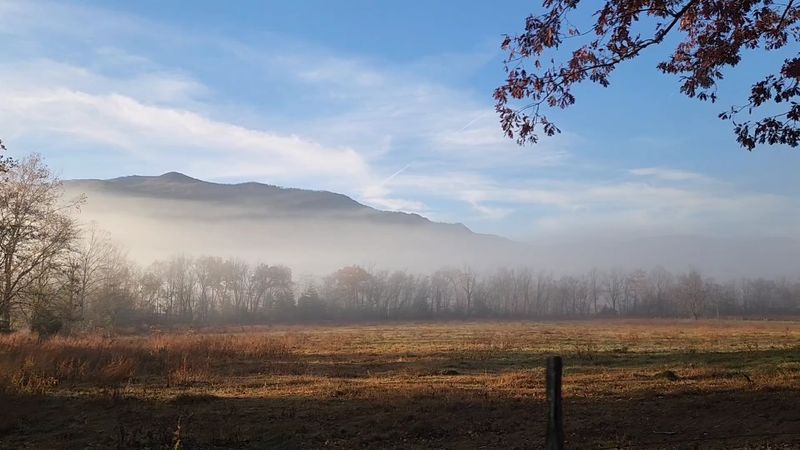
Each season transforms Cades Cove into a completely different experience, making it worth visiting multiple times throughout the year. Spring brings explosive wildflower displays carpeting the meadows in color, plus newborn wildlife, including bear cubs taking their first wobbly steps.
Summer offers lush greenery and the most active wildlife periods, though crowds and heat can be challenging. Mid-October through early November offers arguably the most spectacular visits, when fall foliage explodes into brilliant reds, oranges, and golds against mountain backdrops. Bears are particularly visible then, feeding heavily before winter.
Winter brings a quieter, more contemplative experience with fewer visitors and a stark beauty to the bare trees and frost-covered fields. Weather conditions matter more than season—clear mornings after rain often produce that magical “smoky” fog that photographers dream about, creating ethereal scenes regardless of what month you visit this extraordinary valley.
Tips for Visiting Cades Cove Scenic Loop
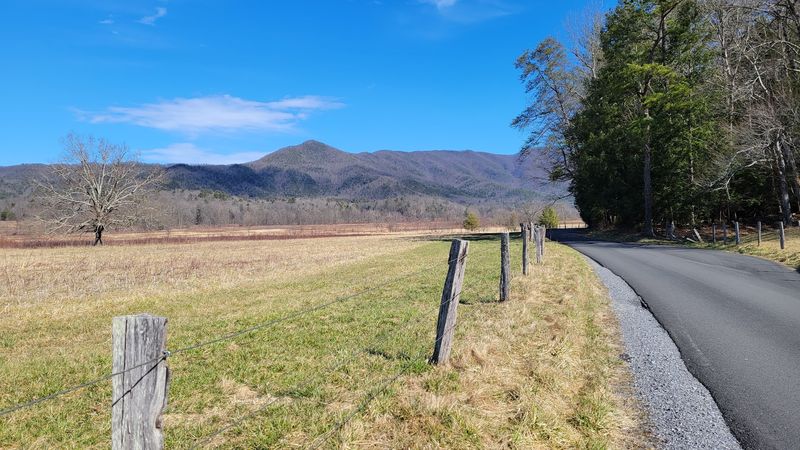
Arriving before the official opening time ensures you’ll snag parking and experience the loop with minimal traffic.
Bring binoculars or a spotting scope since much wildlife feeds far from the road. Pack snacks, water, and ensure your gas tank is full before entering—there are no services along the route. Use pull-offs when stopping for photos to avoid blocking traffic behind you.
Never approach or feed wildlife; staying at least 150 feet from bears is required by law and essential for safety. Wednesday mornings during warm months offer bicycle-only access until 10 AM, providing a magical, quieter experience if you’re up for cycling 11 miles. Consider visiting during off-peak times like weekdays in late fall or early spring for fewer crowds.
Finally, bring your camera with a good zoom lens—the photo opportunities here are absolutely extraordinary and create memories that last a lifetime.