
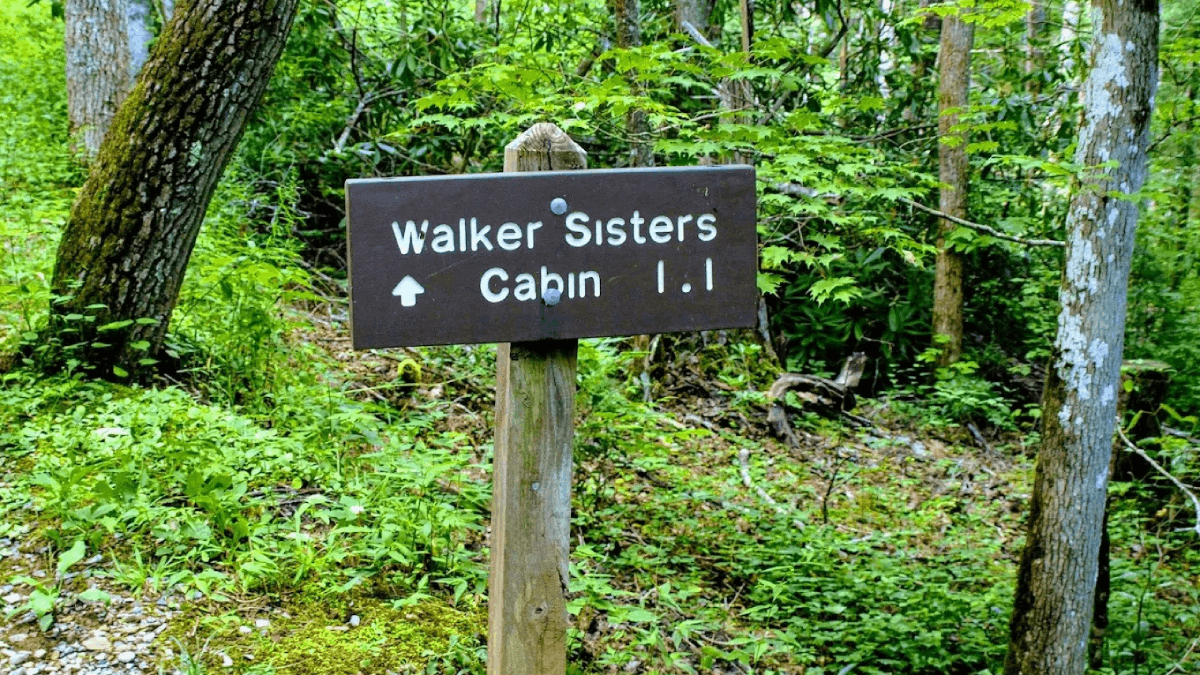
Deep in the Great Smoky Mountains, a rustic log cabin stands frozen in time, telling the story of five determined sisters who chose tradition over progress. The Walker Sisters Place isn’t just another historic site—it’s a powerful reminder of a vanished way of life and the strength it took to preserve it. While the world around them modernized, these remarkable women kept spinning wool, making sorghum, and living off the land well into the 1960s.
Their story captures something essential about Tennessee’s mountain heritage and the people who refused to let it disappear.
Why Walker Sisters Place Is One of Tennessee’s Most Fascinating Historic Sites
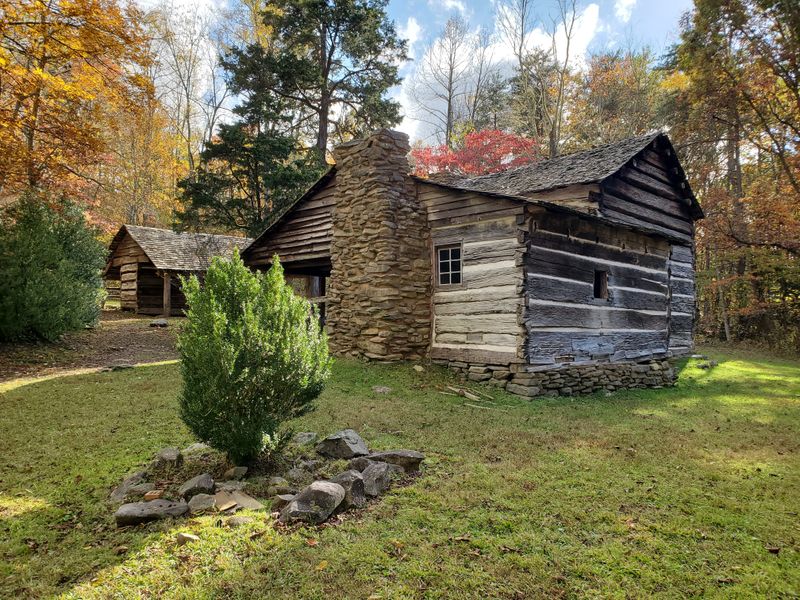
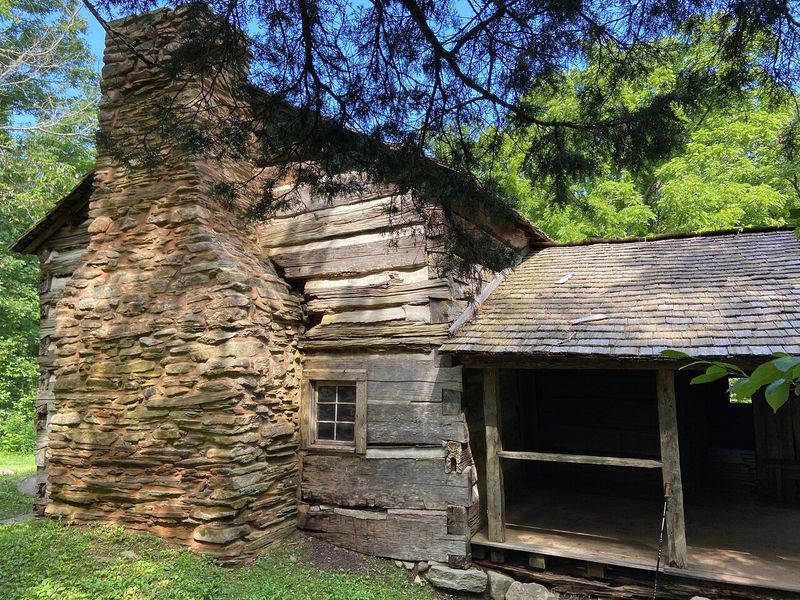
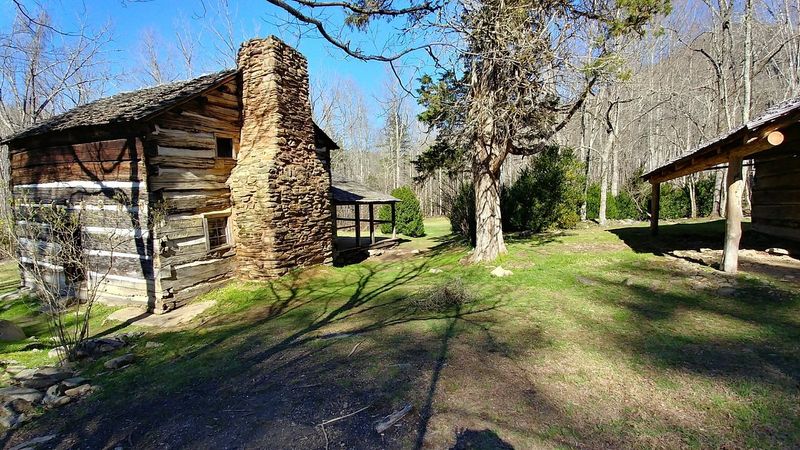
Walking up to the Walker Sisters cabin feels like stepping through a portal into another century. The homestead sits quietly in Little Greenbrier, preserved exactly as the sisters left it, complete with corn crib, springhouse, and the log cabin their father built in the 1840s.
What makes this place truly special isn’t just its age—it’s the incredible story behind it. Five unmarried sisters managed to negotiate a lifetime lease with the federal government after their land became part of Great Smoky Mountains National Park in 1934. They refused to abandon their way of life.
Visitors today can witness authentic Appalachian heritage. The stacked stone fireplaces showcase skilled craftsmanship from a bygone era. Every weathered timber and hand-hewn beam tells stories of resilience, independence, and a lifestyle most people can barely imagine in our modern world.
The Five Sisters Who Refused to Leave
Margaret, Louisa, Martha, Nancy, and Polly Walker became legends simply by staying put. When the government created the Great Smoky Mountains National Park in 1934, most residents had to leave their ancestral homes. The Walker sisters, however, negotiated something unprecedented—a lifetime lease allowing them to remain.
These women never married and chose to live together on their family land. They maintained traditional mountain ways long after electricity and modern conveniences reached neighboring areas. Spinning wool by hand, growing their own food, and living without running water became their quiet form of resistance.
Their story spread through word of mouth and eventually attracted curious visitors. The sisters welcomed guests, sold handmade goods, and shared their lifestyle with fascinated tourists. They became living history, preserving Appalachian culture through their daily routines until the last sister passed away in 1964.
A Log Cabin Built in the 1840s
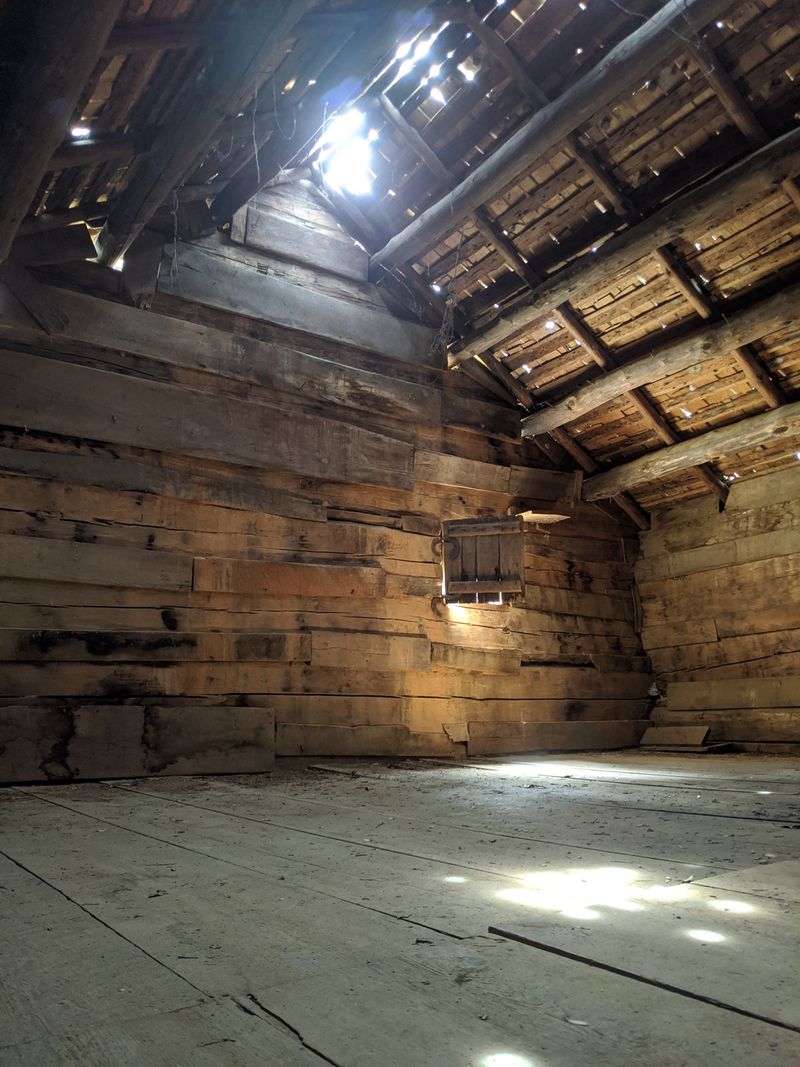
John Walker constructed the original cabin in the 1840s using hand-hewn logs from surrounding forests. Every notch, every timber placement required skill passed down through generations. The massive stone fireplaces still stand today, built without mortar yet holding strong after nearly two centuries.
The homestead grew over time as the Walker family expanded. Additional structures appeared—a corn crib for storing harvests, a springhouse to keep food cold using natural water flow. Each building served essential purposes for mountain self-sufficiency.
Restoration efforts have helped preserve these structures for future generations. Skilled artisans used old techniques to repair damage while maintaining historical authenticity. The craftsmanship visible in the cabin’s construction amazes modern visitors.
Imagine building an entire home using only hand tools, local materials, and knowledge gained through experience rather than blueprints.
Life on the Homestead: Farming, Spinning, and Self-Sufficiency
The Walker sisters lived completely off their land, maintaining skills most Americans had abandoned by the early 1900s. They planted and harvested crops by hand, made sorghum molasses in the fall, and spun wool into yarn using traditional spinning wheels. Baking bread in a wood-fired oven was just another Tuesday.
Their daily routine followed seasonal rhythms rather than clock schedules. Spring meant planting gardens. Summer brought canning and preserving. Fall demanded harvest work and preparing for winter. Cold months focused on indoor crafts—spinning, weaving, and mending.
This lifestyle required incredible knowledge and physical stamina. The sisters understood which plants healed illnesses, when to plant by moon phases, and how to stretch resources through lean times. They represented the last generation with complete mastery of traditional Appalachian survival skills, living this way into the 1960s.
The Lost Community of Little Greenbrier
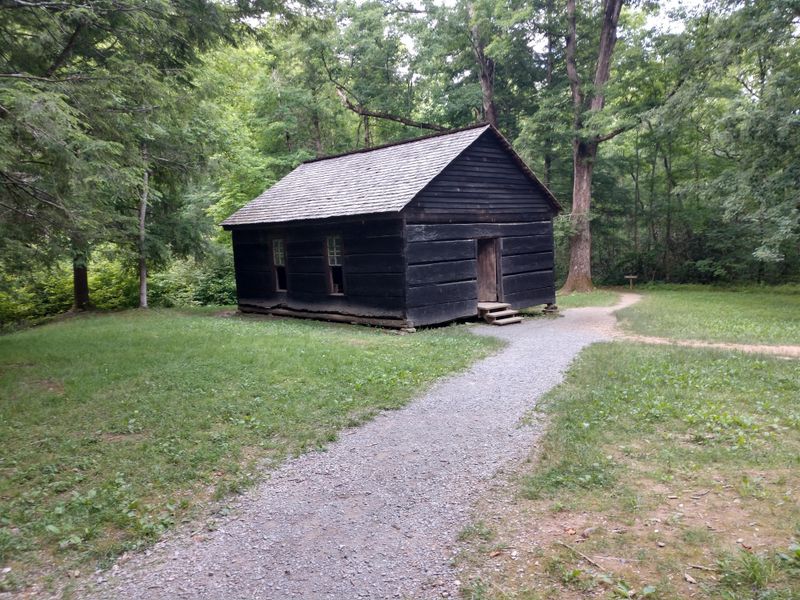
Before becoming parkland, Little Greenbrier thrived as a small mountain settlement. Families farmed, raised livestock, and built a tight-knit community in this remote valley. The 1882 schoolhouse still stands today, one of the few remaining structures from this vanished world.
When the national park was established, the government purchased private lands and relocated residents. Entire communities disappeared as families moved away, leaving behind only foundations, old roads, and memories. Little Greenbrier suffered the same fate—except for the Walker sisters.
Visitors today can explore the old schoolhouse and imagine children learning their lessons there. The building’s simple construction reflects the community’s practical values. Walking these trails means treading paths once traveled daily by farmers, children, and neighbors.
The Walker homestead serves as the most complete reminder of what life looked like here before progress erased it.
Hiking the Little Greenbrier Gap Trail to Reach the Cabin
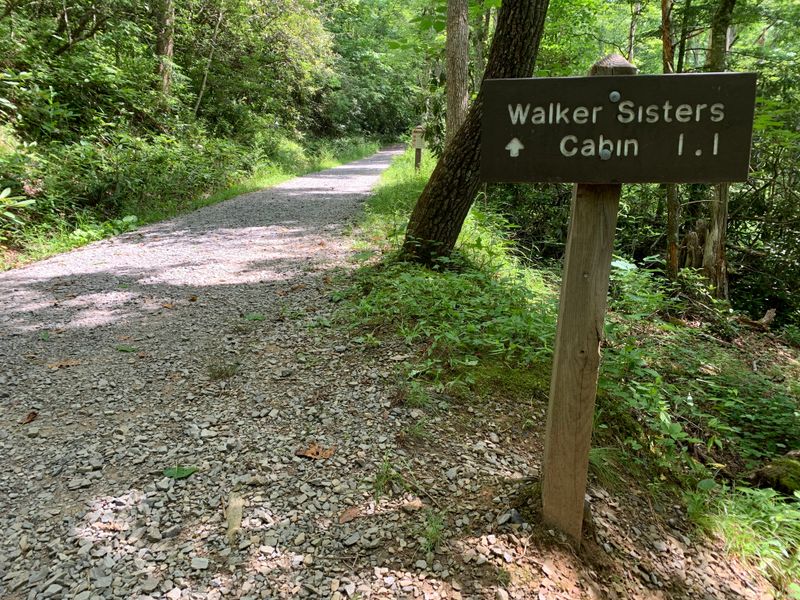
The journey to Walker Sisters Place begins at Metcalf Bottoms, following a well-maintained trail through beautiful forest. The round-trip distance covers about 2.2 miles, making it accessible for most hikers. A gradual uphill climb rewards you with peaceful surroundings and birdsong.
Alternatively, adventurous visitors can take a narrow one-lane gravel road that shortens the walk by roughly a mile. Both routes offer stunning views of the Smokies. Fall brings spectacular color, while spring showcases wildflowers carpeting the forest floor.
Plan for about two hours total, allowing time to explore the homestead once you arrive. The trail stays open year-round, though conditions vary by season. Bring water, wear sturdy shoes, and consider visiting on weekdays for a quieter experience.
Why Walker Sisters Place Still Captivates Visitors Today
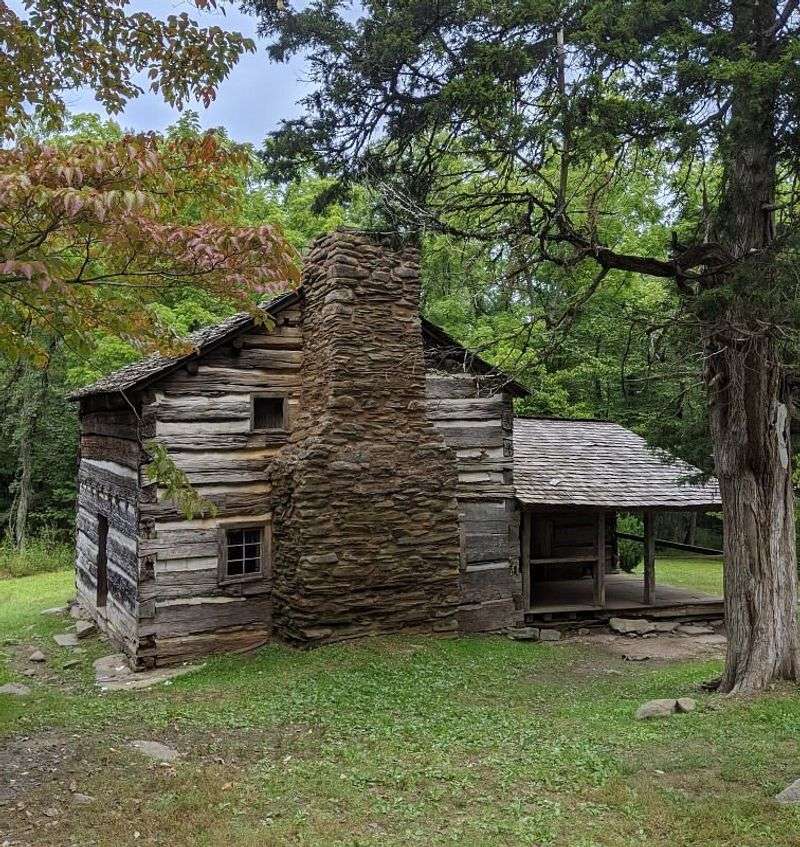
Something powerful happens when you stand on that old porch where five sisters once sat. The homestead represents more than just buildings—it embodies values of independence, resilience, and connection to land that resonate deeply with modern visitors seeking authenticity.
In our rushed, technology-dominated world, the Walker sisters’ simple lifestyle offers a compelling contrast. They proved you could live meaningfully without modern conveniences. Their story challenges our assumptions about progress and asks what we’ve lost in gaining so much.
The homestead also preserves irreplaceable Appalachian heritage. Future generations can witness actual structures built by mountain pioneers, understanding their ancestors’ daily struggles and triumphs. Reviews consistently mention feeling transported back in time.
This place doesn’t just teach history—it lets you experience it, creating memories that linger long after you’ve returned to modern life.