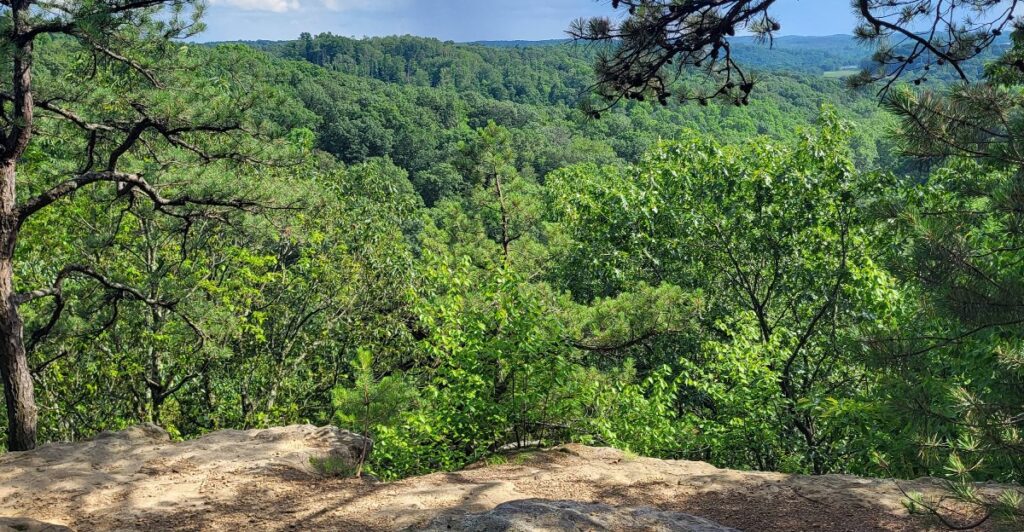
Tucked into the hills near Lancaster, Christmas Rocks State Nature Preserve feels like a hidden world. Quiet forest trails wind past mossy rocks, tall pines, and cliffs with wide views.
Many hikers say it rivals far busier spots in Ohio. Here are nine things to know before you lace up your boots.
1. A Hidden Gem Near Lancaster
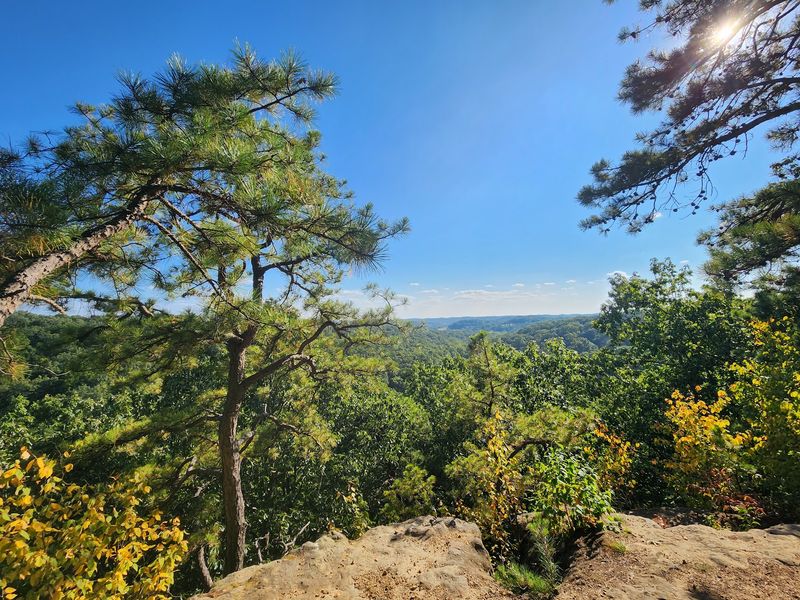
Picture a hike where you pass only a handful of people all morning. That is the charm of Christmas Rocks, a small preserve southwest of Lancaster that many Ohioans have never heard of.
Visitors often call it quiet, peaceful, and well kept.
The preserve sits at 2340 Meister Rd SW and carries a 4.7 star rating from nearly 300 reviews. Hikers who have walked Hocking Hills and the Columbus metro parks still name it a favorite.
Part of the appeal is the surprise. Steep hills and rocky cliffs are not what most people expect in central Ohio.
Plan to spend a few hours here. Go on a weekday if you want the trails almost to yourself.
Cell service is decent, but there is no restroom or drinking water on site.
2. Finding the Right Parking Spot
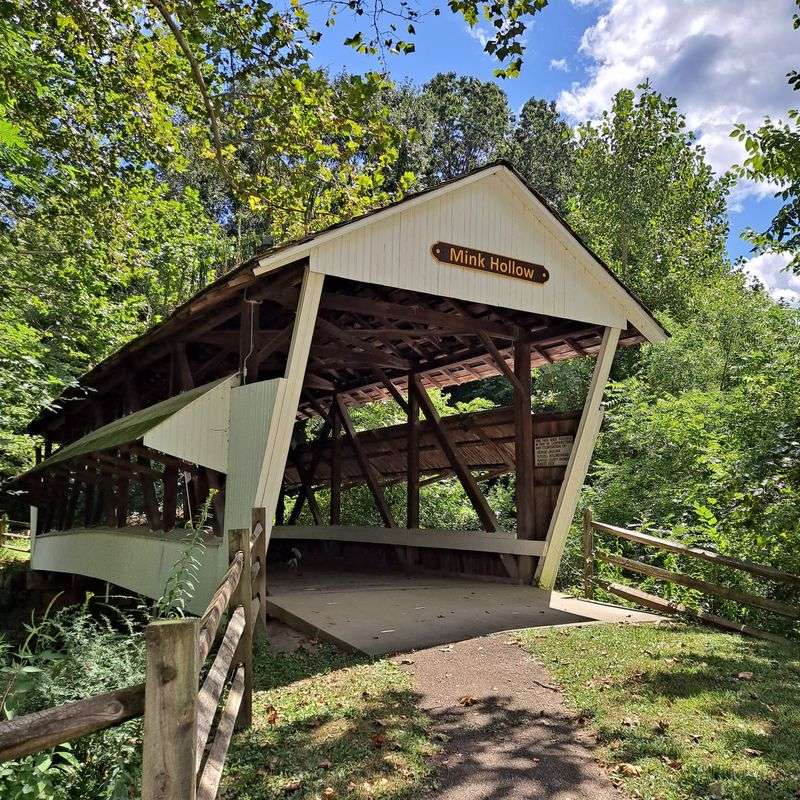
Parking trips up more first timers than the trails do. The pin on many maps points to the wrong spot, so look for parking along Meister Road near the small city park and the covered bridge.
Do not drive farther up the road, because there is no parking there and cars can be towed.
From the parking area, you walk about half a mile to the official trailhead. The route follows a gravel road called Oil Mill Road.
When it splits, bear right.
The walk is well marked, so there is no need to worry about getting lost. Think of it as a warm up before the real hike begins.
Wear comfortable shoes from the moment you step out of the car, since the gravel soon turns rocky and rutted.
3. The Walk In Along Oil Mill Road
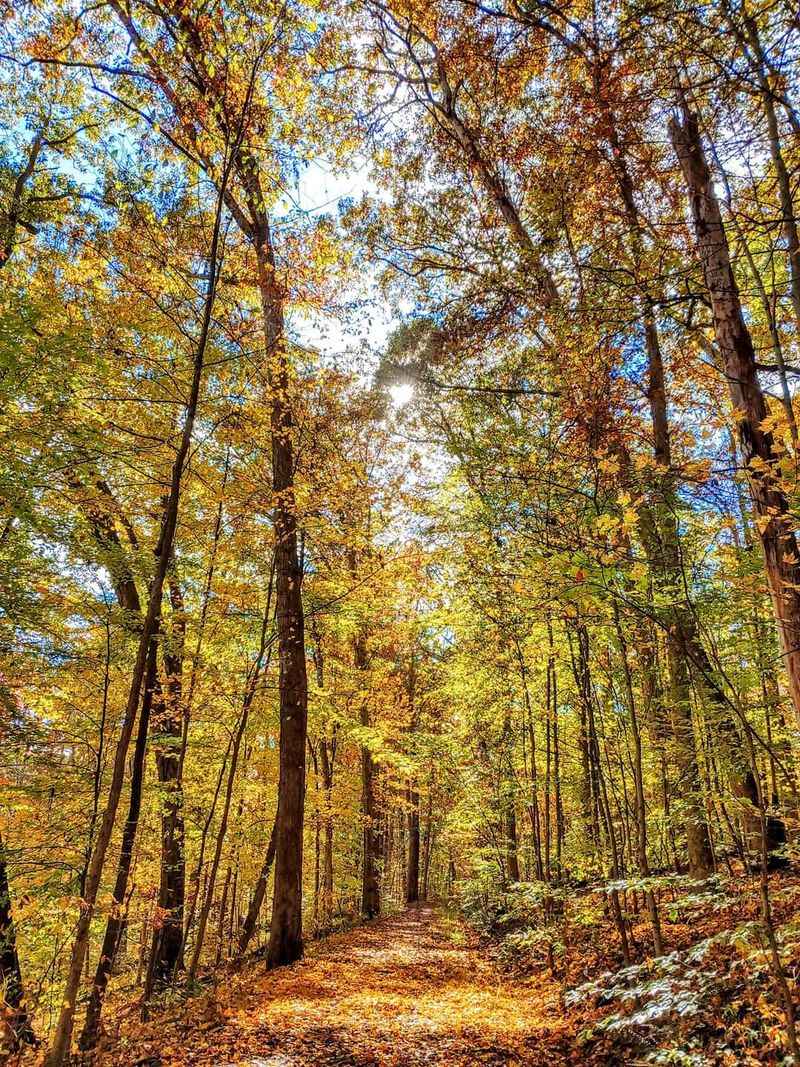
Before the climbing starts, the trail eases you in. The first stretch passes a few homes, then turns into an old road grade that has faded back into the woods.
It is wide, rocky, and a little bumpy in places.
One reviewer described the main path as an easy hike that follows a river through a valley. That makes it a good choice if you want shade, birdsong, and a gentle stroll.
Robins and woodpeckers are common here, so keep your ears open.
After roughly another half mile, you reach the spot where the orange trail splits. Take a moment to drink some water and decide on your plan.
The choice you make here shapes the whole day, because one way is steep and direct while the other is longer and kinder.
4. Jacob’s Ladder Climb
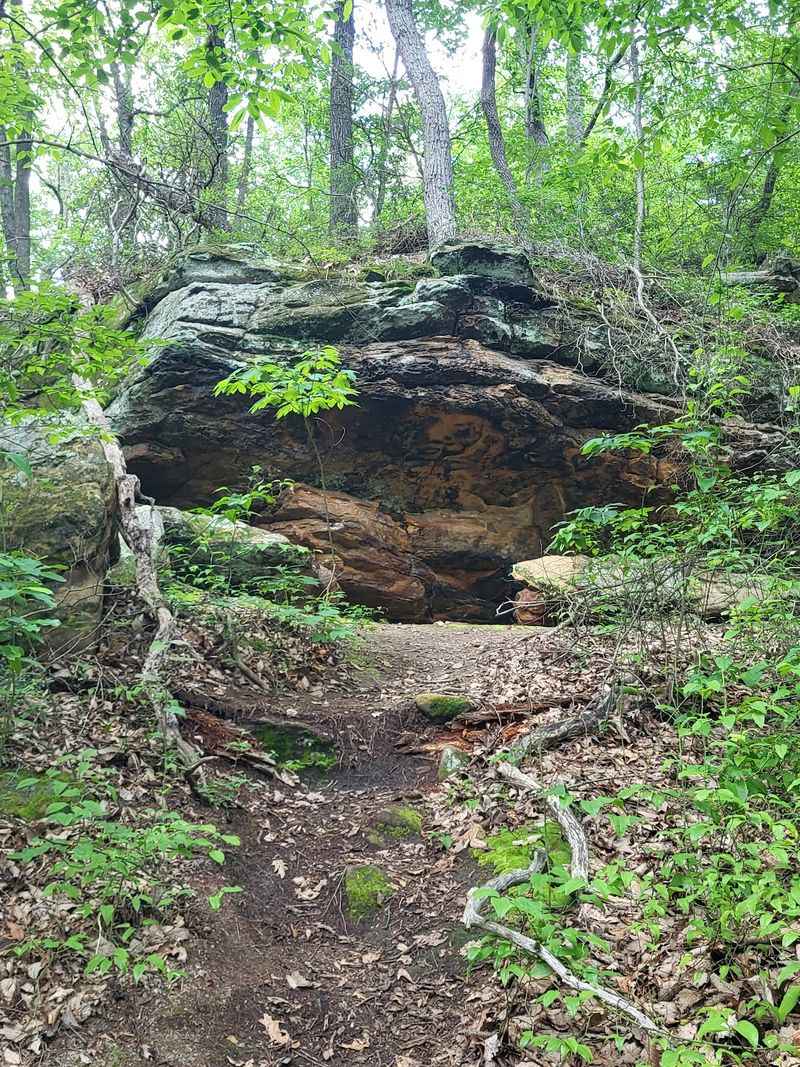
Short, steep, and sure to get your heart pumping, Jacob’s Ladder is the star challenge of the preserve. If you turn left at the orange trail split, you face a climb with a grade near thirty percent.
Some hikers say it is only a short stretch, but you will feel every step.
Hiking poles help a lot here. Take small steps, rest when you need to, and watch for loose rock and roots.
Many people say the effort is totally manageable for anyone in decent shape.
Not up for a sharp climb? Go straight instead and look for the stairs that lead to the other side of the orange trail.
It is a longer walk, but it is far less steep, and it still brings you to the same fantastic view.
5. The Overlook With Stunning Views
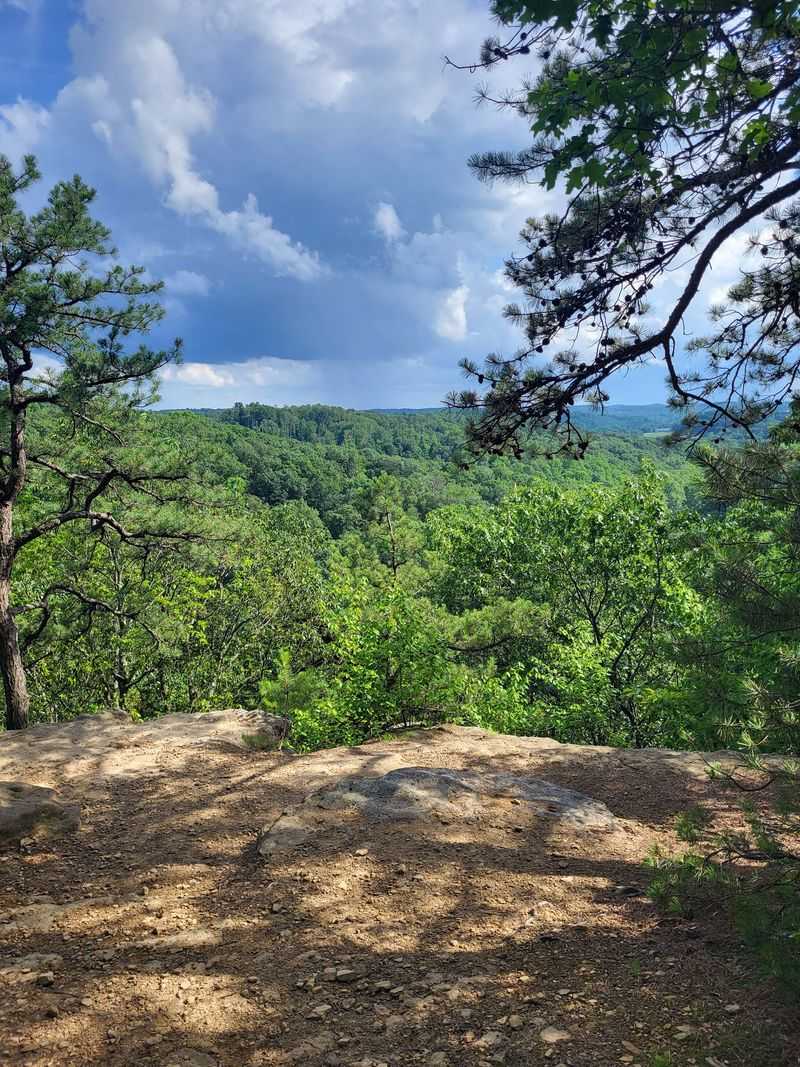
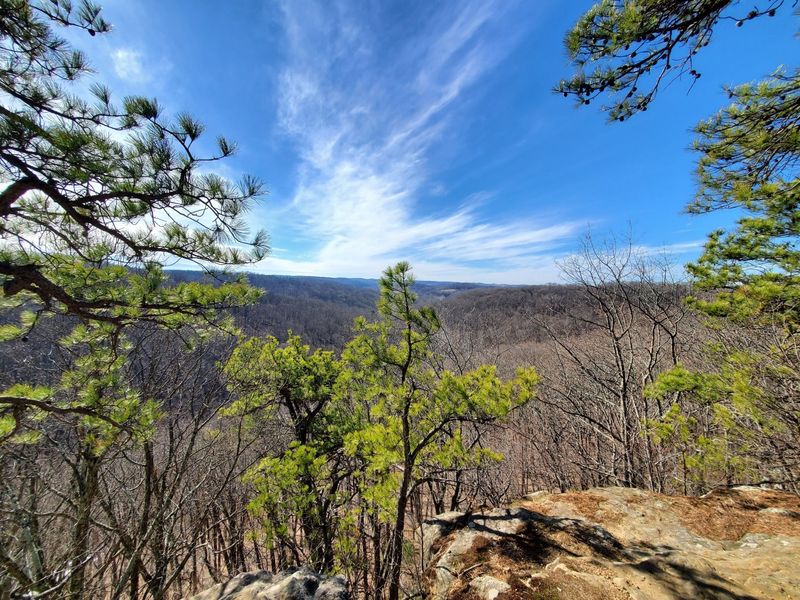
Reach the top and the forest suddenly opens up. Rolling hills stretch out in front of you, and the reward feels bigger than the effort.
Reviewers call it breathtaking, and many say it was worth every steep step.
The overlook area has three rock outcroppings, so walk to each one for a different angle. There is no guardrail, so keep a safe distance from the edge.
Be extra careful when the stone is wet, and think twice about bringing small children.
Timing matters too. In summer, morning visits are more comfortable because the afternoon sun can feel strong on the rocks.
In fall, late day light makes sunset photos glow. Pack a snack, sit down, and let the view soak in before heading back.
6. The Orange and Blue Trails
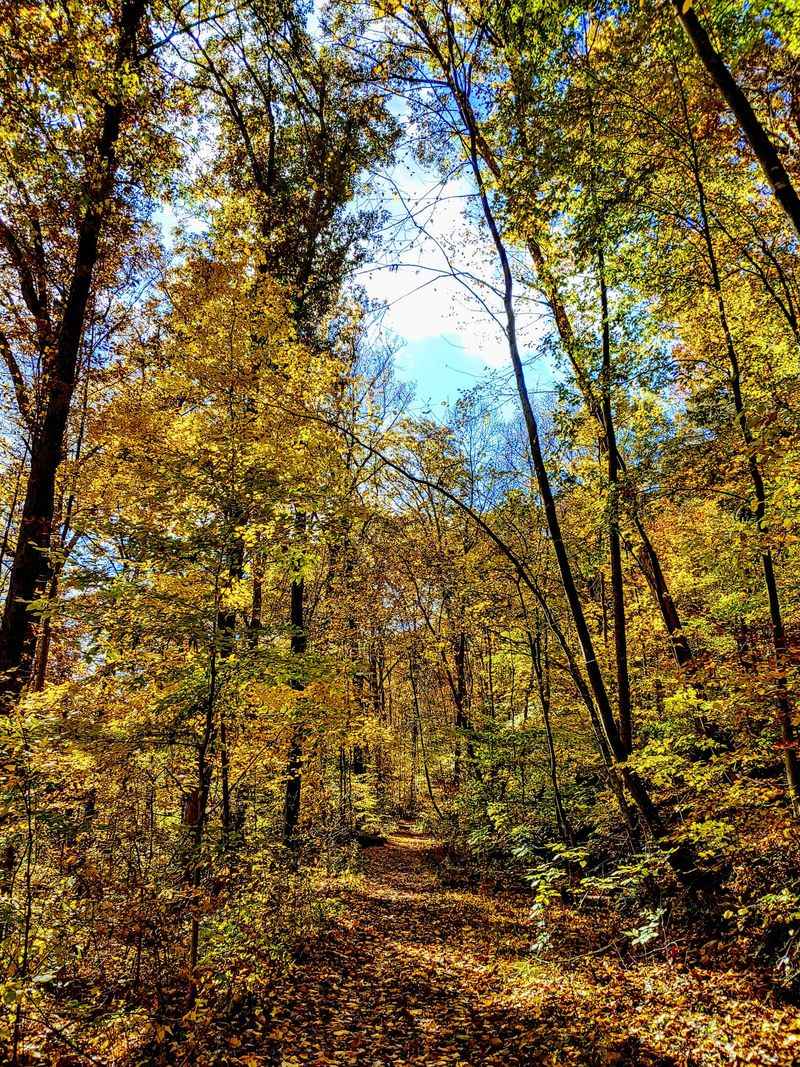
Two connected loops give you a choice, almost like a double lollipop on a map. The orange trail leads to Jacob’s Ladder and its overlook.
The blue trail lies farther along and winds up the hill more gradually.
One hiker found the blue trail scenic and challenging in parts, but less of an abrupt climb. Do both loops and you cover about four miles with plenty of variety.
Choose just one if your legs or schedule need a shorter day.
There is no paper map at the preserve, only trail markers. Download a map from the Ohio DNR website to your phone before you go.
That small step makes it easy to see how the loops connect and keeps you confident at every turn.
7. Fall Colors and Year-Round Beauty
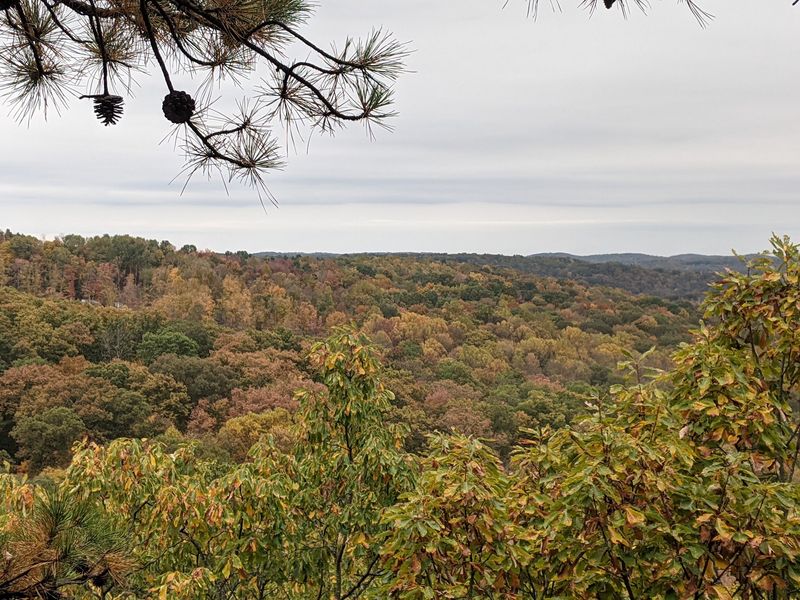
Autumn paints this preserve in fiery shades, and many visitors say it is the best time to go. Gold and red leaves frame the rocky ledges, and the overlook looks like a living postcard.
A brisk October morning, even a rainy one, can still feel magical.
Yet the beauty does not stop when the leaves fall. Hikers have enjoyed the trails in snow, noting plenty of points of interest.
In summer, the forest stays cooler than the surrounding land, though bug spray is a must.
Spring brings green ferns and fresh moss on the stones. Each season gives a different mood, so one visit rarely feels like enough.
Many repeat hikers say they have walked here in every season and loved them all.
8. Mosses, Ferns, and Forest Life
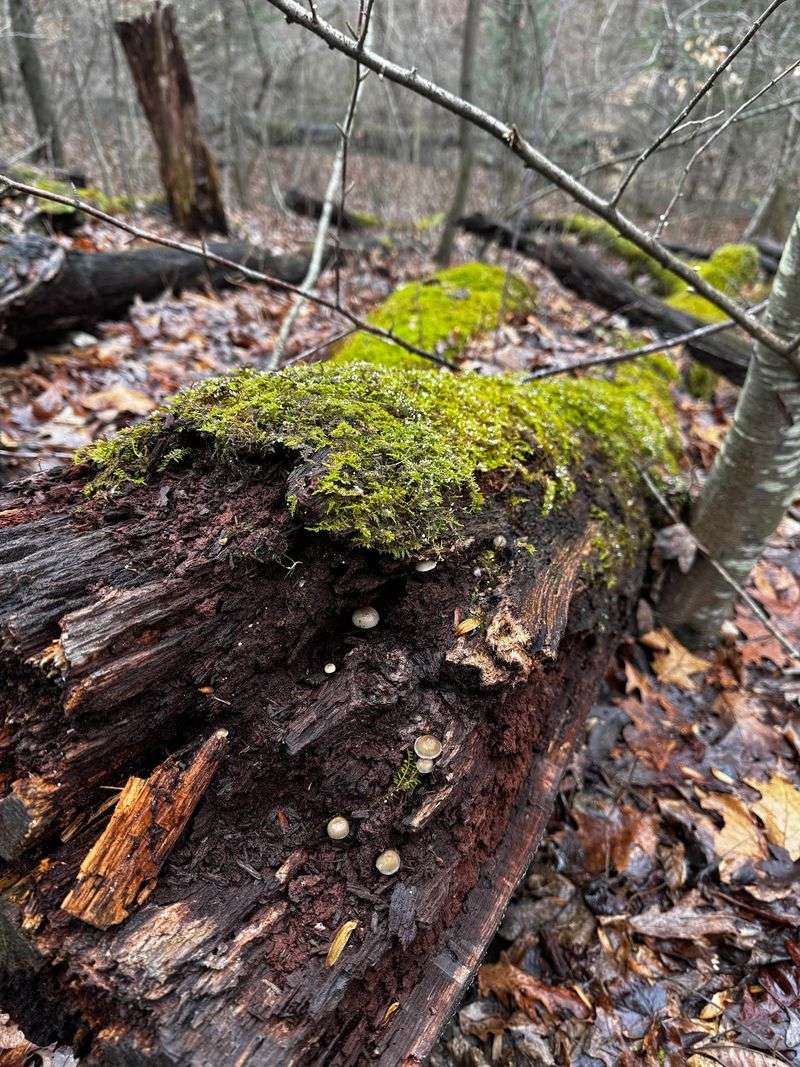
Look down and you may find a tiny world worth a closer peek. The preserve is known for mosses, ferns, and a stand of pine forest that changes the feel of the air.
One hiker called the terrain a treasure trove for anyone who loves watching the landscape shift.
The name Christmas Rocks comes from the evergreen ferns and pines that stay green in winter. Those hardy plants cling to the rock ledges while the rest of the woods go bare.
Birds add to the show, with robins and woodpeckers calling from the trees. Walk slowly, stop often, and bring a camera.
Stay on the marked path to protect delicate plants, since this is a nature preserve and every bit of green is part of its story.
9. Gear and Safety Tips
A little prep turns a good hike into a great one. Sturdy shoes top the list, since rocks and roots poke through parts of the trail.
A trekking pole, a hat, and at least a liter of water are smart too.
Bug repellent matters in warm months, and reviewers say insects love ears. Long pants or tall socks help with poison ivy in spots.
Spider webs often stretch across the path early in the day, so holding a pole in front of you works well.
Remember that there is no restroom or drinking water on site. Mud can show up after rain, so choose a dry day if you can.
Steep grades and open cliffs make the preserve a poor fit for very small children, though some families have managed it with care.
Share this story