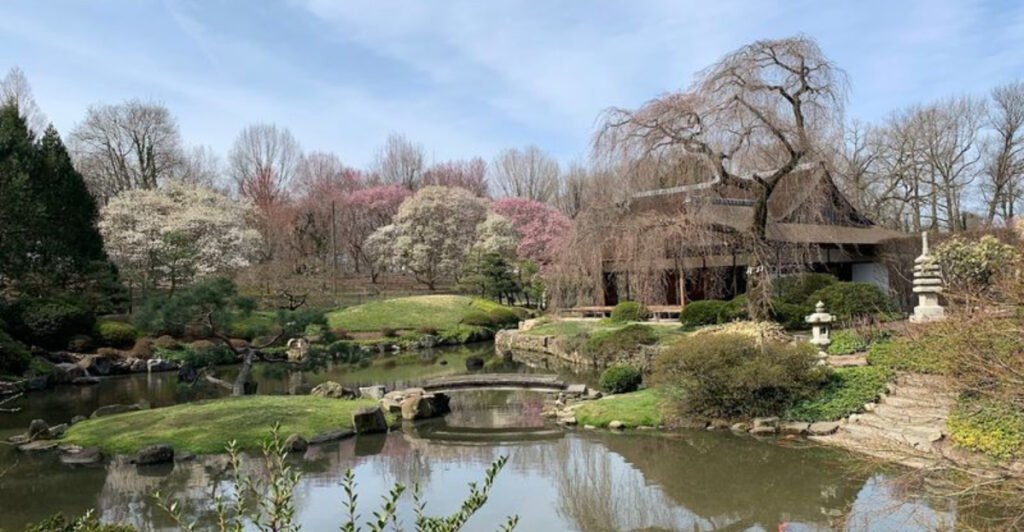
Tucked into West Fairmount Park, the Shofuso Japanese Cultural Center feels like a portal that opens from Philadelphia into a quieter world, where cedar, water, and tatami recalibrate your senses in minutes. You step through the gate and the city thins to birdsong and the low murmur of a waterfall, then you notice how the house itself seems to breathe, how light paints the fusuma panels, how koi unspool red and gold beneath a maple’s shadow, and suddenly you are moving at a kinder pace that rewards patience over hurry.
Built in Japan in 1953 and carefully reassembled here, this historical landmark pairs 17th-century architectural principles with tender, living gardens, a teahouse, and evocative art, creating a rare experience that is beautiful to look at and even better to feel, especially in spring and summer when the grounds glow. Plan a visit, bring socks, feed the koi, and let the calm linger long after you leave.
1. The House and Architecture
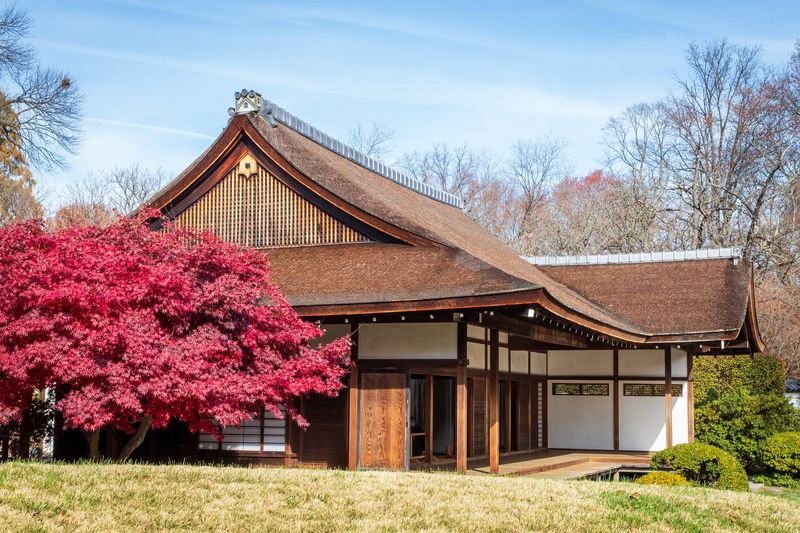
Step into Shofuso and the first thing you notice is the quiet breath of the house itself.
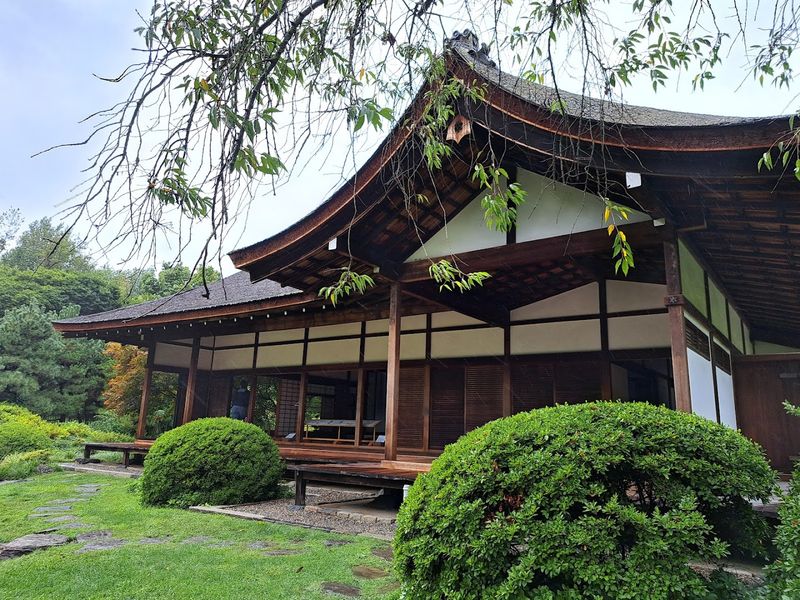
Built in Japan in 1953 by architect Junzo Yoshimura, the structure reflects the 17th-century sukiya style with cedar beams, shoji screens, and tatami rooms.
As you slide open a fusuma, light falls across joinery so precise you almost forget nails exist.
You move from the veranda to the hallway in socks, feeling the grain of hinoki beneath your feet.
The layout encourages slow looking, revealing gardens through framed vignettes rather than big reveals.
If you love design, you will appreciate how each proportion, threshold, and alcove guides your posture, your pace, and even your breath.
Details matter here, from the rhythmic roof tiles to the hand-rubbed finishes that age gracefully.
You do not just tour rooms, you learn how space can nurture attention.
Pause at the tokonoma, notice the scroll, then follow the engawa until the garden greets you.
2. The Stroll Garden and Pond
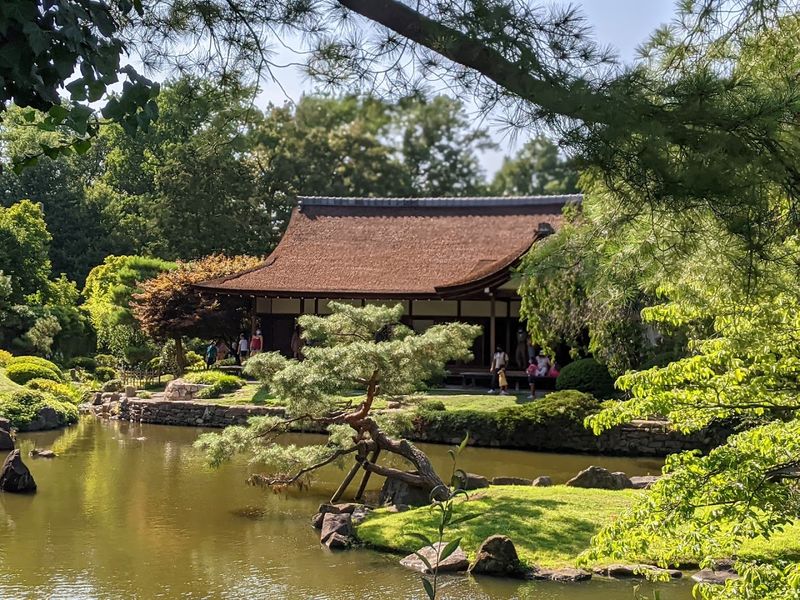
The garden wraps the house like a quiet conversation with water, stone, and moss.
A curved path brings you beside the pond where koi circle in patient arcs, and a small waterfall rounds the soundtrack.
Look across the stepping stones and you will see pine silhouettes mirrored in ripples.
You can sit on the engawa and let the city dissolve behind birdsong.
In spring, cherry blossoms lend softness, while summer greens thicken the edges and lotus pads widen like open hands.
Autumn tucks bronze into the maples, and winter exposes the garden’s bones.
If photography calls you, morning light is kind, but cloudy days are often better for subtle color.
Keep your feet on the stones, stay mindful of raked patterns, and watch for herons that occasionally visit after rain.
Feed the koi with the small cup they sell, and you will grin like a kid.
3. Tea House and Ceremony Rhythm
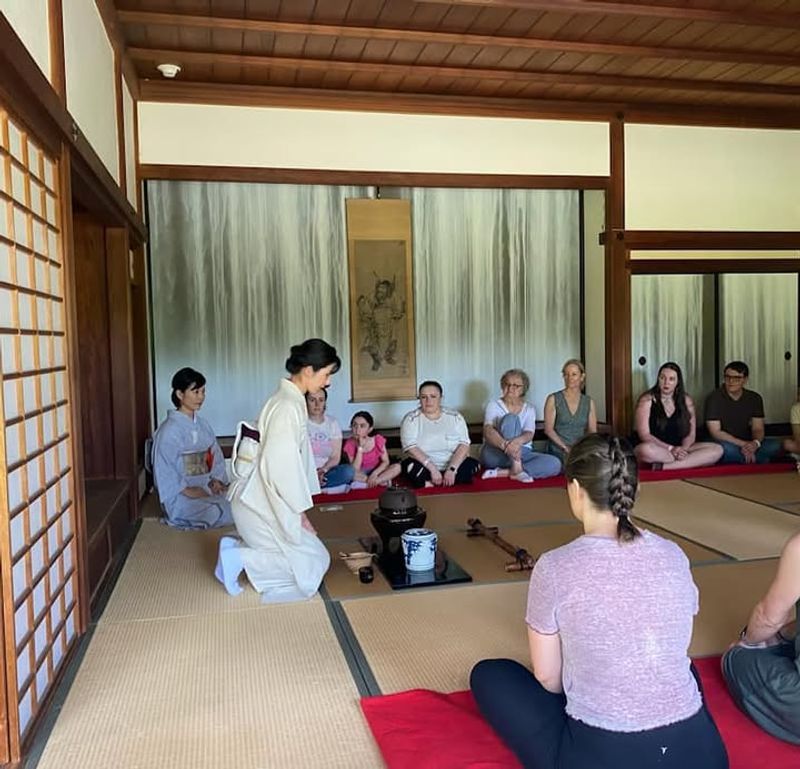
Tucked behind the main house, the chashitsu invites you into the slow ritual of tea.
The doorway is intentionally small, asking you to bow and leave hurry at the threshold.
Tatami, hearth, and a single scroll shape the room’s purpose with quiet authority.
Even if a formal ceremony is not scheduled, you can still practice attentive seeing.
Notice how utensils rest with purposeful angles, how steam rises like a thread, how silence becomes an ingredient.
When staff lead demonstrations, questions are welcome and beginners fit right in.
Tea here is not performance, it is hospitality carried in simple gestures.
You taste bitterness, warmth, and time, then carry that calm back toward the veranda.
Pause before you reenter the path, and you may realize the true souvenir is a slower pulse and kinder breath.
If you brought a restless mind, it will leave with softer edges.
4. Waterfall Murals and Fusuma Art
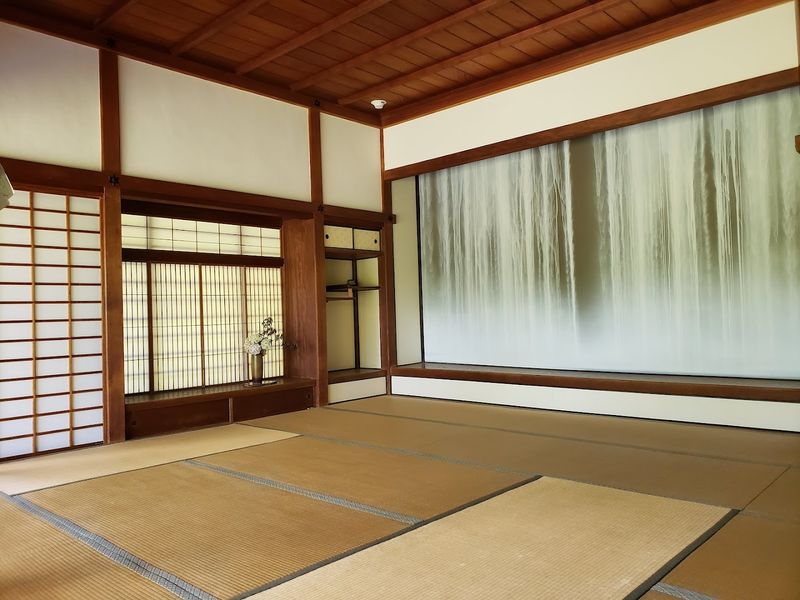
Inside, the fusuma panels glow with waterfall paintings by Hiroshi Senju, a contemporary gesture folded into historic space.
The falls seem to move as daylight shifts, turning ink and pigment into mist.
You do not need an art degree to feel the hush they cast across the tatami.
Stand a moment and notice how negative space does the heaviest lifting.
The paintings are not busy, which lets your breathing settle and your shoulders drop.
Architecture frames the art, and the art, in turn, dignifies the room’s sparseness.
If you enjoy stories, ask staff about how these works arrived and were installed with respect for tradition.
Their care shows in the edges, in the way doors slide without scuffing the surfaces.
Photographs are fine from respectful distance, but the real reward is unhurried looking.
Let the quiet hang for a beat, and the waterfalls start sounding inside your head.
5. Seasonal Highlights and Best Times
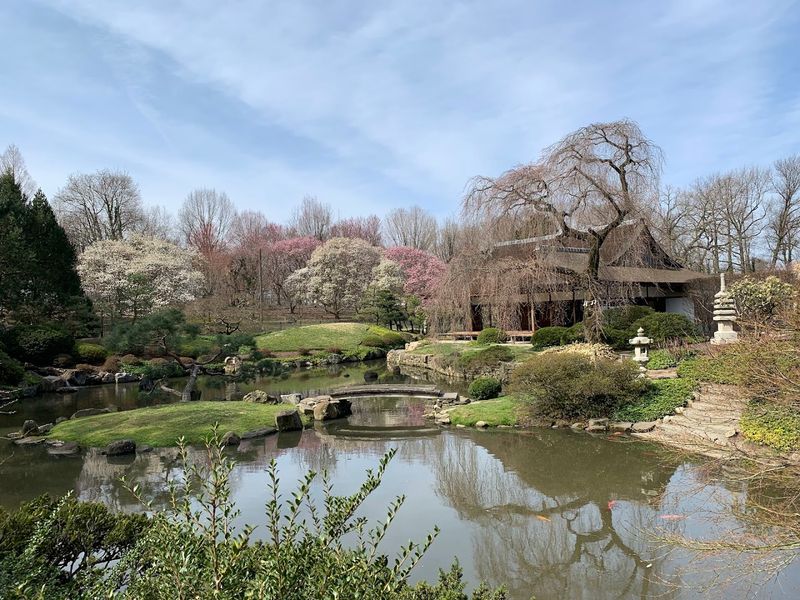
Shofuso changes character with each season, so timing your visit shapes the whole experience.
Spring brings camellias and cherries, fresh tatami scent, and a breeze that slips through the shoji like a note.
Summer fills the canopy, deepens shade, and coaxes dragonflies to patrol the pond.
Autumn is a study in edges, with copper in the grasses and sudden flare in the maples beside the water.
Winter pares everything back to structure, and the architecture gains extra clarity against pale sky.
You cannot pick the wrong month, only a different mood.
Arrive near opening on weekends to beat crowds, or at the last hour for gentler light.
Check the calendar for ikebana, dance, or music programs that add texture without overwhelming the site.
Bring a light layer and good socks, then let the seasons do the rest.
Early rain can be magical, leaving stones glossy and the pond breathing steam.
6. Planning Your Visit: Hours, Tickets, Directions
Planning is simple, and it pays off.
Shofuso is open Wednesday through Sunday, 11 AM to 5 PM, with Monday and Tuesday closed, so align your calendar.
Reserve tickets online to secure your time slot, then screenshot the QR code in case reception flickers in Fairmount Park.
Adults are typically 15 dollars and teens 10, with occasional programming priced separately.
Parking sits nearby, but public transit requires a transfer and a short walk, so budget extra time and follow posted signs rather than pure apps.
Call +1 267-237-3550 or check japanphilly.org/shofuso for current notices.
Expect to remove shoes, bring socks, and travel light since space is tight.
There are portable restrooms, so plan ahead.
If you get turned around, aim for Lansdowne Drive and Horticultural Drive, then listen for water and look for the gate tucked under tall trees.
Staff at the entrance are friendly and happy to point the way.
7. Etiquette, Socks, and Mindful Pace
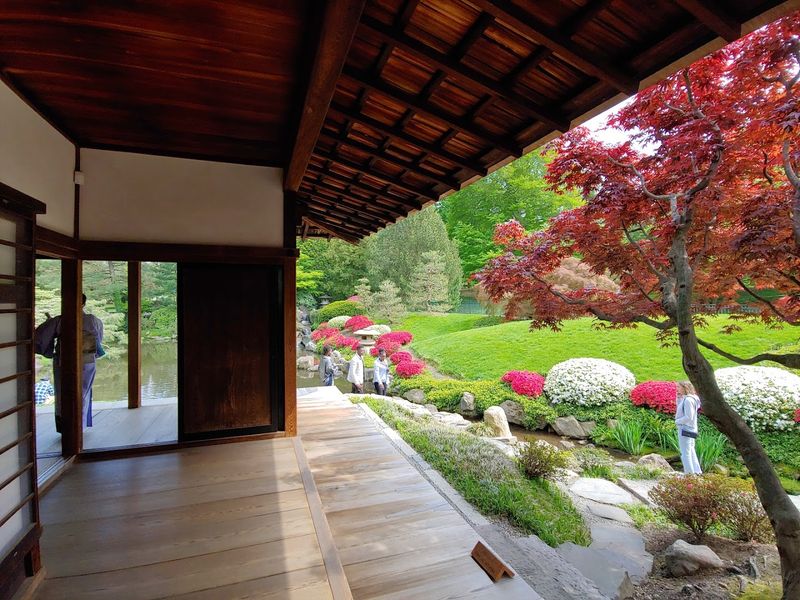
Shofuso rewards unhurried manners.
Move with small steps, keep voices soft, and treat thresholds like handshakes.
You will remove shoes before entering the house, so wear clean socks and be ready to carry them if you wander back outside.
Photography is welcome for personal use, but do not block paths, disturb raked gravel, or lean on railings.
Food and drink belong outside the house, except during programs where staff provide guidance.
If you feed koi, use the provided pellets rather than bread so the fish stay healthy.
The most important tip is internal.
Let the site set your tempo, and you will notice details that hurry always misses.
Pause by the tokonoma, listen to the waterfall, and you might leave feeling like someone adjusted the volume knob on the whole city.
Respect closed rooms, mind the rope barriers, and ask questions rather than guessing meanings.
8. Families and Accessibility Tips
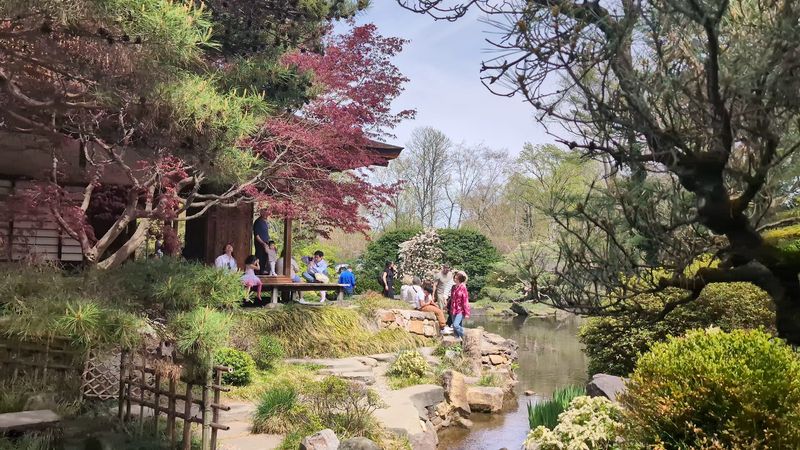
Families can absolutely enjoy Shofuso, especially if you set expectations for quiet exploration.
Kids love the koi, the stepping stones, and the satisfying clack of bamboo fountains.
Keep little feet close to you near water and edges, and the visit becomes a gentle adventure.
Strollers do not pair well with narrow engawa or gravel, and the historic house is not wheelchair accessible, so plan accordingly.
Consider baby carriers, take turns on the veranda, and use nearby park paths for wider rolling space.
Bring water and sunscreen, since vending is limited.
Short attention spans benefit from small missions.
Try a color hunt for greens and grays, count koi whiskers, or listen for three bird calls before you leave.
End with a family photo on the bridge and you will all remember the calm ride home.
Stop by the house entrance table for koi food, simple souvenirs, and quick tips from staff.
Share this story