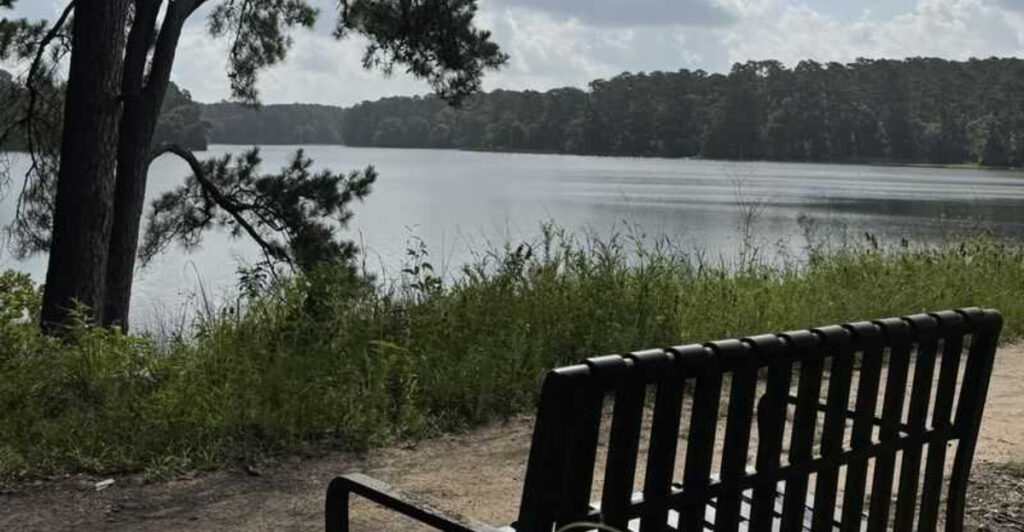
When Lake Travis and Galveston get packed with tourists, smart Texans head north to a hidden gem tucked into the pine woods. Huntsville State Park offers 210-acre Lake Raven, a peaceful escape where you can actually find parking and enjoy the water without fighting crowds. Just an hour from Houston, this 2,000-acre sanctuary feels worlds away from the chaos, offering everything from alligator sightings to shaded trails that wind through towering pines.
1. Lake Raven Offers Peaceful Water Recreation Without the Tourist Chaos
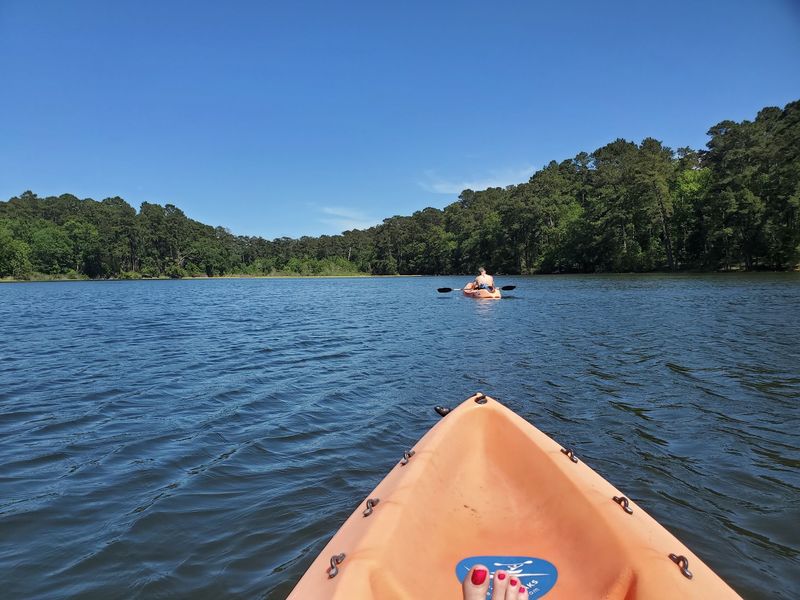
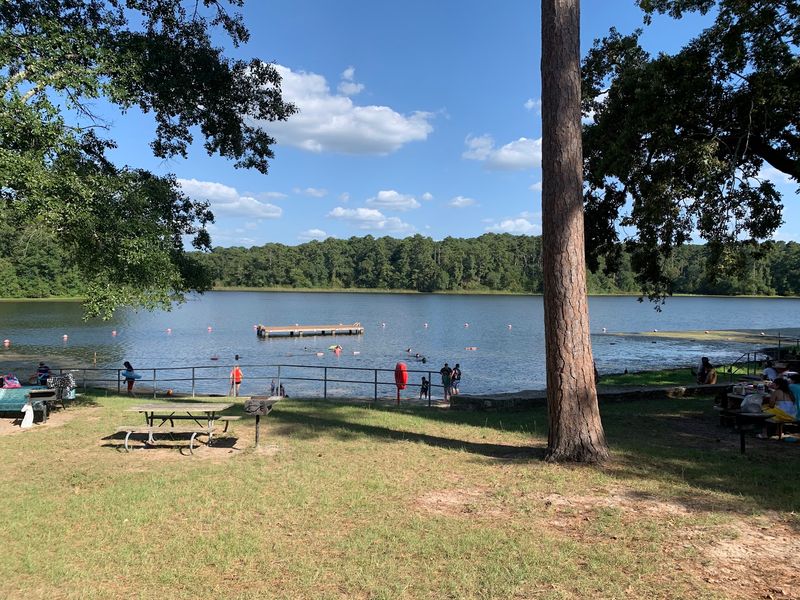
Lake Raven sits at the heart of Huntsville State Park like a well-kept secret among Houston-area residents. While everyone else fights for elbow room at the coast, this 210-acre lake stays refreshingly calm even on summer weekends. The clear water makes it perfect for spotting wildlife, including the small alligators that cruise along the shoreline and occasionally watch fishermen from the pier.
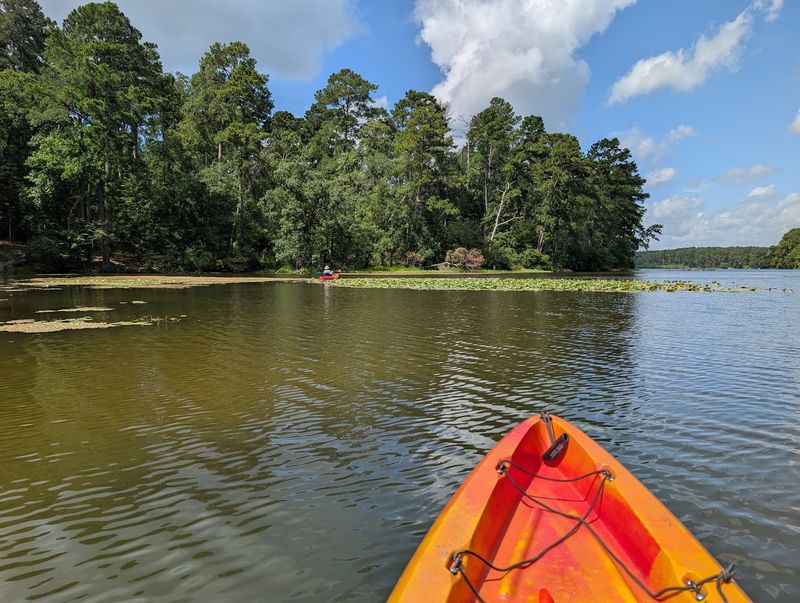
Kayaking here feels like exploring your own private waterway. Rentals are available when the park offers them, though some visitors bring their own boats to guarantee water time. Paddle boards glide smoothly across the glassy surface, and swimmers enjoy designated areas where the water stays clean and inviting.
Fishing from the piers gives you front-row seats to nature’s daily show. Deer wander down to drink at dawn, birds swoop across the water hunting breakfast, and those curious gators keep a respectful distance. The lake never feels overcrowded because the park manages capacity well.
Unlike the salt and seaweed of coastal spots, Lake Raven offers fresh water surrounded by fragrant pine trees. The shade from those towering pines keeps the shoreline cooler than open lakes, making it comfortable even during Texas heat waves. Families spread out along the banks for picnics while watching boats drift by, creating the kind of lazy afternoon that busy Texans crave but rarely find at popular destinations.
2. Miles of Shaded Trails Wind Through Authentic East Texas Pine Forest
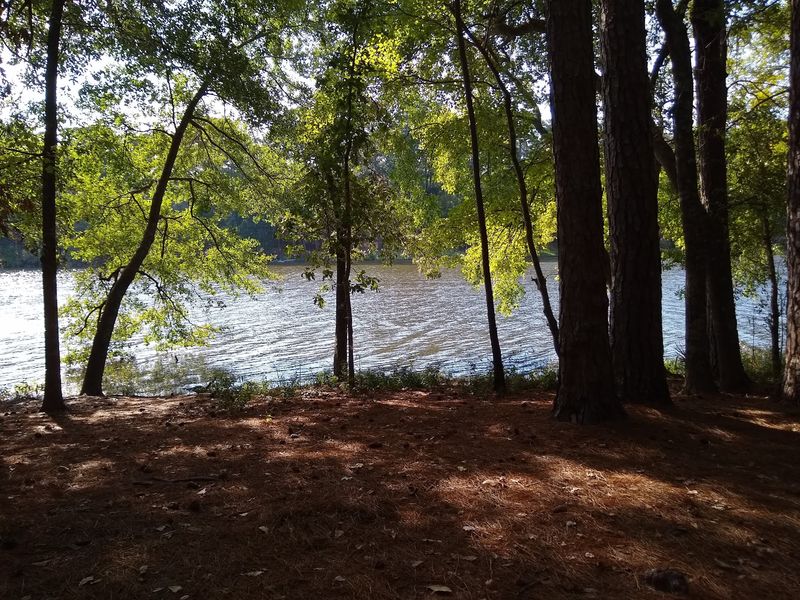
Forget the scrubby cedar breaks you find elsewhere in Texas. Huntsville State Park delivers genuine pine forest that could make you forget which state you’re in. The Chinquapin Trail challenges hikers with rolling hills and elevation changes you won’t find in Houston’s flatlands, while the Triple C Trail offers lake views through corridors of swaying pines.
These aren’t manicured garden paths. Tree roots create natural obstacles that keep you alert, and the terrain rolls enough to give your legs a real workout. The trails stay mostly shaded, which matters tremendously when summer temperatures climb, and that canopy of tall pines creates a peaceful rustling soundtrack as wind moves through the branches.
Wildlife sightings happen regularly for patient hikers. Deer bolt around trail bends, sometimes traveling in small family groups with fawns. Red birds that don’t quite look like cardinals flit between branches, and large black birds circle overhead, occasionally dropping impressive feathers along the path.
The park maintains these trails well, though recent prescribed burns sometimes leave charred evidence of necessary forest management. Trail markers keep you oriented even on longer loops, and the varied difficulty levels mean both casual walkers and serious hikers find something worthwhile. Rangers often patrol and offer helpful suggestions about which routes match your fitness level and time constraints, making the experience welcoming for newcomers while still satisfying experienced trail enthusiasts.
3. Camping Sites Provide Privacy That Crowded Parks Can’t Match
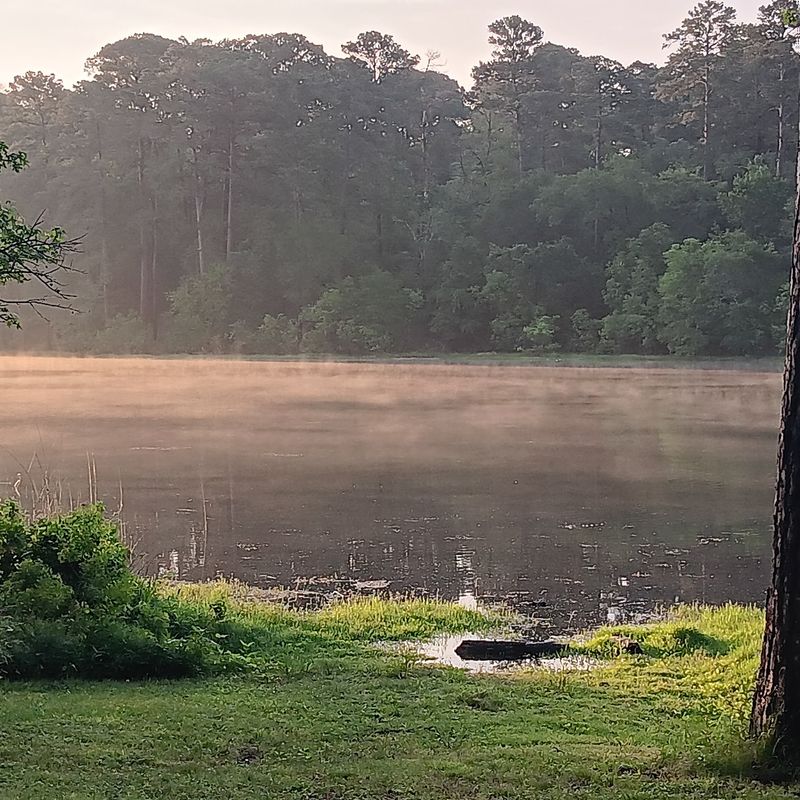
Campsite spacing at Huntsville State Park respects your need for breathing room. Unlike shoulder-to-shoulder spots at busier parks, these sites give families actual privacy, even when the park runs near capacity. Some campsites overlook the lake, though be aware that waterfront spots like 151 have public fishing pier access paths running behind them.
The campsites come with quirks that prepared campers handle easily. Some pads slope significantly, so bringing extra leveling blocks saves frustration during setup. Fire rings and picnic tables sometimes sit on the opposite side from your RV door, requiring a bit of creative arrangement.
Water hookups and electricity make camping comfortable, and the screened shelters offer budget-friendly alternatives to full cabins.
Cabins provide enclosed shelter with AC, curtained windows, and outdoor grills when burn bans aren’t in effect. They’re bare-bones basic but beat tent camping during unpredictable Texas weather. Firewood sells cheaply at the park, and the hosts stationed in each camping area answer questions and help with any issues that arise.
Nighttime darkness here rivals remote West Texas locations. The lack of light pollution creates spectacular stargazing opportunities but makes driving around tricky without reflective markers. Restroom and shower facilities receive mixed reviews depending on timing and maintenance schedules, ranging from acceptable to needing attention.
Despite minor maintenance hiccups, the overall camping experience delivers the peaceful retreat that crowded commercial campgrounds simply cannot provide.
4. Alligator Sightings Add Excitement Without Serious Danger
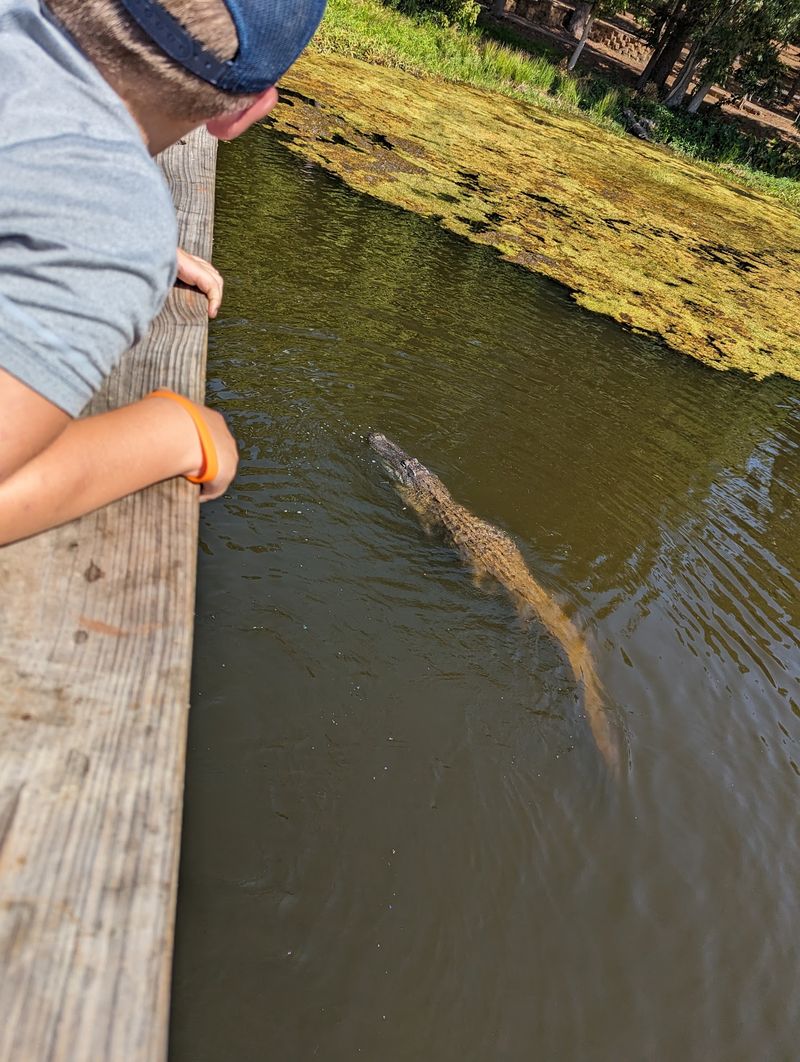
Spotting your first alligator at Lake Raven creates that perfect mix of thrill and safety. These aren’t the massive predators from Louisiana swamps. The gators here tend toward the juvenile and small adult range, swimming innocently along the clear water where you can watch their movements from fishing piers or shoreline trails.
They’re curious about human activity but maintain respectful distances. Fishermen report gators watching their technique from the water, apparently interested in the process but not aggressive. The learning center even houses baby alligators for close-up viewing when you want that wildlife experience without the outdoor variables.
Reviews mention alligator sightings frequently enough that you’ve got decent odds of spotting one, but not so often that they become a nuisance. The park manages this balance well, and rangers provide guidance about safe wildlife observation. These reptiles add authentic Texas wilderness flavor without creating the anxiety that might come from larger populations.
Kids especially love the excitement of alligator spotting. Parents can let them explore with reasonable supervision rather than constant hovering, since the gators here don’t exhibit aggressive behavior toward people who respect their space. The population seems concentrated in certain lake areas, so locals learn which spots offer best viewing opportunities while knowing where to swim and paddle without concern.
This wildlife element separates Huntsville from sanitized recreational lakes, providing genuine nature encounters that create lasting memories.
5. Strategic Location Makes Day Trips Easy for Houston Residents
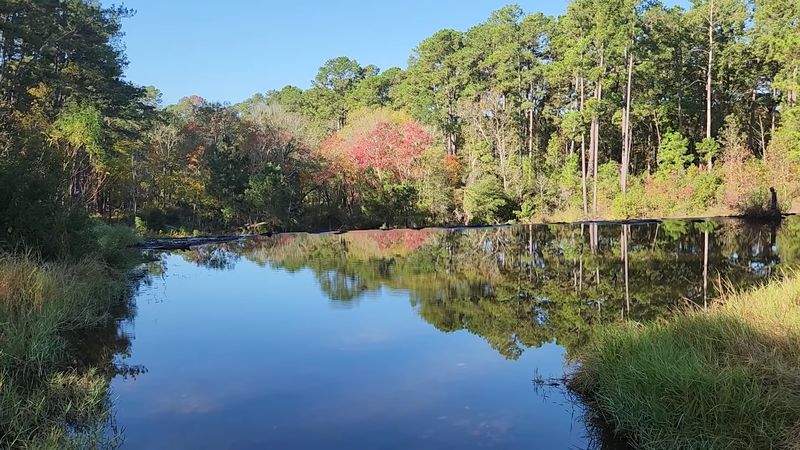
Geography works in your favor when Huntsville State Park sits just an hour north of Houston’s sprawl. That distance creates perfect day-trip range while filtering out the casual crowds who won’t drive past closer options. Travelers between Dallas and Houston discover it makes an ideal rest stop, breaking up the monotonous interstate drive with actual nature.
The park entrance transports you into what feels like a completely different ecosystem. One moment you’re surrounded by concrete and traffic, then suddenly you’re enveloped by pine forest and birdsong. That dramatic transition happens faster here than at parks requiring two or three hours of driving through gradually changing landscapes.
Accessibility without excessive distance means you can make spontaneous weekend decisions. When Friday afternoon hits and you need an escape, Huntsville delivers without requiring extensive planning or vacation days. Families pack up after school and arrive with daylight to spare for an evening hike or lakeside picnic.
The location also serves people passing through the region. Visitors heading to or from Galveston sometimes stop here and discover they prefer the pine forest atmosphere to beach crowds. The park provides that refuge from Houston metro chaos while remaining close enough for regular visits rather than once-a-year special trips.
Rangers report seeing familiar faces throughout the season, locals who’ve adopted Huntsville as their go-to escape precisely because the drive doesn’t become a burden that discourages frequent visits.
6. Well-Maintained Facilities Balance Nature With Practical Comfort
Park infrastructure here walks the line between rustic and functional. Rangers consistently earn praise for their welcoming attitudes and deep knowledge about trails, wildlife, and park history. Staff members like Kar’Misha build reputations over years of helpful service, creating that small-town familiarity even at a popular state park.
The park office handles reservations smoothly and answers questions patiently, even when dealing with first-time campers asking basic questions. Day passes cost seven dollars per person, required even for cabin renters, which surprises some visitors but funds the maintenance that keeps facilities operational. The learning center provides educational opportunities beyond just outdoor recreation.
Restroom conditions vary depending on timing and which facilities you use. Some visitors report excellent cleanliness while others encounter maintenance issues, suggesting the park’s size occasionally stretches staff resources thin. The reality probably falls somewhere between the glowing reviews and complaints, with conditions fluctuating based on visitor volume and cleaning schedules.
The gift shop disappoints serious souvenir collectors. Unlike other state parks offering hiking medallions, varied magnets, and extensive merchandise, Huntsville’s store stocks limited inventory and basic supplies. Staff enthusiasm in the shop also receives mixed reviews, with some visitors feeling ignored.
These retail shortcomings seem minor compared to the outdoor experience quality, but they frustrate collectors who visit multiple Texas parks. Overall, the facilities support your visit without becoming the main attraction, which honestly seems appropriate for a nature-focused destination.
7. Seasonal Considerations Shape Your Visit Experience
Timing your visit to Huntsville State Park can shape the experience just as much as the trails or lake itself. Prescribed burns take place periodically as part of necessary forest management, and visitors arriving shortly afterward may notice patches of blackened ground, scorched vegetation, and a landscape that looks temporarily less inviting. While the scenery may seem harsh at first, these controlled burns play an important role in maintaining a healthy forest.
They also give curious visitors a rare opportunity to see how quickly nature begins recovering, with fresh growth gradually appearing across areas that were recently burned.
Spring is one of the most pleasant times to visit. Wildflowers add splashes of color around the park, while comfortable temperatures make longer hikes much easier. It is an ideal season for spending several hours on the trails without dealing with the intense heat that arrives later in the year.
Summer can be much hotter, but Huntsville State Park still offers advantages during the warmer months. Shaded forest trails provide some relief from the sun, and the lake gives visitors another way to cool down and enjoy the outdoors.
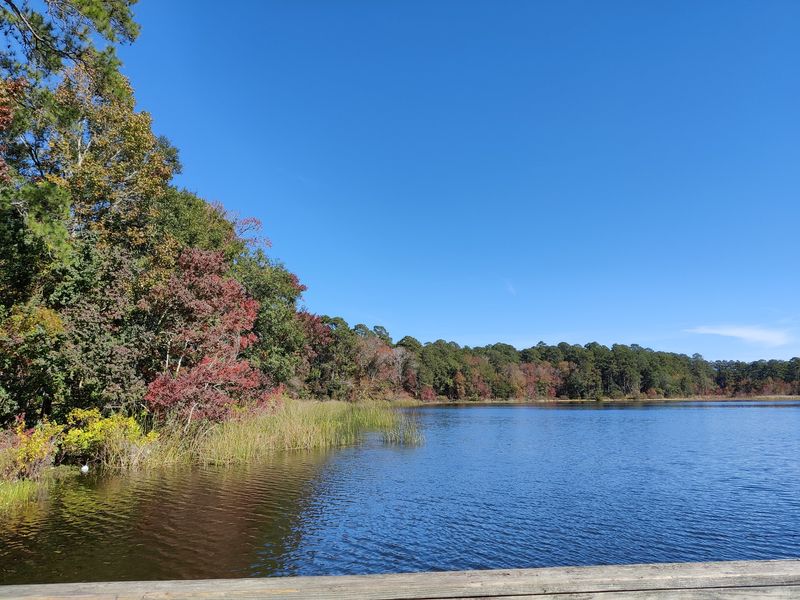
Fall brings milder temperatures and occasional changes in the surrounding forest. The colors are generally subtle rather than dramatic, so visitors should not expect the brilliant foliage found in northern states. Still, cooler weather can make hiking, picnicking, and exploring the park especially enjoyable.
Crowd levels are another factor worth considering. Weekends tend to draw noticeably more visitors, particularly when the weather is pleasant. A weekday visit usually offers a quieter experience, with fewer people on the trails and around popular recreation areas.
For visitors seeking peaceful forest scenery, comfortable hiking conditions, and a slower pace, choosing the right season and day can make Huntsville State Park feel even more rewarding.
8. Local Insider Knowledge Maximizes Your Park Experience
Regular visitors develop strategies that casual tourists miss entirely. Arriving early on weekends claims the best lakefront picnic spots and parking near popular trailheads before crowds arrive. Locals know which camping loops offer the most privacy and which sites have those awkward table placements or significant slopes requiring extra leveling equipment.
The fishing piers produce better results during specific times and seasons that experienced anglers learn through repeated visits. Kayakers discover which coves stay calmest and which areas concentrate wildlife sightings. These insights come from time spent exploring rather than following official maps alone.
Rangers provide valuable intel when you ask specific questions. They’ll suggest which trails match your fitness level and time constraints, warn about recent wildlife activity in certain areas, and explain current lake conditions affecting water recreation. Their institutional knowledge beats any website description.
Bringing your own equipment guarantees availability since rental services sometimes close unexpectedly. Pack extra stabilizer blocks for RV camping, bring quality bug spray for evening activities, and don’t count on the gift shop for forgotten essentials. The nearest town requires leaving the park, so preparation prevents frustration.
Understanding that this park prioritizes nature over amenities sets appropriate expectations. You’re not getting resort-level service or extensive retail options. You’re getting authentic East Texas wilderness within easy reach of major cities, which explains exactly why locals choose Huntsville when famous spots get overwhelmed.
That trade-off works perfectly for people seeking genuine outdoor experiences over packaged entertainment.
Share this story