Most people assume top-notch medical care means a long drive to Denver, a parking garage maze, and a waiting room full of strangers. On the Western Slope, one county seat of about 20,000 people quietly flips that idea on its head. Its regional health system has earned attention well beyond Colorado, and the town around it offers lower costs, open space, and a pace that suits retirees and families alike.
Keep reading to learn where it is, why locals value it, and what life and a visit there can look like.
1. A County Seat on Highway 50
The town in question is Montrose, located in Montrose, Colorado, USA, on the state’s Western Slope. It serves as the county seat of Montrose County and is the most populous municipality in that county.
The 2020 census counted 20,291 residents. That is big enough to support real services, yet small enough that running errands rarely eats up an afternoon.
The city covers about 18.5 square miles. Montrose operates as a home rule municipality, which gives local leaders more say over how the community is governed.
The main road in and out of town is U.S. Highway 50. For Front Range residents, that highway is the familiar thread that ties Montrose to the rest of Colorado.
Plenty of Coloradans have passed through without stopping. The town tends to sit in the shadow of better-known mountain resorts, which is part of its quiet appeal.
Instead of ski-town price tags and gridlock, Montrose offers a working community feel. Grocery stores, schools, parks, and local businesses form the backbone of daily life.
The city maintains an official website at cityofmontrose.org, a handy starting point for anyone sizing up the area. Next up is the reason this small town keeps turning heads in health care circles.
2. Big-League Care in a Small Town
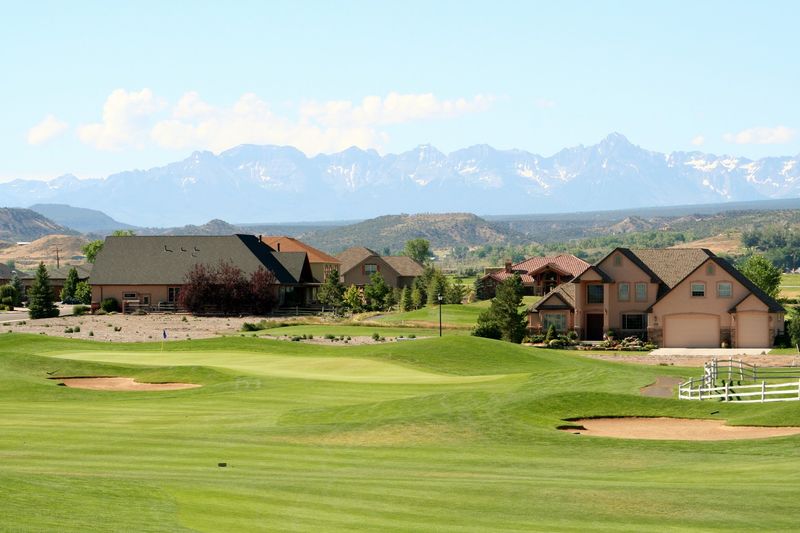
Hospital rankings usually spotlight big-city medical centers. Montrose stands out as an exception that has drawn notice for the quality of care at its regional health system.
Montrose Regional Health serves as the town’s main hospital and medical network. It has been recognized in various national quality lists, which is unusual for a community of this size.
Rankings change from year to year, so it makes sense to check current results before relying on any single list. Still, the steady attention says something about local standards.
For residents, the practical benefit is simple. Many routine procedures, checkups, and specialist visits may be possible without a trip over the mountains.
That matters on the Western Slope, where Denver sits several hours away. Winter weather on mountain passes can make long medical drives stressful or even impossible on certain days.
Having strong care close by also helps families caring for aging parents. Shorter drives can mean more frequent visits and less time off work.
Nobody picks a hometown for its hospital alone. But when strong health care pairs with a lower cost of living, the combination starts to look pretty compelling, and that is exactly where this story goes next.
3. Why Retirees Keep Circling Back
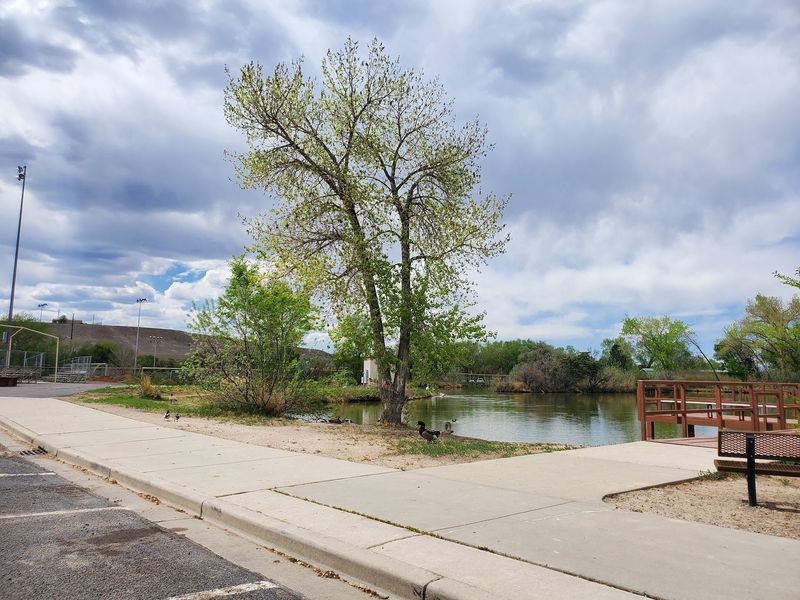
Ask a retiree what matters most in a new hometown, and two answers come up fast. Reliable doctors and a budget that stretches far enough.
Montrose checks both boxes better than many Colorado alternatives. Housing and everyday expenses can run lower than in the Denver metro or resort communities like Telluride.
A fixed income goes further when property costs are not climbing at mountain-town speed. That gives retirees breathing room for hobbies, travel, and time with grandkids.
Health care access sits close to the top of the list. Living near a well-regarded hospital can bring real peace of mind as medical needs grow.
The town’s size also helps. Around 20,000 people is large enough for useful amenities, yet small enough to get to know neighbors and local shop owners by name.
Many newcomers arrive from the Front Range after years of commuting and congestion. The slower rhythm of Western Slope life tends to feel like a fair trade.
Of course, every household has different priorities. Anyone weighing a move should compare housing prices, taxes, and insurance networks carefully before packing the moving truck.
4. Homeownership Without the Resort Price Tag
Priced out of Denver? Plenty of Coloradans are, and some have started looking west for answers.
Montrose has become one of the places would-be homeowners consider when Front Range numbers stop making sense. Prices have risen here too, but they can still compare favorably to Boulder, Summit County, or the San Juan resort towns.
Remote work has opened new doors. Someone who no longer commutes daily may find that a Western Slope address fits both career and budget.
The town’s 18.5 square miles include established neighborhoods and newer developments. That mix can offer options for first-time buyers and downsizers alike.
Everyday conveniences are close at hand. Schools, shopping, and medical care all sit within a short drive for most residents.
Housing markets shift quickly, so local listings and a trusted real estate agent are the best guides to current costs. Rough comparisons only go so far.
For families tired of bidding wars and long commutes, though, Montrose deserves a spot on the shortlist. A yard and a reasonable mortgage are not just daydreams here.
5. Gateway to the Black Canyon
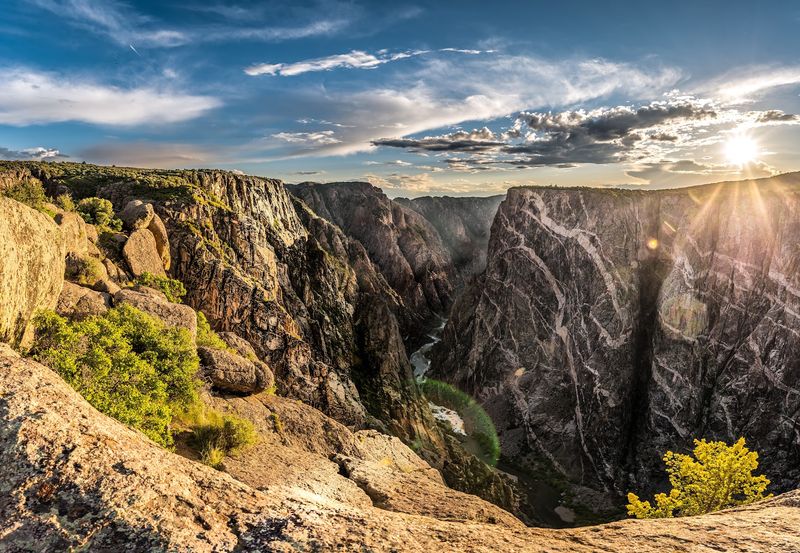
Few small towns can claim a national park as a next-door neighbor. Montrose can.
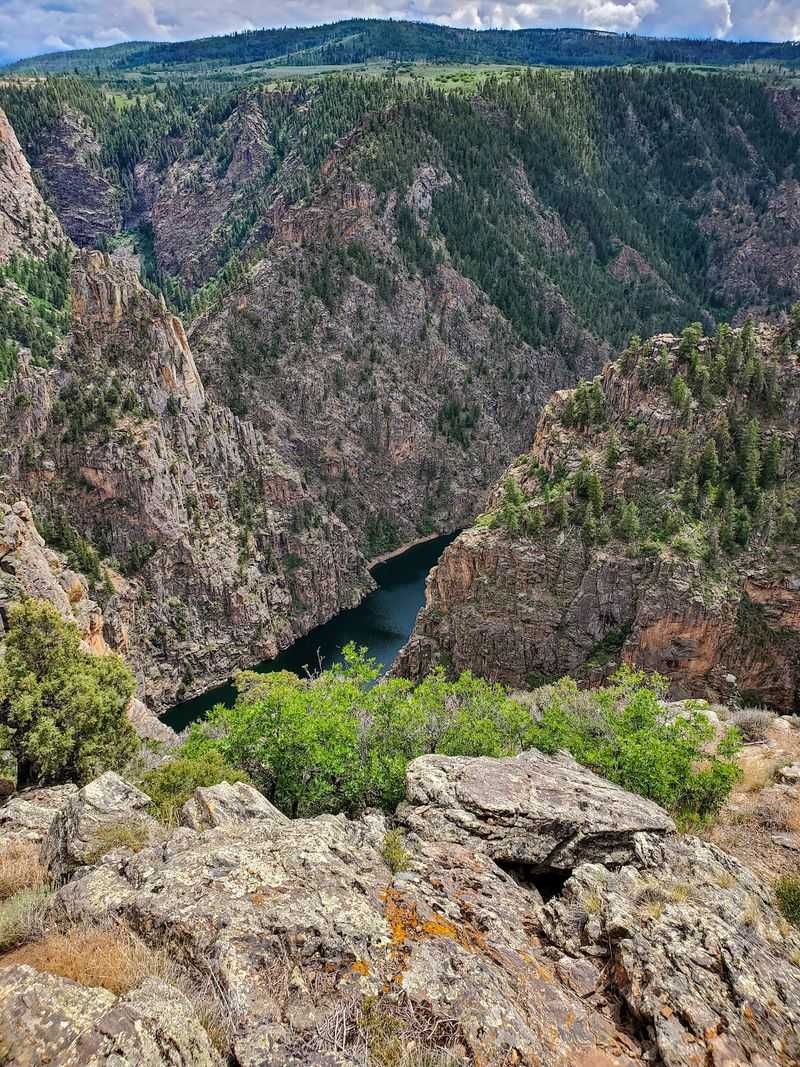
Black Canyon of the Gunnison National Park sits a short drive east of town. Its sheer cliffs and deep gorge make it one of the more dramatic landscapes in the state.
Because Montrose is the closest sizable town, it acts as a natural base for park trips. Lodging, groceries, and fuel are all easy to find before heading out.
The park sees fewer crowds than Rocky Mountain National Park. That makes it a smart choice for residents who want big scenery without timed-entry stress.
Overlooks along the rim drive let people take in the canyon without a strenuous hike. More experienced adventurers can explore tougher routes with proper planning and permits.
Shoulder seasons such as late spring and early fall can be quieter. Checking the National Park Service website for road conditions and fees is a wise first step.
Having a world-class canyon this close turns an ordinary weekend into something memorable. Locals get to treat it as a backyard outing, which is a nice perk of the zip code.
6. Stories of the Ute People

Long before Highway 50 existed, this valley was home to the Ute people. Their history remains part of the community’s identity today.
The Ute Indian Museum, operated by History Colorado, is located in Montrose. It shares the history and culture of the Ute people through exhibits and educational programs.
The site is connected to Chief Ouray and his wife Chipeta, two important figures in Colorado history. Learning about their lives adds depth to any understanding of the Western Slope.
For families, the museum offers a meaningful history lesson close to home. It turns textbook names into real people tied to real places.
Hours and admission can change, so it is best to check the History Colorado website before visiting. Some days may have special programs or events.
Heritage like this gives Montrose a sense of rootedness. It is not just a stopover town but a place with layers of history worth exploring.
Spending an hour or two here can change how the surrounding landscape looks on the drive home, at least in the mind’s eye.
7. Downtown Strolls and Local Shops
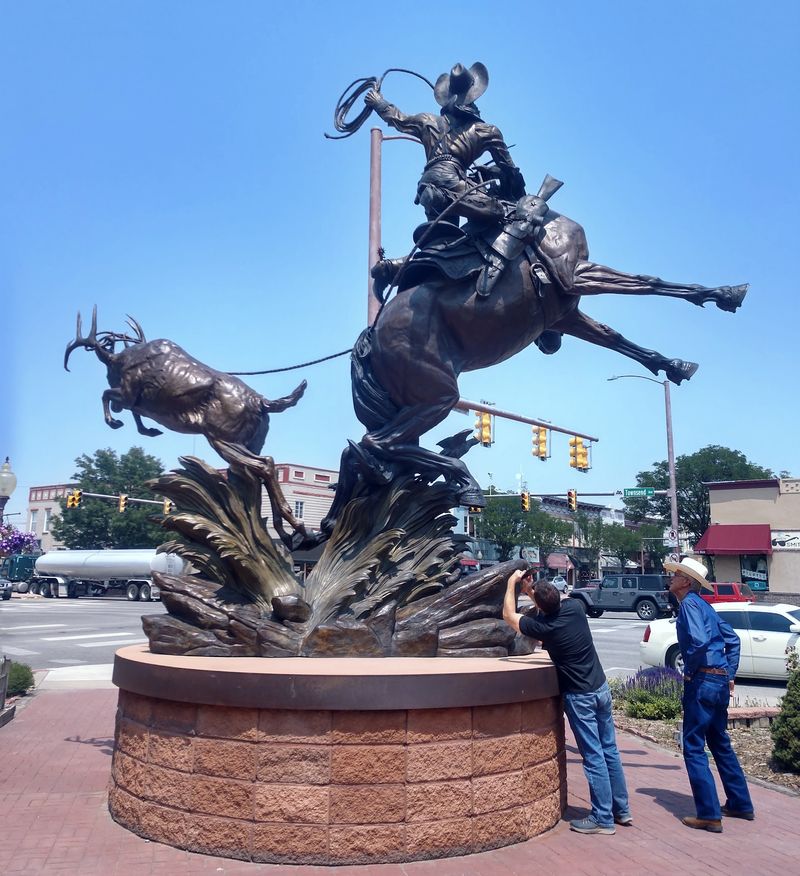
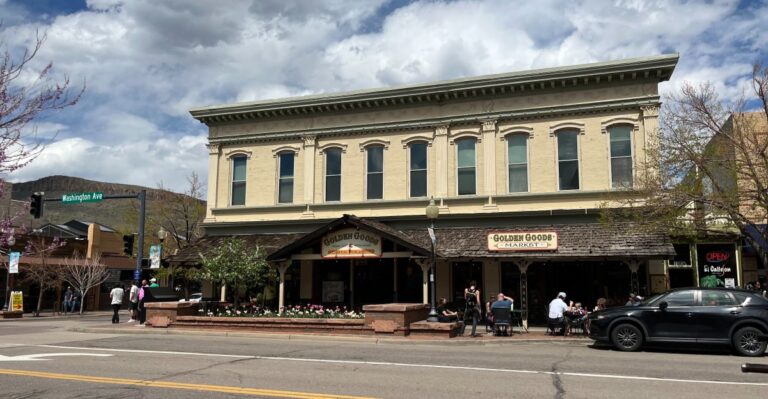
Every small town has a heart, and in Montrose it beats along Main Street. The historic downtown is where locals run errands, meet friends, and shop small.
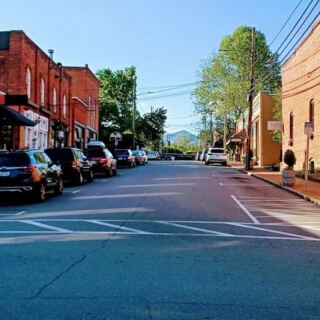
Brick storefronts house a mix of independent businesses. Boutiques, outdoor gear shops, and service businesses share space in a compact, walkable district.
Shopping local here supports families who have invested in the community. Many owners live nearby and have deep ties to the valley.
Seasonal events often bring residents downtown together. Checking the city website is a good way to find out what is happening during a particular week.
Parking is generally easier than in larger Front Range downtowns. That alone can make a casual afternoon of browsing more relaxing.
The pace downtown suits people who like to take their time. No one is likely to rush anyone out the door.
A walk down Main Street offers a clear picture of what Montrose values. Community, practicality, and a touch of small-town pride all show up block after block.
8. River Paths and Open Space
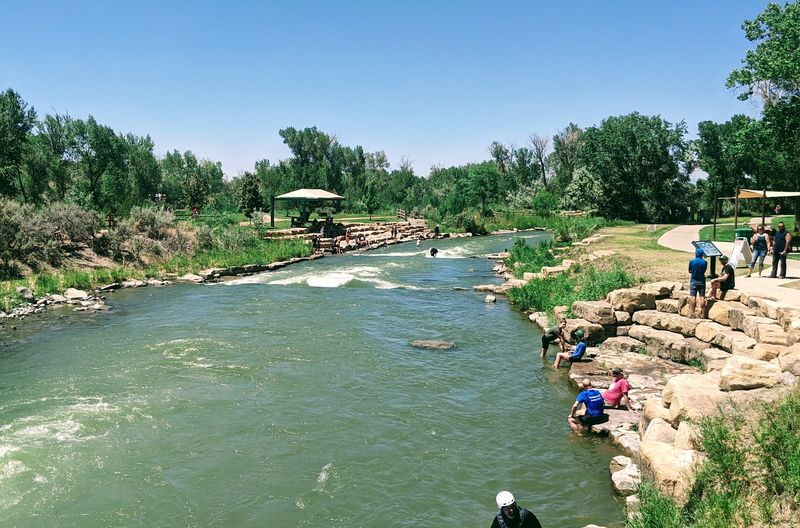
Outdoor time does not always require a mountain pass. In Montrose, a river runs right through the action.
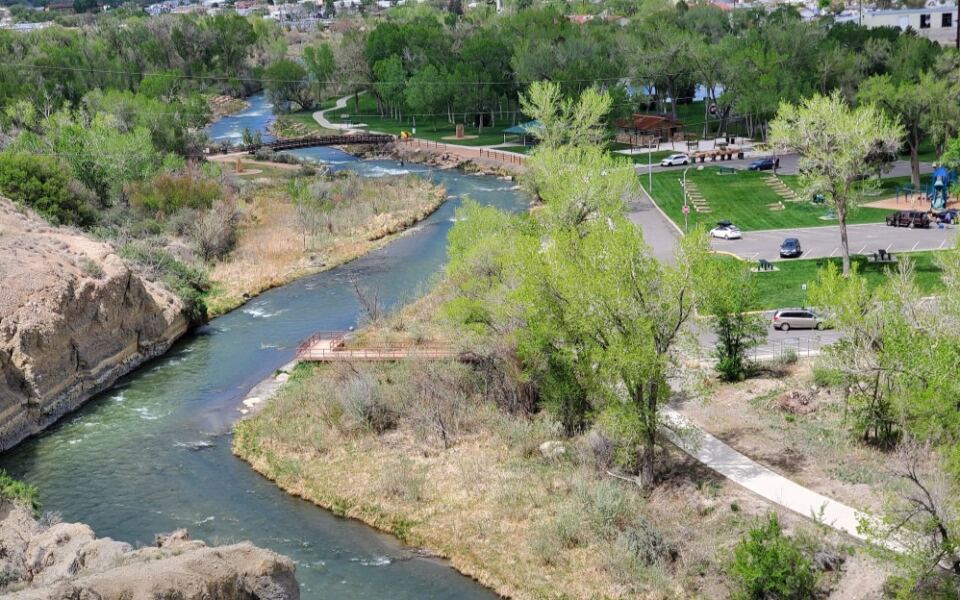
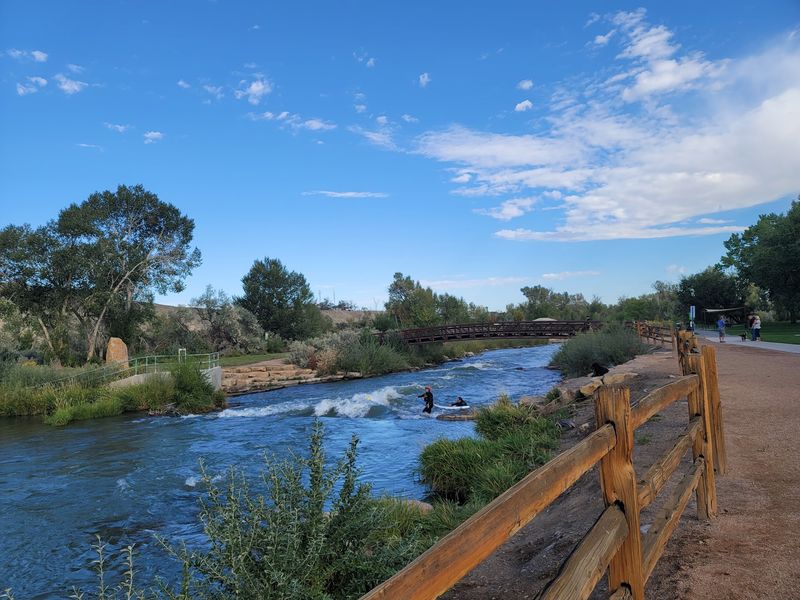
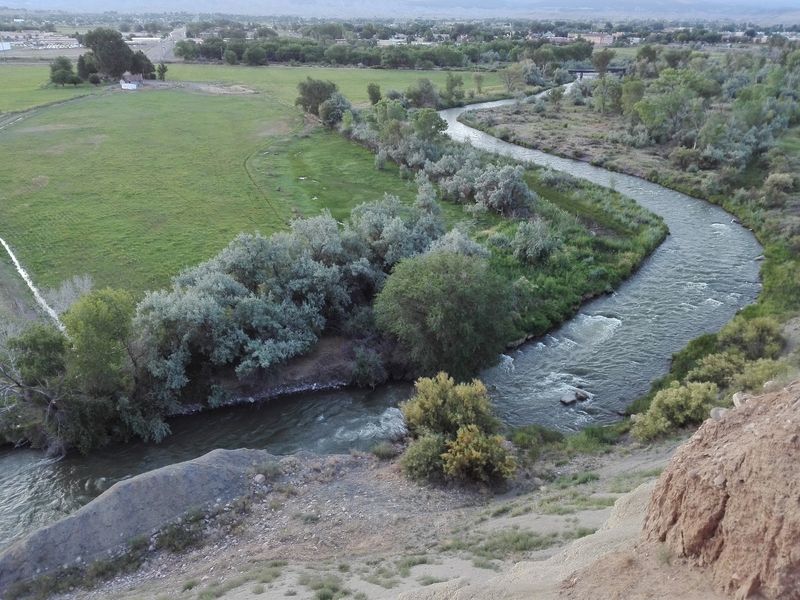
The Uncompahgre River flows through town, and a trail system follows parts of its banks. Walkers, runners, and cyclists use these paths for daily exercise.
Easy access to trails supports the healthy lifestyle that good medical care can only partly provide. Regular movement close to home is a quiet advantage for residents of every age.
Parks scattered around town offer space for picnics, ball games, and playground time. Families can find room to spread out without fighting for a spot.
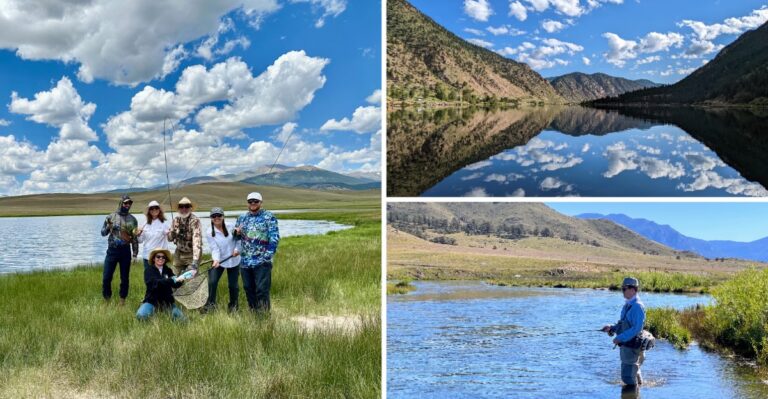
Beyond town limits, public lands open up even more options. Hiking, biking, and fishing are all popular in the surrounding region.
Retirees often appreciate the gentle, flat sections of trail. They provide a way to stay active without tackling steep elevation gains.
Having this kind of access built into daily life changes how a place feels to live in. Fresh air becomes part of the routine rather than a weekend project.
9. An Airport That Punches Above Its Weight
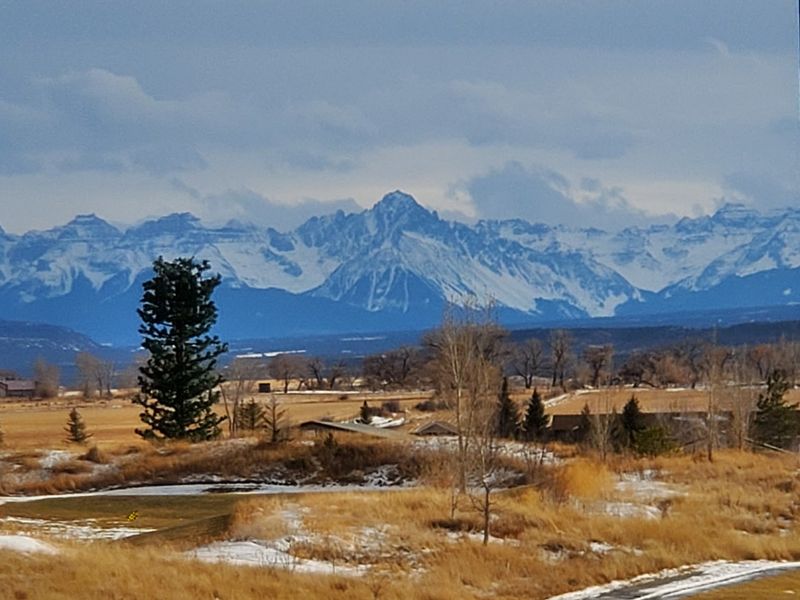
Small towns rarely come with convenient air travel. Montrose is a notable exception.
Montrose Regional Airport offers commercial flights, with service that tends to expand during ski season. Its location makes it a common arrival point for travelers headed to Telluride and other nearby mountain towns.
For residents, that means flying out does not always require the long drive to Denver International Airport. That can save hours on a trip to visit family or take a vacation.
Flight schedules vary by season and airline. It is smart to check current routes well in advance, especially outside winter months.
The airport also supports the local economy. Easier access helps bring in businesses, medical professionals, and new residents.
Families with relatives out of state often find this especially useful. Grandparents can fly in without a full day of connections and highway miles.
An airport may not be the first thing people think about when choosing a town. Once they use it, though, it often becomes one of the most appreciated features.
10. Who Feels Right at Home Here
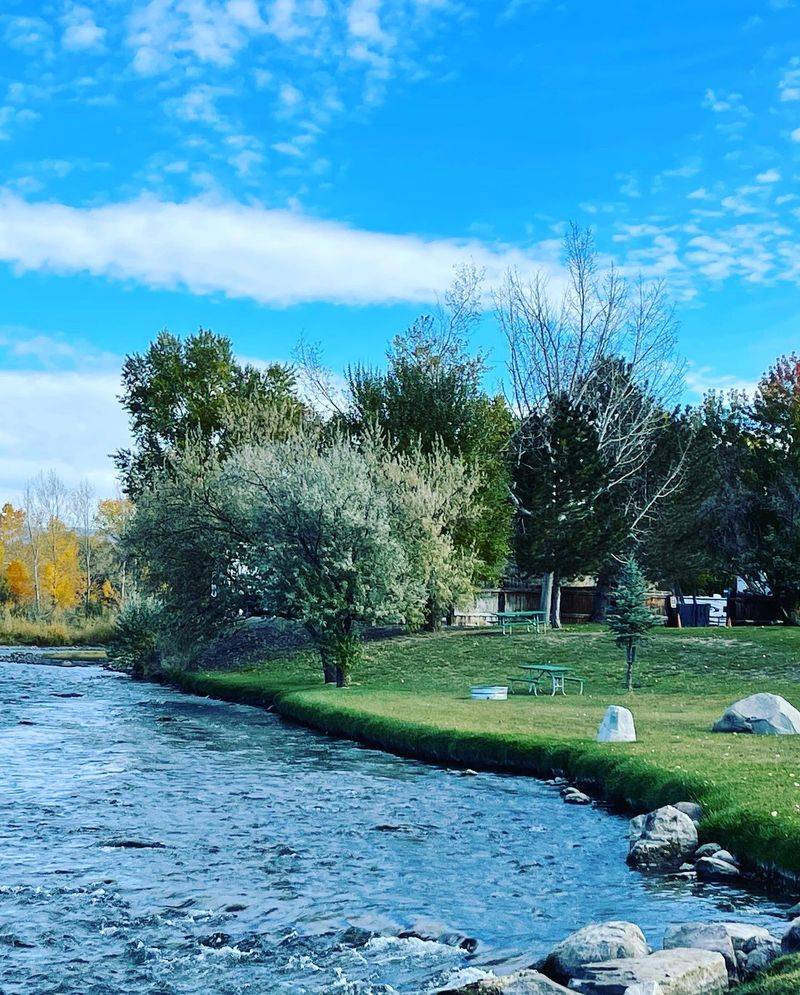
Not every town fits every person. Montrose seems to work especially well for a few groups.
Retirees appreciate the medical care, lower costs, and slower pace. Many find the town offers comfort without isolation.
Young families may value the parks, schools, and more attainable housing. Kids can grow up with mountains and canyons as their backyard classroom.
Outdoor lovers get quick access to national park land, rivers, and public lands. Weekends can fill up easily without long drives.
Remote workers who want space and reasonable expenses can also find a good match. Reliable services and an airport add flexibility.
On the other hand, those craving big-city nightlife or a massive selection of entertainment may feel limited. Montrose is a practical, down-to-earth place rather than a flashy one.
The atmosphere leans neighborly and unhurried. People who value community connections over constant excitement tend to settle in happily.
Knowing which camp someone falls into makes the decision much easier. For the right person, Montrose can feel like it was designed with them in mind.
11. Getting There From the Front Range
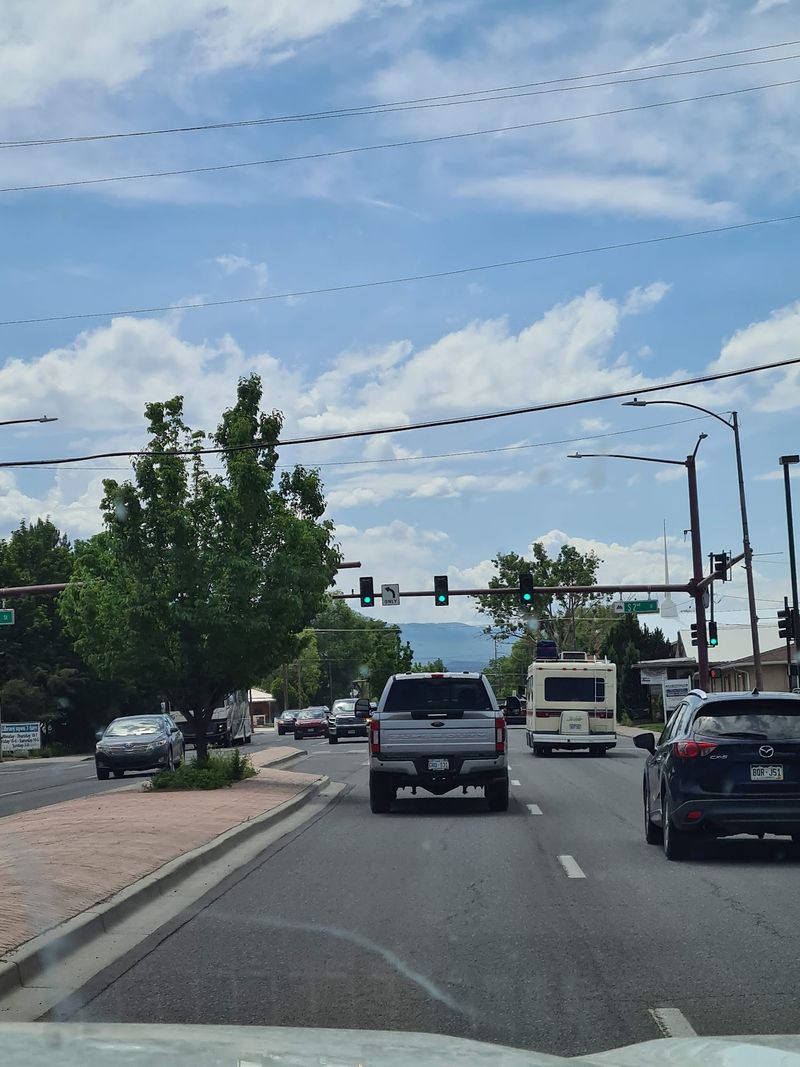
Road trips to the Western Slope are part of the Colorado experience. Getting to Montrose is straightforward once the route is clear.
U.S. Highway 50 is the main road that leads in and out of town. It connects Montrose with Gunnison to the east and Delta and Grand Junction to the north and west.
From Denver, the drive generally takes several hours, depending on the route and road conditions. Many drivers combine Interstate 70 with Highway 50, while others take southern mountain routes.
Winter weather can complicate mountain passes. Checking the Colorado Department of Transportation for road updates before departure is always a good idea.
Those who prefer to skip the drive can look at flights into Montrose Regional Airport. Seasonal schedules affect options, so planning ahead helps.
Once in town, a car is the easiest way to get around. Most destinations, including the hospital and downtown, are a short drive apart.
The journey itself offers some of the state’s most impressive scenery. Getting there becomes part of the reward rather than a chore.
12. Smart Timing for a Scouting Trip
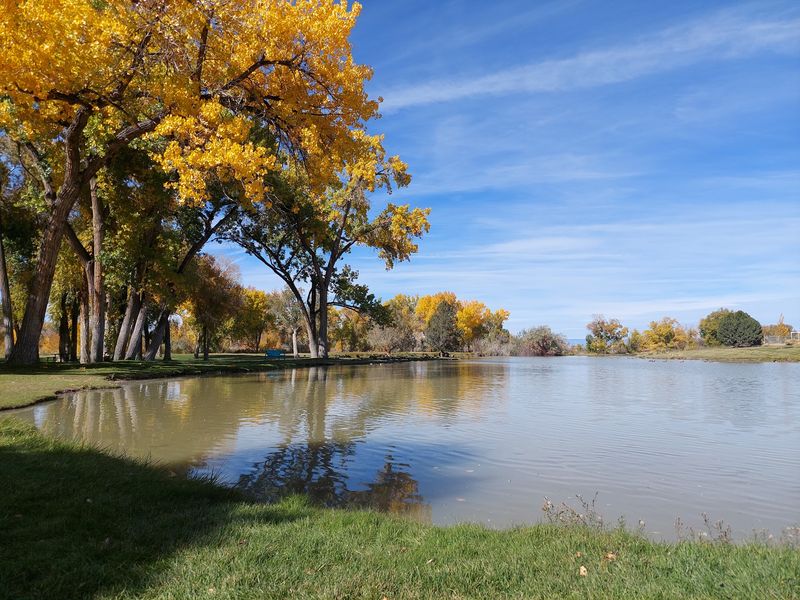
Thinking about a move or just a getaway? Timing a visit well can make a big difference.
Spring and fall often bring milder conditions and fewer crowds at nearby attractions. These shoulder seasons can be ideal for exploring neighborhoods and trails.
Summer is popular for outdoor recreation and park visits. Lodging may fill up faster during peak months, so early booking can help.
Winter tends to be quieter in town itself, although the airport sees more activity from skiers heading elsewhere. Road conditions should always be part of the plan.
Anyone scouting Montrose as a future home should spend time on everyday tasks. Visiting grocery stores, driving neighborhoods, and checking commute times can reveal more than any brochure.
A visit to the hospital campus or a call to learn about insurance networks can also be useful. Health care is a big part of what draws people here.
The city website is a solid resource for local events and services. A little homework turns a casual trip into a smart, informed decision.
13. The Quiet Case for Montrose
Some places shout for attention. Montrose prefers to let its strengths speak softly.
A population of just over 20,000 might not sound like much. Yet this county seat delivers health care that has caught national notice, along with practical everyday conveniences.
Lower costs compared to many Colorado hotspots add another layer of appeal. Retirees, young families, and remote workers all have reasons to take a closer look.
Nearby national park land, a historic downtown, and meaningful heritage sites round out the picture. Daily life here can be both comfortable and interesting.
No town is perfect, and Montrose has trade-offs like distance from Denver and fewer big-city extras. For many people, those trade-offs feel minor next to the benefits.
Anyone weighing where to retire, buy, or simply spend a quiet weekend may find this Western Slope town worth the drive. It rewards those who look past the resort-town headlines.
Sometimes the best Colorado discoveries are hiding in plain sight along Highway 50. Montrose may just be the one that changes a few minds.
Share this story