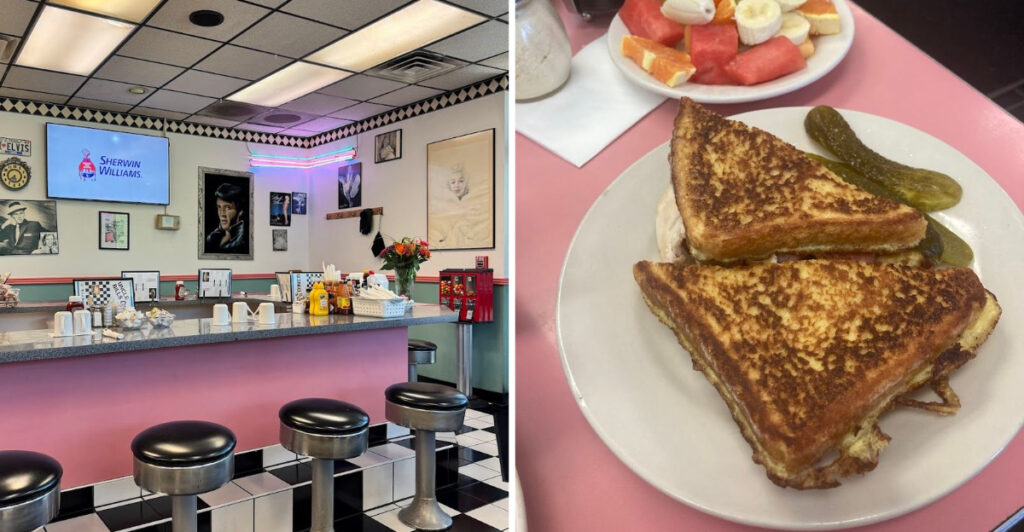
Some diners earn a loyal following through variety, while others become famous for one dish that customers simply cannot stop ordering. Uncle Bill’s Diner in Roselle has built that kind of reputation, with a patty melt that many regulars consider the star of the menu.
Combining a perfectly grilled beef patty, melted cheese, buttery toasted bread, and classic diner know-how, it delivers the kind of comfort-food satisfaction that keeps people coming back. The welcoming atmosphere, friendly service, and old-school charm only add to the appeal. If you’re searching for a memorable Illinois diner experience, this local favorite deserves a closer look.
A Neon-Bright Time Capsule on Roselle Road
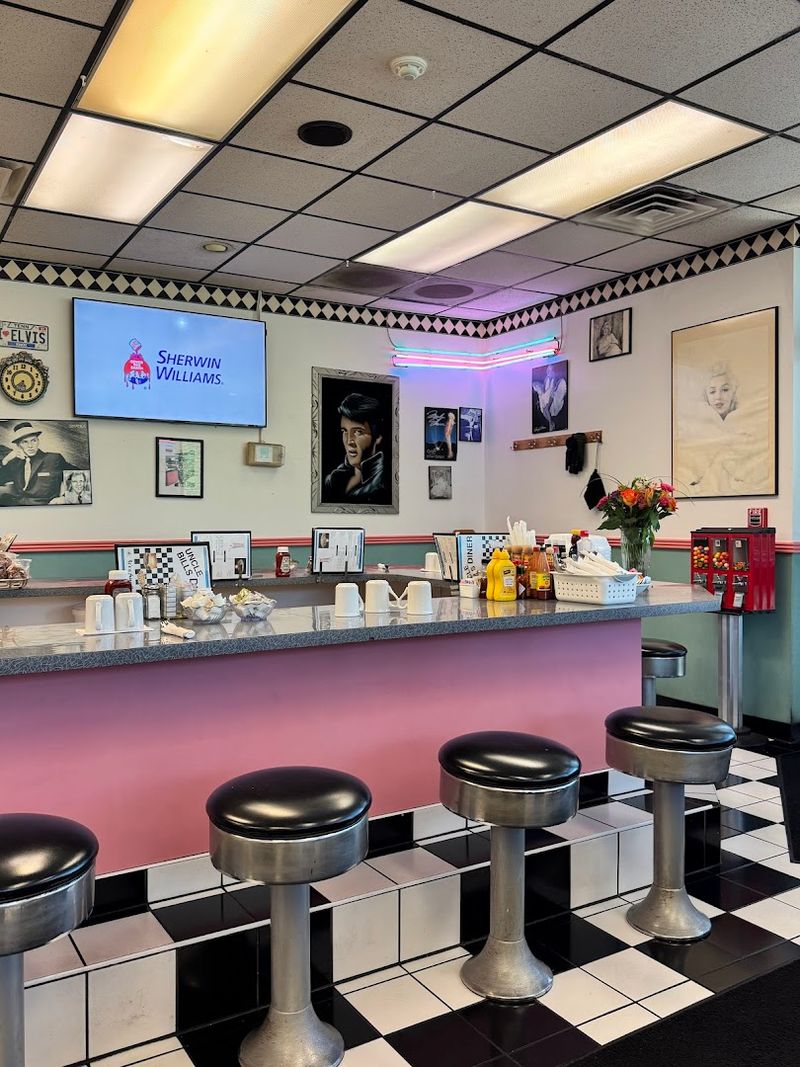
Uncle Bill’s Diner does not hide what it is. Sitting on North Roselle Road, it announces itself with the visual language of a classic neighborhood diner, then backs that up once you step inside.
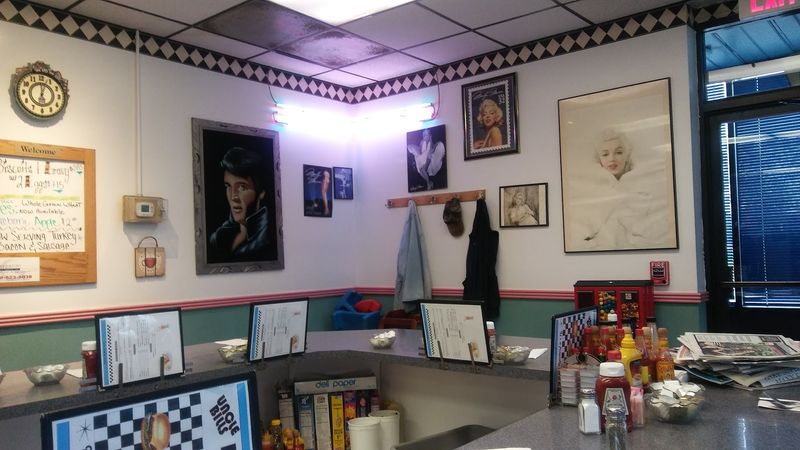
The room is compact, colorful, and busy in a way that reads more lived-in than staged, with retro details that give the place shape before a menu even lands on the table.
The decor leans into a 1950s-inspired look, but not in a polished theme-restaurant way. Checkerboard patterns, bright tones, diner-style seating, and vintage-style wall art create a setting that is playful without turning theatrical.
One of the most memorable visual notes is the Elvis artwork visible from inside, a detail that has become part of the diner’s identity and gives the room an instant point of focus.
Because the space is on the smaller side, every table feels plugged into the action. You can catch servers moving quickly, hear coffee being refilled, and watch the rhythm of a place that opens early and gets straight to work.
That tight footprint also means the room has energy even when it is not packed wall to wall, which suits a diner built around breakfast, lunch, and familiar return visits.
There is also a practical side to that visual charm. Small places reveal a lot about how they function, and here the layout encourages fast seating, easy conversation, and a direct connection to the people working the floor.
Before the food becomes the headline, Uncle Bill’s already makes a clear case for itself as the kind of diner that knows exactly what mood it wants to set, right down to the last pink-blue detail.
The Patty Melt That Steals the Whole Menu
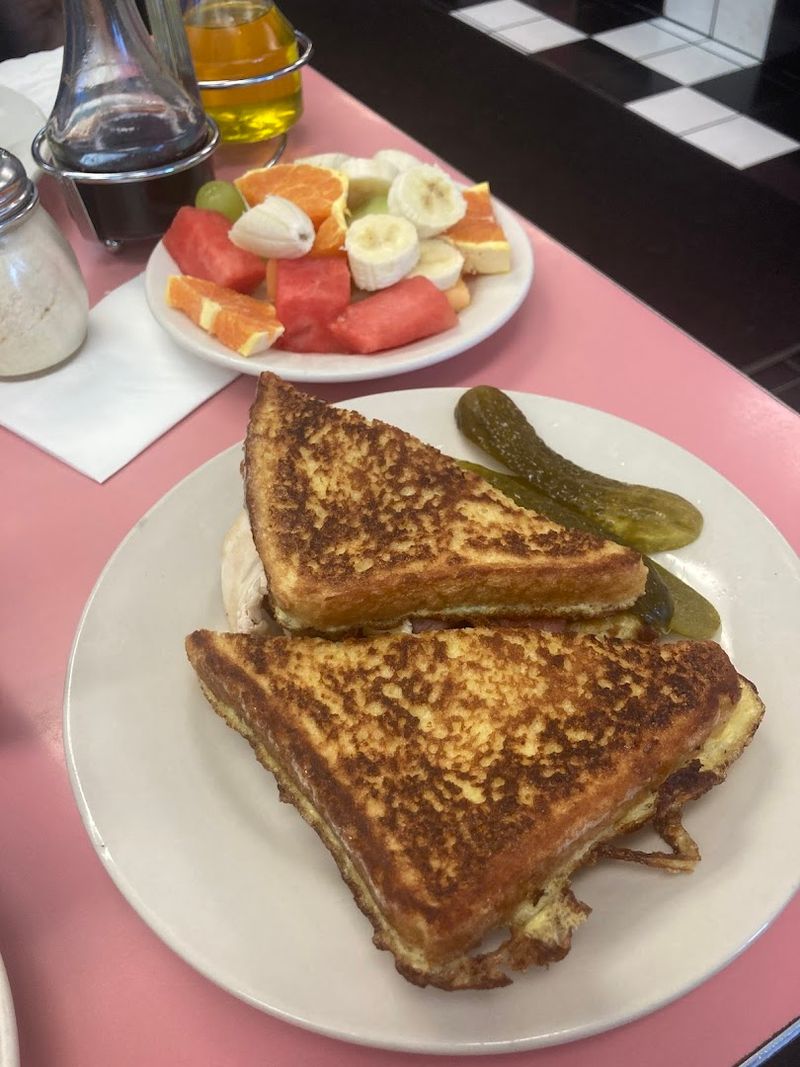
The star at Uncle Bill’s is not a flashy special with a long ingredient list. It is the patty melt, a diner classic that depends on proportion, texture, and timing more than novelty.
In a place where the menu covers plenty of breakfast and lunch ground, that sandwich still manages to pull attention toward itself, which says a lot about how strongly it lands.
A good patty melt lives or dies by balance. The bread has to come off the griddle with color and crispness, not grease.
The onions need enough time to soften and sweeten, the cheese has to melt into the burger rather than sit on top of it, and the whole stack needs to stay cohesive enough to eat without collapsing into a knife-and-fork problem.
That is exactly why this sandwich becomes the story. At a diner, people can order eggs, pancakes, omelets, Monte Cristo, soup, or a straightforward burger, yet a patty melt wins loyalty when it delivers something more specific than simple hunger relief.
It scratches the burger craving, the grilled cheese craving, and the old-school lunch counter craving all at once, which makes it unusually hard to ignore on a repeat visit.
At Uncle Bill’s, the appeal fits the room. This is not precious food designed for photos first. It is rich, griddled, familiar, and deeply tied to diner craft. When a sandwich has that kind of shorthand power, regulars start measuring the rest of the menu against it.
Some still branch out, of course, but the patty melt keeps pulling the decision back to center, one sizzling plate at a time.
Where Breakfast Regulars and Lunch Loyalists Overlap
One reason Uncle Bill’s holds attention is that it does not depend on a single mealtime identity. The diner opens early, which immediately places it in commuter and breakfast territory, but its appeal clearly stretches into lunch as well.
That broad usefulness matters because neighborhood diners survive by becoming part of different routines, not just one craving at one hour.
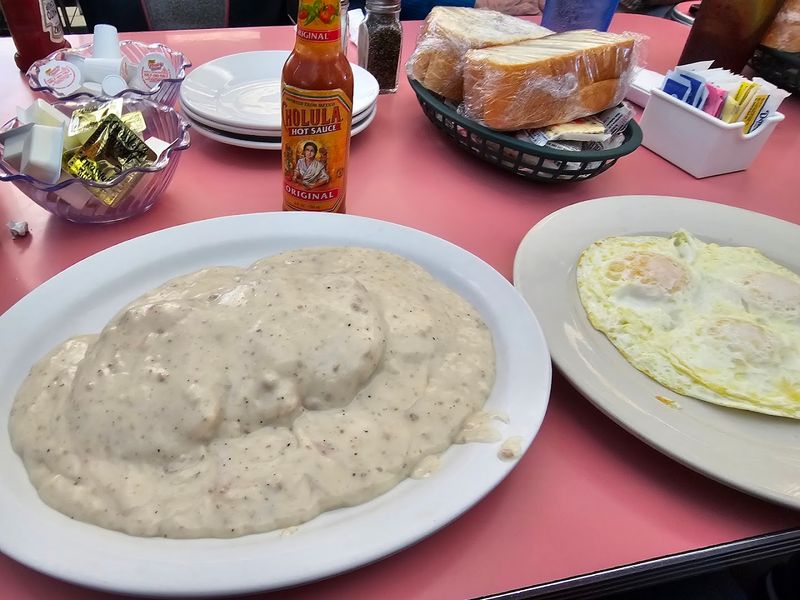
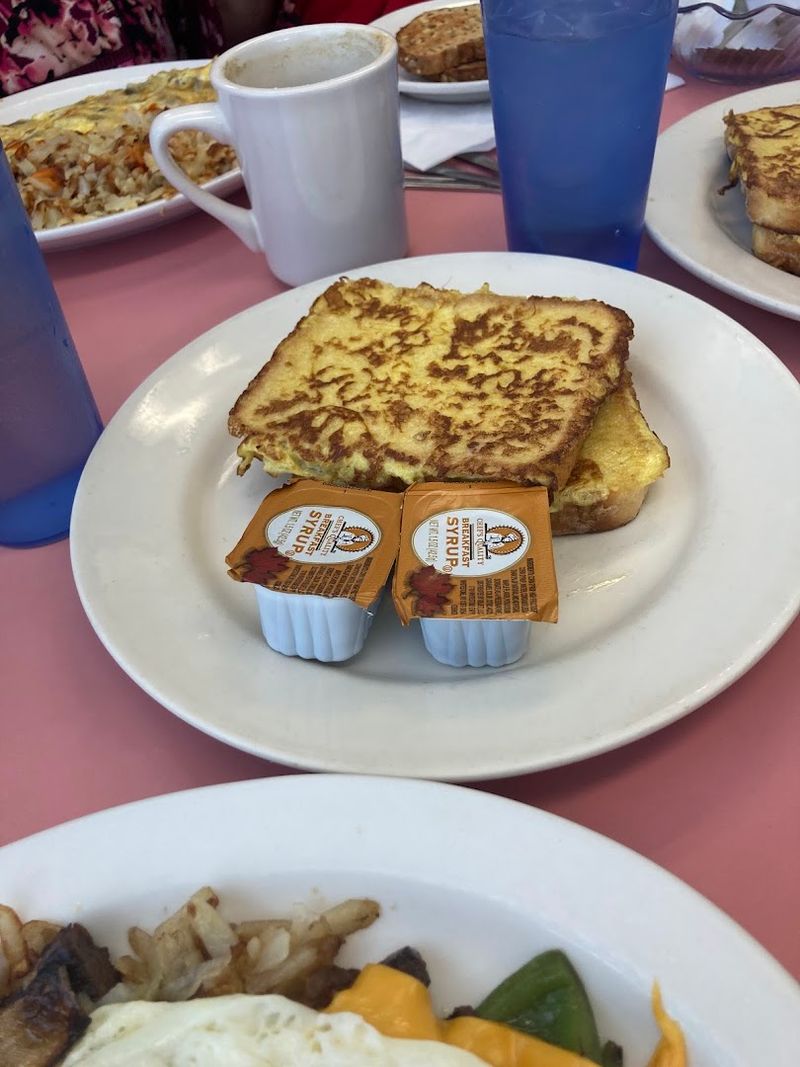
Breakfast appears to be a major draw, and the menu format supports that instinct. Diners come looking for the kind of plates that make sense at 6 AM or on a slower weekend morning, including pancakes, French toast, eggs, bacon, omelets, biscuits and gravy, and combination platters.
Those offerings matter less as isolated dishes than as proof that the kitchen understands the speed, comfort, and familiarity breakfast people want.
Lunch brings a different rhythm. Sandwiches, soups, fries, and larger savory plates give the room a second life after the early rush, and details like soup served with sandwiches add an extra diner-style touch.
That kind of structure can turn a quick midday stop into a more complete meal without adding fuss, which is exactly the lane a small independent diner should occupy.
The overlap between breakfast regulars and lunch loyalists is where Uncle Bill’s becomes most interesting. A place with coffee refills, family-style service, hearty portions, and a broad classic menu can catch the pancake crowd one day and the patty melt crowd the next.
Instead of specializing so tightly that it narrows its audience, this diner builds loyalty through repetition and availability. Open early, priced accessibly, and set up for both booths and quick-turn tables, it works like a local utility with better fries and stronger personality.
Why the Service Is Part of the Draw
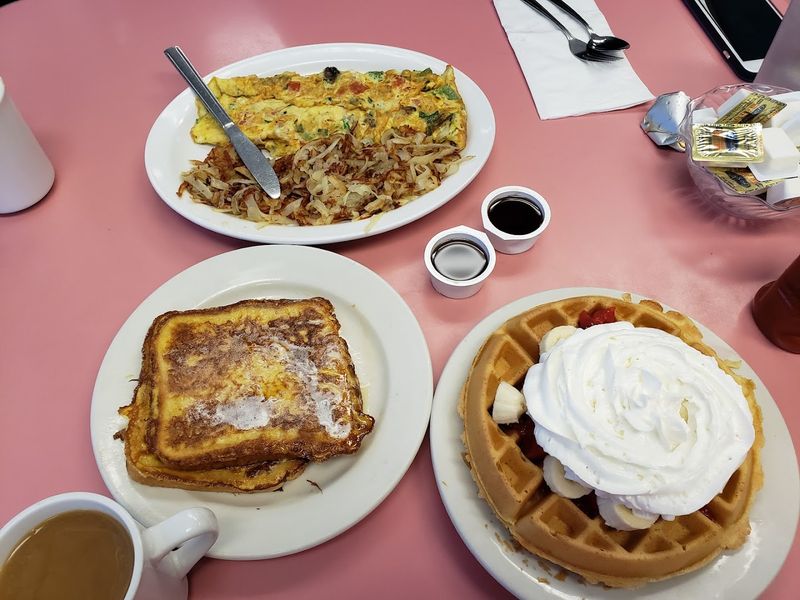
Food may get people through the door, but service shapes whether a diner becomes part of a routine. At Uncle Bill’s, the service style appears central to the whole identity of the place.
The room is small enough that warmth is immediately noticeable, and quick enough in pace that attentiveness is not just pleasant but necessary.
That style seems less formal than efficient, more conversational than scripted. In a neighborhood diner, those qualities matter because regulars are not looking for polished ceremony.
They want a place that can seat them quickly, keep drinks filled, answer a simple request without fuss, and move the table through breakfast or lunch without making the meal feel rushed.
Several details point to that kind of hands-on flexibility. Small accommodations, active refills, direct interaction, and a visible comfort level between staff and returning diners all support the sense of a place that runs on familiarity.
Even when service experiences naturally vary from visit to visit, the broader picture suggests a diner where staff presence is not background decoration but part of the meal’s pace and tone.
This matters especially in a room with old-school styling. Retro decor can easily become static if the human side of the place does not carry equal weight.
Here, the interaction seems to keep the nostalgia from turning museum-like. Servers moving briskly between tables, conversation bouncing through the room, and the easy confidence of a long-running local spot all give the diner its pulse.
In practical terms, that means you are not just ordering coffee and a sandwich in Roselle. You are stepping into a functioning social space where timing, attention, and personality matter almost as much as the plate set down in front of you.
Small Room, Big Menu, and the Right Kind of Abundance
Uncle Bill’s Diner gets extra mileage out of scale. The dining room is small, but the menu appears wide enough to support both habits and detours, which is exactly how a neighborhood diner earns repeat business.
If one person wants pancakes, another wants a Monte Cristo, and somebody else is locked onto a burger or soup-and-sandwich lunch, the place can keep all three at the same table without strain.
That breadth is useful, but the smarter detail is how it still reads as diner food rather than scattershot menu inflation. Breakfast standards, sandwich staples, combination plates, coffee, soup, and sides all fit the same comfort-first framework.
Nothing about that structure asks diners to decode the concept. You sit down, glance over familiar categories, and quickly spot both the obvious order and the one you might try next time.
Portion size plays a role too. A diner charging modestly has to make plates look and feel worthwhile, and Uncle Bill’s has built a reputation for giving people enough food to justify the stop.
That does not just create value. It reinforces the old-school expectation that breakfast should satisfy, lunch should not feel skimpy, and even a basic plate should arrive with enough heft to make the table look complete.
The menu’s variety also protects the patty melt’s mystique rather than weakening it. When a place offers many solid options and one dish still rises above the crowd, the endorsement lands harder.
You are not choosing it because there is nothing else to order. You are choosing it because a broad diner menu has already made its pitch, and the melt still wins. In a small Roselle dining room, that kind of menu gravity is hard to fake and even harder to replace.
How to Time Your Visit to This Illinois Diner
Uncle Bill’s Diner rewards a little timing. The posted hours show an early start through most of the week, with shorter weekend and Sunday windows, which immediately tells you this is a breakfast-and-lunch operation built around daytime traffic.
If you like watching a diner hit its stride, arriving not long after opening gives you the cleanest look at how the place wakes up and fills.
Weekday mornings likely offer the most classic version of the experience. Coffee is moving, breakfast orders are straightforward, and the room’s compact size creates just enough motion to make the place feel active without tipping into chaos.
For anyone chasing the patty melt specifically, a late breakfast or early lunch slot may be the sweet spot, since it puts the grill-focused side of the menu into sharper focus while keeping the day manageable.
Weekends bring a different logic. Saturday and Sunday hours are shorter, so the rush is compressed into a tighter stretch, and that can shift the room’s pace quickly.
In a smaller diner, a nearly full house changes everything, from sound level to table turnover, so an earlier arrival is the best move if you want less waiting and a little more breathing room.
There are practical considerations beyond timing too. The space is cozy, which adds charm but may create tighter navigation than a newer, wider restaurant layout.
That is worth knowing in advance if your group needs extra maneuvering space. Still, for most diners, planning here is simple: go early, expect a lively room, and order with intention.
Uncle Bill’s is not a place to overcomplicate. It works best when you let the diner do what it was built to do, then meet it on its own schedule.
Why This Roselle Diner Keeps Its Grip on Local Cravings
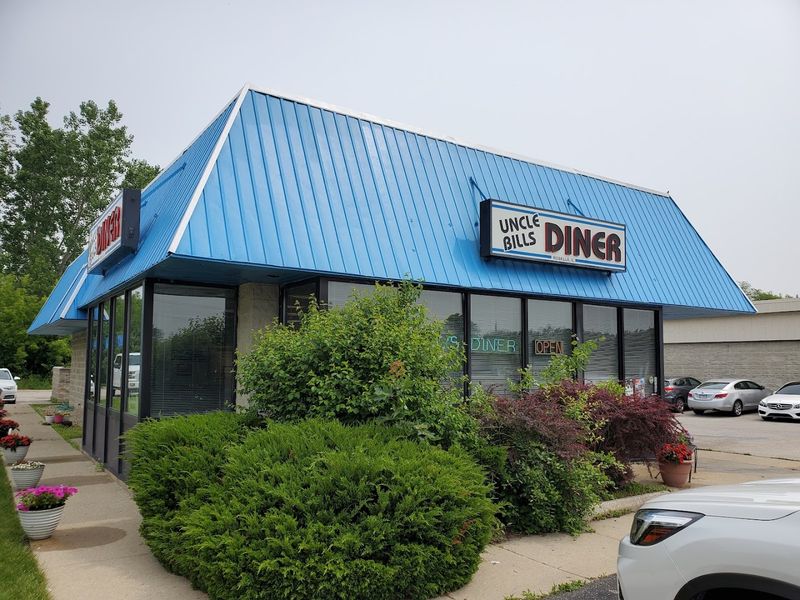
Uncle Bill’s Diner stands out because it narrows the gap between convenience and attachment. On paper, it is a practical local diner with early hours, fair prices, broad comfort-food coverage, and a well-known roadside address in Roselle.
In practice, it offers the kind of detail-rich experience that turns an ordinary meal stop into a place people actively choose over easier, larger, more anonymous alternatives.
The retro styling helps, but style alone would not be enough. The room has personality, the service appears quick and personal, and the menu is broad without becoming confusing.
Add soup with sandwiches, breakfast that starts early, and a compact layout that keeps the whole room connected, and the diner develops a clear operating identity instead of a vague nostalgic mood.
Then there is the patty melt, which functions almost like a local thesis statement. It captures the best parts of the place in one order: classic, griddled, unpretentious, and satisfying in a very specific diner way.
A signature dish matters most when it matches its surroundings, and this one does. It belongs in a room with checkerboard patterns, hot coffee, quick banter, and a regular crowd that already knows where the safe bet is.
That is why the story of Uncle Bill’s does not begin and end with vintage decor or bargain pricing. The diner has enough distinct character to make routine feel sharper.
You can go for breakfast, lunch, coffee, soup, or a casual family meal, but the place keeps pulling the focus back to the essentials done right. In Roselle, that combination gives a small restaurant unusual staying power. And if the patty melt becomes your default order too, nobody there is likely to question the decision.
Share this story