Shopping feels more exciting when the next rack might completely change the plan. In downtown Traverse City, Michigan, Penny Lane gives browsers a more personal kind of treasure hunt with vintage clothing, resale fashion, accessories, and unexpected extras tucked into one small but character-filled stop.
The appeal comes from the mix: affordable finds, local creativity, style with personality, and enough variety to make a quick visit stretch longer than planned. It is not the kind of store where everything feels predictable, which is exactly what makes it fun.
For anyone who likes Michigan shopping stops with charm, surprise, and a little hunt built in, Penny Lane is worth stepping into.
A Front Street stop that pulls you in fast
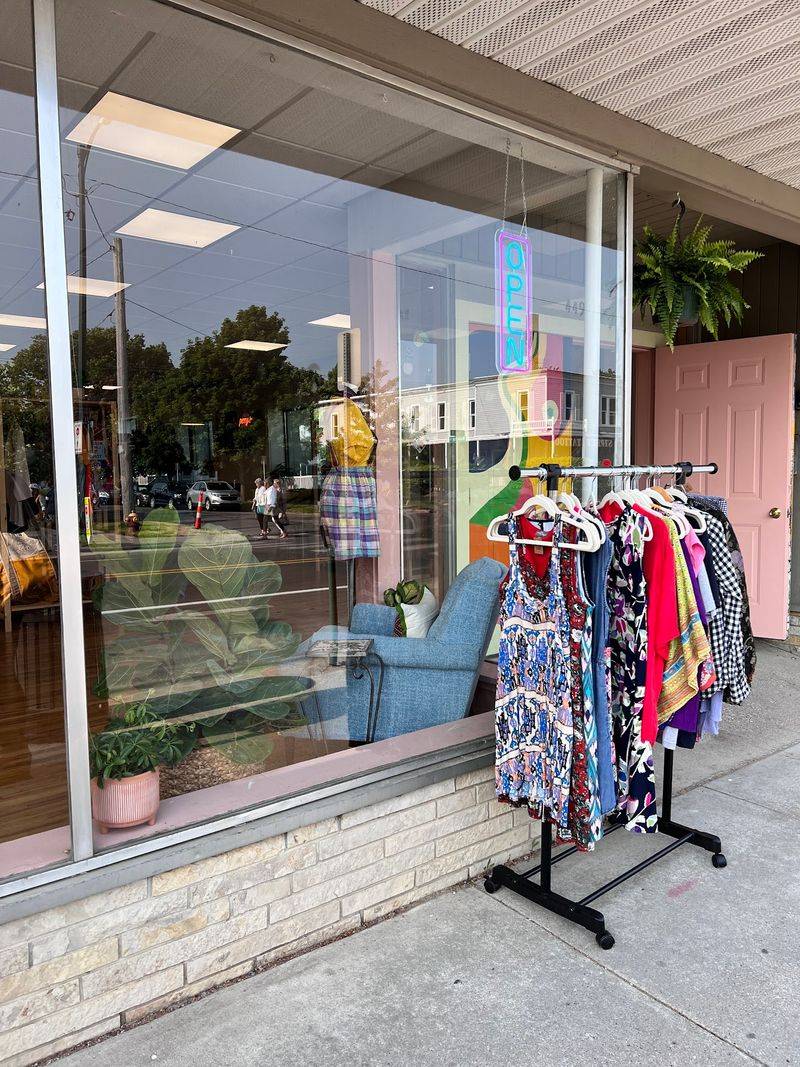
Some stores ask for a long browse before they reveal their charm. Penny Lane gets to the point quickly.
Set on East Front Street in downtown Traverse City, the shop lands in a busy, walkable part of town where restaurants, storefronts, and lake-town energy all mix together, making it an easy place to add to an afternoon out.
The location matters because Penny Lane works best as a discovery. It is the kind of place that catches the eye during a stroll, then turns a simple look inside into a full round of searching through racks, shelves, and booths.
That easy access gives it a steady neighborhood feel instead of a tucked-away destination that requires a major plan.
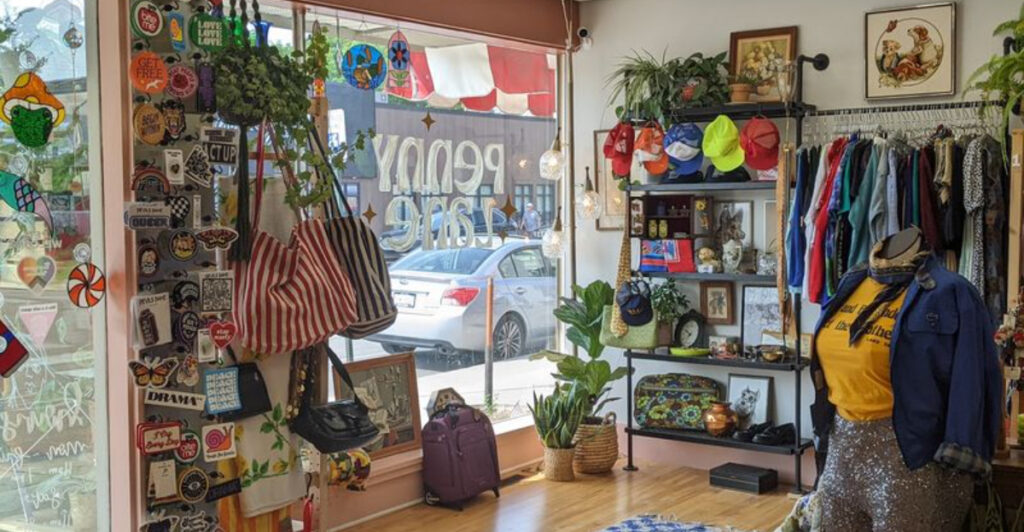
Inside, the store presents a lively setup without looking chaotic. Clothing leads the way, but the layout also hints that the visit will not be limited to one category.
A shopper can move from apparel to accessories, then notice books, home goods, or dishware nearby, which changes the rhythm of the visit and keeps the experience active.
There is also a sense of movement built into the space. Because Penny Lane uses a multi-vendor consignment model, the inventory shifts often, so the store avoids that stale feeling that can settle into secondhand shops with the same stock week after week.
A return visit can look very different from the last one.
That quick visual promise is part of the appeal. The shop signals right away that it is not trying to be a museum-like vintage room or a plain thrift stop.
It is broader, more mixed, and more playful than that, which helps set expectations before a shopper even starts flipping through hangers.
For downtown Traverse City, that makes Penny Lane a strong fit. It is compact enough to feel approachable, varied enough to stay interesting, and placed in a part of town where wandering into a store on impulse still feels like one of the best ways to spend an hour.
Vintage clothing with room for surprises
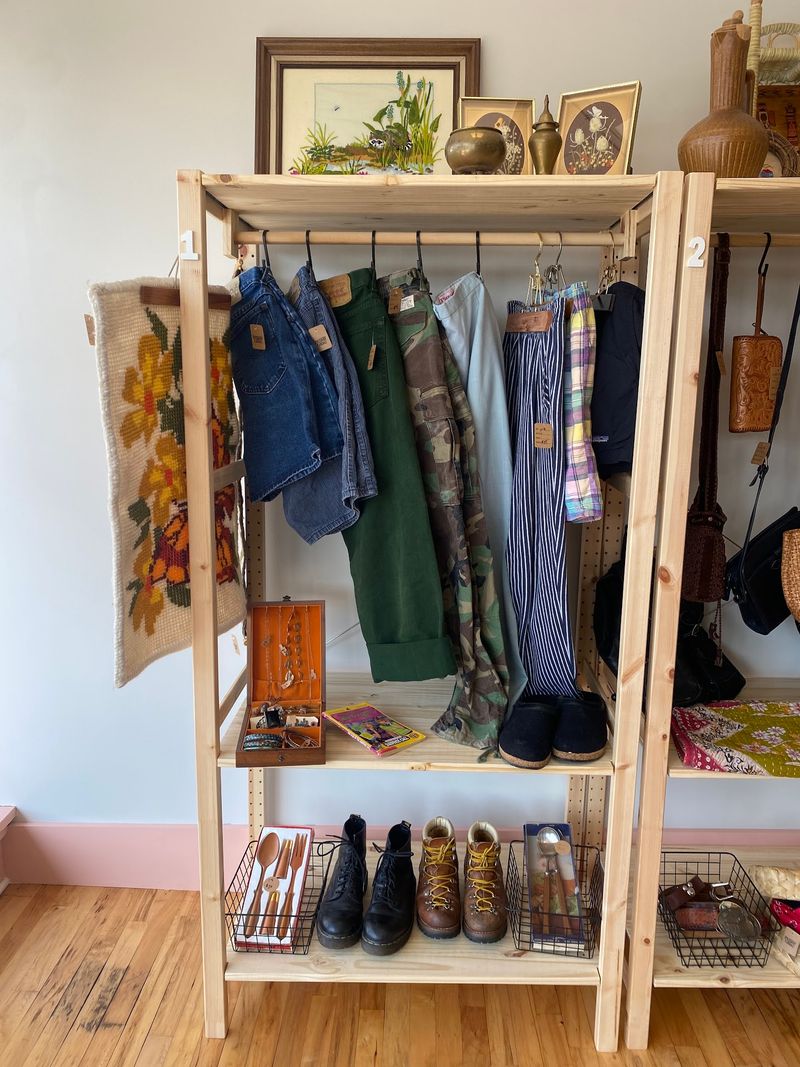
A good vintage shop does not need to be huge to stay interesting. Penny Lane proves that by packing a wide mix of clothing into a smaller footprint, giving shoppers plenty to sort through without making the experience tiring.
The selection leans into vintage and secondhand fashion, yet it also leaves room for newer pieces, handmade items, and everyday wear.
That mix is useful because not every shopper arrives with the same goal. One person may want a standout jacket from another decade, while someone else is hunting for a sweater, a bag, or a simple piece that slips easily into a modern closet.
Penny Lane appears built for both kinds of visits, which broadens its appeal.
The range in price helps too. Review details point to items that can be quite affordable, with pricing set by individual consignors, so the store can offer both budget finds and more special pieces.
That setup gives the racks a less predictable feel, and surprise is part of the fun.
There is also no single uniform style running through the entire floor. Vintage can sit beside bohemian looks, trend-driven pieces, practical basics, or unusual handmade work.
Instead of pushing shoppers toward one fashion identity, the store lets different booths speak in different voices, almost like browsing a row of personal closets with distinct taste.
That variety matters most for people who usually feel boxed out by narrow resale shops. Reports of varied sizes, plus-size finds, and options for both men and women suggest a broader approach than many small boutiques manage.
A shop becomes more welcoming when more people have a real chance of leaving with something that fits.
Penny Lane is strongest when approached with curiosity rather than a strict list. Shoppers looking only for one exact item may miss the bigger reward.
The real pleasure comes from scanning a rack, spotting an unexpected texture or pattern, and realizing the best thing in the store may be the piece nobody planned to buy.
Booths that make every corner feel different
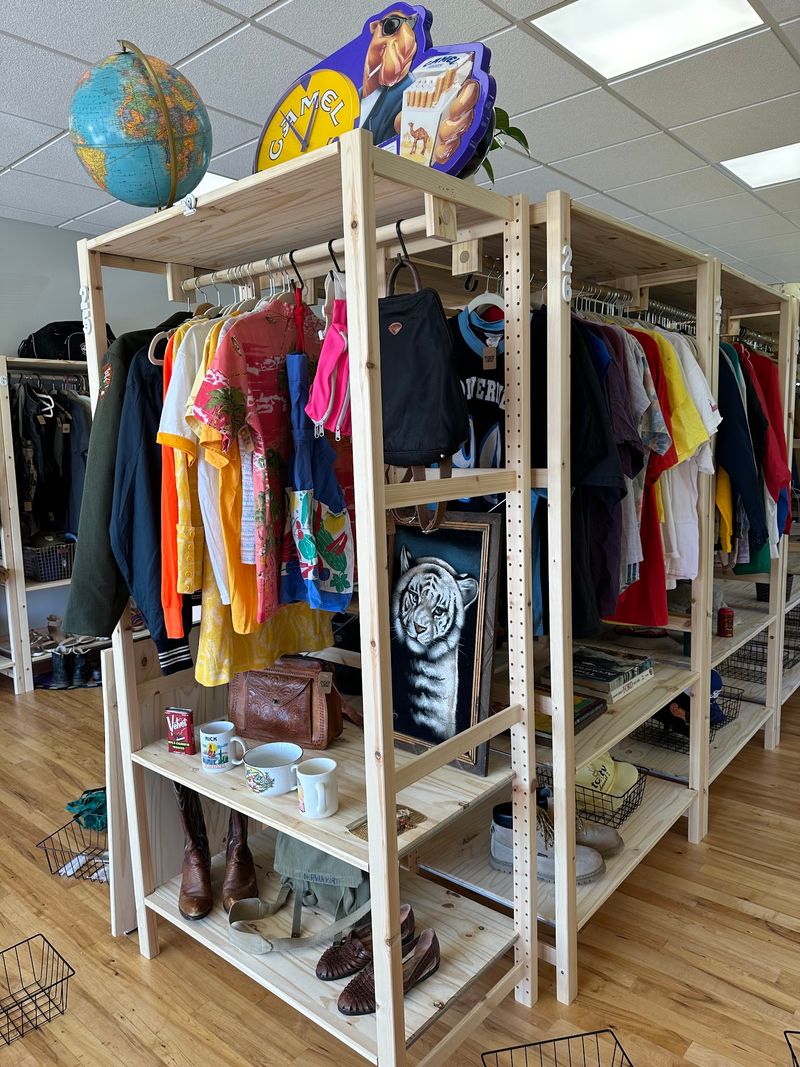
Here is where Penny Lane separates itself from a standard resale store. Instead of one long buying voice shaping every rack, the shop uses individual vendor booths, and that changes the whole experience.
Each booth can carry its own mood, priorities, and style story, so moving through the store feels more like crossing mini worlds than scanning one blended inventory.
That setup keeps browsing from becoming dull. If one booth is heavy on vintage denim and oversized knits, the next may turn toward handmade accessories, polished basics, or quirky home items.
Shoppers do not need to force interest where there is none. They can simply pivot to another booth and reset their attention.
Some vendor spaces even include quick descriptions that help explain what is being sold. That is a small but smart detail.
It saves time, gives personality to the displays, and helps shoppers decide whether to dig deep or move along, which is especially useful in a store with many styles under one roof.
The booth model also supports repeat visits in a practical way. When different consignors restock regularly, the store can change from week to week without needing a full seasonal overhaul.
That constant refresh keeps local shoppers engaged and gives out-of-town visitors a reason to stop in whenever they are downtown.
There is a community angle built into this format too. Booth rental creates space for sellers, makers, and style-minded locals to participate in the shop rather than simply drop off a bag and disappear.
That gives Penny Lane more local texture than a resale store that works entirely behind the scenes.
Most of all, the booth structure makes the treasure hunt easier to enjoy. It breaks a shopping trip into smaller chapters, each with its own visual cues and possibilities.
A shopper can linger in one area, skip another, circle back, and notice something new the second time around, which suits a store built on discovery.
Not only clothes – the treasure hunt widens
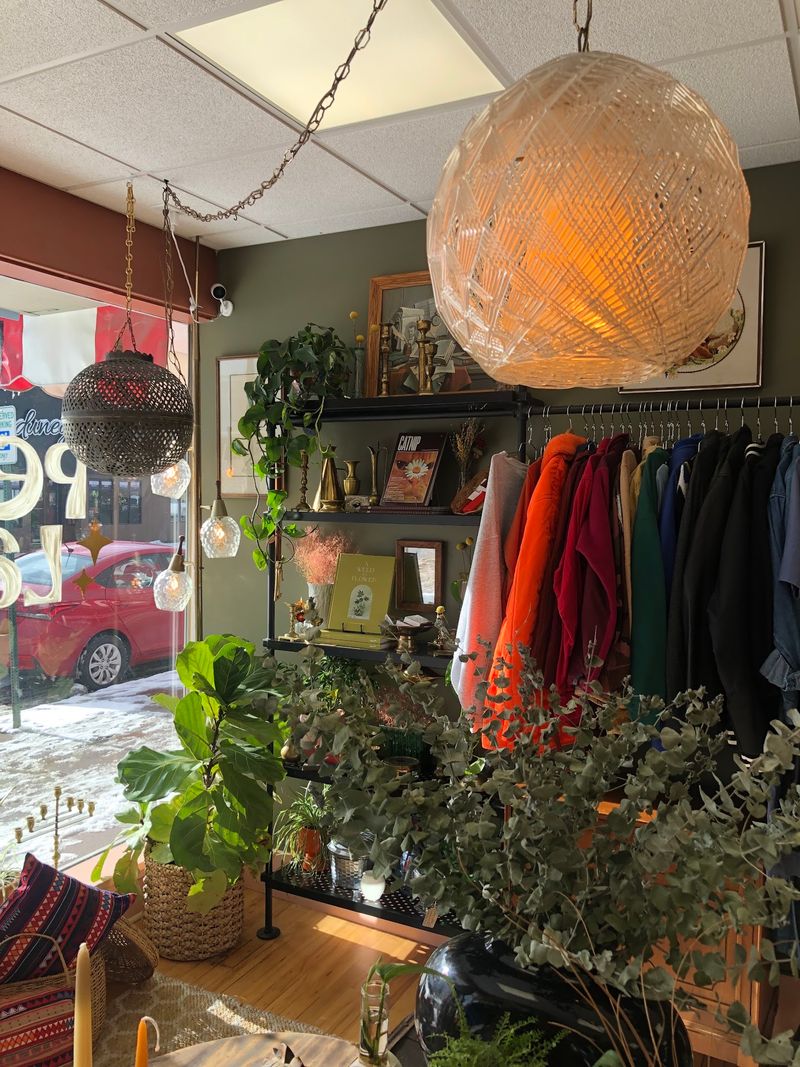
Clothing may be the headline draw, but Penny Lane does not stop at the closet. A browse through the shop can turn up accessories, books, dishware, and home goods, which gives the store a wider personality than a fashion-only stop.
That added variety matters because it changes how people shop once they step inside.
A store with only apparel often creates a straight path: rack, fitting thought, decision, next rack. Penny Lane adds side roads.
A shopper may reach for a sweater, then notice a stack of books, a small serving piece, or a bag with far more character than anything in a chain store. Those detours are part of the fun.
The extras also support the one-of-a-kind promise in the title. Vintage clothing is already personal, but the addition of small objects and decor pushes the hunt further.
Instead of leaving with just a wearable piece, someone might find a useful item for an apartment, a gift, or a quirky object that sparks conversation at home.
That broad mix helps groups shop together too. Not everyone enjoys clothing racks at the same pace, and mixed inventory solves that problem.
One person can inspect jackets while another checks shelves for home items or scans accessory displays, making the store easier to enjoy as a shared stop downtown.
There is a practical benefit as well. Shoppers who come in unsure whether they need clothes may still find something worth carrying out.
The visit does not depend on finding the right size in the right color on the right day. Sometimes the best purchase is a pair of earrings, a dish, or a book that was never on the list.
Penny Lane becomes more interesting because it refuses to stay in one lane. The clothing sets the tone, but the scattered extras widen the experience and make the search less predictable.
In a small shop, that kind of range creates momentum, and momentum is what keeps people checking one more shelf before heading out.
Michigan style with a community heartbeat
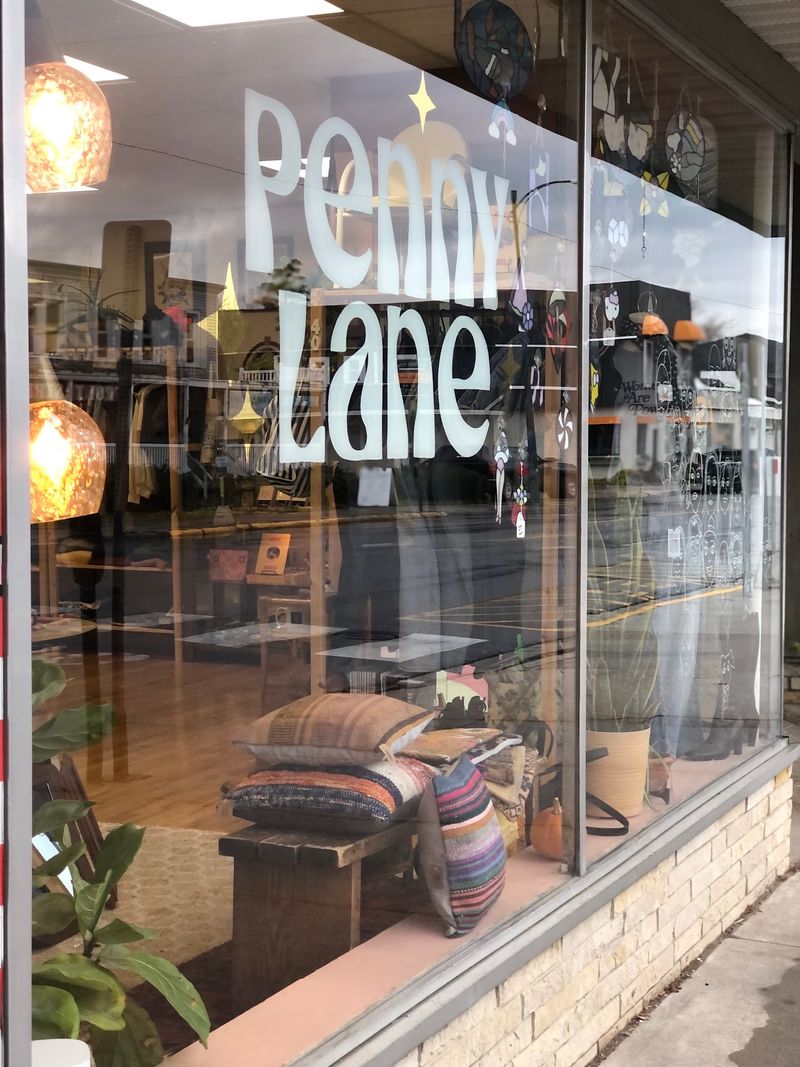
Small stores stand out for more than inventory alone. Penny Lane appears to have built a strong local identity by combining resale shopping with a sense of welcome, and that combination can be harder to create than a good display wall.
A store can have nice clothes and still feel cold. Penny Lane seems to avoid that problem.
Much of that local energy comes through its relationship to vendors and regular shoppers. The multi-vendor setup creates a shared space where local sellers can participate directly, and that gives the store a stronger connection to Traverse City than a shop based only on outside wholesale buying.
The merchandise carries local fingerprints because many booths are shaped by real people from the area.
There is also a clear community-facing tone in how the shop is described. Kind staff, a helpful owner, and an inclusive spirit come up often enough to suggest that the social side of the store matters.
That does not mean the place runs on sentiment alone. It means the shopping environment likely feels easier, less stiff, and more human.
For a consignment business, trust counts. Shoppers want to believe someone is paying attention to what enters the store, and sellers want to feel their work or clothing is being presented well.
Penny Lane seems to balance those needs with oversight from the owner while still allowing different booth personalities to shine through.
That balance is especially valuable in a downtown setting where many shops compete for attention. People can find clothing in plenty of places.
They return to certain stores because the experience is pleasant, the energy is relaxed, and the space supports a wider local network instead of acting like a sealed retail box.
In Michigan towns with strong seasonal traffic, community-minded businesses help anchor the shopping district year-round. Penny Lane contributes to that kind of street life.
It gives locals a place to sell, browse, and reconnect with changing styles, all while keeping the store rooted in the people around it.
How to shop smart when the racks keep changing
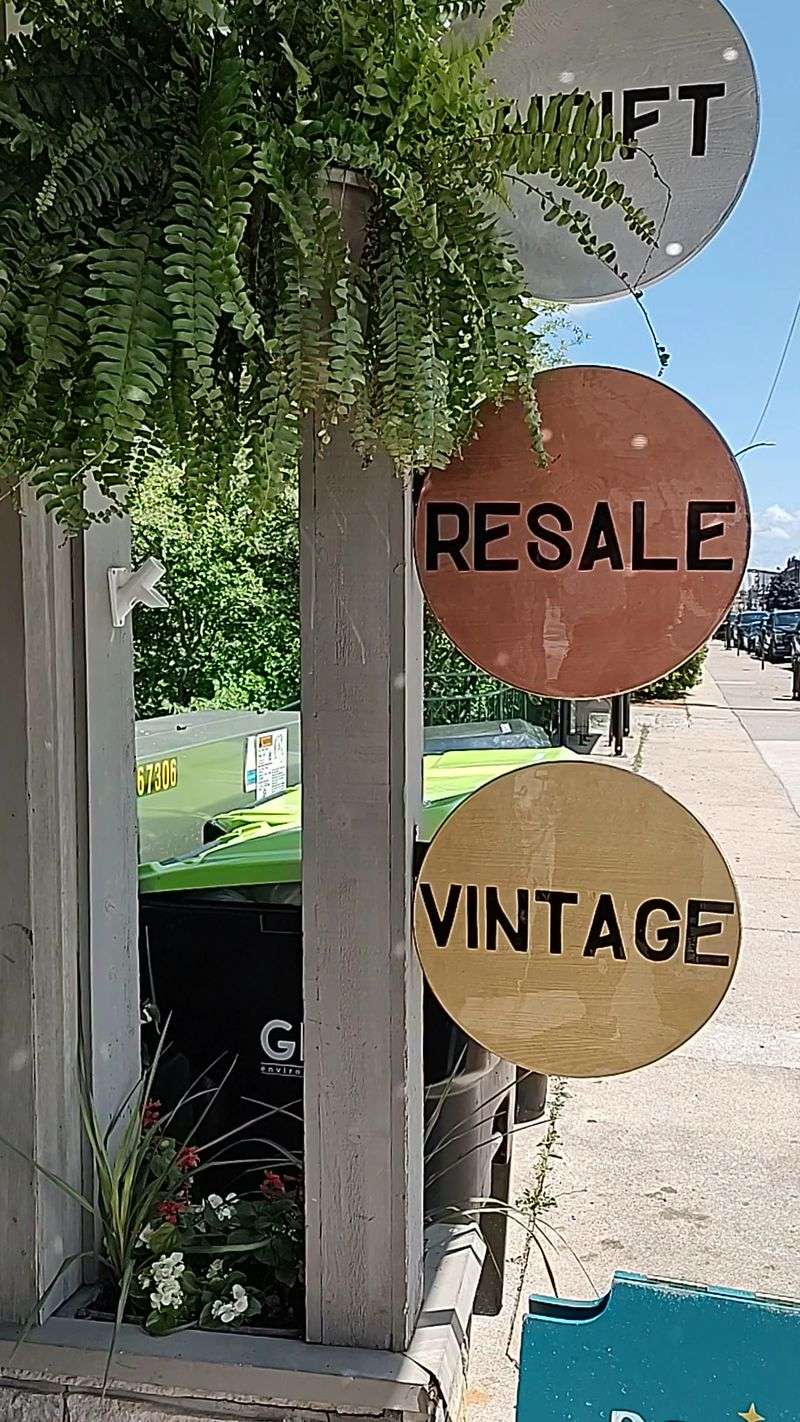
The best way to approach Penny Lane is with flexible expectations. Anyone walking in demanding one exact item may leave frustrated, not because the shop lacks options, but because the inventory changes with vendor restocks and individual consignor taste.
A better plan is to browse with open eyes and let the store surprise you.
Start by scanning the booths instead of diving into the first rack. Since each vendor space can have its own style, a quick loop helps map out where vintage pieces, handmade goods, accessories, or everyday basics are concentrated.
That short survey saves time and makes the visit feel more intentional.
Clothing shoppers should pay attention to quality as much as trend. Penny Lane appears to offer pieces across a range of eras and styles, so the winning find may not be the flashiest item in sight.
A well-made sweater, a strong pair of pants, or a versatile jacket can outlast the thrill of a louder piece bought only for impulse.
It also helps to budget loosely rather than assuming every item will cost the same. Individual vendors set prices, and that means one booth may lean thrift-friendly while another places more value on rarity, material, or curated styling.
Going in with a little flexibility makes the price differences easier to understand.
If driving, give yourself extra time for parking. The downtown location is convenient on foot, but busy shopping areas can require a short walk from a side street.
That is not a drawback so much as part of the rhythm of exploring central Traverse City, where the best afternoon often includes strolling between several stops.
Finally, do not rush the visit. Penny Lane is most rewarding when shoppers linger long enough to notice details they almost skipped.
One booth may look ordinary from a distance, then reveal the exact sweater, bag, or odd little treasure that makes the whole stop feel well spent.
Why Penny Lane stands out in Traverse City
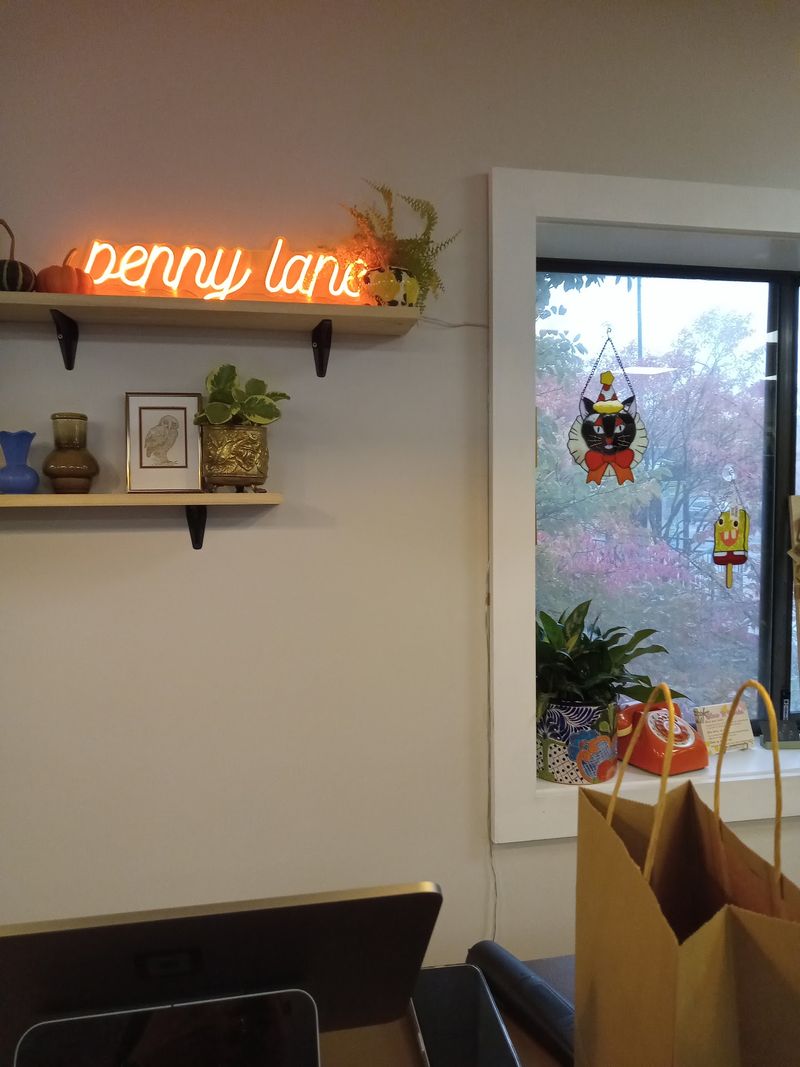
Plenty of resale shops can offer a decent rack of clothes. Penny Lane stands apart by creating a fuller experience inside a modest space.
The store blends vintage fashion, rotating consignment booths, homey extras, and a local-minded spirit, which gives it more shape and personality than a simple secondhand stop.
One reason it works is variety without total disorder. The inventory appears broad, but not careless.
There is room for vintage pieces, trendy wear, handmade goods, accessories, books, and small home items, yet the shop still reads as curated rather than random. That editing matters because a crowded resale store is only fun when browsing still feels manageable.
The booth model adds another layer. It breaks the shop into distinct zones and gives each section a slightly different point of view.
Instead of one flat shopping experience, the visit unfolds in shifts. A booth with polished basics can sit near one with bold textures or retro details, and that contrast keeps attention high.
Penny Lane also seems to understand that resale shopping should be enjoyable, not intimidating. Friendly service, clear organization, and a welcoming downtown setting all help lower the barrier for newcomers who may not usually shop secondhand.
For experienced thrifters, the changing inventory provides enough unpredictability to keep the hunt interesting.
There is a useful honesty to the store as well. It is not presented as a pure vintage archive, and that distinction matters.
Shoppers who understand they are entering an eclectic multi-vendor space will likely get more out of the visit, because they can appreciate the mix instead of expecting one narrow category.
That is the real appeal of Penny Lane in Traverse City. It offers clothes with history, booths with personality, and treasures that stretch beyond fashion, all in a store small enough to feel approachable.
For anyone drawn to pieces with more character than mall basics, it makes downtown shopping a lot more interesting.
Share this story