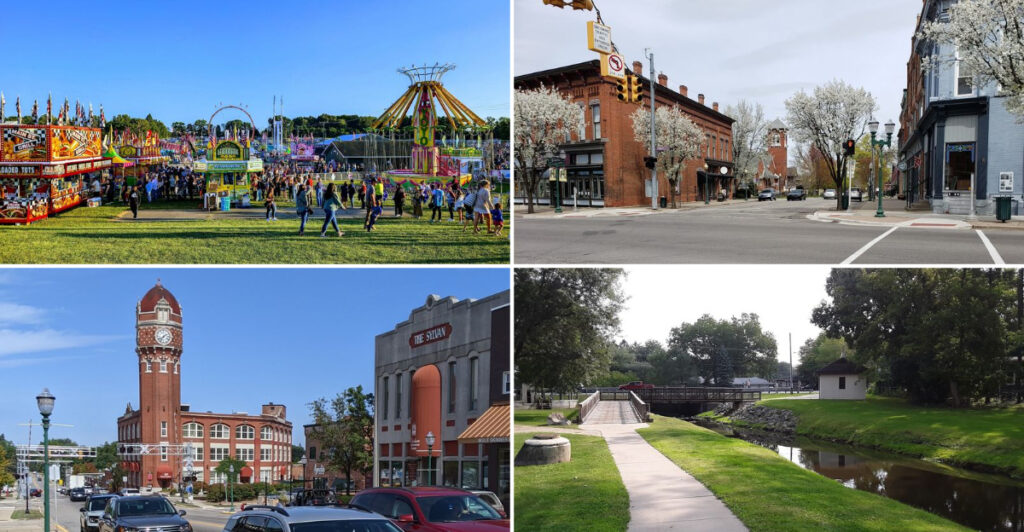
Small towns feel more rewarding when a few easy blocks can lead to a full day of exploring. In Chelsea, Michigan, downtown shops, good places to eat, nearby trails, open land, lakes, and live entertainment all come together in a way that makes the town feel bigger than its size.
The appeal is how naturally the day can shift, from coffee and local browsing to outdoor time and an evening show without feeling rushed. It gives travelers more than one reason to stop, slow down, and see what else is nearby.
For anyone looking for a Michigan town with charm, variety, and plenty packed into a relaxed visit, Chelsea deserves a closer look.
Brick Streets, Storefronts, And A Downtown That Pulls You In
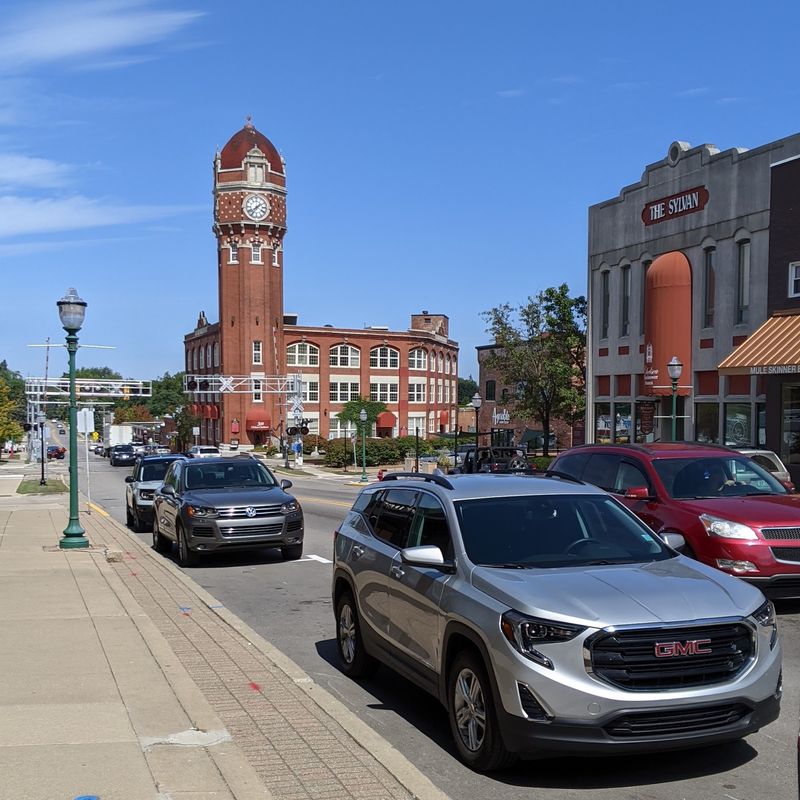
Small towns can blur together on a map, but Chelsea quickly separates itself once the downtown blocks come into view. Historic buildings, brick details, and neatly kept storefronts give the center of town a strong sense of place without turning it into a stage set.
The streets are active enough to feel lively, yet calm enough that a slow walk still makes sense.
Part of Chelsea’s appeal is how easy it is to understand the layout. A visitor can park, step onto the sidewalk, and reach coffee, shops, restaurants, and arts venues within a few minutes.
That convenience changes the mood of a trip because less time goes to driving and more time goes to noticing window displays, seasonal decorations, and the steady rhythm of local life.
Downtown also works well for travelers who do not want a packed schedule. Instead of chasing one giant attraction, Chelsea offers a string of smaller pleasures that build on each other.
A bakery stop can lead into browsing a bookstore, then a walk past public art or a quick seat on a bench before the next errand turns into an outing.
Even practical details help the place shine. The blocks are manageable, the business district is compact, and the pace is friendly to families, couples, and solo travelers.
Nothing about the setting demands expertise or advance planning, which makes the town especially welcoming for a spontaneous stop.
That first impression matters because it sets up everything else Chelsea does well. Food tastes better when a stroll comes first, shopping is easier when stores cluster together, and outdoor plans seem closer when the downtown core already feels relaxed and organized.
Chelsea starts strong simply by being pleasant to move through.
Where Chelsea’s Food Scene Gets Comfort Food Exactly Right

A good food town does not need flashy tricks, and Chelsea proves that with a dining scene built around comfort, care, and variety. The best part is how naturally meals fit into the flow of the day.
Breakfast can start with coffee and something baked, lunch can be casual and quick, and dinner can stretch longer without feeling formal.
That range gives Chelsea broad appeal. Families can find familiar choices, day-trippers can grab an easy bite between stops, and couples can settle into a more polished evening meal after shopping or a show.
Instead of one signature food carrying the town, several kinds of places work together, which makes the dining scene more useful and more fun.
Another strength is scale. Restaurants in a town like Chelsea often feel personal rather than oversized, so details such as a chalkboard menu, a corner booth, or a dessert case become part of the experience.
Those small touches matter because they create meals that suit the town itself, approachable, unhurried, and rooted in everyday pleasure.
Travelers do well by pacing their appetite here. A lighter lunch leaves room for an afternoon treat, and an early dinner opens the door to a performance or evening walk downtown.
Planning that way turns food from a single stop into a thread that runs through the whole visit.
Season also plays a role. Soup and warm drinks pair nicely with cooler months, while patios and cold treats make warmer days easy to enjoy.
Chelsea’s dining strengths are not about chasing novelty at every turn. They come from dependable quality, inviting rooms, and the simple fact that eating well is woven into the town’s regular rhythm.
Shop Windows, Book Corners, And Finds You Did Not Plan On Buying

Shopping in Chelsea works best when there is no strict agenda. The downtown business district invites the kind of browsing that starts with one simple stop and turns into a longer walk through gifts, books, clothing, home goods, and seasonal displays.
That loose, curious style fits the town well because the stores are close together and easy to enter on a whim.
Independent retail adds texture that bigger commercial strips often miss. A window arrangement can reveal a shop’s personality before the door even opens, and inside, the choices usually feel selected rather than stacked.
That changes the energy of shopping. Instead of racing aisle by aisle, visitors tend to slow down, compare details, and spot items with a stronger local character.
Chelsea also benefits from scale here, just as it does with dining. A compact downtown means bags do not become a burden, and it is easy to pause for coffee between stores or circle back later.
Browsing becomes part of the day rather than a separate mission.
For travelers, the smart move is to mix practical purchases with one item that captures the trip. A cookbook, a kitchen piece, a book, or a small Michigan-made gift can carry more meaning than a generic souvenir.
Chelsea’s shops lend themselves to that kind of find because they feel tied to real local routines, not just tourist traffic.
The experience also suits mixed groups. One person can search for clothes or decor while another gravitates to reading material or specialty goods, then everyone meets back on the sidewalk.
That flexibility keeps the outing pleasant. In Chelsea, shopping is less about checking off stores and more about enjoying the visual variety, the manageable pace, and the quiet thrill of leaving with something unexpected.
A Theater Town in Michigan With Real Local Identity

Not every town of Chelsea’s size has a strong arts identity, which is one reason the place stands out. Creative life is part of the town’s public face, and that shapes the mood even for travelers who do not arrive with a theater ticket in hand.
The downtown setting already hints at it, with a sense of culture that goes beyond shopping and meals.
Chelsea is closely linked with live performance, and that connection gives the town an extra layer of depth. A theater outing changes the pattern of a visit because it encourages people to arrive early, dine nearby, walk after dark, and see the downtown blocks in a different light.
Restaurants become pre-show gathering spots, sidewalks stay active into the evening, and the town gains a stronger after-hours pulse than many small destinations.
Arts activity also helps explain why Chelsea can feel more rounded than a quick roadside stop. The town offers recreation and retail, but it also provides a reason to slow down and pay attention.
A poster in a window, a conversation on the sidewalk, or the steady stream of theatergoers adds movement and purpose to the whole district.
Visitors do not need deep knowledge of the performing arts to benefit from this side of Chelsea. Even simply planning dinner around a showtime brings structure to the day and makes the town feel fuller.
Those who prefer a daytime visit still catch the spillover effect in the form of a lively downtown and a civic identity shaped by creativity.
That artistic thread matters because it keeps Chelsea from being one-note. Food and shopping may first bring travelers in, but the town’s cultural backbone gives the visit more shape.
It adds evening energy, local pride, and a clear sign that Chelsea invests in more than convenience. It invests in expression, gathering, and shared experience.
Trails, Water, And Wide Skies Just Beyond The Main Blocks
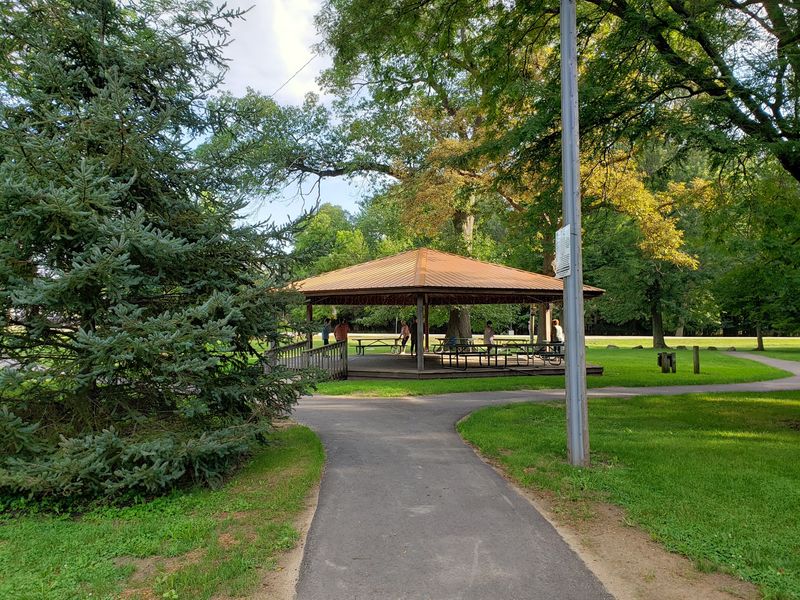
After a few downtown blocks, Chelsea opens outward in a very different way. The area around town gives travelers access to the kind of outdoor time that can be as active or as easygoing as they want.
That matters because a visit does not have to choose between indoor pleasures and fresh air. Chelsea makes room for both.
Nearby trails and recreation areas help shape the town’s broader appeal. Walkers, cyclists, and nature lovers can add woods, water, and open views to a day that may have started with breakfast on Main Street.
The shift in scenery is one of Chelsea’s strongest advantages. In a short span, the setting moves from storefronts and sidewalks to lakes, trees, and paths.
Outdoor plans here work best when kept realistic. Comfortable shoes, a water bottle, and a little extra time are often enough for a satisfying outing.
Travelers do not need extreme adventure to enjoy the landscape. A casual trail walk, a scenic drive, or a quiet stop near the water can reset the whole pace of the day.
Families especially benefit from this balance. Kids who have spent time in shops or restaurants usually welcome room to move, while adults get a break from screens, noise, and tight schedules.
The region around Chelsea supports that kind of reset without requiring a long detour.
Weather changes the experience in useful ways. Warm months favor hiking, biking, and lake views, while cooler seasons bring color, sharper air, and a different kind of beauty along the trails.
Even a short outdoor stretch can make the town visit feel more complete.
Chelsea’s outdoor side is not an afterthought attached to downtown. It is part of the reason the town functions so well as a day trip or weekend stop.
Good food and shopping pull people in, but nearby natural space gives them room to breathe before heading back for dinner.
How To Build the Best Day in Chelsea Without Rushing It

The smartest way to enjoy Chelsea is to let the town set the pace. Trying to overpack the day can flatten the charm, while a simple sequence of food, browsing, and outdoor time gives each part room to breathe.
Chelsea rewards visitors who move with intention but not hurry.
A morning start usually works best. Downtown is easier to navigate before the middle of the day gets busier, and breakfast or coffee creates a natural first stop.
After that, shopping fits neatly into the late morning because the blocks are compact and stores are close enough to explore without constant backtracking.
Lunch acts as a useful pivot point. It breaks up the retail stretch and helps travelers decide what comes next, more downtown time, a nearby trail, or a scenic drive through the surrounding area.
That flexibility is one of Chelsea’s quiet strengths. The town does not force a single perfect itinerary.
Afternoon is ideal for outdoor plans, especially if the weather is pleasant. A walk near water or through wooded trails adds contrast after indoor browsing and dining.
Then, returning to town for dinner makes the whole day feel connected rather than split into separate trips.
Evening can go in two directions. Some visitors may prefer dessert and a calm stroll past lit storefronts, while others can shape the night around a live performance and a later meal.
Both approaches work because Chelsea keeps its attractions close enough together to stay convenient.
For practical planning, comfortable walking shoes help more than almost anything else. Parking once and exploring on foot saves effort, and leaving a little unscheduled time allows for impulse stops that often become the best part of the visit.
Chelsea is at its best when the day has structure, but still leaves room for a bakery case, a bookstore shelf, or a trailhead to change the plan.
Why Chelsea Works So Well as an All-in-One Escape
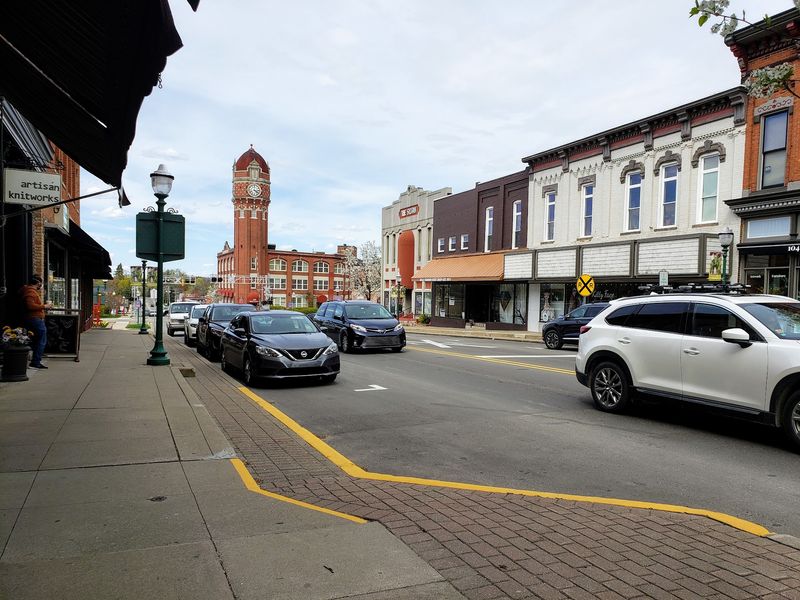
Some towns are built around one standout feature, then ask visitors to fill in the gaps on their own. Chelsea is more balanced than that.
The appeal comes from how well the parts connect, with dining, shopping, arts, and outdoor access all supporting each other instead of competing for attention.
That balance makes the town easy to recommend to different kinds of travelers. A couple can build a date-day around lunch, local stores, and a performance.
Families can split time between downtown treats and nearby trails. Friends can make it a flexible meet-up spot where no one gets stuck doing only one type of activity.
Chelsea also benefits from being manageable. Bigger destinations sometimes spend their energy on traffic, long parking searches, and constant decision-making.
Here, the compact layout keeps the day moving. A good trip does not depend on perfect timing or insider knowledge, which lowers the pressure and raises the odds of a pleasant visit.
The town’s strongest quality may be its sense of proportion. Nothing seems oversized for the sake of attention, yet the experience never feels thin.
Meals are part of the setting, stores add personality, and nearby open space keeps the visit from turning too enclosed. Even the arts scene strengthens that mix by giving the town life beyond daylight shopping hours.
For travelers in southeast Michigan, Chelsea offers a useful reminder that a smaller place can still provide a full day out. It does not need giant attractions to hold interest.
Instead, it succeeds through connection, variety, and a pace that welcomes wandering.
That is why Chelsea stands apart. Not because one block or one restaurant does all the work, but because the town layers several satisfying experiences into a compact, accessible package.
Eat well, browse a little, step outside, and the shape of the visit comes together naturally. Chelsea makes that blend look easy, which is harder to do than it seems.