Somebody buys kimchi here in the biggest tub on the shelf, and it lasts their household about a month. That tells you plenty. This little market makes its own kimchi, and people plan whole trips around it.
The homemade lineup goes beyond napa cabbage. Radish kimchi, green onion kimchi, and bellflower root all make an appearance. A dried squid side dish sits nearby for anyone feeling adventurous.
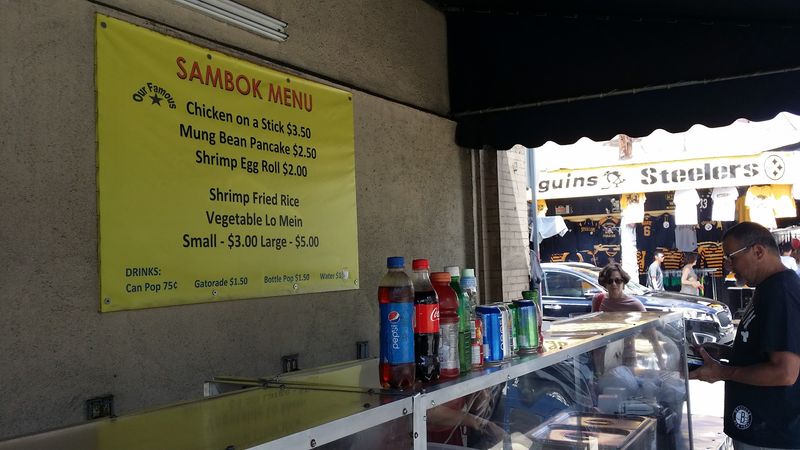
Then there’s the griddle out front. Mung bean pancakes come off it hot, and the chicken on a stick has serious fans of all ages. I like how one small Pennsylvania storefront handles groceries, banchan, and street food in one stop.
I can’t imagine leaving with just one thing. Honestly, who could? The real question is how much fridge space you’re willing to give up.
1. The Kimchi Is The Main Event, And It Knows It
Plenty of shops sell kimchi, but few make their own and build a reputation on it.
Sambok Korean Groceries in Pittsburgh has done exactly that for decades.
The homemade kimchi comes in containers of different sizes.
That matters, because first-timers can start small and work their way up.
Some shoppers end up grabbing the largest container every single trip.
Classic napa cabbage kimchi is the headliner here.
It brings that tangy, garlicky, peppery bite that makes plain rice suddenly interesting.
A spoonful can wake up eggs, noodles, or even a grilled cheese sandwich.
Daikon radish kimchi gets its own loyal following too.
The radish cubes offer a crunchier option for anyone who likes texture with their spice.
It’s a smart pick if you’ve only ever tried the cabbage kind.
Vegetarian kimchi options are also available, which opens the door for plant-based eaters.
Traditional kimchi often uses fish sauce or seafood, so that choice is genuinely useful.
Here’s a practical tip for you.
Kimchi keeps fermenting in the fridge, so its flavor grows sourer and bolder over time.
Buy a little more than you think, then taste how it changes each week.
2. Side Dishes That Turn A Plain Dinner Into A Korean Spread
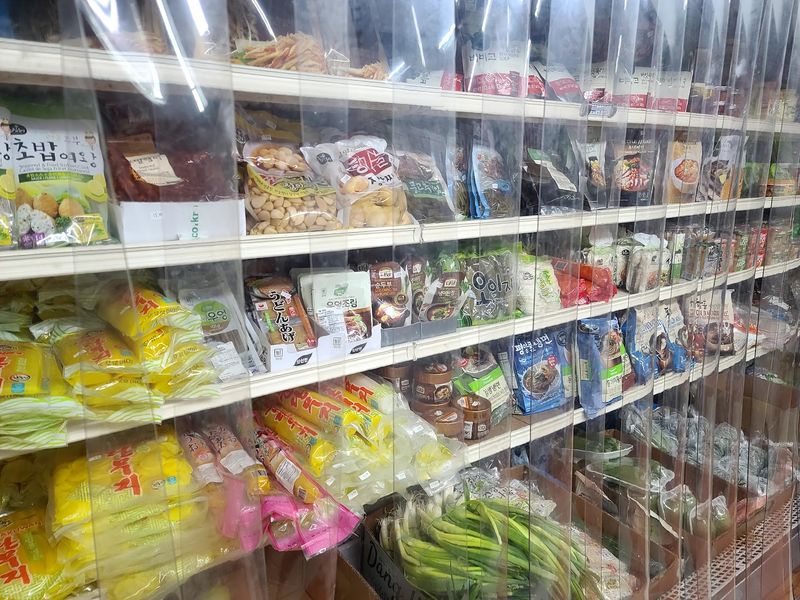
Korean meals usually arrive with a crowd of little plates called banchan.
These small side dishes are meant for sharing, sampling, and refilling.
The homemade banchan at this market makes that experience easy to bring home.
Green onion kimchi offers long, tender scallions coated in spicy seasoning.
It’s punchy, so a little goes a long way.
Bellflower root shows up as another option.
The root, called doraji in Korean, has a slightly chewy bite and a mild earthy taste.
It’s common in Korean home cooking but rarely spotted in regular supermarkets.
Then comes the dried squid side dish.
Shredded squid gets a sweet and spicy coating that makes it oddly snackable.
Fans of jerky might find a new favorite here.
Pickled radish rounds out the list for many shoppers.
It adds a cool, crisp contrast next to richer foods.
Want a simple plan?
Cook a pot of rice, grill some meat or tofu, and set out three or four banchan.
Suddenly a Tuesday dinner looks like a restaurant table, and you barely lifted a knife.
3. The Griddle Out Front Deserves Its Own Fan Club
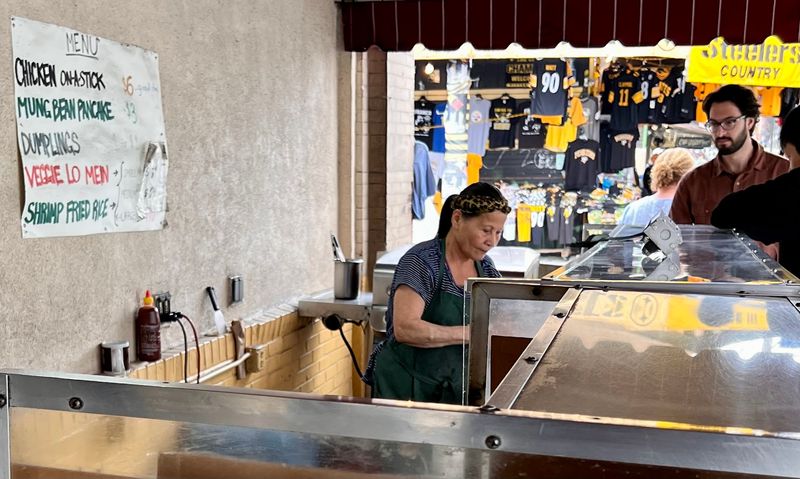
Golden, crispy, and loaded with vegetables, the mung bean pancake is the star of the food stand outside.
It’s the snack that makes people stop mid-sidewalk.
Known in Korean as bindaetteok, these pancakes use ground mung beans instead of wheat flour.
That gives them a unique texture, crisp on the edges and soft inside.
Some describe the center as almost custard-like.
They also carry a pleasant amount of spice.
Not enough to scare anyone off, just enough to keep you reaching back for more.
The pancakes are big, but one often isn’t enough.
Plenty of folks grab extras to take home and reheat later.
A hot skillet brings back that crispy edge nicely.
Timing helps here.
The stand is an outdoor setup, so a nice-weather day makes the whole experience better.
Eating a hot pancake while browsing the Strip District feels like a mini food festival.
One more tip from the obvious department.
Grab napkins, because these pancakes are best eaten right away, while they’re still steaming and a little messy.
4. Small Store, Shockingly Packed Shelves
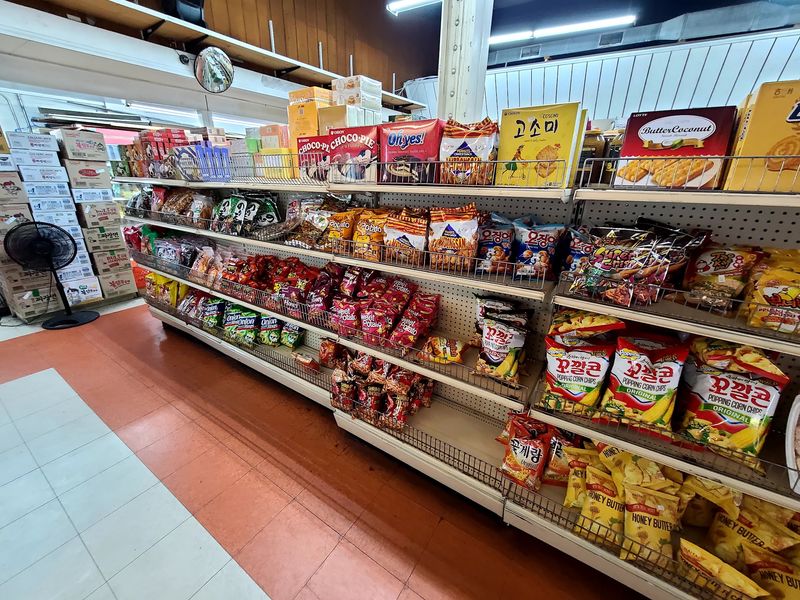
Compact spaces can hold surprises.
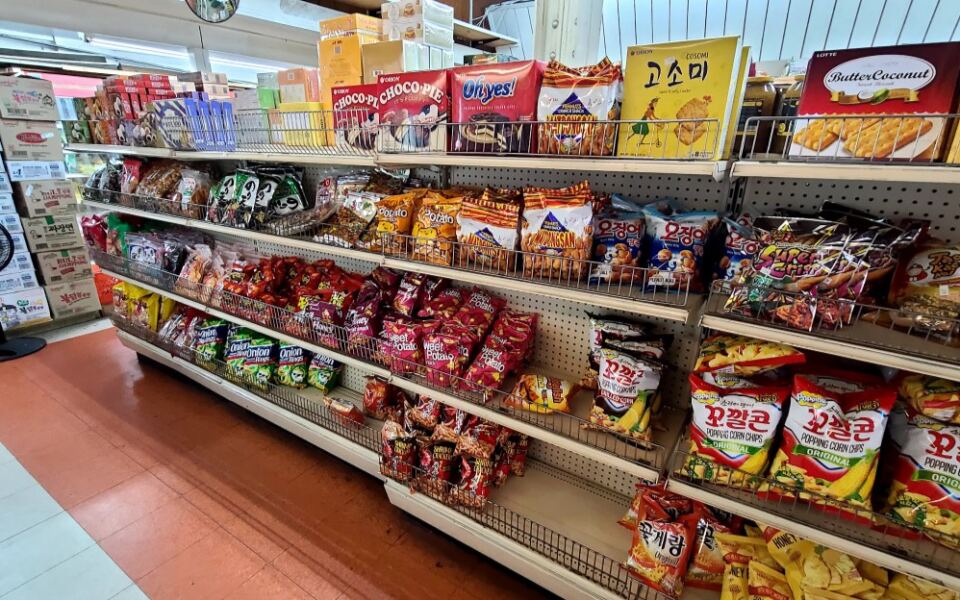
This one holds a ridiculous amount of ramen.
The instant noodle selection here runs deep, with many brands and flavors lined up.
Spicy, mild, brothy, or saucy, there’s likely a pack that fits your mood.
Ramen lovers could try a new kind every week.
Furikake gets serious shelf space as well.
This Japanese rice seasoning mixes things like sesame seeds and seaweed.
The selection is huge, so you can sprinkle a different flavor on rice every night.
Snacks fill the gaps between the cooking basics.
Chips, crackers, and sweets from across Asia make great road trip fuel.
They’re also a fun way to explore flavors without committing to a whole recipe.
Frozen foods add even more options.
Dumplings and other ready-to-cook items stack up in the freezers for quick weeknight meals.
My advice?
Walk every aisle slowly, even if the store seems small.
Items hide on top shelves and lower corners.
A quick lap often turns into a basket full of things you didn’t know you needed.
5. Home Cooks, Your Korean Pantry Starts Right Here
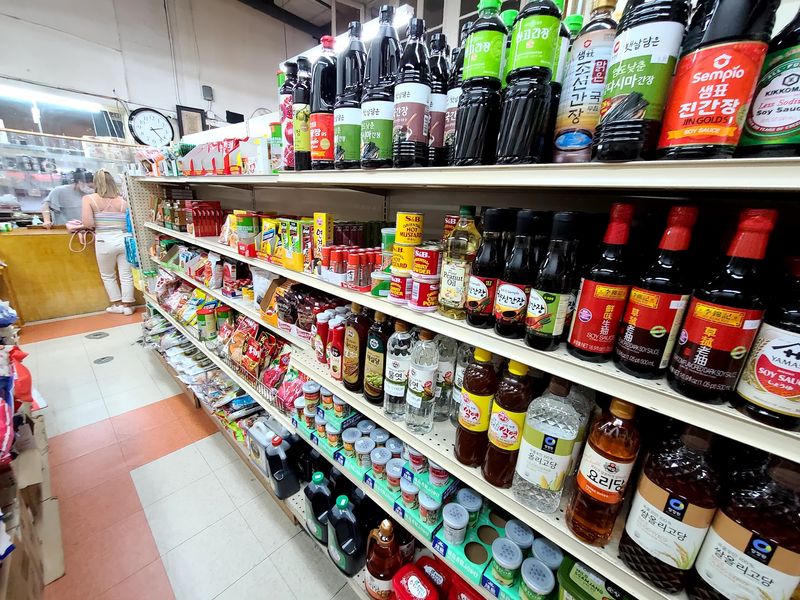
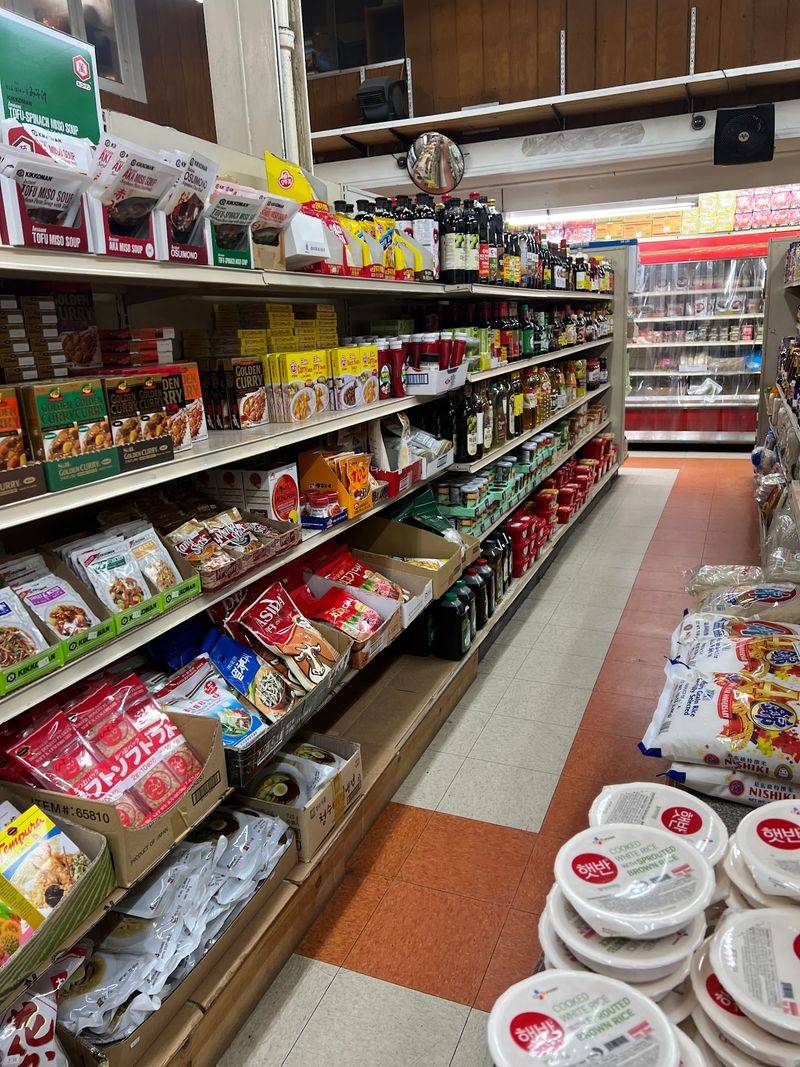
Gochujang is the red pepper paste behind countless Korean dishes.
You’ll find it here, along with many of the other basics serious cooks need.
That makes this market a lifesaver for anyone tired of hunting through big supermarkets.
Finding the right ingredient is one of the most common reasons people stop by.
Even a hard-to-find sauce can turn up on these shelves.
Fresh produce lines up too.
Asian pears are crisp, juicy, and much rounder than regular pears.
They’re also used in Korean marinades because they help tenderize meat.
For adventurous home projects, the store carries nuruk.
This traditional fermentation starter has deep roots in Korean kitchens.
It’s a sign this place stocks more than just the easy stuff.
Kimchi makers have even found onggi here before.
These are traditional Korean clay fermenting jars, a classic tool for long-term storage.
Bring a list if you’re cooking a specific recipe.
Snap photos of labels or packaging you need, since many products show Korean writing.
The staff can help point you in the right direction.
6. Friendly Faces Make Every Visit Feel Personal
Warmth is hard to fake, and it’s a big part of what keeps this market busy.
Sambok Korean Groceries is a family-run shop with a welcoming spirit.
The owners and staff have built a reputation for being kind and helpful.
Smiles at the register are pretty much standard.
Many people describe the folks working here like favorite aunties and uncles.
That friendliness pays off in practical ways.
Staff members have offered kimchi-making advice to curious shoppers.
They’ve also carefully packed fragile purchases so they make it home safely.
New to Korean cooking?
Don’t be shy about asking a question.
Explaining what dish you want to make can lead you to the right sauce, noodle, or side dish.
This personal touch is what separates a small shop from a giant chain.
You’re not just grabbing groceries off a shelf.
You’re getting a little guidance from people who clearly care about the food.
A simple thank-you goes a long way here too.
Kindness tends to travel in both directions, and good conversations make shopping more fun.
7. A Family With Deep Roots In Pittsburgh Korean Food
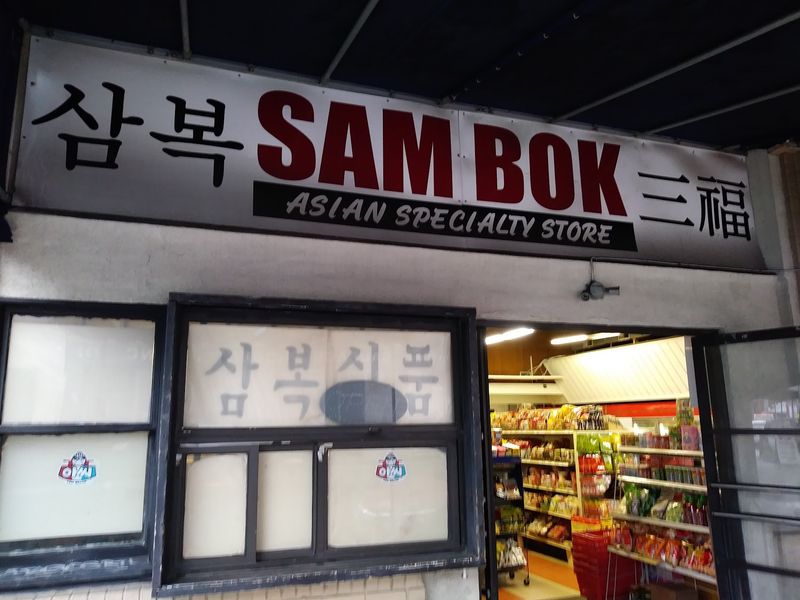
Back in 1986, Pittsburgh got its first Korean restaurant.
It was called Young Bin Kwan, and it opened in Bloomfield as a fusion spot.
The person behind it was Strip District grocery owner Sam Bok.
That name probably sounds familiar by now.
It ties this little market to a surprisingly important piece of the city’s food history.
The grocery store was operating in Pittsburgh’s Strip District by at least 1998.
That means nearly 40 years of kimchi, ramen, and side dishes for Pennsylvania shoppers.
Think about how much has changed since then.
Korean food has gone from rare to wildly popular across America.
Back then, finding gochujang in Pittsburgh was a real challenge.
Shops like this helped make Korean flavors part of everyday life here.
Some customers have been coming for more than 20 years, which says a lot about consistency.
Next time you grab a container of kimchi, remember the long story behind it.
You’re supporting a business that helped introduce a whole city to Korean cooking.
8. Plan Your Strip District Stop Around This Address
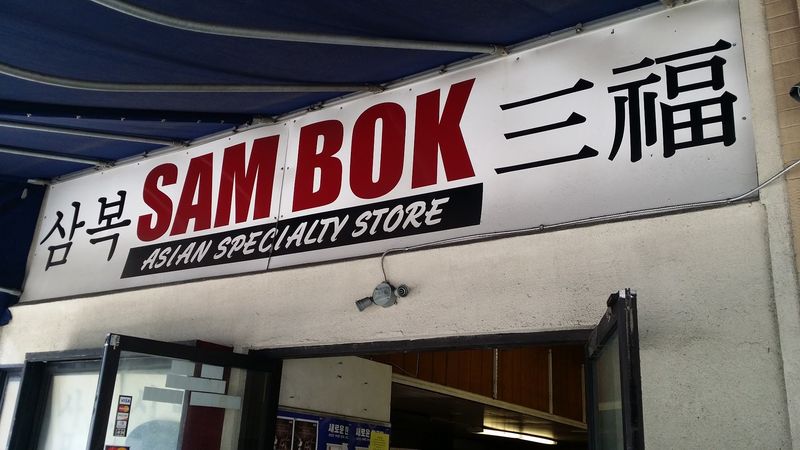
Penn Avenue is the heart of Pittsburgh’s Strip District, a neighborhood packed with food shops and markets.
You’ll find this Korean market at 1735 Penn Ave, Pittsburgh, PA 15222.
Hours are easy to remember.
The store opens at 8 AM and closes at 6 PM, every day of the week.
Early birds can shop before the neighborhood gets busy.
That early opening is handy for planning.
Grab your kimchi and groceries first, then explore the rest of the Strip.
Just remember to bring a cooler bag if you’ll be out a while.
Visitors come from all over Pennsylvania to stock up.
Some have driven across the state just for the kimchi.
A cooler makes those long drives home much easier.
Weekends in the Strip District can get lively.
If you prefer elbow room, a weekday morning may suit you better.
Pair your visit with a hot snack from the stand out front.
Then stroll Penn Avenue with a pancake in one hand and a bag of groceries in the other.
That’s a very good Pittsburgh morning.
Share this story