

Tucked into the rolling hills of East Tennessee, Oak Ridge looks like any other charming Southern town, but its past is anything but ordinary. During World War II, this city was built in secret as part of the Manhattan Project, the top-secret program that developed the atomic bomb. For decades, residents lived behind fences and security checkpoints, unable to tell even their families what they were working on.
Today, Oak Ridge stands as a living monument to one of history’s most dramatic chapters, blending Cold War intrigue with modern-day science and Southern hospitality.
The Tennessee Town With a Past Unlike Anywhere Else
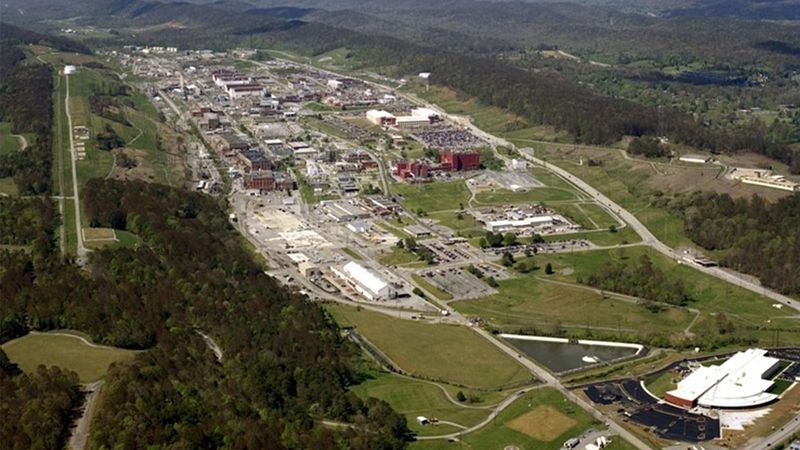
Oak Ridge didn’t exist on any map before 1942. The federal government quietly bought up farmland, relocated entire communities, and built a city practically overnight. Nobody outside the project knew what was happening behind those guarded gates.
At its peak, Oak Ridge housed over 75,000 people working on uranium enrichment for the atomic bomb. Workers lived in hastily constructed dormitories and prefab homes, shopping at government-run stores and attending makeshift schools. Most had no idea what they were actually building.
Security was intense. Mail was censored, phone calls monitored, and loose talk could get you fired or worse. Billboards around town reminded everyone that “loose lips sink ships.” Families lived side by side for years without discussing their work.
The secrecy didn’t end with the war. Throughout the Cold War, Oak Ridge remained a restricted city, continuing nuclear research and weapons production. Even today, parts of the Oak Ridge National Laboratory remain off-limits to the public.
Walking through Oak Ridge now, you can still see remnants of that secretive past. Original Manhattan Project buildings stand alongside modern research facilities, creating a unique timeline of American scientific achievement and wartime urgency frozen in one remarkable place.
How Oak Ridge Became Part of American History

General Leslie Groves needed three things: isolation, access to electricity, and space. Oak Ridge checked every box. The nearby Norris Dam provided massive amounts of power, the Appalachian ridges offered natural security barriers, and the rural location kept prying eyes away.
Construction began in late 1942 with shocking speed. Bulldozers cleared forests, concrete poured day and night, and entire neighborhoods appeared within weeks. The K-25, Y-12, and X-10 facilities rose from farmland, each using different methods to enrich uranium or produce plutonium.
Scientists, engineers, and laborers flooded in from across America. Many were young women recruited for technical work they couldn’t discuss. Calutron operators monitored dials and adjusted knobs without knowing they were separating uranium isotopes.
The work was tedious, precise, and absolutely critical.
When the bombs dropped on Hiroshima and Nagasaki in August 1945, Oak Ridge residents finally understood what they’d built. Reactions ranged from pride to horror, but everyone recognized they’d participated in something world-changing.
After the war, Oak Ridge transitioned from weapons production to peaceful research. The facilities that once made bomb material now tackle cancer treatment, climate science, and supercomputing.
Why This Quiet City Still Fascinates Visitors Today
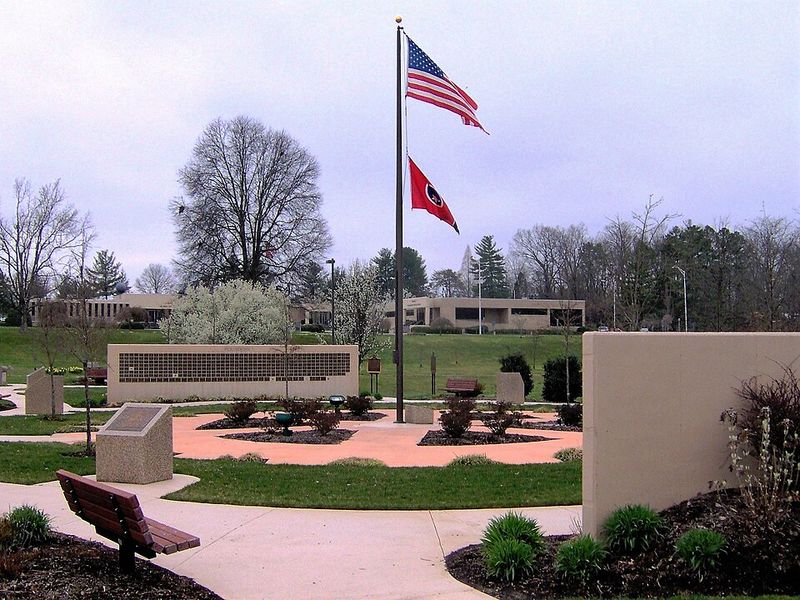
Most cities fade into history books, but Oak Ridge keeps reinventing itself. The same scientific curiosity that split the atom now powers some of the world’s most advanced research. Visitors come expecting dusty wartime relics and discover a thriving hub of innovation instead.
The American Museum of Science and Energy brings the Manhattan Project era to life without sugarcoating its complexity. Interactive exhibits let you explore the science behind nuclear fission, see actual equipment from the 1940s, and grapple with the moral questions that still echo today.
Oak Ridge National Laboratory continues pushing scientific boundaries. While much of the facility remains restricted, public tours offer glimpses into cutting-edge research on everything from quantum computing to advanced manufacturing. Seeing where history was made and where it’s still being written creates a powerful connection.
The city itself feels different from typical Tennessee destinations. There’s an intellectual energy here, a pride in scientific achievement that permeates everything. Coffee shops host discussions about physics, local art reflects atomic-age aesthetics, and residents genuinely love talking about their town’s unique heritage.
Here, the past isn’t locked away in museums; it’s woven into everyday life, creating a destination unlike anywhere else in the South.
The Hidden Stories That Shaped Oak Ridge
Behind the official history are thousands of personal stories that rarely make headlines. Young women operated complex machinery while their brothers fought overseas. African American workers faced both wartime urgency and Jim Crow segregation.
Families sacrificed normalcy for a cause they couldn’t name.
The “Calutron Girls” were recruited straight from high school to operate uranium separation equipment. Trained like pilots to watch gauges and make split-second adjustments, they had no idea what they were separating. Many were better operators than the PhDs who designed the machines, precisely because they followed instructions without overthinking.
Housing was strictly segregated by race and job classification. Black workers lived in separate hutments with fewer amenities, despite performing essential construction and maintenance work. These inequities reflected the broader American society of the 1940s, even in a city built on cutting-edge science.
Families endured peculiar hardships. Children grew up never mentioning where they lived. Wives couldn’t ask husbands about their workday.
Friendships formed and dissolved without anyone knowing their neighbor’s real job. The psychological toll of constant secrecy was immense.
These human stories add depth to Oak Ridge’s legacy. The atomic bomb wasn’t just a scientific achievement; it was built by real people making daily sacrifices, facing moral dilemmas, and living under extraordinary circumstances that shaped their lives forever.
What to See and Do While You’re There
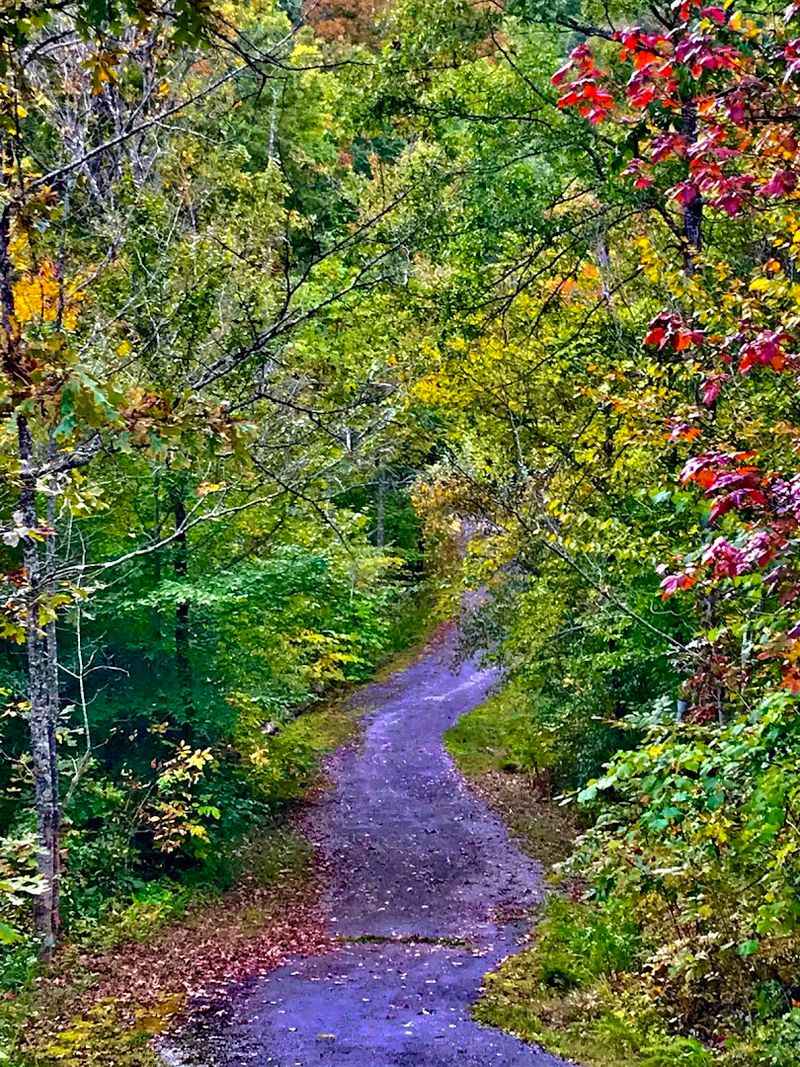
Oak Ridge offers more than history lessons. The city’s location near the Clinch River and surrounded by protected land creates unexpected outdoor opportunities. Haw Ridge Park features miles of mountain biking and hiking trails with lake views that feel worlds away from the scientific facilities nearby.
Start at the American Museum of Science and Energy, then take a guided bus tour of the Manhattan Project National Historical Park. You’ll see the Y-12 complex from outside the security fence, visit the graphite reactor at X-10, and hear stories that bring the 1940s to life.
The Secret City Commemorative Walk downtown features plaques and markers explaining different aspects of Oak Ridge’s history. It’s self-guided and free, perfect for understanding how the city was laid out and functioned during wartime. The walk connects several historic buildings still standing from the original construction.
For a complete change of pace, explore Melton Lake Park or rent kayaks to paddle the Clinch River. The contrast between peaceful natural beauty and high-security research facilities creates an interesting juxtaposition unique to Oak Ridge.
Don’t skip the local restaurants. Oak Ridge has a surprisingly diverse food scene reflecting the international scientists who’ve called it home over the decades. You’ll find everything from Southern comfort food to authentic international cuisine, all served with genuine East Tennessee friendliness.
Why Oak Ridge Feels Different From Other Tennessee Destinations

Most Tennessee towns trade on music, whiskey, or Civil War history. Oak Ridge built its identity on splitting atoms and pushing scientific boundaries. That difference is palpable the moment you arrive.
The educational level here is remarkably high. Oak Ridge has more PhDs per capita than almost anywhere in America, creating a culture that values curiosity and innovation. Conversations at the farmers market might veer into particle physics or renewable energy without anyone batting an eye.
Architecture tells the story too. Alongside typical Southern homes, you’ll find functionalist buildings from the 1940s, designed for speed and efficiency rather than aesthetics. Modern research facilities add another layer, creating a visual timeline of American scientific development spanning eight decades.
Scientists from dozens of countries work at the national laboratory, bringing diverse perspectives and cuisines. This cosmopolitan element blends surprisingly well with traditional Southern hospitality, creating something entirely unique.
You’ll see guarded gates, restricted areas, and reminders that important work continues behind those fences. It’s not threatening, just different from the open, tourist-friendly vibe of nearby Gatlinburg or Pigeon Forge.
Oak Ridge embraces its nerdy reputation proudly. Science-themed murals, atomic imagery in local branding, and events celebrating innovation rather than moonshine create an identity that stands apart from Tennessee’s typical tourism draws while remaining authentically Appalachian.
Add Oak Ridge to Your Tennessee Travel List
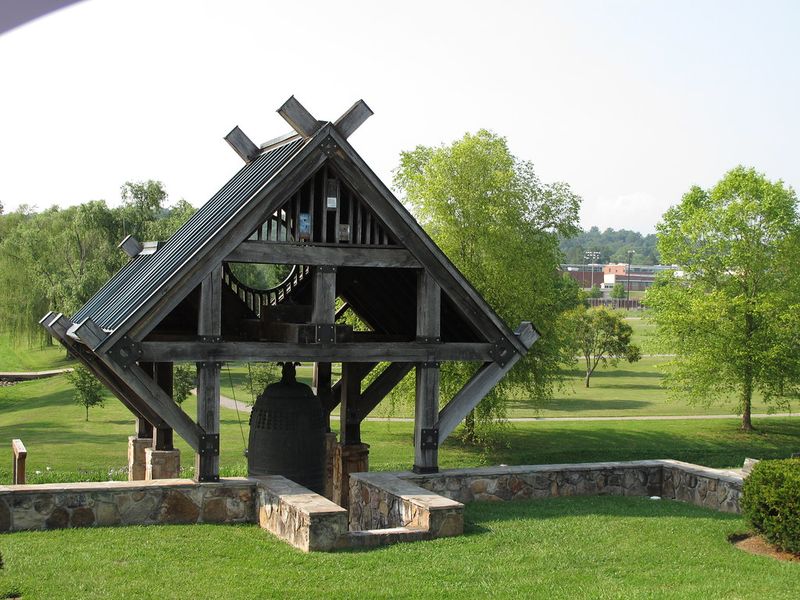
Planning a Tennessee trip? Oak Ridge deserves more than a quick detour. It’s only 25 miles from Knoxville, making it an easy day trip or a worthy overnight destination.
History enthusiasts will appreciate how Oak Ridge preserves its past without sanitizing it. The museums and tours present the Manhattan Project’s complexity honestly, acknowledging both its scientific triumph and moral weight. It’s thought-provoking in ways that typical tourist attractions rarely achieve.
Families find unexpected value here. Kids who think history is boring often get hooked by the spy-story elements and hands-on science exhibits. The outdoor recreation options provide active alternatives to museum-hopping, keeping everyone engaged.
The town is refreshingly low-key. No traffic jams, no overpriced tourist traps, no crowds fighting for parking. You can explore at your own pace, actually talk to locals who love sharing stories, and enjoy authentic experiences rather than manufactured attractions.
Oak Ridge represents a different slice of Tennessee heritage, one focused on innovation rather than tradition. It complements rather than competes with the state’s music cities and mountain resorts. Adding it to your itinerary creates a more complete picture of what Tennessee offers.
Whether you’re a science geek, history buff, or just a curious traveler, Oak Ridge rewards those willing to look beyond the obvious destinations and discover where Cold War secrets hide in plain sight.