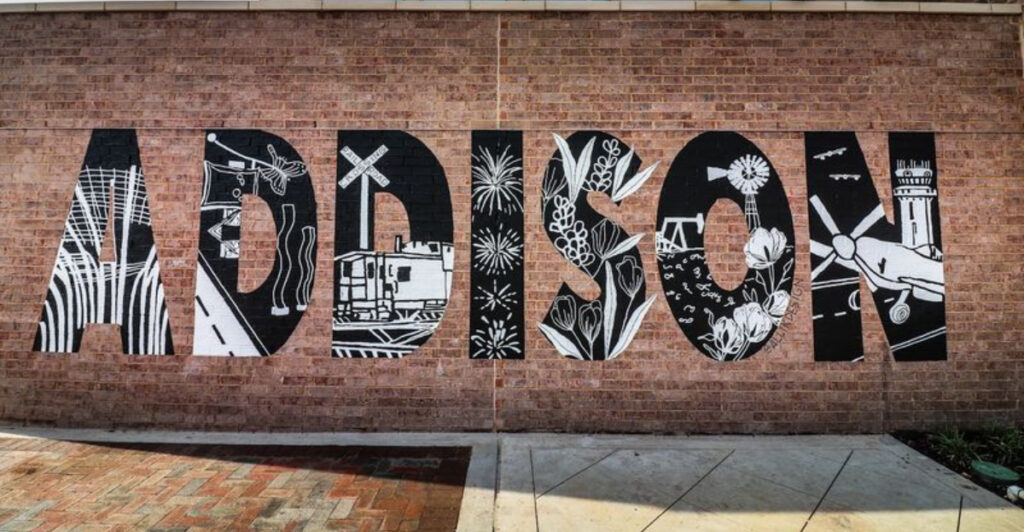
Tucked between Dallas and the northern suburbs sits Addison, a tiny Texas town covering just 4.4 square miles with barely 16,000 residents. What makes this place extraordinary is its restaurant scene: over 180 restaurants packed into that small space, giving it one of the highest restaurant-per-capita ratios in the entire country. Most people drive right past without realizing they’re missing out on one of North Texas’s best-kept culinary secrets.
1. The Numbers Tell an Incredible Story
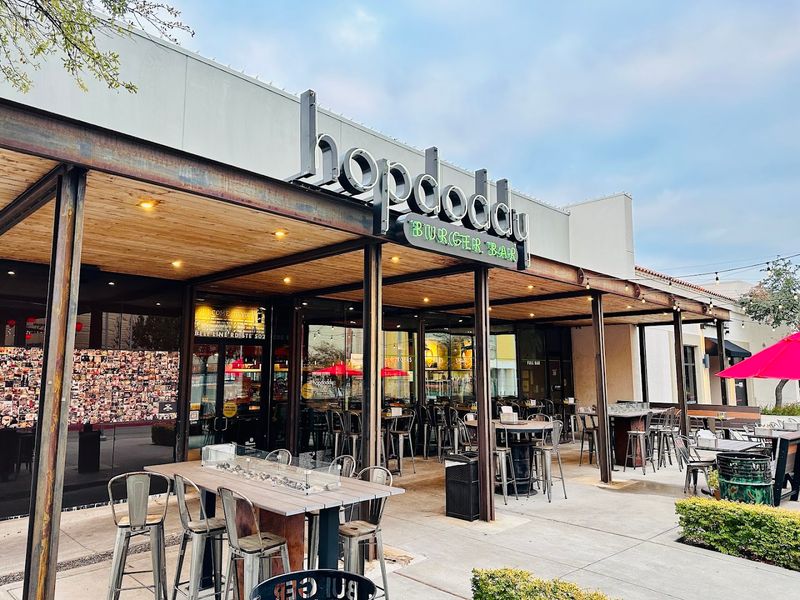
Addison has roughly 180 restaurants serving a population of about 16,600 people. That works out to one restaurant for every 92 residents, a ratio that puts major food cities to shame. By comparison, New York City has one restaurant for every 300 people, and even foodie haven Austin trails behind with one per 200.
The town’s 4.4 square miles means restaurants are literally everywhere you look. Drive down Belt Line Road or Addison Road and you’ll pass a dozen different cuisines in just a few blocks. French bistros sit next to Korean barbecue spots, which neighbor authentic Italian trattorias and upscale steakhouses.
This density happened by design, not accident. Addison’s city planners made a conscious decision decades ago to zone the town primarily for commercial use rather than residential. They wanted to create a business and entertainment destination, and the restaurant boom followed naturally.
What’s wild is that most of these aren’t chains. Independent restaurateurs flock to Addison because the town actively courts them with business-friendly policies and a built-in customer base of 100,000 daytime workers. The lunch crowd alone keeps many places thriving.
Food sales tax revenue funds much of the town’s operations, so Addison has a vested interest in keeping the restaurant scene vibrant. They’ve created an ecosystem where culinary businesses can actually succeed, which is rare in the notoriously difficult restaurant industry. The result is a food lover’s paradise hiding in plain sight.
2. Addison Circle: Where the Action Concentrates
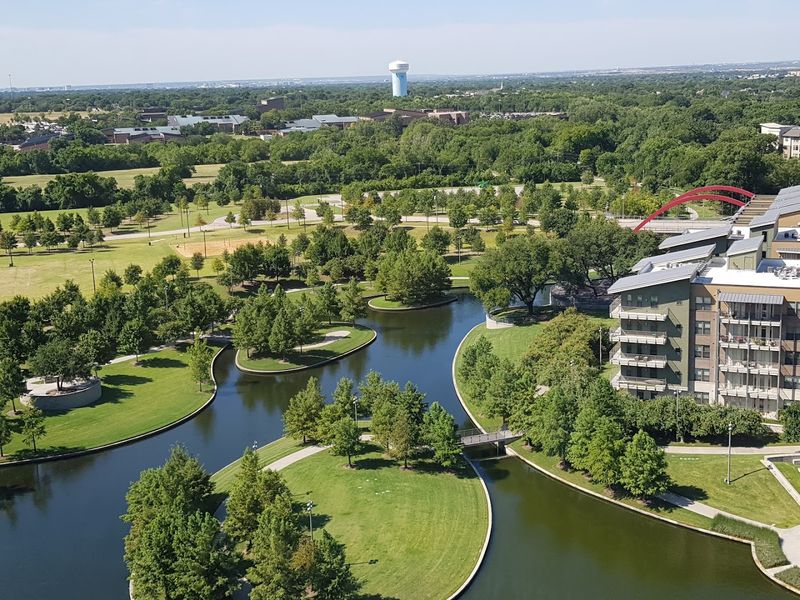
If Addison has a beating heart, it’s Addison Circle. This mixed-use development packs restaurants, shops, and apartments into a walkable European-style neighborhood that feels nothing like typical suburban Texas. You can park once and hit five different restaurants without moving your car, which is practically unheard of in this part of the country.
The Circle’s design encourages lingering. Wide sidewalks, shaded patios, and plenty of outdoor seating make it feel like a real urban neighborhood rather than a strip mall. On weekend evenings, the whole area buzzes with energy as people hop from dinner to drinks to dessert.
Restaurant variety here is impressive. You’ve got everything from casual taquerias to white-tablecloth establishments, all within a few hundred yards of each other. Fly Sushi and Sake Lounge sits near Kirby’s Steakhouse, which neighbors Kenny’s Italian Kitchen, and none of them feel out of place.
The residential component matters too. People actually live above and around these restaurants, creating the kind of neighborhood vibe that supports diverse dining options. These residents become regulars, providing steady business that helps restaurants weather slow periods.
Addison Circle also hosts events throughout the year that draw crowds from across the metroplex. Food festivals, wine walks, and outdoor concerts bring thousands of visitors who discover restaurants they’d never known existed. It’s become a legitimate destination rather than just a place people pass through on their way somewhere else.
3. Dining Diversity That Rivals Major Cities
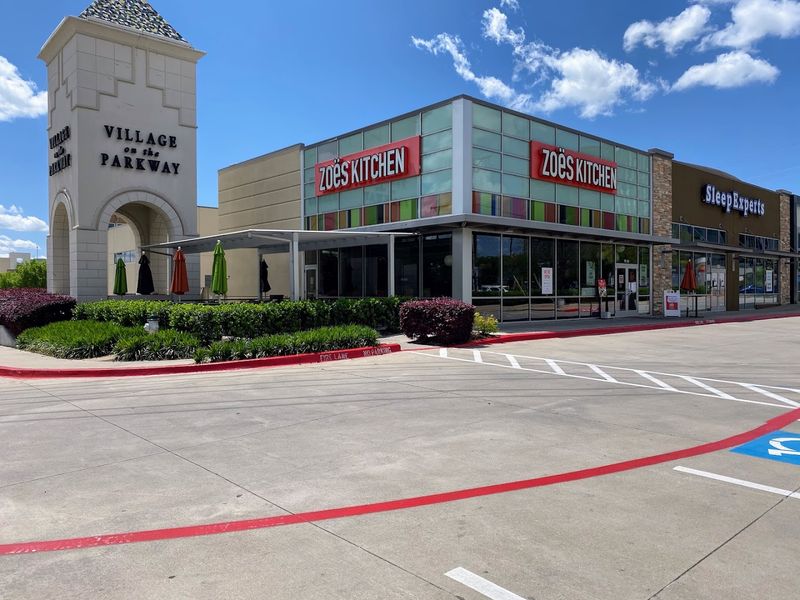
Want authentic Korean barbecue? Addison has multiple options. Craving French cuisine prepared by actual French chefs?
You’ll find it. In the mood for regional Indian dishes you can’t get anywhere else in North Texas? Addison delivers.
This culinary diversity is what separates Addison from typical suburban restaurant clusters. You’re not stuck choosing between the same chain restaurants found everywhere else. Independent chefs from around the world have set up shop here, bringing their authentic recipes and techniques with them.
The Japanese food scene alone is remarkable. Several high-end sushi restaurants compete for business, pushing each other to maintain quality and creativity. You’ll find traditional omakase experiences, modern fusion approaches, and everything in between.
Middle Eastern and Mediterranean restaurants also thrive here. Lebanese, Turkish, Greek, and Israeli cuisines all have representation, often run by families who’ve been cooking these dishes for generations. The flavors are genuine, not watered down for American palates.
Even within single cuisine categories, you get variety. The Italian options range from red-sauce family joints to northern Italian fine dining to modern interpretations by creative young chefs. Same with Mexican food—you can choose between Tex-Mex comfort food, interior Mexican regional cooking, or contemporary takes on traditional dishes.
This diversity exists because Addison’s daytime population is incredibly international. Global companies with offices here employ workers from dozens of countries, and those workers want food that reminds them of home. Restaurants that can authentically serve those communities have a built-in customer base.
4. The Steakhouse Capital of North Texas
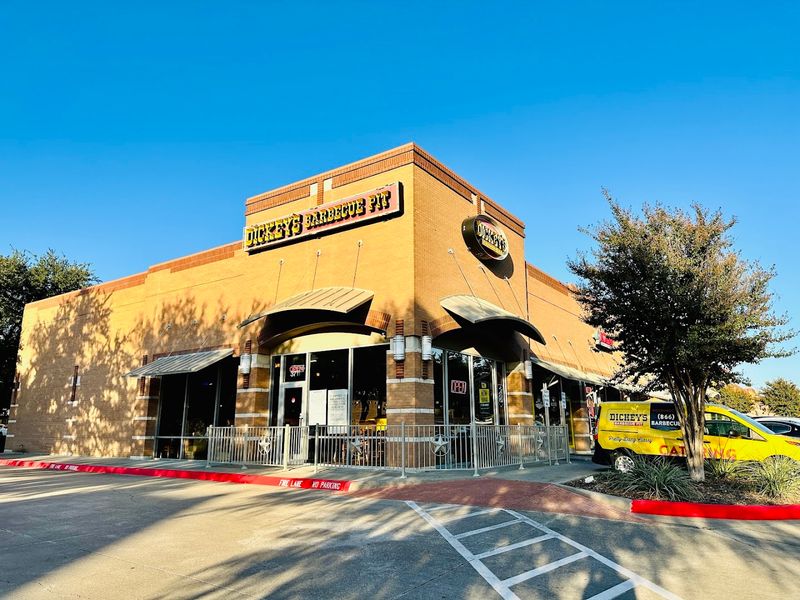
Addison has earned a reputation as steakhouse central, with more high-end beef temples per square mile than probably anywhere else in Texas. We’re talking about serious establishments where dry-aged prime cuts are treated with reverence and wine lists run dozens of pages deep.
Kirby’s Prime Steakhouse anchors the scene with its classic approach to beef and seafood. The atmosphere screams old-school steakhouse—dark wood, white tablecloths, and servers who know their way around a tableside Caesar salad. It’s where deals get made over perfectly cooked ribeyes.
But the steakhouse variety extends beyond traditional. Some spots offer modern twists on the concept, with creative sides and contemporary wine programs. Others focus on specific regional approaches, like Texas-style mesquite grilling or Kansas City-style preparations.
What’s interesting is how these steakhouses coexist without cannibalizing each other’s business. Each has carved out its own identity and loyal following. Some attract the expense-account crowd during the week, while others draw celebratory diners on weekends.
The quality stays consistently high because competition is fierce. A steakhouse can’t survive in Addison on reputation alone when three other excellent options sit within walking distance. The meat has to be perfectly aged, properly cooked, and fairly priced, or customers simply go elsewhere.
For steak lovers, Addison offers something special: the ability to explore different steakhouse philosophies without leaving town. You can compare dry-aging techniques, cooking methods, and sourcing practices all in one compact area.
5. Why Nobody Outside Dallas Knows About This
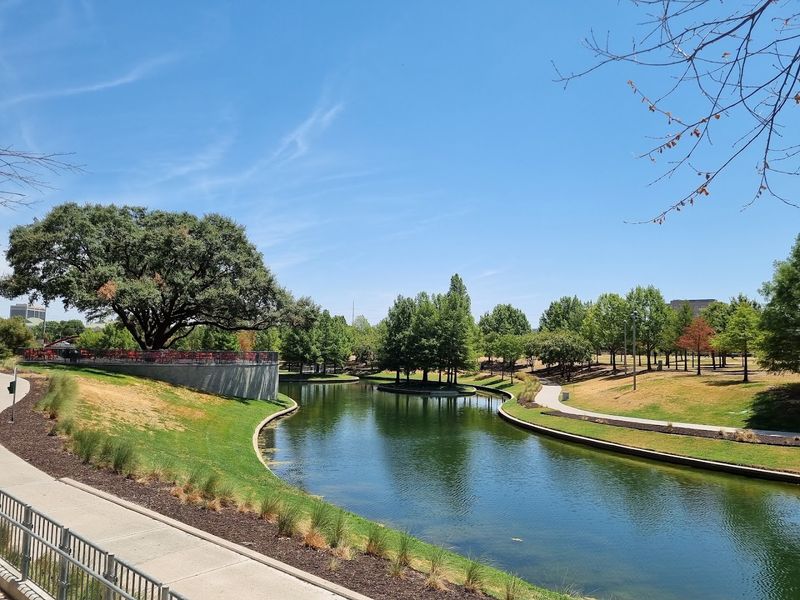
Here’s the thing about Addison: it’s technically a town, but it feels more like a neighborhood. There’s no dramatic entrance, no obvious town center that screams “you’ve arrived somewhere special.” You just sort of find yourself there while driving through the northern Dallas suburbs.
The lack of residential population means fewer people claim Addison as home. When only 16,000 people live somewhere, you don’t get the word-of-mouth promotion that comes from residents bragging about their town. Most of the 100,000 people who work in Addison during the day live elsewhere and identify with those other communities.
Addison also doesn’t fit neat categories that travel writers and food bloggers typically cover. It’s not a historic small town with charm and character. It’s not a big city with famous landmarks.
It’s this weird in-between thing—a manufactured dining destination that grew organically over decades.
The town does almost no consumer marketing outside the immediate Dallas area. Their tourism efforts focus on attracting businesses and conventions rather than individual diners. They figure the restaurants themselves will attract customers through reputation and word of mouth.
Geography plays a role too. Addison sits in that vast suburban sprawl between Dallas and Plano where everything kind of blurs together. Unless you know to look for it specifically, you’ll miss it entirely while driving to the airport or heading up the tollway.
But this obscurity is part of the appeal. Addison remains a secret shared among North Texas food lovers who appreciate having world-class dining without the crowds and hype that would inevitably follow national attention.
6. Kaboom Town and the Restaurant Boom
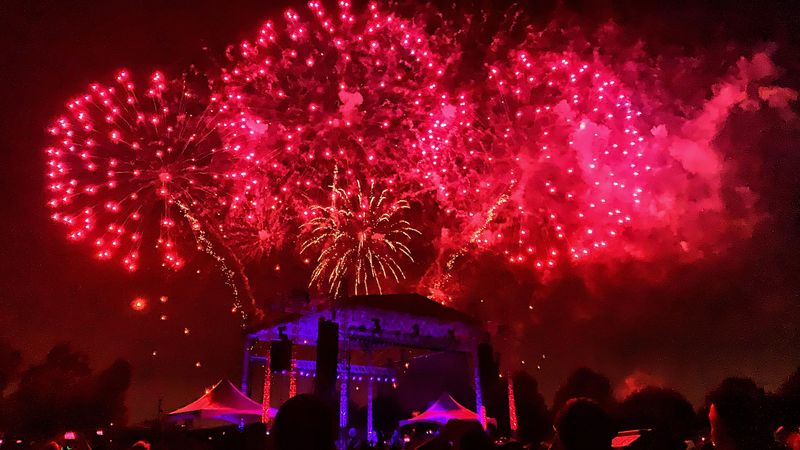
Every Fourth of July, Addison throws Kaboom Town, one of the biggest Independence Day celebrations in Texas. Over 500,000 people flood into this tiny town to watch an absolutely massive fireworks show synchronized to music. And when all those people show up, they need to eat.
Kaboom Town put Addison on the map for many North Texans. People who’d never heard of the town suddenly knew it as “that place with the amazing fireworks.” They’d come for the show, discover the restaurant scene, and return throughout the year for dinner.
Smart restaurateurs recognized this annual influx as a huge opportunity. They’d create special Kaboom menus, extended hours, and reservation packages that turned the event into a major revenue generator. Some restaurants do a significant portion of their annual business during Kaboom weekend.
The event also demonstrated Addison’s ability to handle massive crowds despite its small size. The town’s infrastructure, parking, and logistics could support way more people than actually lived there. This capability made it attractive for other large events and conventions.
Beyond Kaboom, Addison hosts numerous food-focused events throughout the year. Taste Addison brings together dozens of restaurants for a massive outdoor festival. Oktoberfest Addison celebrates German food and beer.
These events reinforce the town’s identity as a dining destination.
The relationship between events and restaurants creates a virtuous cycle. Events bring crowds who discover restaurants, those restaurants thrive and attract more restaurants, which makes the town more attractive for future events. Kaboom Town started it all.
7. The Lunch Crowd Nobody Sees
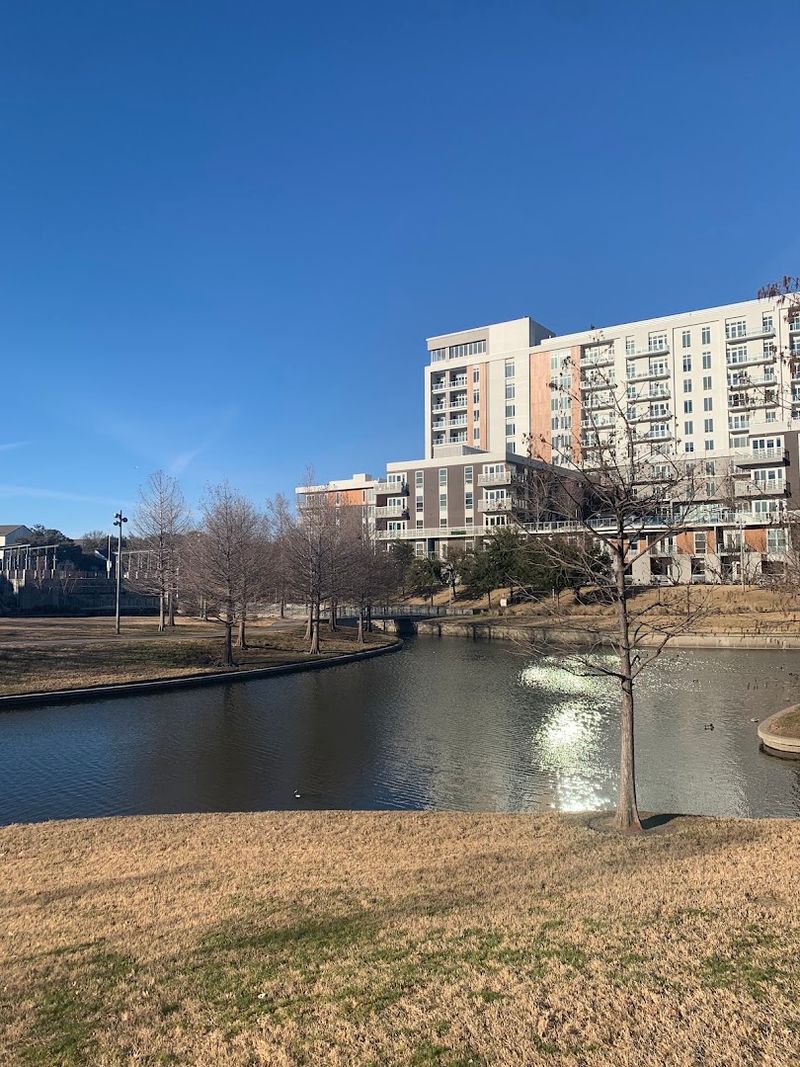
During weekday lunch hours, Addison’s population explodes. Office towers and corporate campuses disgorge thousands of workers who need to eat, and they’ve got money to spend. This invisible lunch economy keeps many restaurants profitable even when dinner service is slow.
Major corporations have headquarters or significant operations in Addison. These aren’t minimum-wage jobs—we’re talking about well-paid professionals with expense accounts and disposable income. They want good food, they want variety, and they’re willing to pay for both.
Restaurants have adapted to serve this crowd efficiently. Many offer express lunch menus designed to get people fed and back to work within an hour. Others focus on takeout and delivery to nearby offices.
Some have built loyal followings among specific companies, becoming unofficial cafeterias for those workers.
The lunch business provides crucial revenue stability. Dinner service can be unpredictable, affected by weather, events, and weekend timing. But Monday through Friday, those office workers need lunch, providing consistent traffic that helps restaurants survive lean periods.
This dynamic also encourages culinary diversity. When you’re feeding the same people five days a week, they want options. A worker might hit the Thai place Monday, the sandwich shop Tuesday, the Indian buffet Wednesday, and so on.
Restaurants that can’t differentiate themselves lose out to competitors.
Most North Texans never see this lunch rush because they’re at their own jobs elsewhere. But it’s the foundation of Addison’s restaurant economy, the steady revenue stream that allows riskier dinner-focused concepts to coexist alongside reliable lunch spots.
8. The Future Looks Even More Delicious
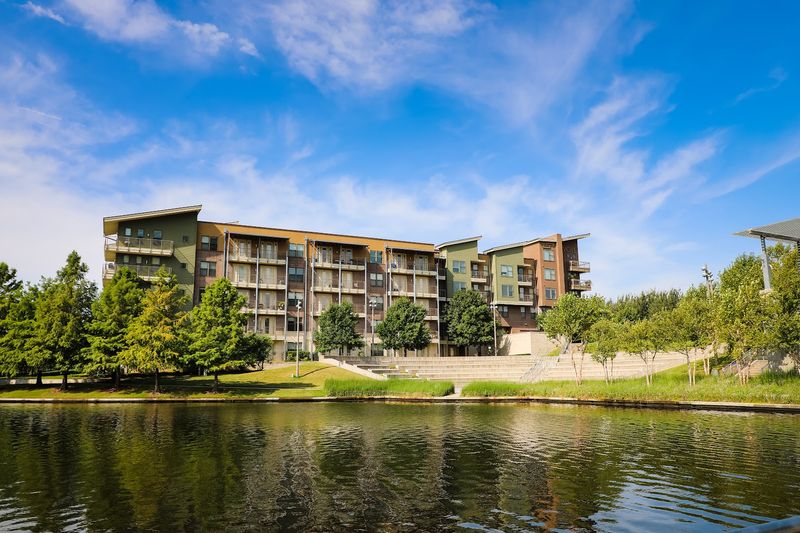
Addison shows no signs of slowing down its restaurant growth. New concepts continue opening even as the town approaches what seems like peak dining density. Developers are building more mixed-use projects that include ground-floor restaurant space, and chefs keep betting on Addison as the place to launch their dreams.
The town has started focusing on experiential dining—places that offer more than just good food. Rooftop bars with skyline views, restaurants with live entertainment, venues that combine dining with other activities. These concepts attract younger crowds and create Instagram-worthy moments that drive social media buzz.
Food halls are coming to Addison too. These multi-vendor marketplaces let people sample different cuisines in one visit, and they’re perfect for the town’s diverse, adventurous dining crowd. They also lower the barrier for new chefs to test concepts without the massive investment of opening a standalone restaurant.
Sustainability and local sourcing are becoming bigger priorities. More Addison restaurants are partnering with Texas farms and ranchers, highlighting regional ingredients and telling those stories to diners. This trend connects the town’s food scene to the broader Texas culinary movement.
The challenge ahead is maintaining quality while growing. Addison’s restaurant density is already remarkable, but there’s a point where too many options could dilute the scene. Town leaders seem aware of this, focusing on attracting unique concepts rather than approving every chain that wants in.
If current trends continue, Addison could become nationally recognized for its restaurant scene within the next decade. The foundation is already there—it just needs the right spotlight to reveal what locals have known for years.
Share this story