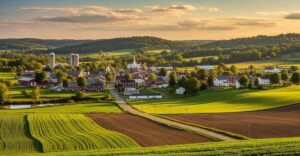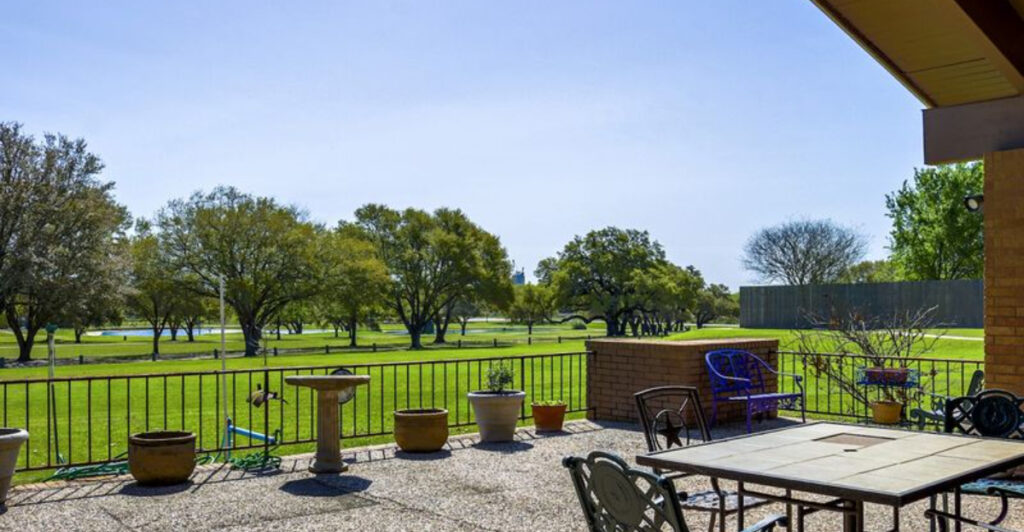
Weimar sits along Interstate 10 between Houston and San Antonio, offering travelers something most highway towns can’t deliver. This small Colorado County community blends German heritage with authentic Texas hospitality, creating a road trip destination worth more than just a quick fuel stop. With its legendary bakery, preserved historic buildings, and welcoming small-town atmosphere, Weimar proves that the best discoveries often happen when you exit the interstate and explore what’s hiding in plain sight.
1. Weikel’s Bakery: The Main Reason People Exit I-10
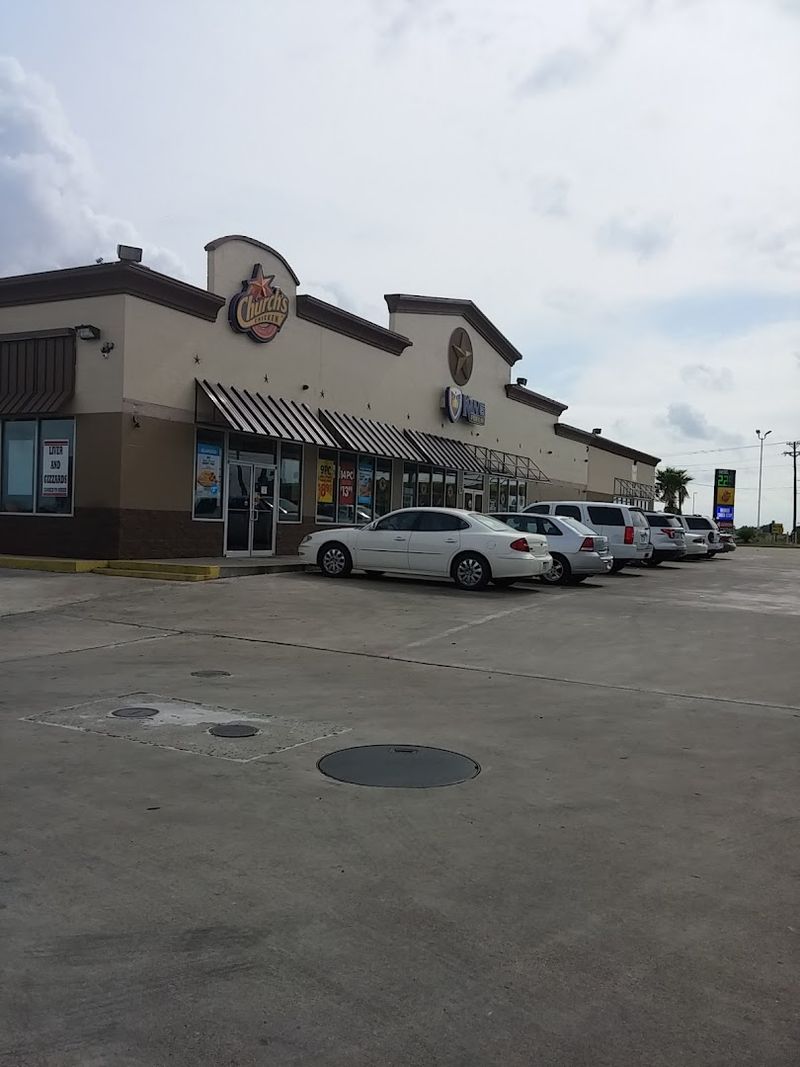
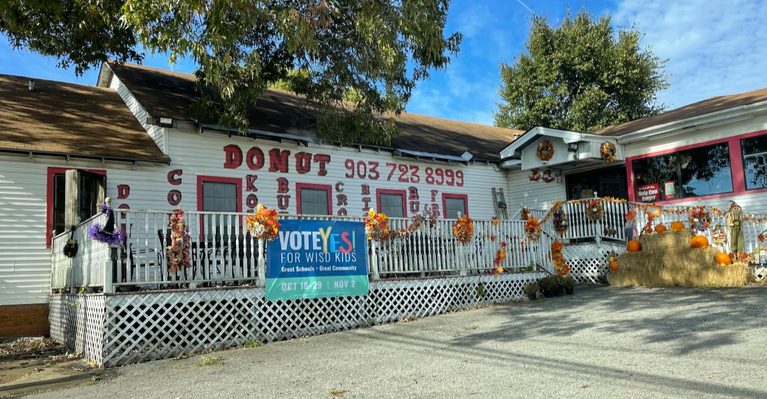
Pull off at Exit 674 and follow the scent of fresh-baked kolaches to Weikel’s Bakery, a roadside institution that’s been feeding travelers since 1985. This isn’t your average gas station snack stop. Weikel’s churns out traditional Czech and German pastries that draw people from across the state, many of whom plan their road trips specifically around a breakfast stop here.
The kolaches steal the show, stuffed with everything from classic fruit fillings to savory sausage and cheese combinations that make perfect driving food. Arrive early on weekends when locals and highway travelers alike pack the place. The cases overflow with cinnamon rolls bigger than your fist, apple fritters with actual chunks of fruit, and Danish pastries that taste like something your grandmother would’ve made if she’d grown up in Central Europe.
Don’t skip the pig-in-a-blanket kolaches, a Texas twist on Czech tradition that somehow works perfectly. The staff moves fast but stays friendly, even during morning rush hours when the line stretches toward the door. Grab extras for the road because you’ll regret not buying more once you’re back on the highway.
Cash and cards both work, and the prices remain shockingly reasonable for baked goods this good.
2. Historic Downtown Architecture Tells Stories from 1873
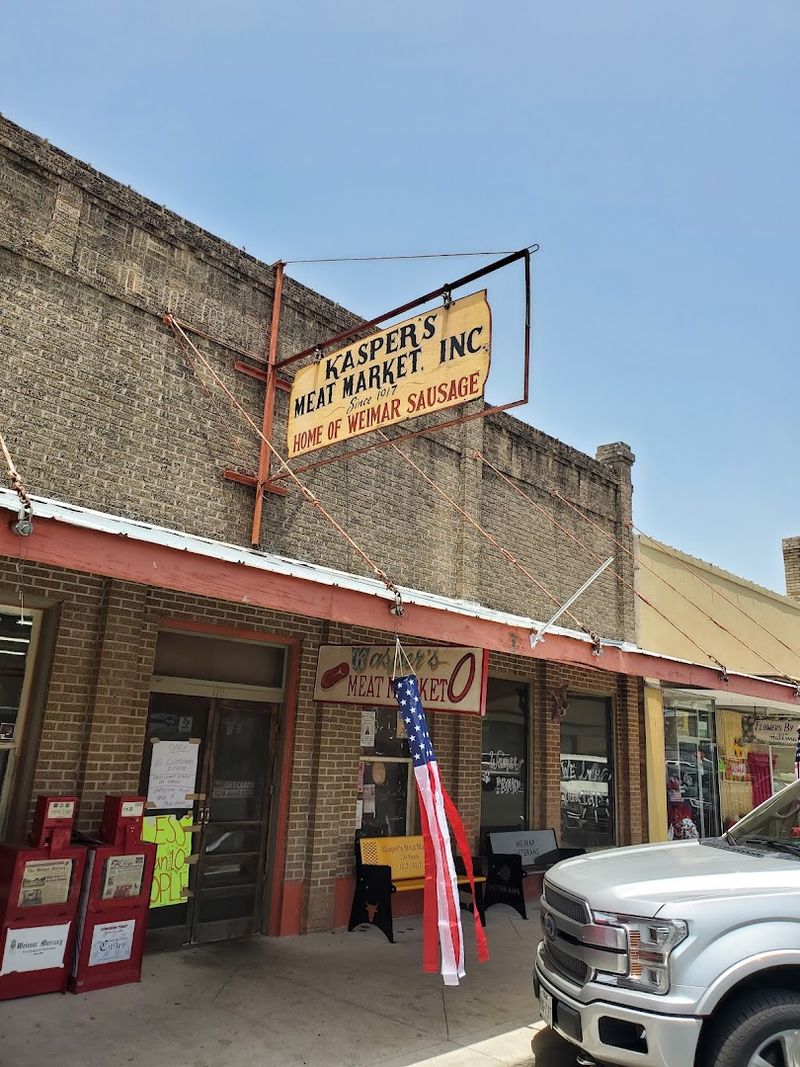
Weimar’s downtown district preserves the architectural fingerprints of German immigrants who founded the town in 1873. Walking these blocks feels like stepping into a living museum where the buildings still serve their communities rather than sitting behind velvet ropes. The brick facades and traditional storefronts reflect the practical, sturdy building style German settlers brought from the old country.
Several structures date back to the town’s earliest decades, constructed with the kind of craftsmanship that explains why they’re still standing. Notice the thick walls, high ceilings designed for pre-air-conditioning ventilation, and decorative details that show pride in workmanship. The old bank building, former mercantile stores, and historic churches each tell different chapters of Weimar’s evolution from frontier settlement to established community.
Park along the main drag and take a self-guided walking tour at your own pace. The town hasn’t been Disneyfied or over-restored; these buildings show their age honestly, which makes them more interesting than perfectly polished tourist attractions. Some house operating businesses while others await new purposes, creating an authentic snapshot of small-town Texas rather than a manufactured experience.
Bring your camera during golden hour when the late afternoon sun hits those old brick walls just right, creating shadows that emphasize every architectural detail.
3. Perfect Location for Breaking Up the Houston-San Antonio Drive
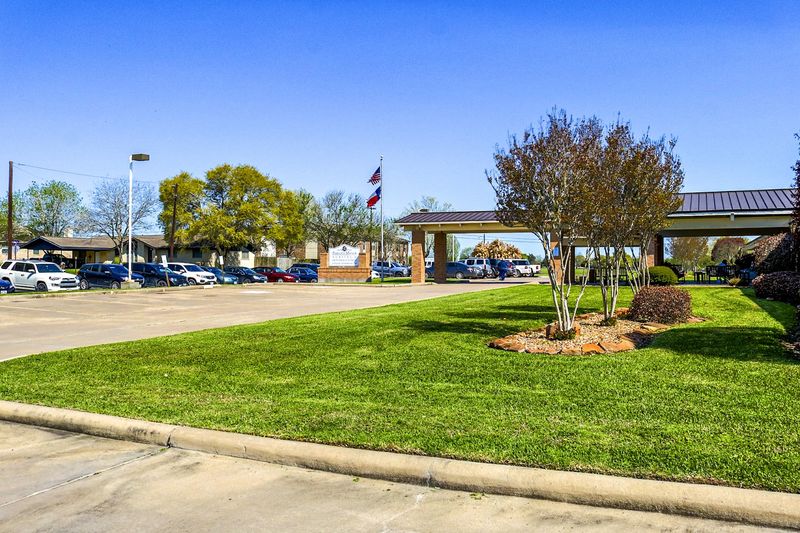
Geography blessed Weimar with a prime spot almost exactly halfway between Houston and San Antonio on Interstate 10. This makes it the ideal stopping point for travelers who refuse to drive the entire three-hour stretch without a decent break. Unlike generic rest stops with vending machines and fluorescent lighting, Weimar offers real food, actual charm, and a chance to remember why road trips beat flying.
The town sits roughly 80 miles from Houston and 90 miles from San Antonio, meaning you’ll hit Weimar right when your gas tank approaches half-empty and your passengers start getting cranky. Exit 674 provides easy access, and you’re back on the highway within minutes after your stop. This convenience factor has turned many first-time visitors into regular customers who now consider Weimar an essential part of their travel routine.
Families appreciate the chance to let kids stretch their legs beyond a parking lot. Business travelers discover that a kolache and a short walk through downtown beats another cup of burned gas station coffee. The timing works perfectly whether you’re heading west toward San Antonio or east toward Houston, and the break helps reset your focus for the remaining drive.
Smart travelers build extra time into their schedules specifically for a Weimar stop, treating it as part of the journey rather than an interruption.
4. Texas-German Belt Heritage Runs Deep Here
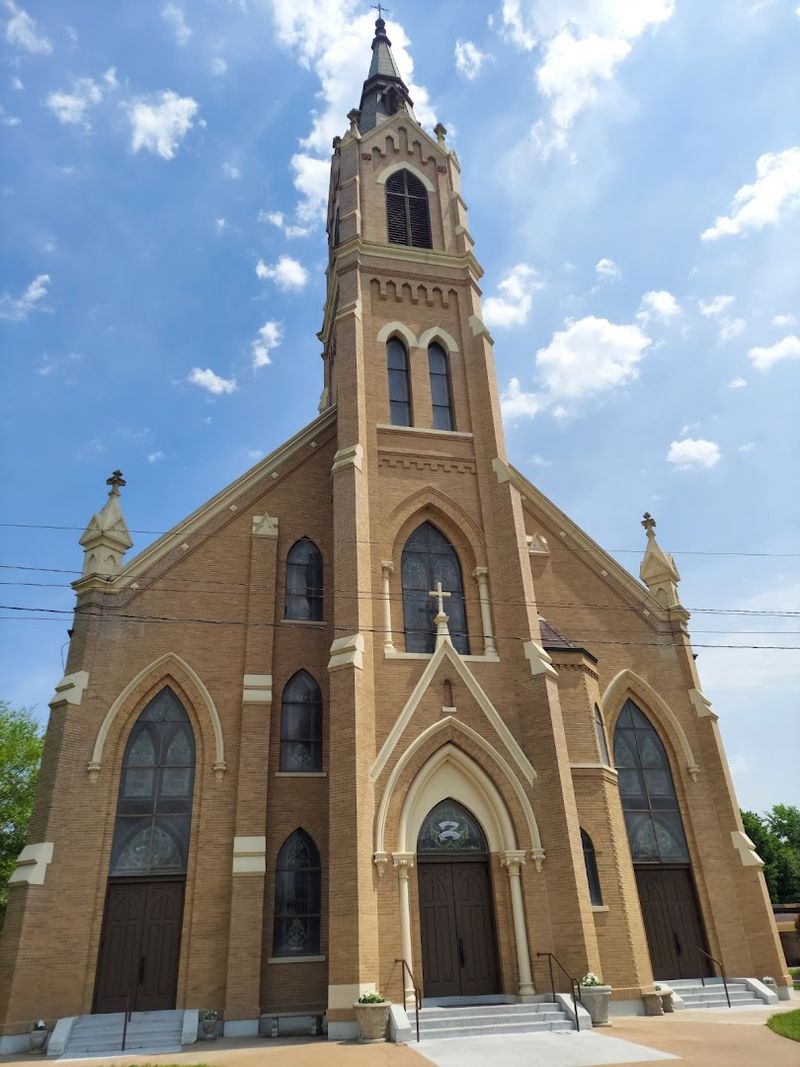
Weimar belongs to the Texas-German Belt, that unique cultural region where European traditions merged with frontier Texas to create something entirely distinct. The town’s founders deliberately named it after Weimar, Germany, establishing from day one that this would be a community proud of its roots. That heritage didn’t fade with time; it evolved into the local DNA, influencing everything from architecture to food to community values.
German immigrants chose this area in the 1870s for its resemblance to their homeland’s farmland and climate. They brought Old World building techniques, agricultural knowledge, and a work ethic that transformed raw prairie into productive farms and stable communities. The language persisted for generations, and some older residents still remember grandparents who spoke German at home well into the 20th century.
You’ll spot German influence in unexpected places: the sturdy construction methods used in historic buildings, the types of businesses that thrived here, even the layout of the original town plan. Local cemeteries contain headstones with German inscriptions, and family names throughout the area trace directly back to those original settlers. This isn’t heritage tourism manufactured for visitors; it’s authentic cultural continuation that happens to make the town more interesting for people passing through.
The blend of German practicality with Texas independence created a community character you won’t find anywhere else.
5. Small-Town Atmosphere Without Tourist Trap Pricing
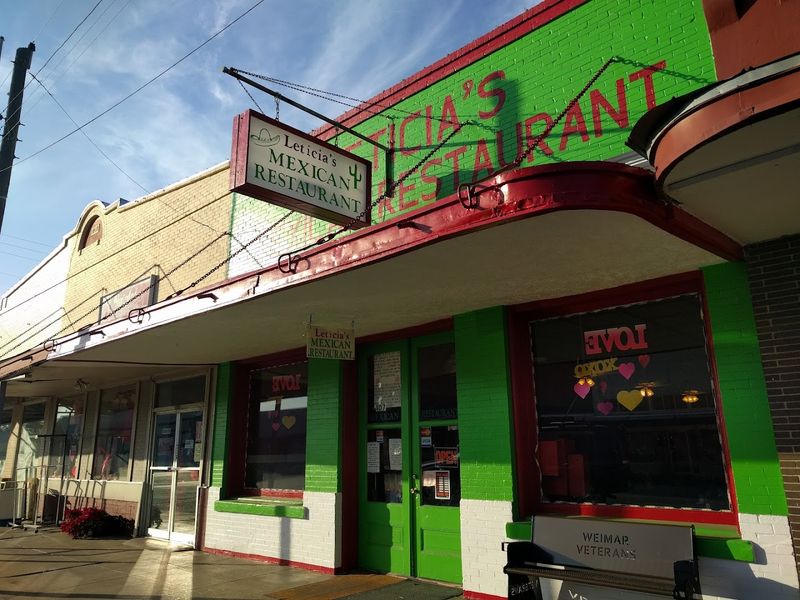
Weimar operates at a different speed than cities, but it never feels stuck in time or desperate for tourist dollars. The population hovers around 2,000 people, creating that sweet spot where everyone seems connected but you’re not trapped in everyone’s business. This size means businesses stay locally owned, service remains genuinely friendly, and prices reflect what locals would actually pay rather than what out-of-towners might tolerate.
Nobody’s trying to sell you overpriced souvenirs or charge premium rates for basic services. The bakery prices kolaches like they’re feeding neighbors, not extracting maximum profit from highway traffic. Local restaurants serve generous portions at fair prices, and if you need gas or supplies, you’ll pay normal rates rather than inflated “tourist town” markups.
This honest approach to business keeps people coming back and generates authentic word-of-mouth recommendations.
The pace feels refreshing after hours of highway driving. Conversations happen at checkout counters, people hold doors for strangers, and nobody’s rushing you along to serve the next customer. You get the benefits of small-town hospitality without feeling like you’ve wandered into a theme park version of rural Texas.
Weimar remains a real working community that happens to welcome travelers rather than a destination that exists primarily for visitors. That authenticity shows in every interaction and makes even a brief stop feel surprisingly restorative.
6. Easy Access Makes Spontaneous Stops Painless
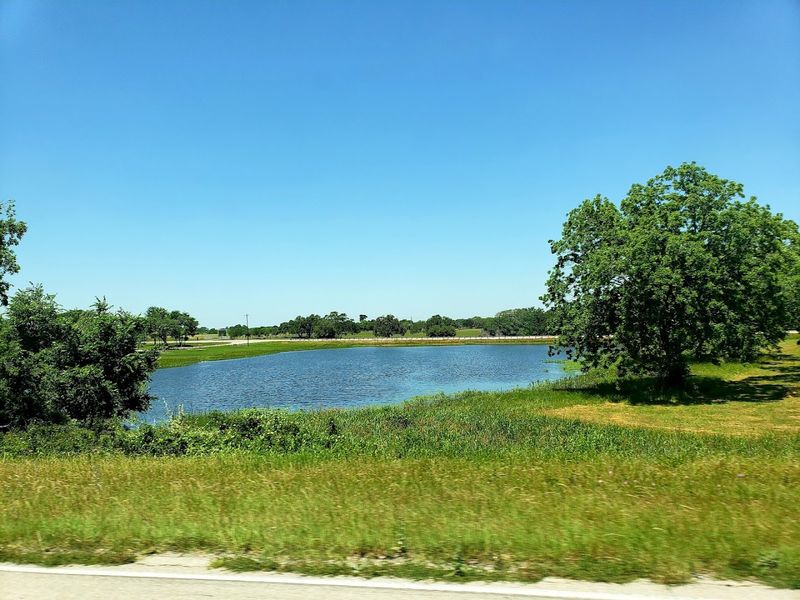
Exit 674 off Interstate 10 delivers you straight into Weimar without complicated navigation or confusing turns. The bakery sits immediately visible from the highway, and downtown lies just a few blocks away with clear signage. You won’t need GPS coordinates or detailed directions; the town layout makes sense at first glance, designed back when simplicity mattered more than traffic engineering.
This accessibility removes the main barrier that keeps people from exploring small towns during road trips. No winding through residential streets searching for the downtown area, no wondering if you’ll find your way back to the highway, no anxiety about getting lost in an unfamiliar place. The entire stopping, exploring, and departing process takes as much or as little time as you want, with zero stress about logistics.
Parking appears plentiful and free throughout downtown, another advantage over cities where finding a spot becomes an expedition. Pull up, park, walk around, and leave whenever you’re ready. The highway entrance ramp sits exactly where you’d expect it, returning you to westbound or eastbound I-10 within minutes.
This convenience factor transforms Weimar from “interesting place we should visit someday” into “perfect spot to stop right now.” Families with young kids especially appreciate the quick, easy access that doesn’t require everyone to wait while parents figure out directions or parking situations.
7. Local Restaurants Serve Comfort Food Done Right
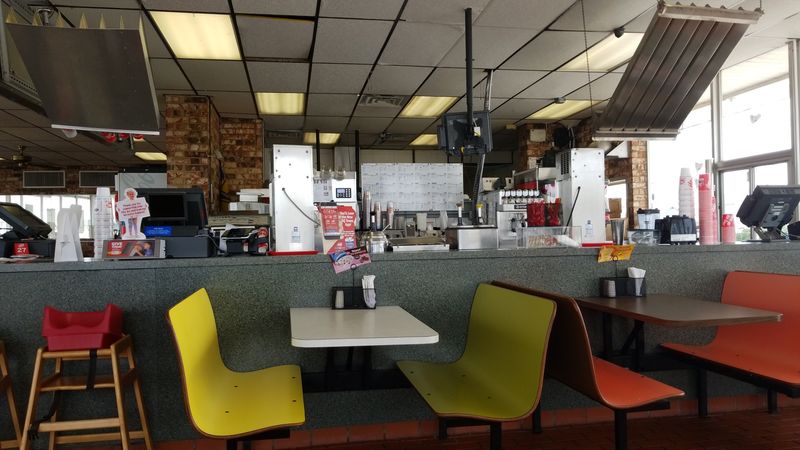
Beyond the famous bakery, Weimar’s local restaurants deliver the kind of honest, well-executed comfort food that makes you understand why people miss small-town cooking. These aren’t fancy establishments trying to impress food critics; they’re places where recipes get passed down, portions stay generous, and the coffee pot never runs dry. Expect chicken-fried steak with cream gravy, burgers that actually taste like beef, and daily specials that change based on what’s fresh.
The restaurants cater primarily to locals, which means quality stays consistent and prices remain reasonable. You’ll likely sit near farmers discussing crop conditions, families celebrating grandkids’ birthdays, and regulars who’ve occupied the same booth for decades. The menus offer exactly what you’d hope for: breakfast all day, lunch specials that include vegetables and dessert, and dinner options that satisfy without trying to be trendy.
Service comes from people who’ve worked these floors for years, moving efficiently while still making time for conversation. They’ll steer you toward what’s particularly good that day and warn you if something’s not up to usual standards. The atmosphere feels comfortably worn-in rather than shabby, with vinyl booths that’ve seated thousands of diners and walls decorated with local history rather than corporate art.
Cash is appreciated though cards work fine, and don’t be surprised if your meal costs less than you’d pay for fast food in the city.
8. Historic Churches Showcase Community Faith and Craftsmanship
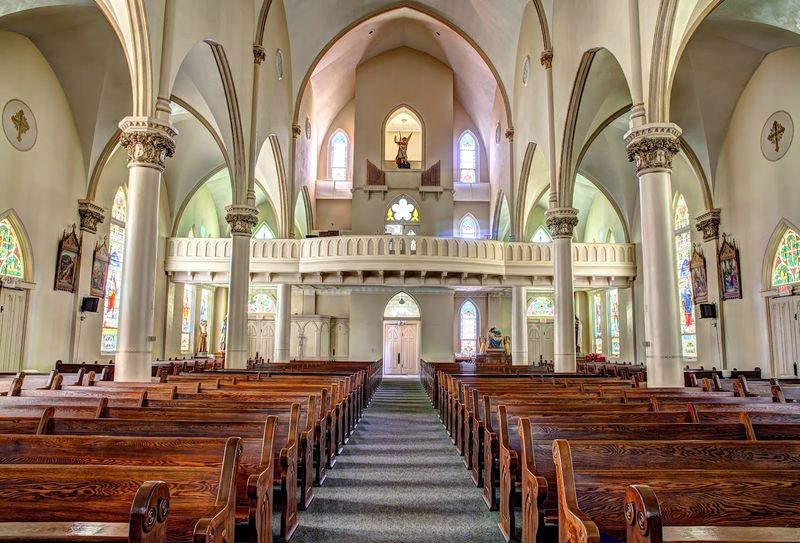
Weimar’s historic churches stand as monuments to both faith and craftsmanship, built by communities that poured resources into structures meant to last generations. The German Lutheran and Catholic congregations constructed impressive buildings that dominated the skyline long before modern development. These weren’t simple wooden chapels but substantial brick and stone structures with architectural details that required serious skill and significant investment.
The churches reflect the central role religion played in immigrant communities, serving as spiritual centers, social hubs, and cultural anchors all at once. Families gathered here not just for Sunday services but for weddings, funerals, festivals, and community decisions. The buildings themselves made statements about permanence and commitment, declaring that these settlers planned to stay and build lasting communities rather than temporary camps.
Walking past these churches today, notice the quality of brickwork, the height of steeples designed to be seen from surrounding farmland, and the careful proportions that create visual harmony. Many remain active congregations, their doors open for services just as they were 150 years ago. The maintenance shows respect for both history and ongoing function, with updates made thoughtfully to preserve character while ensuring safety.
These buildings tell Weimar’s story more eloquently than any historical marker, standing as physical proof of what communities can accomplish when they work together toward shared goals.
9. Quiet Streets Perfect for Stretching Your Legs
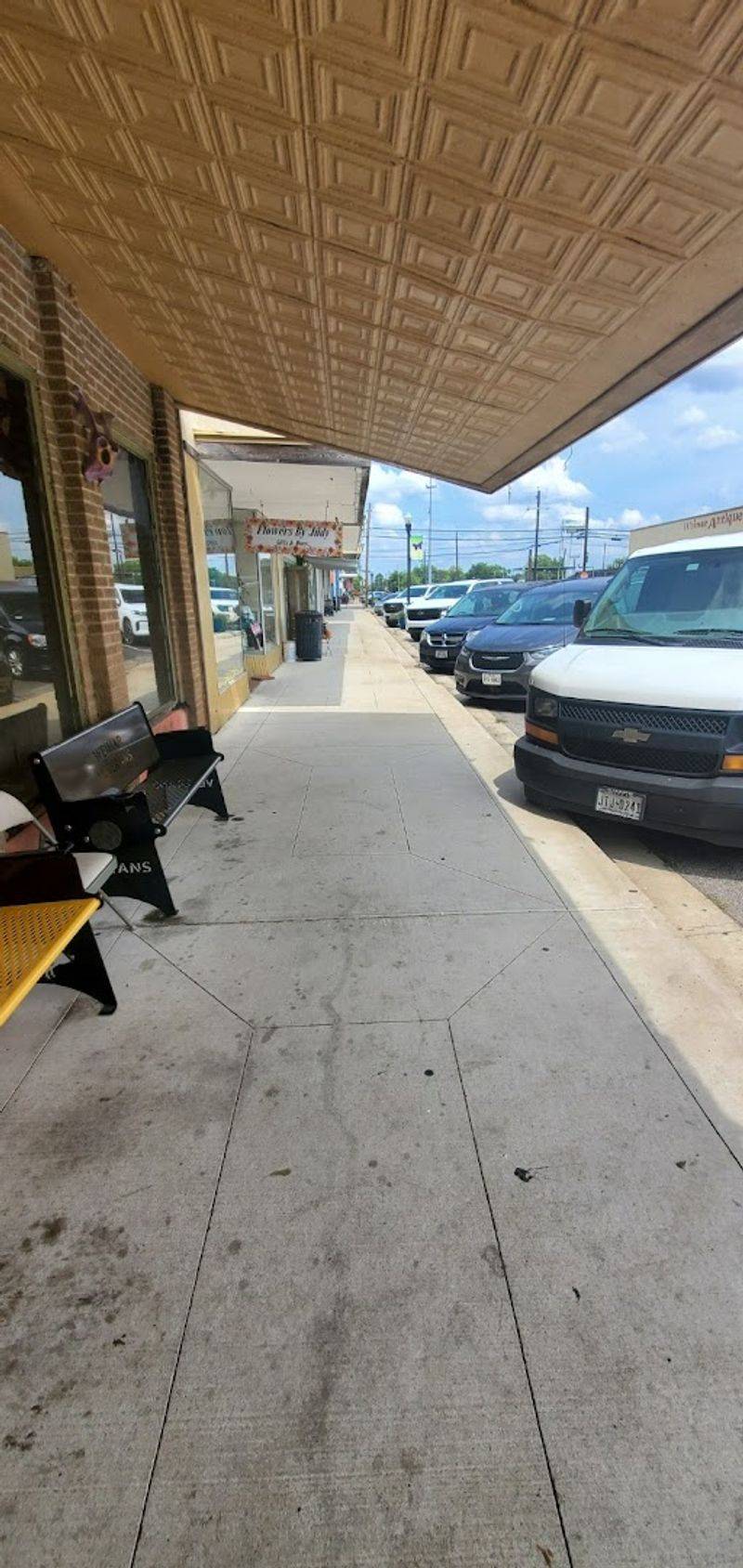
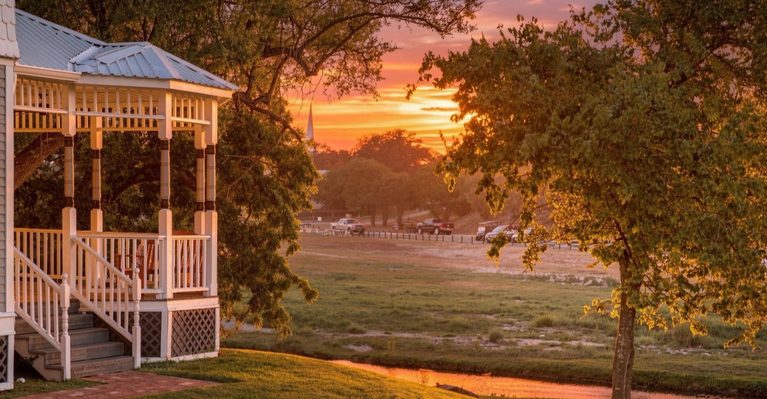
After hours in a car, your body craves movement beyond the walk from gas pump to restroom. Weimar’s quiet streets offer safe, pleasant walking that actually feels restorative rather than just killing time. The sidewalks connect downtown to nearby residential areas where you can stroll past well-kept homes, under shade trees, through neighborhoods where kids still play outside and people wave from porches.
Traffic moves slowly and infrequently enough that crossing streets never requires sprinting or complex timing. Drivers here expect pedestrians and actually stop, a refreshing change from city driving culture. The flat terrain makes walking easy for all fitness levels, and the distances stay manageable; you can cover the main areas in 15-20 minutes of casual walking or extend your stroll if you’re really working out the highway kinks.
The streets themselves offer visual interest: historic homes with original architectural details, gardens that show someone’s care and pride, the occasional friendly dog watching from behind a fence. You’ll spot details that driving past would miss—a particularly beautiful old oak tree, an original hitching post still embedded in a curb, vintage business signs painted on brick walls. This kind of walking feels meditative rather than purposeful, letting your mind wander while your body moves.
Return to your vehicle feeling genuinely refreshed rather than just temporarily distracted, ready to tackle the remaining highway miles with renewed focus.
Share this story