The Smoky Mountains region of Tennessee hides some of the most authentic and welcoming small towns you’ll ever visit. Winding roads through misty peaks connect communities where mountain culture thrives alongside modern attractions, creating experiences you won’t find anywhere else. Whether you’re craving quiet trails, lively entertainment, or just a slower pace surrounded by stunning scenery, these towns deliver something special that keeps visitors coming back year after year.
1. Gatlinburg, Tennessee
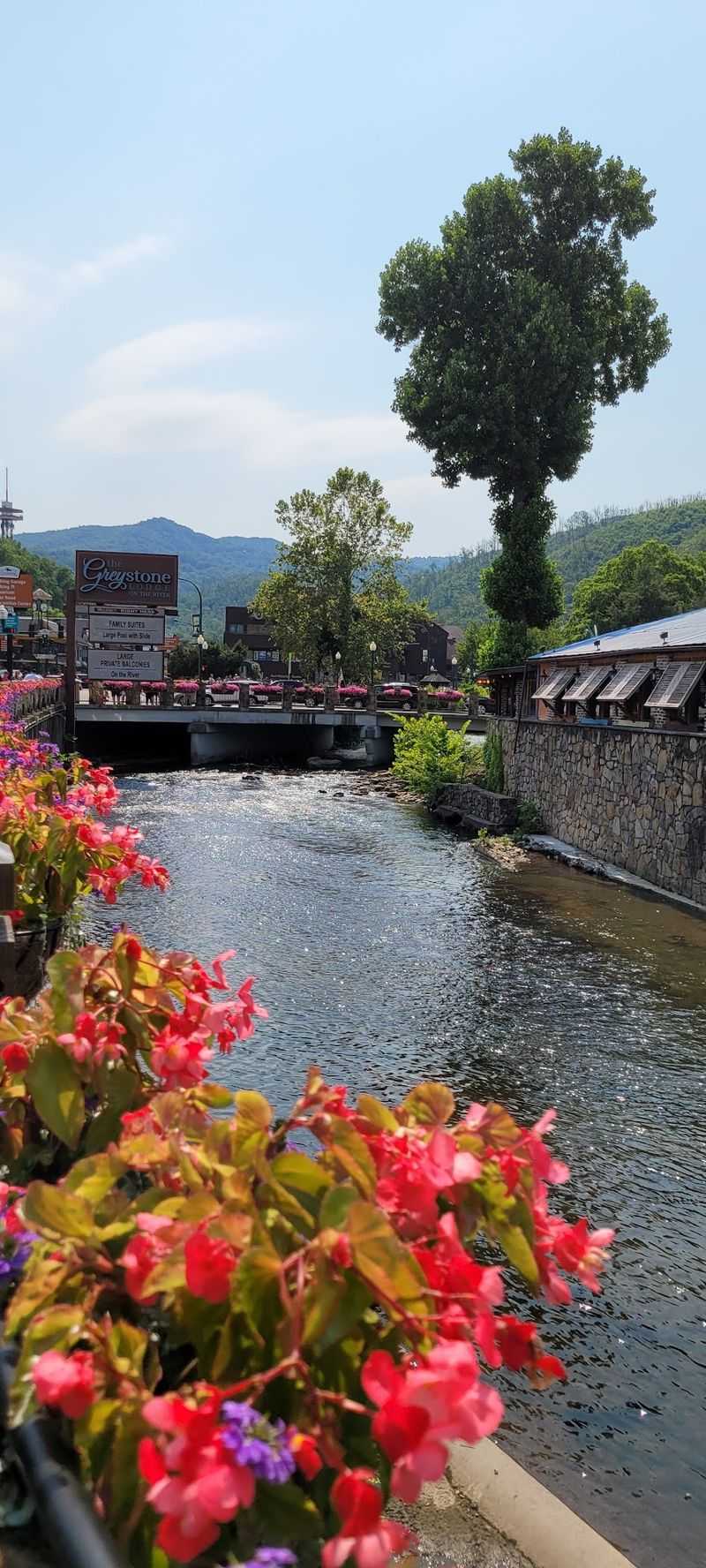
Tucked right at the doorstep of Great Smoky Mountains National Park, Gatlinburg feels like a mountain village that somehow managed to pack in endless adventure. The main parkway buzzes with energy as families wander between taffy shops, pancake houses, and quirky attractions that have defined this town for generations. You can ride an aerial tramway high above town for views that’ll make your camera work overtime.
Beyond the tourist buzz, Gatlinburg offers genuine mountain experiences. Hiking trails branch off in every direction, leading to waterfalls, old-growth forests, and quiet spots where you might spot black bears foraging in the distance. The Arts and Crafts Community along an eight-mile loop road showcases over 100 artisans working in studios where you can watch them shape pottery, weave baskets, and carve wood using techniques passed down through families.
Winter transforms Gatlinburg into something magical when snow dusts the peaks and the town glows with millions of holiday lights. Ober Gatlinburg ski resort becomes the region’s winter playground, offering snow tubing and ice skating even when nature doesn’t cooperate. Summer brings different thrills with whitewater rafting on the Pigeon River and firefly shows in June that draw crowds from across the country.
The town manages to balance tourist appeal with mountain authenticity in ways that surprise first-time visitors. Local restaurants serve up comfort food alongside craft beer from mountain breweries. Small museums tell stories of the area’s Cherokee heritage and pioneer settlers who carved out lives in these rugged hills long before tourism arrived.
2. Townsend, Tennessee
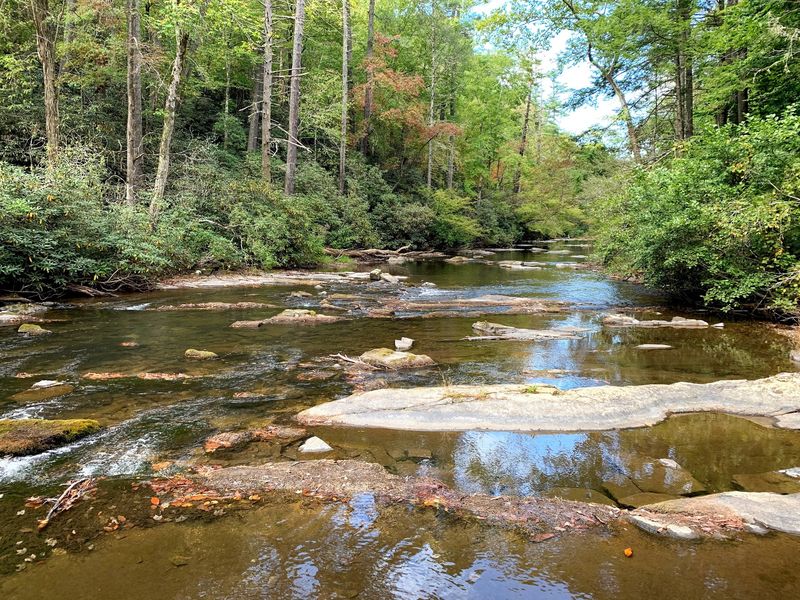
While neighboring towns court crowds, Townsend embraces its nickname as the “Peaceful Side of the Smokies” with genuine pride. The Little River flows right through town, creating a soundtrack of rushing water that follows you everywhere. Locals fish from favorite spots along the banks, and tubers float lazily downstream on hot summer afternoons when the mountain air stays cool even as valleys heat up.
Cades Cove, one of the Smokies’ most beloved destinations, sits just minutes away from Townsend’s center. The 11-mile loop road through this historic valley offers wildlife viewing that rivals any national park in America. White-tailed deer graze in meadows where pioneer cabins and churches still stand, and black bears make regular appearances that send excited whispers through car windows.
Townsend’s downtown area keeps things simple and authentic. Family-owned restaurants serve catfish and barbecue without pretense, and the local general store stocks everything from fishing tackle to homemade jams. The Great Smoky Mountains Heritage Center preserves regional history through exhibits and an outdoor village where costumed interpreters demonstrate blacksmithing and other traditional crafts.
Outdoor recreation here leans toward the quieter side. The Little River Road offers cycling and scenic drives without the traffic jams found elsewhere. Fly fishing guides lead trips to hidden pools where rainbow and brown trout rise to carefully presented flies.
Campgrounds along the river provide spots where you can fall asleep to water sounds and wake up to mist rising off the mountains, experiencing the Smokies at their most peaceful and pure.
3. Pigeon Forge, Tennessee
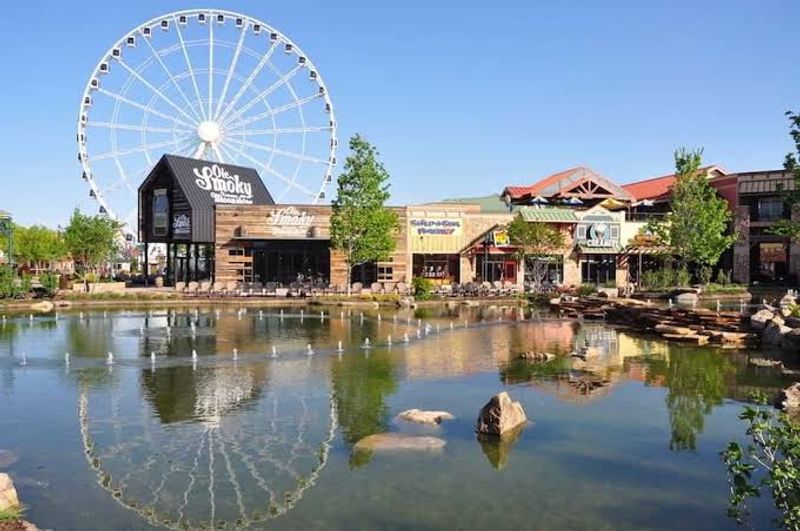
Pigeon Forge turned itself from a quiet mountain settlement into Tennessee’s entertainment capital, and it did so with unapologetic enthusiasm. The Parkway stretches for miles, lined with dinner theaters, go-kart tracks, mini-golf courses, and attractions that range from wonderfully quirky to genuinely impressive. Dollywood anchors the town’s north end, Dolly Parton’s theme park that combines Appalachian culture with world-class roller coasters and seasonal festivals that draw fans from around the globe.
Shopping here goes beyond typical tourist fare. The Island features a giant observation wheel offering mountain views, plus restaurants and shops clustered around dancing fountains. Tanger Outlets provide bargain hunting across dozens of brand-name stores.
The Old Mill, a working grist mill from 1830, grinds corn and wheat daily, supplying flour to an adjacent restaurant known for cornbread and biscuits that taste like mountain mornings.
Entertainment options multiply faster than you can count them. Dinner shows present everything from comedy magic to lumberjack competitions, all served with hearty meals. The Titanic Museum shaped like the ill-fated ship offers interactive exhibits that make history tangible.
Hatfield and McCoy Dinner Feud brings Appalachian feuding families to life with music, dancing, and ridiculous comedy that keeps audiences laughing between courses.
Despite all the commercial development, Pigeon Forge maintains connections to its mountain roots. The Little Pigeon River runs through town, stocked with trout for anglers who want to cast a line between attractions. Patriot Park hosts free summer concerts and festivals celebrating everything from bluegrass music to rod runs featuring vintage cars gleaming in the mountain sunshine.
4. Sevierville, Tennessee
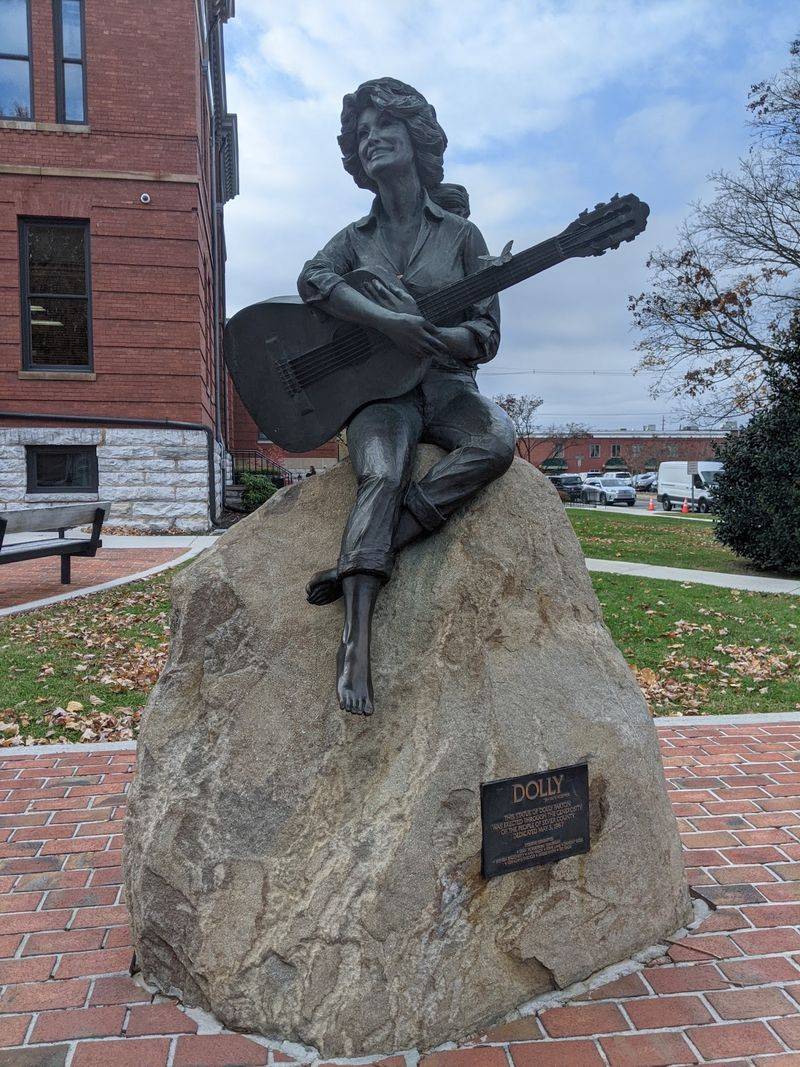
Before you reach Pigeon Forge’s neon glow, Sevierville welcomes travelers with a blend of hometown charm and gateway convenience. The historic courthouse square anchors downtown, where a bronze statue of Dolly Parton honors the county’s most famous daughter. She grew up in these hills, and the town celebrates that connection without turning it into a circus, maintaining dignity alongside the inevitable tourist appeal.
Shopping opportunities here rival anywhere in the region, but with better parking and less traffic stress. Tanger Outlets spread across multiple locations, offering deals that make your wallet breathe easier. Local antique shops hide treasures from mountain estates, and craft stores sell handmade quilts and pottery created by artisans who still practice traditional techniques their grandparents taught them.
Outdoor recreation surrounds Sevierville on all sides. The West Prong of the Little Pigeon River offers fishing and wading spots where kids can splash while parents relax on the banks. Nearby trails lead into the national park’s less-traveled sections, where you might hike for hours without seeing another soul.
Douglas Lake, just east of town, provides boating and fishing on 30,000 acres of water backed by mountain views that change with every season.
The town’s agricultural heritage shows through at local farmers markets where vendors sell everything from heirloom tomatoes to sourwood honey harvested from mountain hives. Apple barns offer fresh-pressed cider and fruit straight from nearby orchards. Several working farms welcome visitors for seasonal activities like pumpkin picking and hayrides, giving families a taste of rural Tennessee life that predates all the tourist development by generations.
5. Cosby, Tennessee
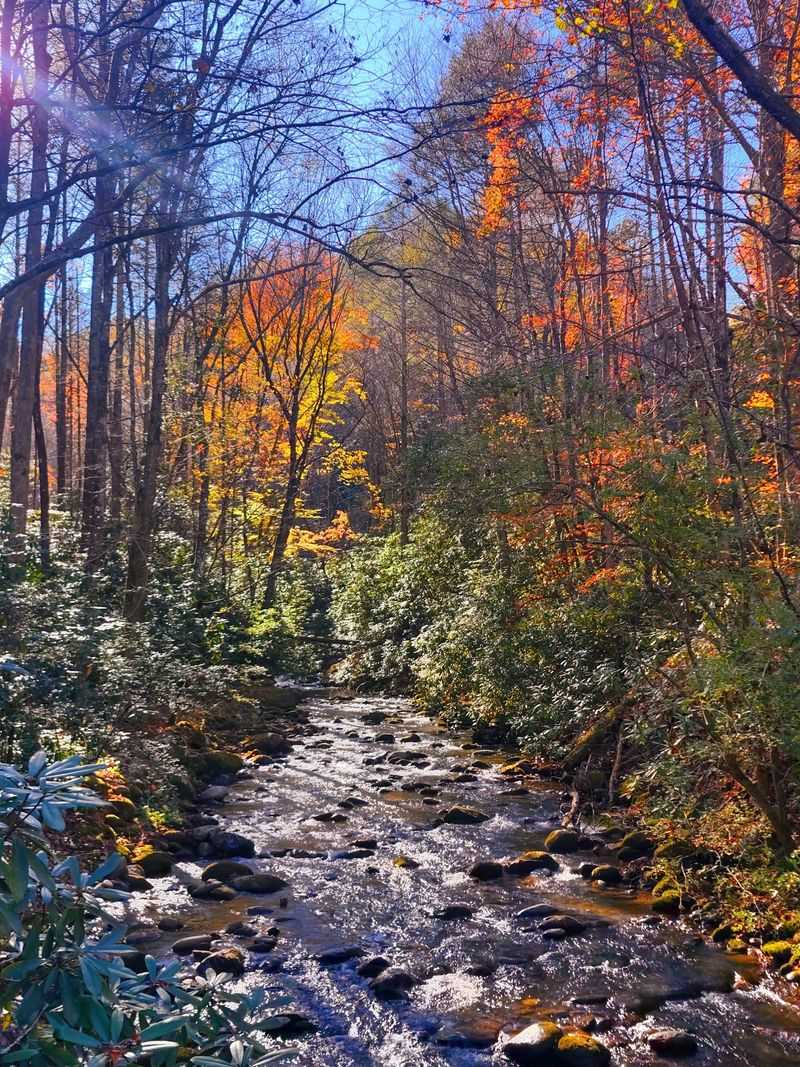
Cosby hides in the northeastern corner of the Smokies, far enough from main tourist routes that it maintains an authentic mountain character many other towns have lost. Old-timers still call it the “moonshine capital of the world,” a title earned during Prohibition when these isolated hollows produced more illegal whiskey than anywhere else in America. Those days are long gone, but the independent spirit remains strong in a community that values privacy and tradition.
The Cosby entrance to Great Smoky Mountains National Park sees a fraction of the visitors that crowd Gatlinburg’s gates, making it perfect for people who want wilderness without the crowds. Trails here lead to some of the park’s most spectacular destinations, including Mount Cammerer’s fire tower offering 360-degree views that stretch across multiple states on clear days. Hen Wallow Falls drops 90 feet in a gentle cascade that rewards hikers with a moderate trek through old-growth forest.
Camping in Cosby feels more remote and wild than developed campgrounds elsewhere. Sites nestle among towering trees where streams provide natural white noise better than any sleep machine. The cooler temperatures at higher elevations make summer camping comfortable when valley towns swelter in humid heat.
Local businesses keep things simple and genuine. Small restaurants serve country cooking without fancy presentations, just honest food made from recipes that haven’t changed in decades. A few craftspeople maintain studios where they work leather, forge metal, and create functional art using methods their ancestors brought to these mountains generations ago.
Cosby doesn’t try to compete with entertainment districts down the mountain because it offers something they can’t replicate.
6. Pittman Center, Tennessee
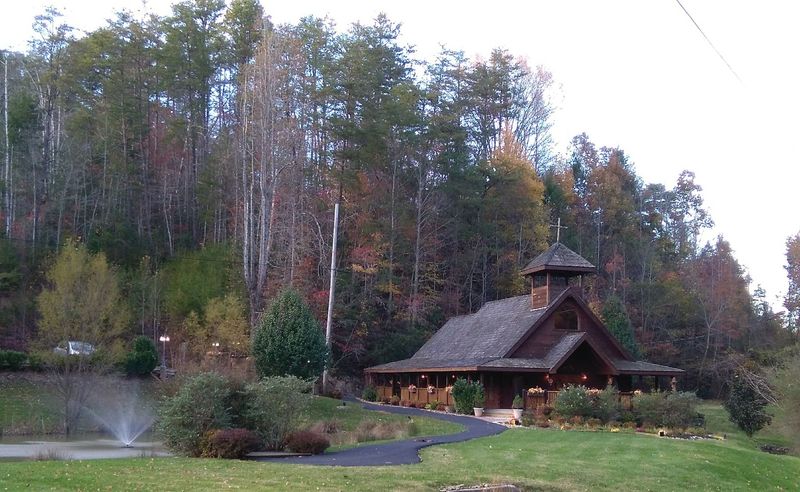
You might drive through Pittman Center without realizing you’ve entered a town at all. This tiny incorporated community of fewer than 600 residents spreads across a valley where churches outnumber commercial buildings by a comfortable margin. The Methodist mission that gave the town its name arrived in 1921, bringing education and healthcare to isolated mountain families who had limited contact with the outside world.
Nature dominates everything here. The Middle Prong of the Little Pigeon River flows through town, creating habitat for trout and providing endless entertainment for kids who still know how to play in creeks. Dense forests press close on all sides, and wildlife sightings happen so regularly that locals barely comment when deer cross the road or turkeys strut through yards.
Hiking opportunities branch off in multiple directions from Pittman Center’s boundaries. The Greenbrier section of Great Smoky Mountains National Park sits nearby, offering access to Ramsey Cascades, the tallest waterfall in the Smokies at over 100 feet. The eight-mile round trip hike challenges legs and lungs but rewards effort with a spectacular cascade tumbling over ancient rock formations.
Community events here reflect mountain traditions. The annual Fall Festival celebrates harvest season with music, crafts, and food that brings together families who’ve lived in these hills for generations alongside newcomers drawn by the area’s natural beauty. Churches host gospel singings where four-part harmony echoes the way it has for over a century.
Life moves slower in Pittman Center, and residents wouldn’t have it any other way, preserving a pace and lifestyle that most of Tennessee left behind decades ago.
7. Wears Valley, Tennessee
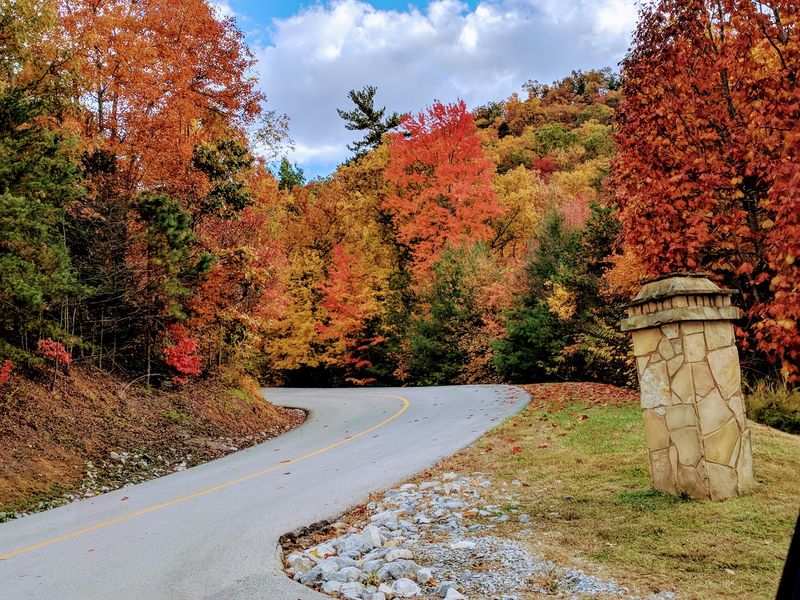
Wears Valley stretches between Pigeon Forge and Townsend, offering a scenic alternative route that trades tourist traffic for pastoral beauty. The valley floor spreads wide between mountain ridges, creating room for farms, meadows, and homes that maintain respectful distance from each other. Horses graze in fields where morning mist clings to the grass, and the pace of life follows seasonal rhythms rather than tourist schedules.
The valley’s elevation and orientation create microclimates that produce stunning seasonal displays. Fall colors here rival anywhere in the Smokies, with maples, oaks, and hickories painting the hillsides in reds, oranges, and golds that photographers chase every October. Spring brings wildflower shows in fields and forest edges where trillium, lady slippers, and hundreds of other species bloom in succession from March through May.
Outdoor recreation focuses on the quieter pursuits. The Little River flows along the valley’s edge, offering fishing and wading spots where families spend lazy afternoons. Hiking trails access the national park from multiple points, leading to destinations that see far fewer boots than popular trails closer to Gatlinburg.
Horseback riding stables take advantage of the valley’s terrain, offering guided rides through forests and meadows where the Smokies’ beauty unfolds at a horse’s walking pace.
Small businesses serve locals and visitors who discover this peaceful alternative to busier routes. A few restaurants offer mountain cooking with valley views, and craft shops sell work from regional artisans. The valley maintains a protective attitude toward development, keeping chain businesses out and preserving the rural character that makes it special, a conscious choice that benefits everyone who values authentic mountain landscapes over commercial convenience.
8. Walland, Tennessee
Walland barely registers on most tourist maps, which suits the locals just fine. This unincorporated community in Blount County sits where the foothills begin their climb toward the Smokies’ highest peaks. Farms still operate here, growing hay, raising cattle, and maintaining agricultural traditions that defined Tennessee for centuries before tourism discovered the mountains.
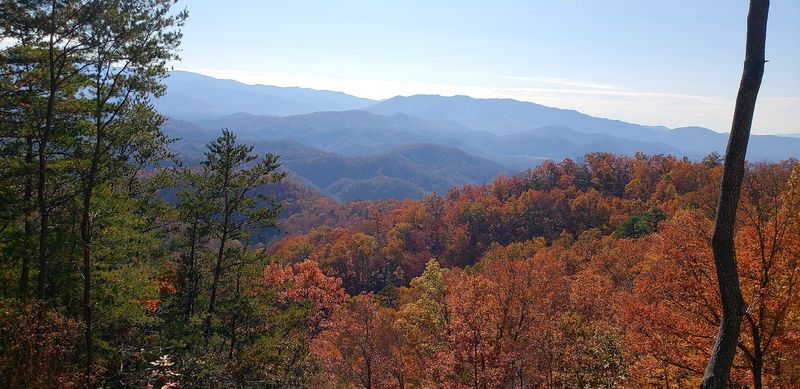
Chilhowee Mountain rises dramatically just south of Walland, creating a natural barrier and recreation area that locals treasure. Foothills Parkway sections offer scenic drives with overlooks providing views across valleys to the main Smoky Mountain crest. On clear days, you can see layer after layer of ridges fading into blue distance, understanding immediately why these mountains earned their name.
The area around Walland attracts outdoor enthusiasts who prefer solitude over crowds. Mountain biking trails wind through forests on lower slopes, offering challenges for experienced riders and easier routes for families. Rock climbing areas feature routes on quality stone that sees far less traffic than popular crags in other states.
Birders visit year-round, knowing that the transition zone between valleys and mountains creates habitat diversity supporting hundreds of species.
Blackberry Farm, one of America’s most exclusive resorts, operates just outside Walland, bringing world-class dining and hospitality to an unlikely rural setting. The contrast between the resort’s refined luxury and the surrounding farmland creates an interesting dynamic, though most Walland residents go about their lives barely noticing the famous guests passing through their community. The town maintains its authentic character, resisting pressures to transform into something it’s not, staying true to mountain heritage even as the world changes around it.
9. Maryville, Tennessee
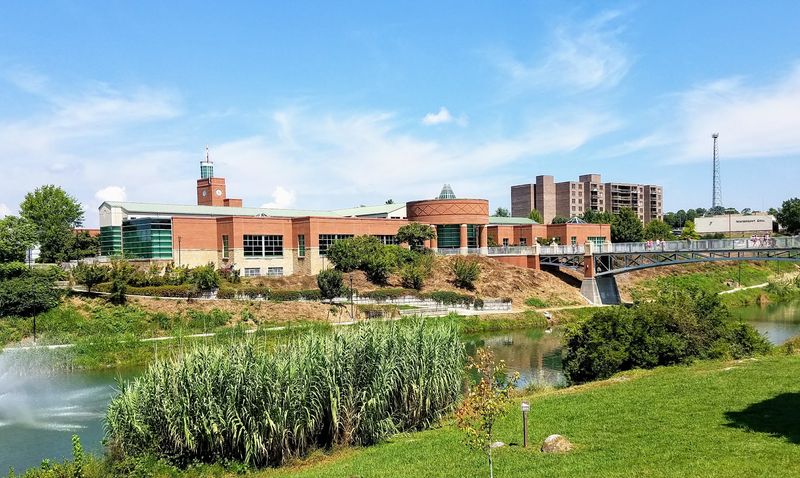
Maryville serves as Blount County’s seat and the region’s largest town, balancing college-town energy with mountain heritage in ways that create a distinct character. Maryville College, founded in 1819, brings students and cultural events to a community that might otherwise focus solely on agriculture and manufacturing. The campus spreads across 300 acres, its historic buildings and modern facilities coexisting just as tradition and progress share space throughout the town.
Downtown Maryville has experienced revitalization in recent years without losing its authentic feel. Locally-owned restaurants serve everything from Southern comfort food to international cuisines, and coffee shops provide gathering spots where students, professionals, and retirees mix freely. The Blount County Public Library occupies a beautiful modern building that serves as a community hub, while nearby shops sell antiques, books, and crafts from regional artisans.
Outdoor recreation surrounds Maryville on all sides. The Greenbelt system provides paved walking and biking paths connecting parks throughout the city, perfect for exercise or casual strolls. Nearby Foothills Parkway offers quick access to mountain scenery, and Great Smoky Mountains National Park sits less than 30 minutes away.
The Little River flows through town, stocked with trout and lined with parks where families picnic and play.
Cultural events reflect the town’s blend of influences. The annual Dogwood Arts Festival celebrates spring blooms with art shows and music performances. College theater productions and concerts bring professional-quality entertainment to town throughout the academic year.
Local museums preserve Blount County history, telling stories of Cherokee inhabitants, pioneer settlers, and the industrial development that shaped modern Maryville, creating a town that honors its past while building its future.
10. Tellico Plains, Tennessee
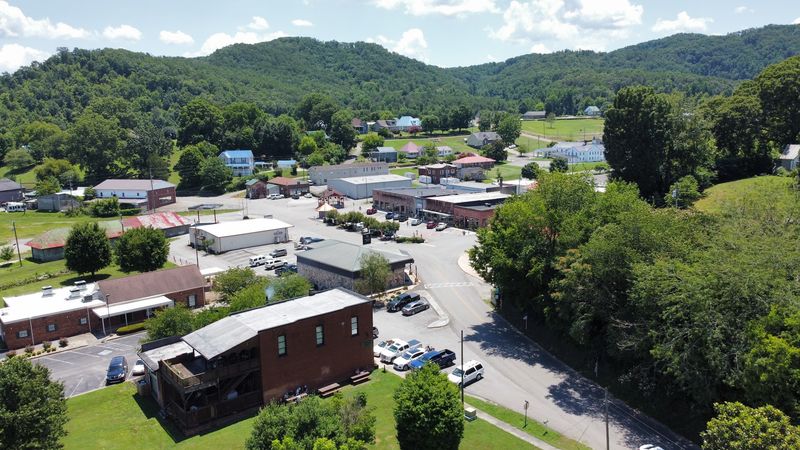
Tellico Plains sits at the edge of Cherokee National Forest, serving as the gateway to the Cherohala Skyway, one of America’s most spectacular mountain drives. This two-lane road climbs through forests and across ridges, reaching elevations over 5,000 feet where views stretch across Tennessee and North Carolina. The 43-mile route rivals the Blue Ridge Parkway for scenery while offering far fewer crowds and a wilder, less-developed experience.
The town itself maintains an unhurried mountain character. Downtown buildings date back generations, housing businesses that serve locals first and tourists second. A few restaurants offer country cooking and barbecue, and outdoor outfitters stock gear for people heading into the surrounding wilderness.
The Charles Hall Museum preserves local history, including exhibits on the region’s Cherokee heritage and the impact of dam construction on valley communities.
Outdoor recreation opportunities spread in every direction from Tellico Plains. The Tellico River flows cold and clear from mountain headwaters, offering some of Tennessee’s finest trout fishing on both public and private waters. Whitewater sections challenge kayakers and rafters when spring rains swell the flow.
Hiking trails access waterfalls, old-growth forests, and remote areas where you might not see another person all day.
Motorcycle enthusiasts discovered Tellico Plains years ago, and the town has embraced its role as a riding destination. The Skyway’s curves and elevation changes create an unforgettable ride, and dozens of other mountain roads branch off in every direction. Summer weekends bring riders from across the Southeast, their bikes lined up outside cafes where everyone swaps stories about the roads they’ve conquered and the views they’ve witnessed in these ancient mountains.
Share this story