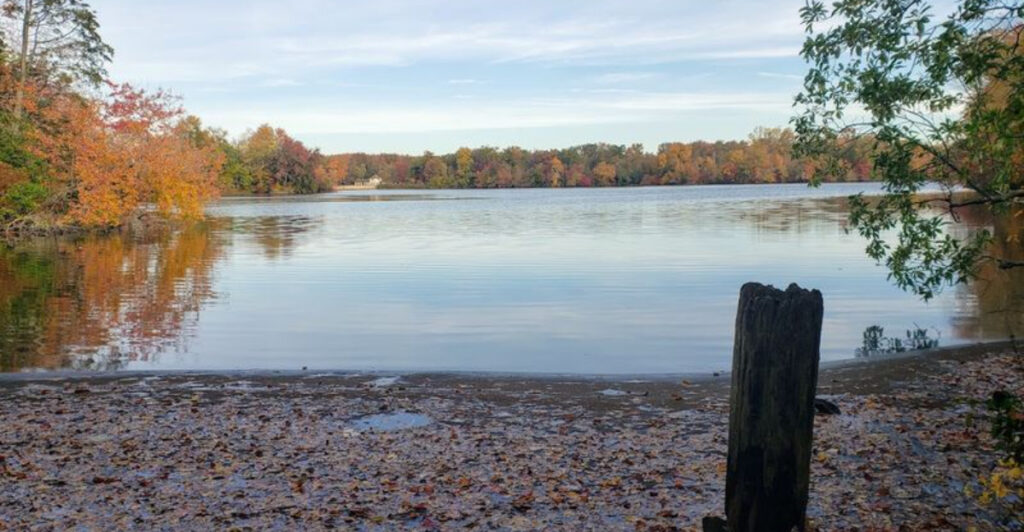
New Jersey does not exactly struggle for scenic places, but Parvin State Park still manages to feel like a surprise.
Tucked into Pittsgrove Township in Salem County, this 1,952-acre park has the kind of variety that makes even seasoned Jersey explorers stop and say, “Wait, this is all in one park?” One stretch gives you classic South Jersey pine and oak woods.
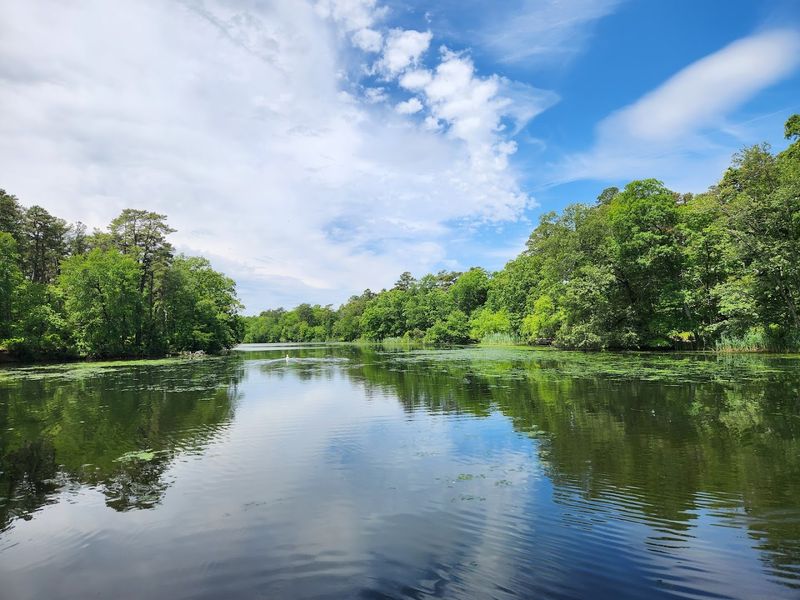
Another swings you past cedar-colored water, wetlands, lake edges, and a hardwood swamp that feels totally different from the sandy Pinelands scenery many people expect.
The official trail system includes nine trails totaling more than 15 miles, with easy multiuse routes that let you mix short loops with longer rambles depending on your mood, your knees, and how aggressively the mosquitoes are negotiating that day.
Add in Parvin Lake, Thundergust Lake, Muddy Run, and a deep bench of spring wildflowers, and you have one of the most distinctive outdoor escapes in the state.
Why Parvin State Park feels unlike anywhere else in New Jersey
Most parks give you one dominant mood and ask you to stick with it. Parvin does not operate that way.
This place sits on the edge of the New Jersey Pinelands, and that location is a huge part of its magic. You get the sandy, acidic-soil character that defines South Jersey’s pine country, but you also get a swamp hardwood forest and wetland pockets that completely shift the atmosphere from one trail segment to the next.
That contrast is what makes the park feel so memorable. One minute the ground is soft with pine needles under pitch pine and oak.
The next you are near darker water, thicker vegetation, and a landscape that feels cooler, denser, and a little more mysterious.
Official park materials lean into that exact point, describing Parvin as a place where typical Pine Barrens forest meets swamp hardwood habitat, which is not something you find in every state park brochure because, frankly, not every park can pull it off.
The wider Pinelands region itself is nationally and internationally recognized, too. It was established by Congress as the country’s first National Reserve, and the Pinelands Biosphere Region was designated through UNESCO’s Man and the Biosphere Programme.
That does not mean every walk here needs to feel educational in a textbook way. It just means the weirdness is real, and it is important.
Parvin is not flashy. It does not smack you over the head with dramatic cliffs or giant overlooks.
Its charm is more subtle and more South Jersey than that. The beauty is in the transitions, the textures, the way the woods change character, and the fact that the park quietly packs several ecosystems into one outing without making a big show of itself.
The trail network that lets you see lakes forests and wetlands in one trip
A big reason Parvin works so well for actual humans, not just nature photographers with suspiciously expensive lenses, is the layout of the trail system.
The park has nine different trails totaling more than 15 miles, and most of them are rated easy, which means you can cover a lot of ground without turning the day into a survival story.
The Parvin Lake Trail is the classic crowd-pleaser, a three-mile loop that circles the lake and then reaches into the Muddy Run basin, where the scenery starts changing in all the best ways.
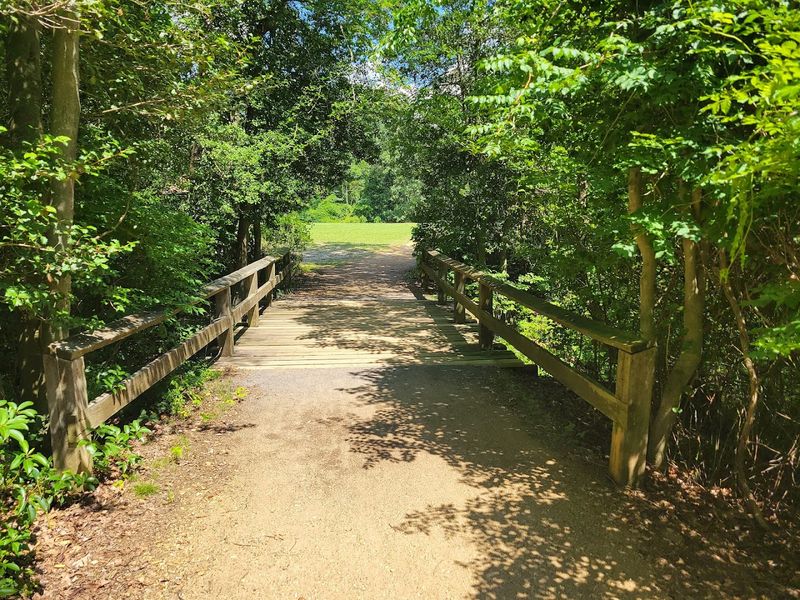
The Long Trail adds another 2.9 miles and follows Muddy Run through pine and oak forest, crossing the stream on a curved bridge before linking up with other routes.
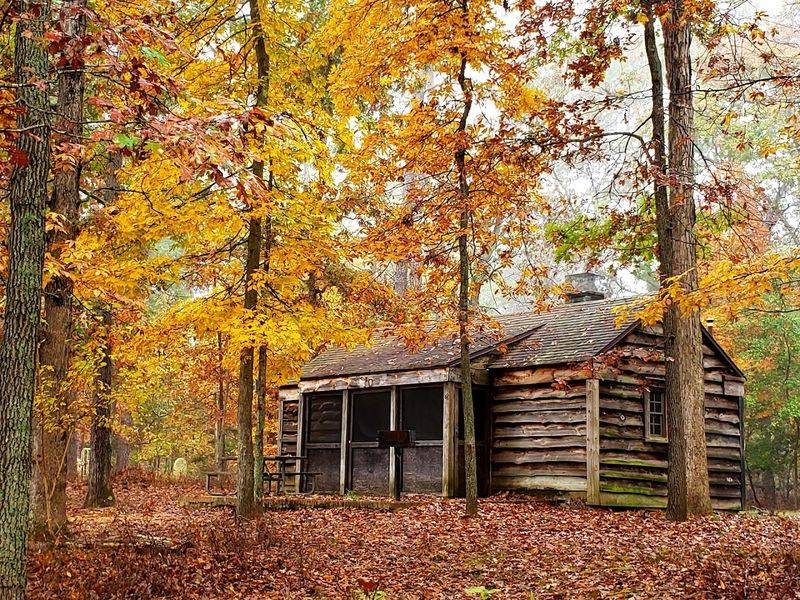
Around Thundergust Lake, there is a one-mile loop that stays close to the water and passes near the cabins, while smaller connectors like Knoll, Flat, Lost, and Nature make it easy to build your own route instead of committing to one all-or-nothing march. That flexibility matters because Parvin is at its best when you can drift a little.
You might start with a simple lakeside walk and then decide, on a whim, to tack on another mile through quieter woods. You might go in thinking you want water views and end up liking the pine flats more.
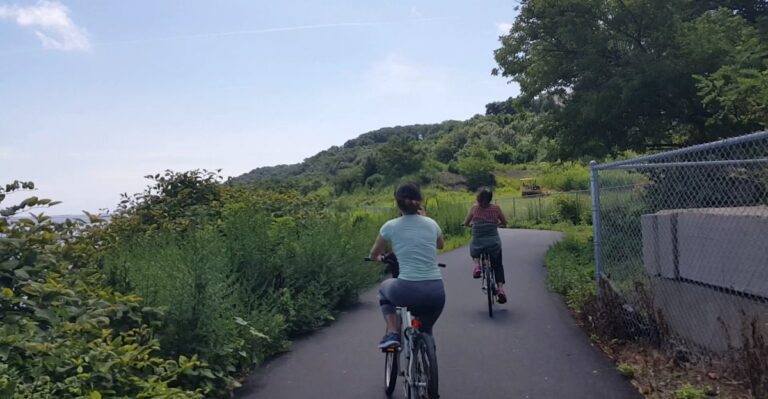
The trails are multiuse and generally flat, with surfaces that range from gravel and sand to pine-needle-covered singletrack and short boardwalk sections.
In other words, this is the rare park where you can get a real sense of movement through different habitats without needing trekking poles, advanced route-finding skills, or a post-hike ice bath.
For fast scanners, here is the short version: Parvin gives you loops, connectors, lakeshores, stream crossings, and woods in one clean package, and that is exactly why it is so easy to recommend.
What makes the Pinelands landscape here so striking
What grabs you first at Parvin is not size or elevation. It is character.
The Pinelands terrain has a look all its own, shaped by sandy soil, low nutrients, and plant communities built to handle conditions that would make fussier species give up immediately.
The New Jersey Pinelands Commission describes the region as a vast mix of forests, wetlands, rivers, and rare habitats, and UNESCO notes its mosaic of upland, wetland, and aquatic environments.
At Parvin, that broader identity becomes something you can actually feel under your shoes. The pine and oak woods are not neat, lush, storybook forest.
They are textured and scrappy in a handsome way, with pitch pine, oak, holly, and shrubs creating layers instead of one big green wall. Then the terrain softens around the water.
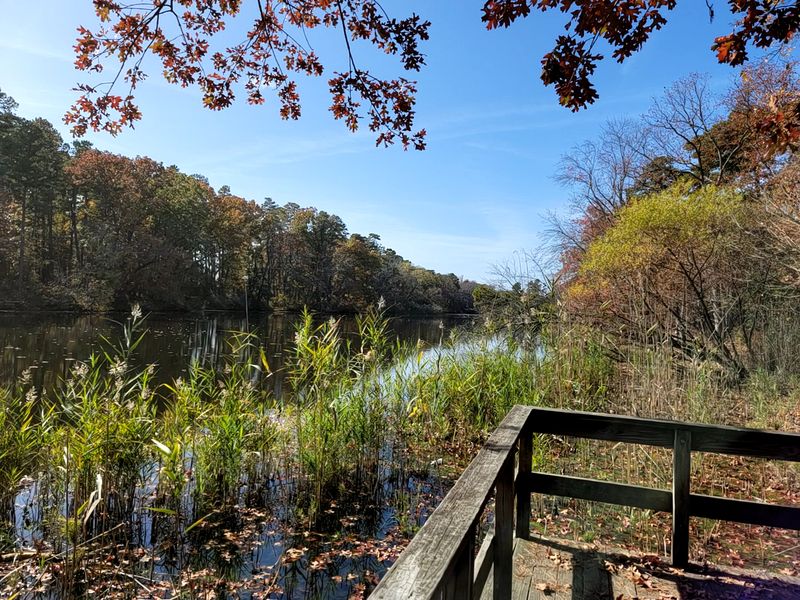
Muddy Run and the lake edges introduce a different rhythm, with cedar-stained water, wetter ground, and thicker growth that changes the light and the sound around you. Official trail guides point out that the park includes both pine barrens forest and hardwood swamp, which explains why the scenery never feels visually stuck.
You are moving through transition zones, and transition zones are where nature gets interesting. That is also why Parvin feels so different from the postcard idea many people have of New Jersey outdoors.
It is not all beach, boardwalk, and marsh. It is also this: quiet woods with springy trails, little bridges, water that looks like steeped tea, and plant life adapted to one of the most distinctive ecological regions in the Northeast.
There is something pleasantly offbeat about it. Not eerie, exactly.
More like the landscape is keeping a few secrets and has no particular interest in explaining itself to you all at once. That is a large part of the appeal.
The rare plants and wildlife that make every walk more interesting
Even people who claim they are “not really into plants” tend to get pulled in here, because Parvin keeps throwing interesting things at you.
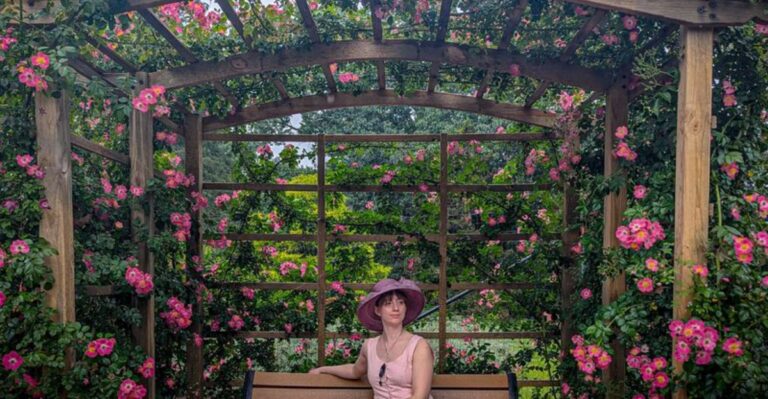
Official park materials note more than 200 flowering plant species, including dogwood, mountain laurel, American holly, magnolia, and wild azalea, and that lineup alone tells you this is not a one-note patch of woods.
Spring is especially showy, when blooms and fresh growth start competing for attention and the whole place smells greener, if that makes sense. But the real fun is in the ecological oddities.
The Family Destinations Guide story highlights carnivorous plants in wetter sections of the park, including sundews and pitcher plants, which makes perfect sense in nutrient-poor Pinelands conditions where some plants have had to get creative to pull in what the soil does not provide.
Even without spotting those botanical drama queens, there is a lot to keep your eyes busy.
Around the lakes and along Muddy Run, the wetland habitat supports amphibians, reptiles, and water-loving birds. In the drier woods, the structure of the pine and oak forest creates a completely different scene.
Wildlife-wise, the park’s official pages emphasize plant and habitat diversity rather than promising a zoo-on-demand experience, which is honestly refreshing. Parvin rewards attention more than luck.
You notice the little things first: movement at the edge of the trail, birdsong changing near the water, the way one patch of ground is suddenly full of shrubs and another goes open and airy. That is what makes a walk here feel active even when it is quiet.
The park is not trying to overwhelm you with spectacle. It is better than that.
It keeps handing you details, and the more closely you look, the more you realize the place is far richer and stranger than a quick glance would suggest.
The best times of year to experience Parvin at its most beautiful
Parvin is one of those parks that changes personality with the calendar, so the “best” time really depends on what version of the place you want to meet. Spring is the easiest answer if you like color and fragrance.
The state’s official park descriptions specifically call out flowering dogwood, mountain laurel, holly, magnolia, wild azalea, and more than 200 flowering plant species, and that burst of bloom makes the park feel lively in a very different way than midsummer does.
This is when the trails feel fresh, the lakeside views sharpen up again after winter, and every wetland edge seems to wake up at once.
Summer, meanwhile, is great for anyone who wants a full day instead of just a hike. You can walk in the morning, then pivot to Parvin Lake, which has a lifeguard-staffed swimming beach according to the official park page.
That combination is a strong move during sticky South Jersey weather. Fall is probably the sleeper favorite for locals who want the woods at their most photogenic without peak-season beach chaos anywhere in the equation.
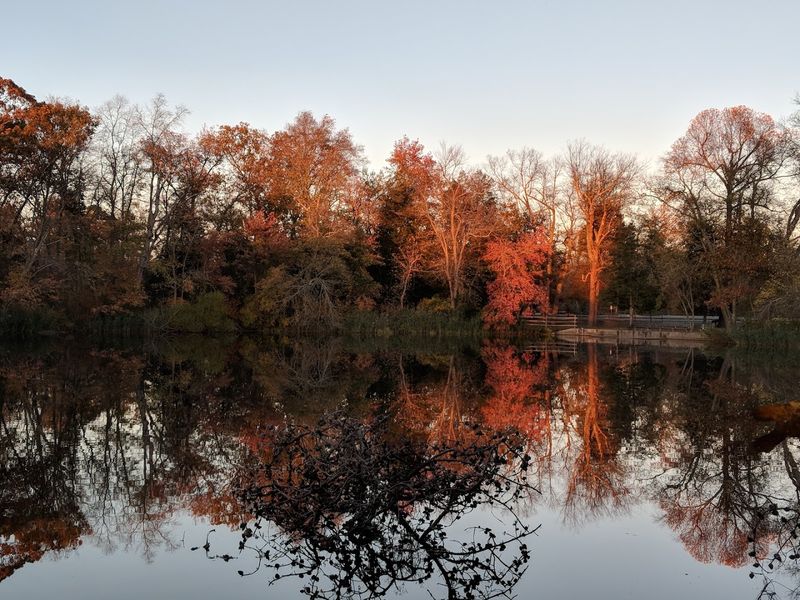
The oak-heavy areas pick up warm reds and oranges, the pines hold their deep green, and the whole park starts looking layered and dramatic in a very low-key way. Winter strips things back, but that is part of the appeal.
With leaves down, sightlines open up, water becomes more noticeable, and the park’s structure is easier to read. You start noticing bridges, stream channels, trail curves, and the bones of the landscape.
No matter the season, the state notes that the trails are open year-round, though muddy conditions can show up after rains, which is less a flaw than a reminder that this place is built around water and wetlands. In Parvin, a little mud is practically part of the welcome committee.
Why this South Jersey park deserves a spot on every nature lover’s list
Plenty of parks are nice. Plenty are convenient.
Far fewer feel genuinely distinctive once you have been to enough of them, and that is where Parvin separates itself. This is not just another patch of woods with a loop trail and a picnic table trying its best.
Parvin has range. It gives you lakes, a stream, easy trail miles, a Pinelands setting, a hardwood swamp, and enough ecological variety to keep the walk from ever feeling repetitive.
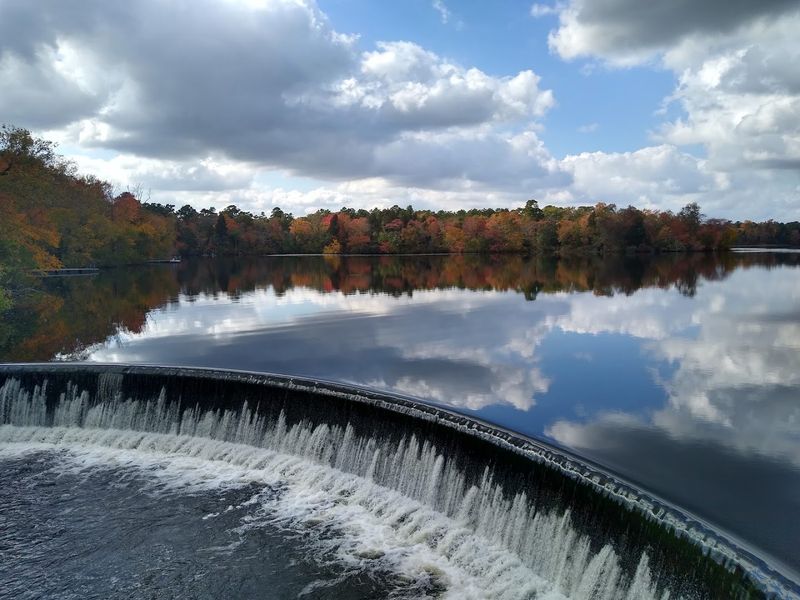
The history adds another layer. Official state materials note that the land became a state park in 1930, and that Civilian Conservation Corps crews arrived in 1933 to build cabins, campsites, trails, and the main beach complex, with much of that work still shaping the park today.
The same history also includes earlier Native American presence, the creation of Parvin Lake after Lemuel Parvin dammed Muddy Run for a sawmill, and later wartime chapters involving Japanese American agricultural workers, German prisoners of war, and Kalmyk refugees. That is a lot of story for one place.
But even if you never read a single interpretive sign, the park still lands because the experience is so grounded and specific. It feels local in the best way.
Not over-curated. Not trying too hard.
Just quietly excellent. You can come for a short loop around a lake, wander into the deeper trail network, notice how the terrain shifts around every bend, and leave feeling like you saw a side of New Jersey that still gets underestimated.
For anyone who loves places with texture, subtlety, and a little bit of ecological weirdness, Parvin belongs on the list. Honestly, it belongs higher on the list than most people realize.
Share this story