You do not expect to find a full-on Tuscan-style medieval castle rising out of Napa Valley wine country, and that is exactly why Castello di Amorosa hits so hard. The drive already feels promising, but the arrival delivers the kind of wow moment that makes you grab your phone before you even park.
Beyond the dramatic towers and stone walls, this place works because it is more than a backdrop – it feels layered, playful, and surprisingly immersive. If you are debating whether it deserves the detour, the short answer is yes.
The Arrival Feels Like You Crossed Into Another World
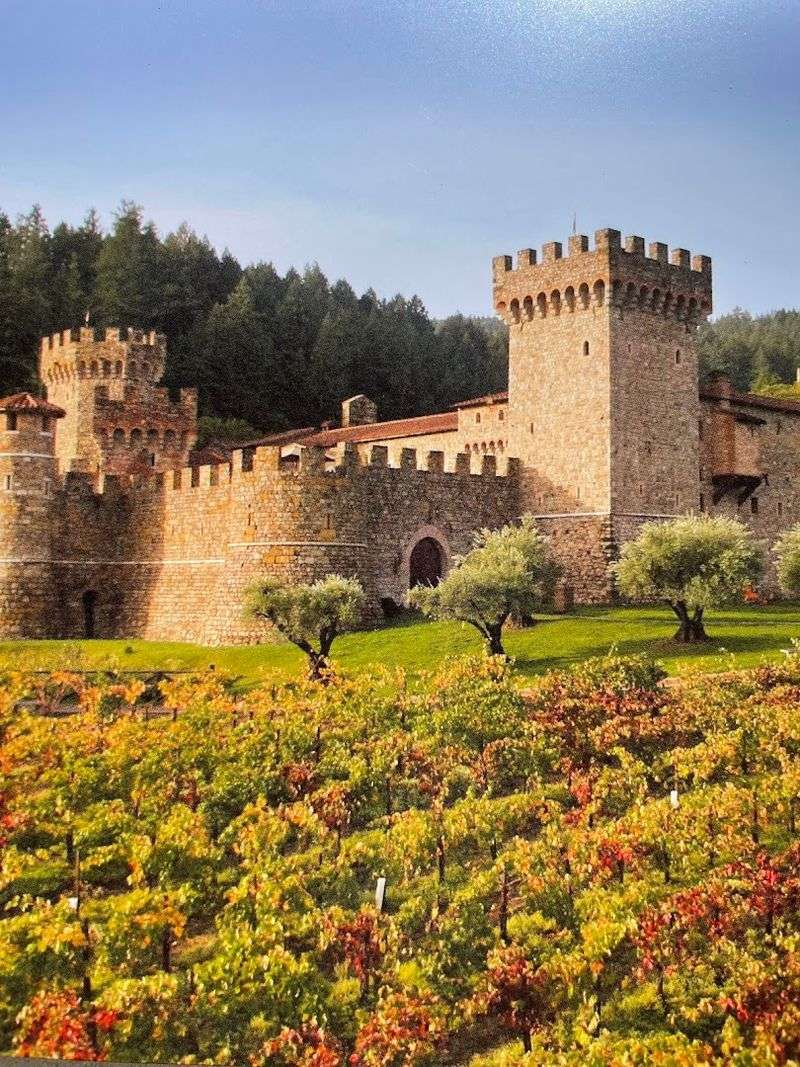
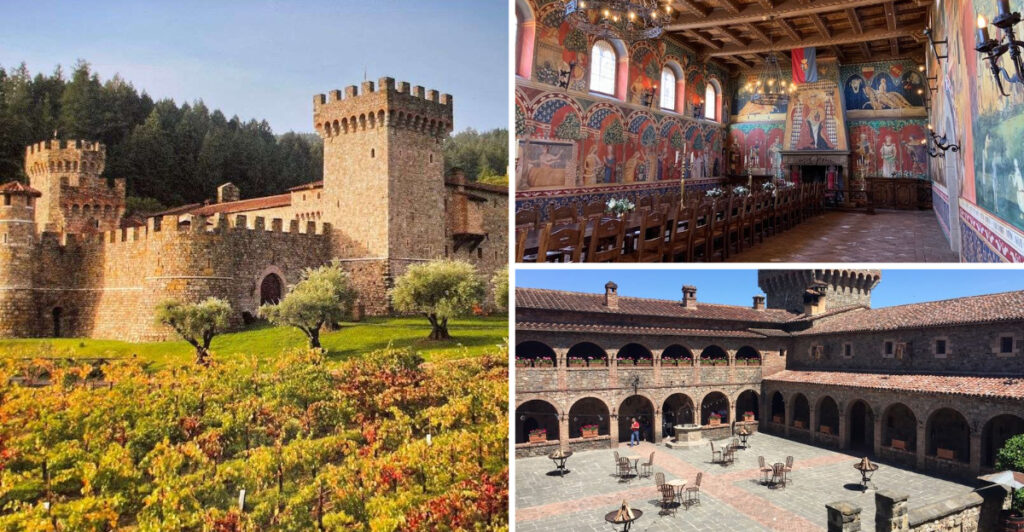
The first thing that got me was the contrast. You are driving through classic Napa scenery, then suddenly a medieval-looking fortress appears on the hillside like somebody folded Tuscany into Northern California. That reveal alone makes the road trip feel justified before you have even stepped through the gate.
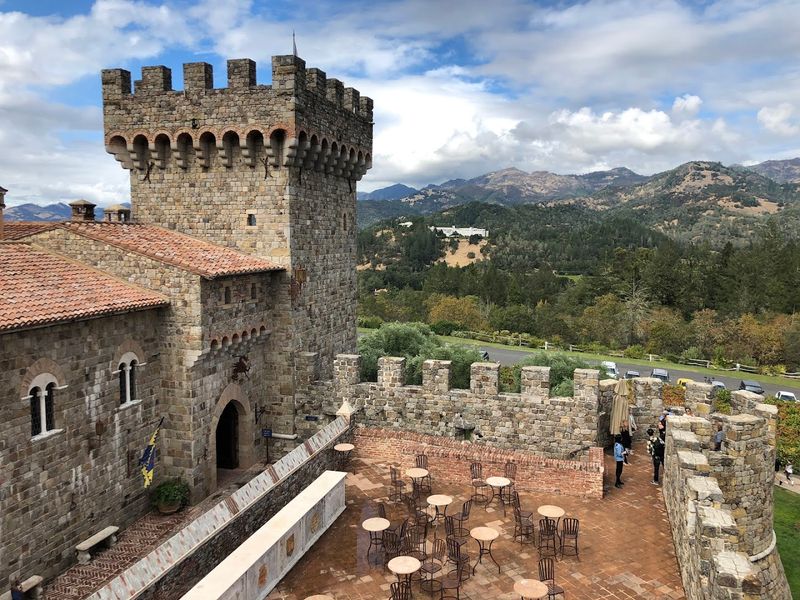
Once you get closer, the scale starts doing real work. The stone walls, towers, entry sequence, and old-world detailing give the place a sense of ceremony that many scenic stops never quite achieve. Instead of feeling like a themed facade, it feels deliberate, textured, and built to slow your pace the second you arrive.
I also like that the setting does not try too hard to explain itself. The surrounding vineyards and mountain backdrop keep one foot in Napa, while the architecture pulls you somewhere more cinematic. You end up with that rare travel feeling where the first five minutes already have a storyline, and you are instantly curious about what is beyond the next archway.
For photo lovers, this is where the visit starts paying off. Wide shots work, but close details do too, especially the stonework, wood, and fortress-style features that frame the entrance. If you arrive with a reservation ready and a little extra time to take in the exterior, the opening impression lands bigger, calmer, and far more memorable than a quick in-and-out tasting stop.
The Main Draw Is the Castle Itself, Not Just the Wine
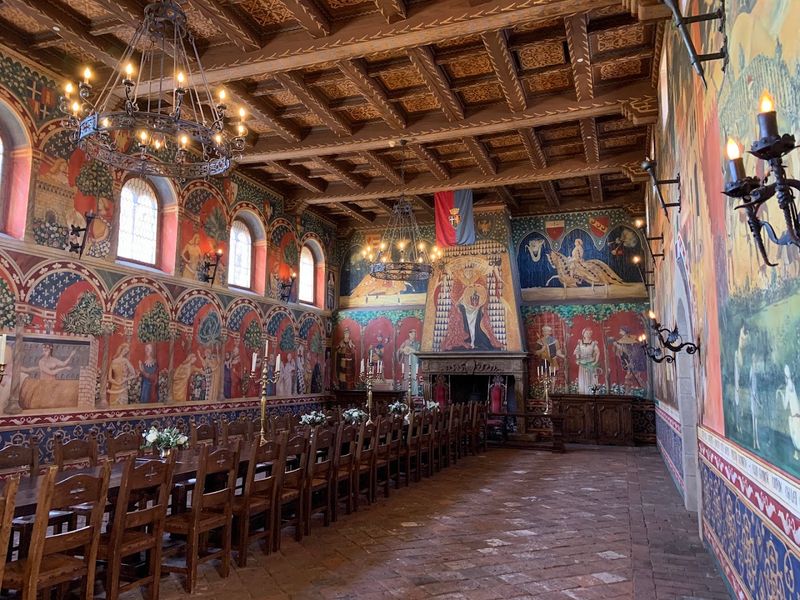
Let us be honest about the main attraction here. The biggest pull is the castle itself: not just a winery with a dramatic building, but a place designed around the experience of moving through a medieval-inspired world. That difference matters, because it changes your mindset from tasting stop to full outing.
What makes it stick is the commitment to detail and scale. Castello di Amorosa was built in the style of a 13th- and 14th-century Tuscan castle, and that design choice shows up everywhere, from the fortress elements to the layered rooms and dramatic halls. Even if you came in mostly curious, the architecture quickly becomes the thing you keep talking about.
The spaces that pull people in most tend to be the grand interiors and underground areas. The Great Hall has the kind of visual weight that makes you stop mid-step, and the barrel rooms bring a cooler, more atmospheric mood that feels completely different from the sunlit courtyards above. That contrast gives the visit rhythm, which is why it does not blur into one long walk.
If you are into wine, the working winery aspect adds depth instead of distraction. If you are not, the castle still delivers as a destination with real personality. Either way, the central draw is clear: you are here to explore a place that feels theatrical, handcrafted, and far more transportive than the average Napa stop.
The Best Parts Are Often the Details You Almost Miss
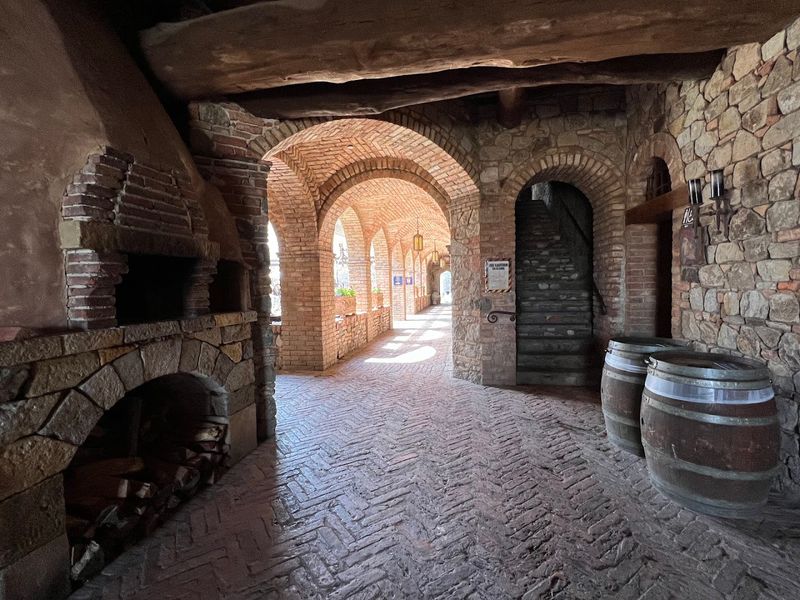
After the big wow moments, the smaller details start taking over, and that is where this place gets more interesting. You notice the hand-worked textures, the old-world materials, the shifts in light from one room to another, and the way no single corner feels copied and pasted. It rewards curiosity in a way that makes you slow down without trying.
I would not rush past the in-between spaces. Hallways, staircases, cellar passages, and courtyard edges often carry as much mood as the headline rooms, especially when the light catches the stone or the brick in a softer way. Those quieter transitions make the castle feel layered rather than staged, and they help the visit feel exploratory instead of overly programmed.
There is also a slightly playful side to the experience that keeps it from feeling stiff. Features like the armory, defensive elements, and more unusual medieval touches give the property personality, while areas such as the chapel and frescoed rooms add a more refined visual balance. That mix is part of the fun: one moment feels grand, the next feels curious, even a little unexpected.
For photo lovers, this is the section of the day where close framing wins. Instead of chasing only sweeping shots, look for textures, archways, painted ceilings, and tucked-away corners that tell the story better. The hidden details are what turn Castello di Amorosa from a dramatic first impression into a place you actually remember scene by scene later.
Give Yourself Time to Wander Instead of Racing Through It
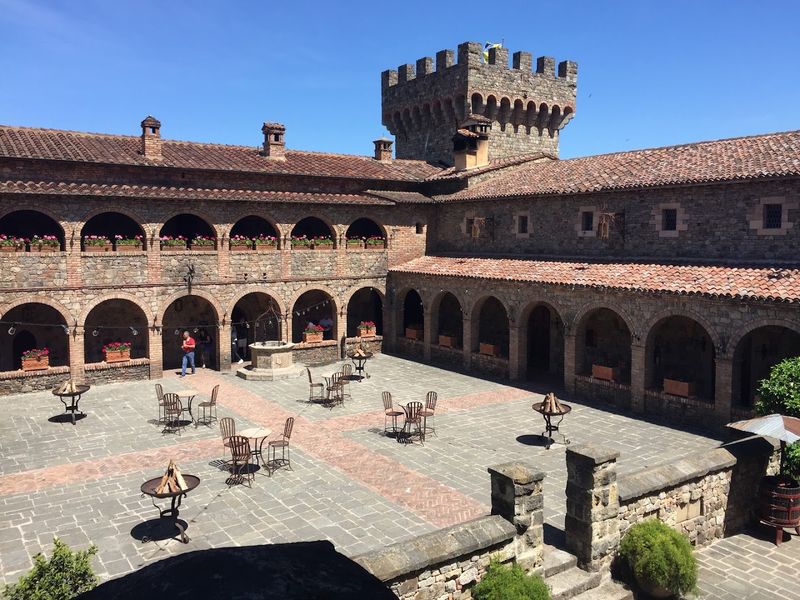
This is not a place that works well as a speed run. The more enjoyable approach is to treat it like a layered environment, not a checklist, especially since the atmosphere changes from courtyards to halls to underground spaces. A little patience goes a long way here, because the castle reveals itself better when you leave room to linger.
If you like structure, a guided experience can help connect the architecture, winemaking spaces, and historical inspiration into one story. If you prefer independence, the self-guided option and on-site information let you move at your own rhythm without losing context. That flexibility is a real strength, because some visitors want narration while others just want time to absorb the setting.
I would build in more time than you think you need. Recent visitors often mention that the visit becomes much better when it does not feel rushed, and that feels right for a property with this many rooms, levels, and visual layers. Even if you are mainly here for the castle, the pacing matters just as much as the route.
Family-friendly highlights depend on the type of experience you book, so it is smart to check what fits your group before arriving. The good news is that the property has enough visual drama and open-air appeal to keep the outing interesting beyond the tasting itself. When you explore at your own pace, the castle feels less like an attraction and more like a setting you briefly get to inhabit.
A Few Smart Moves Can Make the Visit Much Smoother
Here is the practical part that can save you time and mild frustration. Reservations are required for entry, tours, and tastings, so this is not the kind of place to treat as a casual last-minute pop-in. Having your confirmation ready before you reach the gate is one of those tiny moves that makes the start of the visit much smoother.
Timing matters too. Multiple recent visitors mention that weekdays and quieter hours make the castle easier to enjoy, especially if you want room for photos and a less crowded feel in the shared spaces. Since the listed hours generally run from 10 AM to 5:30 PM, earlier visits tend to give you a little more breathing room and better daylight for exterior shots.
I would also wear shoes you actually want to walk in. This is a substantial property with multiple levels and plenty of stone surfaces, so comfort matters more here than at a quick tasting bar. If your visit includes wine, remember that the experience is paced for sampling and sightseeing, not rushing through glasses and heading out immediately.
Families should check age-related tour access in advance, because not every format fits every group. If you are visiting mainly for the architecture, choosing the right reservation type is everything. A little planning makes the castle feel effortless once you are inside, which is ideal because the best part of Castello di Amorosa is being fully present in the setting, not solving logistics on the fly.
Why This Place Stands Out in a Region Full of Big Names
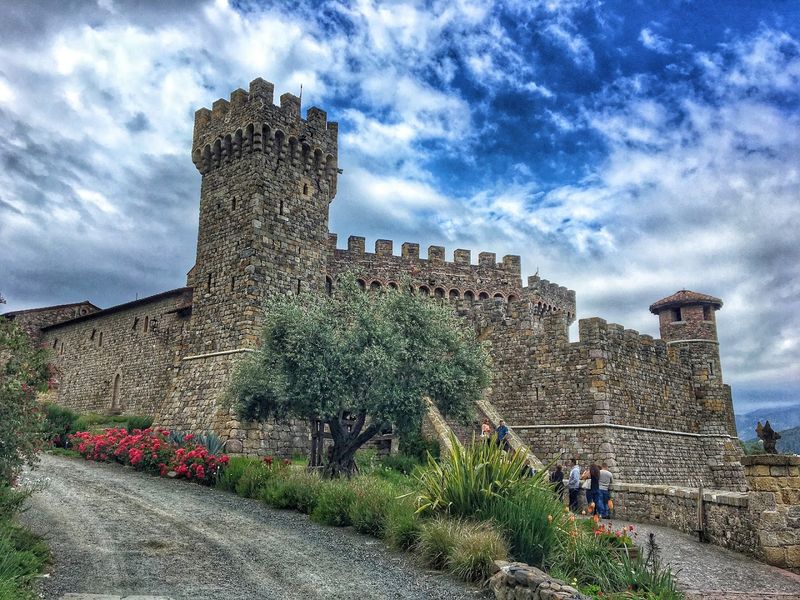
Napa has no shortage of polished, scenic places, which makes standing out harder than it looks. Castello di Amorosa manages it by leaning fully into a point of view instead of blending into the usual tasting-room formula. The result is a destination that feels immersive, a little theatrical, and much more specific than the average wine-country stop.
Part of that comes from the origin story behind it. The castle was created as a long-term passion project by winemaker Dario Sattui and opened to the public in 2007, with a clear commitment to authentic medieval Tuscan inspiration rather than a loose fantasy version. You can feel that seriousness in the materials, the layout, and the sheer amount of craftsmanship built into the property.
What also makes it memorable is the tension between elegance and play. One minute you are taking in frescoes, a chapel, or an imposing hall, and the next you are peeking into spaces with fortress energy and darker medieval flair. That range gives the place personality, and it keeps the experience from feeling too polished or too precious.
I think that is why people keep recommending it even when they note the crowds or come mainly for the atmosphere. This is a place you visit for a full sensory setting: architecture, stone, cool cellar air, vineyard views, and a story that unfolds room by room. In a region packed with options, Castello di Amorosa still feels like an only-here kind of stop.
Turn It Into a Full Calistoga Moment
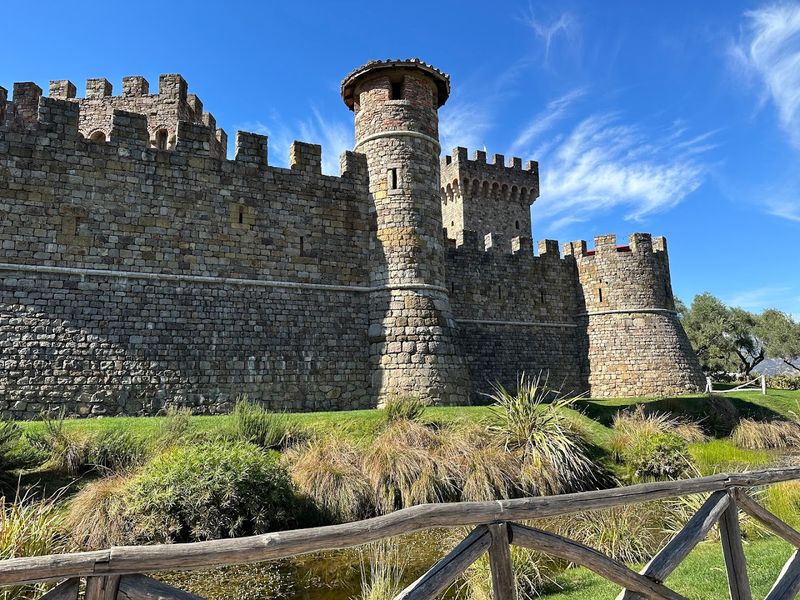
The smartest way to do Castello di Amorosa is to make it part of a full Calistoga mood, not a rushed single stop. This place has enough visual drama and personality to anchor your day, especially if you enjoy scenic drives, bold architecture, and destinations that feel a little larger than life. Give it space in the schedule, and the whole outing lands better.
I would think about the visit in layers: approach, explore, pause, look again. The exterior has one kind of magic, the interior shifts the tone completely, and the surrounding valley keeps reminding you that this surreal castle is still rooted in Northern California. That blend is exactly what makes the experience feel road-trip worthy instead of merely convenient.
For couples, it has obvious romantic energy without trying to be too polished. For first-time Napa visitors, it is an easy conversation piece because almost nobody expects a medieval-style Tuscan castle and working winery in this setting. For families or mixed groups, it offers enough architecture and atmosphere that even people who care less about wine still have plenty to talk about.
Most of all, it knows how to create a memory. You leave with vivid visual snapshots: towers against the hills, stone corridors, cool cellar rooms, sunlight in the courtyards. If you are looking for the kind of California stop that feels unexpected, specific, and fun to retell later, Castello di Amorosa absolutely earns its place as the moment your Calistoga trip revolves around.
Share this story