Memphis might be famous for barbecue and blues, but tucked inside the city limits sits a 1,600-acre outdoor escape that feels miles away from urban life. T.O. Fuller State Park offers something rare: genuine wilderness with Chickasaw Bluffs, mysterious homestead ruins, and quiet forest trails, all without leaving town.
Whether you’re craving a quick nature fix or a full day of exploring history and hiking, this underrated gem delivers big time.
A 1,600-Acre Tennessee Escape Hiding Right Inside Memphis
Finding genuine wilderness inside a major city sounds impossible, yet T.O. Fuller State Park pulls it off with style. Sprawling across 1,600 acres in southwest Memphis, this green oasis feels like a secret the locals have been keeping to themselves.
You can literally drive from downtown honky-tonks to towering hardwoods in about twenty minutes.
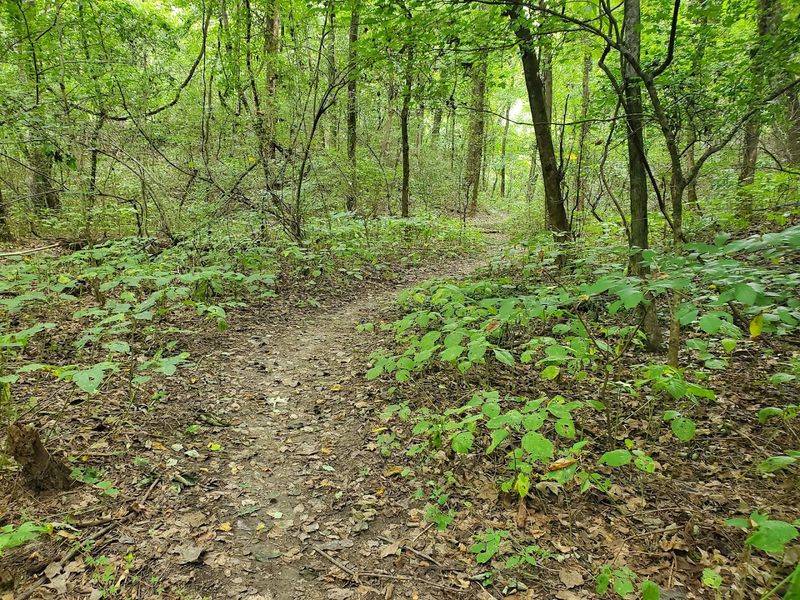
The park’s size works in your favor. With that much land, you can wander trails for hours without seeing the same spot twice. Thick forest canopy shades most pathways, making summer hikes surprisingly comfortable.
The layout includes everything from dense woodlands to open meadows where deer graze at dawn.
What makes this place special is how it balances accessibility with genuine seclusion. You’re technically still in Memphis, so getting here doesn’t require a road trip or special planning. Yet once you step onto the trails, city noise fades fast.
Birdsong replaces traffic hum, and the air smells like pine instead of pavement.
Families love the convenience factor. Need to squeeze in outdoor time before dinner? Done. Want to camp without driving two hours each way? Set up your tent right here. The park offers that rare combination of urban proximity and rural peace.
Local visitors often mention how surprised they feel discovering such expansive greenery within city limits. First-timers expect a small urban park with maybe a walking path. Instead, they find legitimate backcountry terrain that could easily pass for a remote state forest.
The scale alone makes T.O. Fuller worth exploring, but the variety of landscapes and features turns a simple visit into a proper adventure.
Memphis residents who’ve never been are genuinely missing out on one of their city’s best-kept outdoor treasures.
The Chickasaw Bluffs That Give This Park Its Wild, Scenic Edge
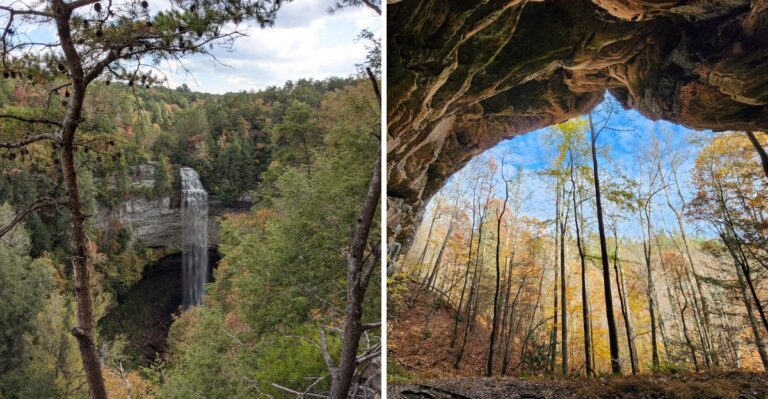
Geology gets interesting when you hit the Chickasaw Bluffs. These aren’t gentle rolling hills. We’re talking steep, dramatic ridges that rise sharply from the surrounding lowlands, creating elevation changes you don’t expect in this part of Tennessee.
The bluffs form the park’s eastern boundary and provide some seriously impressive views when you climb high enough.
These formations date back thousands of years, carved by ancient rivers and wind erosion. The result is a landscape that feels wild and rugged, with slopes covered in native hardwoods clinging to rocky soil. Hiking along the bluff edges gives you perspective on just how much topography exists here.
One minute you’re on flat ground, the next you’re looking down a forested slope that drops away sharply.
The bluffs also create unique microclimates throughout the park. Shaded north-facing slopes stay cooler and damper, supporting different plant species than the sun-baked southern exposures. Wildlife takes advantage of this variety, so you might spot everything from woodpeckers hammering dead snags to hawks riding thermals above the ridgeline.
These bluffs aren’t just pretty scenery. They tell the geological story of this region and provide habitat diversity that makes the park ecologically richer. Exploring them adds a sense of adventure to your visit, especially when you realize you’re scrambling up genuine wilderness terrain while still technically inside Memphis city limits.
The Chickasaw Bluffs give T.O. Fuller its distinctive character and wild edge.
Homestead Ruins That Add A Mysterious Layer Of History
Stumbling across old homestead ruins while hiking adds an unexpected thrill to your park visit. Scattered throughout T.O. Fuller’s forests, these weathered remnants tell stories of families who lived here long before the land became a state park.
Crumbling stone foundations, rusted farm equipment slowly being reclaimed by kudzu, and the occasional chimney standing alone create haunting focal points along certain trails.
The ruins date back to the early 1900s when this area supported small farms and rural communities. Walking through these sites feels like stepping into a time capsule. You can still make out where buildings once stood, imagine gardens that fed families, and picture daily life that revolved around seasons and hard work.
Nature has been busy taking everything back, but enough structure remains to spark your imagination.
Kids especially love exploring these historical spots. There’s something irresistible about old ruins that makes history tangible instead of abstract. Suddenly, the past isn’t just dates in a textbook but real places where real people lived, worked, and raised families.
Parents often find themselves answering endless questions about who lived here and what happened to them.
The contrast between human-made structures and encroaching wilderness creates powerful images. Moss-covered stone walls, trees growing through old foundations, and rusty artifacts half-buried in leaves all tell visual stories about time passing and nature’s persistence.
The park doesn’t heavily advertise these ruins, which adds to their appeal. You have to explore a bit to find them, making each discovery feel personal. Some are right off main trails, while others require bushwhacking through undergrowth.
Either way, these homestead remnants add depth and mystery to T.O. Fuller, reminding visitors that this land has witnessed generations of human stories before becoming the wilderness escape it is today.
Trails, Forests, And Quiet Corners That Feel Far From The City
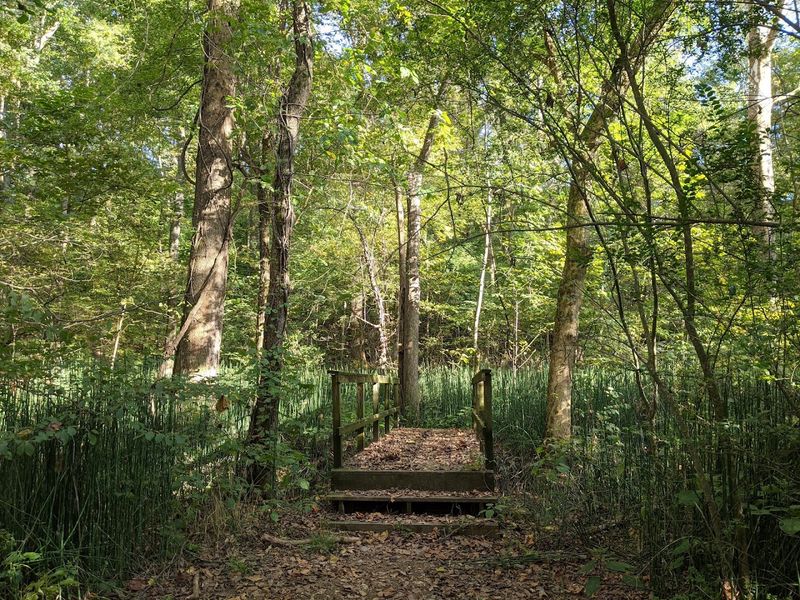
Over six miles of trails wind through T.O. Fuller, offering everything from easy strolls to more challenging terrain. The trail system connects different park zones, taking you through various forest types and landscapes.
You’ll walk under mature hardwood canopies where sunlight filters through leaves in dancing patterns, cross small streams on wooden bridges, and occasionally emerge into meadow clearings.
The Pond Loop Trail ranks as a visitor favorite for good reason. This relatively easy path circles a quiet pond where turtles sun themselves on logs and herons hunt along shallow edges. It’s perfect for families with younger kids or anyone wanting a quick nature fix without serious exertion.
The Discovery Trail takes you deeper into the woods and eventually leads to the Chucalissa archaeological site, combining hiking with cultural history.
What strikes most visitors is how genuinely peaceful these trails feel. Bird calls outnumber car horns. The only crowds you’ll encounter are groups of deer browsing understory plants.
Even on weekends, you can hike for stretches without seeing another person. That kind of solitude is increasingly rare, especially this close to a major city.
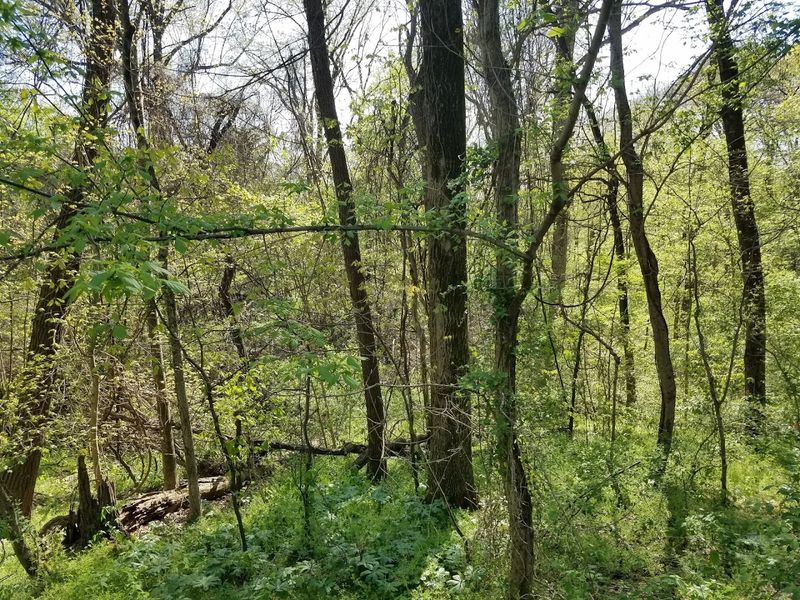
The forest itself deserves attention. Mature oaks, hickories, and sweetgums create a classic southern hardwood ecosystem. In spring, wildflowers carpet the forest floor before the canopy leafs out completely.
Fall brings spectacular color as leaves turn gold, orange, and deep red. Winter reveals the forest’s architecture, with bare branches creating intricate patterns against gray skies.
Birdwatchers bring binoculars to spot everything from woodpeckers to warblers during migration seasons. The varied habitat supports a diverse array of species, making T.O. Fuller a solid birding destination.
Even casual hikers notice the abundance of wildlife signs: tracks in mud, stripped pinecones from squirrel feeding, and occasional glimpses of rabbits bounding into brush. These quiet corners provide the reset button Memphis residents need without requiring a tank of gas to reach them.
Why T.O. Fuller State Park Is One Of Memphis’ Most Underrated Outdoor Gems
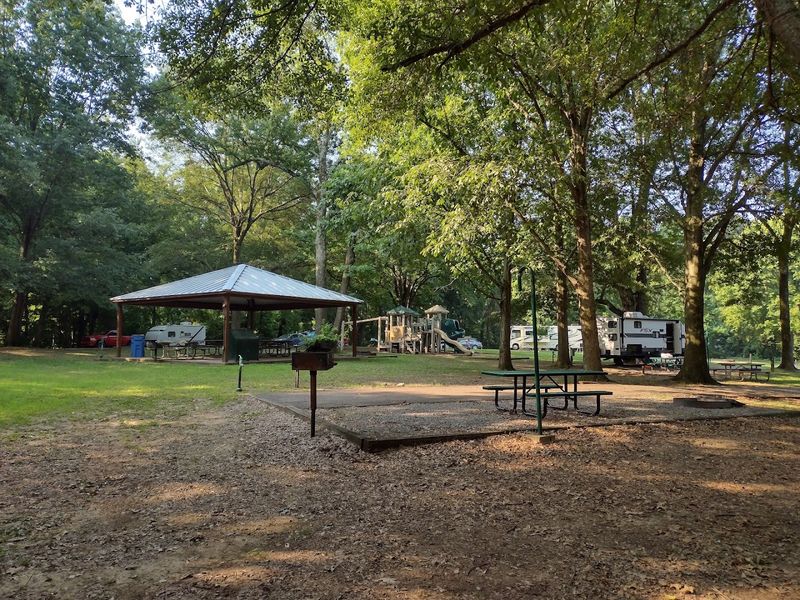
Ask random Memphis residents about T.O. Fuller and you’ll get blank stares from too many people. This park deserves way more recognition than it gets.
While tourists flock to Graceland and Beale Street, locals who know about this place enjoy having it relatively to themselves. That’s the definition of underrated: exceptional quality hiding in plain sight.
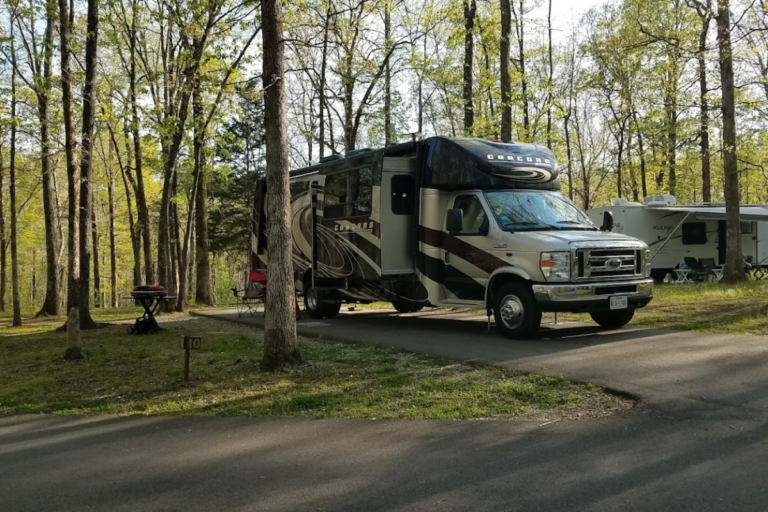
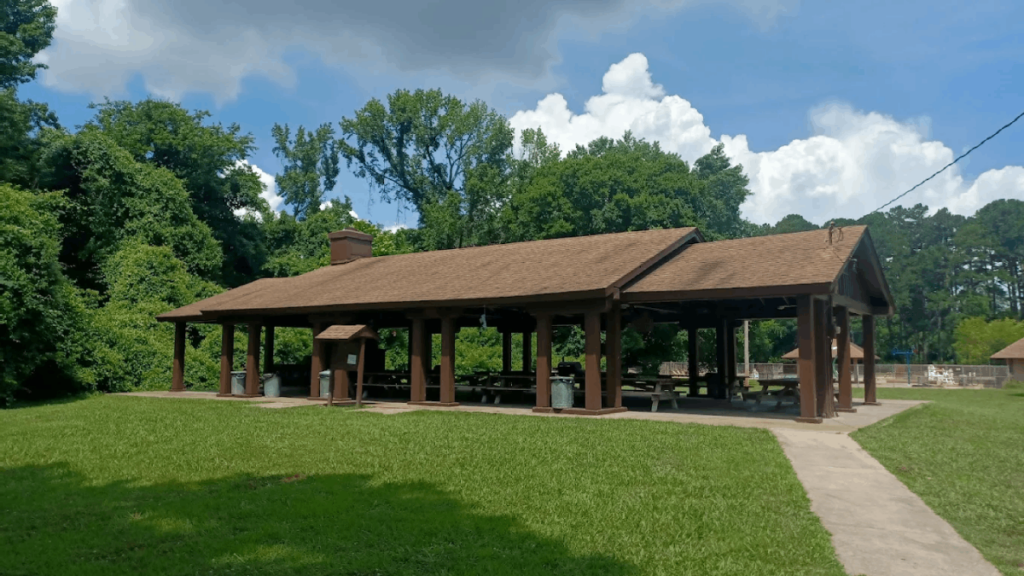
The park punches above its weight in every category. Want camping? The renovated campground offers full hookups, clean bathhouses with air conditioning, and sites tucked under mature trees. Need picnic facilities? Multiple pavilions provide covered spaces with grills and tables. Looking for swimming?
The pool operates during summer months. Interested in history? The Chucalissa archaeological site sits right within park boundaries, and campers get free admission.
Convenience alone makes T.O. Fuller special. You can leave work, grab camping gear, and set up before sunset without driving for hours.
Families can enjoy a full outdoor weekend without burning vacation days on travel. The location also means you can easily run into town for supplies or dinner if needed, then return to your campsite under the stars.
The park’s namesake adds cultural significance. T.O. Fuller was a prominent African-American religious and civic leader in early 1900s Memphis who fought for civil rights and community development.
Naming this park after him honors that legacy and makes it historically important beyond just its natural features.
Critics might mention the surrounding neighborhood or past maintenance issues, and those concerns exist. But recent improvements have addressed many problems, and rangers maintain regular presence. What you get is authentic outdoor recreation with real wilderness character, archaeological treasures, and historical depth, all packaged inside city limits.
Most cities would heavily promote such a resource. Memphis has somehow kept this gem relatively quiet, which benefits those smart enough to discover it but means too many people miss out entirely.
A Perfect Stop For Hikers, History Lovers, And Families
T.O. Fuller succeeds because it appeals to different interests simultaneously. Hikers get legitimate trails with varied terrain and distance options.
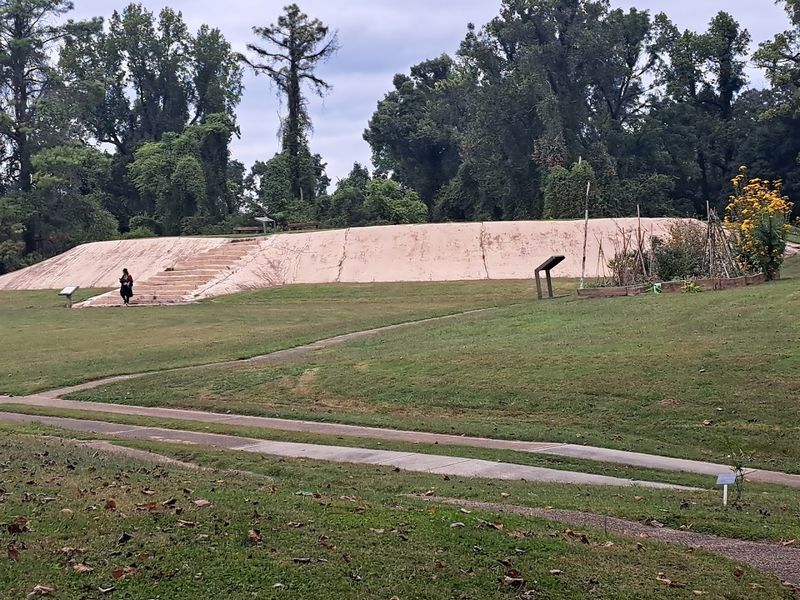
History enthusiasts explore homestead ruins and visit the Chucalissa site with its prehistoric Native American mounds and museum. Families find playgrounds, picnic areas, and easy activities that keep kids engaged without requiring advanced outdoor skills.
The multi-use approach means groups with different interests can all enjoy themselves. Maybe dad wants to hike the longer trails while mom prefers exploring the archaeological site with the kids. Everyone can do their thing, then meet back at the pavilion for a cookout.
That flexibility makes trip planning easier and keeps everyone happy.
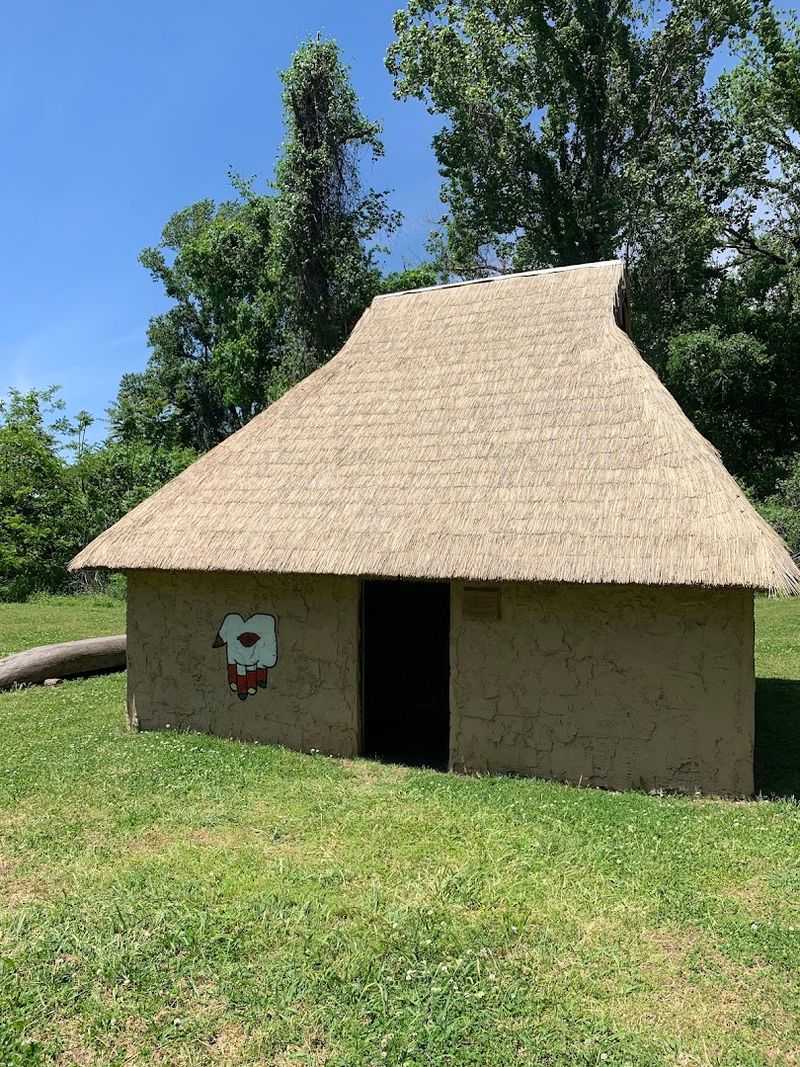
Educational opportunities abound here. The Chucalissa site, managed by the University of Memphis, offers hands-on learning about indigenous cultures that inhabited this region centuries ago. Kids can see actual archaeological excavations, replica dwellings, and artifacts that make history tangible.
Combined with the homestead ruins scattered through the park, you’re looking at layers of human history spanning hundreds of years.
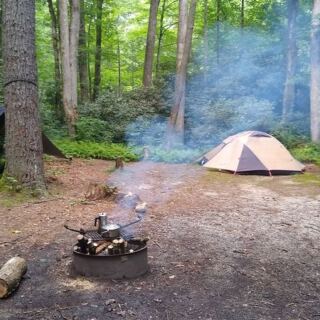
Camping brings families together in ways hotels never can. Sitting around a campfire, roasting marshmallows, and sleeping in tents creates memories that stick with kids forever. The campground’s amenities make it accessible even for camping newbies.
Clean bathhouses, laundry facilities, and level sites with hookups remove many barriers that prevent families from trying outdoor recreation.
Scout groups and church organizations frequently use T.O. Fuller for outings and camping trips. The combination of safety, facilities, and proximity makes it ideal for youth activities.
Whether you’re a solo hiker seeking solitude, a history buff chasing stories, or parents wanting to introduce children to nature, this park delivers exactly what you need.
Plan Your Visit To T.O. Fuller State Park In Memphis
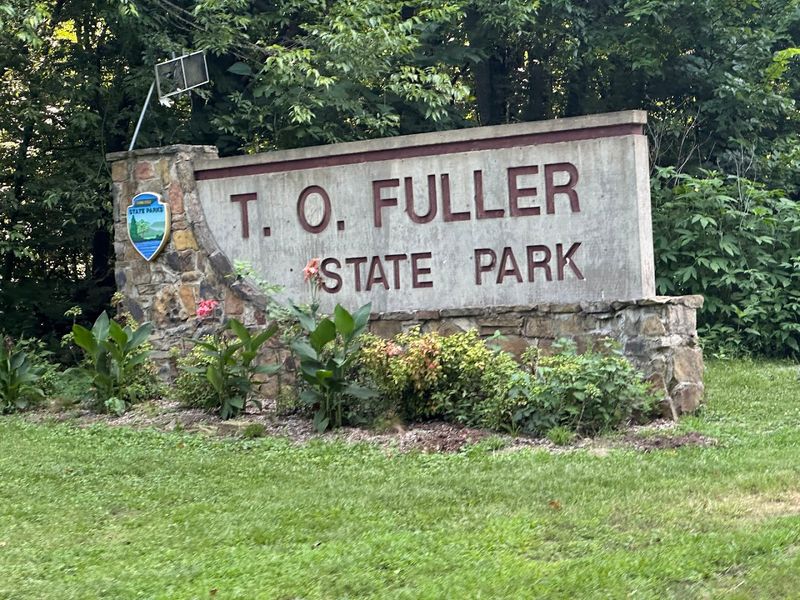
Getting to T.O. Fuller is straightforward once you know the route. The park sits in southwest Memphis at 1500 West Mitchell Road.
GPS coordinates work perfectly, though some visitors mention the approach through surrounding neighborhoods can feel sketchy. Don’t let that deter you. The park itself is well-maintained and regularly patrolled by rangers who take safety seriously.
Hours run from 8 AM to 4 PM daily, so plan accordingly. The visitor center staff can answer questions, provide trail maps, and sell firewood if you’re camping. The official website offers reservation systems for camping and pavilions.
Camping requires reservations, especially during popular seasons. Sites include water and electric hookups, and the renovated bathhouse gets consistent praise for cleanliness and air conditioning. Campers receive free admission to Chucalissa, which alone could justify the camping fee.
The dump station accommodates RVs, and laundry facilities let you wash clothes without leaving the park.
Day visitors should bring basic supplies: water bottles, snacks, sunscreen, and insect repellent. The bugs can be aggressive during summer, particularly near the pond and in shaded forest areas. Comfortable walking shoes matter more than fancy hiking boots for most trails, though serious hikers might want ankle support on rougher sections.
Timing your visit matters. Spring and fall offer the most comfortable temperatures and beautiful scenery as flowers bloom or leaves change. Summer gets hot and humid, though the forest shade helps.
Winter hiking can be surprisingly pleasant on clear days, plus you’ll have trails mostly to yourself. Weekdays tend to be quieter than weekends, regardless of season. Pack a picnic, grab your camera, and give yourself at least half a day to explore properly.
This park rewards visitors who take time to wander and discover rather than rushing through on a tight schedule.
Share this story