
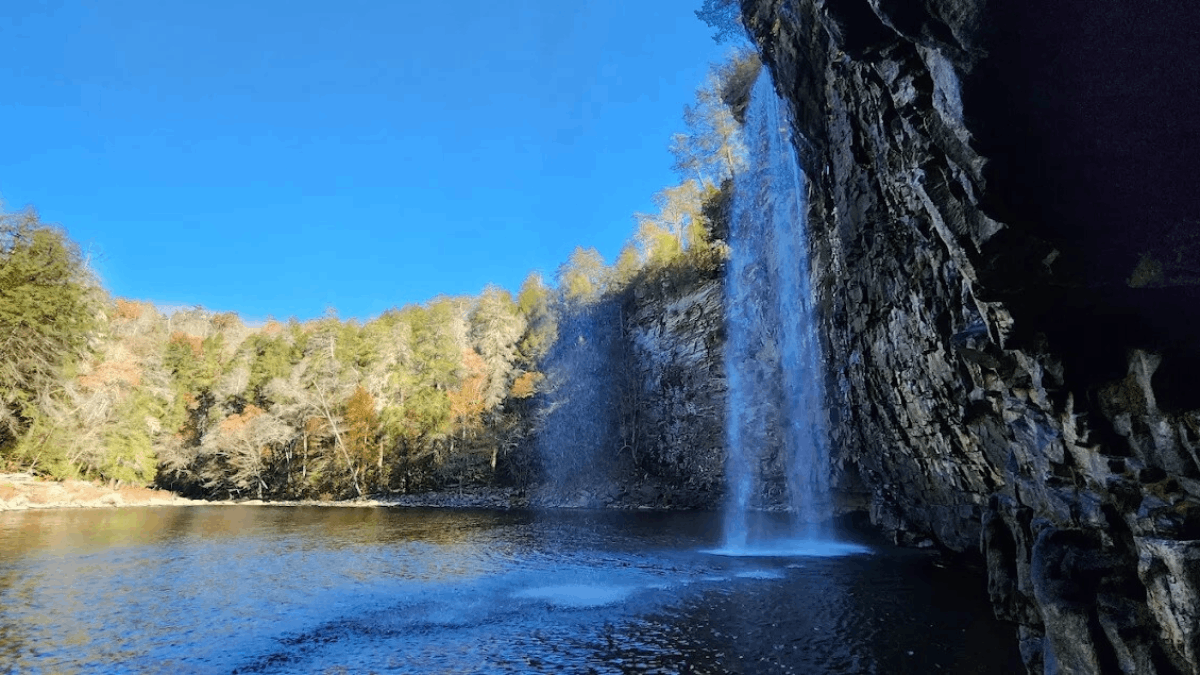
Tucked away in the scenic hills of Tennessee, Fall Creek Falls State Park stands as a natural wonder that draws visitors from across the country. The park’s crown jewel is its namesake waterfall, which plunges an impressive 256 feet into a misty gorge below, earning its place among the tallest waterfalls east of the Mississippi River.
Whether you’re an experienced hiker seeking adventure or a family looking for breathtaking views, this park offers something special for everyone who visits.
Where Is Fall Creek Falls State Park Located?
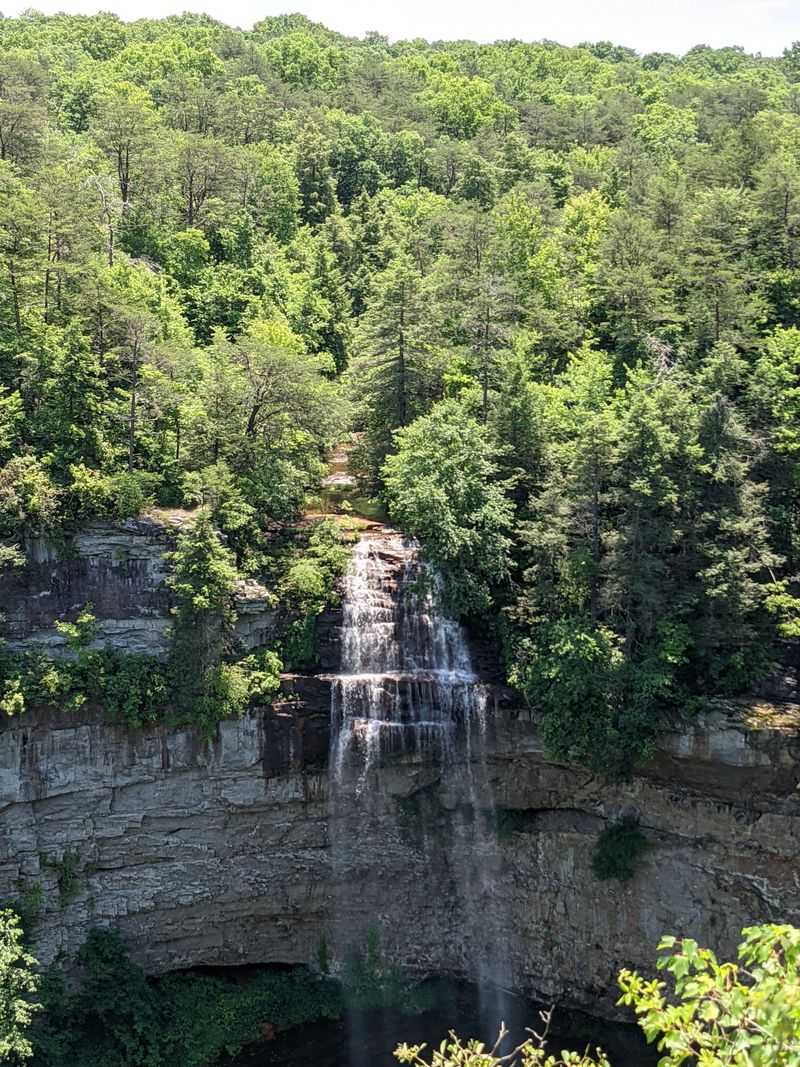
Finding this natural treasure is easier than you might think. Fall Creek Falls State Park sits in Van Buren County, Tennessee, near the small town of Spencer. The park covers more than 26,000 acres of stunning Cumberland Plateau landscape, making it one of the largest state parks in Tennessee.
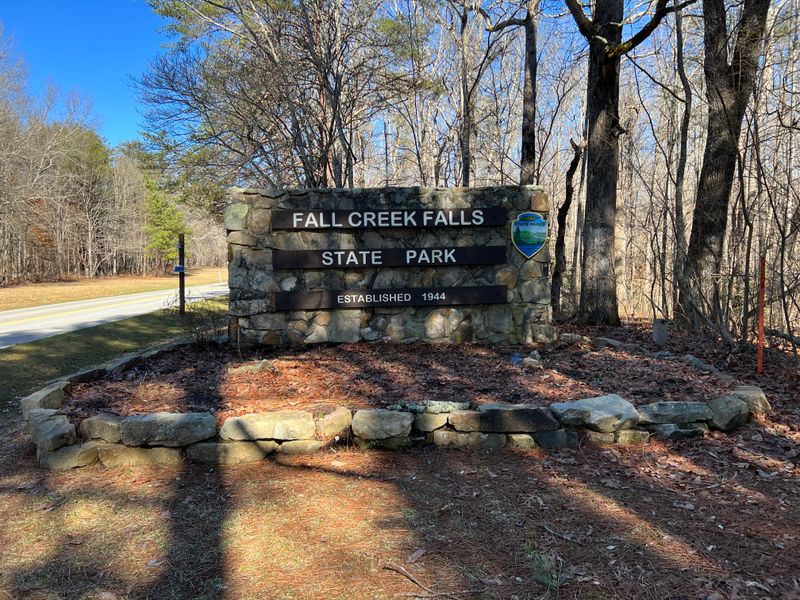
Getting there takes about two hours from Nashville or Chattanooga, following scenic country roads that wind through rolling hills. The park address is 2009 Village Camp Rd, Spencer, TN 38585, and most GPS systems will guide you directly to the main entrance. Once you arrive, you’ll find clear signage pointing to visitor centers, trails, and overlooks.
The park operates year-round with gates opening at 7 AM and closing at 5 PM daily.
How Tall Is Fall Creek Falls?
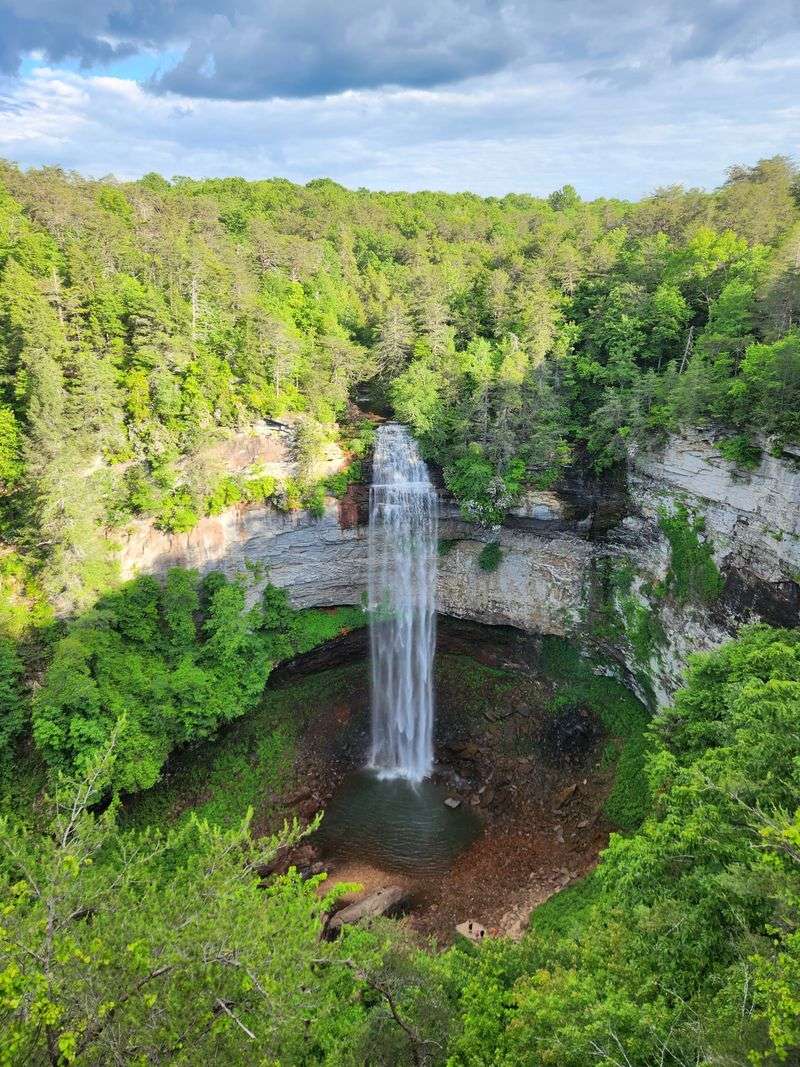
Standing at 256 feet tall, Fall Creek Falls commands attention as one of the most impressive waterfalls in the eastern United States. To put that height in perspective, it’s taller than Niagara Falls and nearly double the height of many other famous eastern waterfalls. Water rushes over the cliff edge and free-falls into a deep plunge pool below, creating a thunderous roar you can hear from multiple viewing areas.
The waterfall formed over millions of years as Fall Creek carved through layers of sandstone and limestone. During peak flow periods, especially after heavy rains or during spring snowmelt, the waterfall transforms into a powerful curtain of white water that’s absolutely mesmerizing to watch.
Geologists estimate the gorge continues deepening at a slow but steady rate. The constant erosion means this natural wonder keeps evolving, though changes happen too gradually for most visitors to notice during their lifetime.
The Best Views of the Waterfall
Multiple viewing spots let you experience the waterfall from different angles and distances. The Upper Overlook provides the most accessible view, requiring just a short walk from the parking area along a paved path. This spot sits right at the top of the falls, letting you peer over the edge and watch water disappear into the gorge below.
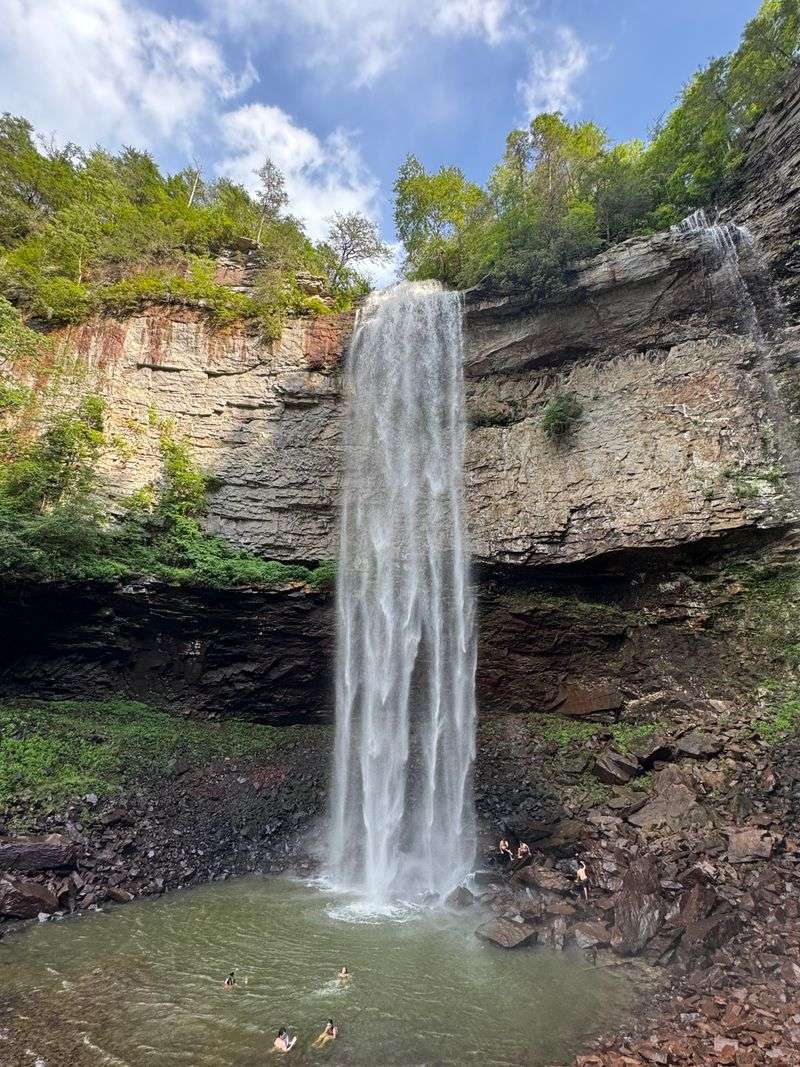
For a more dramatic perspective, head to the Base of the Falls trail. This moderately challenging hike takes you down into the gorge where you can stand at the waterfall’s bottom and feel the cool mist on your face. The view looking up at the towering cascade is absolutely breathtaking and worth every step of the descent.
Photography enthusiasts should visit the Cable Trail Overlook, which offers a side profile view perfect for capturing the waterfall’s full height. Morning light works best here, creating beautiful shadows and highlighting the water’s power as it crashes below.
Hiking Trails to Explore
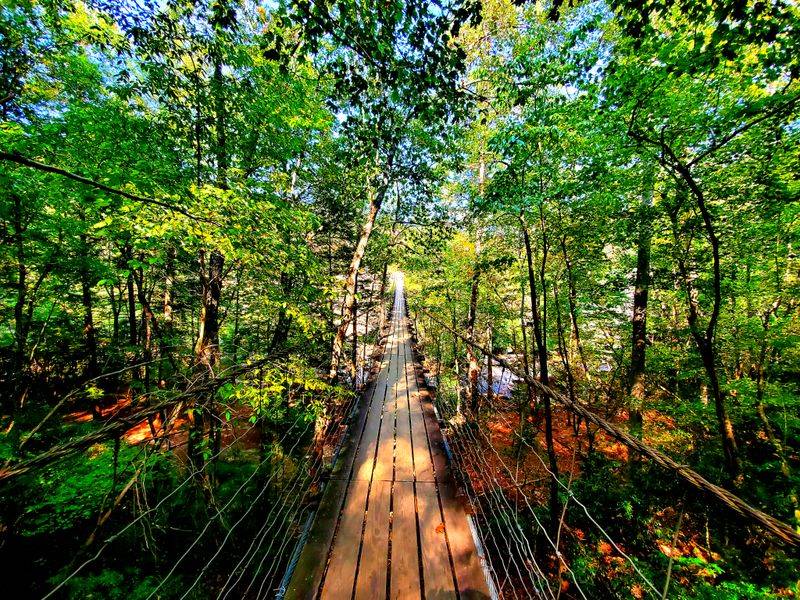
Beyond the main waterfall, the park features over 56 miles of trails ranging from easy nature walks to challenging backcountry routes. The Woodland Trail offers an easy 2-mile loop perfect for families with young children, winding through hardwood forests filled with wildflowers during spring and brilliant colors each fall.
Adventure seekers should tackle the Gorge Overlook Trail, a moderate 2-mile round trip that visits four different waterfalls, including Cane Creek Falls and Cane Creek Cascades. This trail includes some steep sections with stairs, but the payoff comes in the form of stunning views you won’t find anywhere else in Tennessee.
The park also maintains the Paw Paw Trail, a 4.8-mile path that follows the creek through remote wilderness areas. Hikers on this trail often spot wildlife, including deer, wild turkeys, and various bird species.
Remember to wear sturdy shoes and bring plenty of water, regardless of which trail you choose.
When to Visit for the Most Dramatic Flow
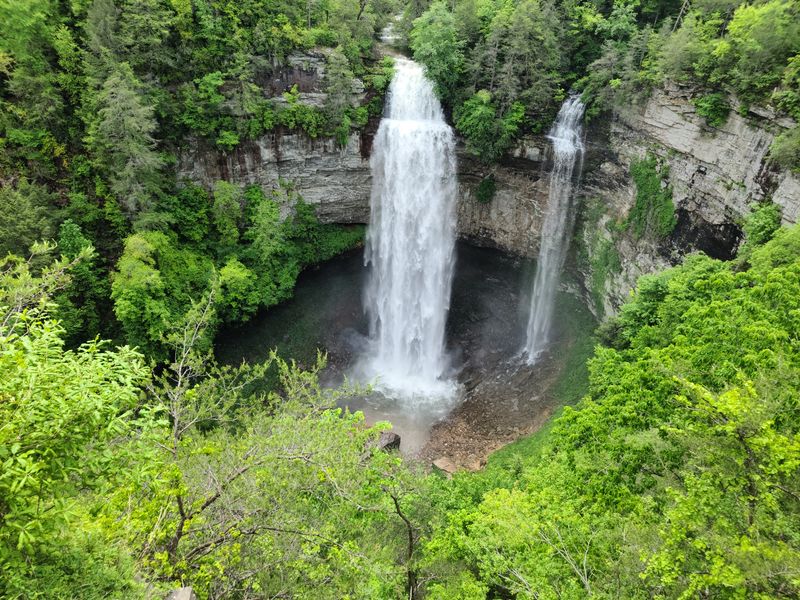
Timing your visit can make a huge difference in your waterfall experience. Spring months from March through May typically offer the most spectacular water flow as melting snow and frequent rainfall feed the creek system. During these months, the waterfall roars with power, and the surrounding forest bursts with fresh green leaves and blooming wildflowers.
Fall presents another excellent visiting window, particularly October when autumn colors paint the gorge in shades of red, orange, and gold. Water levels usually remain moderate during fall, providing a nice balance between dramatic flow and safe hiking conditions on trails near the creek.
Summer brings the largest crowds but often lower water levels, especially during dry years. Winter visits can be magical when ice formations develop around the falls, though some trails may close due to dangerous conditions. Always check the park website or call ahead to confirm trail status before making the drive.
Other Waterfalls Worth Seeing
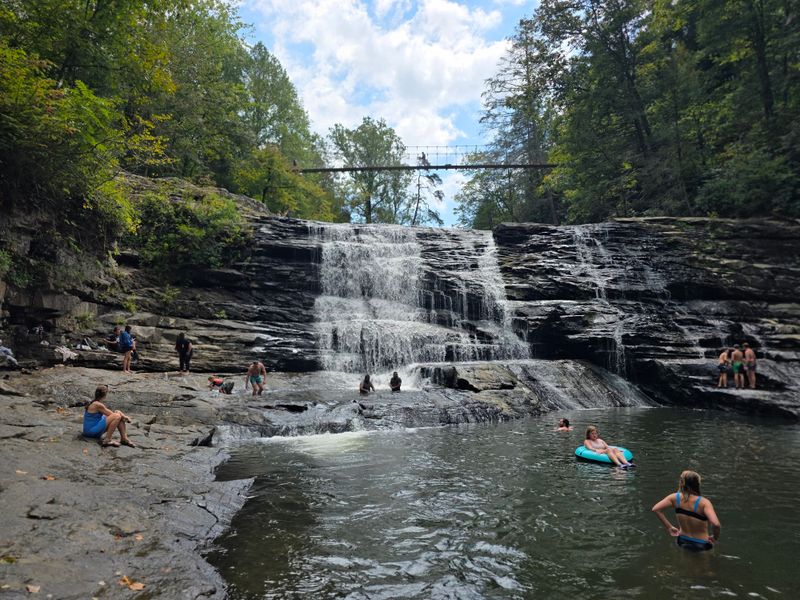
While Fall Creek Falls steals the spotlight, the park contains several other beautiful waterfalls that deserve attention. Cane Creek Falls drops 85 feet in a picturesque setting accessible via a moderate trail from the nature center. This waterfall often gets overlooked by visitors rushing to see the main attraction, which means you might have it almost to yourself.
Piney Falls, located in a separate section of the park, offers a quieter experience with its 95-foot cascade tumbling into a serene pool. The trail to Piney Falls measures about 0.8 miles one way and passes through beautiful forest scenery that changes dramatically with the seasons.
Cane Creek Cascades provides yet another stunning water feature, though it’s technically a series of cascades rather than a single drop.
Tips for Planning Your Trip
Start planning by booking accommodations early, especially during peak seasons. The park offers a variety of lodging options, including a comfortable inn, cabins, and several campgrounds with sites for tents and RVs. Reservations fill up quickly for fall weekends, so book at least a few months ahead if possible.
Pack layers regardless of when you visit since temperatures in the gorge can be significantly cooler than at higher elevations. Bring a rain jacket, comfortable hiking shoes with good traction, and plenty of water and snacks for trail adventures. Don’t forget your camera and extra batteries to capture all the stunning scenery.
Stop at the nature center near the park entrance to pick up trail maps and get current conditions from rangers. They can recommend the best trails based on your fitness level and time available. The park also features an 18-hole golf course, swimming pool, and restaurant if you want activities beyond hiking.