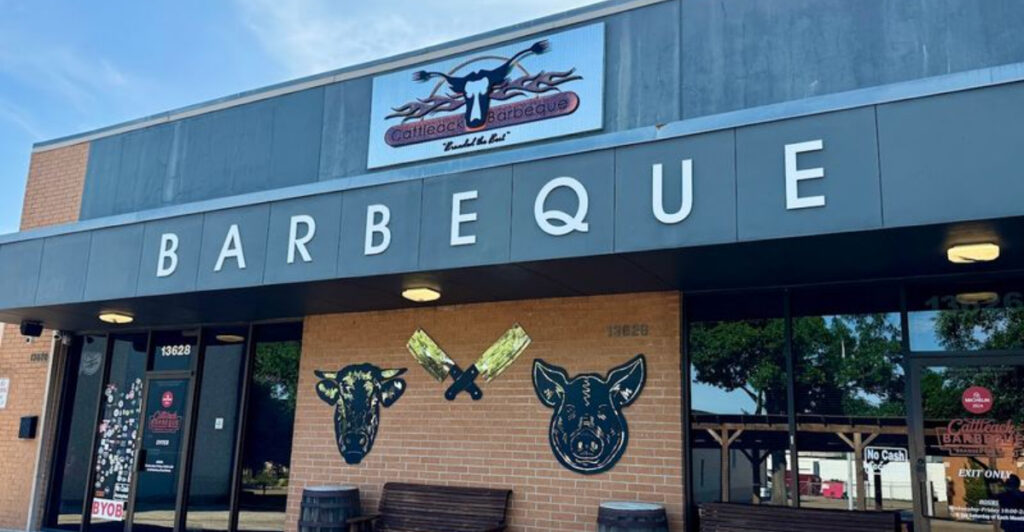
Hidden in a Farmers Branch industrial area, Cattleack Barbeque has quietly become one of Texas’s most celebrated smokehouses. The Michelin Guide recently awarded this family-run spot a Bib Gourmand, recognizing it as a place serving exceptional food at reasonable prices. What makes this recognition so special is that Cattleack only opens three days a week for four hours at a time, yet people line up before dawn just to taste what pitmaster Todd David and his family have been perfecting for years.
1. The Wagyu Brisket That Started It All
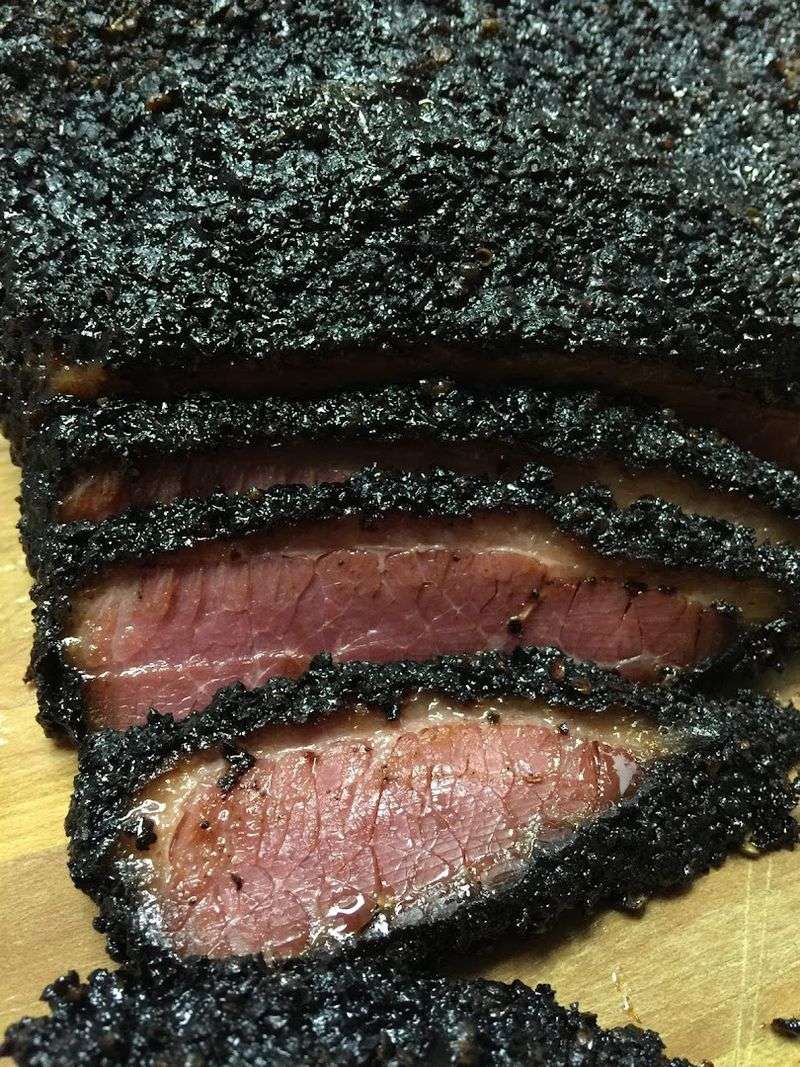
Todd David doesn’t mess around when it comes to brisket. He sources American Wagyu beef and leaves a generous amount of fat on each cut, unlike most Texas joints that trim it down to nothing. The result is meat so tender it pulls apart without a knife, with marbling that creates pockets of buttery richness in every bite.
That thick bark coating the outside delivers a perfect balance of pepper and salt, with just enough smoke to remind you this meat spent serious time in the pit. The fat cap stays intact during cooking, basting the meat from the inside out and creating an almost custard-like texture in the fattier sections. Customers rave about the consistency, noting they’ve never experienced a dry or off batch even after multiple visits.
What sets this brisket apart from competitors is the attention to detail in every step. The meat rests properly after coming off the smoker, allowing juices to redistribute throughout each slice. The bark has genuine crunch without being burnt, and the smoke ring runs deep into the meat rather than sitting as a thin cosmetic layer.
First-timers often order the lean cut thinking they’re playing it safe, but regulars know the fatty brisket is where the magic happens. The Michelin inspectors clearly agreed, as this single item appears in nearly every glowing review and has become the benchmark by which visitors judge all other Texas barbecue.
2. Pastrami Brisket That Breaks All The Rules
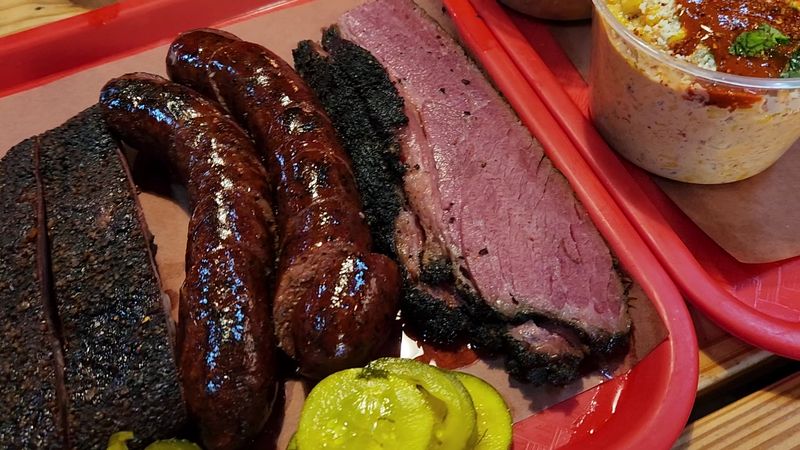
Every Wednesday and Friday, something magical happens at Cattleack that draws crowds from across the Dallas area. The pastrami brisket special combines traditional Jewish deli techniques with Texas smoking methods, creating a hybrid that shouldn’t work but absolutely does. Brisket gets brined for days before receiving a heavy pepper crust and going into the smoker for the long haul.
The brining process adds layers of flavor complexity you won’t find in standard barbecue. Salt penetrates deep into the meat fibers, breaking down proteins and creating that signature pastrami tenderness. The pepper crust forms a nearly black exterior that delivers serious spice without overwhelming the beef’s natural richness.
Regulars suggest ordering it as a sandwich with spicy mustard to get the full experience. The acidity from the mustard cuts through the fatty richness, while soft bread provides textural contrast to the crusty exterior. One customer claimed this preparation ruined all regular bologna for them forever, which speaks to how transformative the flavors become.
Japanese visitors traveling for the World Cup specifically sought out this dish after hearing about it online. The combination of smoke, brine, and spice creates something entirely unique in the Texas barbecue landscape. Even people who typically avoid pastrami find themselves converted after one bite, and many admit they’ve driven hours specifically for this weekly special that sells out fast.
3. Beef Ribs Bigger Than Your Forearm
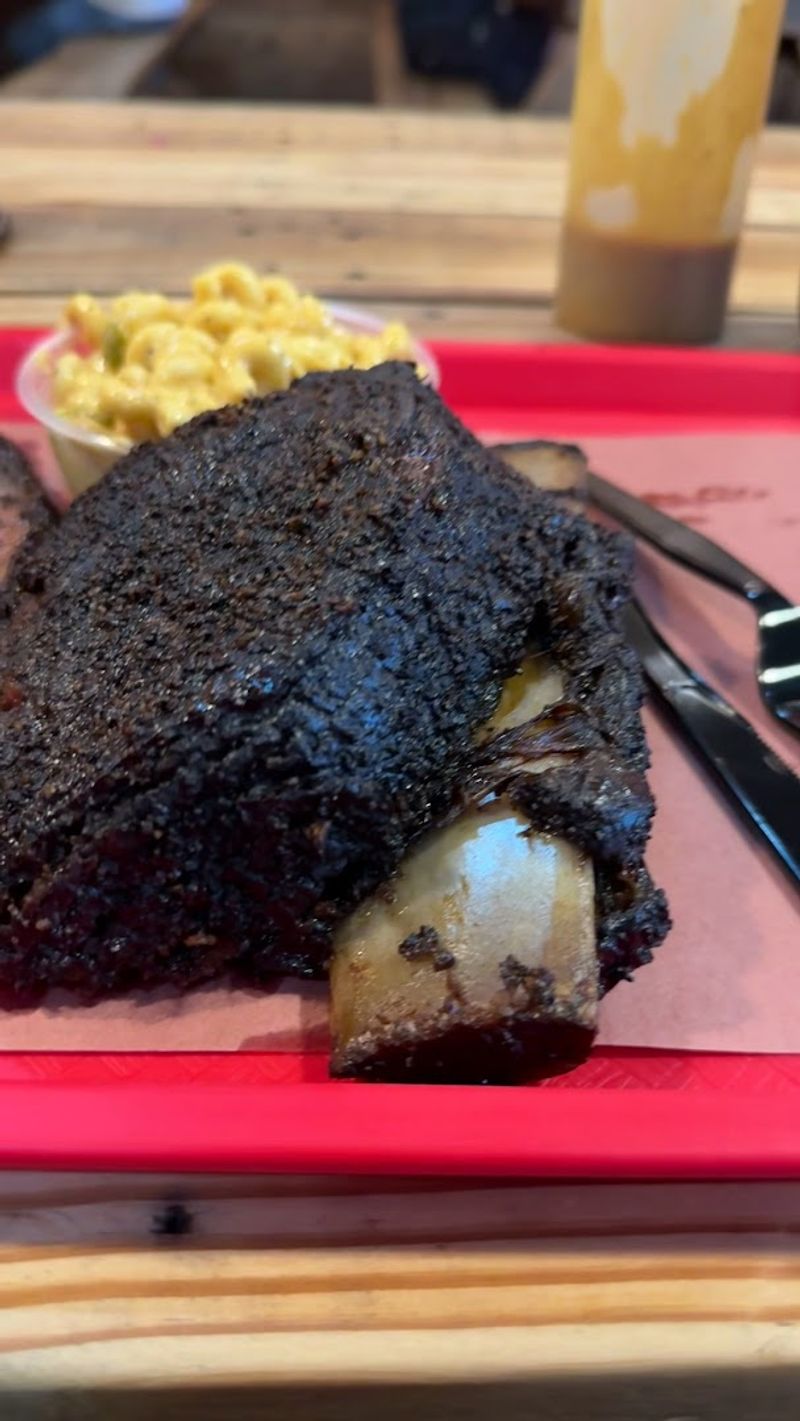
Walking into Cattleack at opening time feels like attending a religious service, and the beef rib is the holy relic everyone wants to witness. These massive bones come from the plate section of the cow, where meat grows thick and marbling runs generous. After hours in the smoker, the exterior develops a bark so dark it looks almost burnt, but one bite reveals the genius of the technique.
The meat pulls away from the bone with minimal effort, leaving clean edges that show how properly rendered the fat has become. Collagen transforms into gelatin during the long cook, creating an unctuous texture that coats your mouth without feeling greasy. The seasoning remains simple, letting the beef’s natural flavor shine through layers of smoke.
One reviewer described waiting for their beef rib like anticipating mass at the Sistine Chapel, with pitmasters donning aprons like bishops putting on vestments. That comparison might sound dramatic, but anyone who’s tasted these ribs understands the reverence. The daily special often features a pastrami version that combines the brining process with the beef rib’s natural richness.
At fifty dollars per rib, this isn’t an impulse purchase, but customers consistently report zero regrets. The Cadillac platter includes one of these monsters along with samples of everything else, making it the ultimate way to experience what earned Cattleack its Michelin recognition. Just arrive early because they make a limited number daily.
4. Burnt Ends That Define The Category
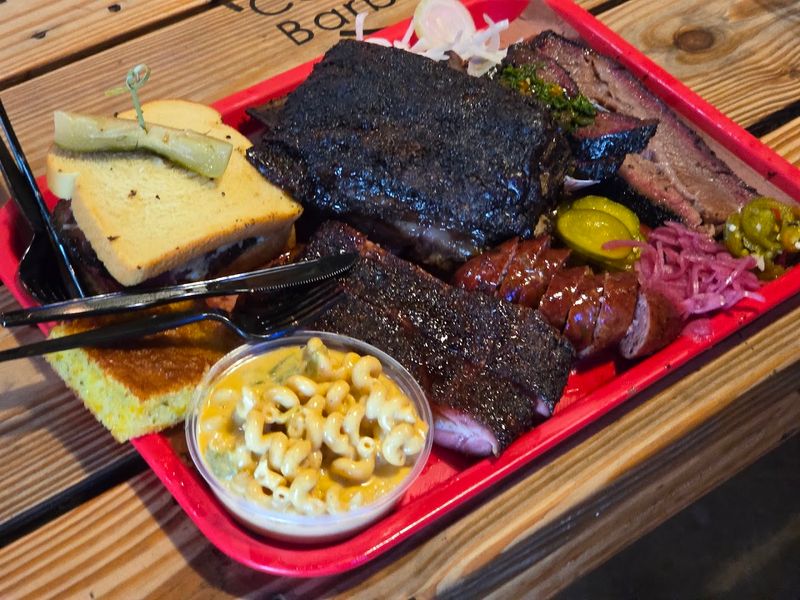
Most barbecue joints treat burnt ends as an afterthought, but Cattleack elevates them to main event status. These cubed pieces come from the brisket point, where fat content runs highest and flavor concentrates during cooking. After the initial smoke, these chunks go back into the pit to caramelize further, developing crispy exteriors while staying tender inside.
The burnt end beans showcase these meat candies at their finest. Sweet sauce complements the savory, smoky beef without masking its character. Each spoonful delivers textural variety, with soft beans providing contrast to the crusty meat chunks scattered throughout.
Visitors from Fort Worth, a city that takes its barbecue seriously, admit these burnt ends are the highlight of the entire menu. The balance between char and tenderness requires precise timing and temperature control. Too much heat and they become jerky, too little and they stay flabby rather than developing that sought-after crust.
What makes Cattleack’s version special is the quality of the starting material. Using Wagyu brisket means higher fat content, which translates to burnt ends that stay moist despite the extended cooking time. The seasoning penetrates each cube completely, so every bite delivers full flavor rather than just surface-level taste.
People who claim they don’t like fatty meat often change their tune after trying these. The rendering process transforms fat from something chewy into liquid gold that enhances rather than detracts from the eating experience.
5. Hatch Green Chile Cornbread Worth The Trip Alone
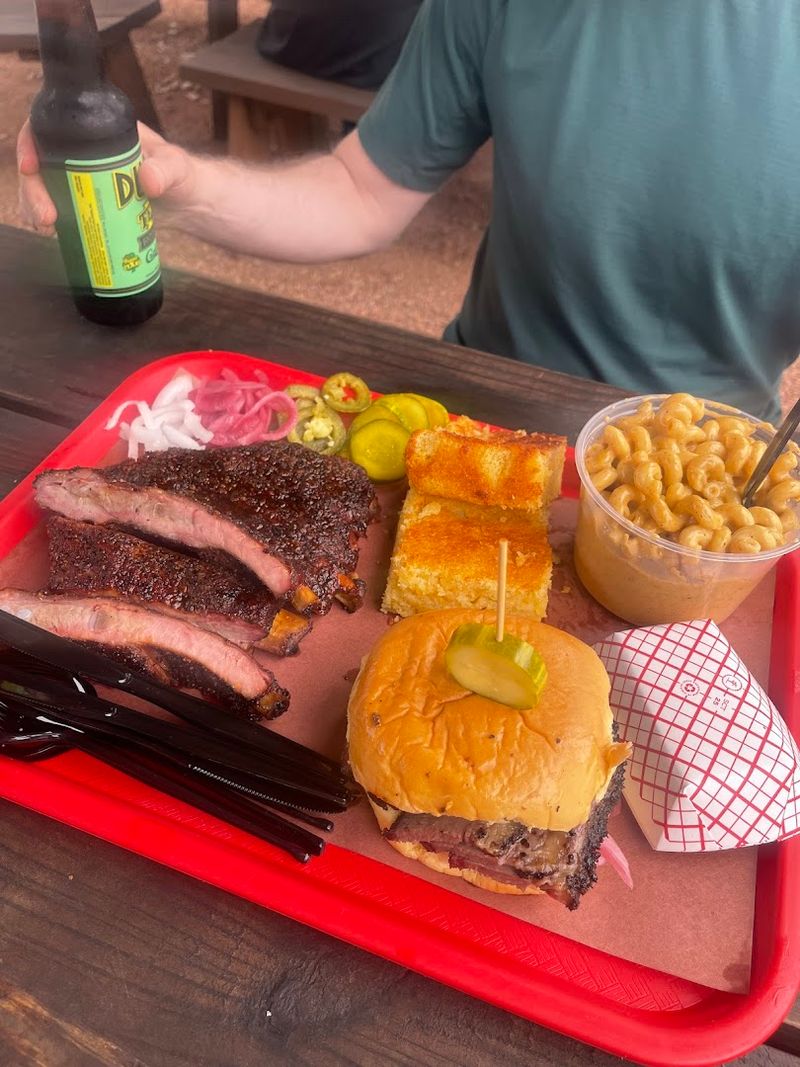
Cornbread often gets relegated to filler status at barbecue joints, but Cattleack’s version could stand alone as a destination item. Hatch green chiles from New Mexico get folded into sweet, moist batter before baking, creating pockets of mild heat throughout each piece. The crust develops a golden crunch that gives way to almost cake-like interior texture.
The balance between sweet and savory makes this cornbread incredibly versatile. Some customers eat it plain, savoring how the chile flavor builds gradually rather than hitting all at once. Others use it to soak up meat drippings and sauce, letting the bread’s structure hold up to moisture without turning to mush.
Multiple reviewers specifically mention requesting extra cornbread, even when they’re already full from meat. The recipe achieves something rare in the cornbread world by avoiding both the crumbly-dry texture of traditional Southern versions and the dense, heavy consistency of Northern styles. This sits perfectly in the middle, with enough structure to hold together but enough tenderness to melt on your tongue.
The Hatch chiles contribute more than just heat. Their slightly fruity, earthy flavor adds complexity that regular jalapenos can’t match. The limited growing season for authentic Hatch chiles means Cattleack likely sources them fresh during harvest and preserves them for year-round use, maintaining that distinctive taste profile.
First-time visitors often overlook this side item, focusing entirely on meat selections. Regulars know better and make sure cornbread appears on every order, understanding it represents the same attention to detail that earned the restaurant its Michelin recognition.
6. The Limited Hours That Make It Special
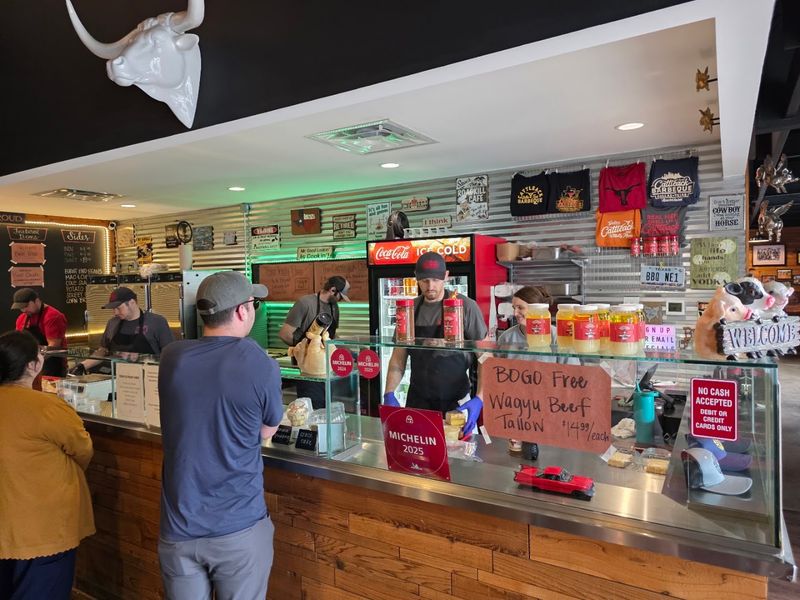
Cattleack operates on a schedule that seems designed to frustrate customers, yet somehow enhances the entire experience. Open only Wednesday through Friday from 10 AM to 2 PM, the restaurant serves lunch and nothing else. No dinner service, no weekends, no accommodations for people who can’t make those narrow windows.
This scarcity model isn’t a gimmick but a practical necessity for maintaining quality. Smoking brisket properly takes twelve to sixteen hours, meaning the pitmaster starts work in the middle of the night to have meat ready by opening. Limited hours mean the family can focus on perfecting a specific amount of product rather than trying to scale up production and potentially compromising quality.
Lines form before 9 AM on most days, with dedicated fans arriving even earlier to guarantee their spot. By noon, popular items often sell out completely, leaving latecomers with limited options. Some negative reviews complain about this system, but regular customers understand it’s part of what makes Cattleack special.
The Michelin inspectors clearly didn’t penalize the restaurant for its limited availability. If anything, the scarcity demonstrates confidence in the product and commitment to doing things right rather than chasing maximum profit. You can’t call ahead and reserve meat, you can’t order online for future pickup, you simply show up during operating hours and hope they haven’t run out.
This approach creates a sense of occasion around each visit. Getting Cattleack barbecue requires planning and effort, which makes the payoff that much sweeter when you finally reach the front of the line and smell that smoke.
7. Crack Cake That Lives Up To Its Name
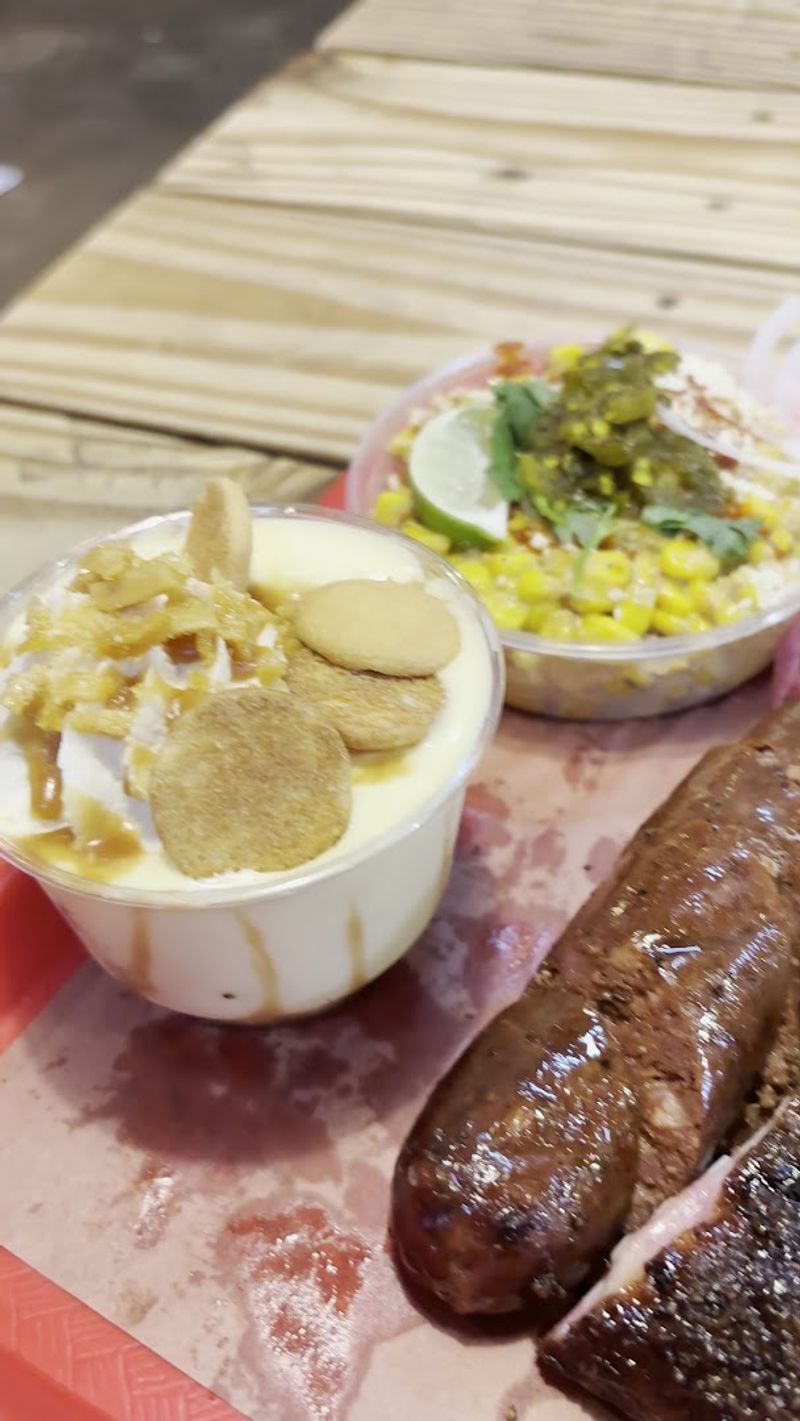
Dessert at a barbecue joint usually means afterthought banana pudding or store-bought pie, but Cattleack’s crack cake deserves its addictive nickname. The texture falls somewhere between a giant sugar cookie and a tres leches cake, with crispy edges giving way to an almost pudding-like center. Rich sweetness balances the savory, smoky flavors that came before without overwhelming your palate.
The name comes from how impossible it is to stop eating once you start. Even customers who claim they’re too full for dessert find themselves finishing entire slices and considering taking more home. The cake achieves perfect moisture levels, never crossing into soggy territory but staying far from dry or crumbly.
What makes this dessert remarkable is how it complements rather than competes with the barbecue. After eating fatty brisket and rich sides, you might think sweet cake would be too much, but the flavor profile works. The sugar cuts through the lingering smoke and spice on your tongue, essentially resetting your taste buds.
Multiple reviewers specifically call out the textural contrast as the winning element. That crispy exterior provides satisfying crunch, while the soft interior delivers comfort-food satisfaction. The balance between the two textures in a single bite creates an experience that keeps people coming back.
For a restaurant that built its reputation entirely on smoked meats, having a dessert good enough to earn its own following says everything about the family’s commitment to excellence across the board. The Michelin recognition covers the whole package, not just the main event.
8. The Family Operation Behind The Magic
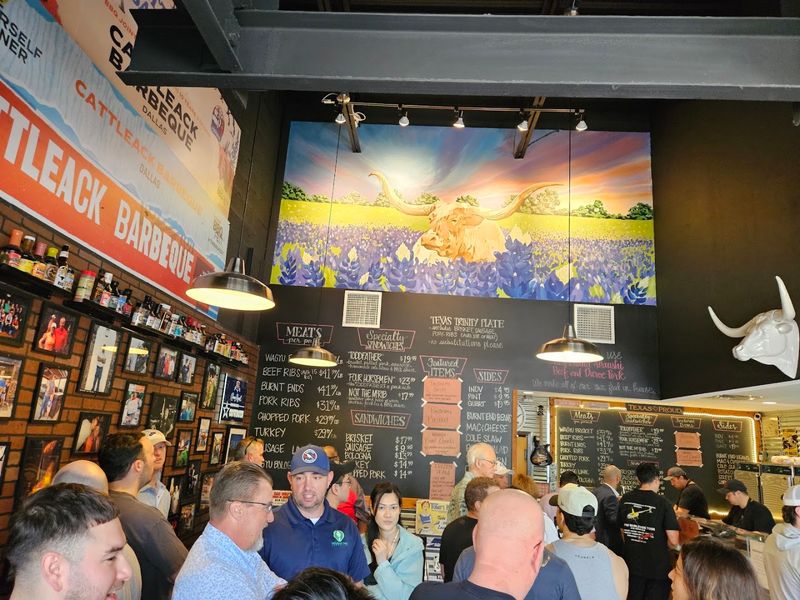
Todd David and his family run Cattleack as a true mom-and-pop operation, with multiple generations working together to maintain the standards that earned Michelin recognition. Photos covering the walls document their barbecue journey, showing the evolution from backyard hobby to nationally recognized destination. The personal touch extends beyond decoration into every customer interaction.
On opening mornings, Todd and family members greet the waiting line personally, explaining daily specials and welcoming people with genuine warmth. Some operations this successful might grow corporate and lose that connection, but Cattleack maintains its small-business soul. The cowbell that rings to signal opening time has become a beloved ritual that regular customers anticipate.
Staff friendliness gets mentioned in nearly every positive review, with customers noting how the team maintains positive attitudes despite the pressure of serving demanding crowds in a short window. They answer questions patiently, make recommendations based on individual preferences, and treat first-timers with the same respect as regulars who visit weekly.
The limited hours make more sense when you understand this is a family protecting their quality of life while pursuing their passion. Rather than expanding to multiple locations or extending hours to maximize profit, they’ve chosen to perfect what they do within boundaries that work for them. This philosophy aligns perfectly with the Michelin Bib Gourmand category, which celebrates exceptional food without the formality or expense of fine dining.
International visitors, including Japanese tourists attending the World Cup, specifically sought out Cattleack based on its reputation and family story. The combination of world-class food and authentic hospitality creates an experience that transcends simple restaurant service.
Share this story